Les dernière Rayons de Soleil — History & Analysis
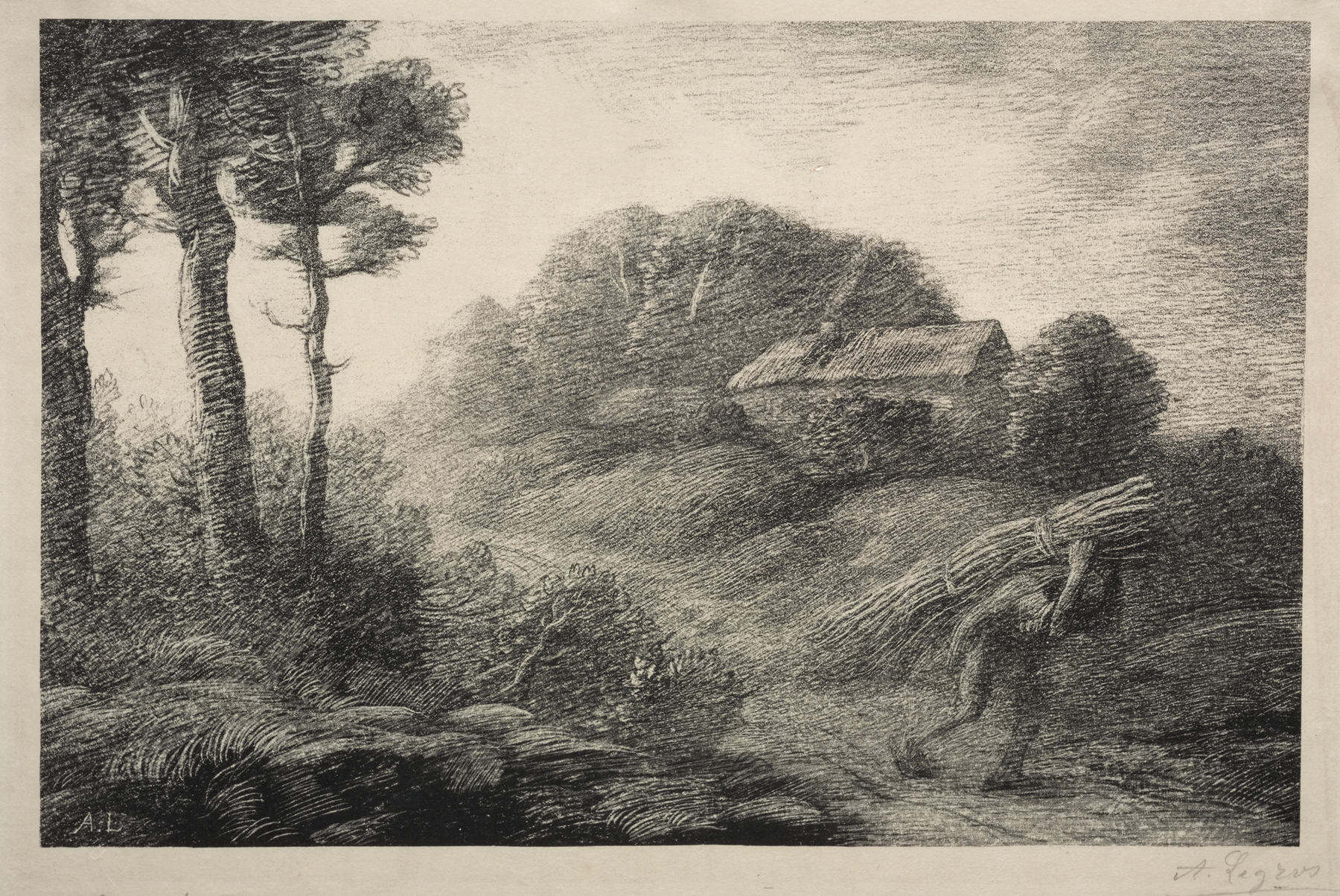
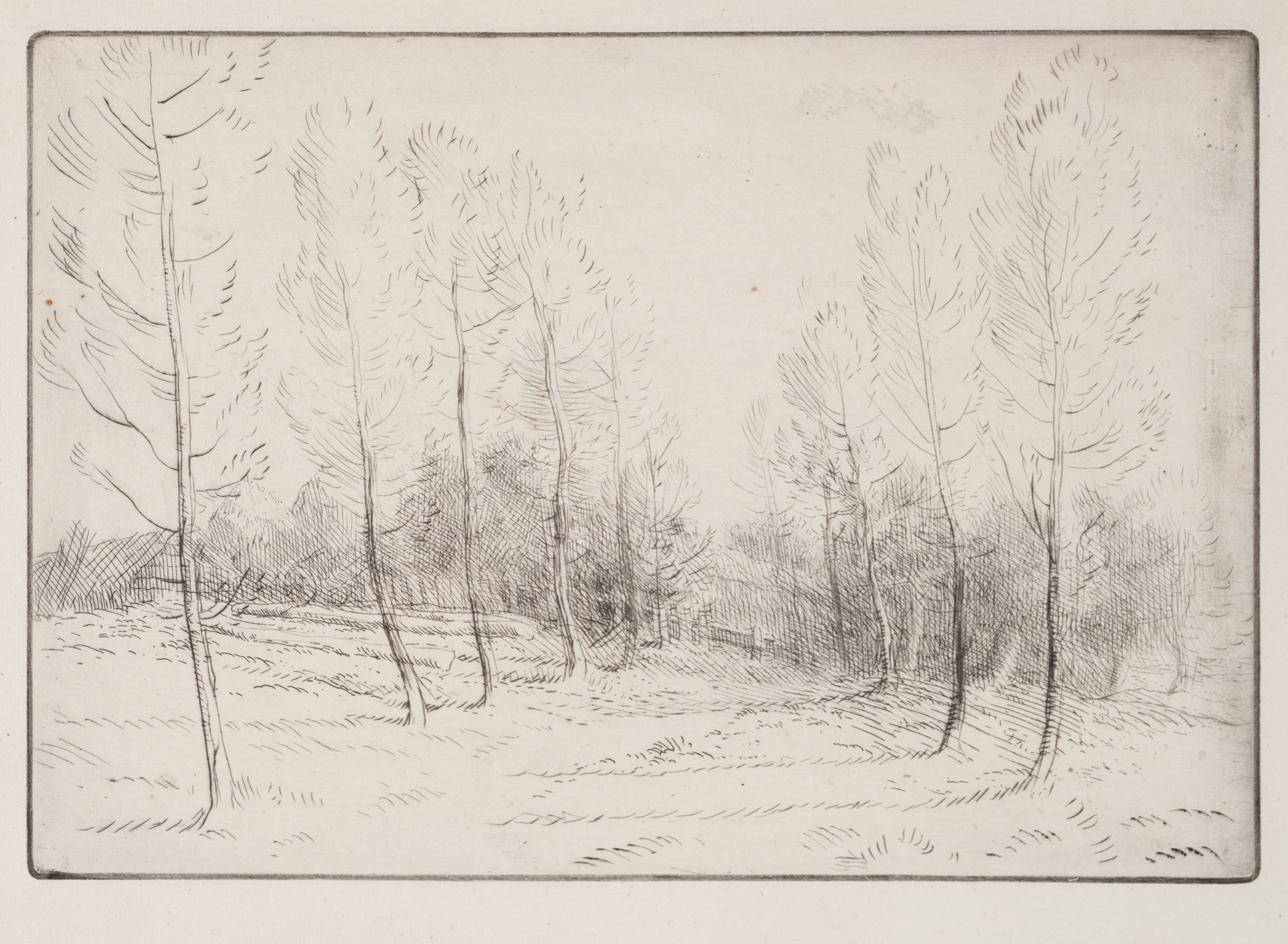
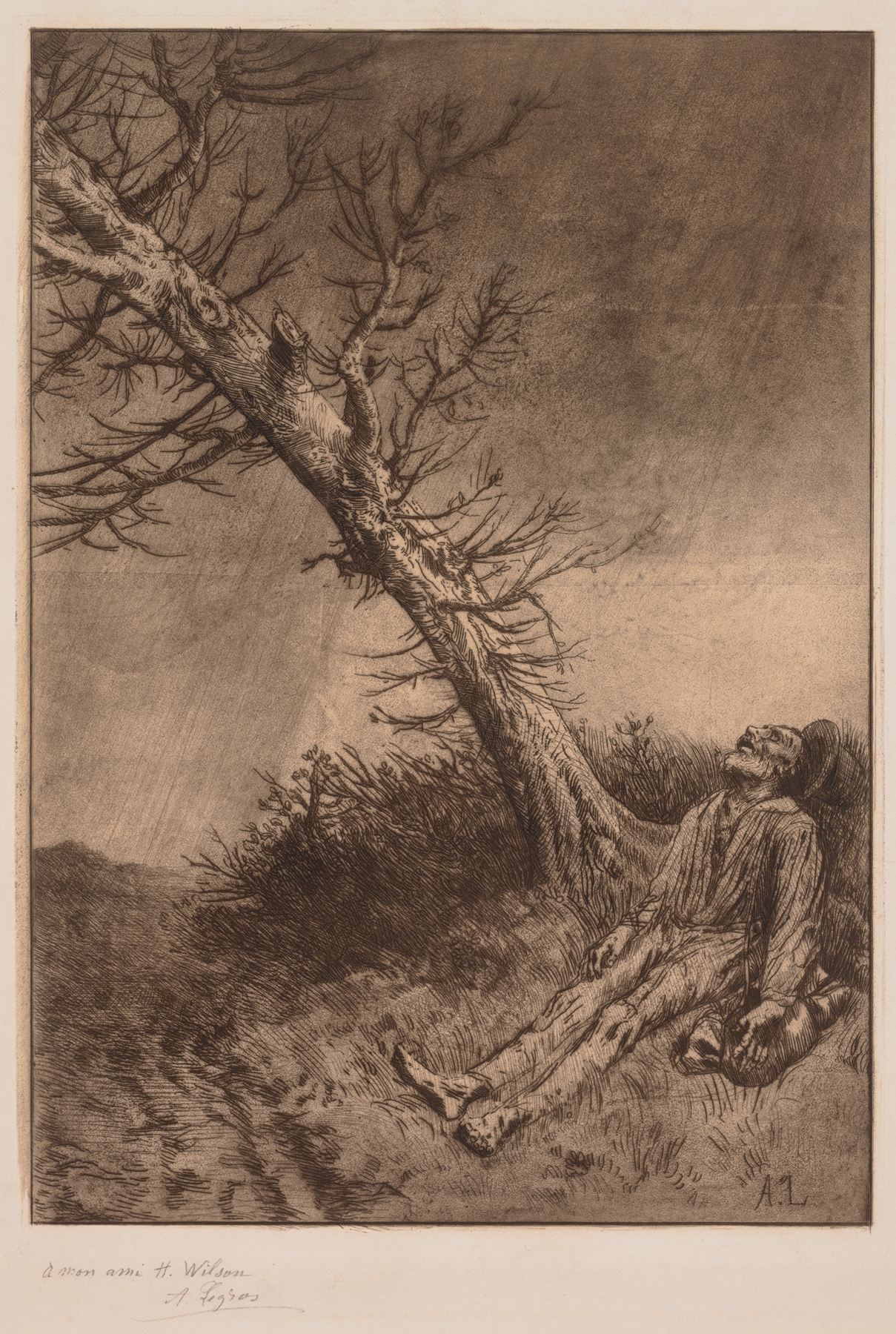
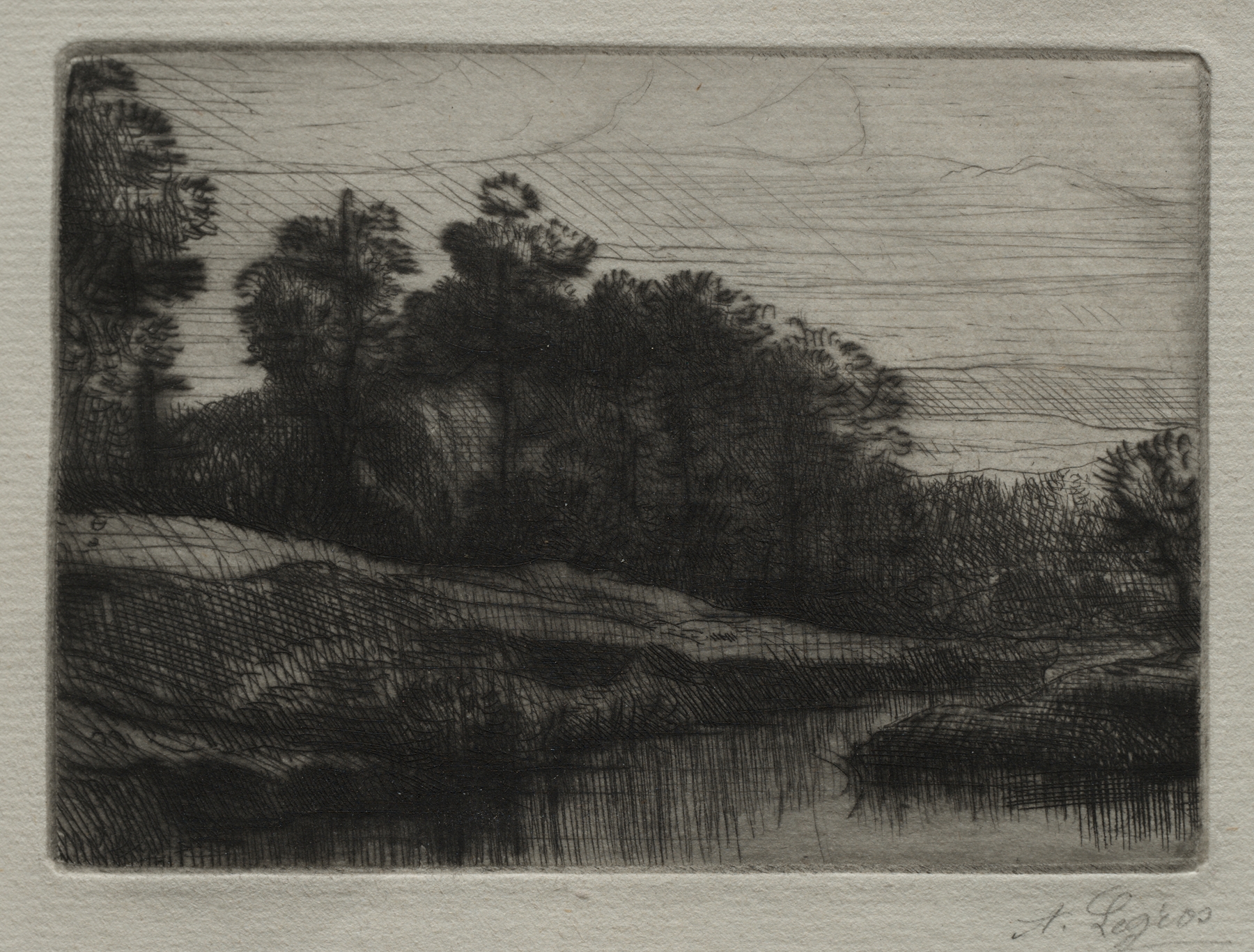
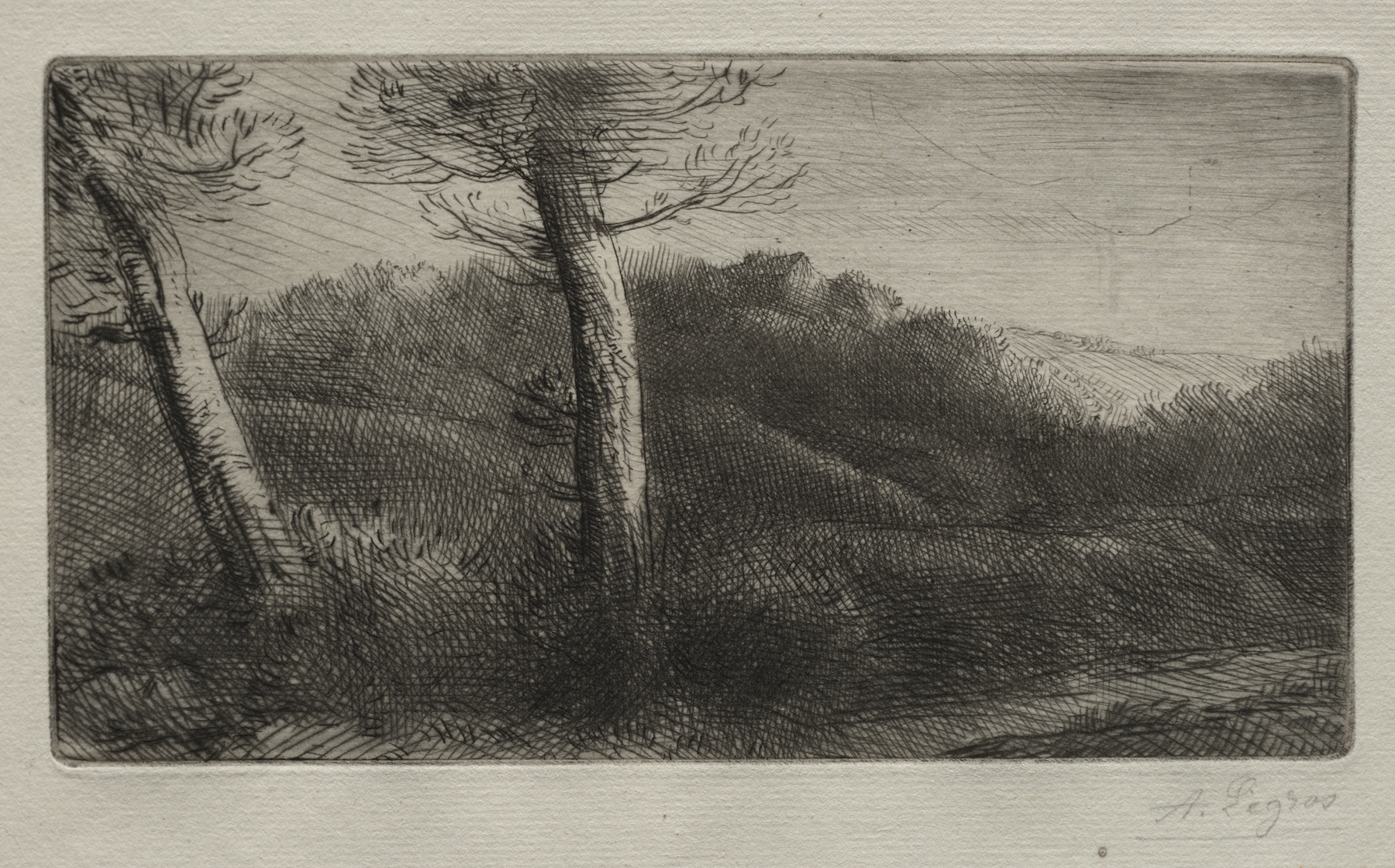
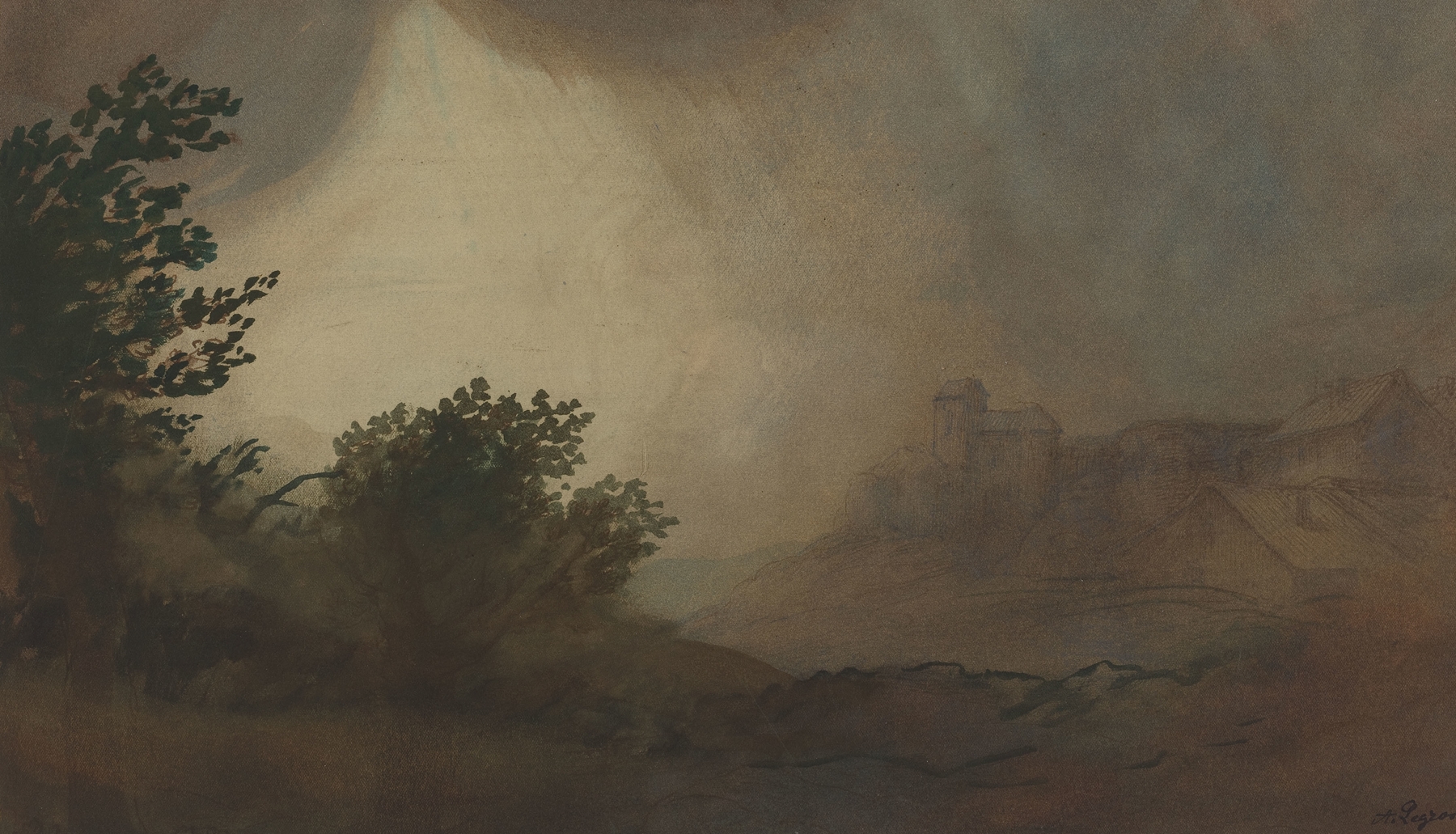
Could a single brushstroke hold eternity? In the delicate interplay of light and shadow, Les dernière Rayons de Soleil encapsulates the transient beauty of life, inviting introspection on mortality. Look to the center, where the horizon blurs into a soft embrace of golden hues. The sun, dipping low, bleeds its warmth into the landscape, casting long shadows that stretch into the unknown.
Notice how the vibrant yellows contrast with deepening blues, a visual metaphor for the fleeting nature of day and life itself. The fluid brushwork suggests movement, as if the scene breathes, while the muted foreground hints at a world that fades quietly into dusk. Beneath the surface, the painting resonates with deeper meanings: the tension between the vibrancy of life and the inevitability of its end. The sun, a symbol of vitality, juxtaposes the encroaching darkness, representing not just time's passage but also the emotional weight of loss.
Each stroke feels imbued with a sense of longing, a yearning for what will soon disappear, yet also an appreciation for the beauty present in the moment. Created during a period of personal reflection for the artist, Les dernière Rayons de Soleil was painted between 1857 and 1911, a time when Alphonse Legros was exploring themes of mortality and the human experience. Residing in France, he was deeply influenced by the shifting tides of the art world, moving away from the rigidity of academic styles towards a more emotive, impressionistic approach. This work encapsulates both his technical mastery and his philosophical inquiries into life’s transient beauty.