Evening — History & Analysis
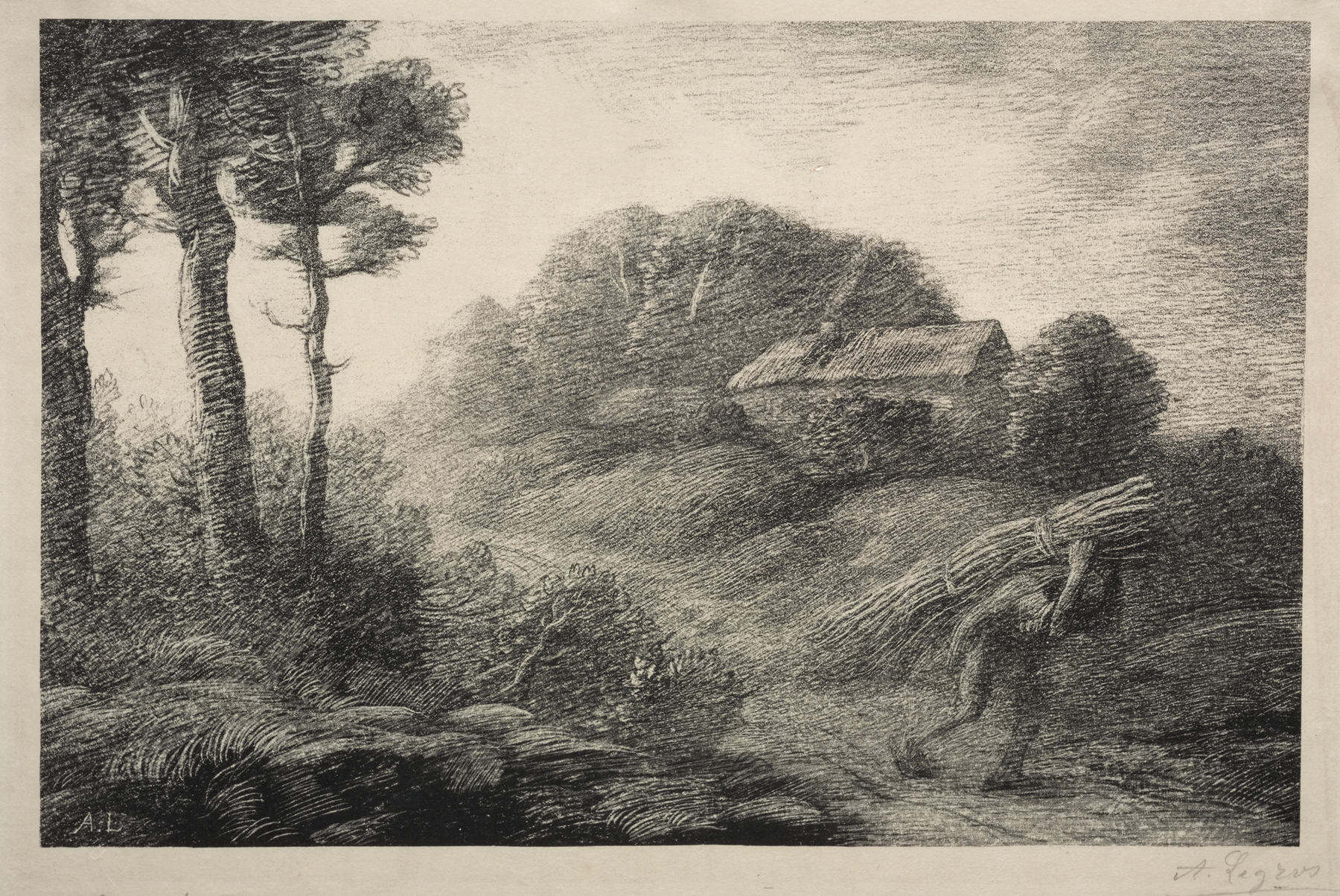
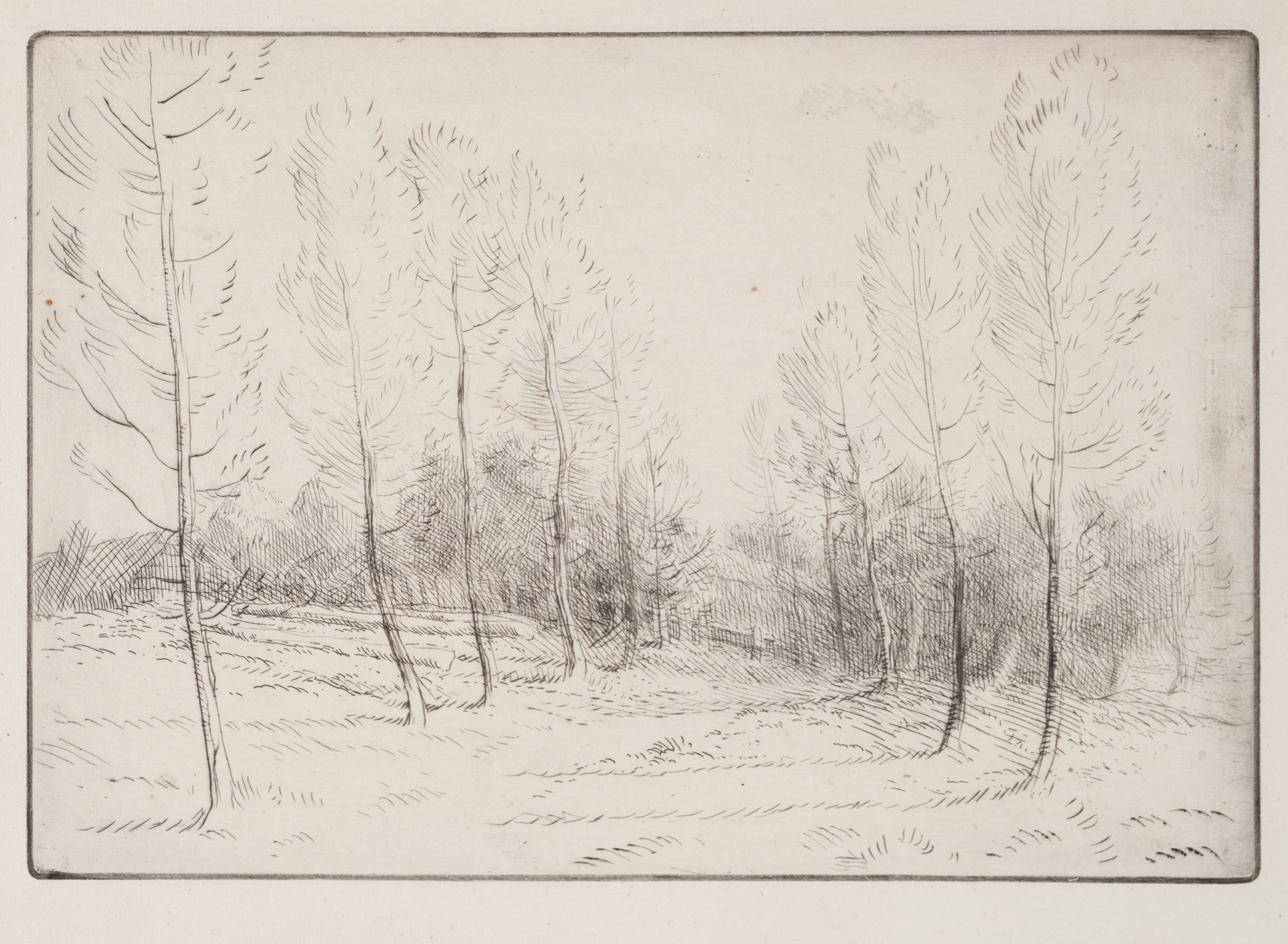
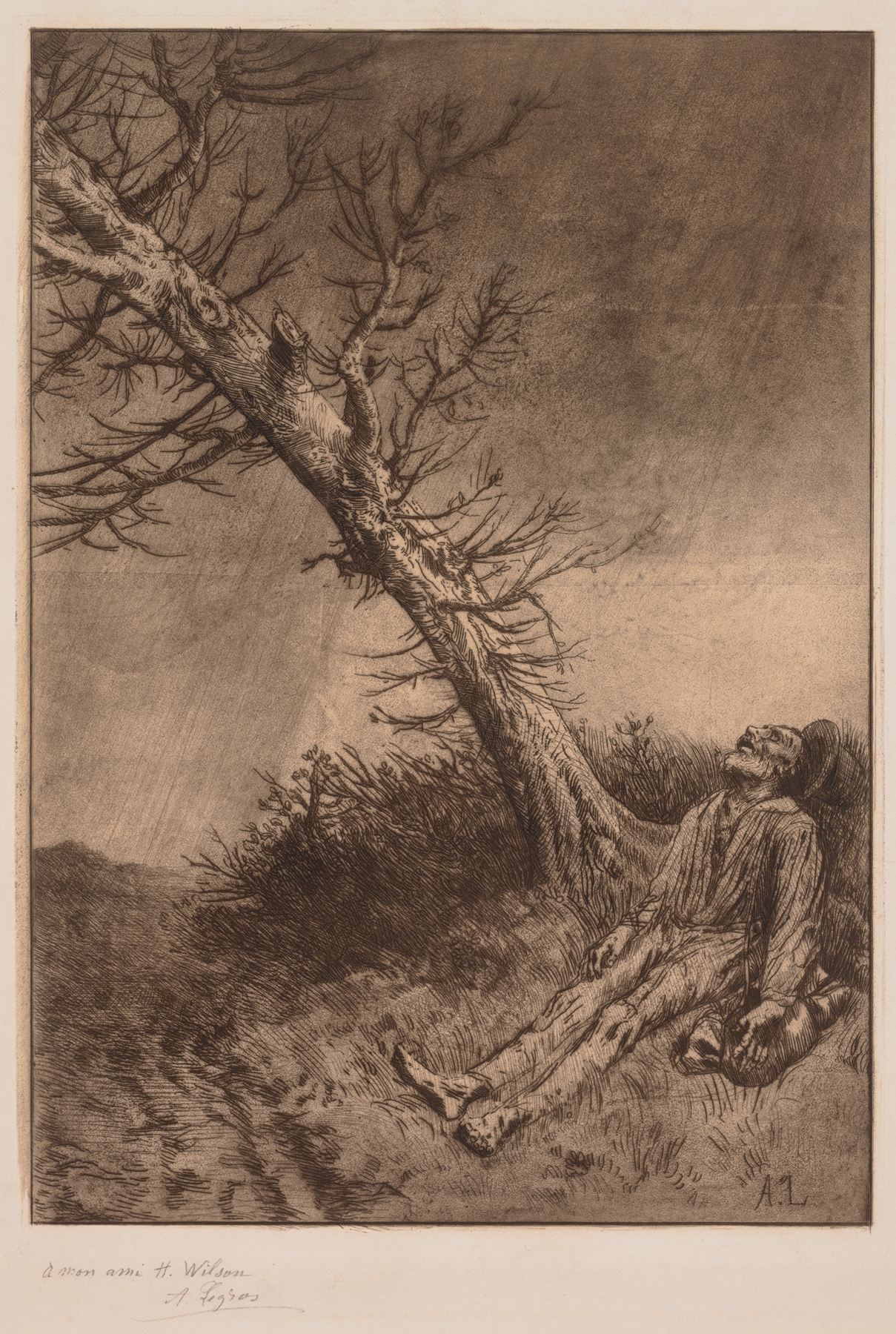
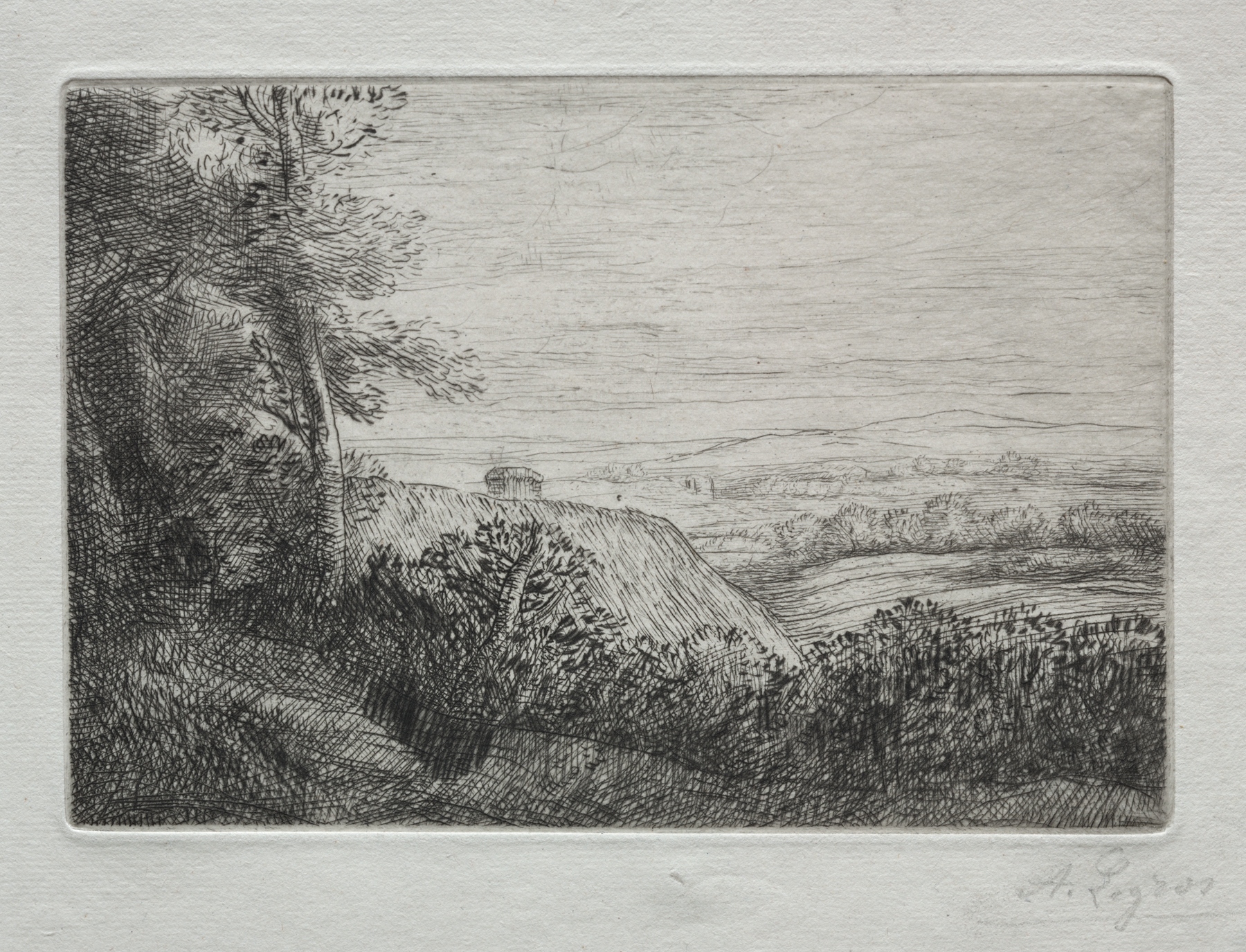
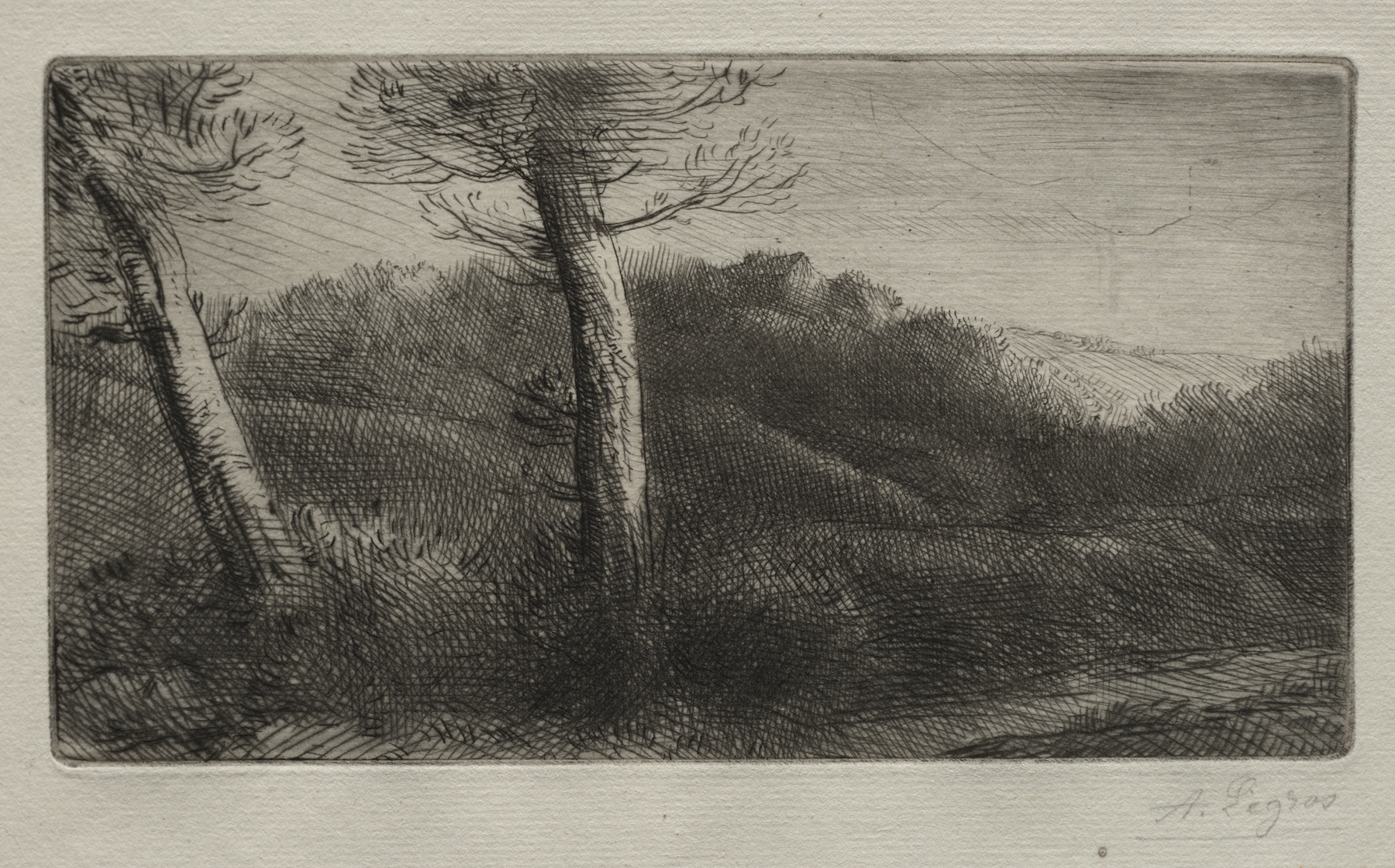
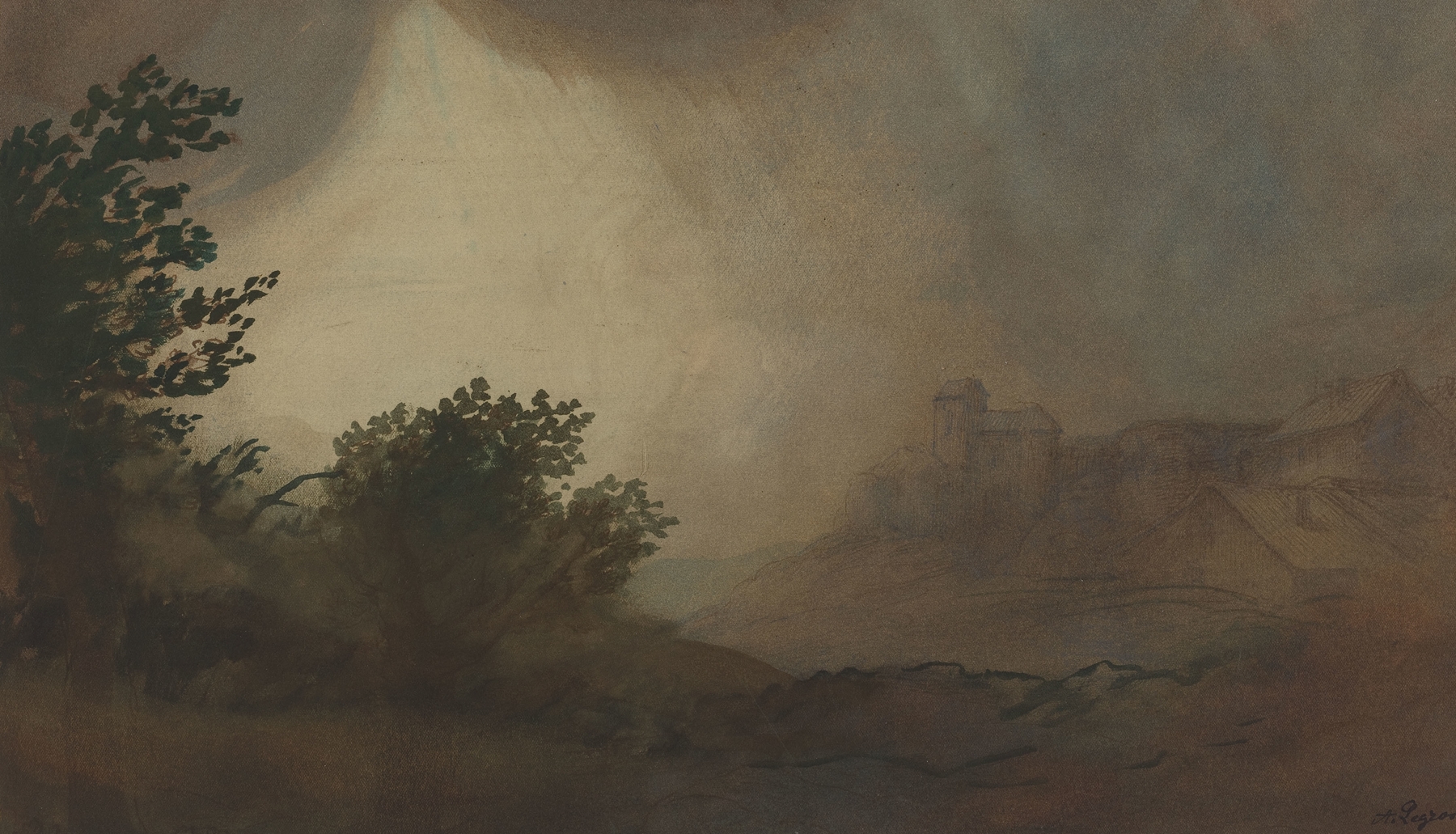
“To paint is to remember what time wants us to forget.” In Evening, the artist encapsulates a transient moment, drawing us into a realm where the dusk envelops the world in a soft embrace of color and shadow. It’s a reminder of nature's quiet power, urging us to pause and reflect amid life's relentless pace. As you gaze upon the canvas, look to the horizon where soft purples and blues coalesce, creating a tranquil gradient that signals the day's end. Notice how the warm glow of the setting sun casts elongated silhouettes against the landscape, drawing the eye into the horizon where possibility seems infinite.
The delicate brushstrokes convey a sense of calm, while the interplay of light and shadow establishes a serene yet profound dialogue within the composition. The painting resonates with themes of transience and introspection. The fading light suggests the inevitable passage of time, evoking nostalgia and a bittersweet longing for moments lost. It also speaks to the beauty found in endings, inviting us to embrace the stillness that accompanies twilight.
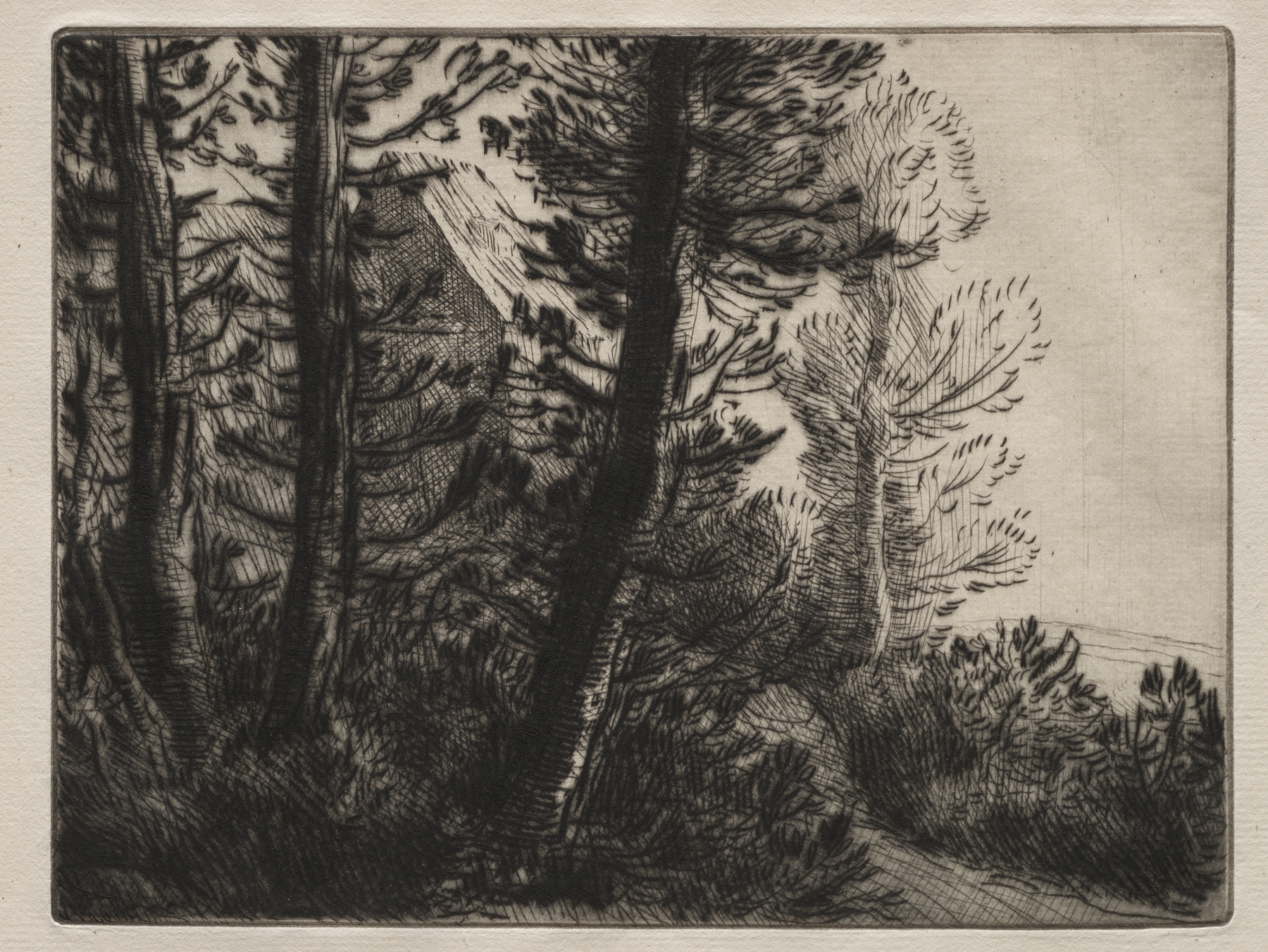
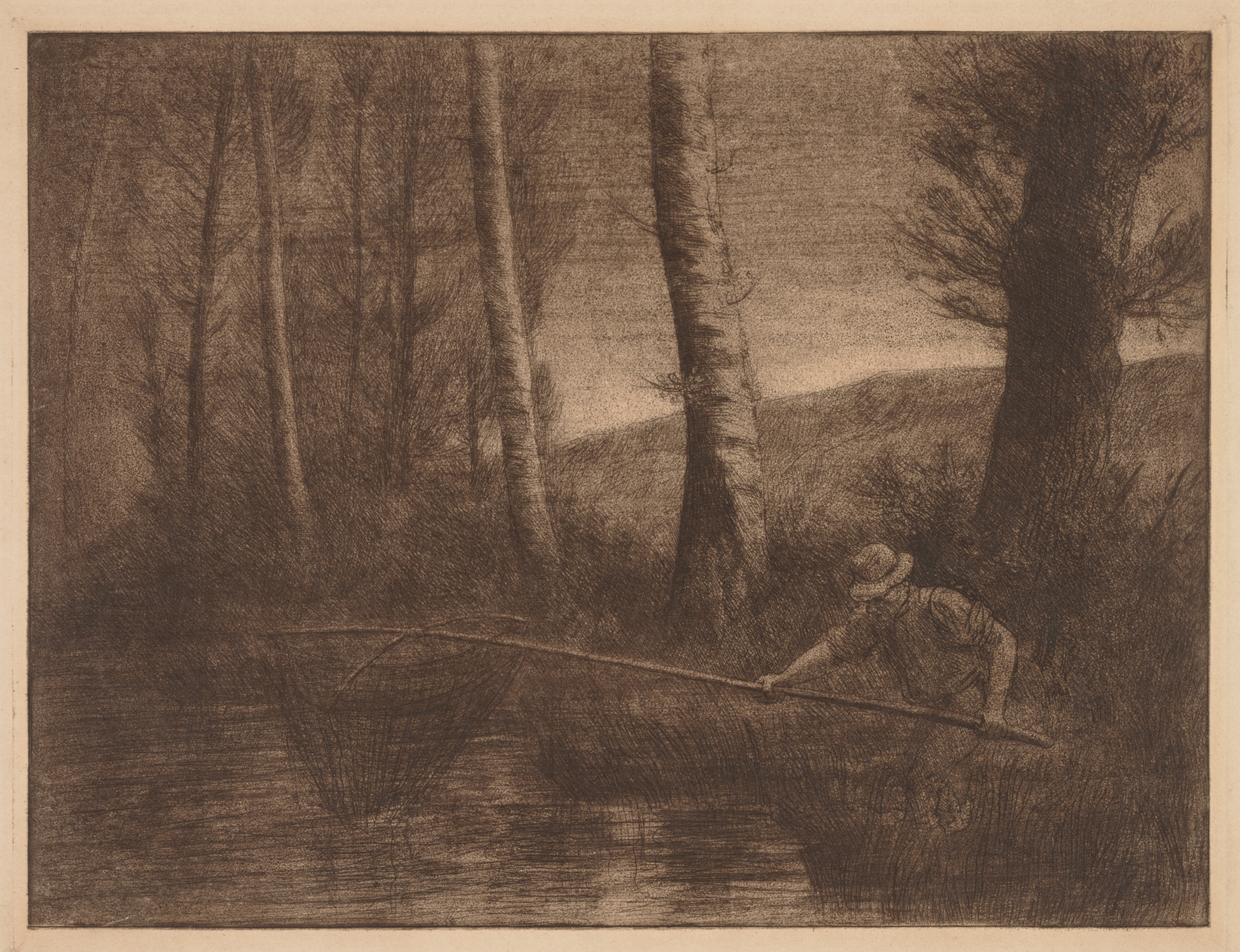
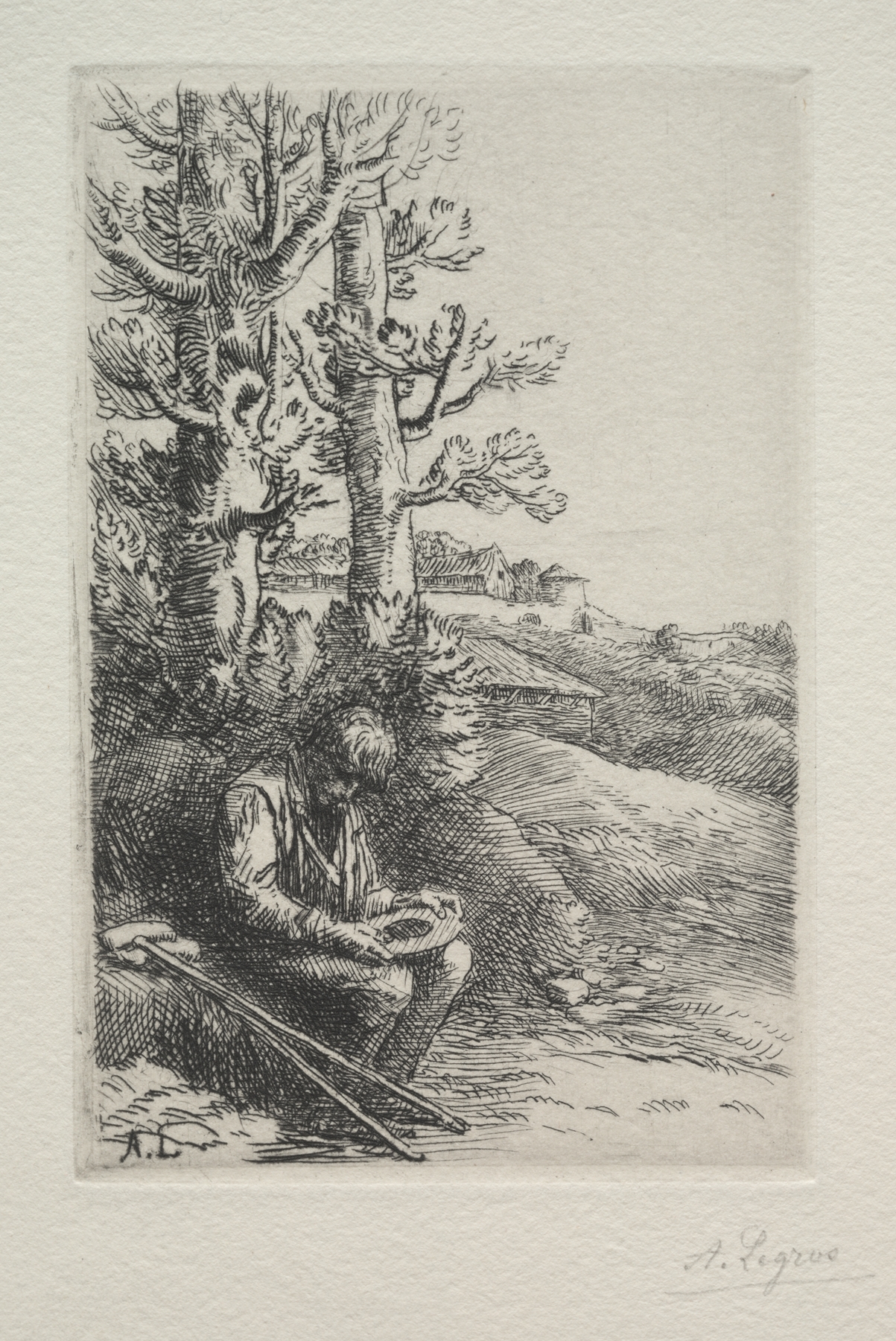
Each detail, from the gentle sway of the trees to the subtle blending of colors, contributes to an atmosphere that feels both sacred and fleeting, allowing the viewer to momentarily escape the chaos of reality. Alphonse Legros created Evening during a period of significant artistic exploration between 1857 and 1911, primarily in France. This era was marked by a shift towards realism and impressionism, with artists seeking to capture the essence of life through vivid color and light. Legros, influenced by both movements, painted this piece while engaging with themes that explore the relationship between man and nature, reflecting a deeper understanding of the human experience amidst the changing world around him.