Guard House — History & Analysis
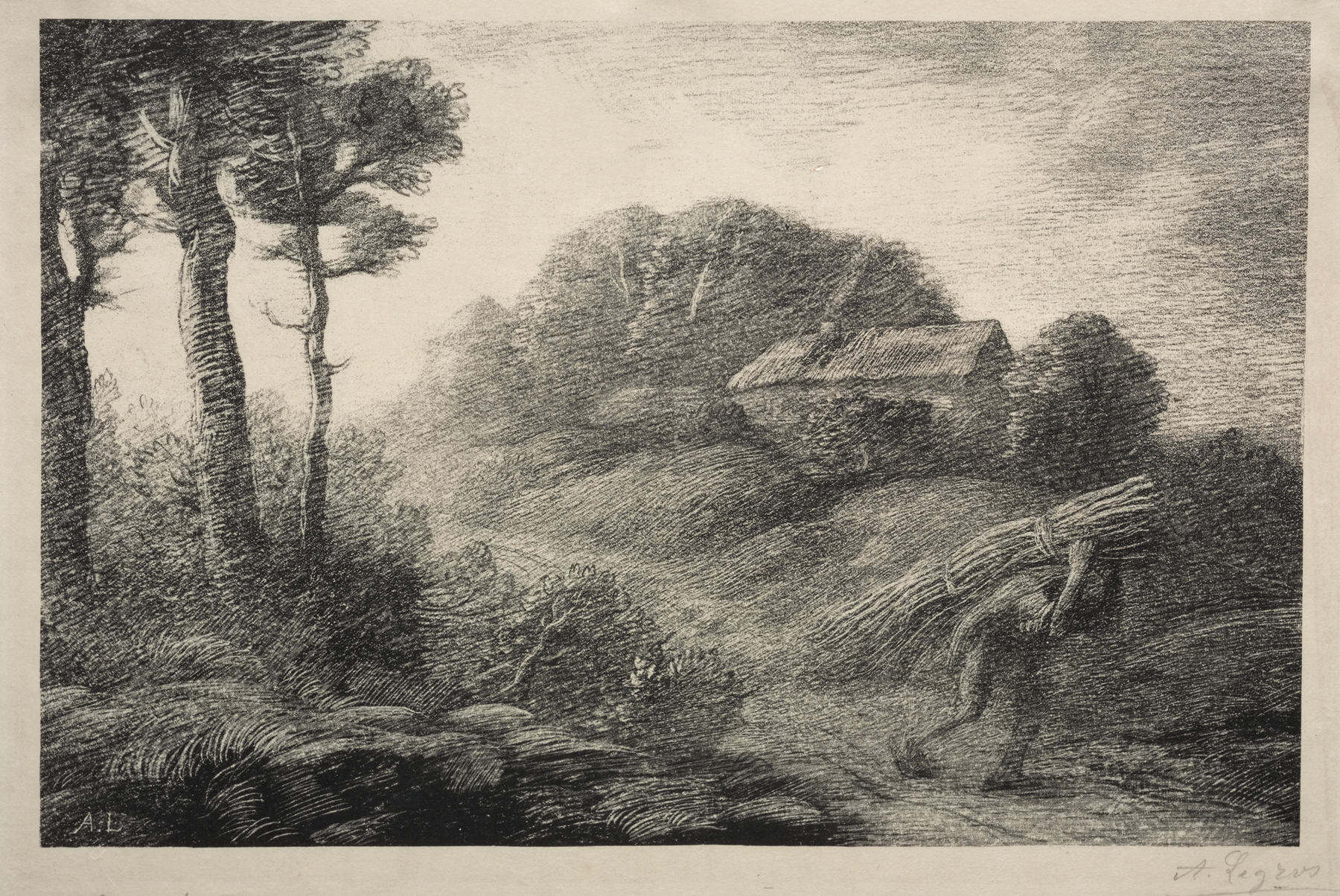
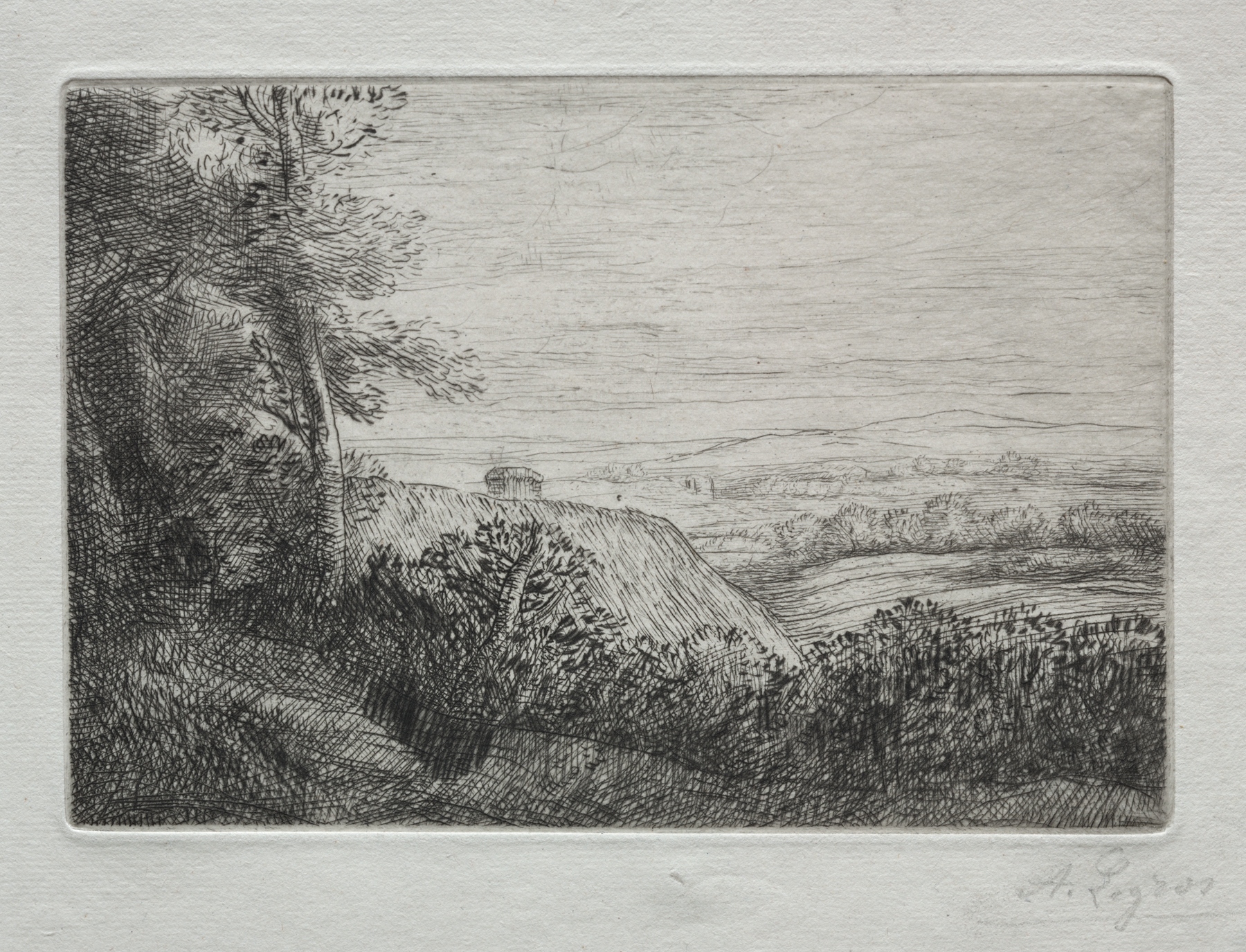
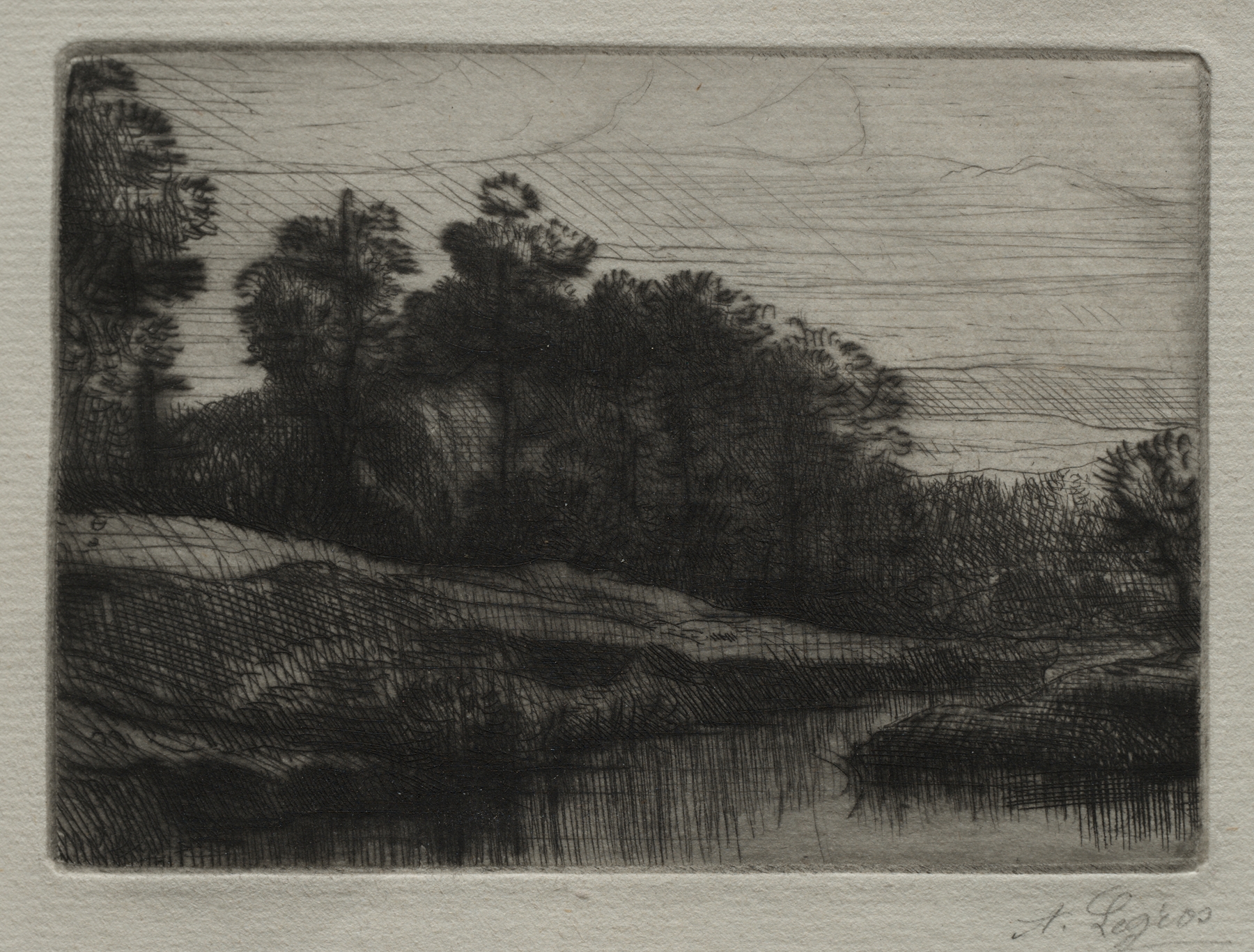
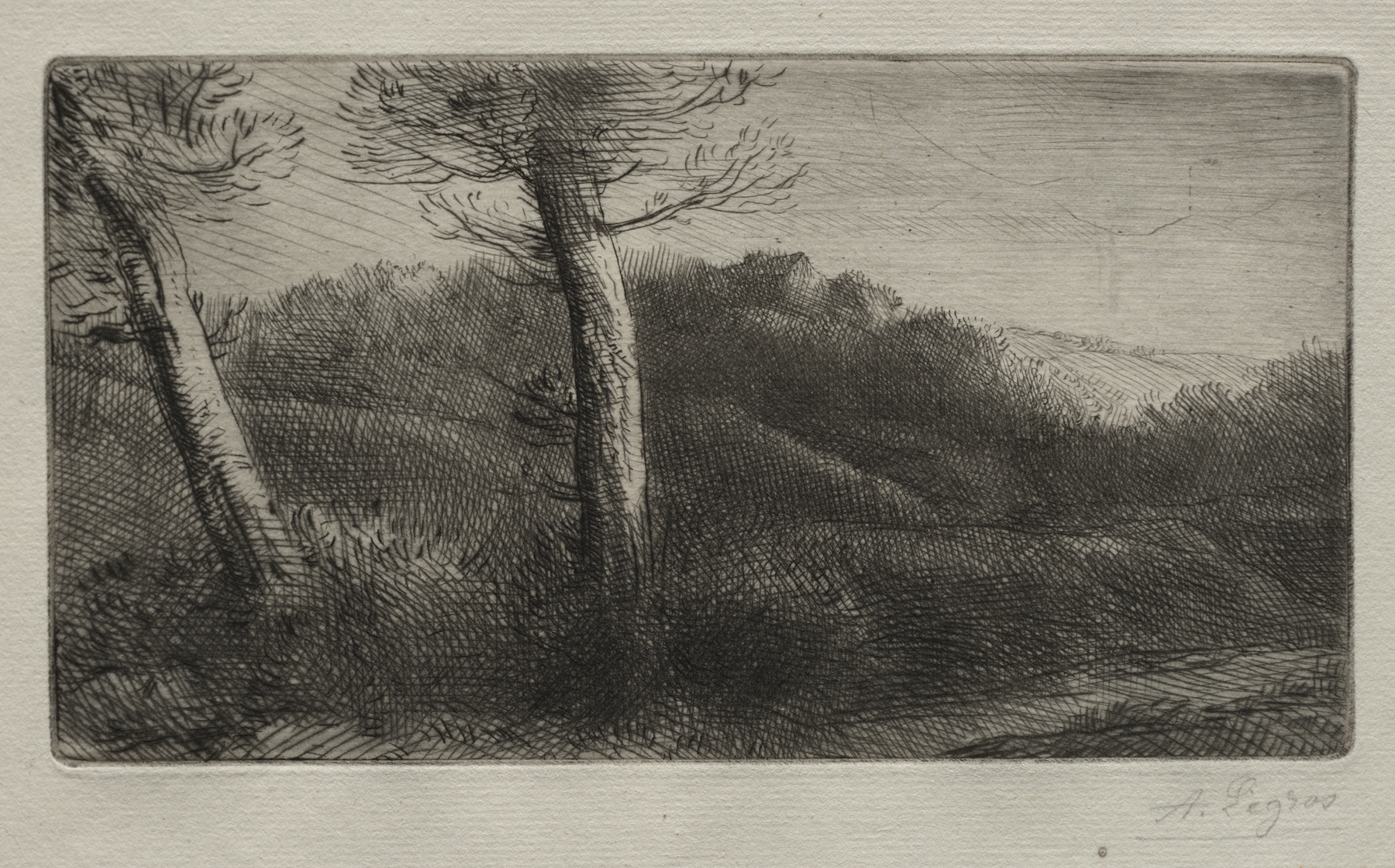
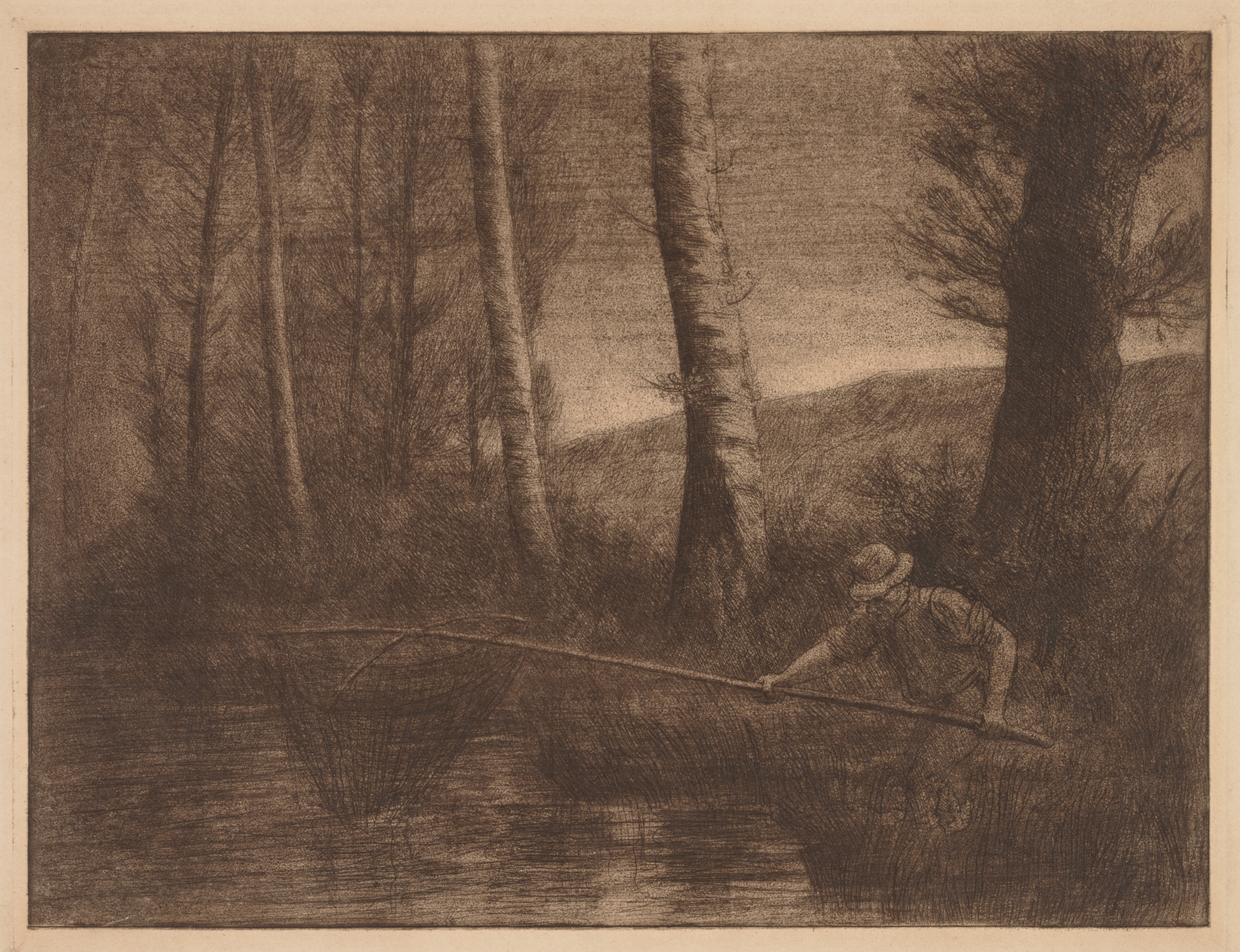
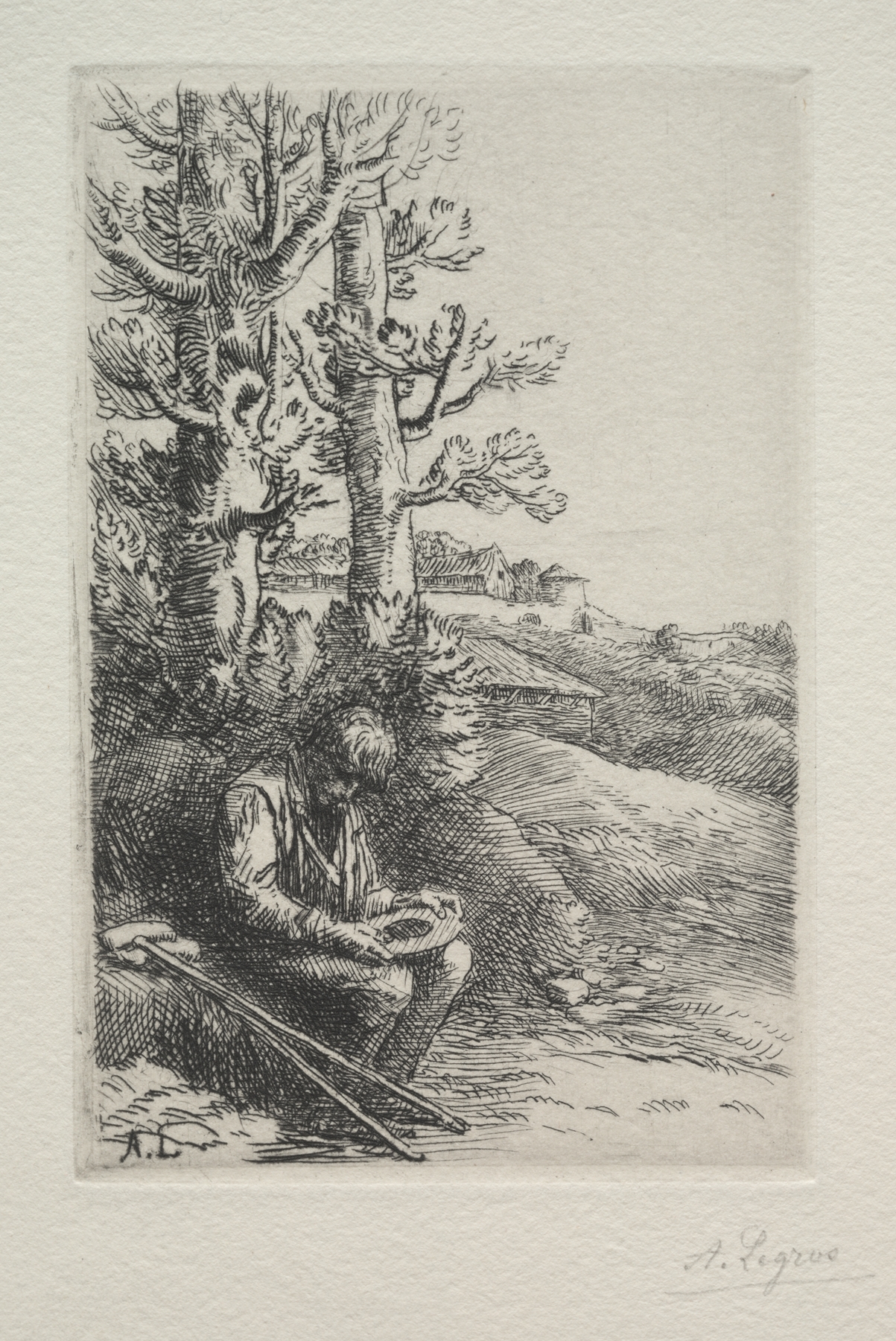
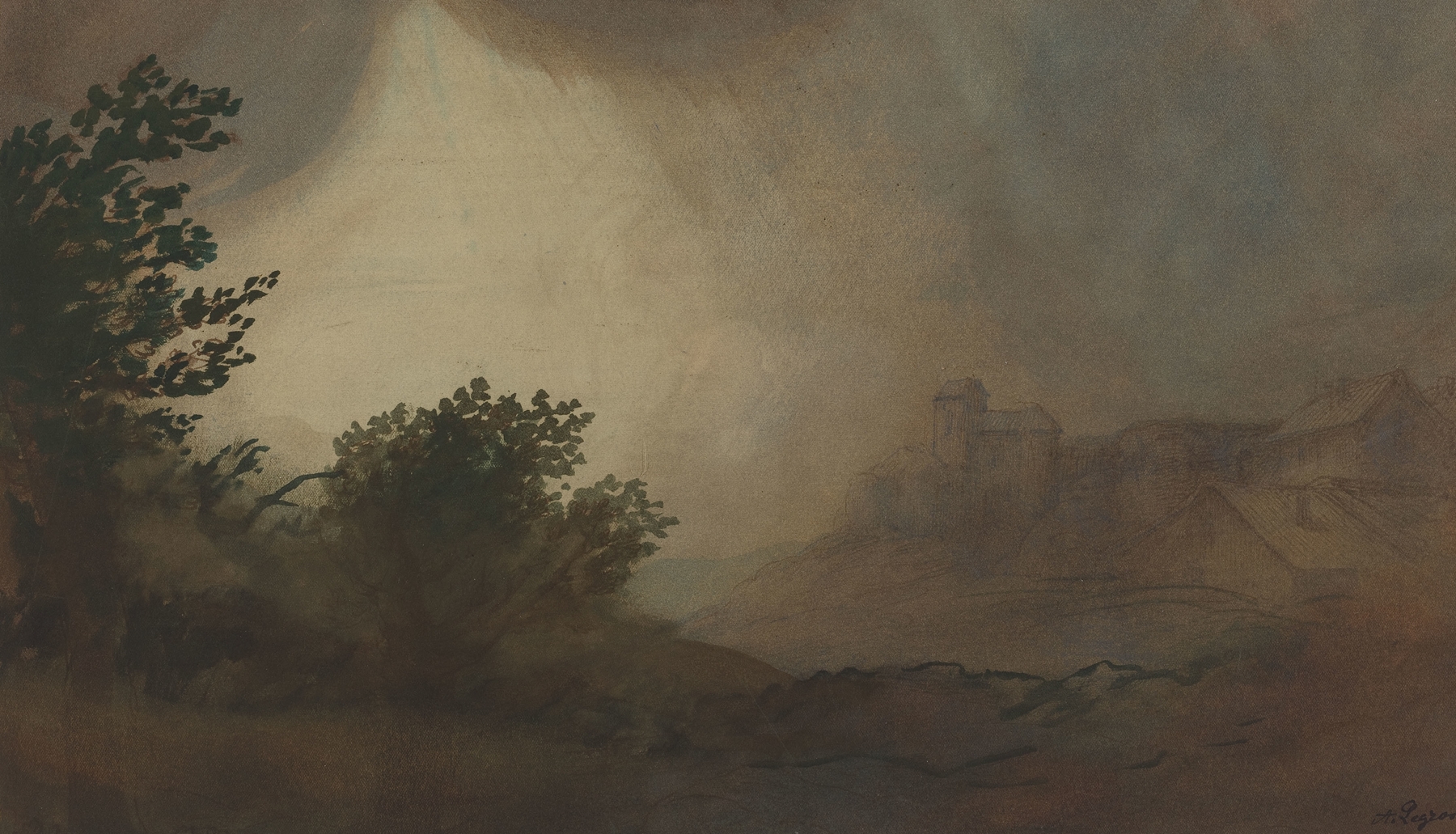
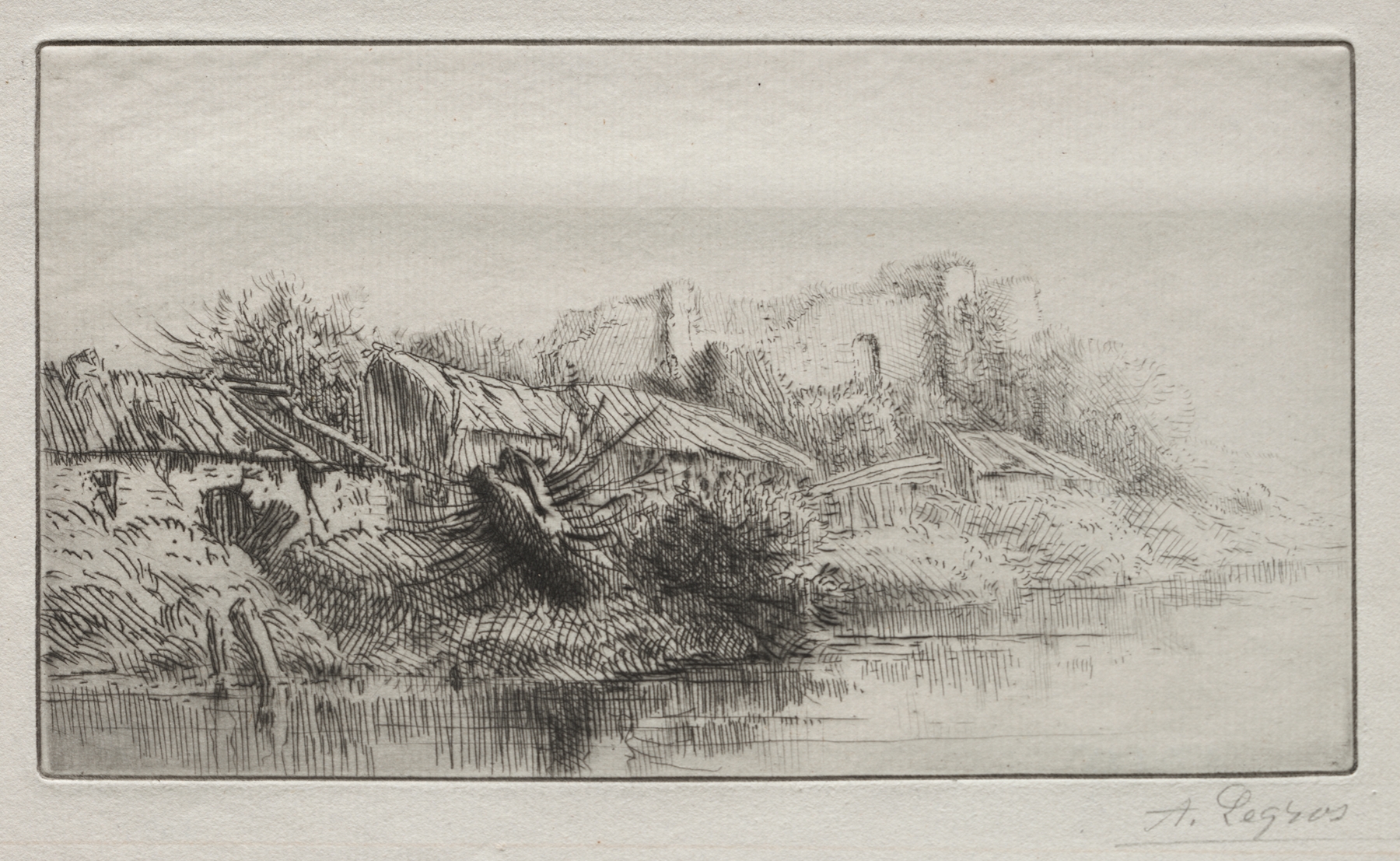
“Between color and silence, truth hides.” In the stillness of the frame resides a palpable awakening, a moment suspended between reality and the ethereal, beckoning the viewer to explore deeper dimensions. Look to the left at the quiet stoicism of the guard house, its weathered facade standing resolute against a backdrop of muted greens and browns. The light, soft yet penetrating, cascades through the trees, dappled and gentle, revealing the intricate textures of wood and stone. Notice how Legros employs a palette that echoes the somber tones of twilight, wrapping the scene in a cloak of reflection and reverie, inviting contemplation.
In this work, contrasts emerge subtly yet powerfully. The serene, almost dreamlike quality of the guard house stands in stark relief to the tensions hinted at in the shadows, suggesting stories left untold. The verdant surroundings contribute a whisper of nature’s rebirth, while the weathered structure speaks to endurance amidst change. These dichotomies echo the complexity of existence—each brushstroke a dialogue between the seen and the unseen.
Alphonse Legros created this piece during a period marked by artistic transformation and personal exploration, likely while residing in England after his migration from France. Between 1857 and 1911, he was deeply entrenched in the cultural upheaval of the time, integrating influences from both the Realist and Symbolist movements. This period saw him grappling with the balance between representation and abstraction, as he sought to convey profound emotional truths through his art.