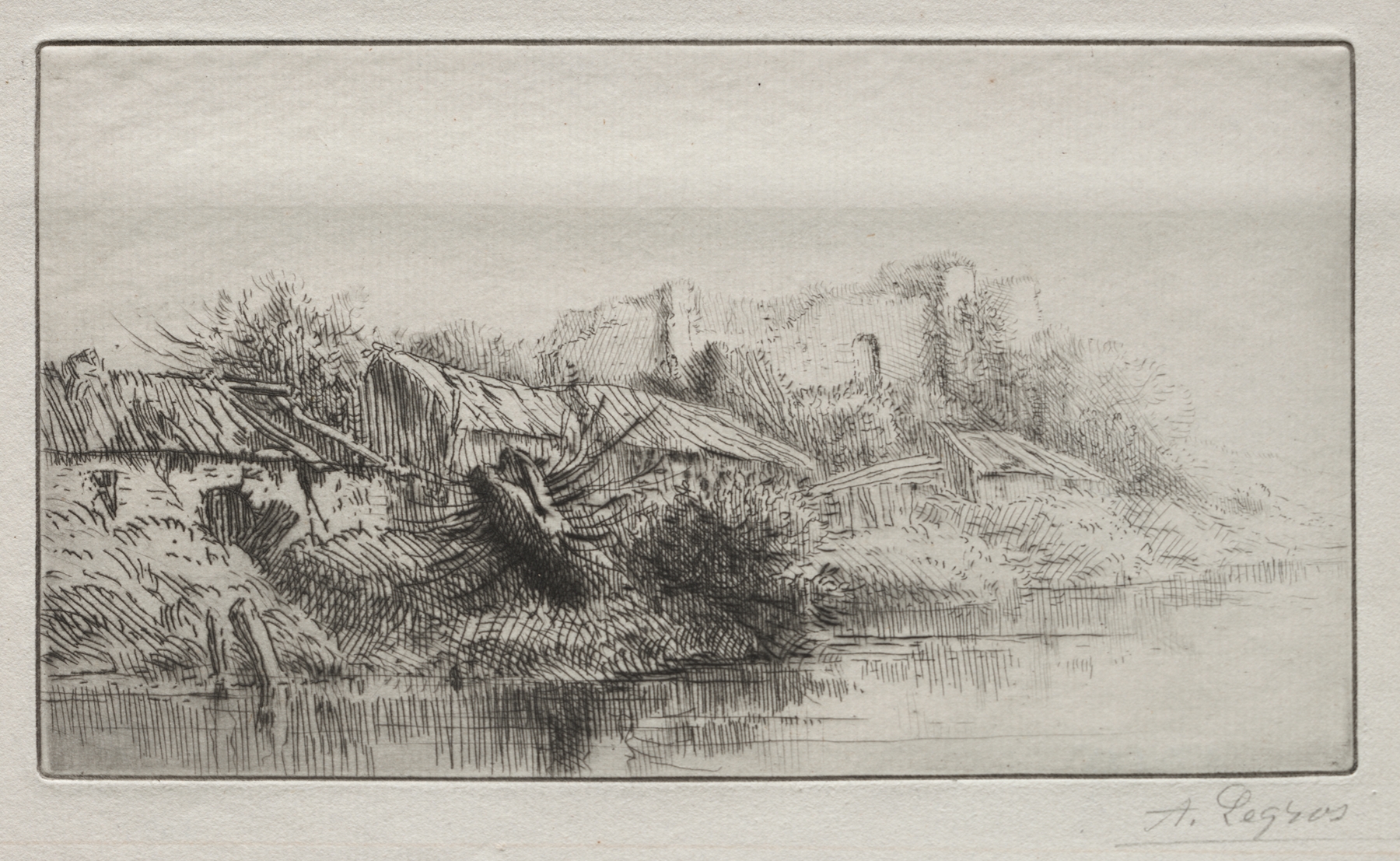
The Little Beggar — History & Analysis
Can paint confess what words never could? In The Little Beggar, the boundary between suffering and dignity blurs in a single, poignant moment, capturing the transformative power of art. Look to the left at the figure of the young beggar, his ragged clothing a stark contrast to the soft, muted tones surrounding him. Notice how the light gently falls upon his face, illuminating the innocence in his wide, pleading eyes while casting deep shadows across his surroundings.
The careful brushwork evokes a palpable texture, inviting the viewer to feel the weight of his existence, as if the canvas itself breathes with his quiet despair. Delve deeper into the subtle details: the tattered edges of his garments convey his poverty, yet the way he holds his hand—outstretched but not demanding—reflects a yearning for connection rather than mere charity. The juxtaposition of his frailty against the solidity of the surrounding architecture suggests a world indifferent to his plight, yet his gaze captures a flicker of resilience, hinting at the possibility of transformation through compassion.
Alphonse Legros created this piece between 1857 and 1911, during a period marked by significant social and political upheaval in Europe. As an artist navigating the complexities of the Realist movement, he sought to highlight the struggles of the marginalized. This work emerged from his deep concern for the human condition, reflecting a personal dedication to representing those society often overlooks.