The Return of the Fagot Gatherer — History & Analysis
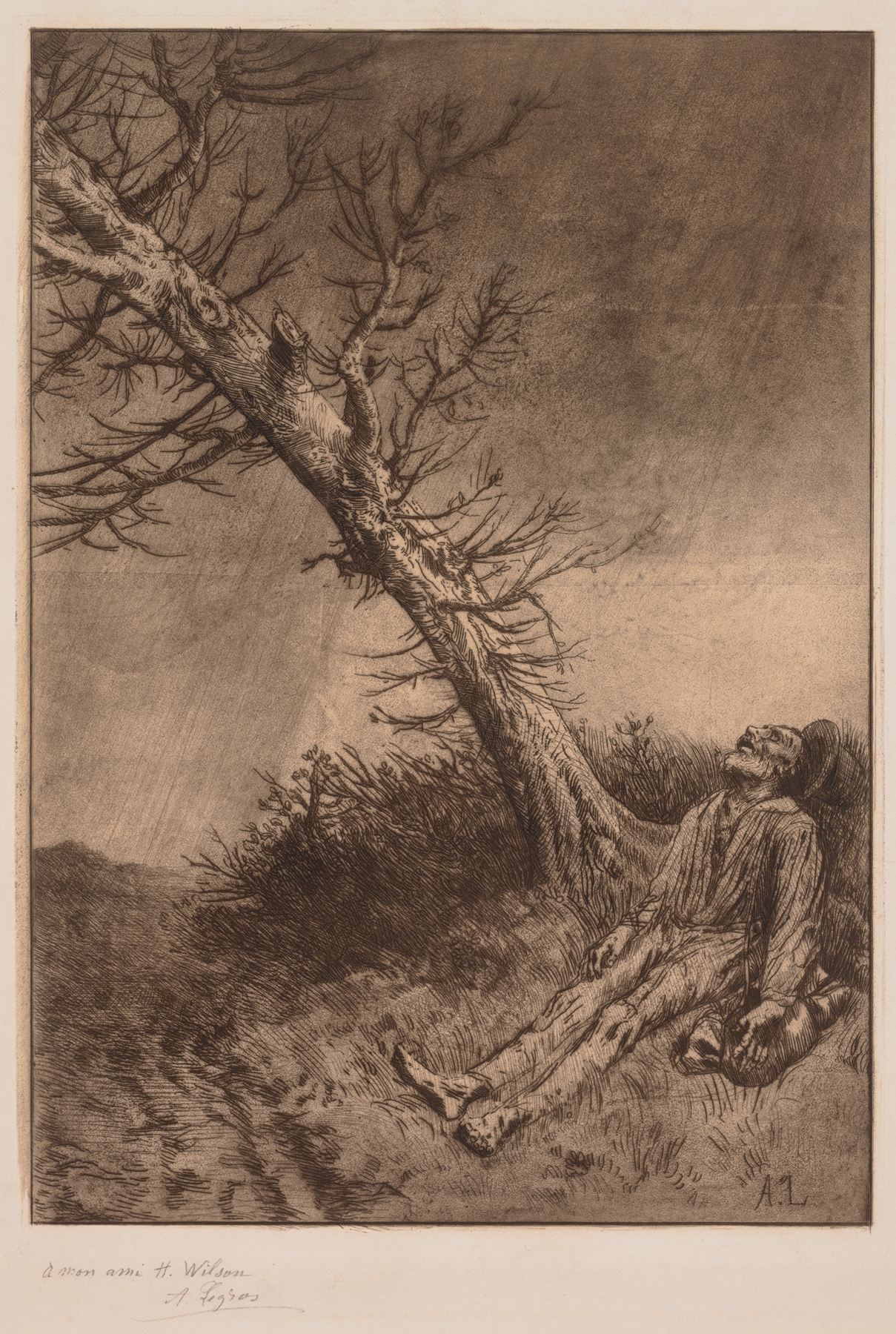
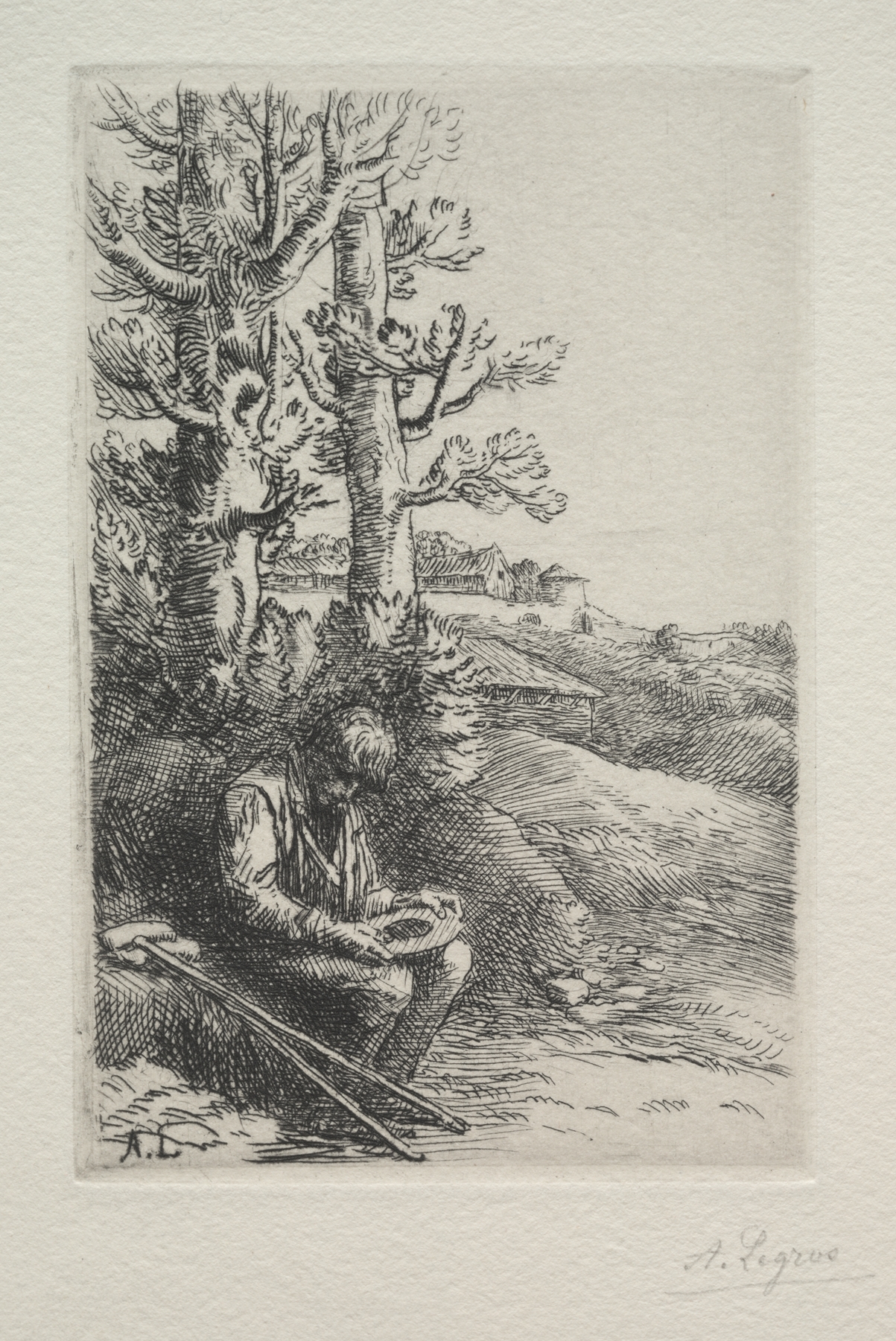
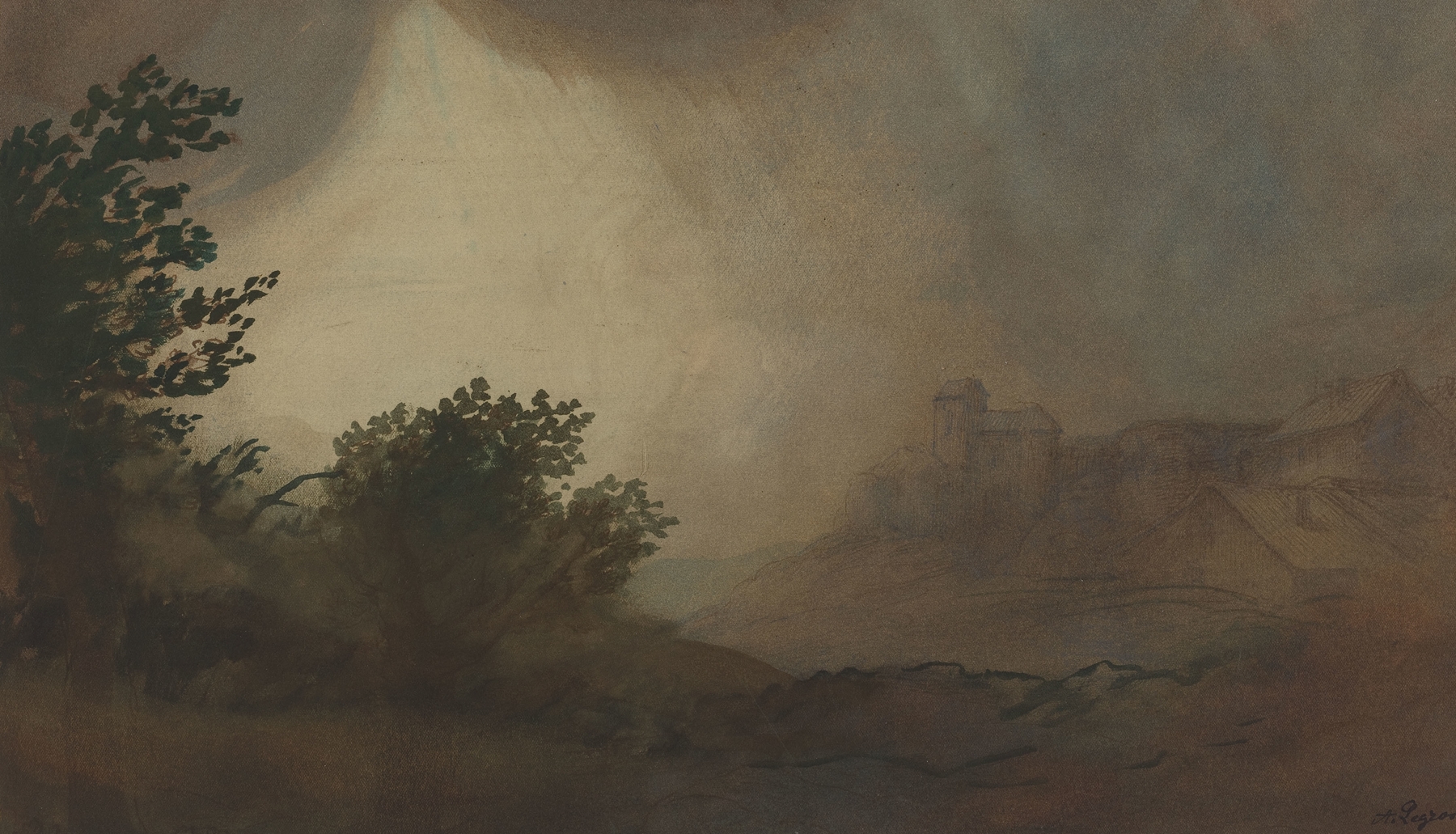
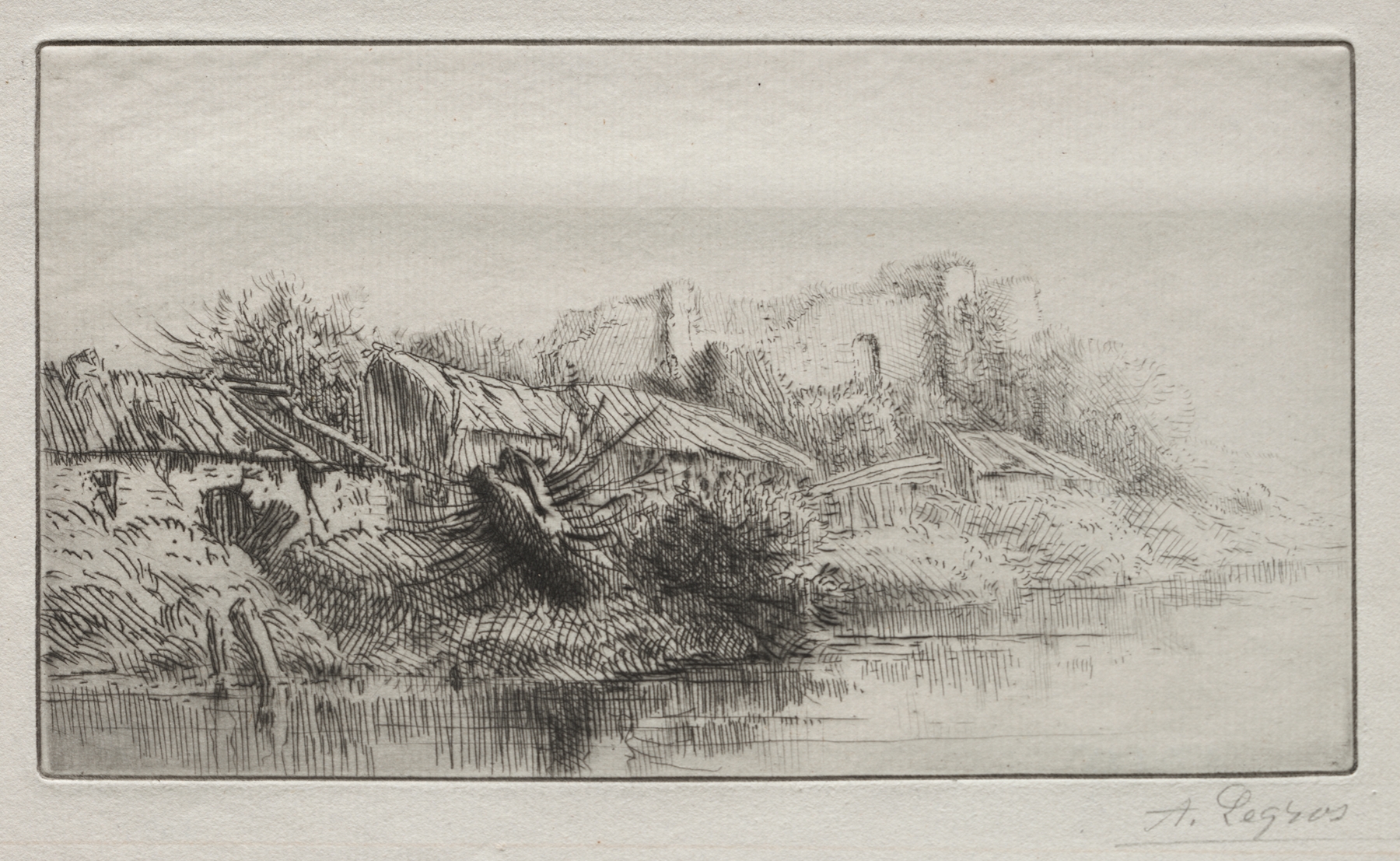
Where does light end, and longing begin? In the interplay of shadow and illumination, we find the raw edges of emotion, where beauty and violence can coexist. Focus on the stark contrast between the muted earth tones and the gentle glow emanating from the figure at the center. The weathered hands of the gatherer, laden with sticks, draw the eye immediately, capturing the essence of toil and survival. Notice how the light falls upon his weary face, accentuating the lines of hardship etched into his skin.
The background fades into gloom, suggesting a world that is both familiar and menacing, where the flickering warmth of day seems to converge with encroaching night. Within this composition lies a profound tension. The gathering of fuel, a mundane yet essential act, hints at a deeper struggle against nature’s indifference. The figure's gaze, filled with silent yearning, seems to plead for more than mere sustenance—perhaps it is a quest for connection or solace in an unforgiving world.
Each stick he carries tells a story of resilience, but also of the violence that life can impose when hope is grasped with trembling hands. Painted between 1857 and 1911, the artist was at a pivotal moment in his career, navigating the shift from realism to a more personal, emotional style. Living in Paris, he was immersed in a world where artistic expression was evolving rapidly, influenced by the turmoil of the times. This piece reflects not just his artistic journey but also the broader struggles of a society on the brink of modernity, where the simplicity of a gatherer’s life belies the complexities of human existence.