Death of a Vagabond — History & Analysis
“Art reveals the soul when the world turns away.” In the shadowy silence of painted despair, one finds a raw confrontation with mortality, a void that resonates deeply, stirring the heart. Look to the center of the canvas, where a figure lies motionless, draped in tattered cloth, the contours of the body rendered with haunting realism. The muted palette—grays and browns—echoes the somber theme, while a soft light casts elongated shadows that envelop the scene in a sense of isolation. Notice how the artist employs sharp contrasts: the starkness of the body against the background draws the viewer's eye and evokes profound empathy for the forgotten soul.
Within this somber tableau, the juxtaposition of life and death plays out against the backdrop of neglect and anonymity. Each detail—the gnarled fingers resting in stillness, the weariness etched into the face—suggests stories of struggle and the transient nature of existence. Here, the vagabond becomes a universal symbol of those lost in the margins of society, challenging the viewer to confront the humanity often overlooked in their daily lives.
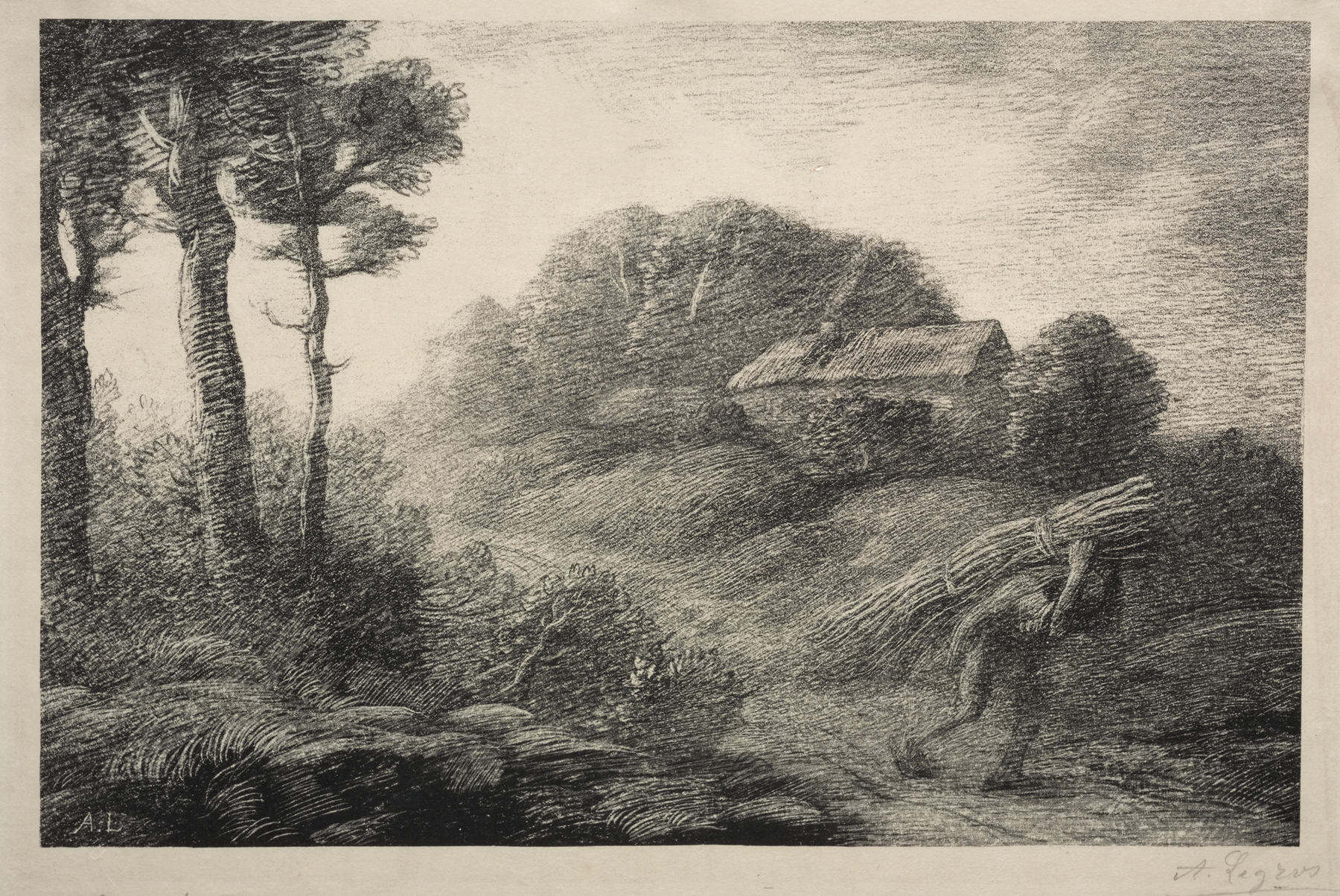
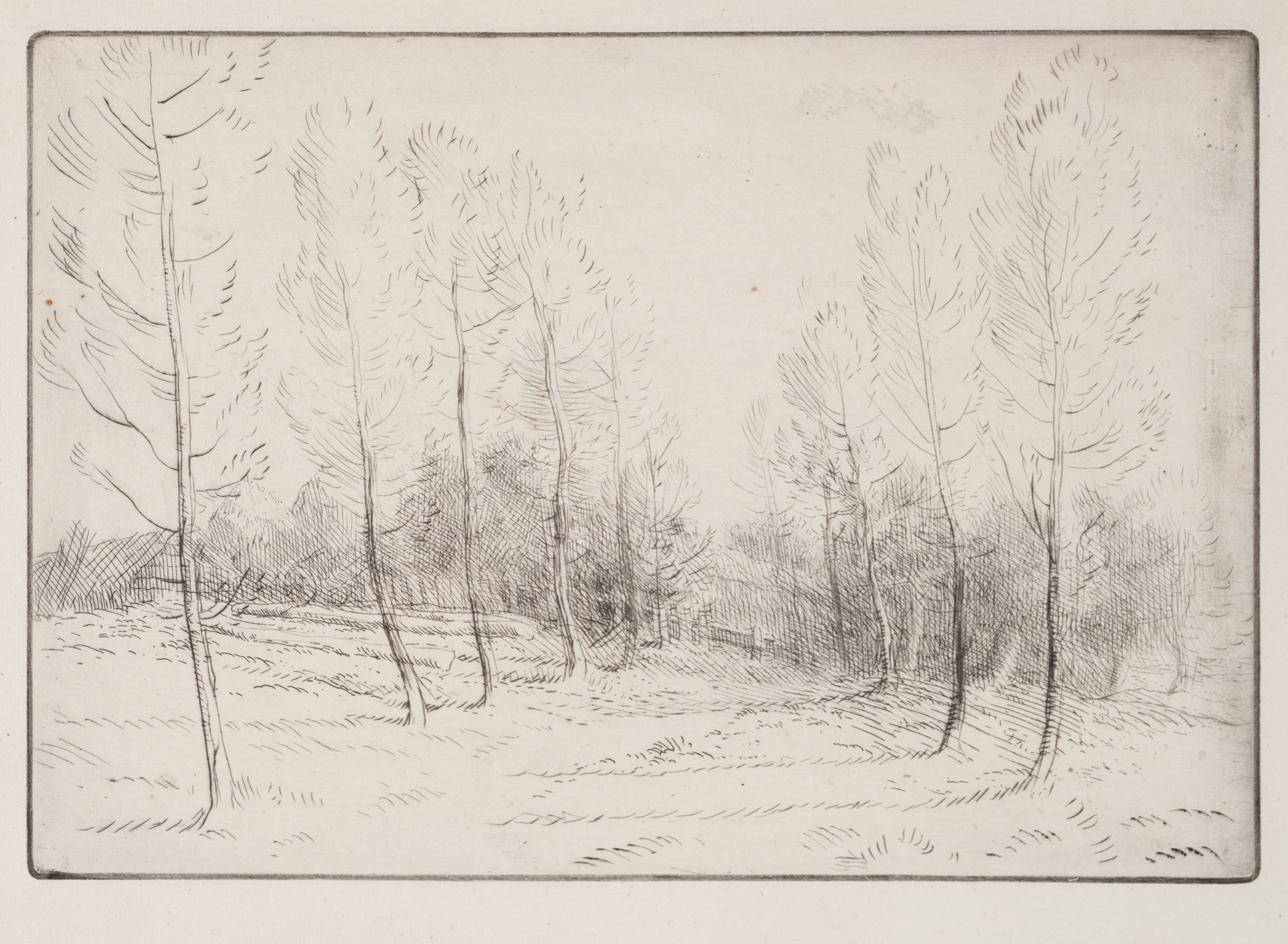
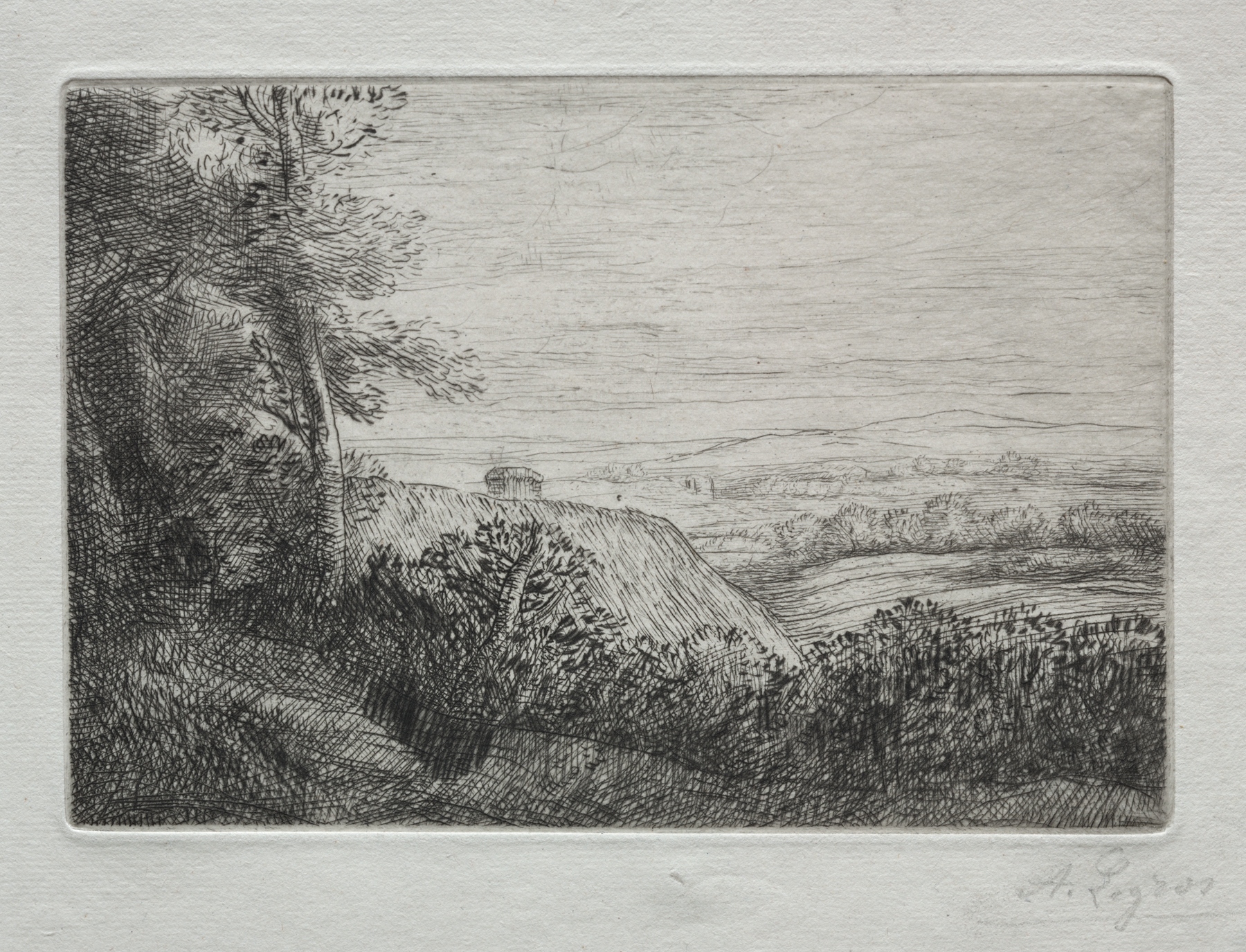
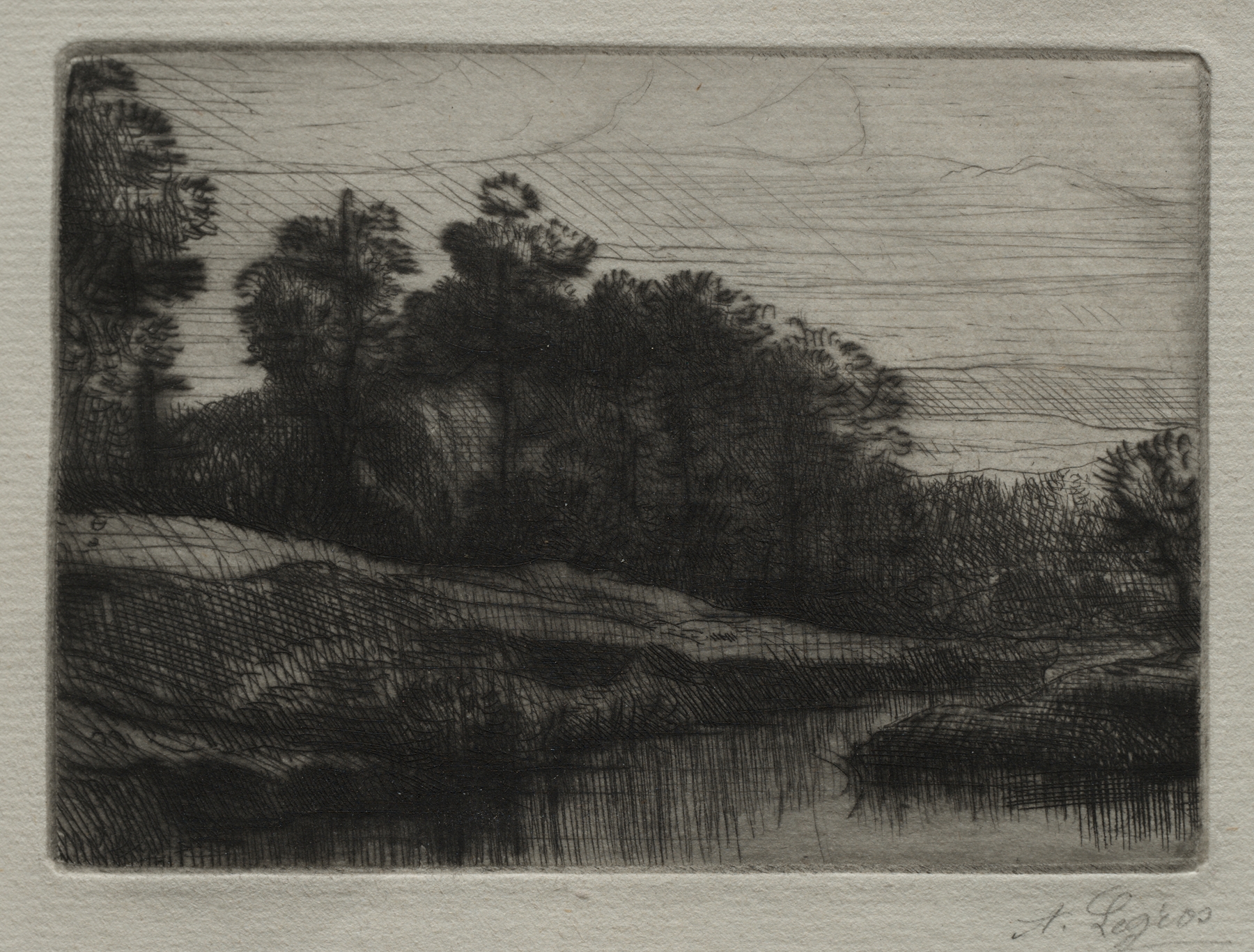
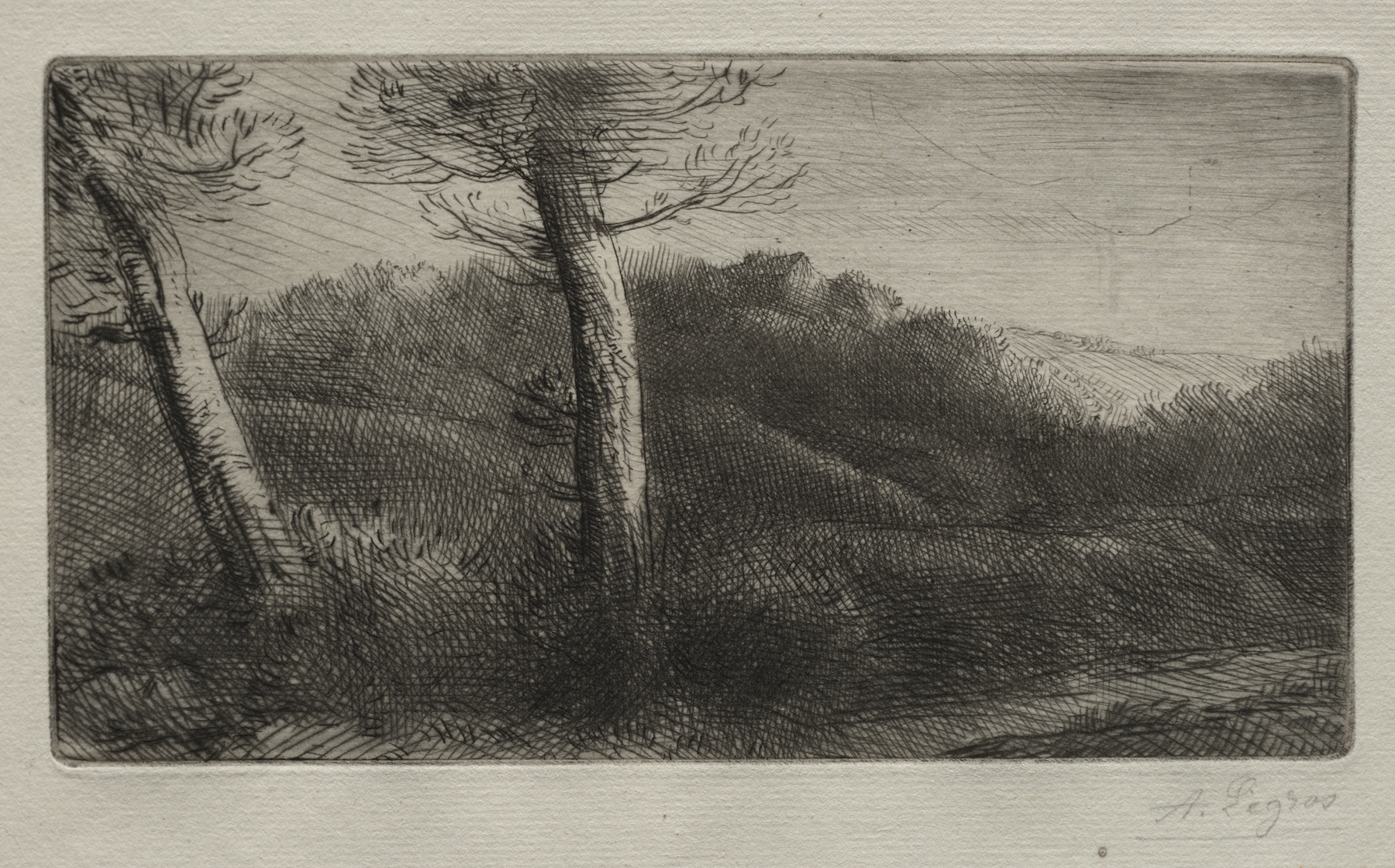
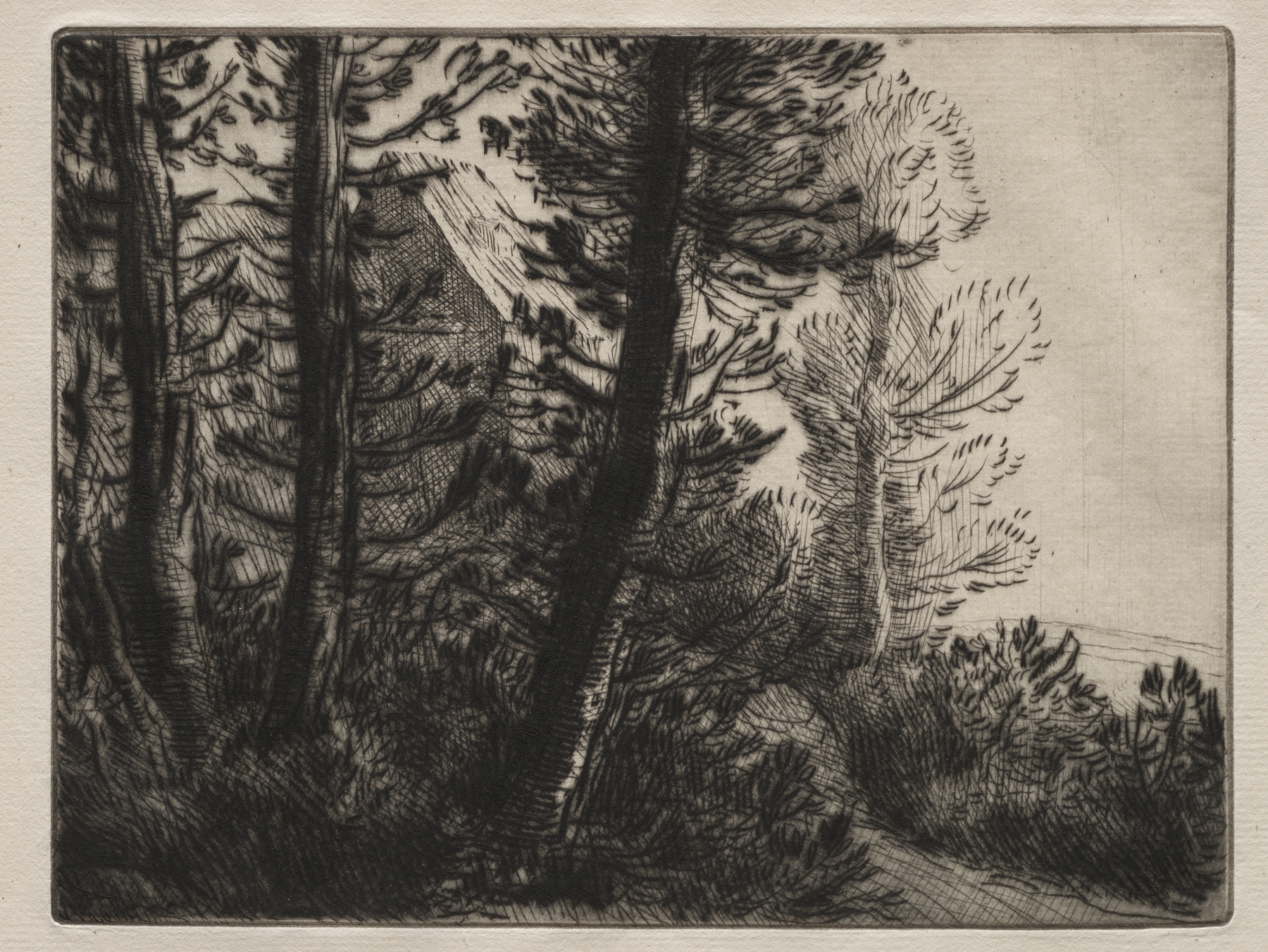
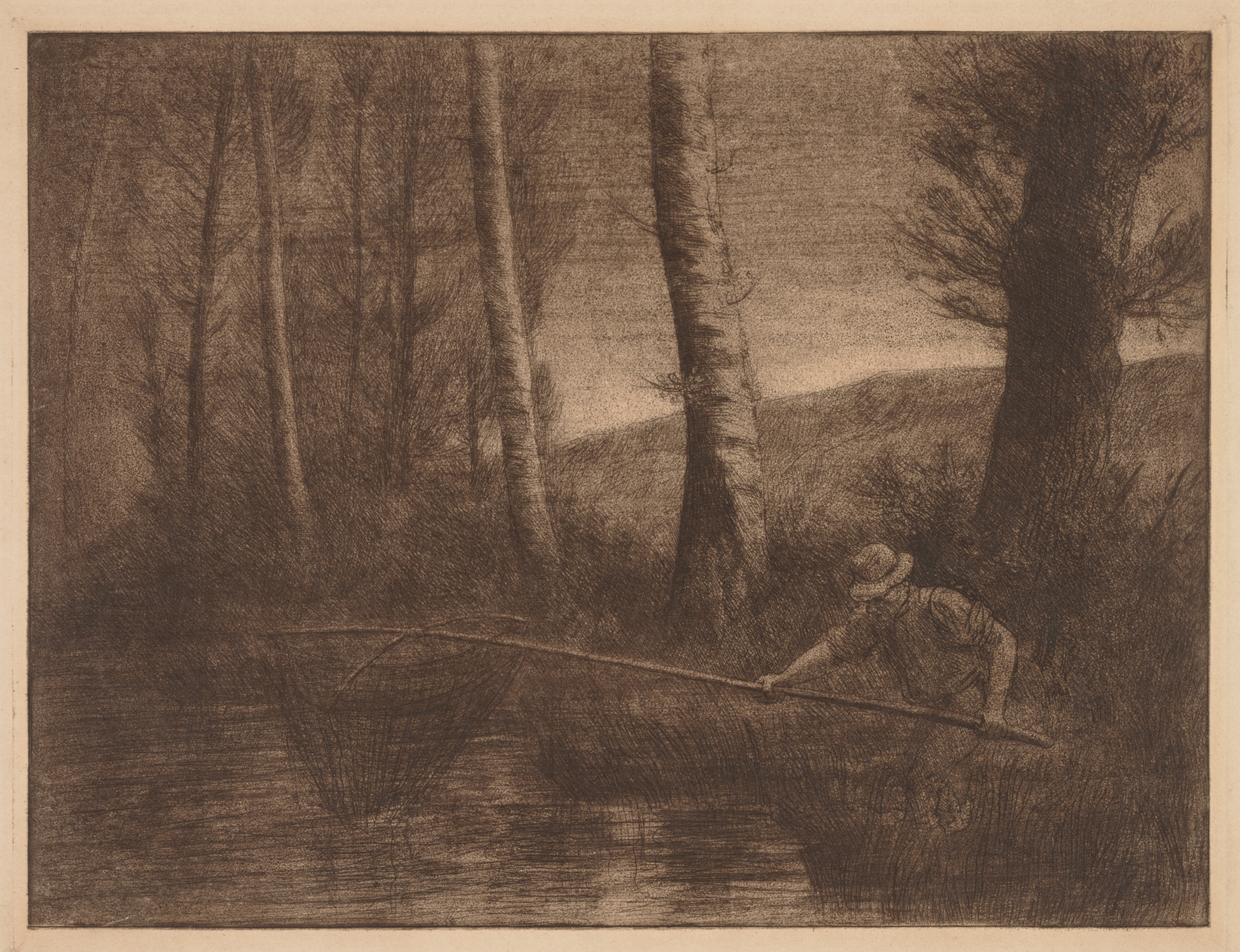
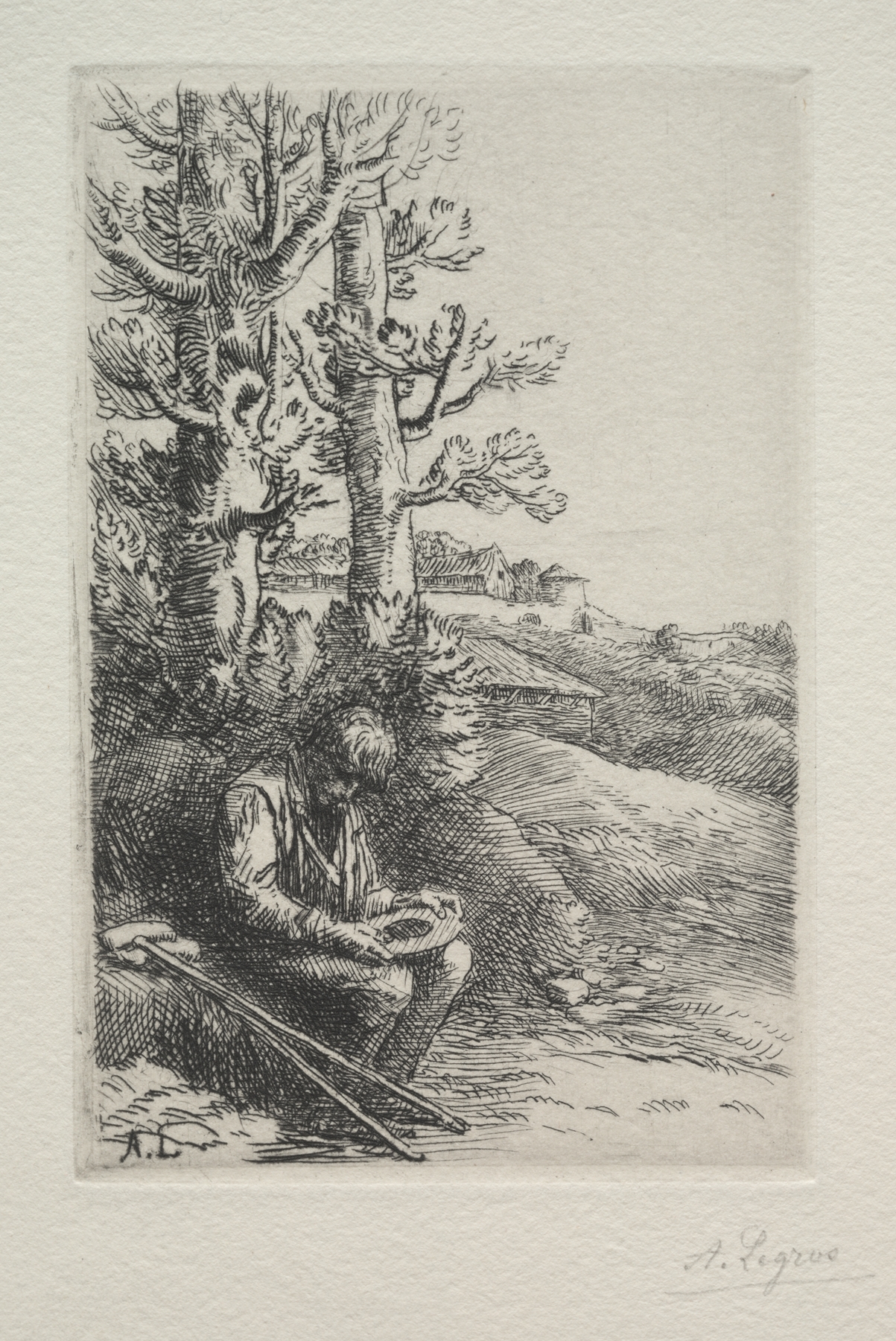
Alphonse Legros painted this poignant scene around 1875, during a period marked by socio-economic upheaval in France. As a significant figure in the Realist movement, he sought to depict the lives of ordinary people with authenticity, reflecting a profound empathy for the marginalized. Amidst his own struggles as a foreign artist seeking acceptance in a new land, he captured the essence of human frailty and the social void that often surrounds it.