The Traveler Stretched out on the Grass — History & Analysis
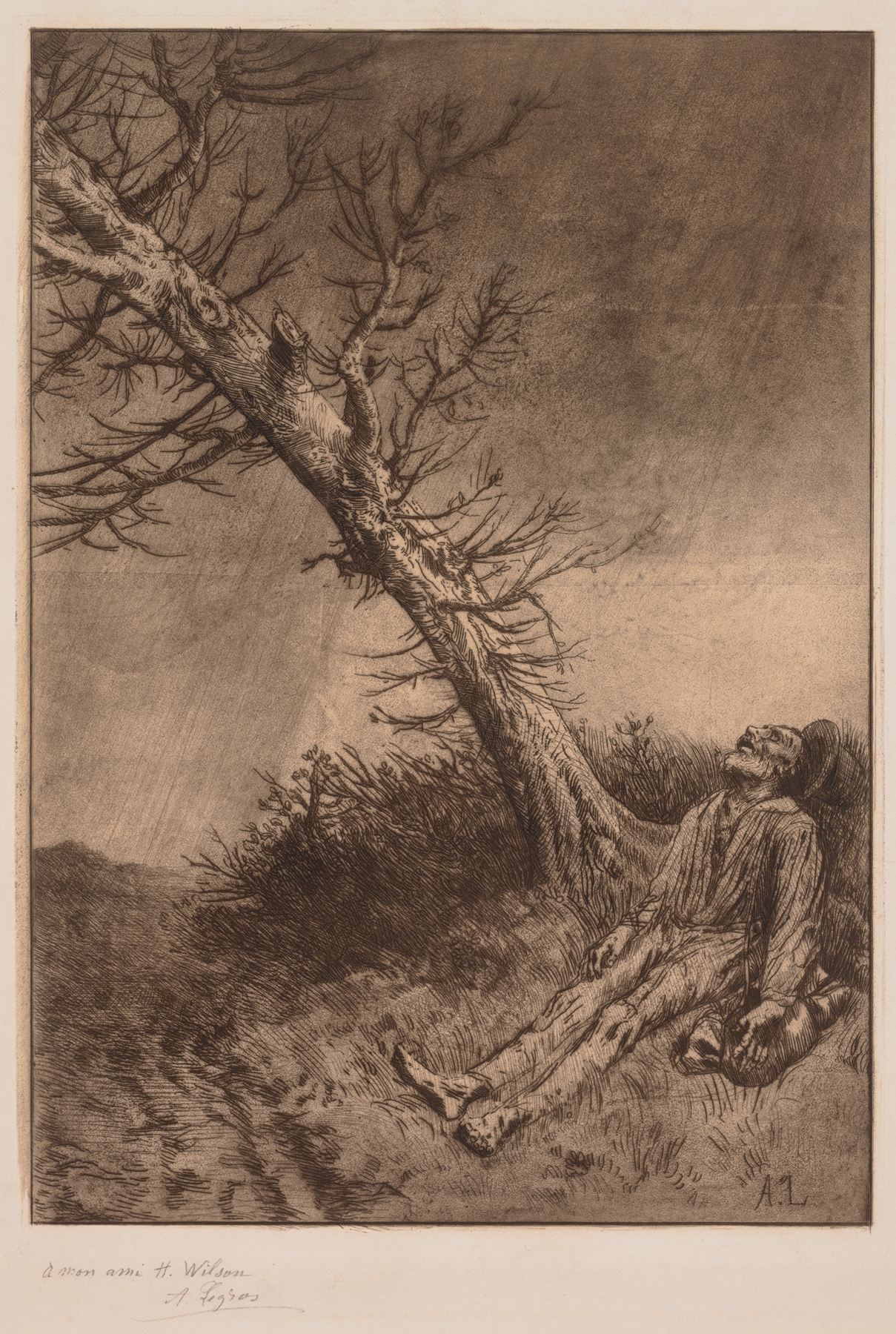
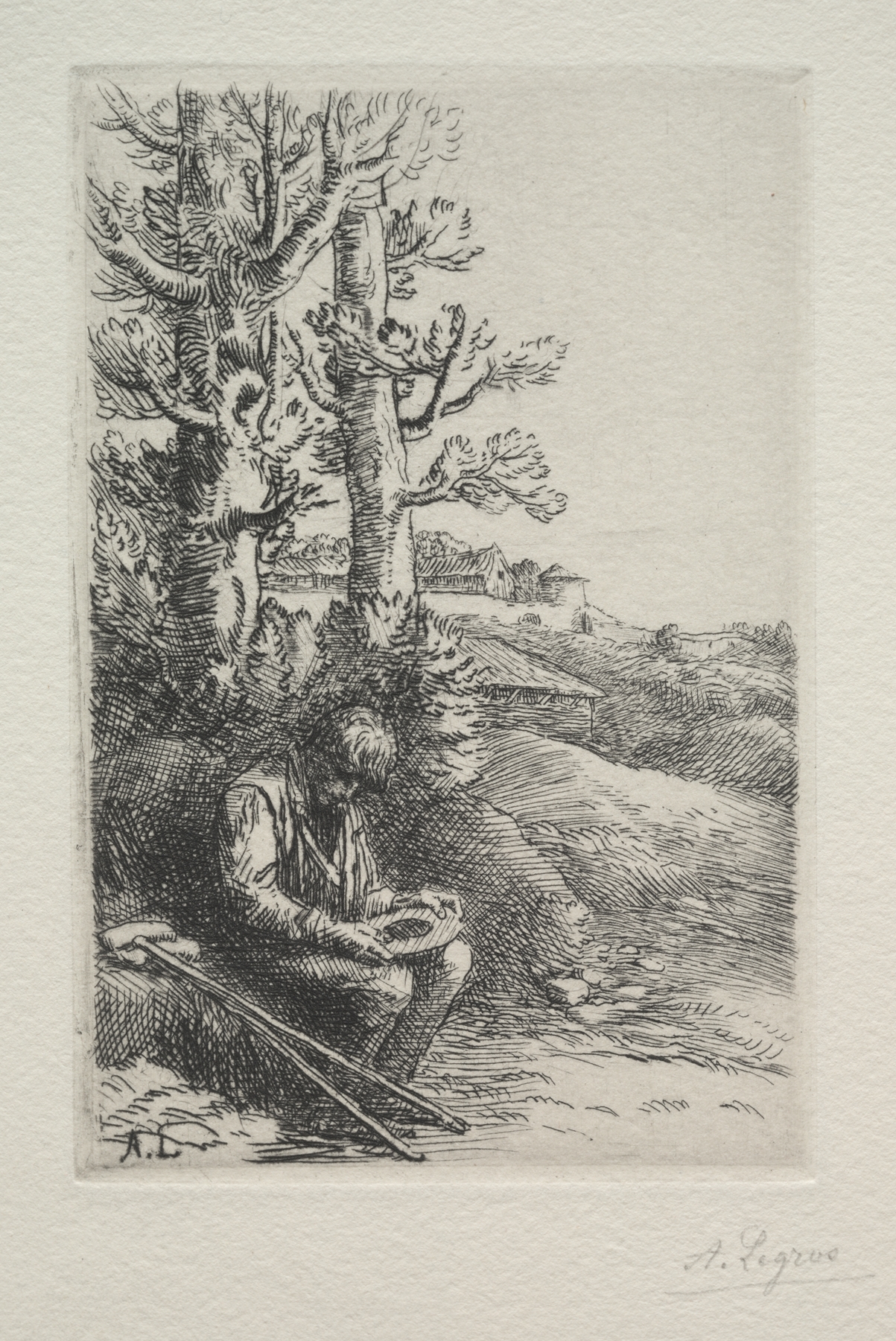
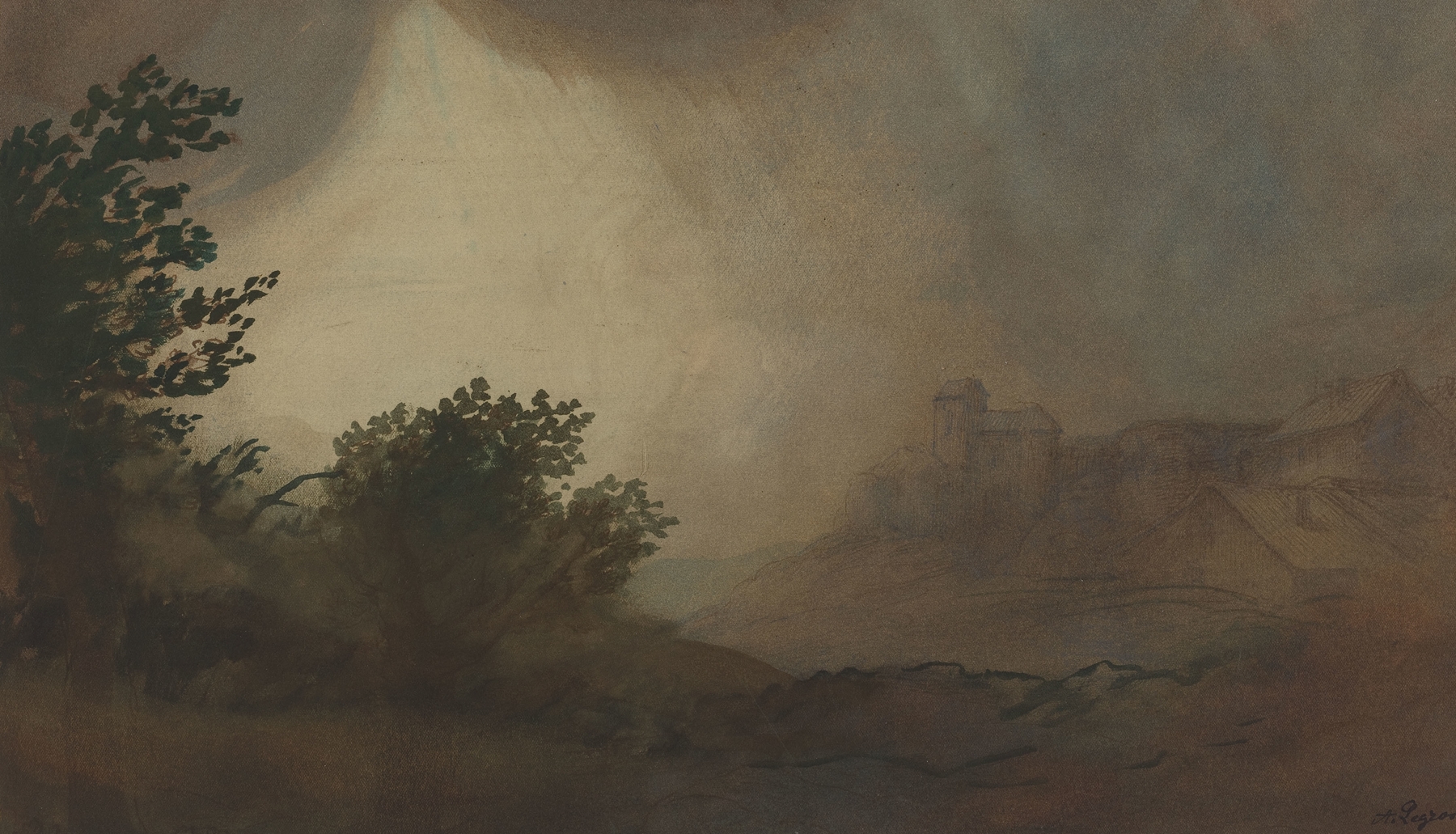
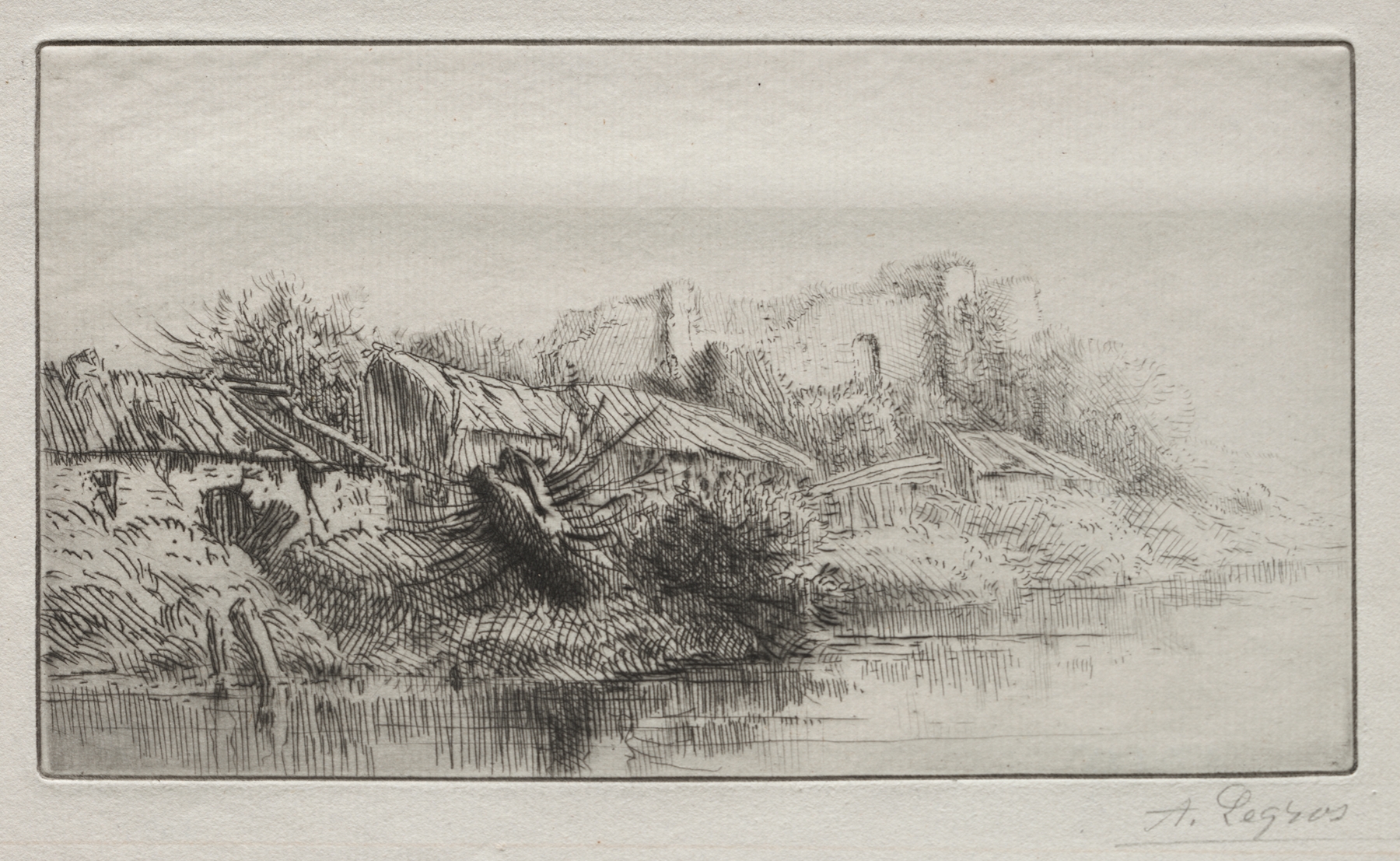
Can paint confess what words never could? In The Traveler Stretched out on the Grass, ecstasy unfurls in a quiet embrace of nature, beckoning conversation without uttering a single sound. Look to the left, where the figure reclines on lush green grass, absorbing the warmth of the sun. The gentle brushstrokes create a soft texture, inviting you to feel the coolness of the ground beneath.
Notice how the light filters through the trees, casting dappled shadows that dance across the traveler’s body, evoking a serene stillness that contrasts with the vibrancy of the surrounding world. The color palette, dominated by earthy tones and muted greens, creates a harmonious balance, drawing your gaze toward the contentment etched into the figure's relaxed posture. Delve deeper into the subtle emotional layers within the painting—there’s a palpable tension between solitude and connection in this moment. While the traveler is alone, the idyllic setting speaks to a universal longing for peace and introspection, inviting viewers to reflect on their own experiences of transcendence.
The positioning of the limbs hints at an openness to the world, suggesting that true ecstasy often resides in fleeting moments of solitude, where one can fully embrace the essence of being alive. Alphonse Legros painted this piece around 1888, during a time when he had settled in England and was exploring themes of natural beauty and human existence. The art world was shifting, with movements such as Impressionism gaining momentum, yet Legros maintained a unique style that merged realism with a more ethereal quality. This period marked a significant transformation in his work, as he sought to capture the essence of life through evocative depictions of everyday moments.