Chateau de Blois — History & Analysis
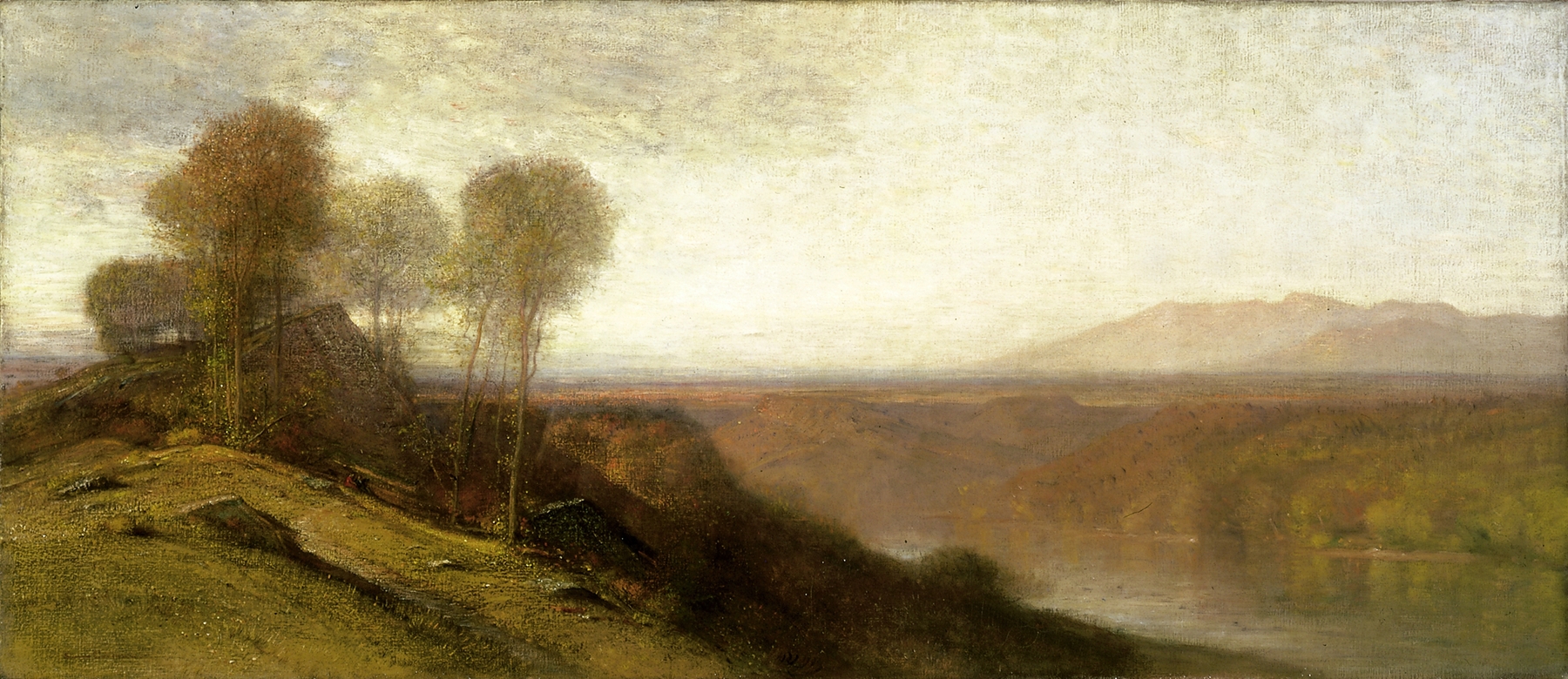
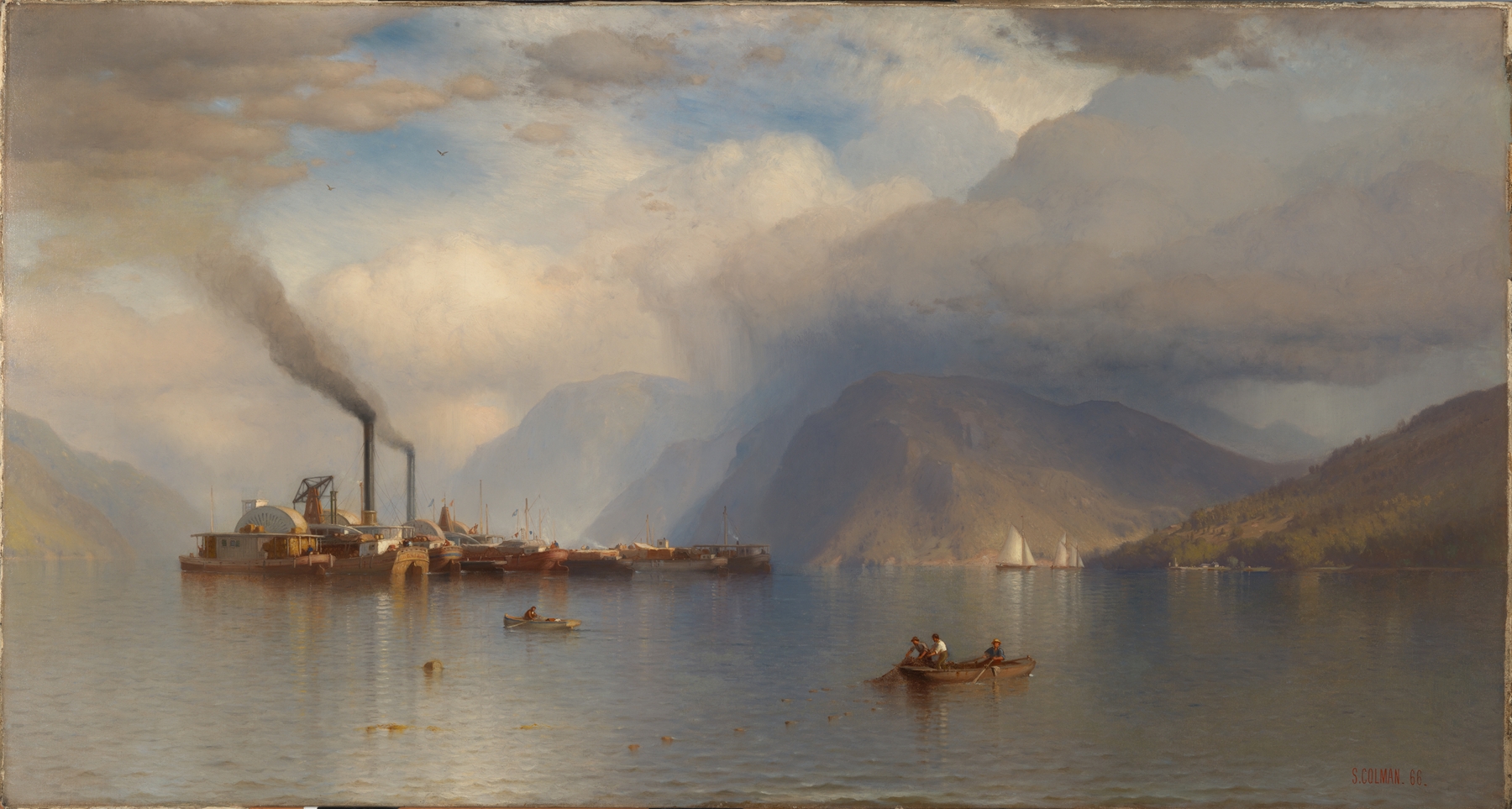
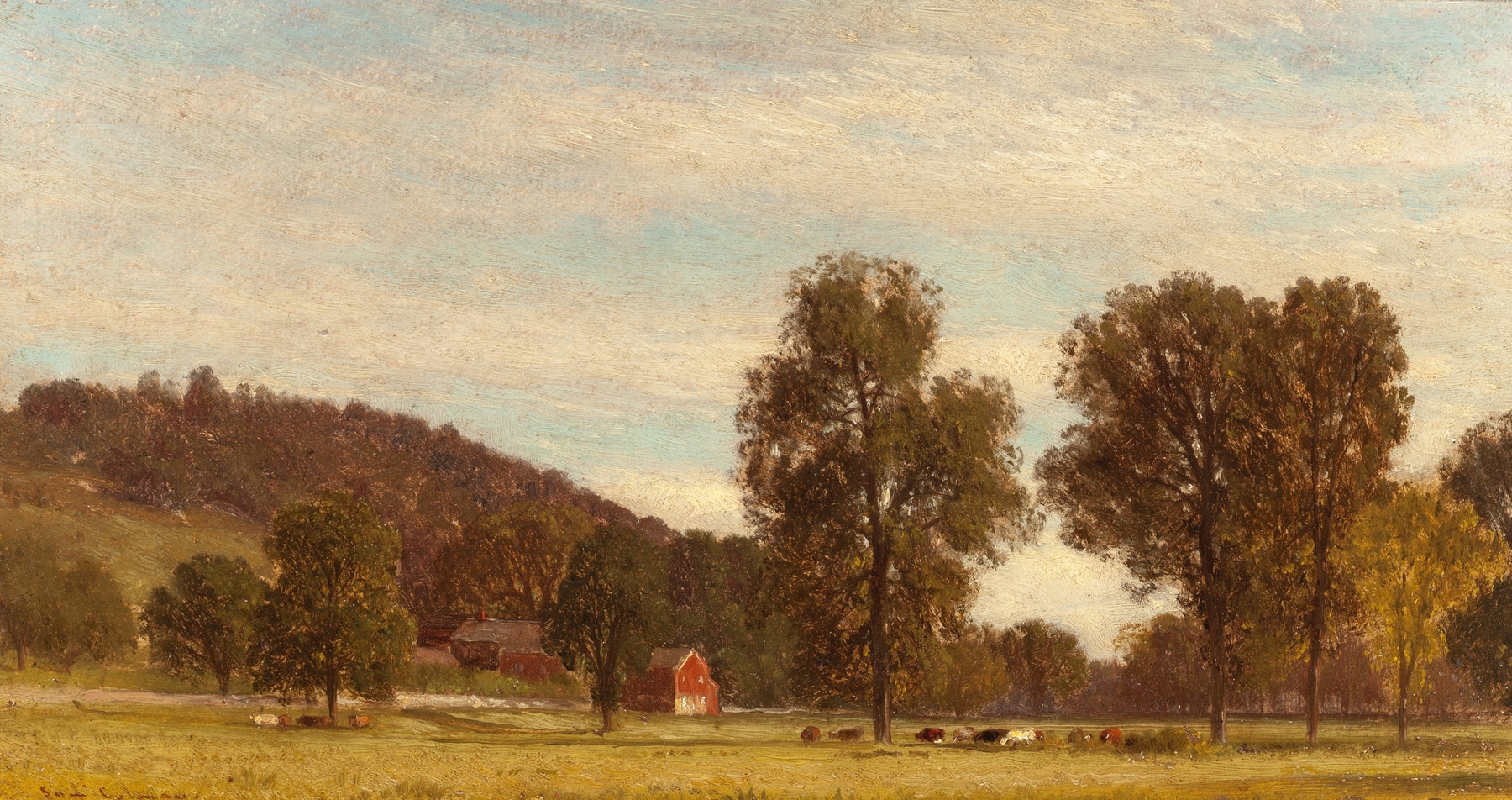
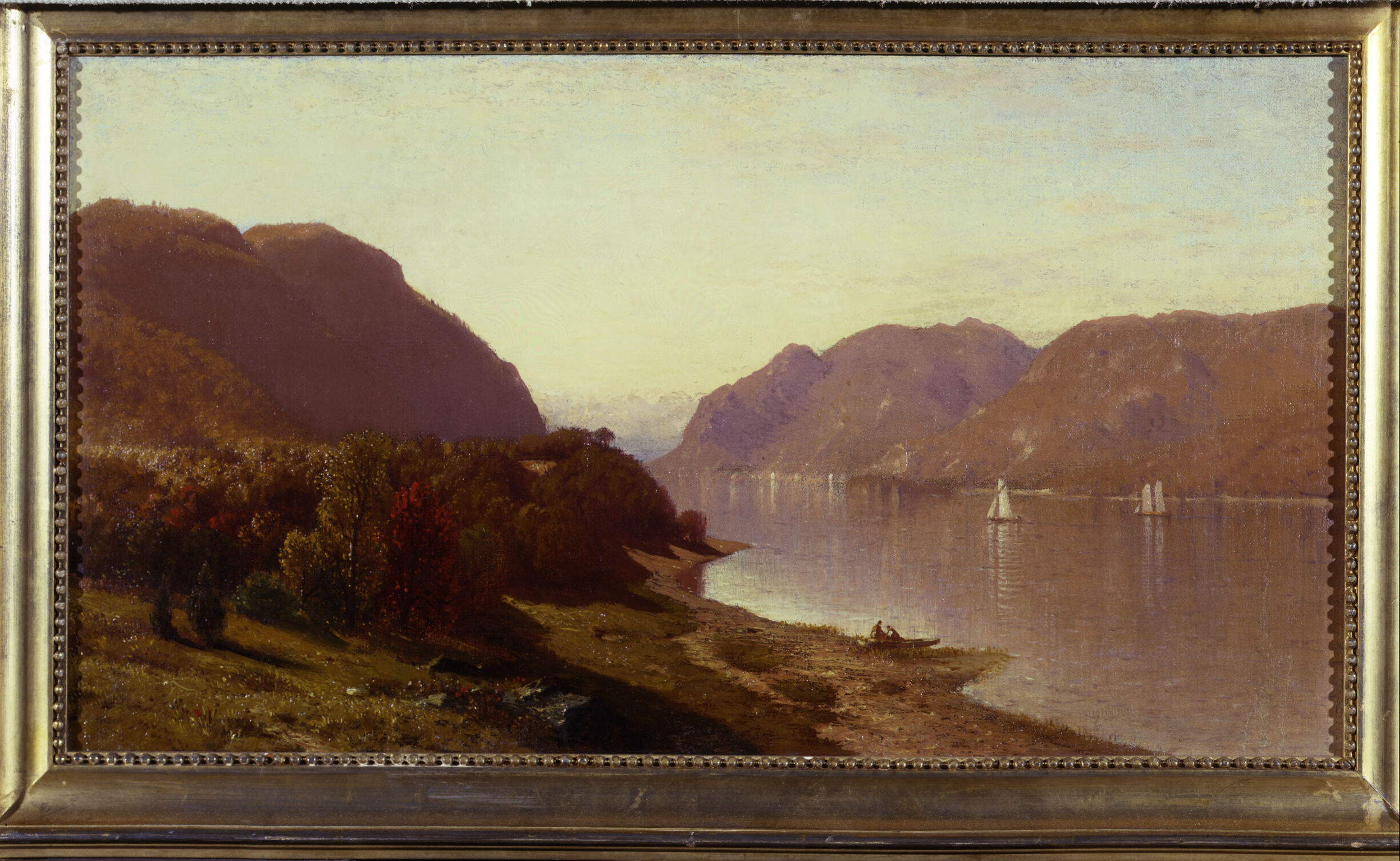
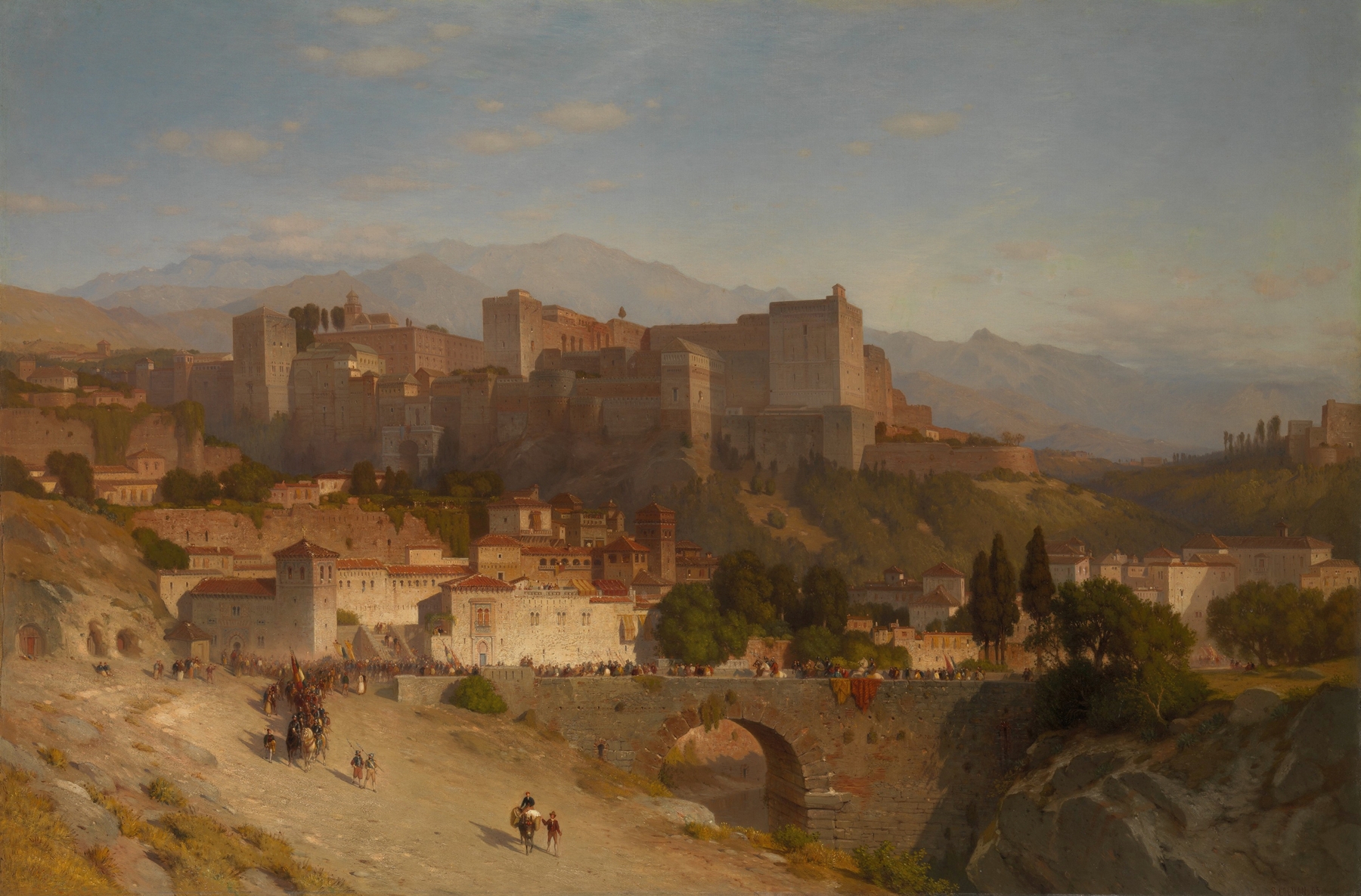
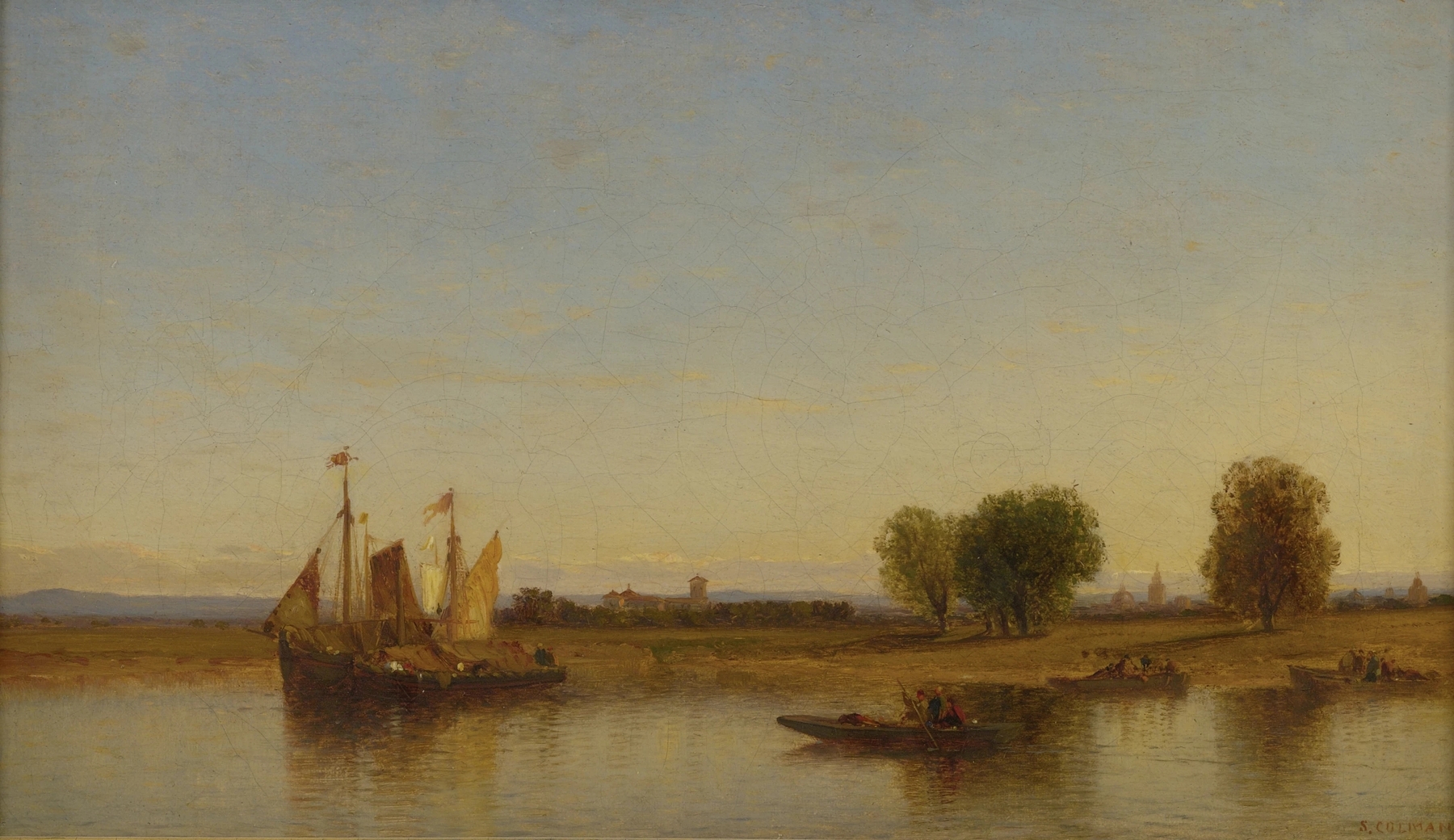
Is this a mirror — or a memory? A tranquil scene unfolds in the delicate interplay of light and shadow, where the serenity of nature effortlessly embraces the architectural grandeur of a past era. Each brushstroke seems to whisper the secrets of history, inviting us to reflect on the passage of time and our own fleeting moments. Look to the foreground, where soft greens and muted earth tones blend harmoniously, leading the eye toward the majestic chateau.
Notice how the light falls upon the intricate details of its facade, casting gentle highlights that create a sense of depth and dimension. The wispy clouds above mirror the calmness of the water below, forming an ethereal backdrop that enhances the overall tranquility of the scene. Beneath the surface, contrasts abound; the stability of the chateau stands in stark opposition to the fluidity of the water, suggesting the dichotomy between permanence and transience. The stillness invites introspection, urging the viewer to ponder the stories held within those ancient walls.
Perhaps we are looking not just at a place, but at the collective memories it holds — echoes of laughter, whispers of visitors long gone, and the quiet passage of time that shapes our understanding of legacy. In 1875, while creating this piece, the artist found himself in a period of exploration and experimentation, seeking to capture the sublime beauty of landscapes and architecture. Working primarily in the United States with influences from both the Romantic and Hudson River Schools, he aimed to express a profound connection between nature and human achievement. The world of art at that time was undergoing a transformation, and Colman sought to encapsulate the serenity of his surroundings as a response to the chaos of modernity.