Chateau d’Ecouen — History & Analysis
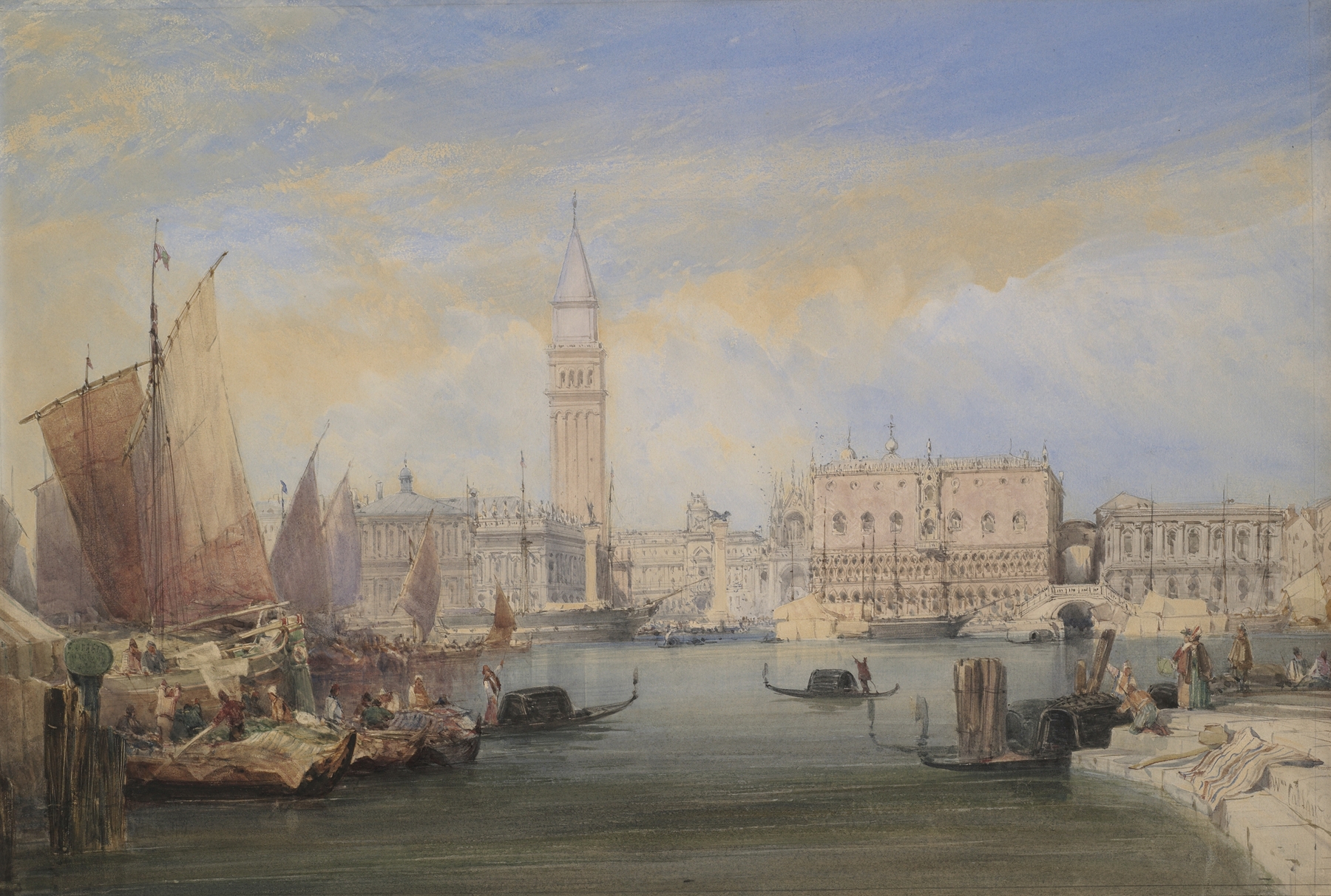
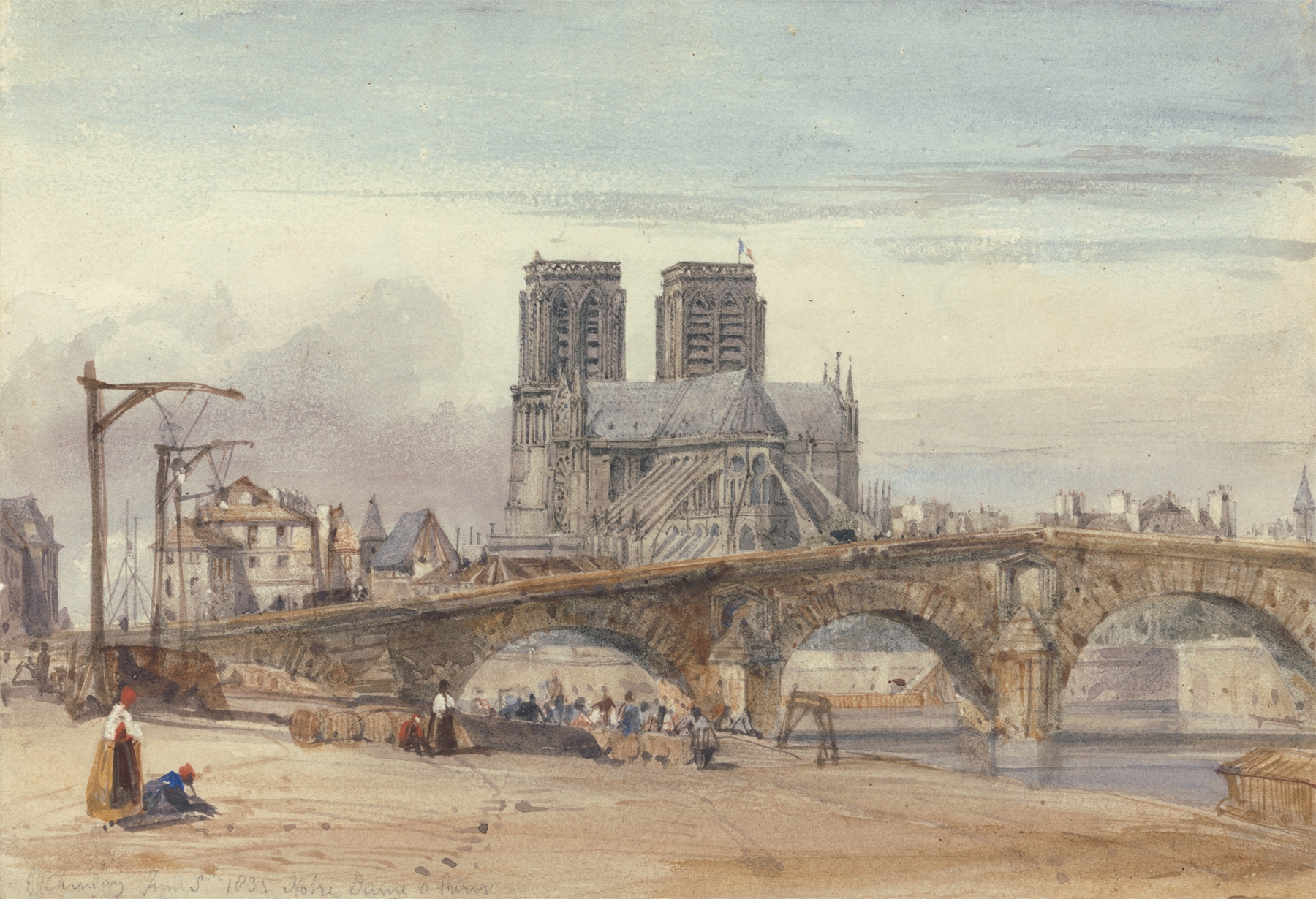
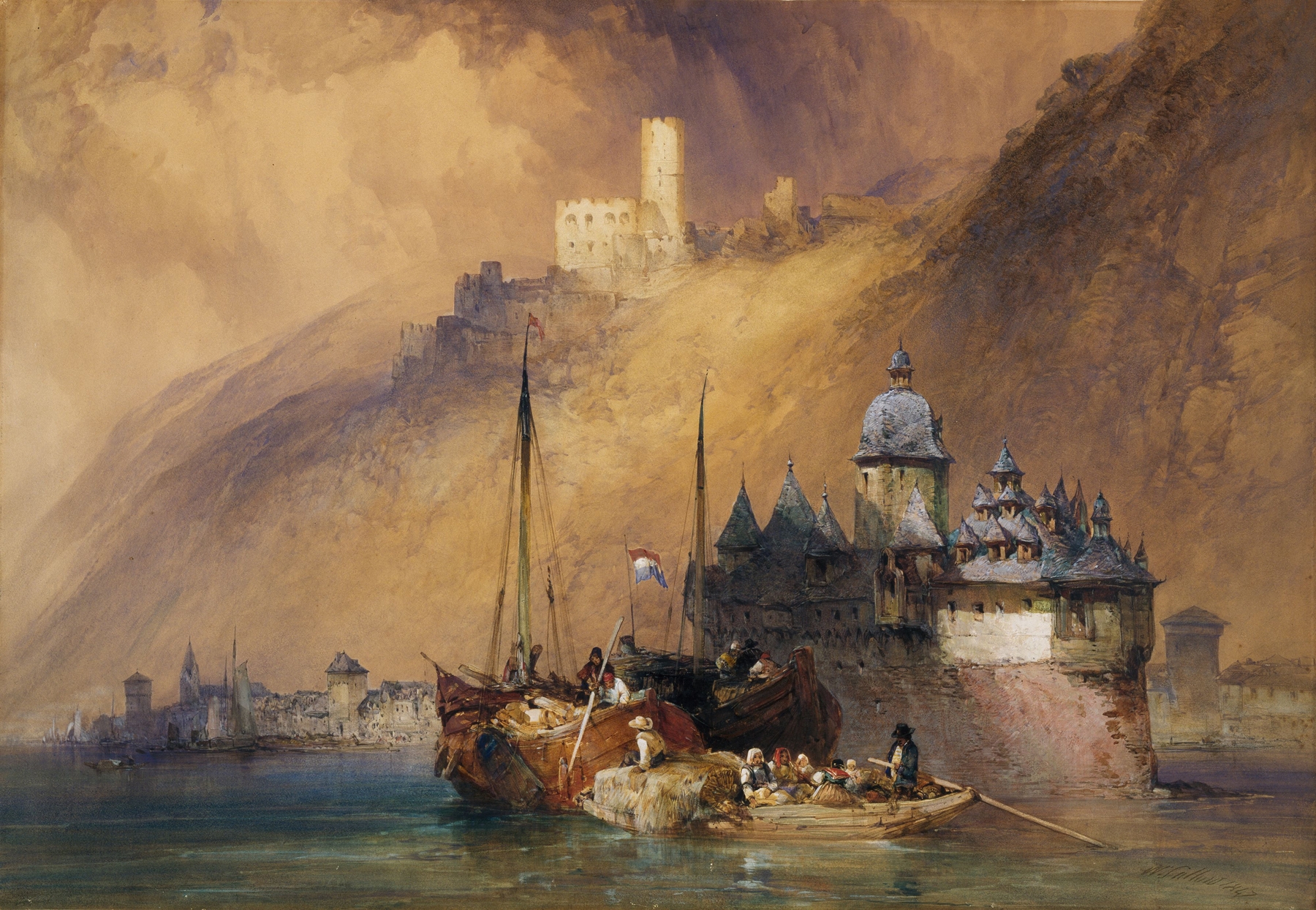
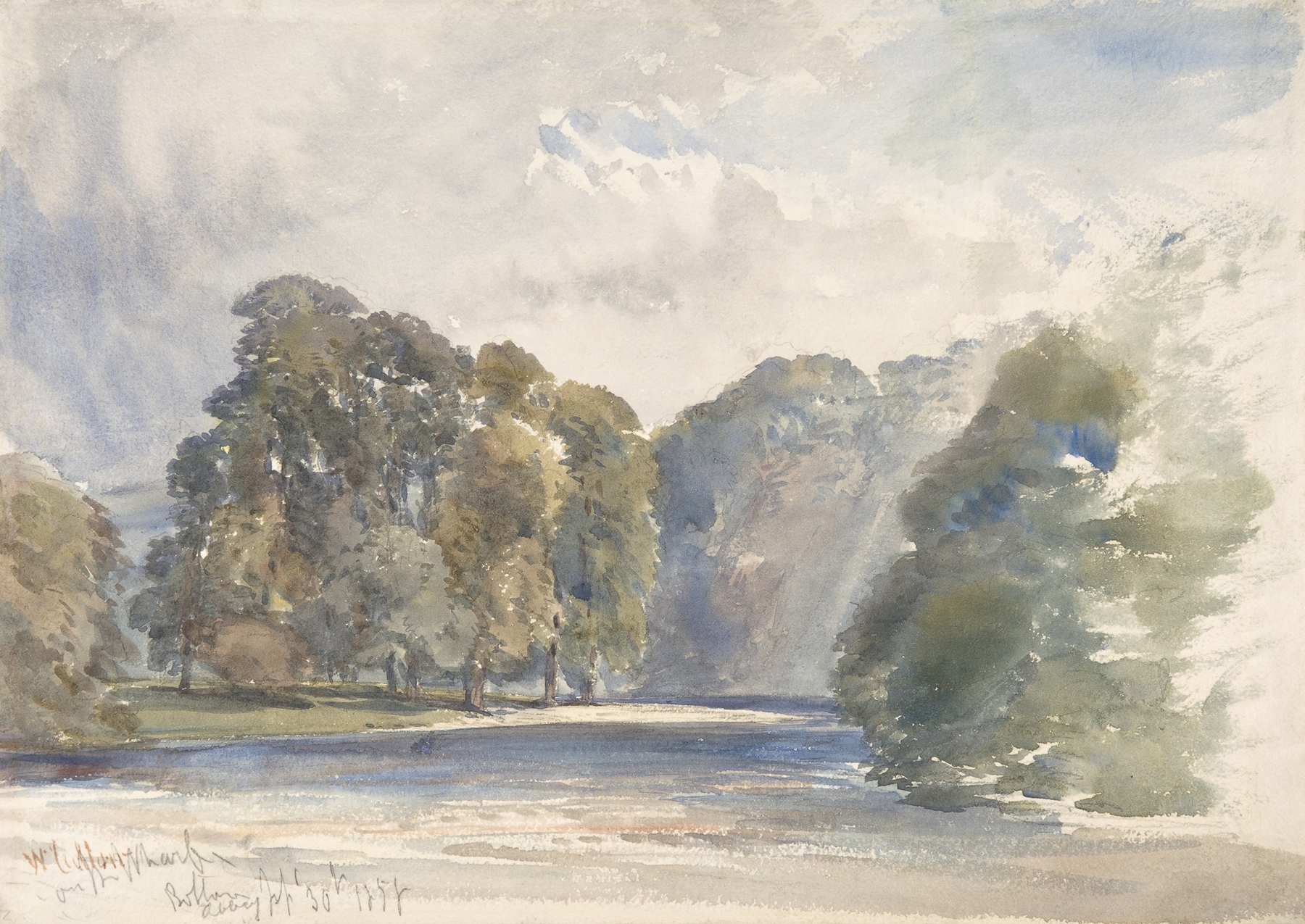
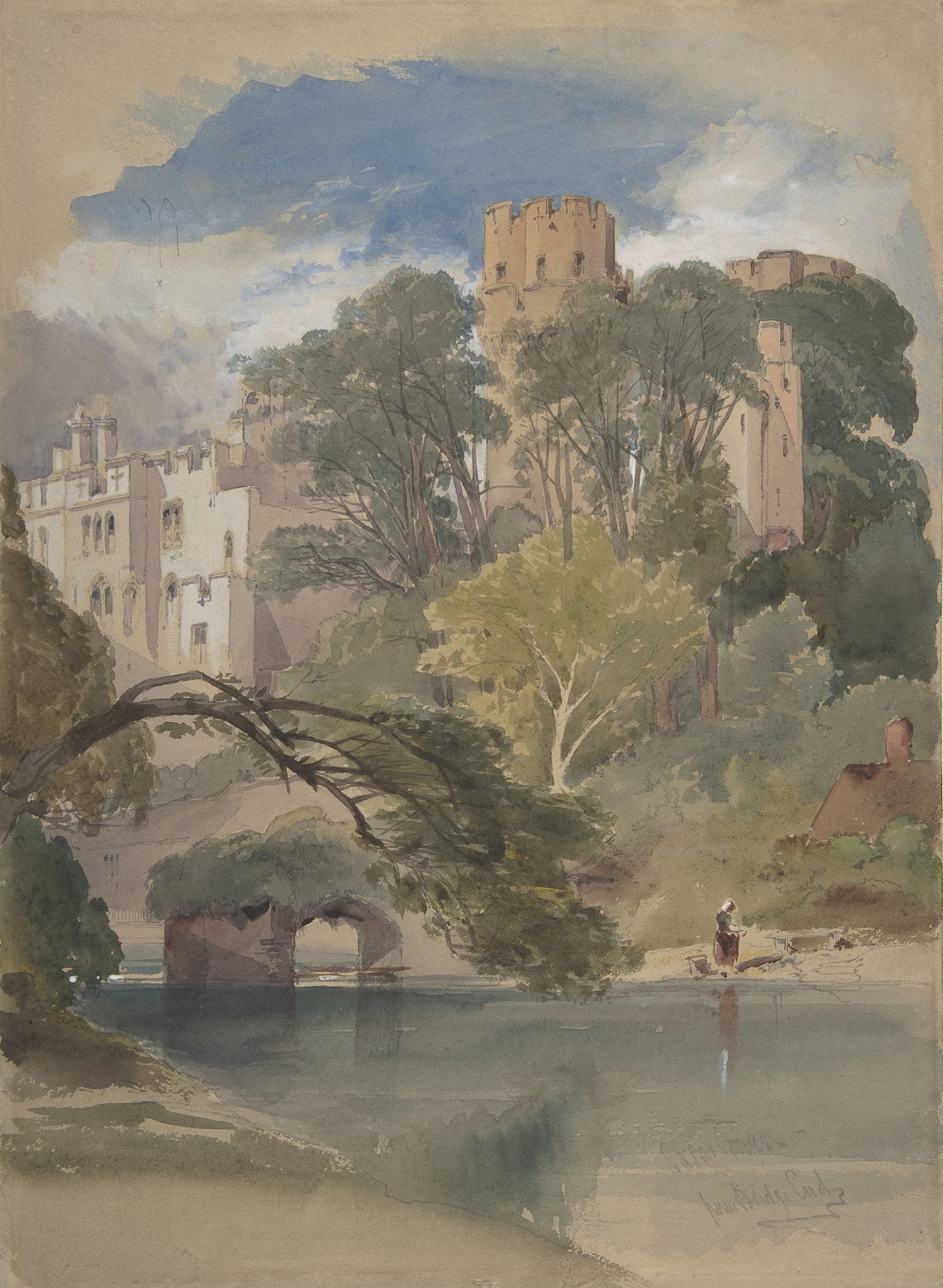
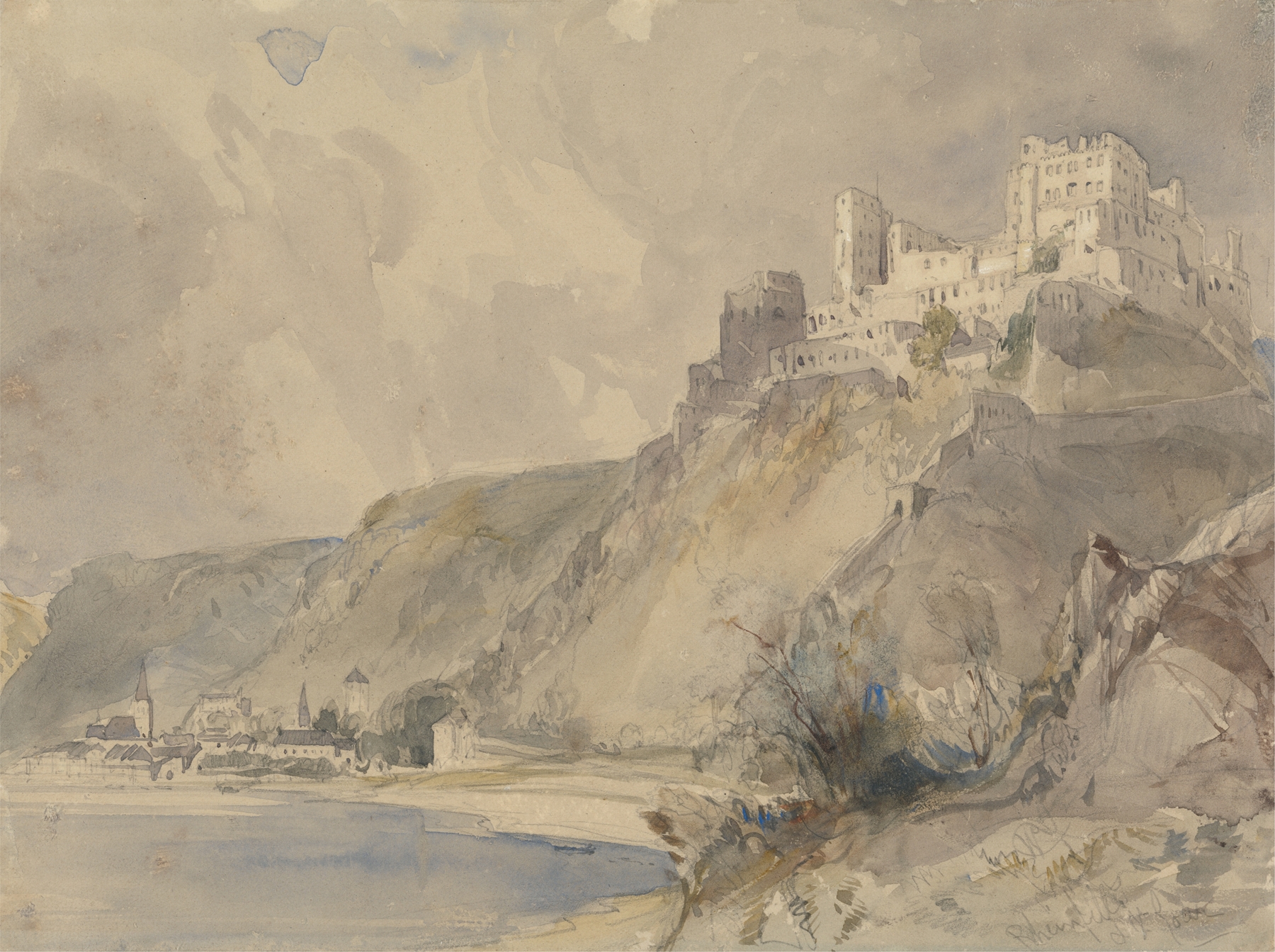
“Art reveals the soul when the world turns away.” In moments of despair, it is often the quiet beauty of a landscape that rekindles hope, whispering secrets of renewal and resilience. Focus on the sprawling grounds of the chateau, where the lush greenery unfurls beneath a brooding sky. Notice the intricate detailing of the architecture, contrasting with the softness of the trees that frame the scene. The interplay of light and shadow creates a sense of depth, inviting the viewer to meander through the carefully composed landscape, while the subdued color palette evokes a feeling of nostalgia and calm.
Hidden within the folds of this artwork lies a juxtaposition of permanence and transience. The sturdy walls of the chateau suggest stability, yet the billowing clouds overhead hint at the inevitable passage of time. Each brushstroke carries an emotional weight, and the gentle interplay of light captures fleeting moments, mirroring the cycle of life itself. There’s a palpable tension between the grandeur of human achievement and the ever-present forces of nature, reminding us of our shared fragility.
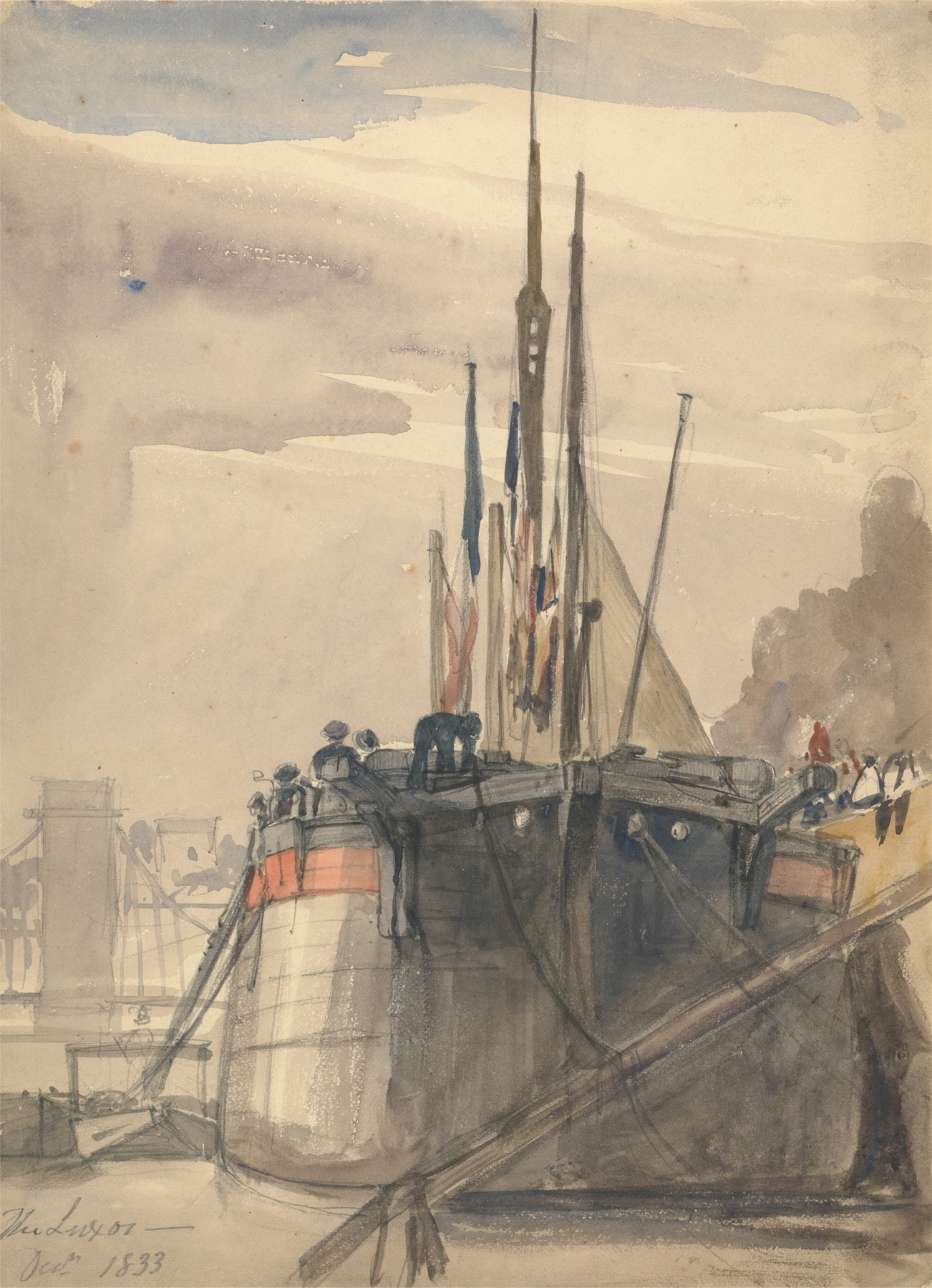
William Callow painted this piece in 1833 while living in England, a time marked by an emerging focus on Romanticism in the art world. This was a period when artists turned towards nature and emotion, as they sought to express the sublime. Callow's dedication to capturing landscapes reflects both his personal journey and the broader artistic movement, as he navigated the shifting tides of societal change, all the while revealing the enduring beauty found in our environment.