Chemin des Sablons à Moret — History & Analysis
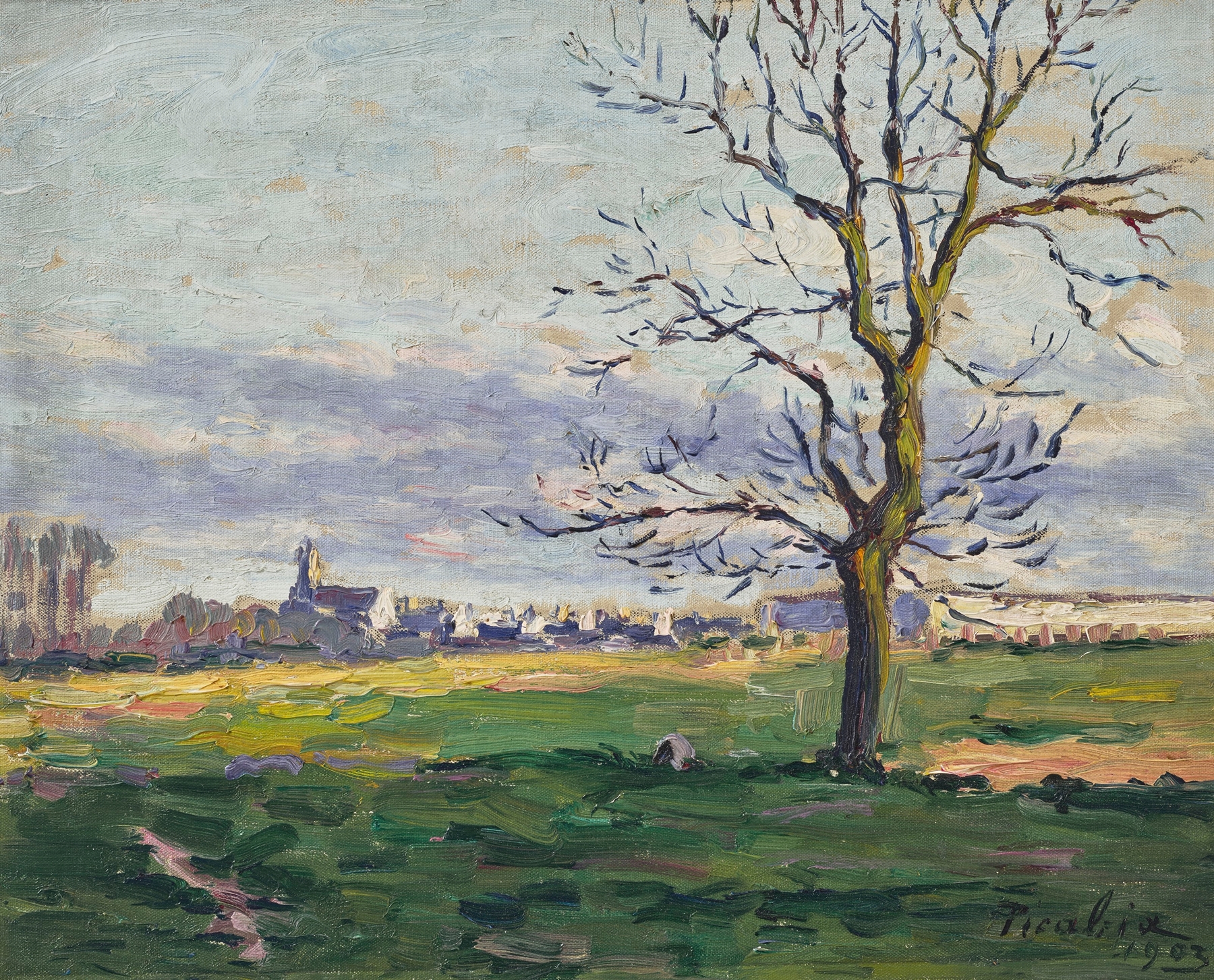
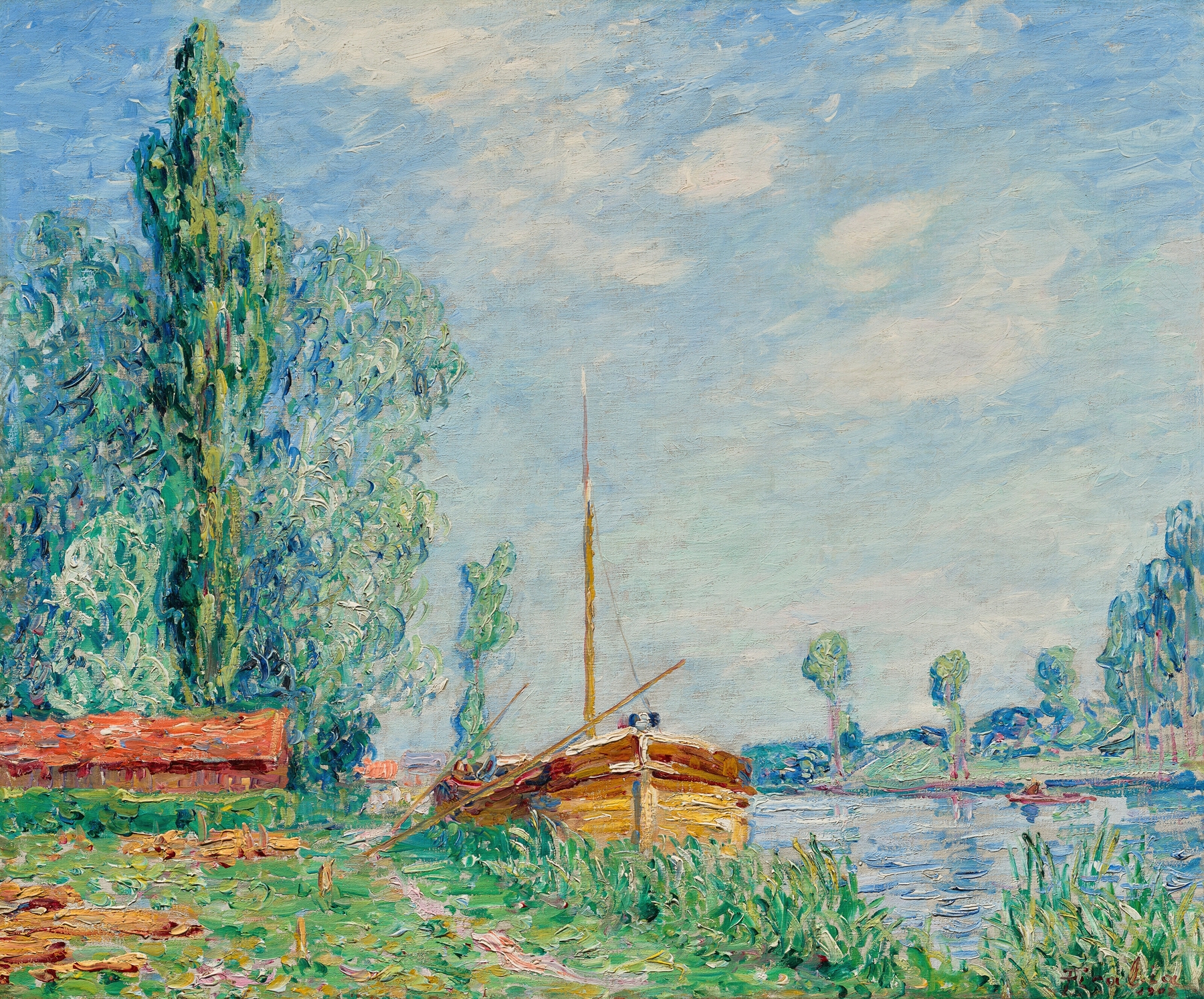
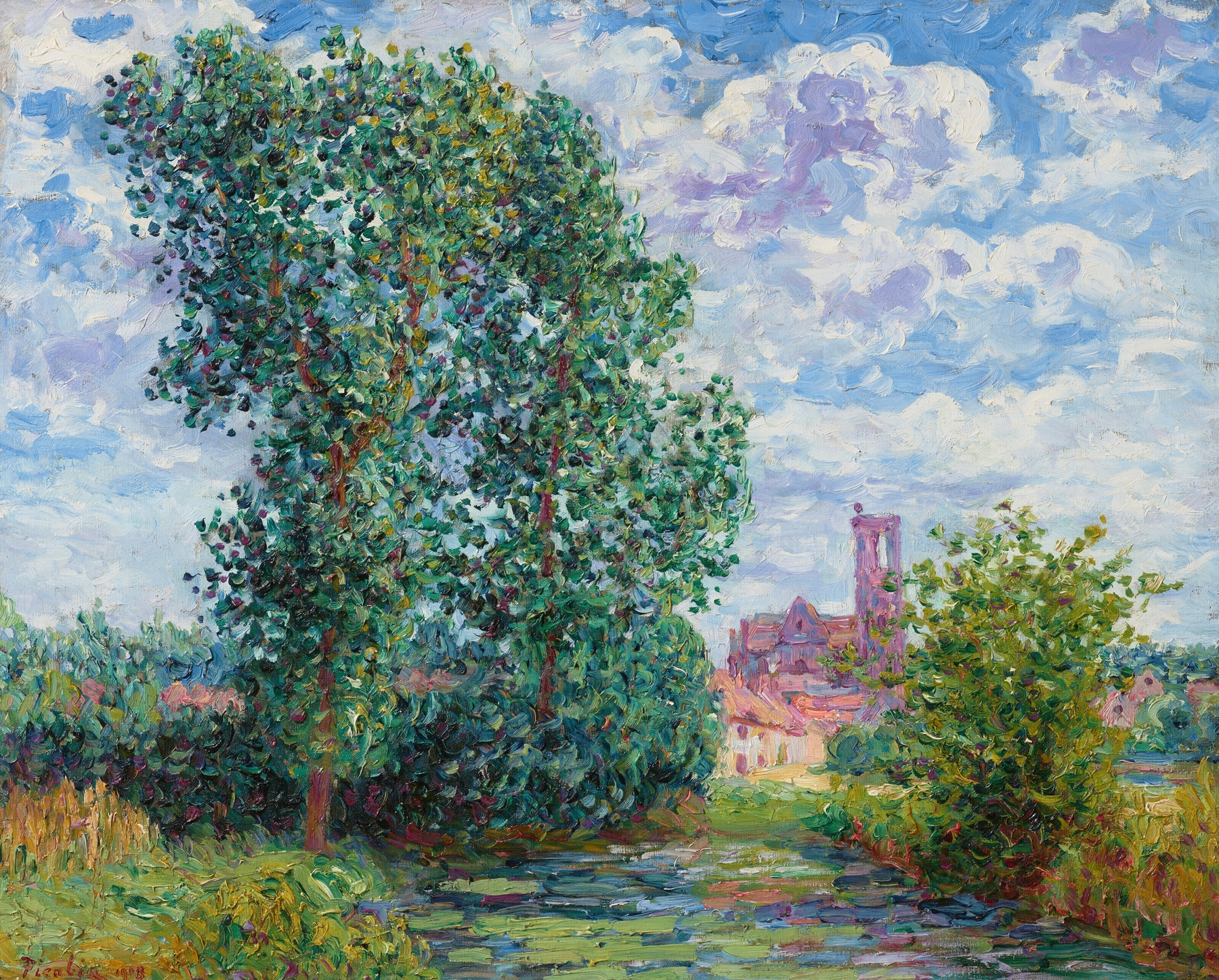
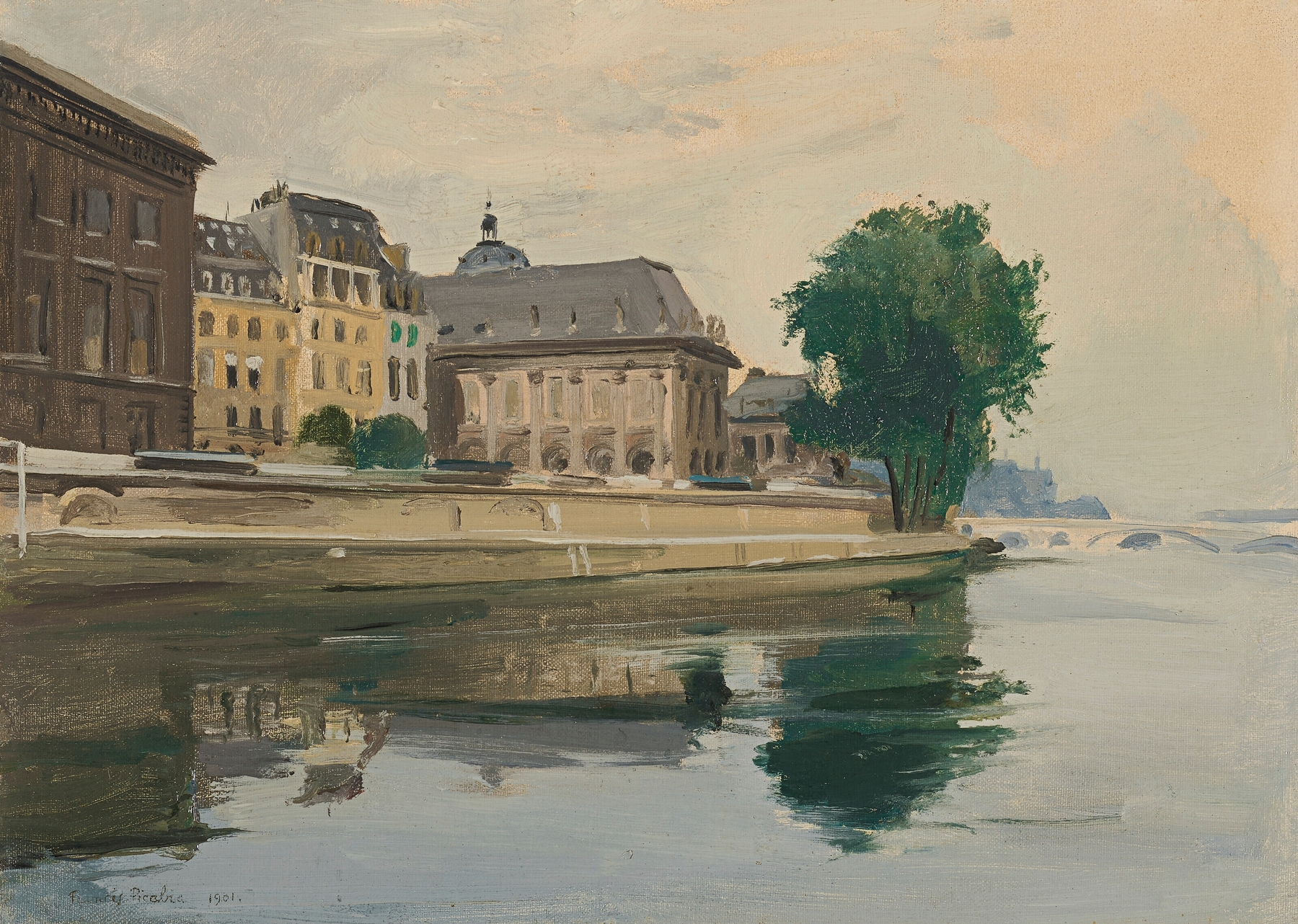
Could a single brushstroke hold eternity? In Francis Picabia’s Chemin des Sablons à Moret, the essence of innocence is captured with an immediacy that transcends time, inviting us into a world both ephemeral and profound. Look to the lower right where a gentle path curls away into the distance, flanked by soft green foliage. Your eyes are drawn to the delicate interplay of muted colors—the warm earth tones of the path contrasting with the cool greens of the trees.
Notice how the light dances subtly across the scene, creating an atmosphere that shifts between serenity and subtle tension. Picabia’s brushwork, fluid yet intentional, evokes a sense of movement, as if the viewer could step into the painting and stroll along the shaded path. Delve deeper into the soft luminosity of the leaves, where dappled sunlight captures fleeting moments of nature's grace. The contrasts in the artwork—the lively brushstrokes against the stillness of the scene—speak to a deeper emotional landscape.
Here, innocence is not merely a theme but a tangible presence, suggesting a myriad of unspoken stories and untraveled paths, inviting contemplation on life’s simple yet profound moments. In 1904, Picabia was immersing himself in the vibrant art scene of Paris, engaging with the emerging avant-garde. Painting Chemin des Sablons à Moret during this period of experimentation, he was exploring the boundaries of impressionism while infusing his work with a sense of personal narrative and emotional depth. This painting reflects his journey, both as an artist and an individual, during a time of artistic revolution and personal exploration.