Untitled (The Loing at Nemours) — History & Analysis
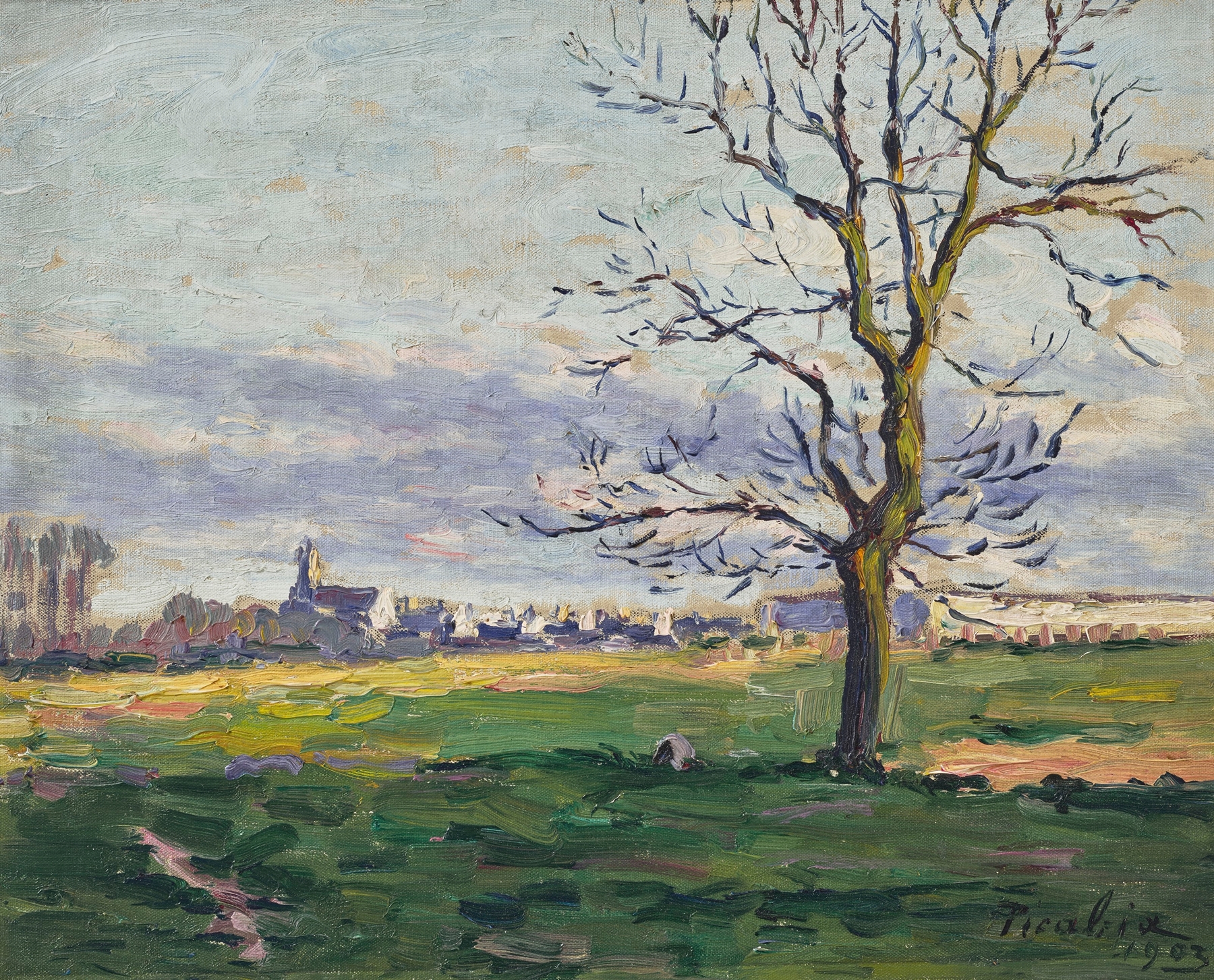
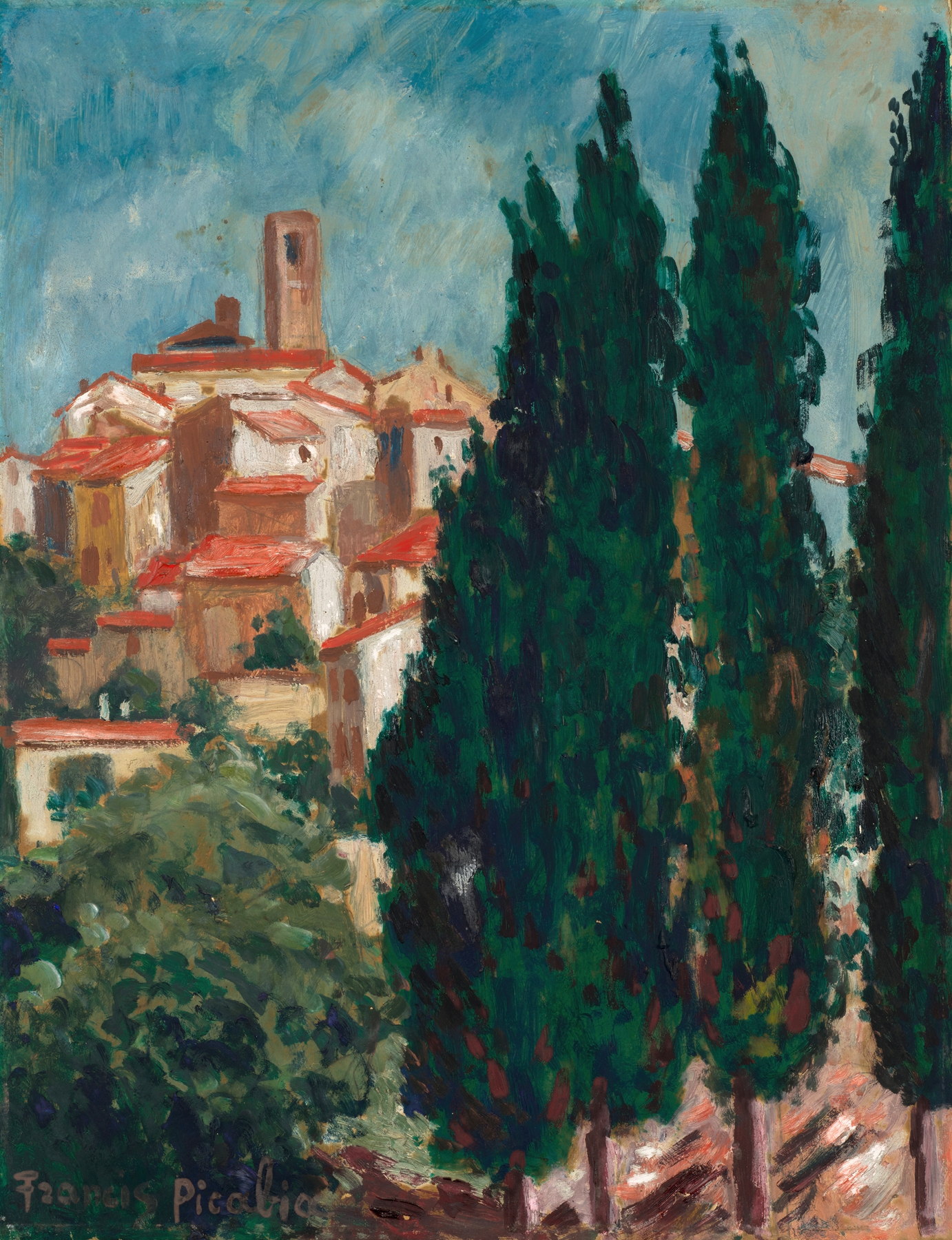
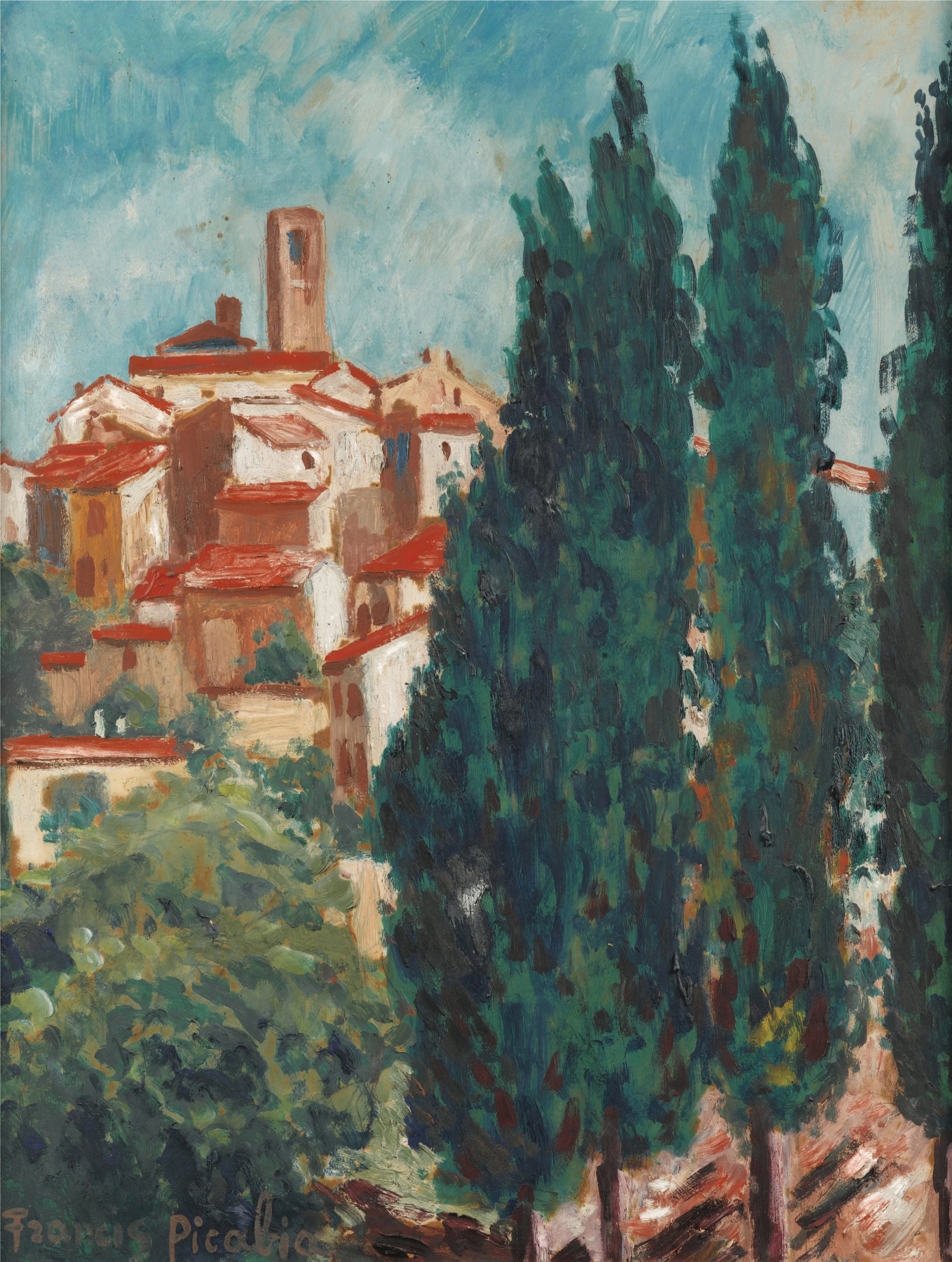
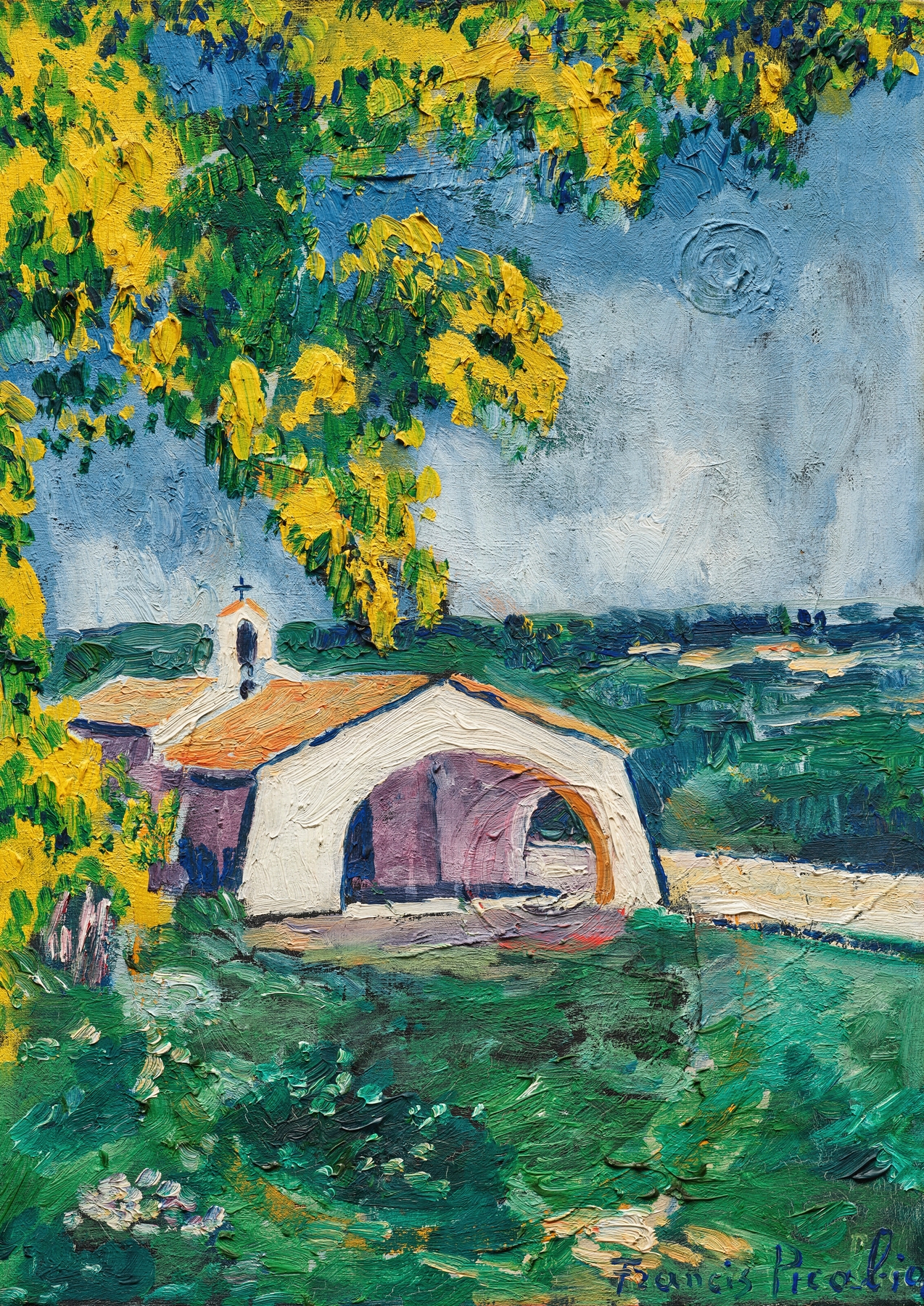
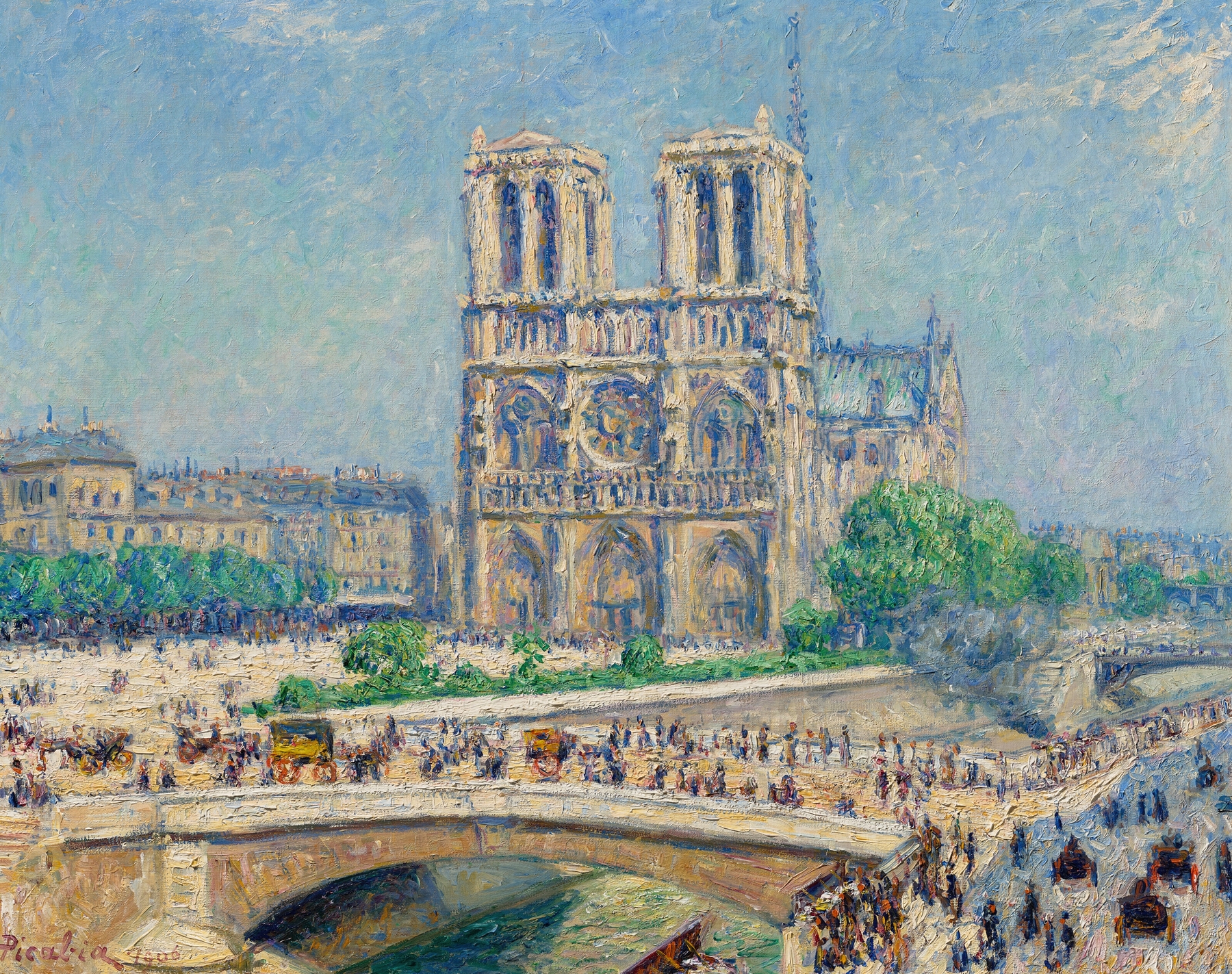
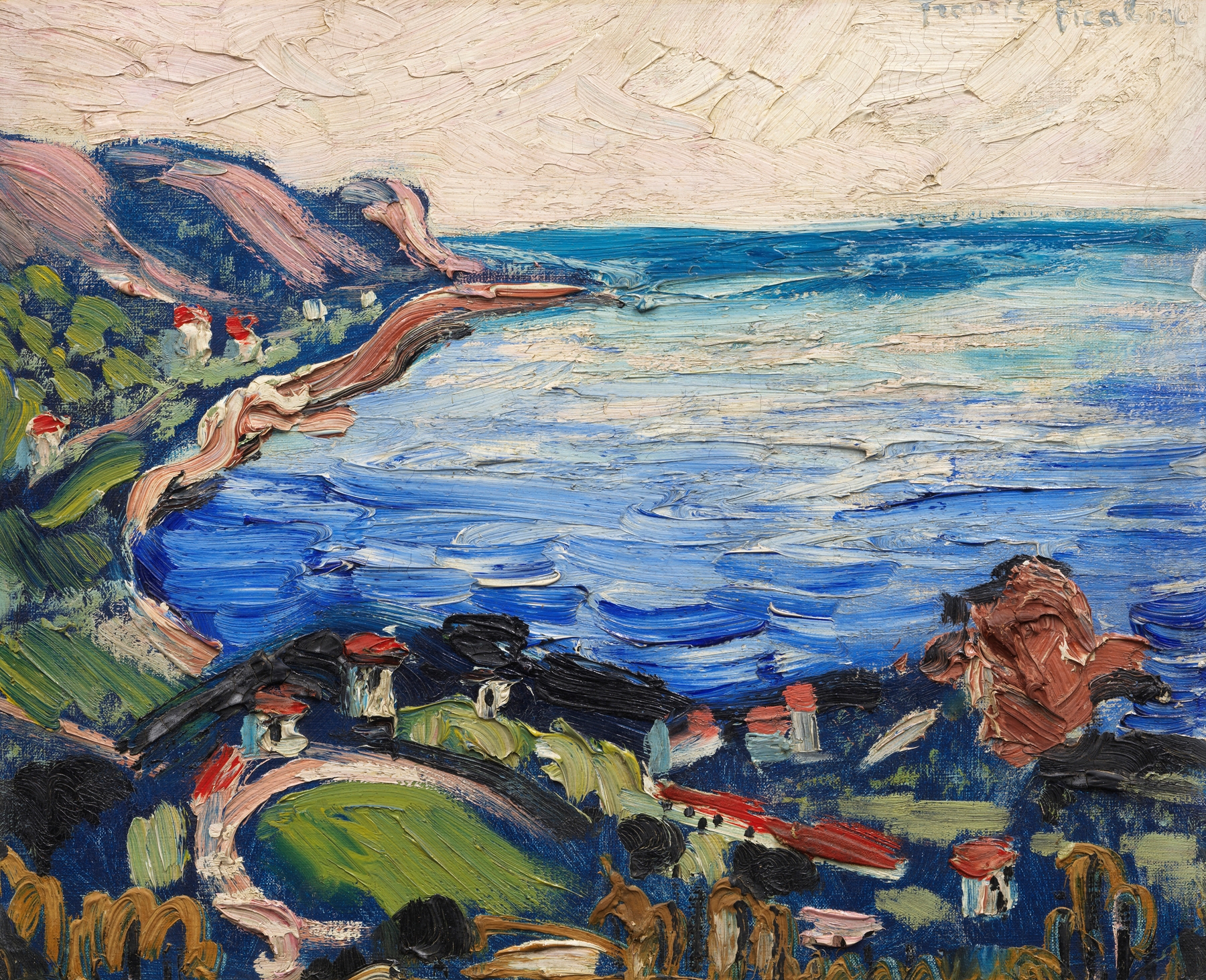
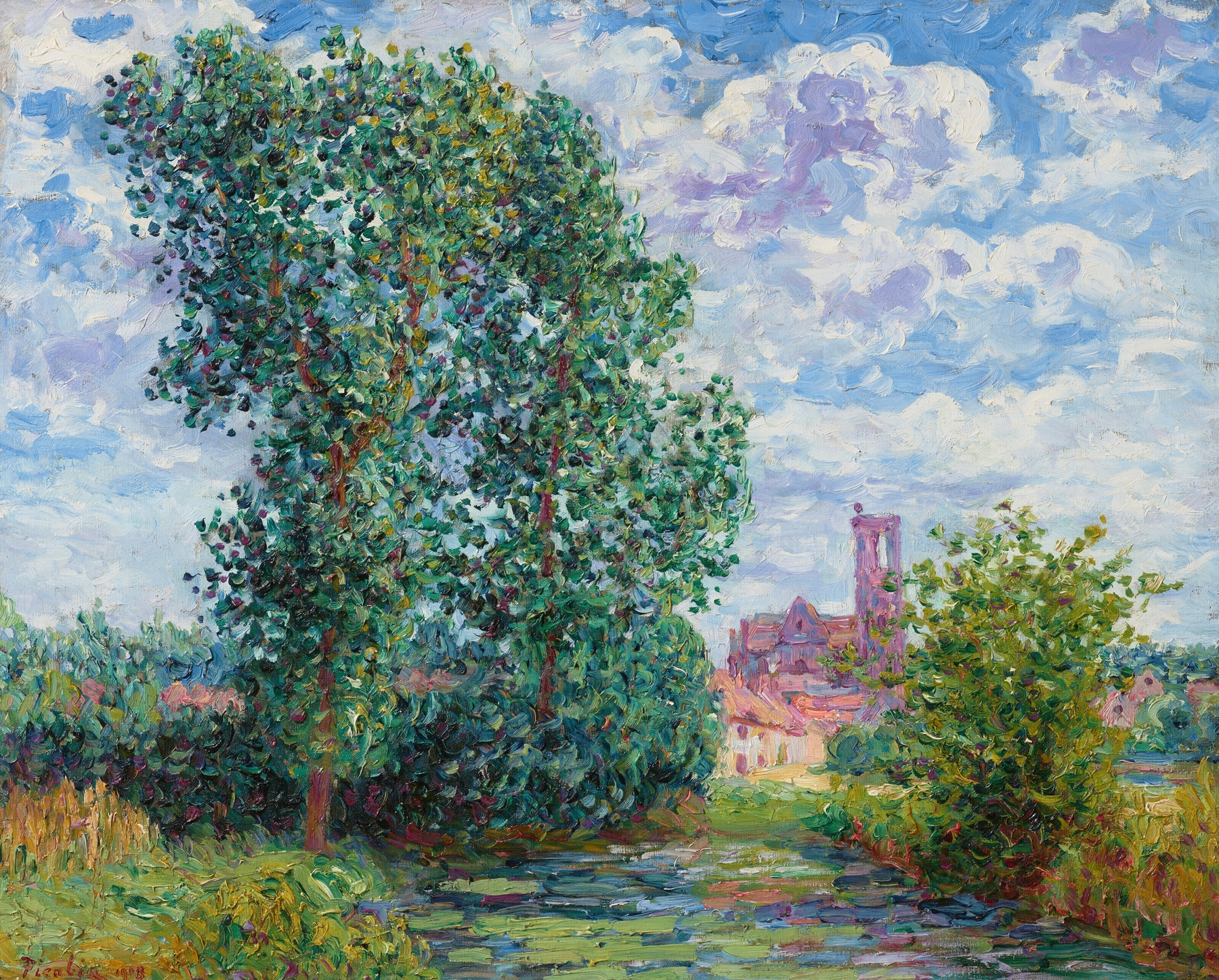
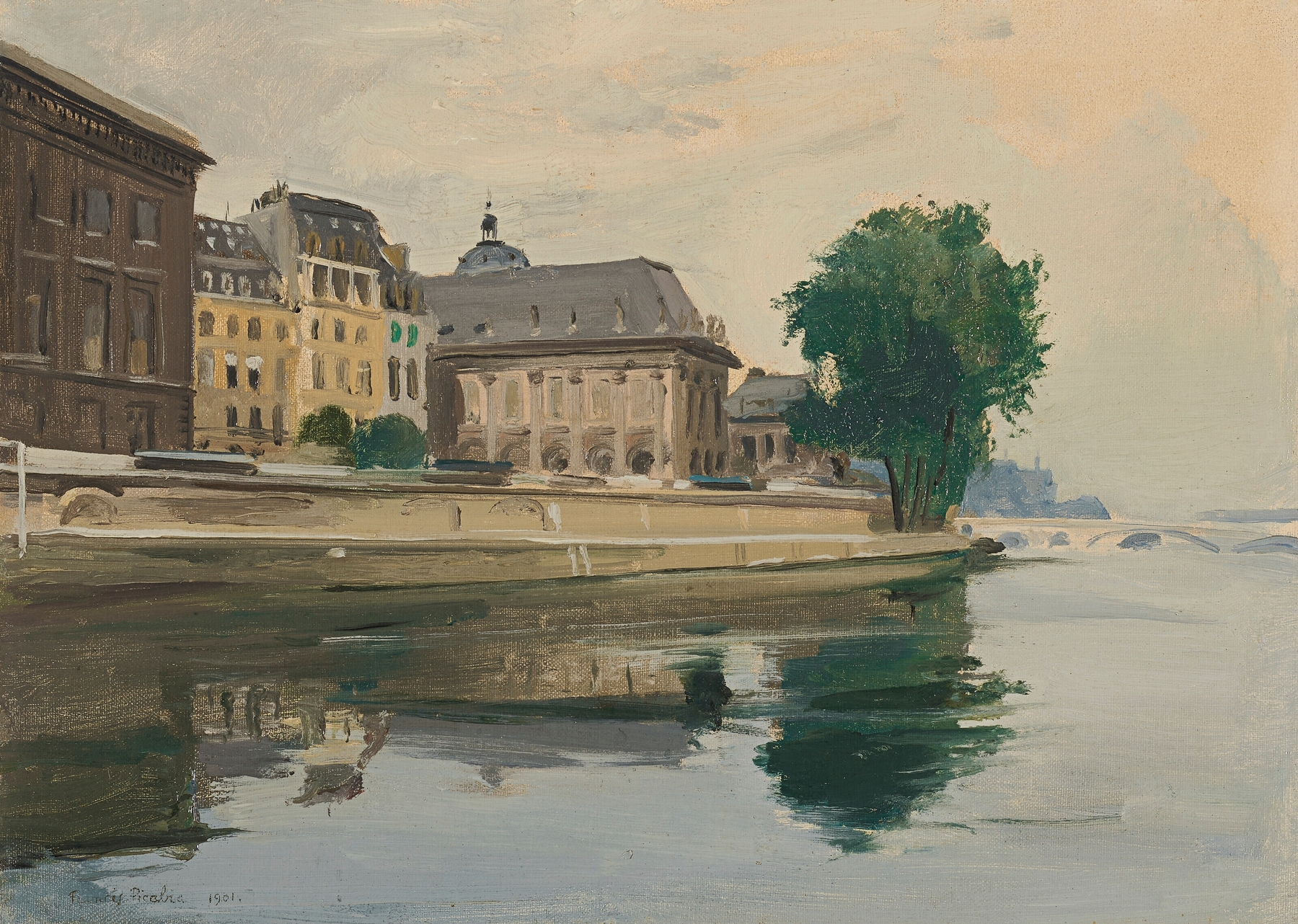
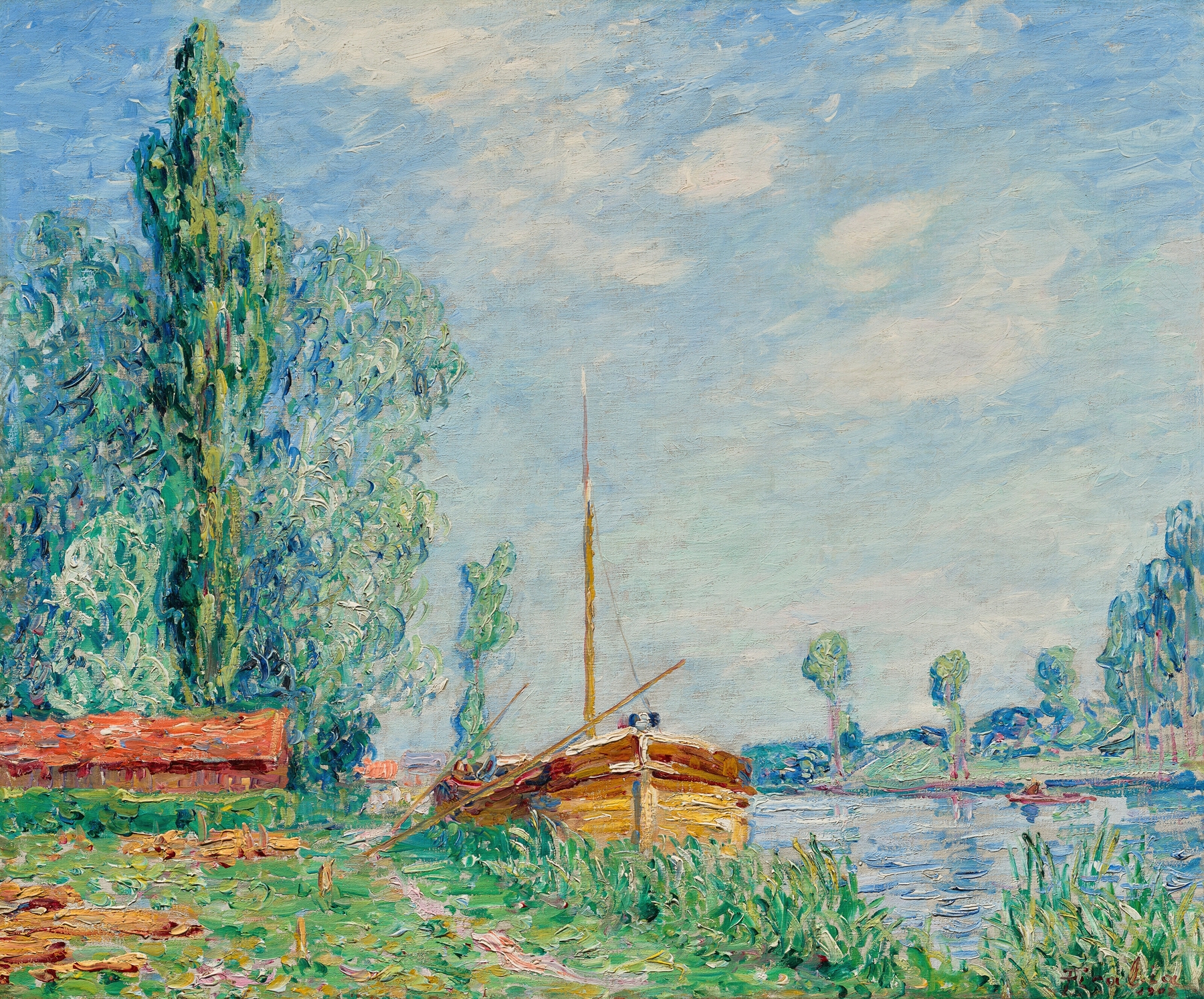
“To paint is to remember what time wants us to forget.” In a world where decay dances with the remnants of existence, the act of creation becomes an act of preservation, a way to hold onto fleeting beauty. Look to the center of the canvas, where soft, muted tones mingle seamlessly. The brushwork is layered, evoking a sense of texture that invites you to explore the depths of the image. Notice how the colors bleed into one another, reminiscent of shadows stretching across forgotten corners.
The composition subtly leads your gaze outward, creating a sensation of both confinement and liberation, capturing the essence of a moment suspended in time. Beneath the surface, hidden meanings pulse with life. The artist contrasts the vitality of nature with the inevitability of decay, using organic forms that both thrive and wither simultaneously. Each stroke resonates with a tension between nostalgia and the present, as if whispering secrets of what once was.
This blend of vitality and decay speaks to the universal cycle of life, urging the viewer to confront their own relationship with the passage of time. In 1908, the artist was immersed in a burgeoning avant-garde movement, exploring themes of modernity while grappling with personal turbulence. Painted in France, Untitled (The Loing at Nemours) reflects a period of experimentation and renewal, as the art world began to embrace abstraction and push against traditional boundaries. This piece encapsulates not only Picabia's evolving style but also the cultural shifts of an era poised on the brink of monumental change.