Sans titre (Sacré-Coeur, Montmartre) — History & Analysis
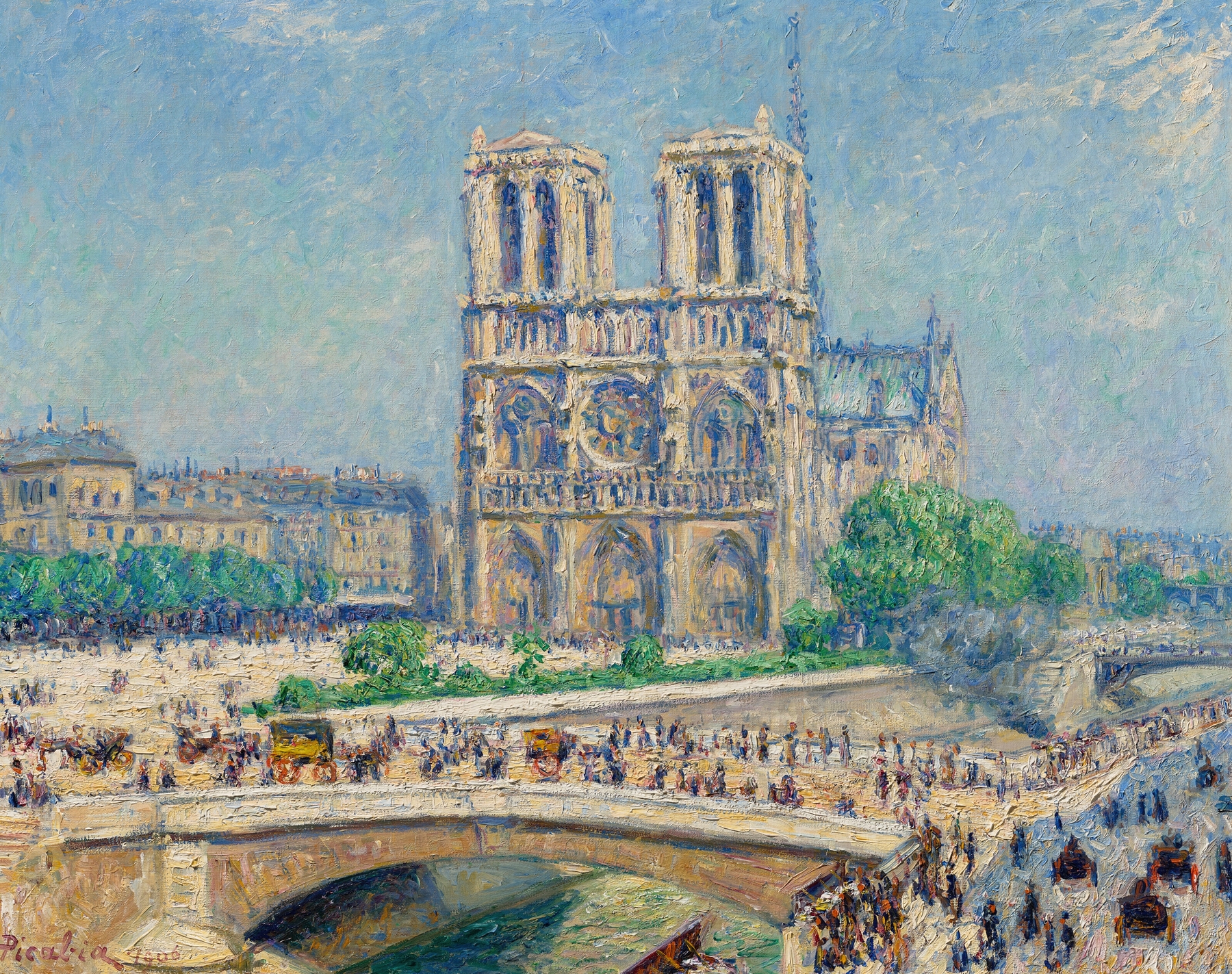
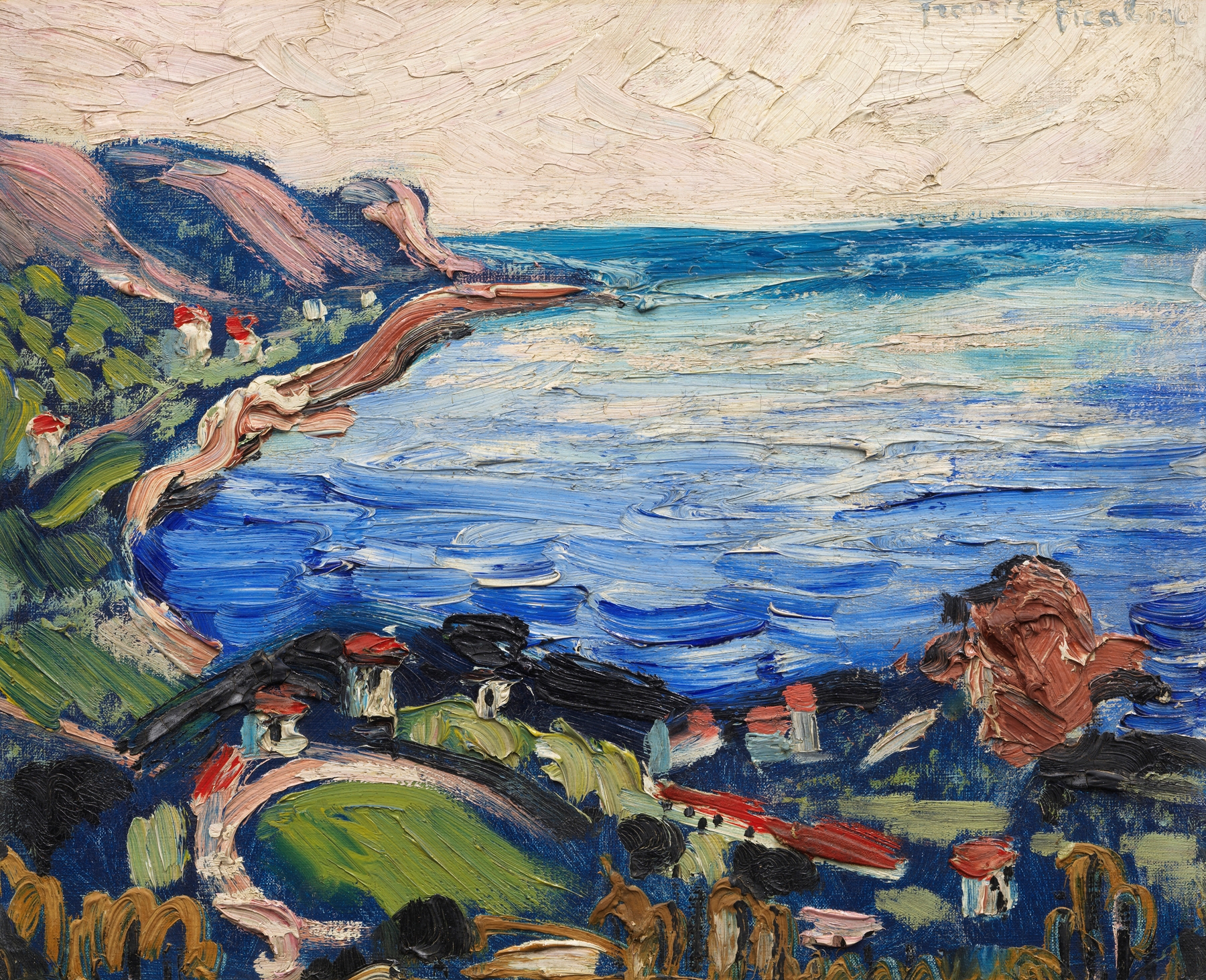
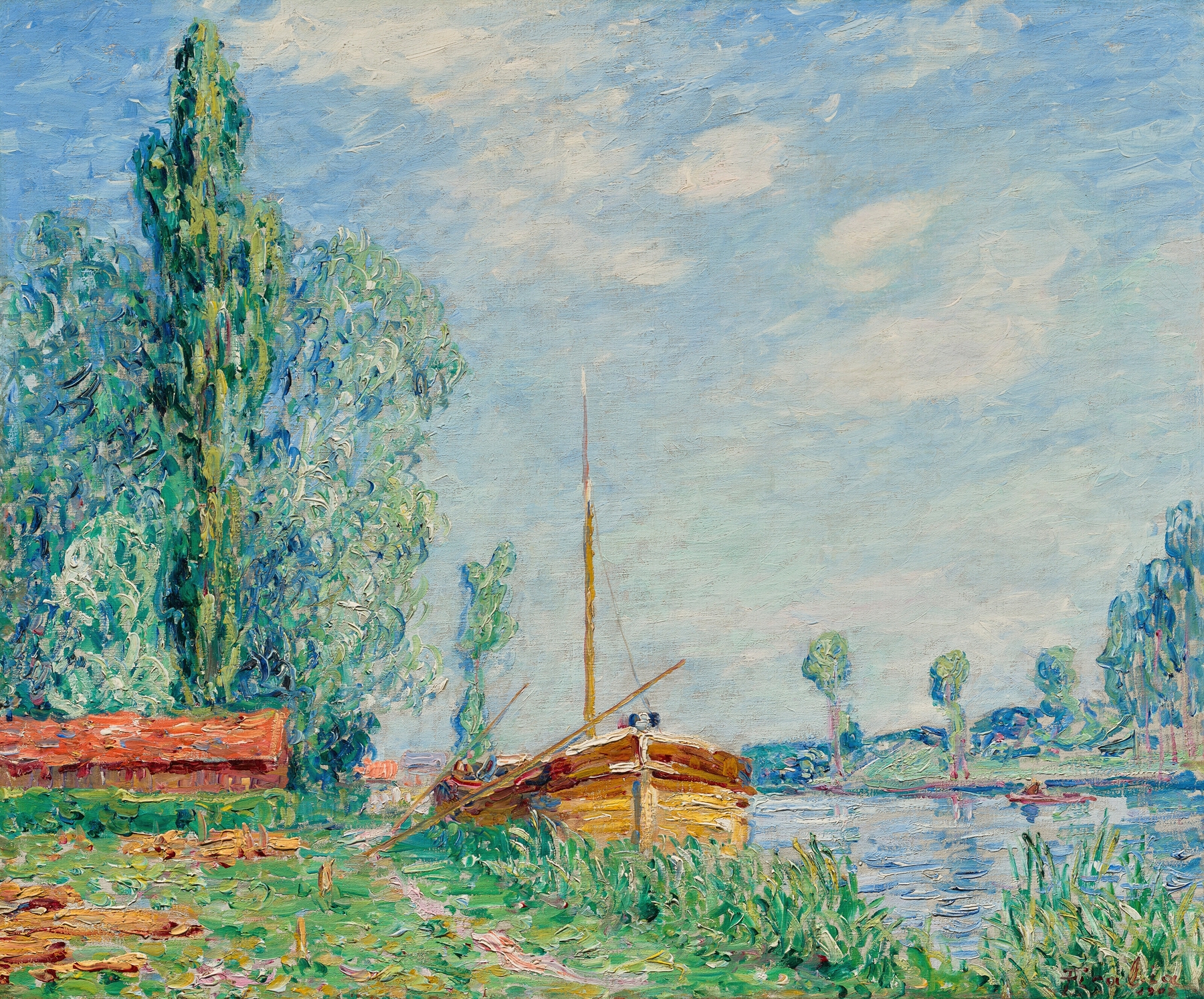
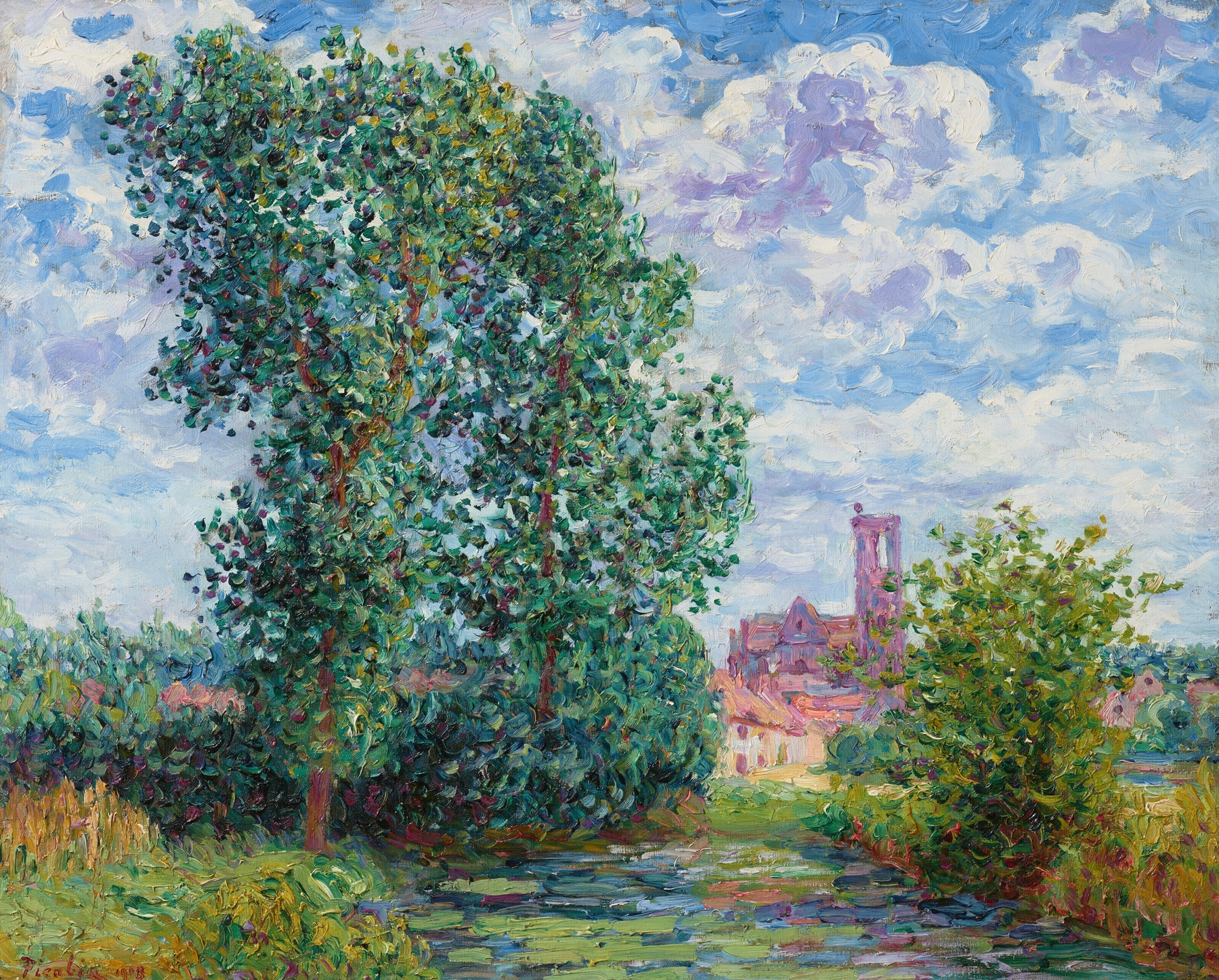
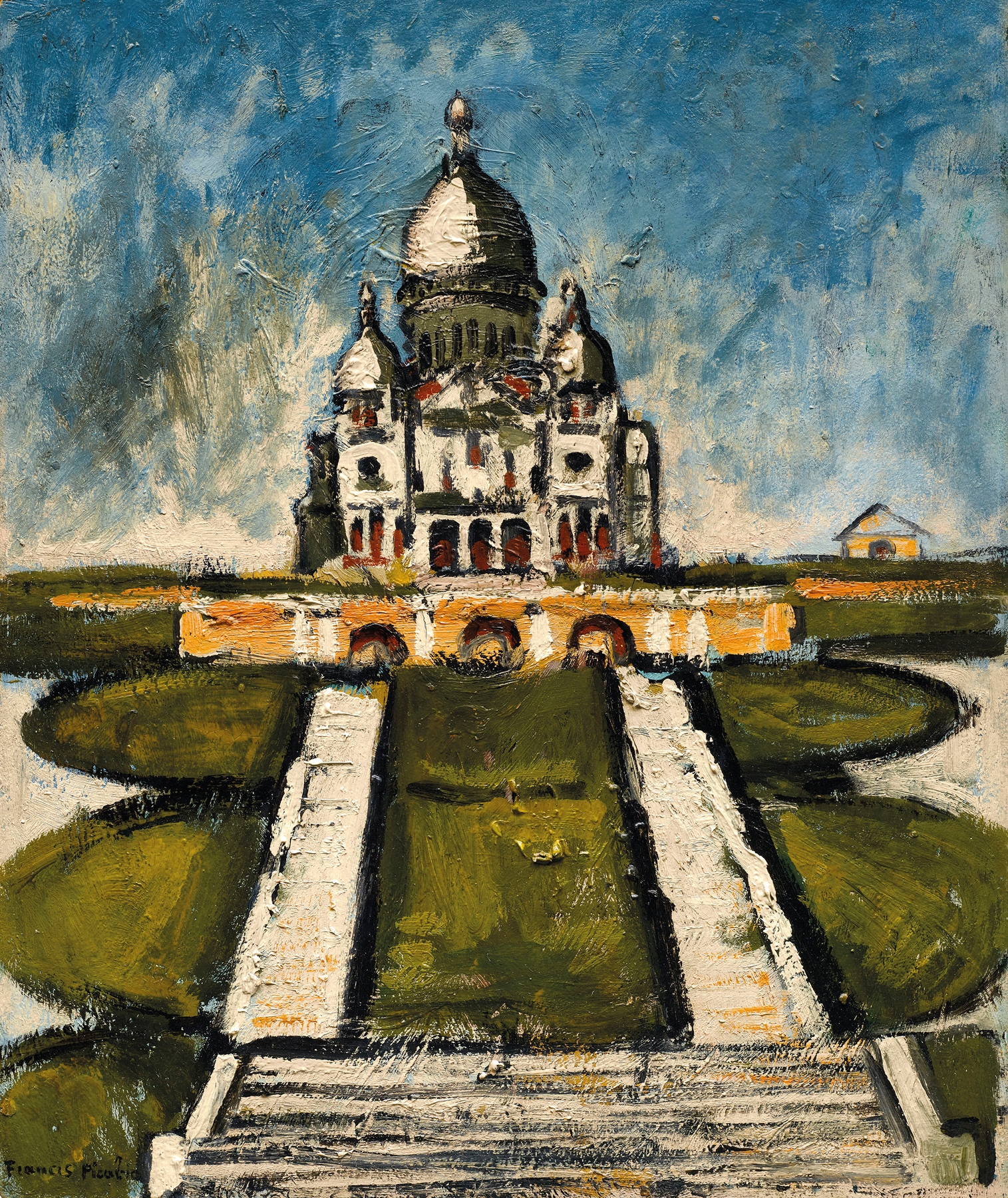
What if silence could speak through light? In the gentle embrace of dawn, the world awakens, revealing hidden truths painted in soft hues, whispering of life and possibility. Look to the center of the canvas, where the ethereal silhouette of the Sacré-Coeur soars against a backdrop of muted blues and gentle whites. Notice how Picabia’s brushwork transitions from vivid strokes to tender washes, suggesting a fleeting moment caught between night and day.
The contrasting colors create a luminous atmosphere, drawing your gaze to the sacred structure as it stands like a beacon of hope amidst swirling forms of abstraction, all while conveying a sense of both reverence and intimacy. Yet, the painting offers more than just a view of a famed landmark. The dreamlike quality hints at a deeper spiritual awakening, a dialogue between stillness and movement. The interplay of light and shadow invites reflection, evoking feelings of longing and nostalgia.
Each brushstroke resonates with the pulse of Montmartre, capturing the essence of a place that has seen countless artists and dreamers, now distilled into this singular moment of transcendence. In 1938, Picabia was living in Paris, immersed in an artistic community buzzing with innovation and experimentation. This period marked a transition within his oeuvre as he began to blend abstraction with recognizable forms, reflecting both personal introspection and the changing landscape of art. Sans titre (Sacré-Coeur, Montmartre) stands as a testament to this evolution, encapsulating the spirit of a city that has forever inspired creativity and connection.