Sans titre — History & Analysis
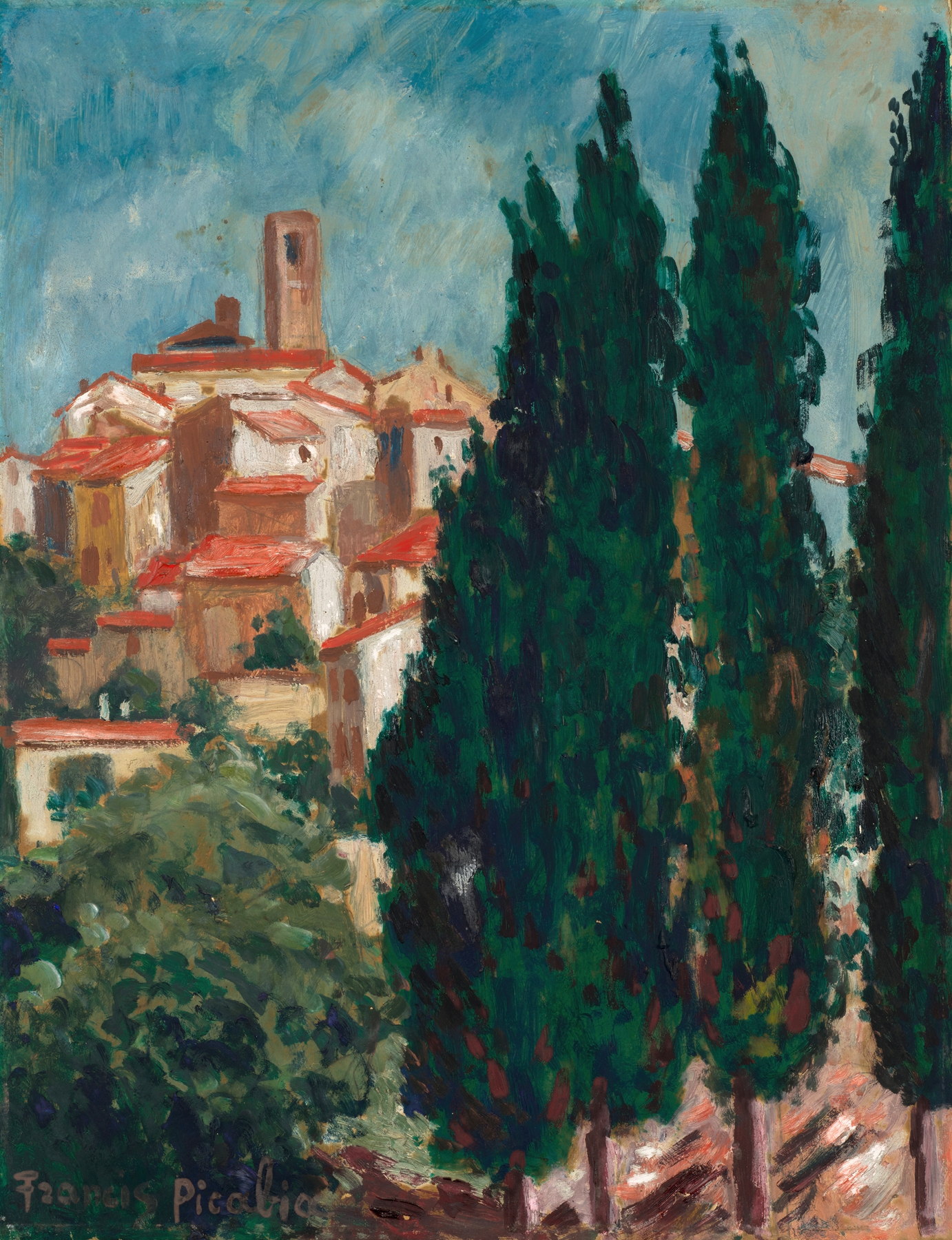
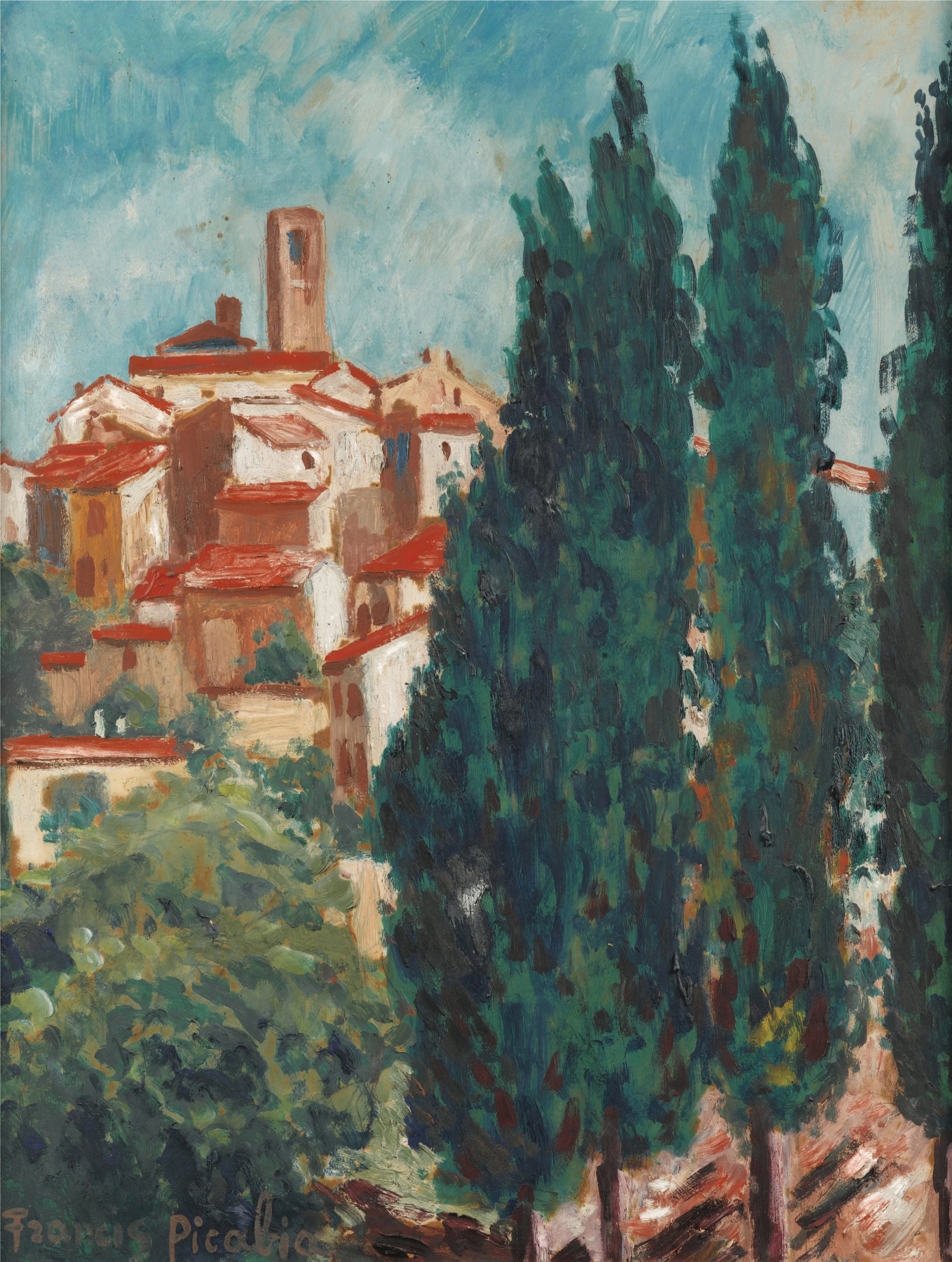
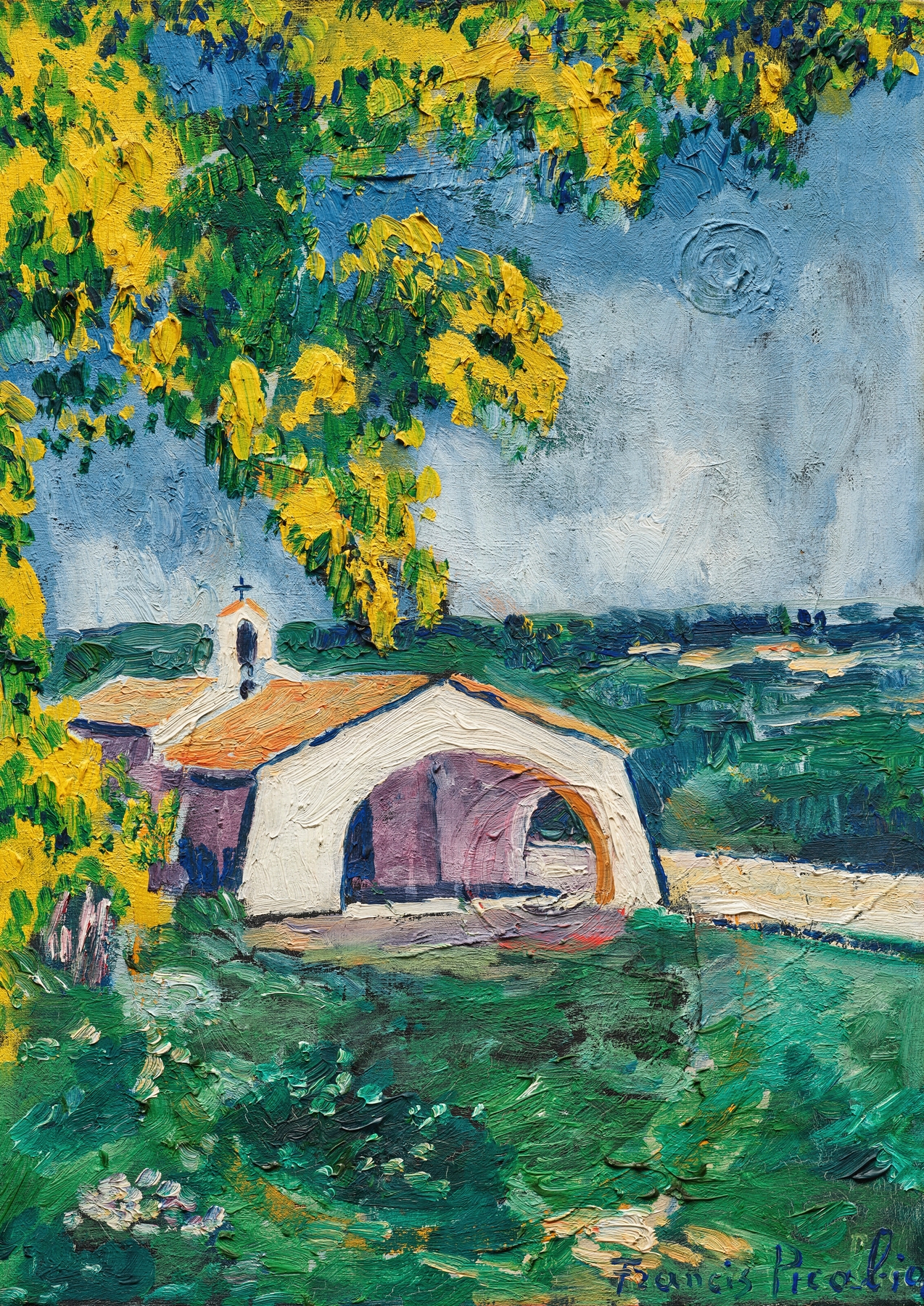
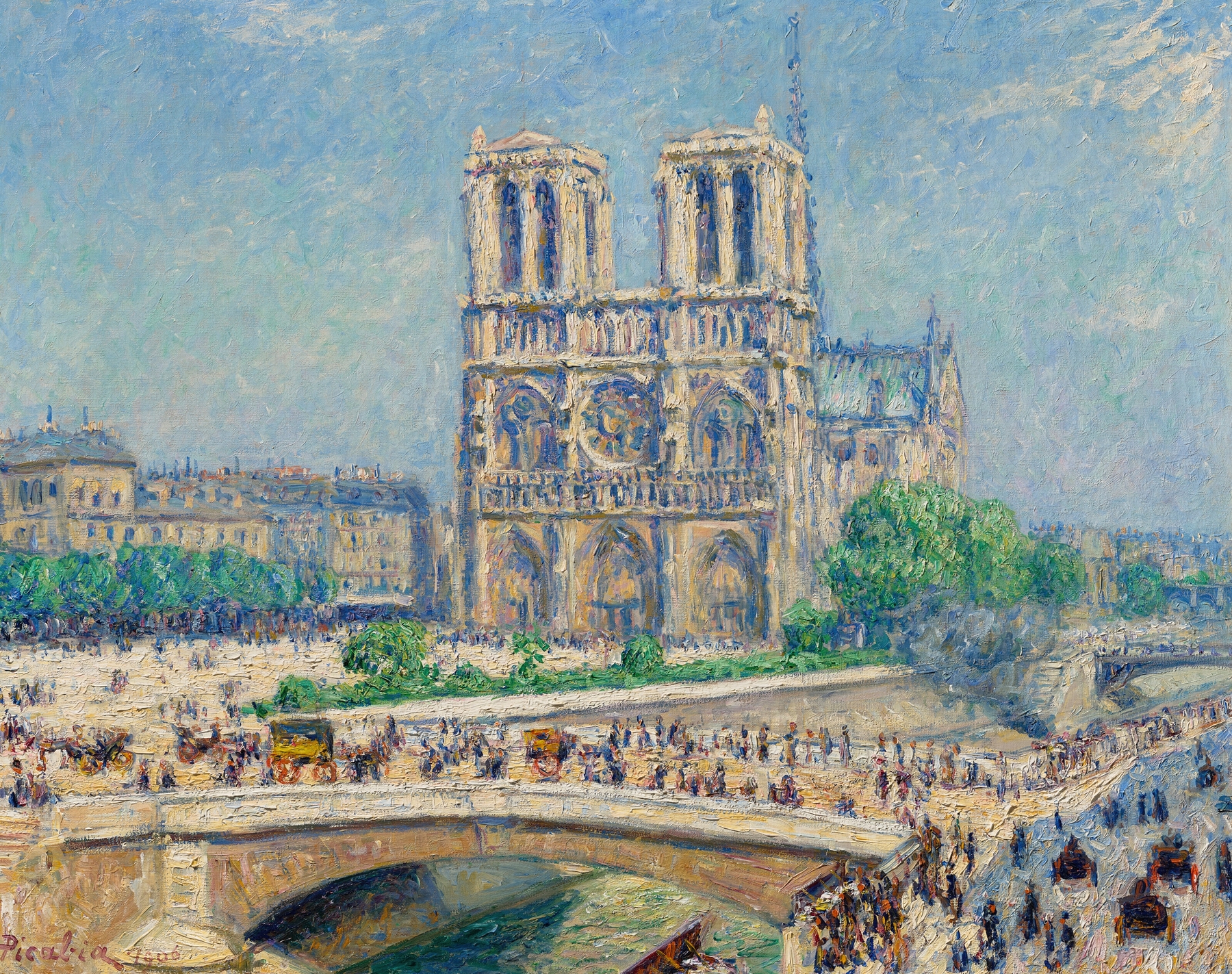
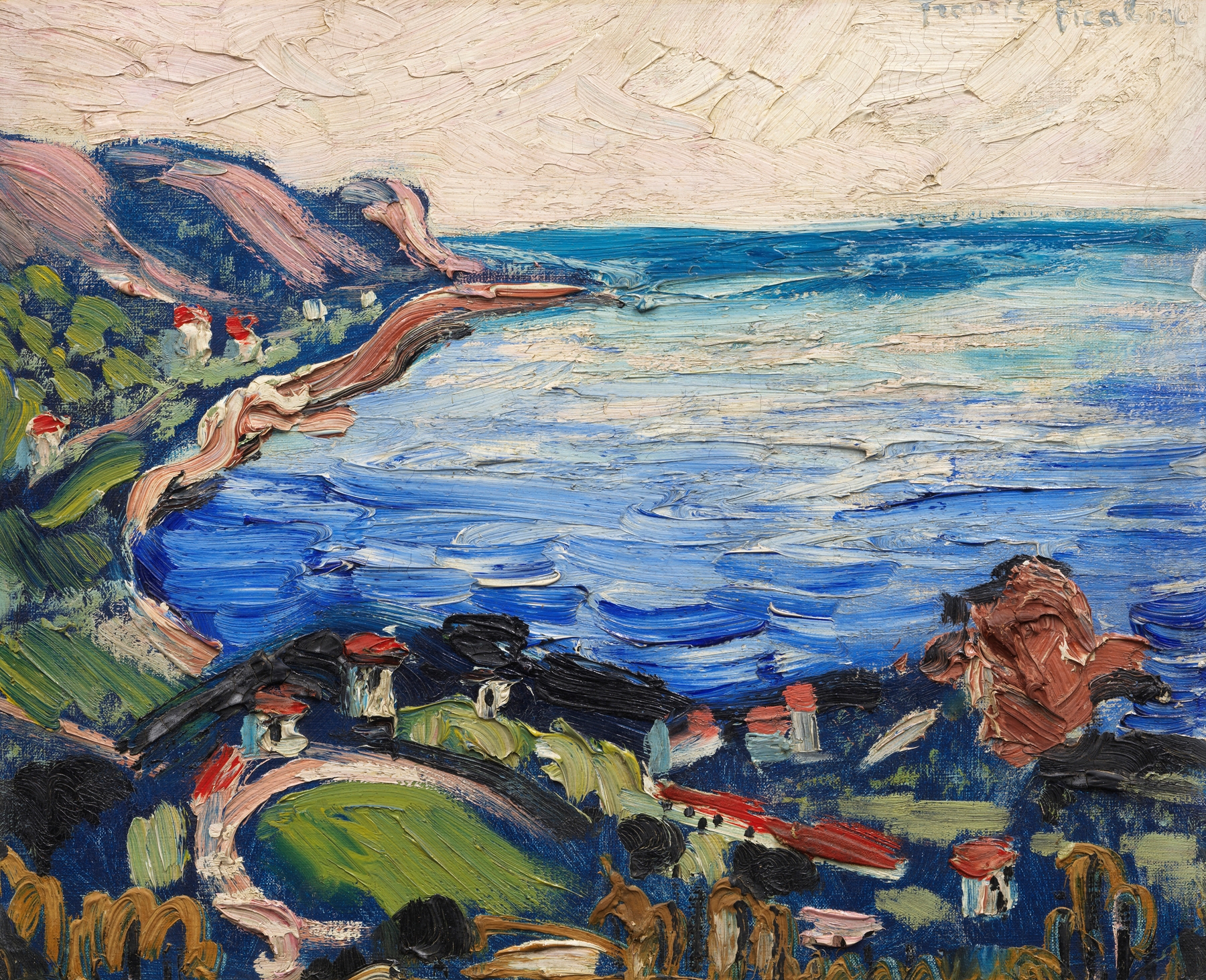
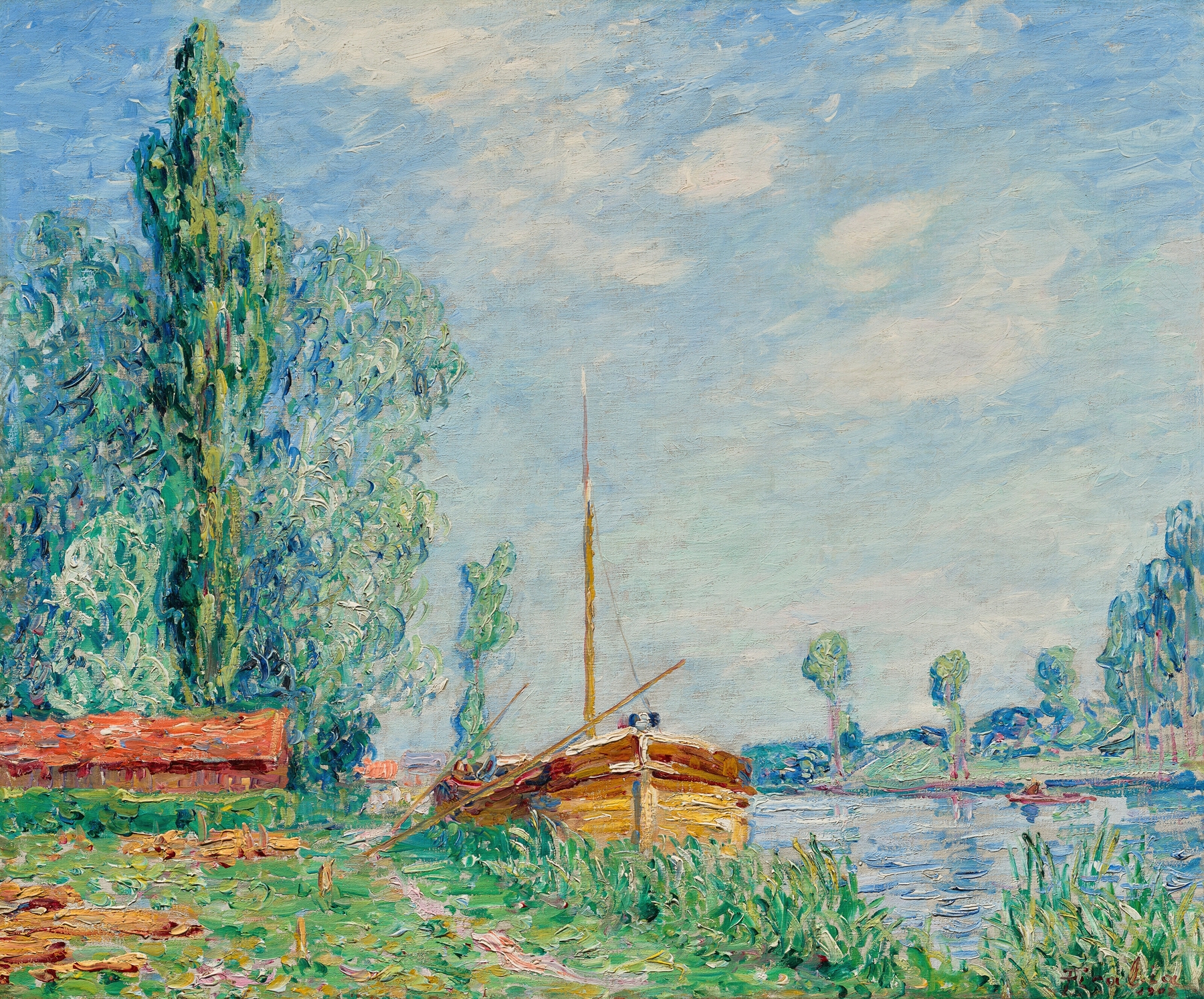
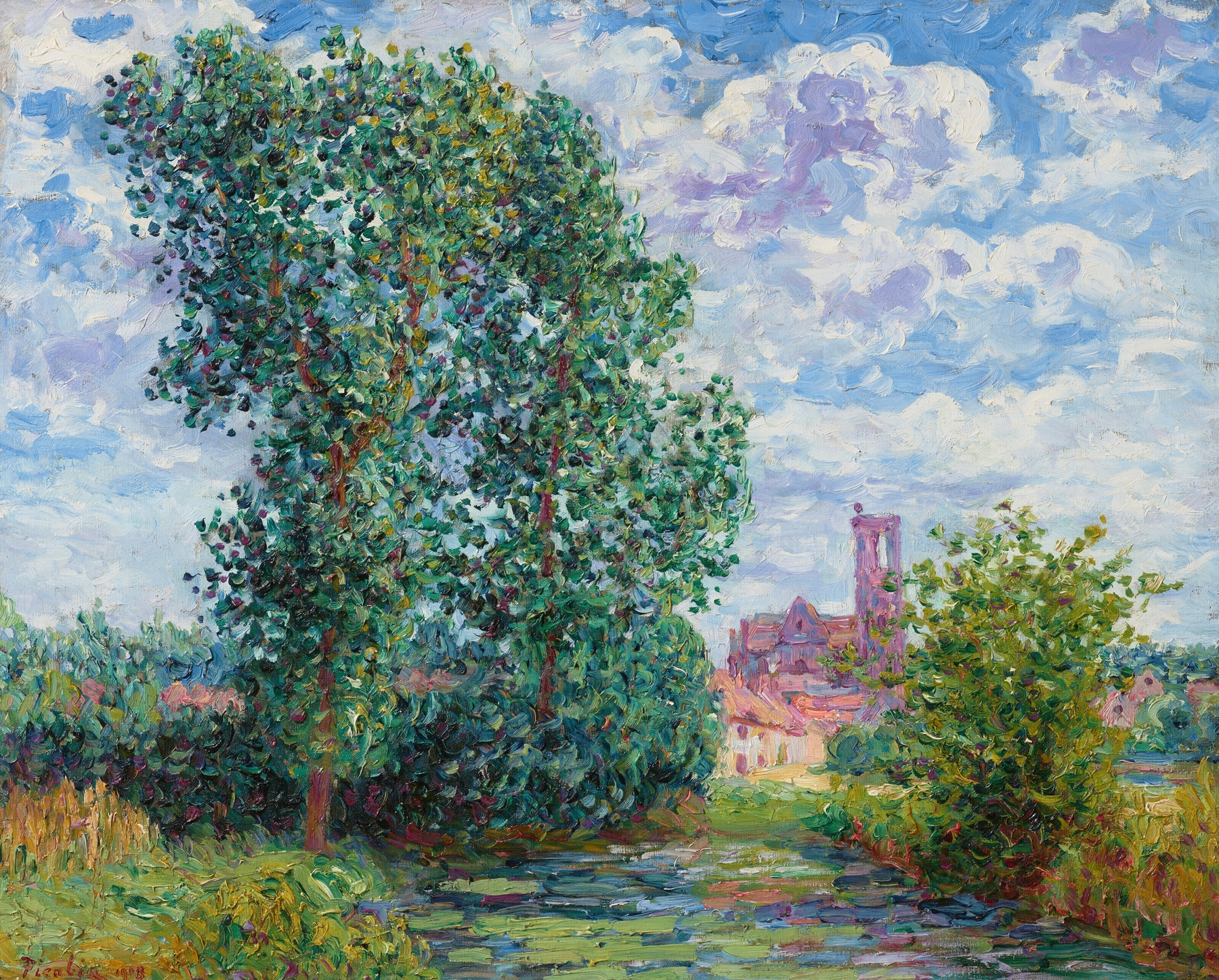
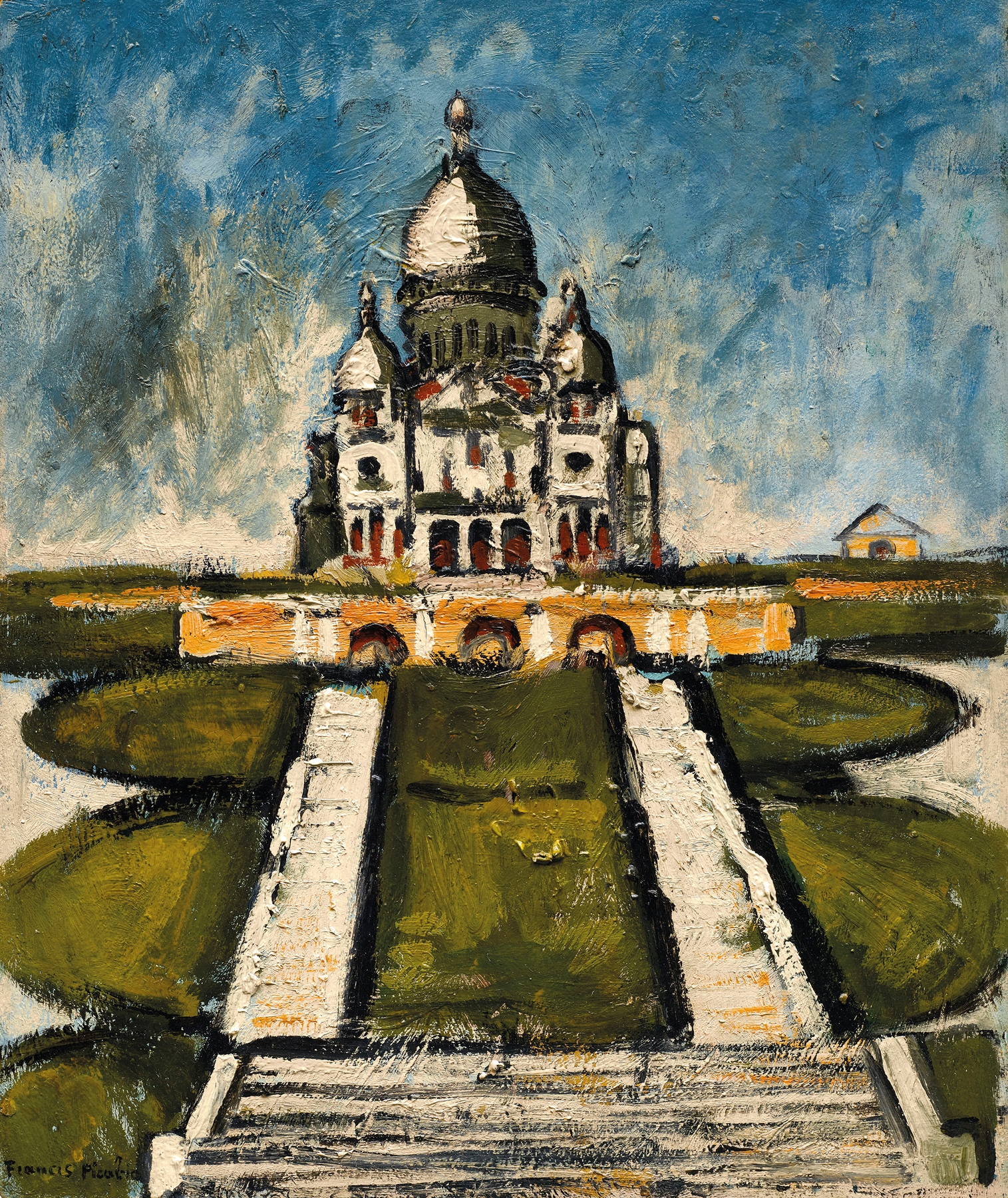
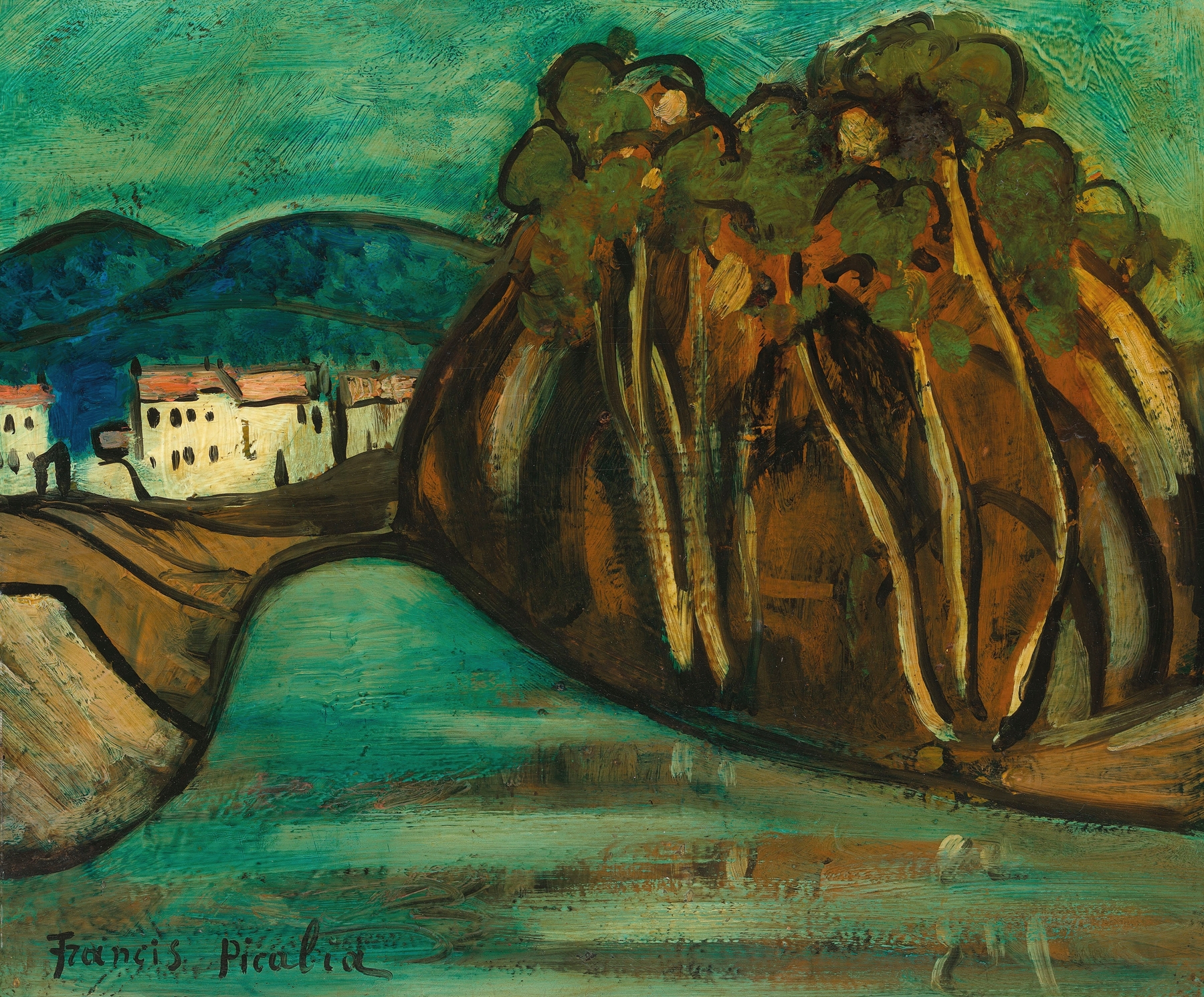
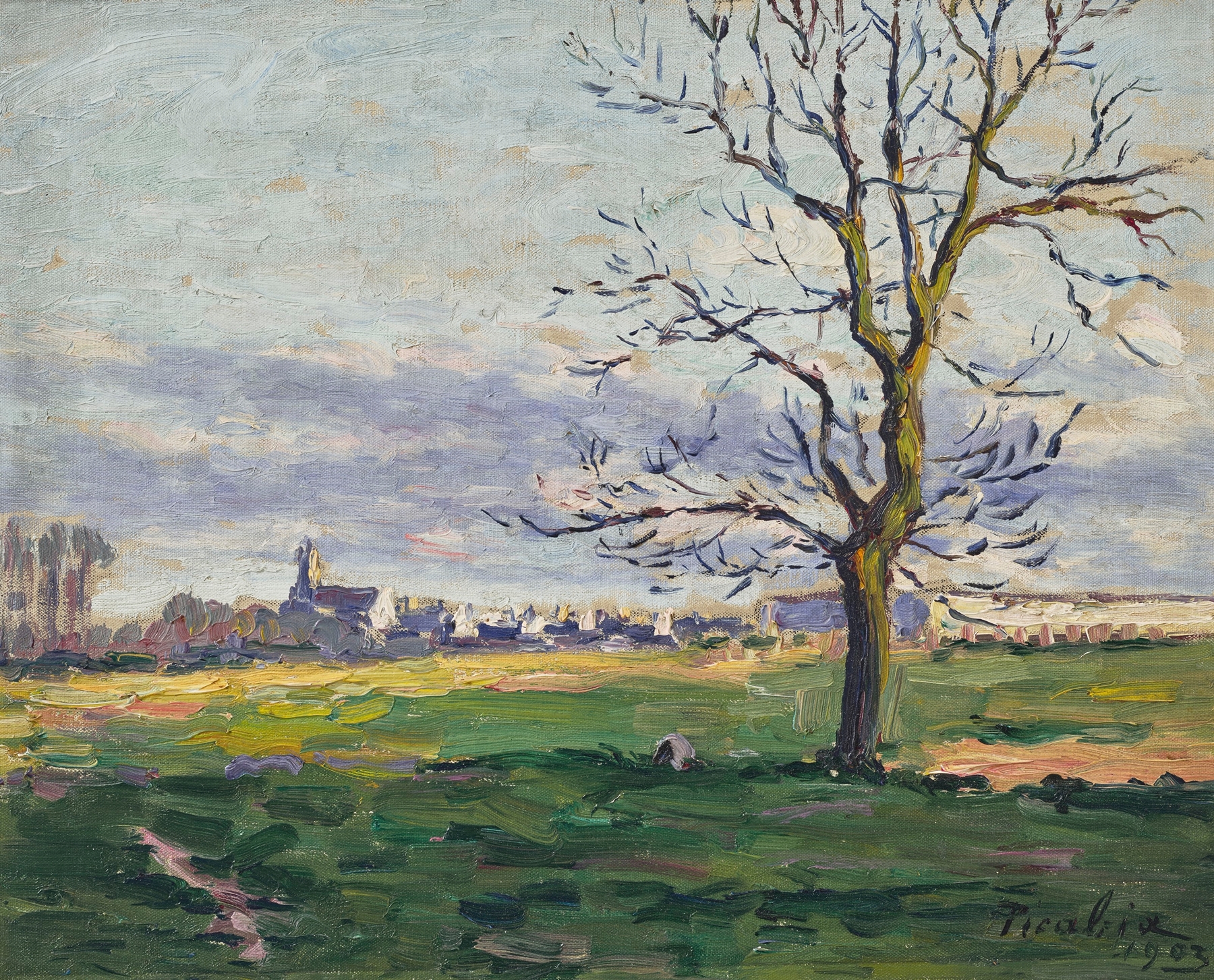
When did color learn to lie? The fragility of perception dances upon the canvas, inviting contemplation of truth and illusion. Focus on the swirling amalgamation of hues that traverses the surface; the vibrant reds and blues pulse with an almost electric energy. Look closely at the intricate layering—each brushstroke seems to vibrate with life, breathing warmth into the coolness of the forms.
The juxtaposition of bold colors and softer pastels creates a tension that beckons the eye to wander, while strategic gaps in the composition evoke a sense of longing, as if something vital is always just out of reach. Beneath the apparent chaos lies a subtle critique of modernity, where the very elements that evoke beauty may simultaneously obscure reality. Notice how the fragments of color collide, suggesting both harmony and discord, reflecting a world on the brink of transformation. The interplay of light and shadow reveals the delicate balance between creation and destruction, whispering of a fragility that resonates through time.
In 1903, Picabia was immersed in the avant-garde movement of Paris, navigating the crossroads of traditional art and emerging modernism. This was a period marked by experimentation and a rejection of convention, as artists sought to redefine their vision. Surrounded by fellow innovators, Picabia explored the possibilities of abstraction, laying the groundwork for his future works while challenging the very foundations of artistic expression.