Effet de soleil par temps d’orage, Larchant — History & Analysis
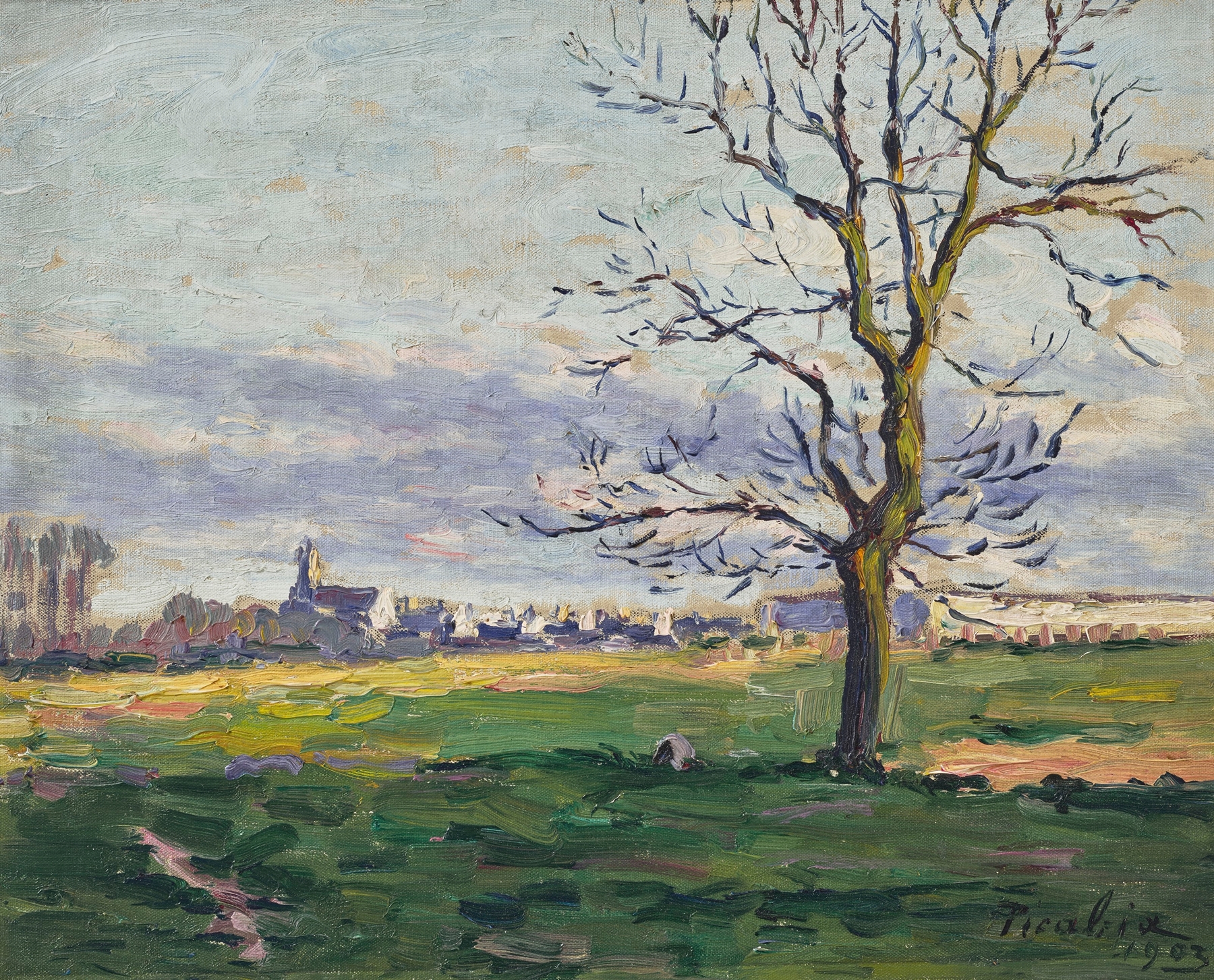
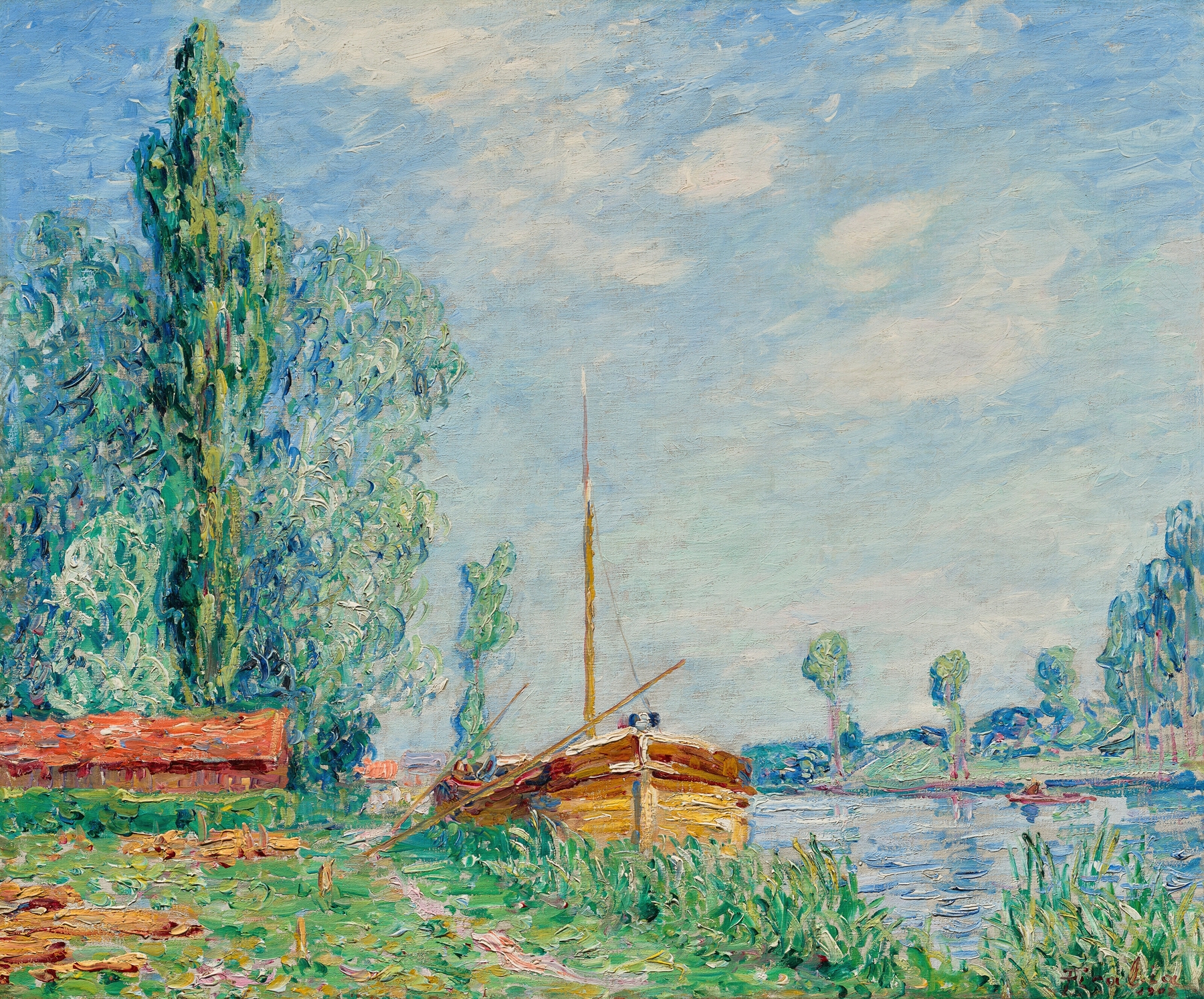
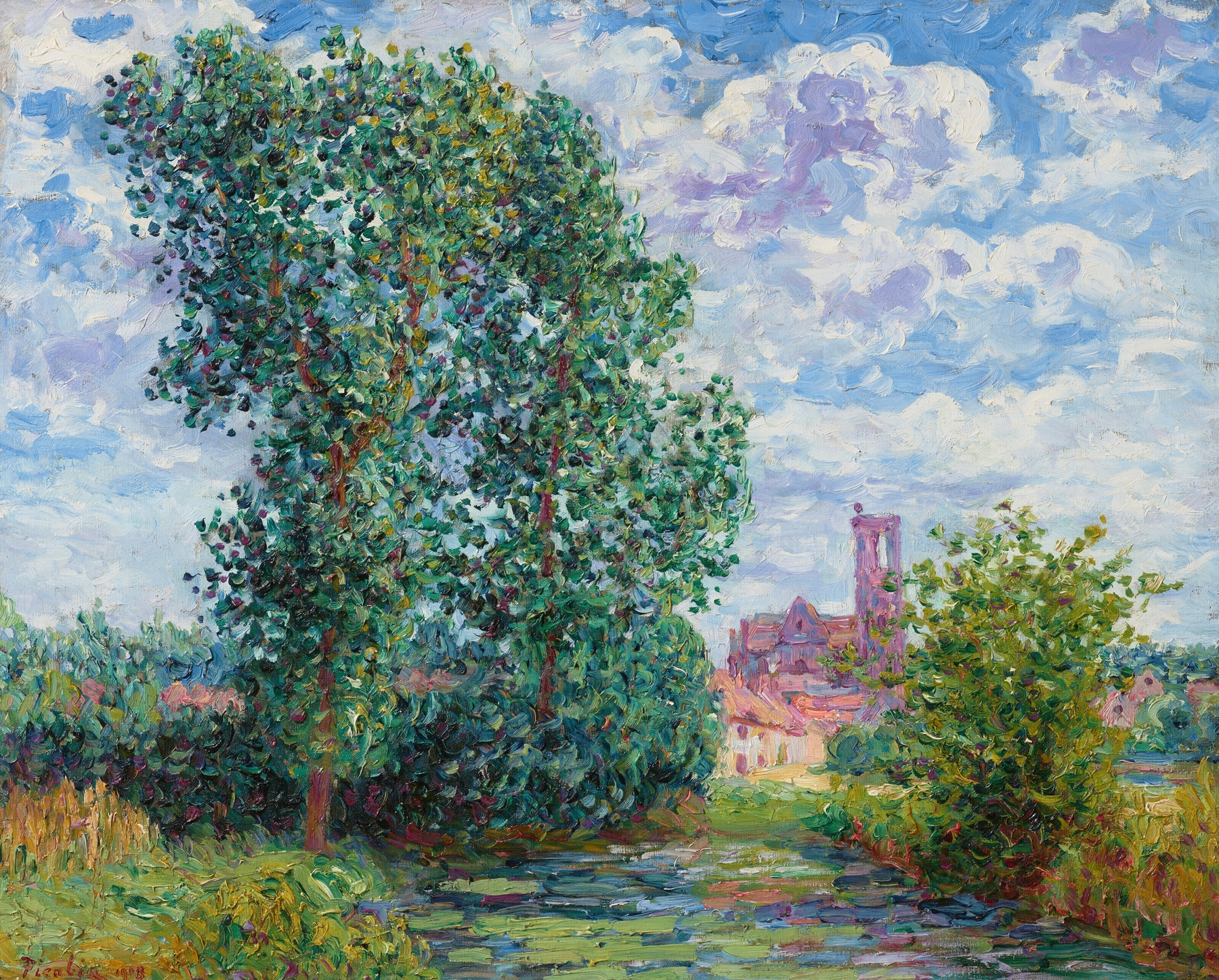
Can paint confess what words never could? Effet de soleil par temps d’orage, Larchant invites us into a world where transformation reigns supreme, capturing the fleeting interplay between light and dark. Look to the center of the canvas where the sun's rays pierce through tumultuous storm clouds, creating a dramatic contrast that almost dances upon the surface. The lively brushstrokes breathe life into the landscape, while hues of gold and gray collide, offering a visual dialect of hope and despair.
Notice how the foreground blurs into abstraction, suggesting movement and change, while the steady horizon grounds the viewer in reality. The emotional tension is palpable, reflecting a world caught between conflict and peace. The sunny patches evoke warmth, yet they exist beneath the ominous shadows of the storm, as if whispering of the struggle inherent in existence. This duality speaks to the impermanence of nature and the human experience, giving voice to the chaos that often underlies moments of beauty.
In 1908, Picabia was immersed in the vibrant Parisian art scene, exploring the boundaries of Impressionism and moving towards abstraction. During this period, he was influenced by the works of contemporaries, experimenting with form and color in a quest to express modernity. The painting arises during a time of personal and artistic evolution, symbolizing both his inner transformations and the broader shifts occurring in the world around him.