Sans titre (Saint-Paul-de-Vence) — History & Analysis
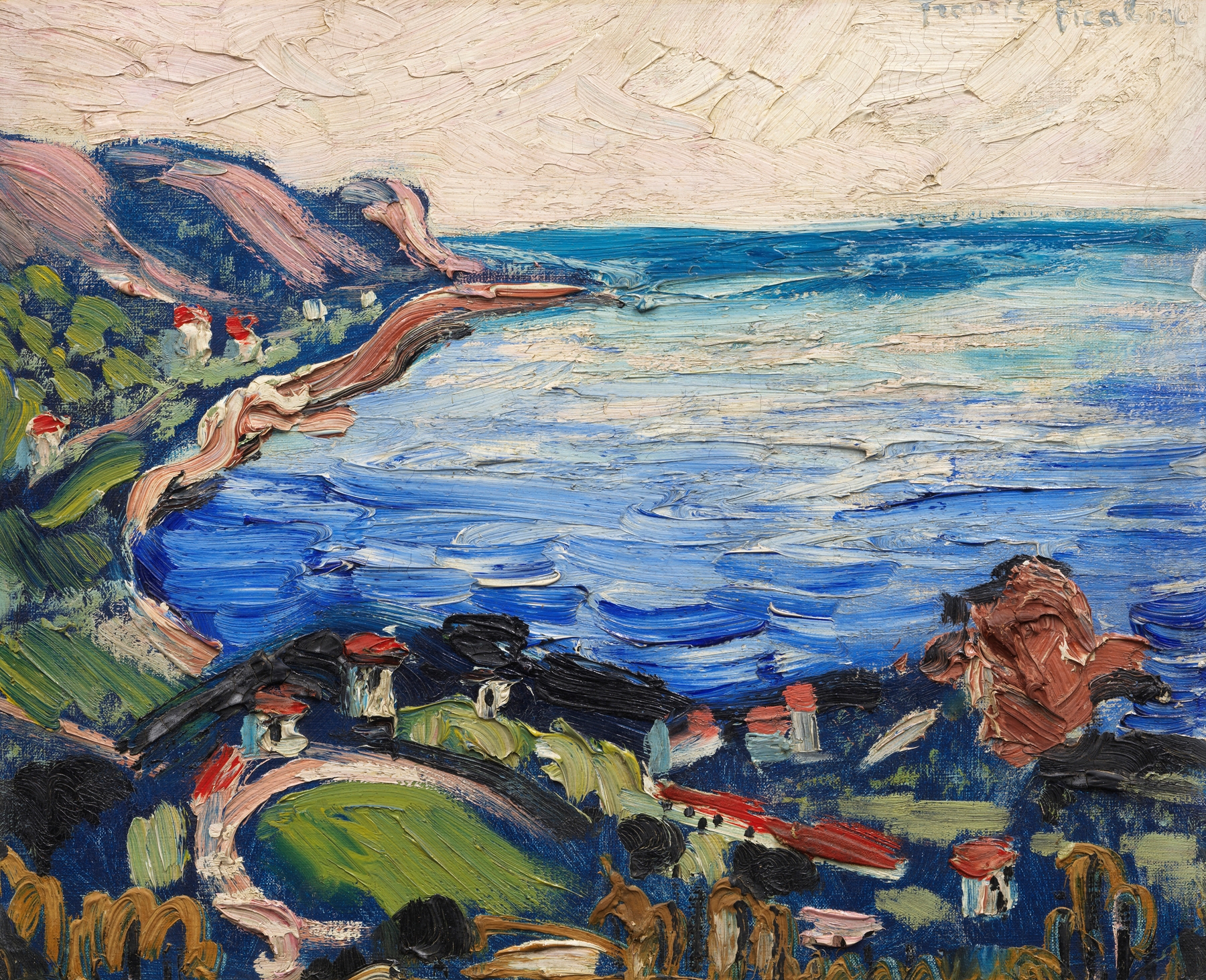
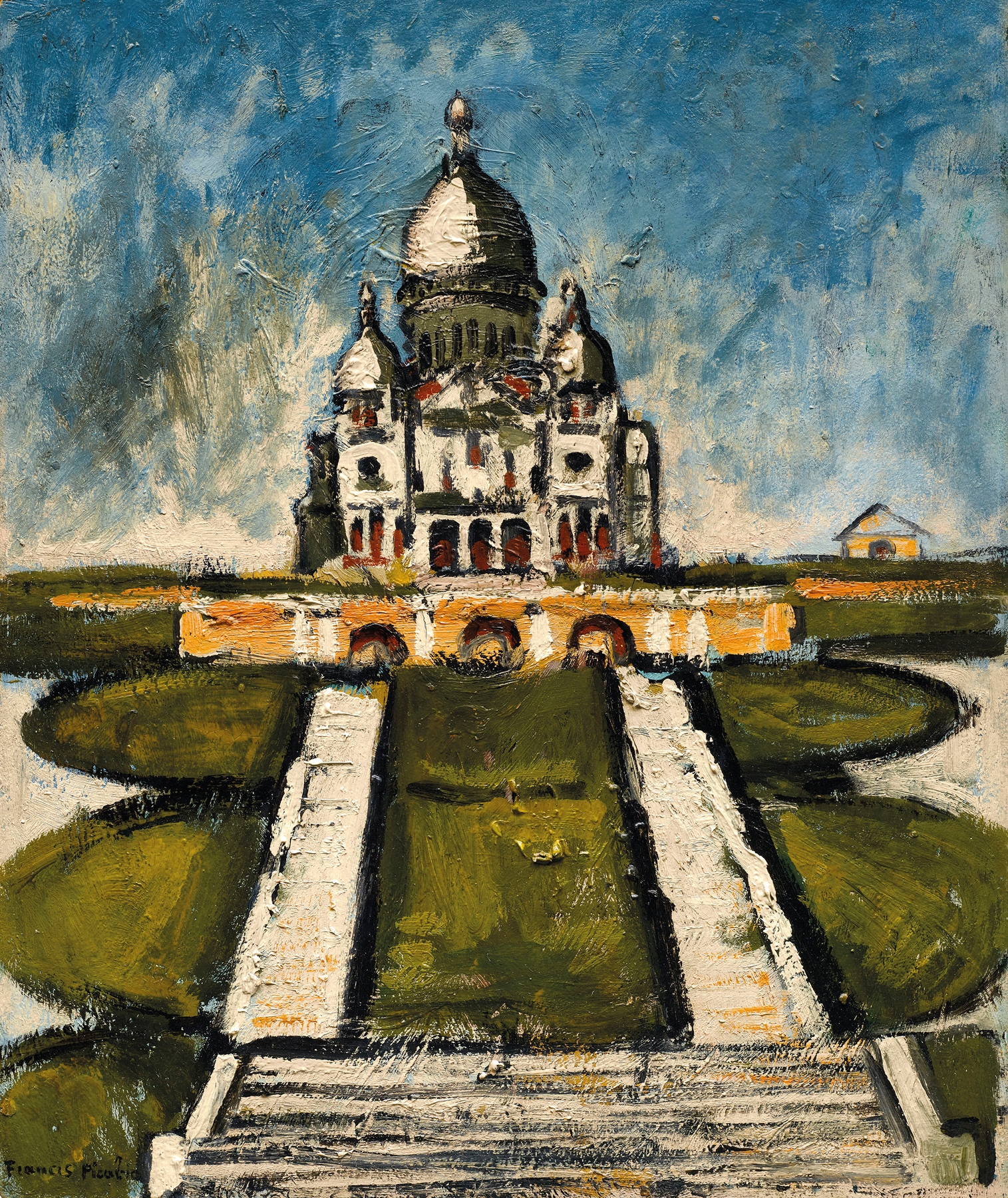
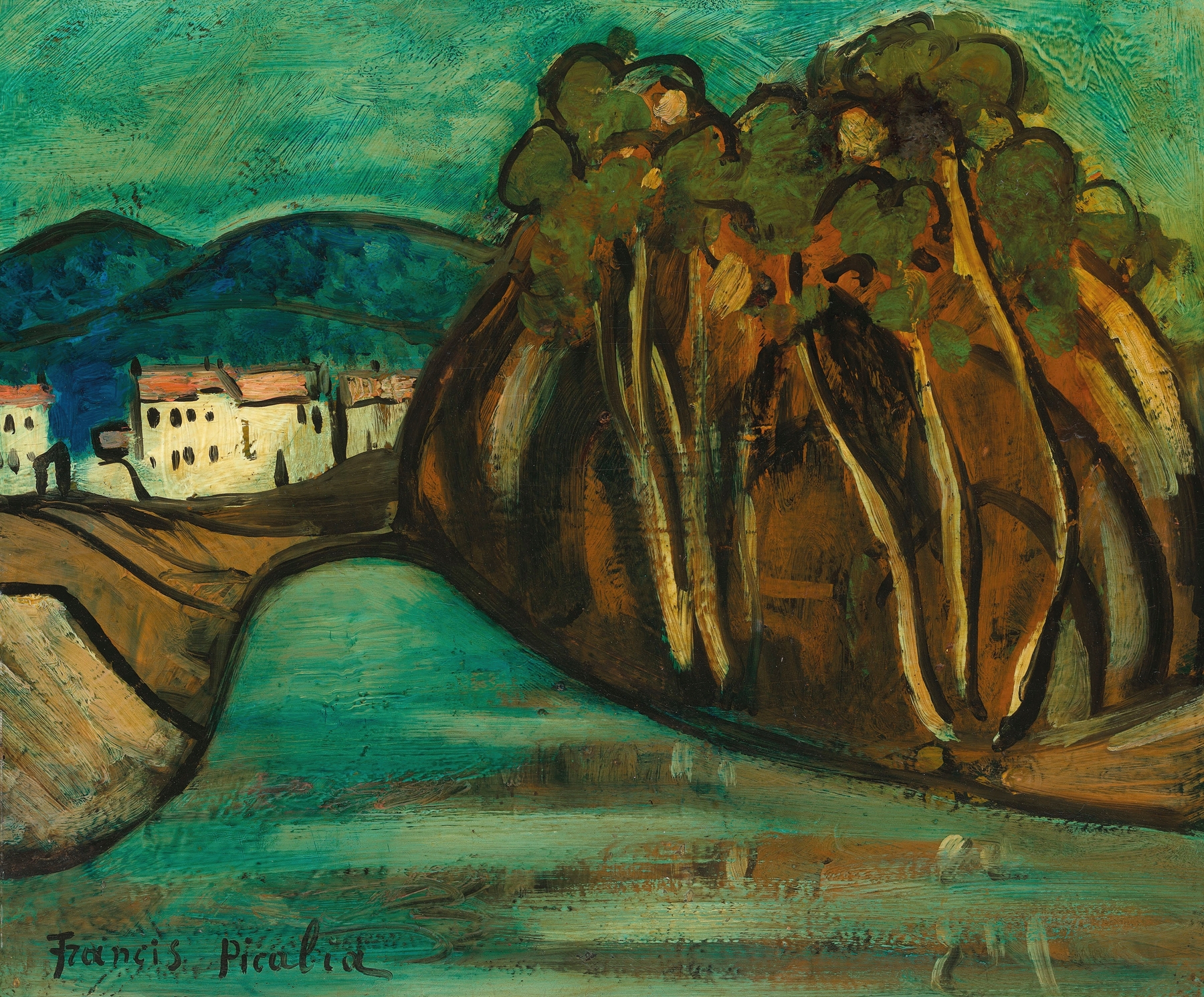
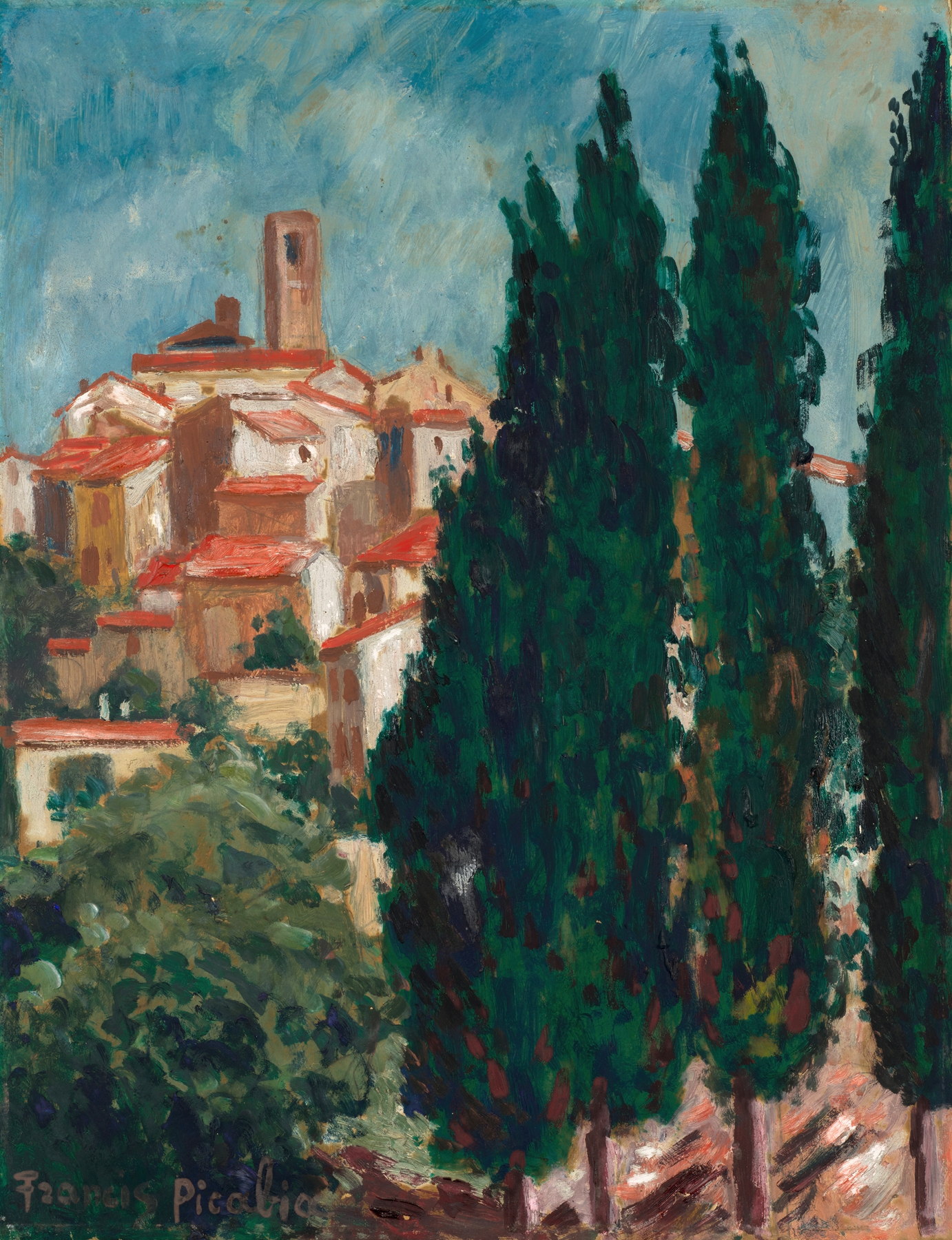
Is this a mirror — or a memory? The canvas invites you to step into a realm where abstraction dances on the precipice of recognition, whispering secrets of both the tangible and the ethereal. Look to the center, where bold, fluid lines converge, creating a pulsating rhythm that draws your eye. The interplay of vibrant oranges and deep blues suggests a landscape yet simultaneously evokes the sensation of distant echoes.
Notice how the brushstrokes layer and entwine, illustrating a moment suspended between clarity and ambiguity, and guiding the viewer’s gaze toward the peripheries, where color softly fades into contemplation. There’s an intriguing tension between chaos and harmony, a battle of structure and spontaneity that invites introspection. Hidden within the swathes of color are remnants of the familiar — shapes that hint at forms while refusing to fully reveal themselves. This artistic ambiguity speaks to the nature of memory, evoking the transient experience of recalling a fleeting moment, one that is both personal and universal, reflecting the journey towards transcendence.
Created between 1938 and 1942, this work emerged during a tumultuous period in Picabia’s life and the broader art world, marked by the rise of abstraction and the unrest of pre-war Europe. Living in the South of France, Picabia was exploring innovative techniques and ideologies, navigating his dual identity as both an artist and a provocateur. This piece embodies his quest to capture the essence of existence, transcending the confines of reality while challenging the viewer’s perception.