Sans titre (La Seine et l’Institut de France, Paris) — History & Analysis
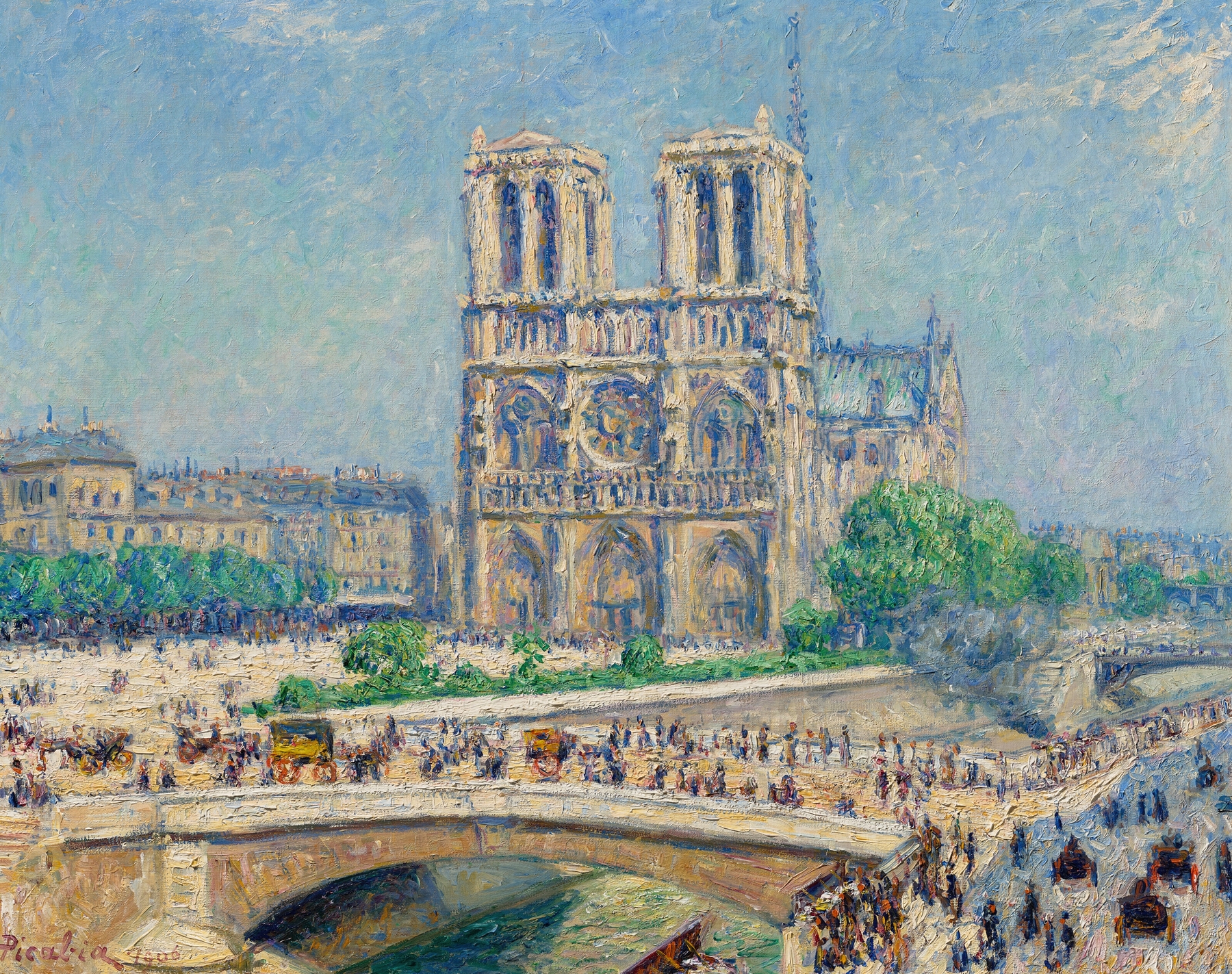
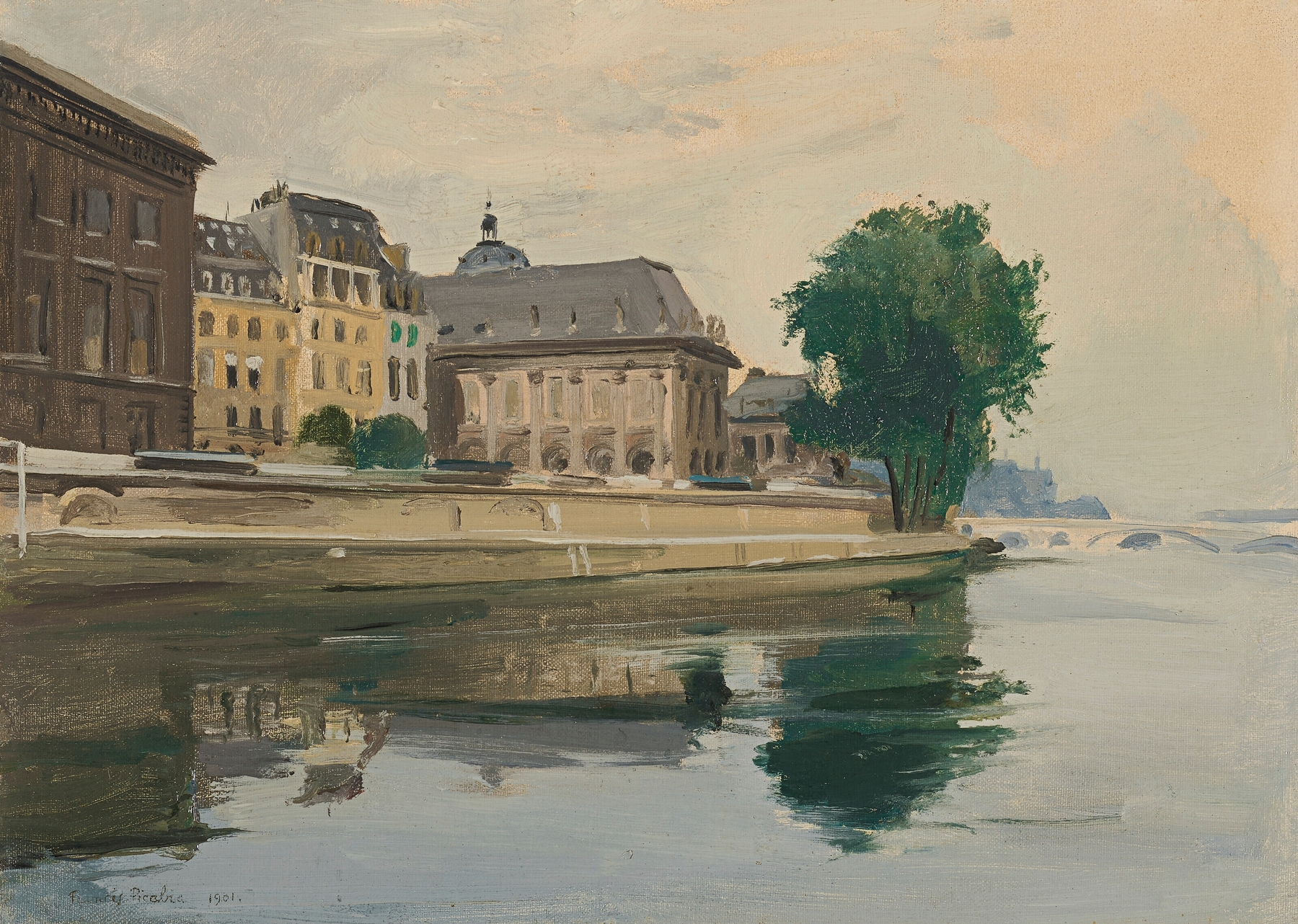
Could beauty survive in a century of chaos? In the swirling depths of Sans titre (La Seine et l’Institut de France, Paris), a delicate dance of color and form suggests both the allure and fragility of beauty amid turmoil. Look to the shimmering waters of the Seine, where the gentle strokes of blue and green evoke a sense of life, flowing with an almost ethereal grace. In contrast, the somber architecture of the Institut de France looms in the background, a silhouette against the sky.
Notice how the warm light bathes the scene, casting a golden glow that softens the starkness of the building, while the lively reflections ripple across the water, creating a dialogue between permanence and transience. Beneath the surface, tensions arise from the juxtaposition of serenity and melancholy. The tranquil river might symbolize hope, yet its motion reflects the uncertainty of the age. The harmonious color palette invites contemplation, while the underlying chaos of fragmented shapes hints at a world on the brink of modernity, revealing the artist's inner conflict between optimism and despair.
In 1901, Picabia was living in Paris, a city teeming with artistic innovation and upheaval. The transition from Impressionism to modernism was palpable, and the artist found himself at the forefront of this evolution. His exploration of form and color in this piece reflects the broader search for new expressions in a rapidly changing society, capturing both the beauty of the moment and the weight of impending change.