Notre-Dame, effet de soleil — History & Analysis
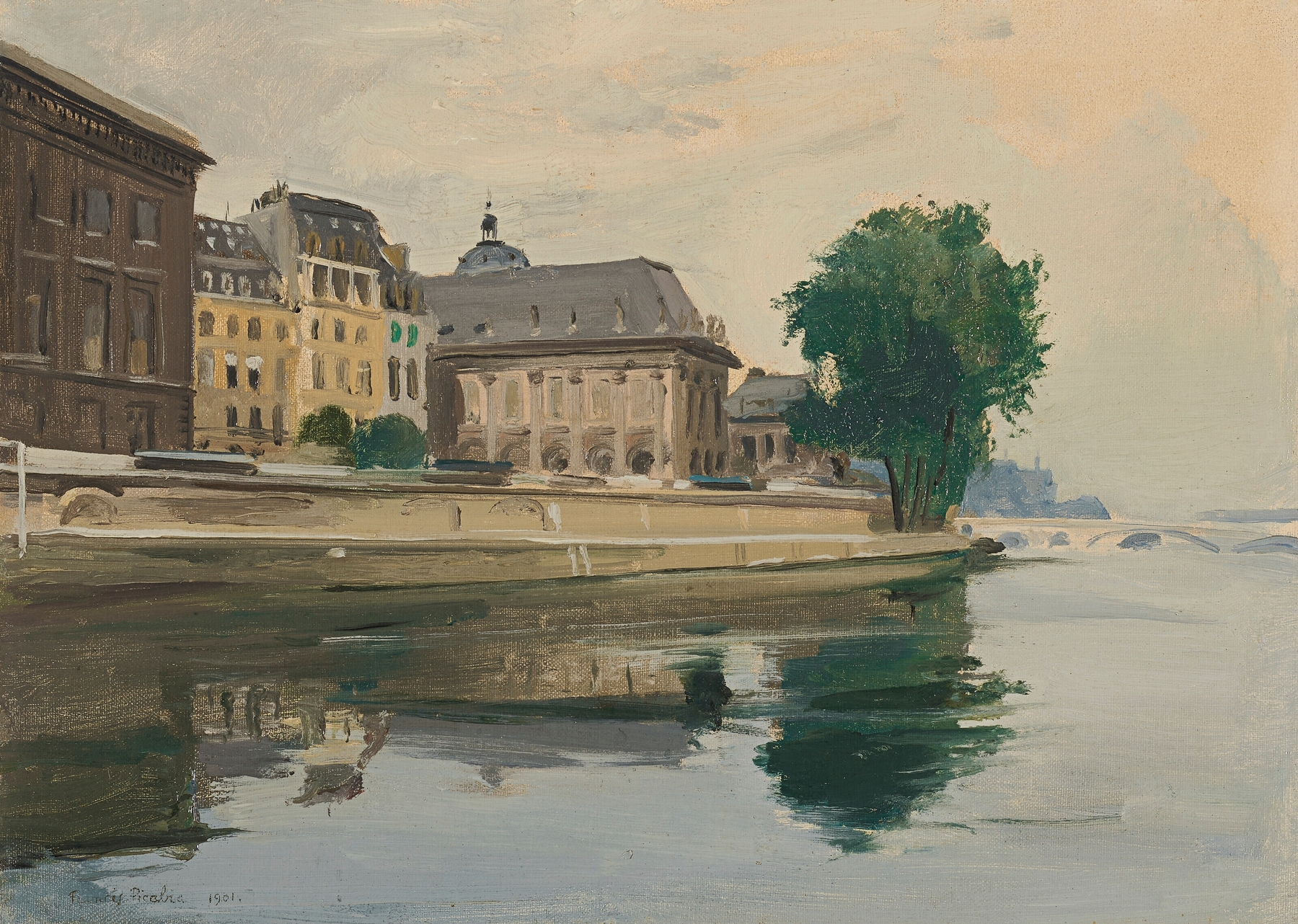
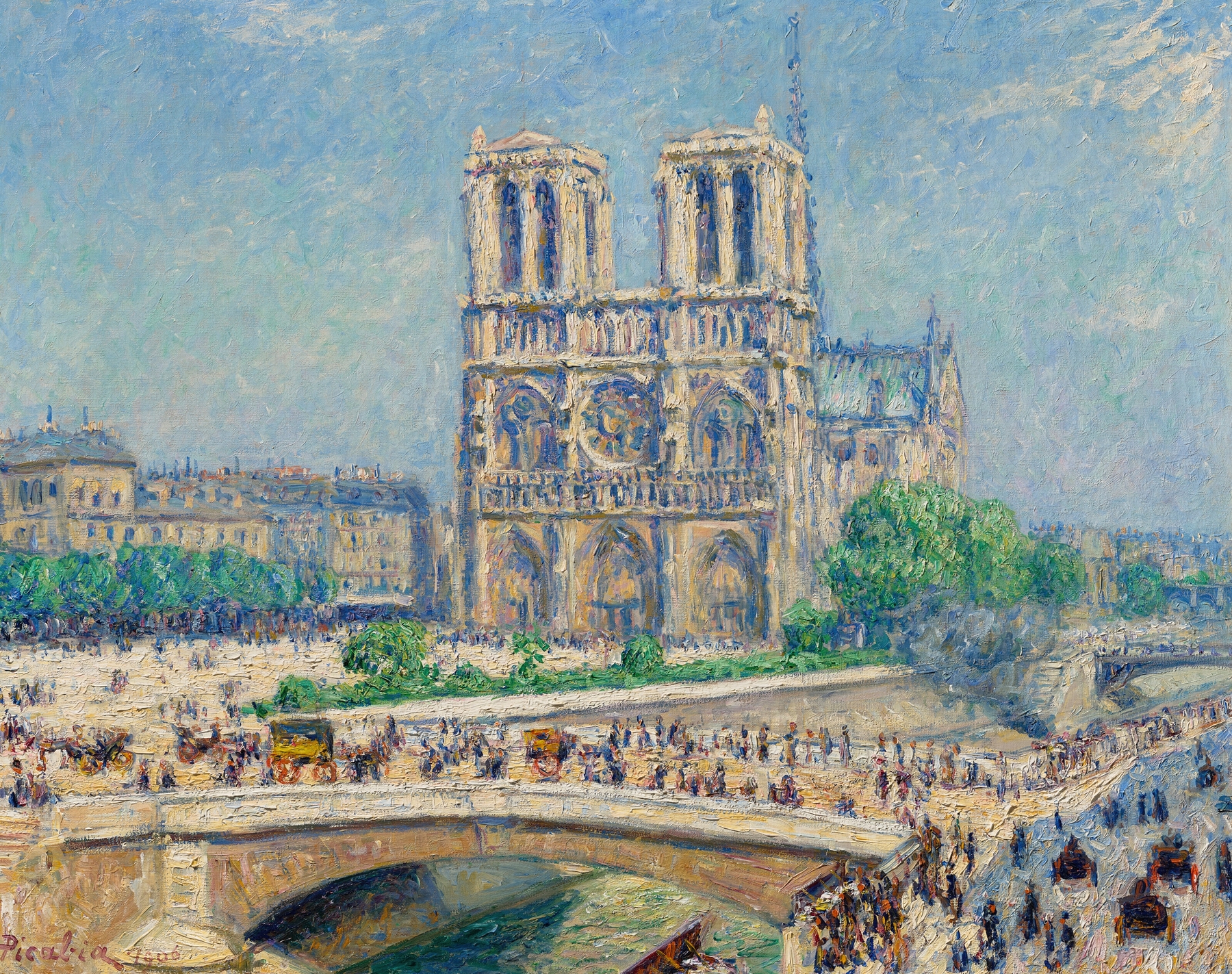
Can paint confess what words never could? In Notre-Dame, effet de soleil, light dances across the grand facade, whispering secrets of divinity and reverence. Look closely at the brushstrokes, where radiant yellows and soft oranges merge with tranquil blues, creating an ethereal atmosphere. The sunbeams illuminate the intricate details of the cathedral’s architecture, drawing your eye to the delicate spires that seem to reach for the heavens.
The composition is both dynamic and serene, inviting contemplation as it captures a fleeting moment where nature and man-made beauty coexist harmoniously. Beneath the vibrant surface lies a profound tension between the celestial and the earthly. The glowing sunlight highlights the transience of life, suggesting that even monumental structures are subject to the passage of time. The artist's choice of color evokes a sense of warmth and comfort, while the cool shadows hint at the underlying solemnity of religious devotion.
This interplay creates a dialogue between joy and contemplation, reflecting the duality inherent in the experience of faith. Picabia created this work in 1906 while living in Paris, a period marked by experimentation and innovation in the art scene. As artistic movements shifted towards modernism, he embraced these changes, capturing the essence of the iconic cathedral through a lens of personal interpretation. This painting stands not only as a homage to a beloved landmark but also as a testament to an era when artists began to explore the emotional depths of their subjects, infusing traditional scenes with new life.