Christus aan het volk getoond (Ecce homo) — History & Analysis
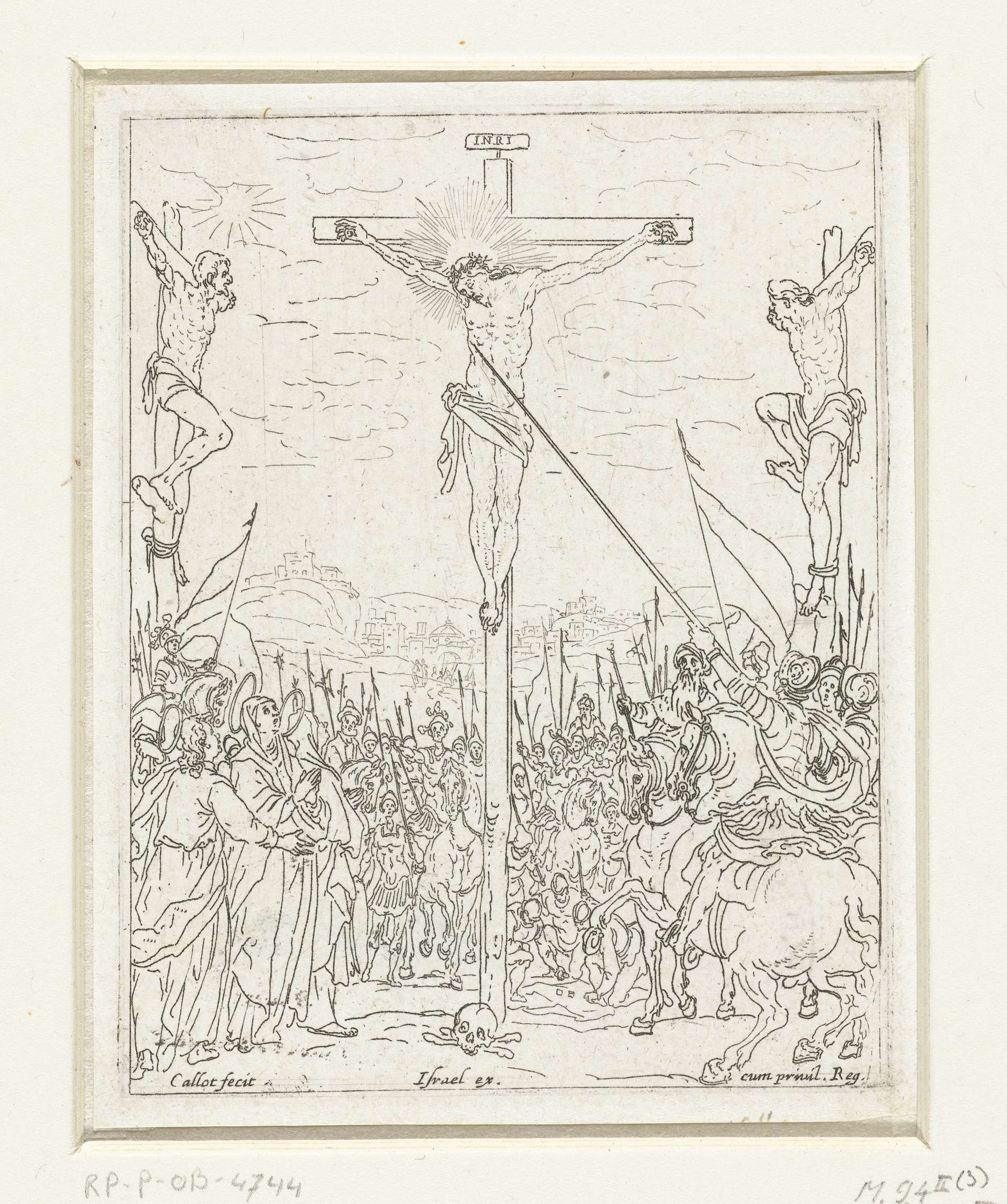
“Every brushstroke is a heartbeat remembered.” In the realm of art, legacy intertwines with the eternal, capturing moments that resonate through time. Ecce homo encapsulates this essence, presenting a moment that transcends the physical world to touch the spiritual. Look closely at the center of the canvas where Christ, bound and crowned with thorns, gazes out with a profound stillness that commands attention. The somber palette of muted grays and browns creates a stark contrast against the delicate, luminous highlights on his face, emphasizing both his humanity and divinity.
Surrounding figures, a mélange of expressions from curiosity to disdain, spill outward, dynamically framing the central figure and guiding the viewer’s eye. The intentional use of chiaroscuro injects depth, accentuating the emotional gravity of the scene. In this artwork, Callot masterfully balances the tumult of human emotion with the serene suffering of Christ. The juxtaposition between the chaos of the crowd and the stillness of the central figure speaks to the tension between earthly existence and spiritual transcendence.
Subtle gestures—a raised hand, a furrowed brow—communicate unspoken narratives, inviting viewers to consider their own beliefs and the weight of legacy left by such a profound moment in history. During the years 1619 to 1624, Callot was deeply engaged in the flourishing art scene of France, yet he was also influenced by the dramatic tensions of the Counter-Reformation. He painted Ecce homo at a time when religious themes were poignant in shaping cultural identity. This period marked both personal and artistic growth, as he experimented with printmaking and narrative storytelling, leaving an indelible mark that would influence generations to come.