Château de la reine Blanche — History & Analysis
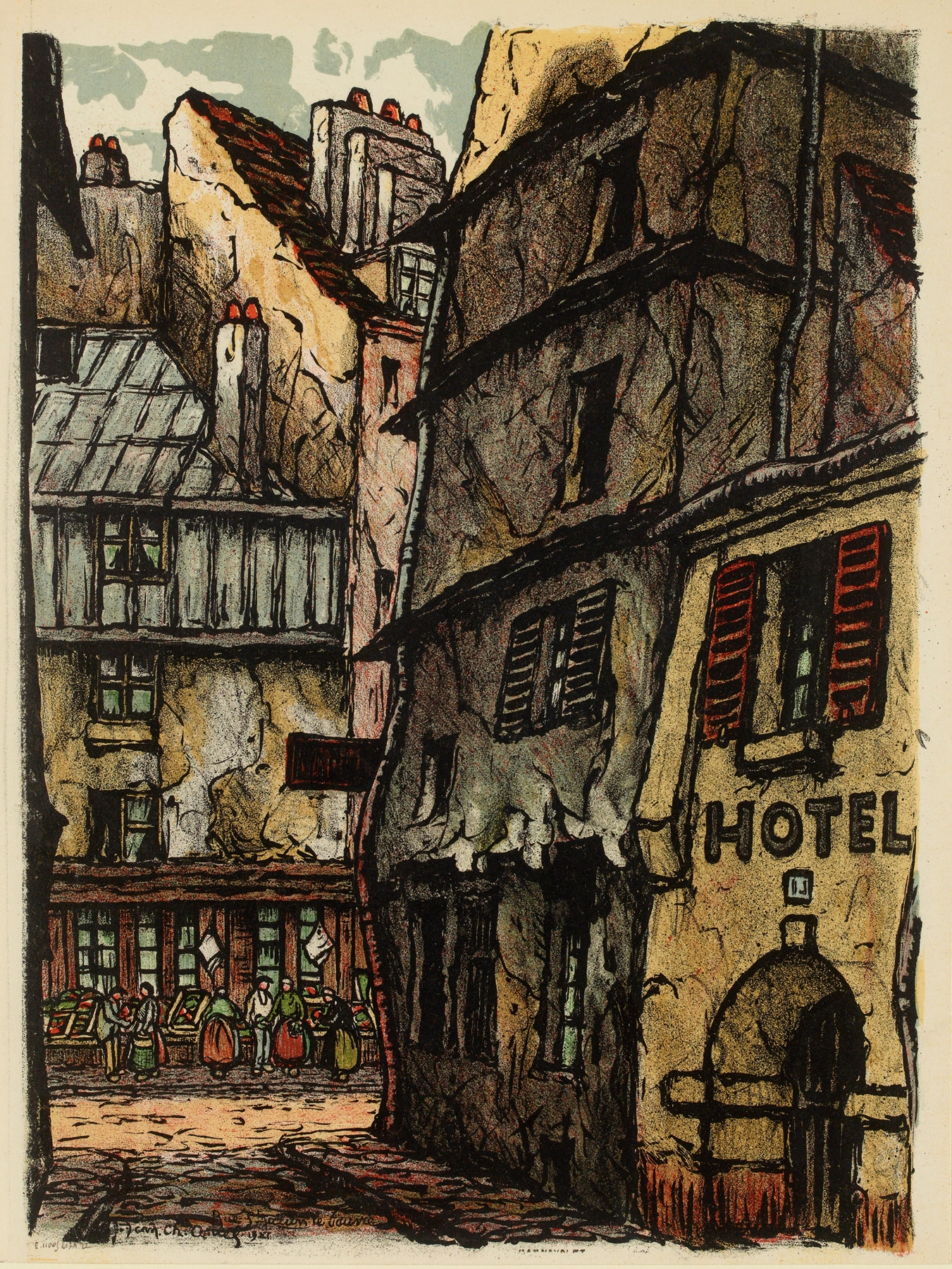
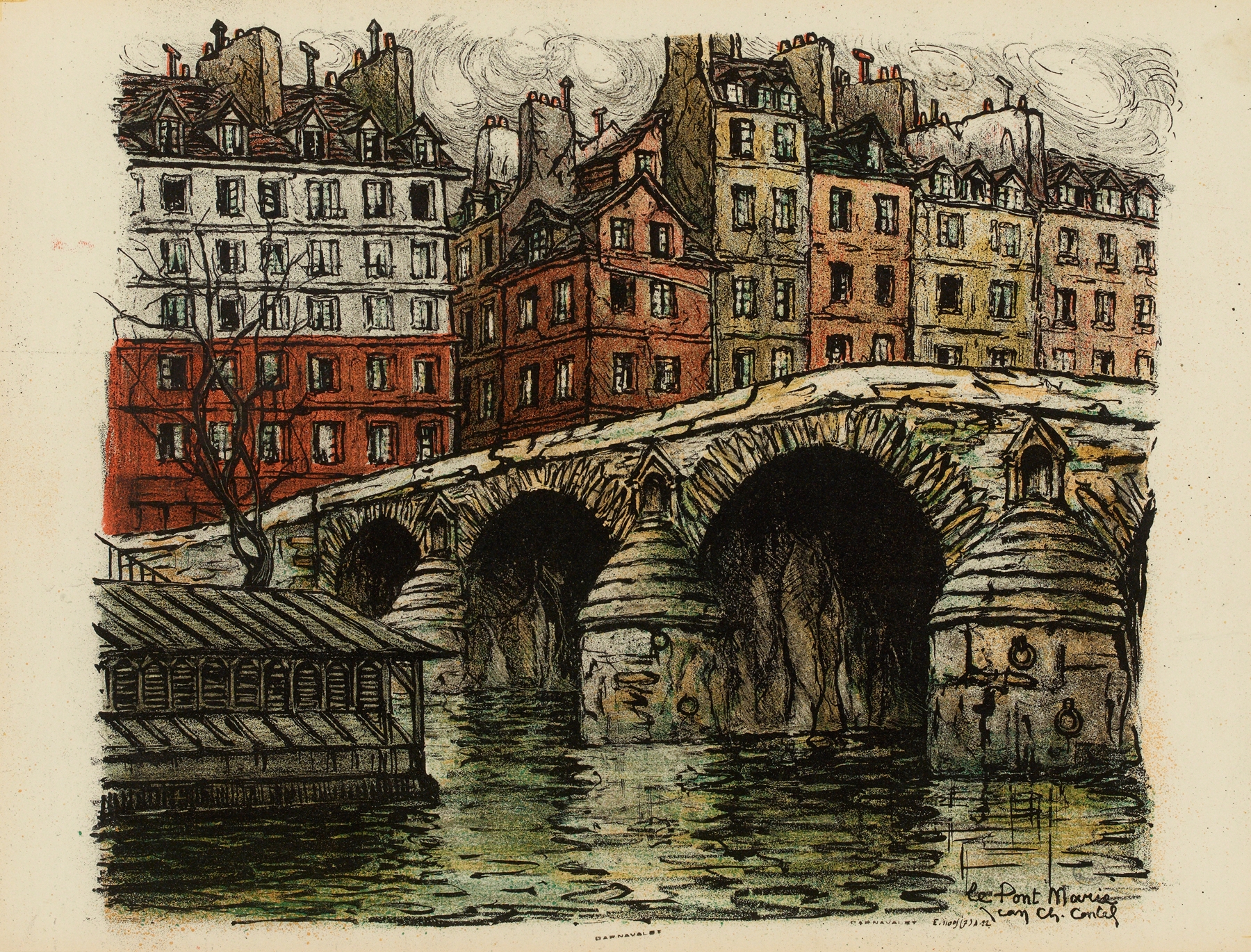
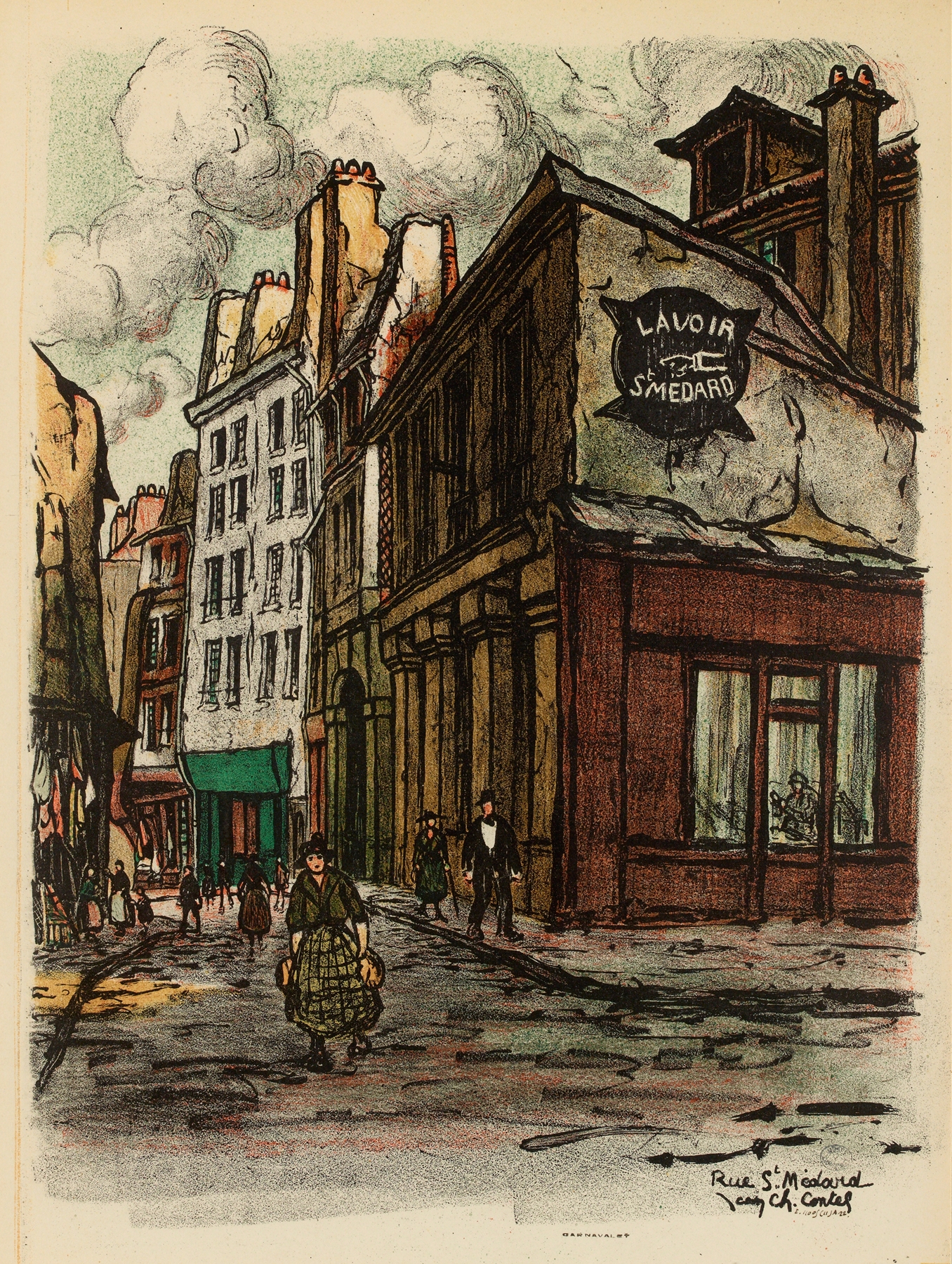
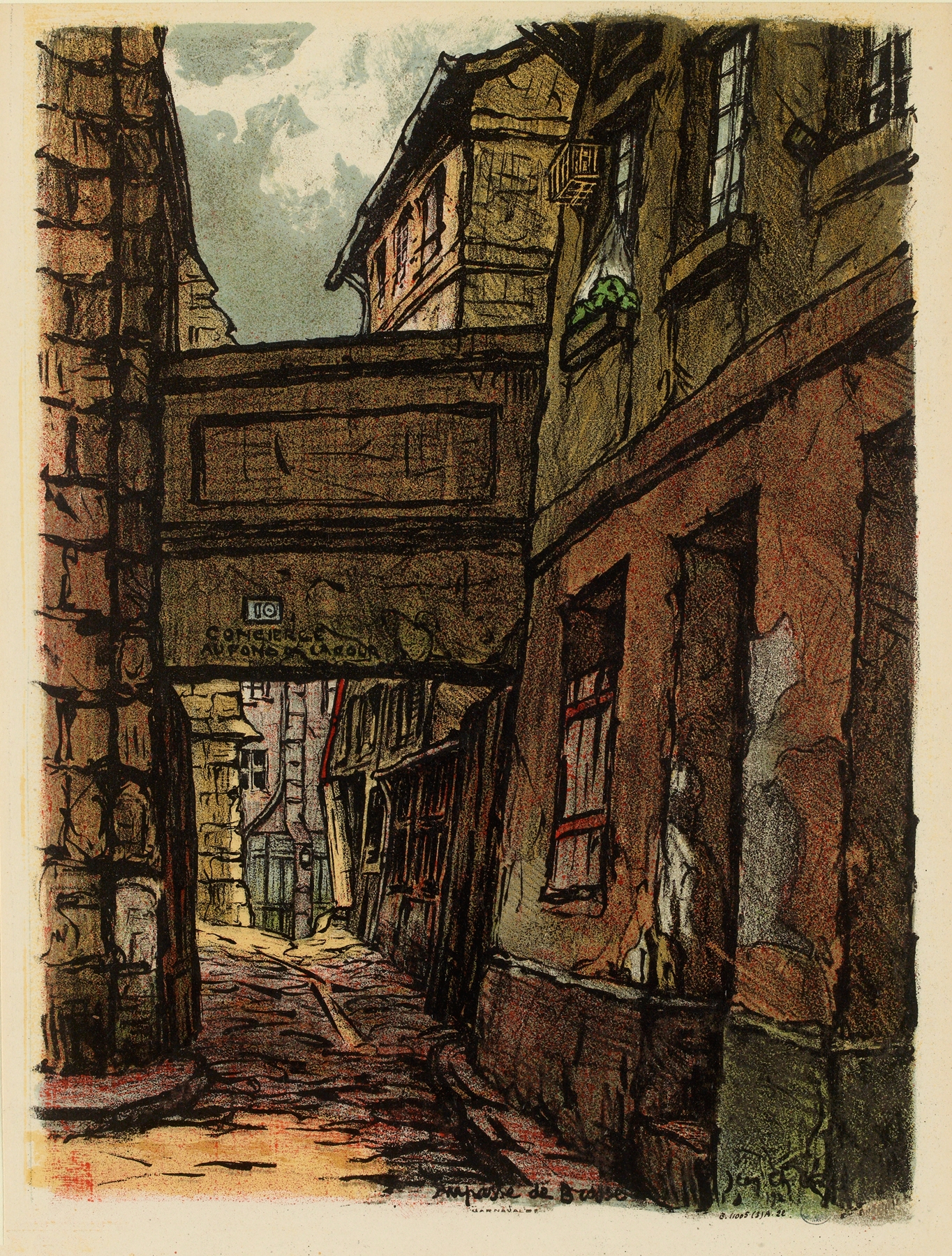
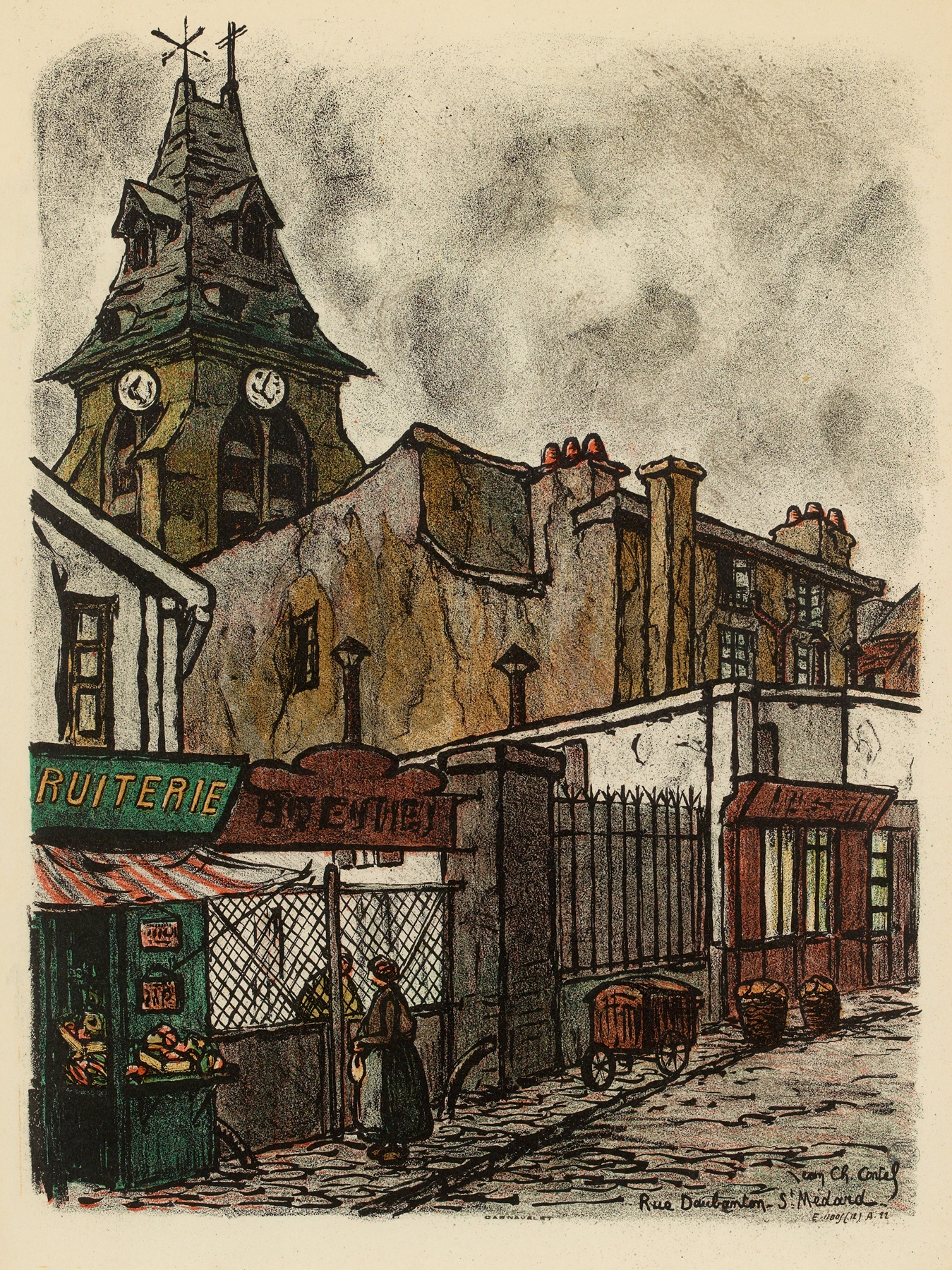
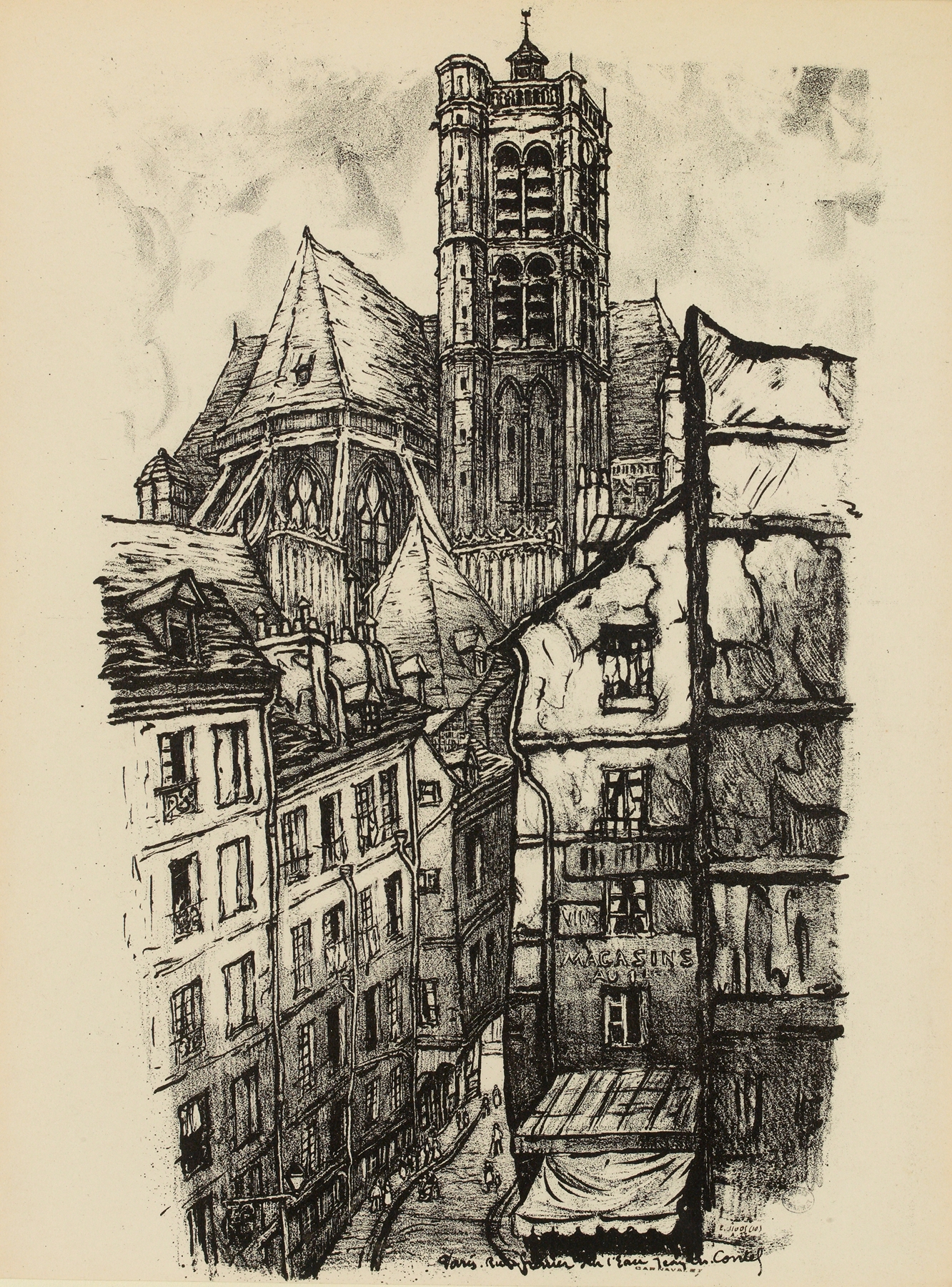
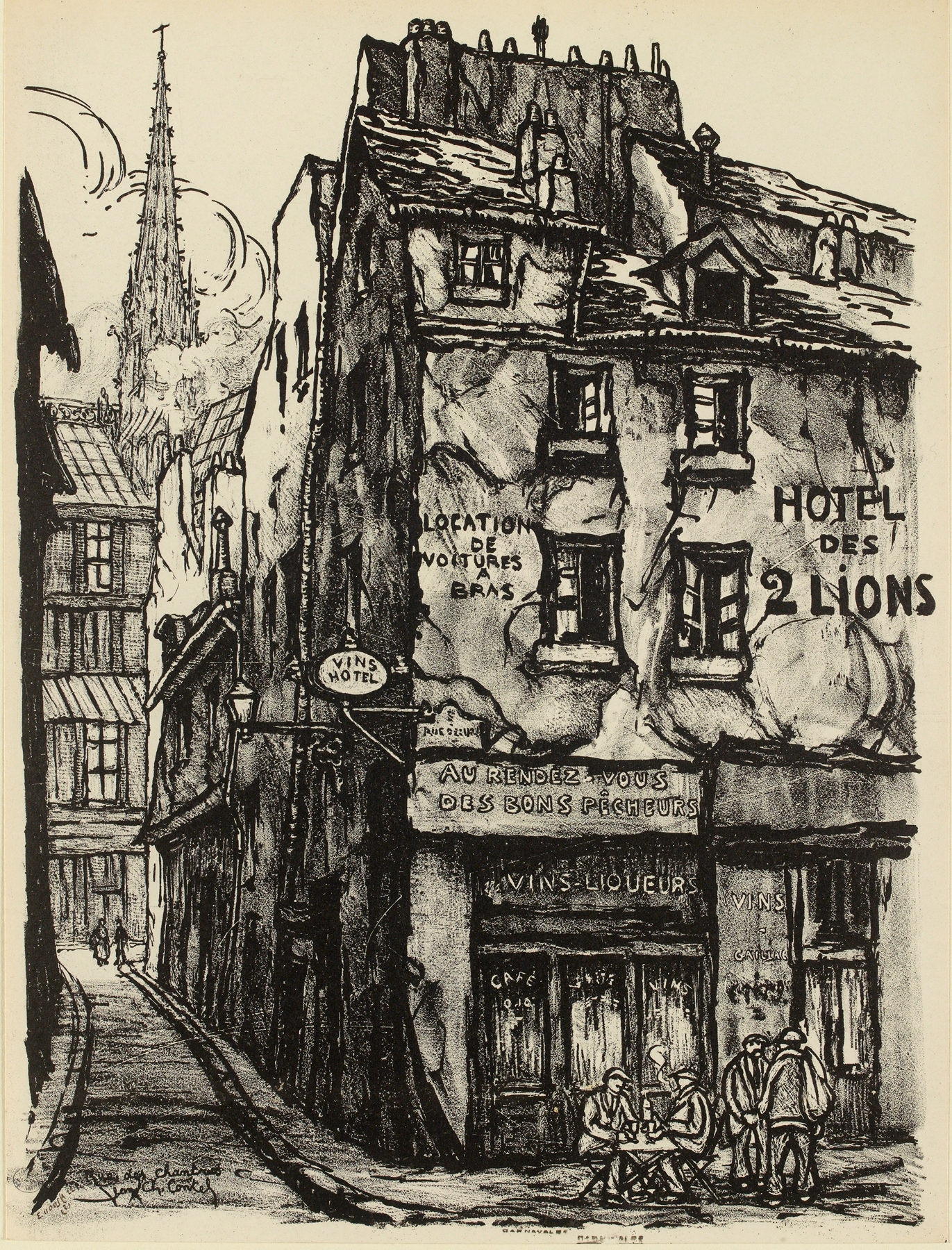
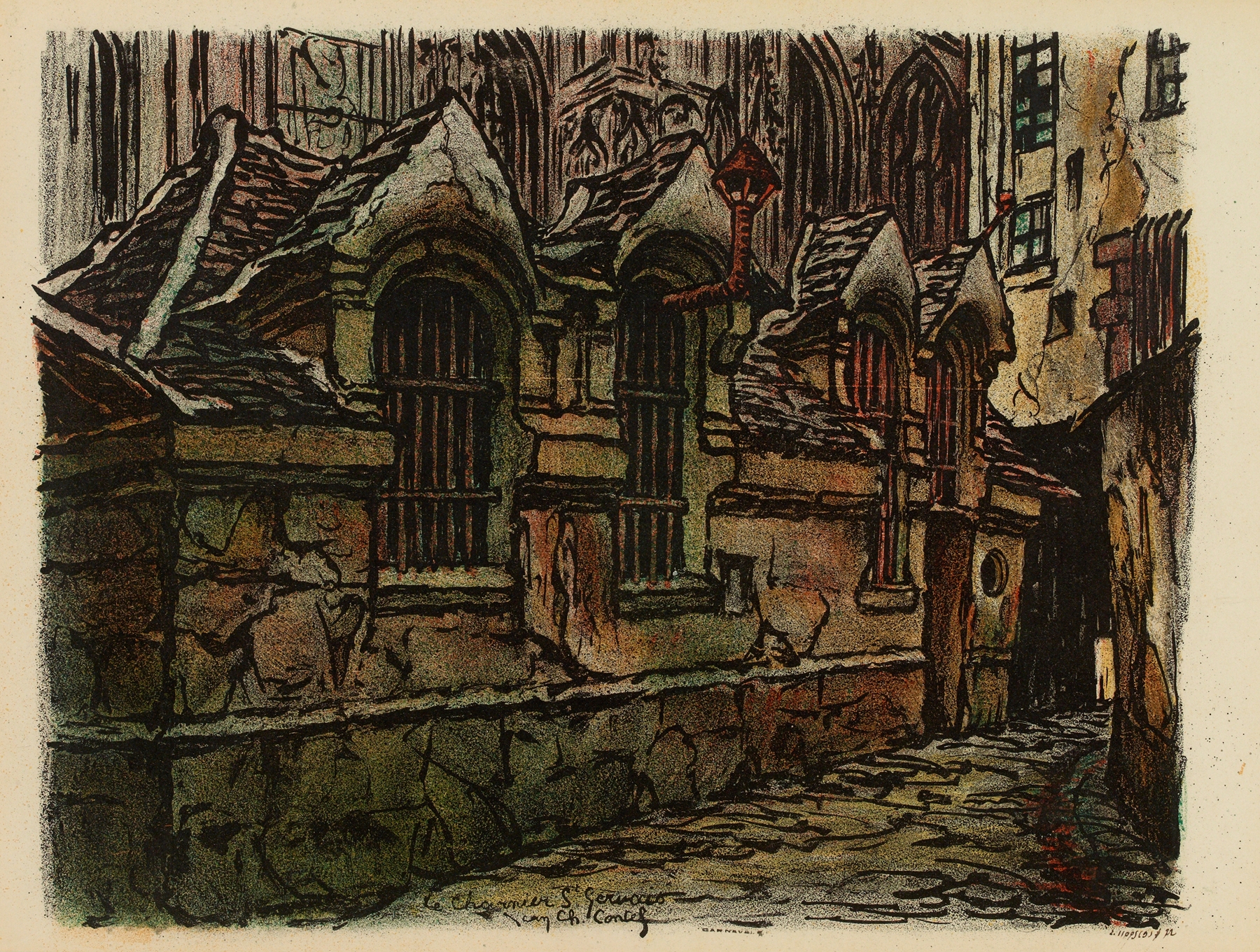
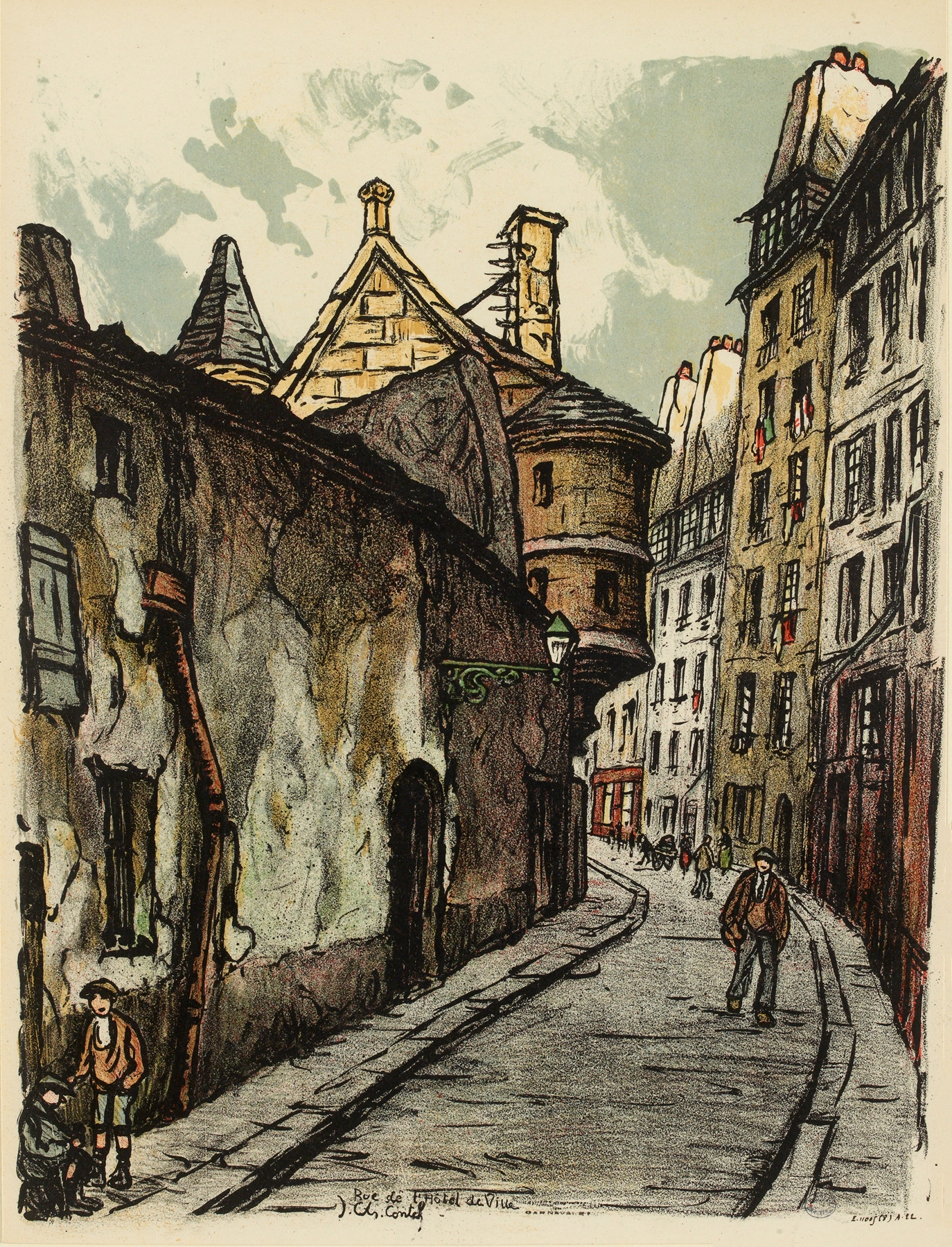
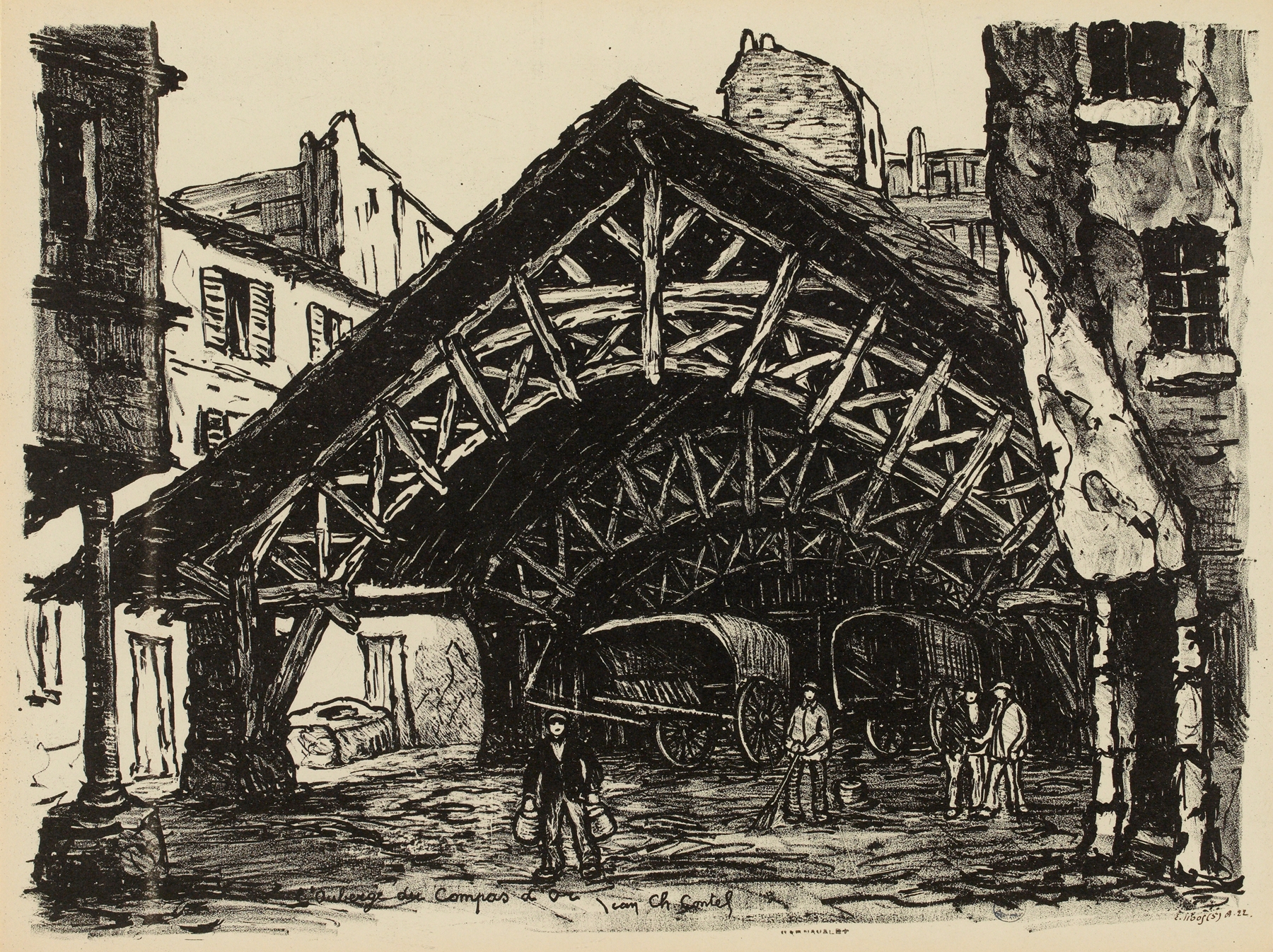
“To paint is to remember what time wants us to forget.” In an age of relentless progress, we often find ourselves adrift in a sea of emptiness, seeking solace in the past. Château de la reine Blanche embodies this longing, capturing the ghostly presence of a forgotten era. Look closely at the center of the canvas where the grand, yet crumbling, silhouette of the château rises steadily against a muted sky. The soft, earthy tones blend harmoniously, evoking a sense of nostalgia while simultaneously overpowering the viewer with the weight of absence.
Notice how the pale light caresses the stone walls, each crevice a testament to time’s passage, inviting contemplation of what once flourished within its halls. The painting pulses with a quiet tension; the empty windows seem to gaze back, echoing long-lost laughter and whispered tales. The stark contrast between the castle's resilient structure and the surrounding desolation highlights the fragility of memory. It suggests that while the physical form may endure, the life within has succumbed to time’s unforgiving grasp, leaving only a haunting reminder of its legacy.
In 1921, Jean-Charles Contel was immersed in the post-war reality of France, wrestling with the socio-political upheaval that marked the era. This backdrop influenced his work, pushing him to explore themes of nostalgia and loss. As the world around him sought renewal, he turned to the remnants of history, capturing the interplay between permanence and transience in this poignant piece.