Rue Saint-Julien-le-Pauvre — History & Analysis
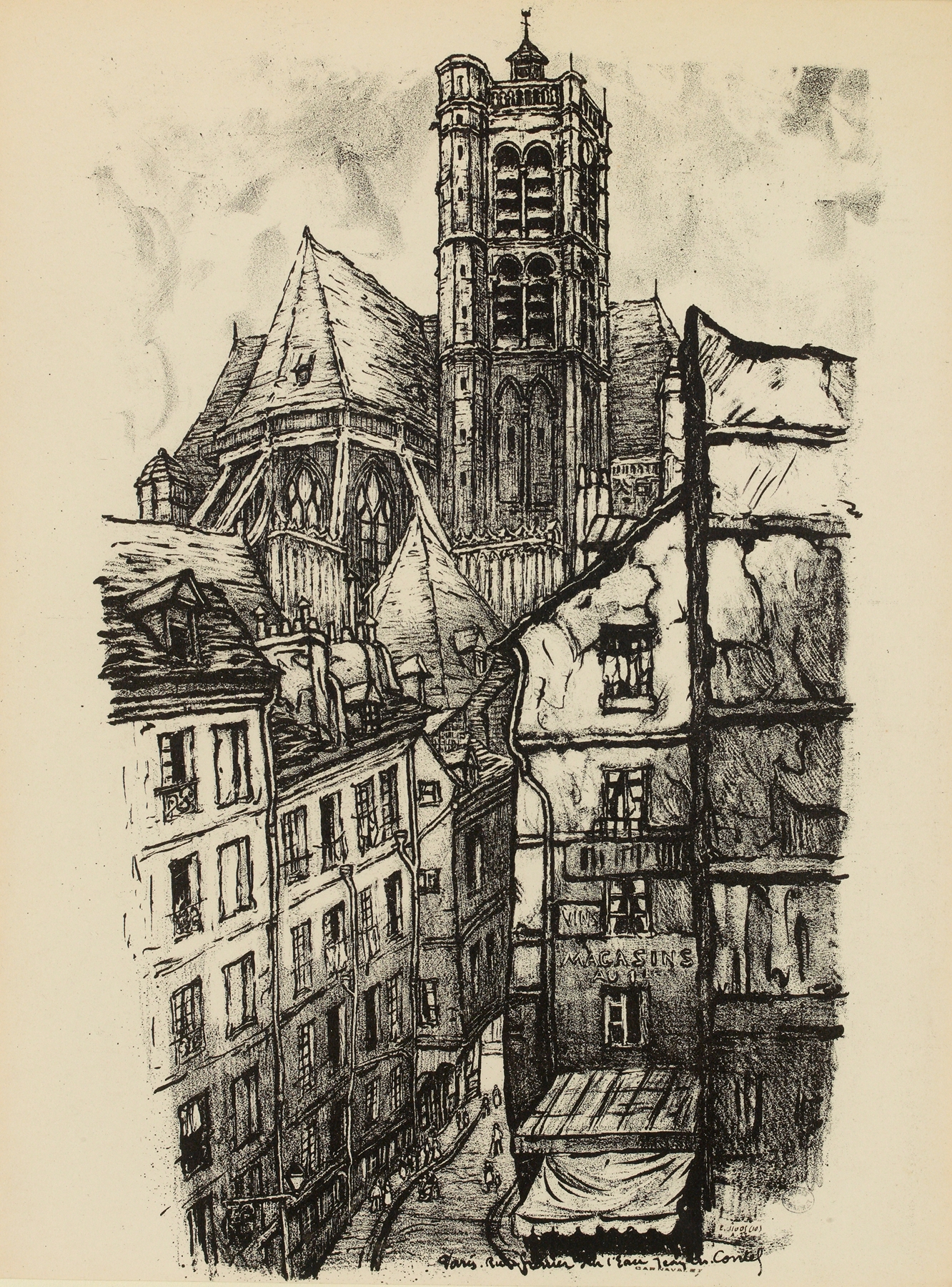
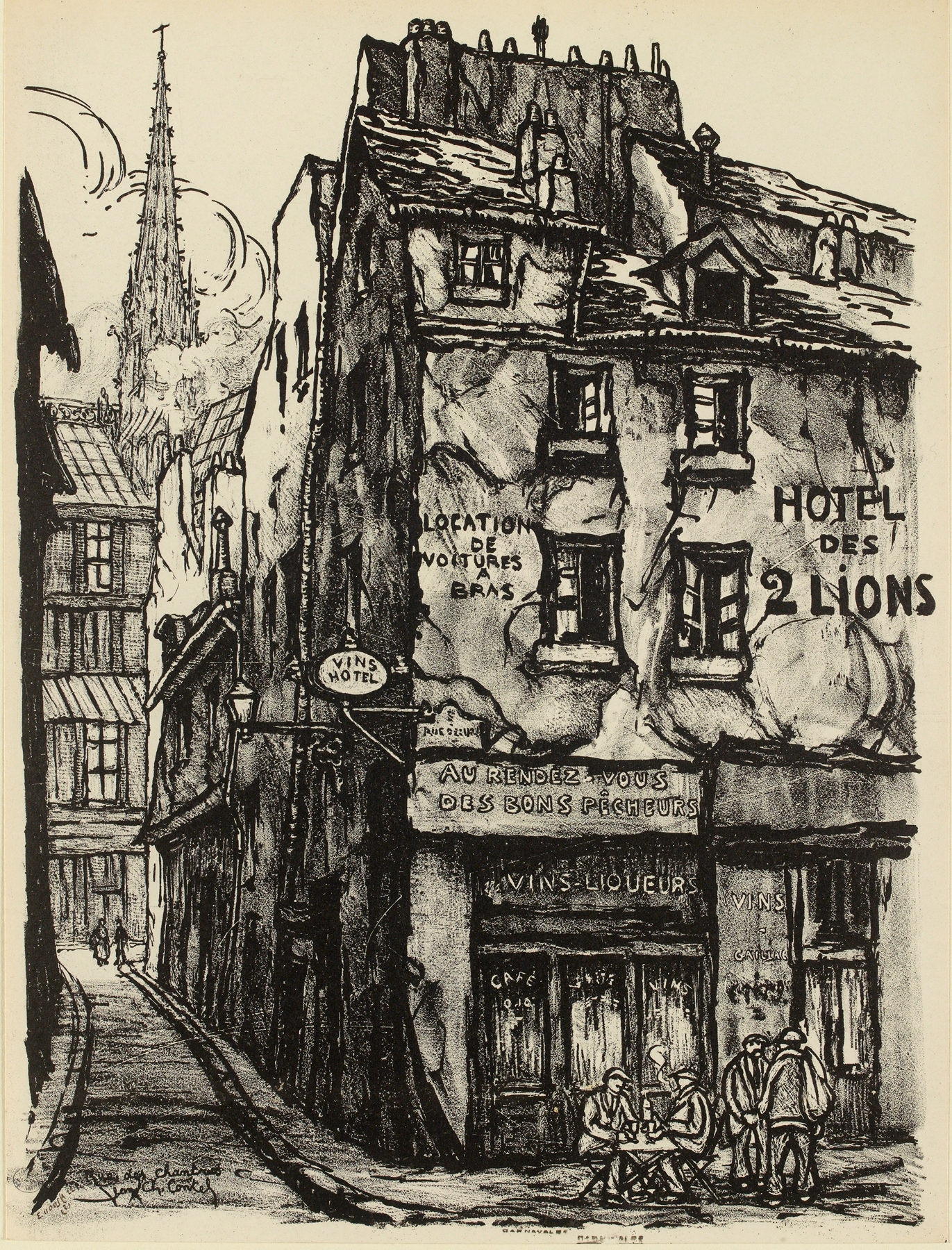
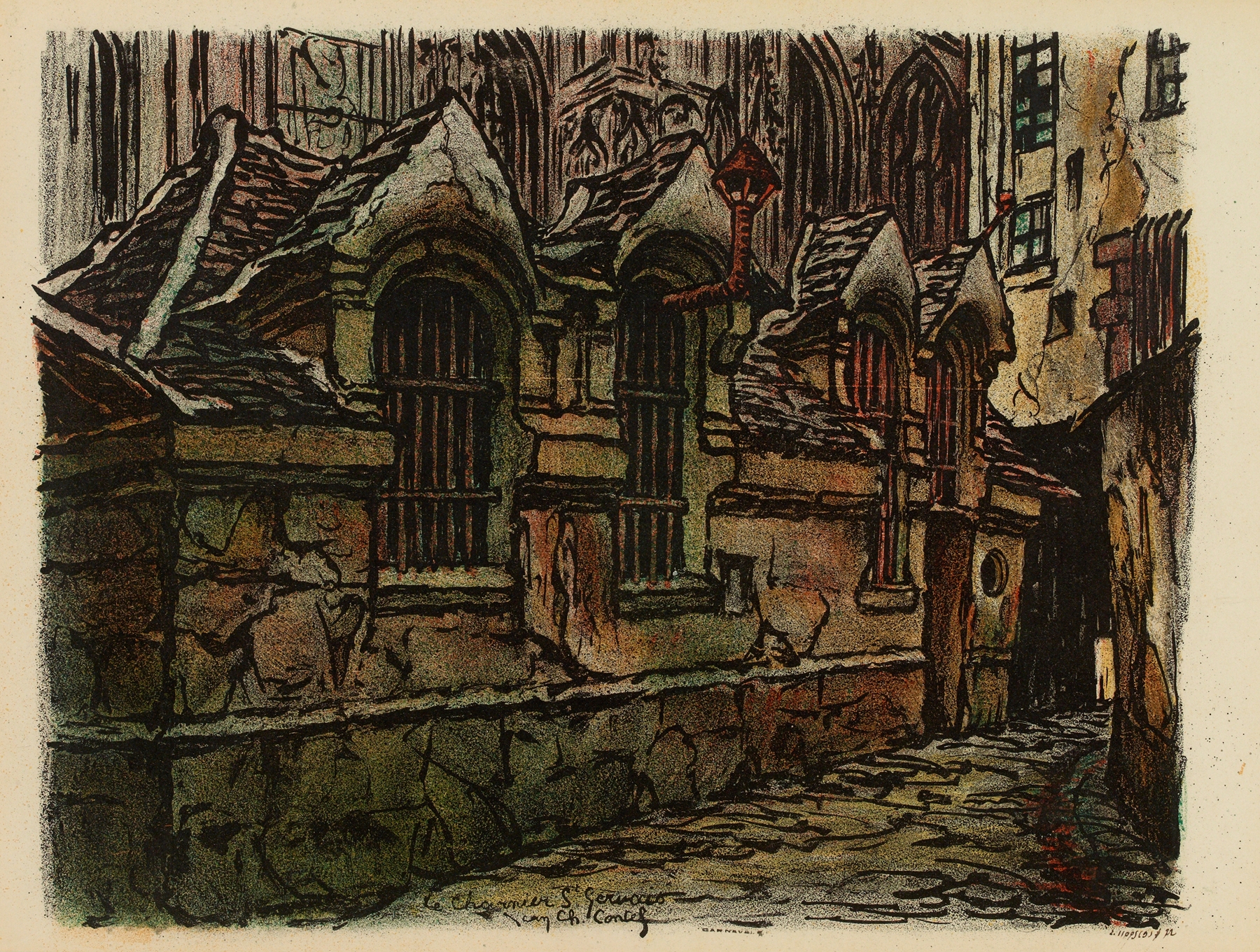
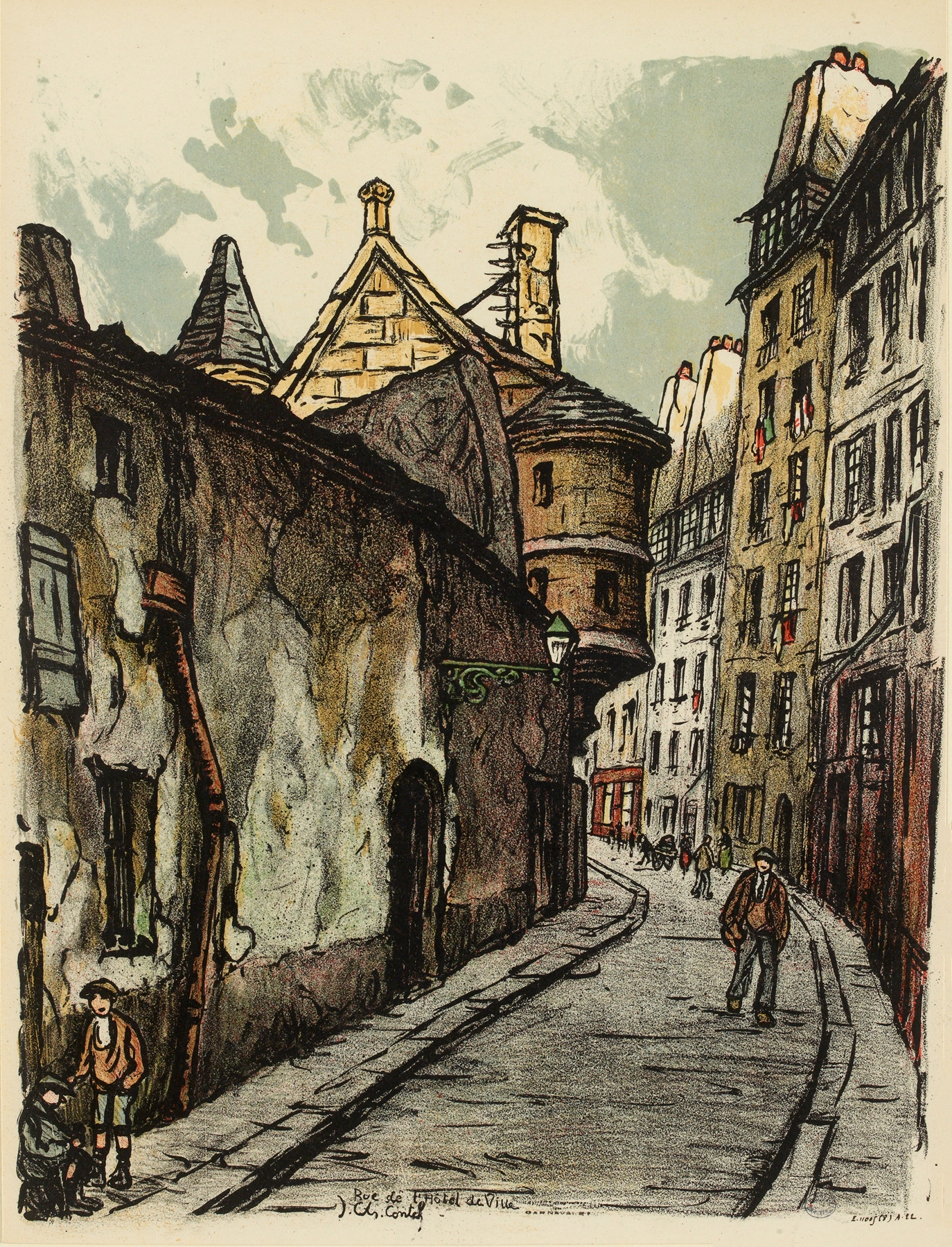
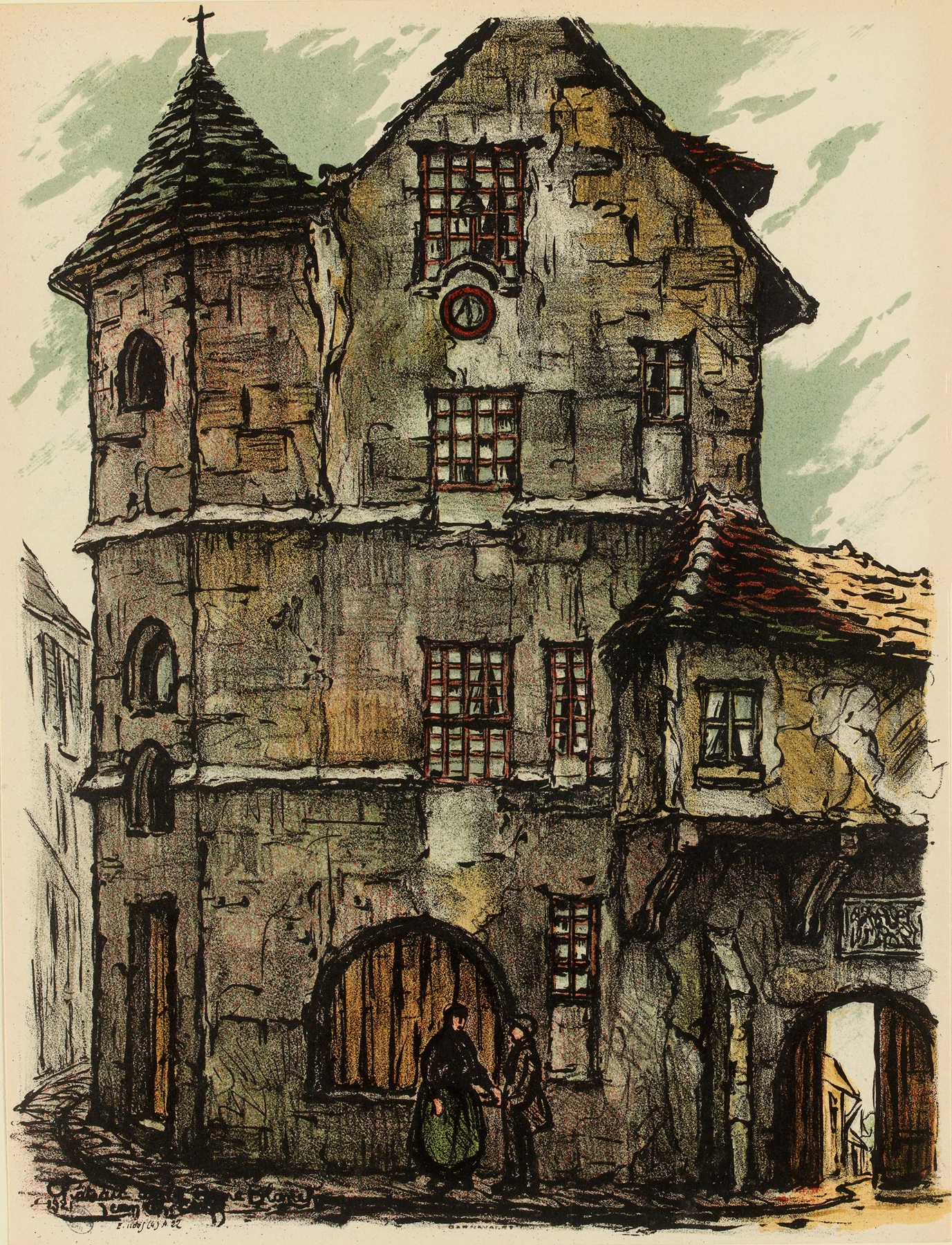
What secret hides in the quiet of the canvas? The subtle ecstasy of a moment captured, where the ordinary flickers with extraordinary grace. Look to the center, where the cobblestone street meanders beneath a canopy of sprawling trees. Notice how light filters through their leaves, creating a dappled pattern that dances across the ground. The warm hues of ochre and gold contrast with the cool blues of the shadows, inviting the viewer to step into this serene Parisian scene.
To the left, a graceful figure appears to pause, embodying the stillness of the moment, while the soft brushstrokes convey both a sense of movement and tranquil reflection. In this work, emotional tension resides in the interplay between solitude and connection. The lone figure suggests introspection, while the inviting street hints at the life bustling just beyond the frame. The various shades of color evoke a nostalgic yearning, echoing the longing for human connection amid the quiet beauty of the scene.
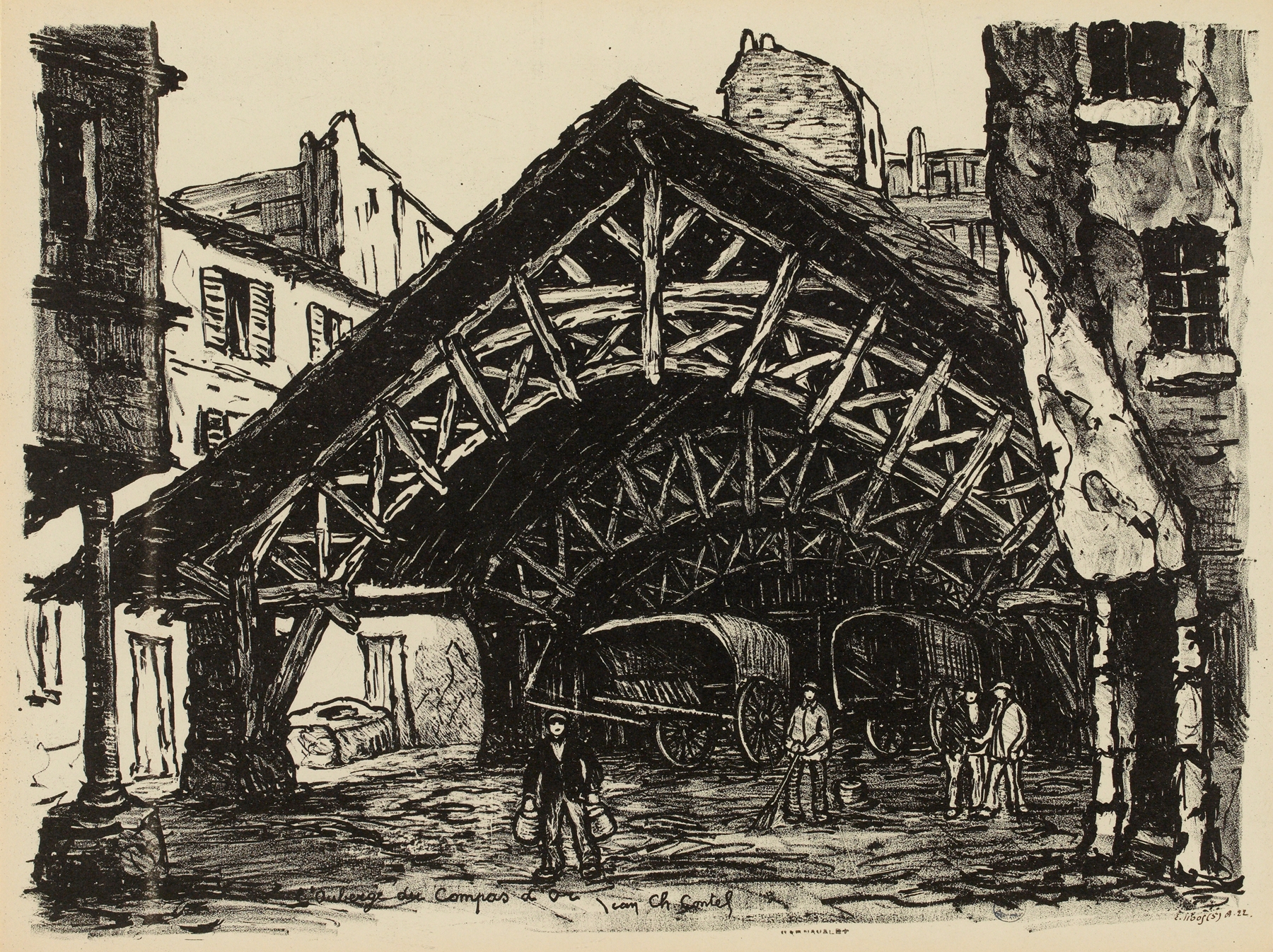
Each detail—the rustic lamppost, the arching branches—whispers stories waiting to be discovered. Jean-Charles Contel created this piece in 1921, during a period of significant artistic exploration in post-war France. Living in Paris, he was influenced by the emerging modernist movements that sought to break from traditional forms. This was a time when artists were grappling with the aftermath of conflict and redefining their relationship with urban life, making Rue Saint-Julien-le-Pauvre a poignant reflection of both personal and collective journeys toward renewal.