Rue des Chantres — History & Analysis
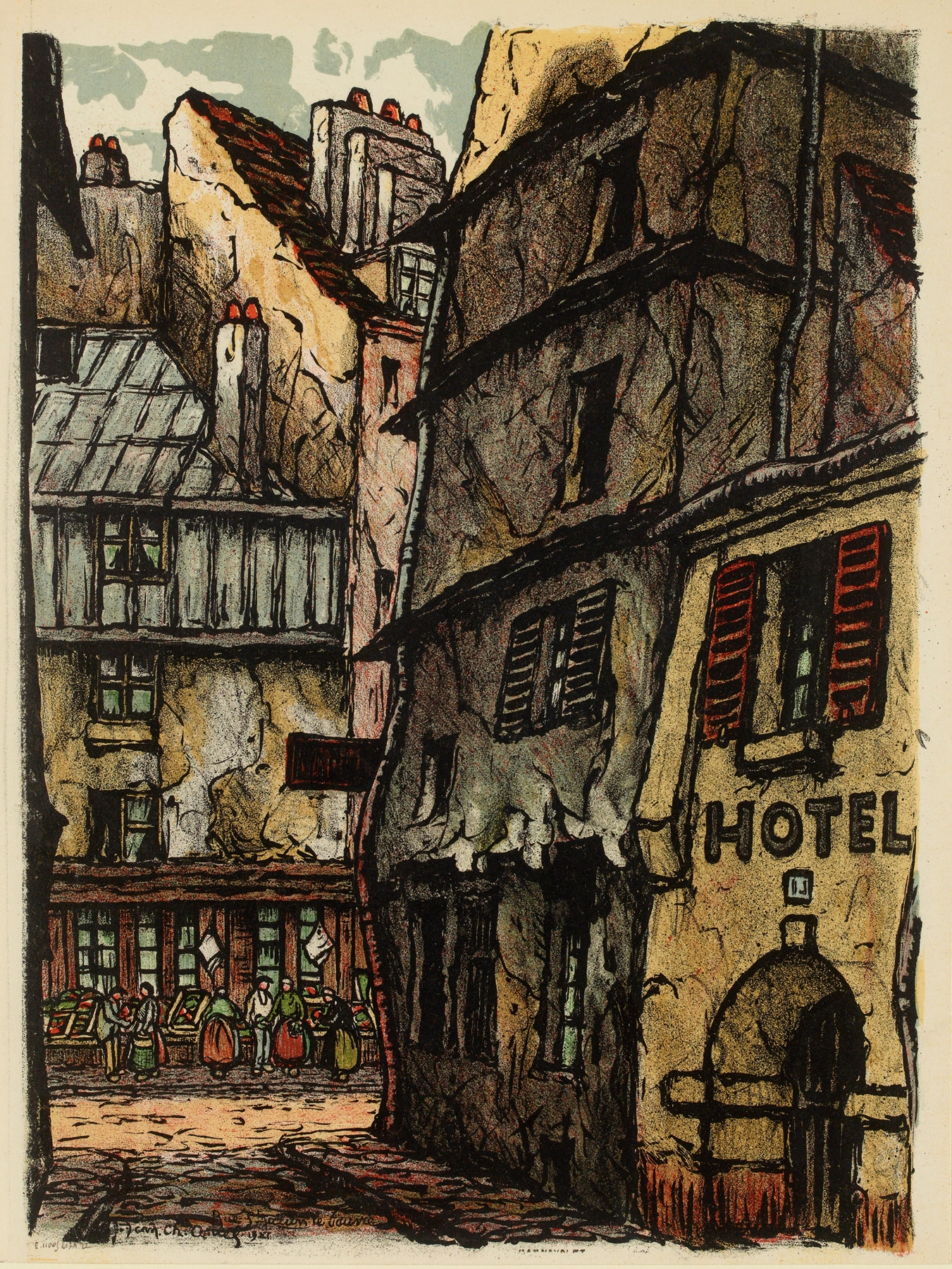
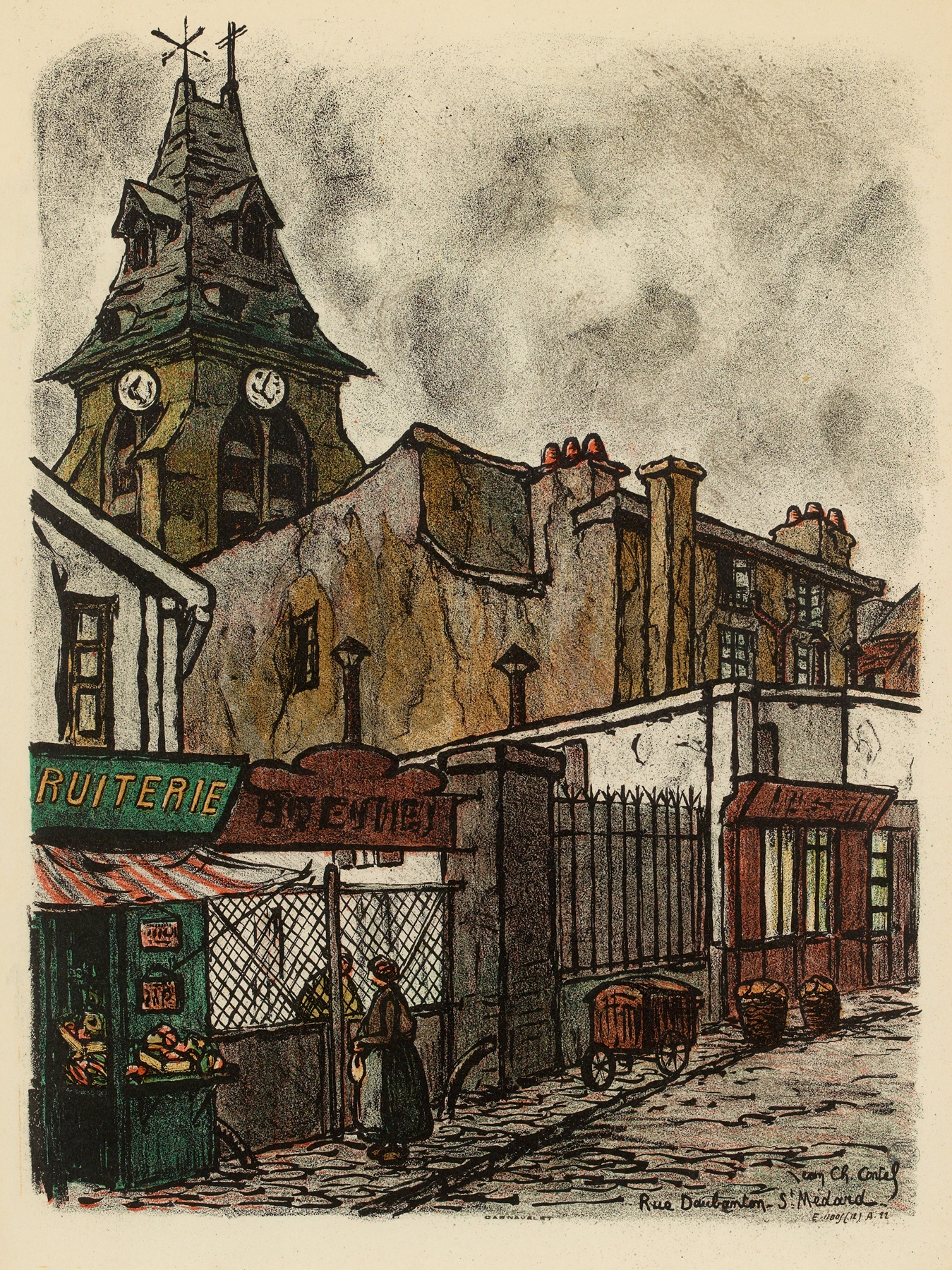
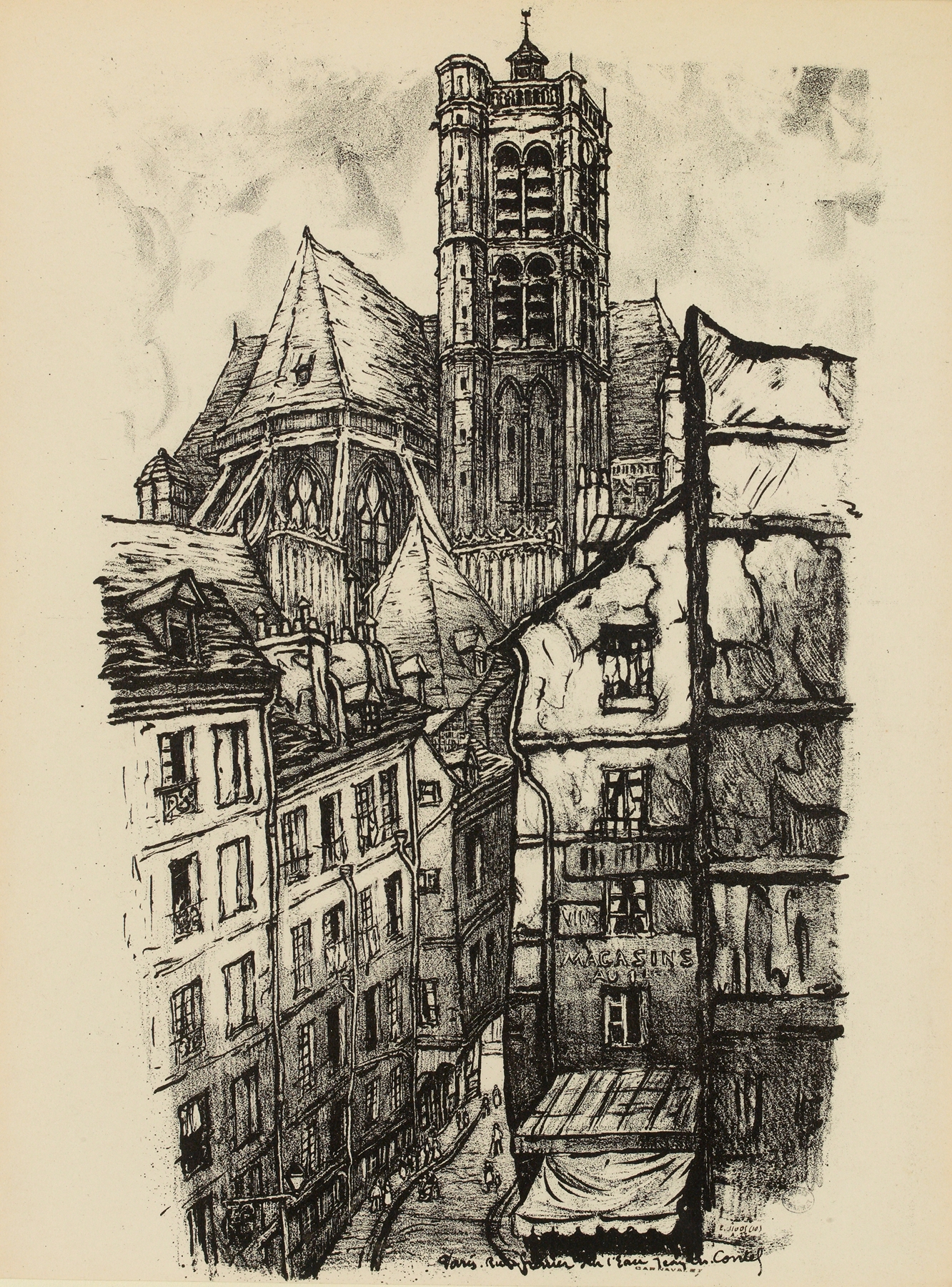
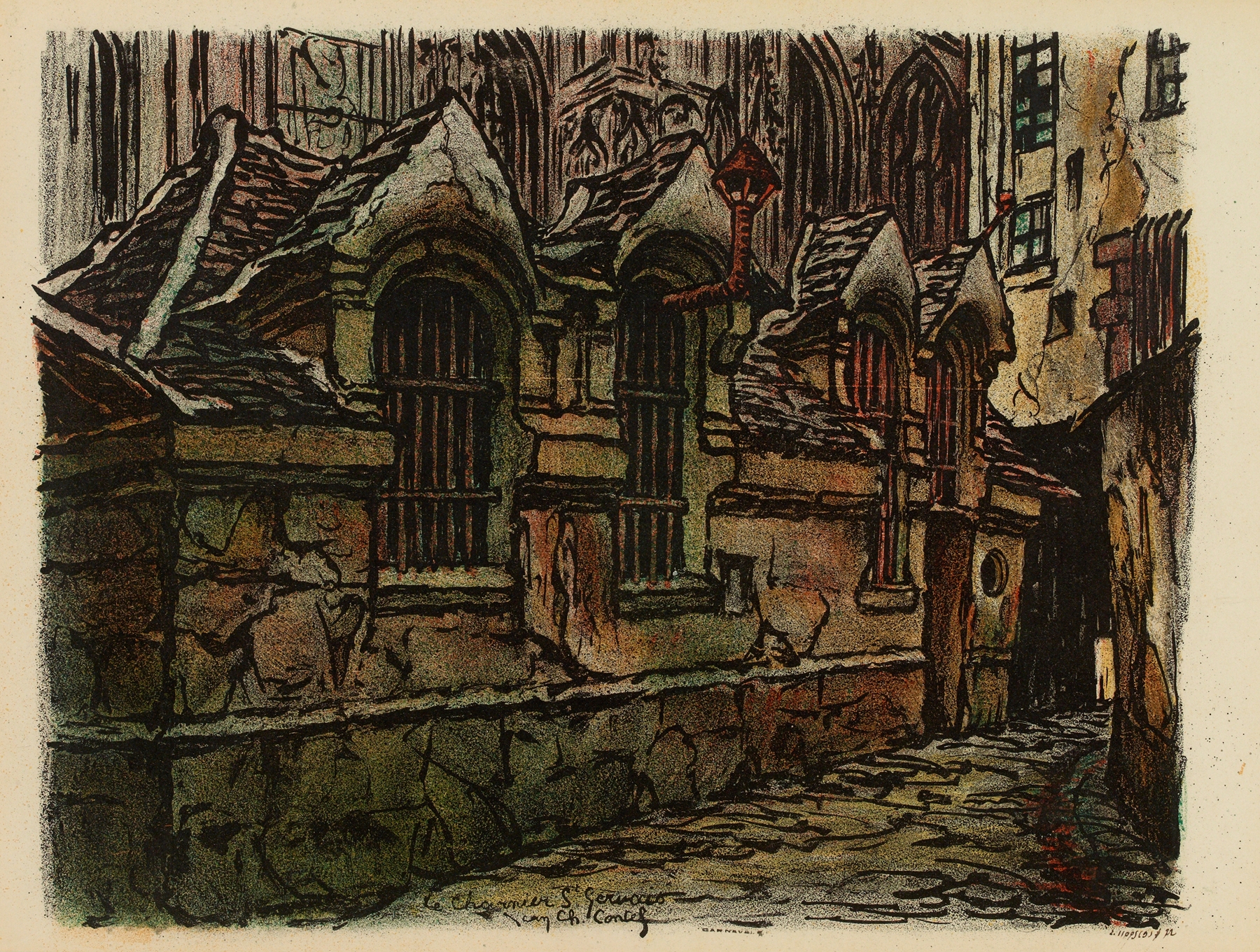
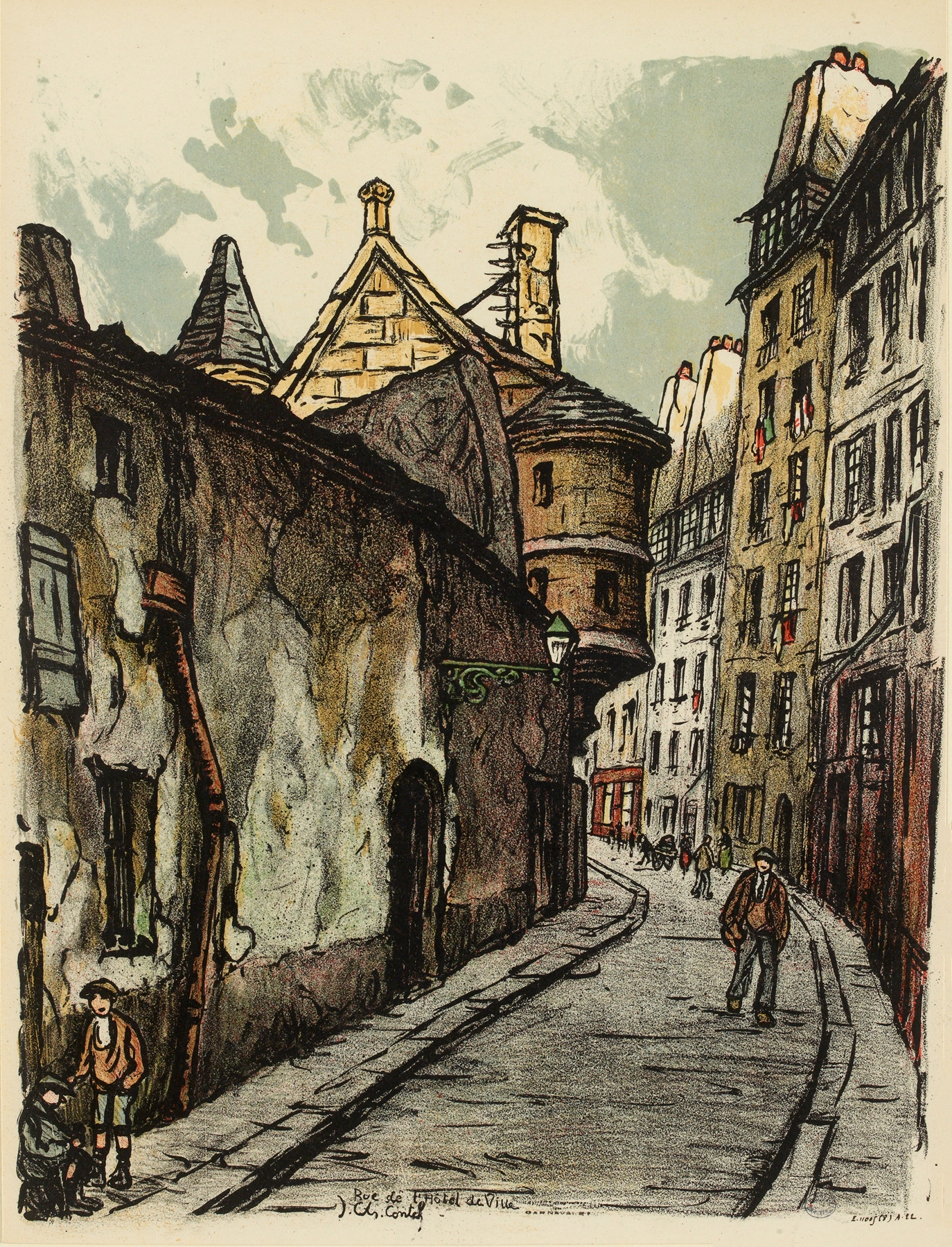
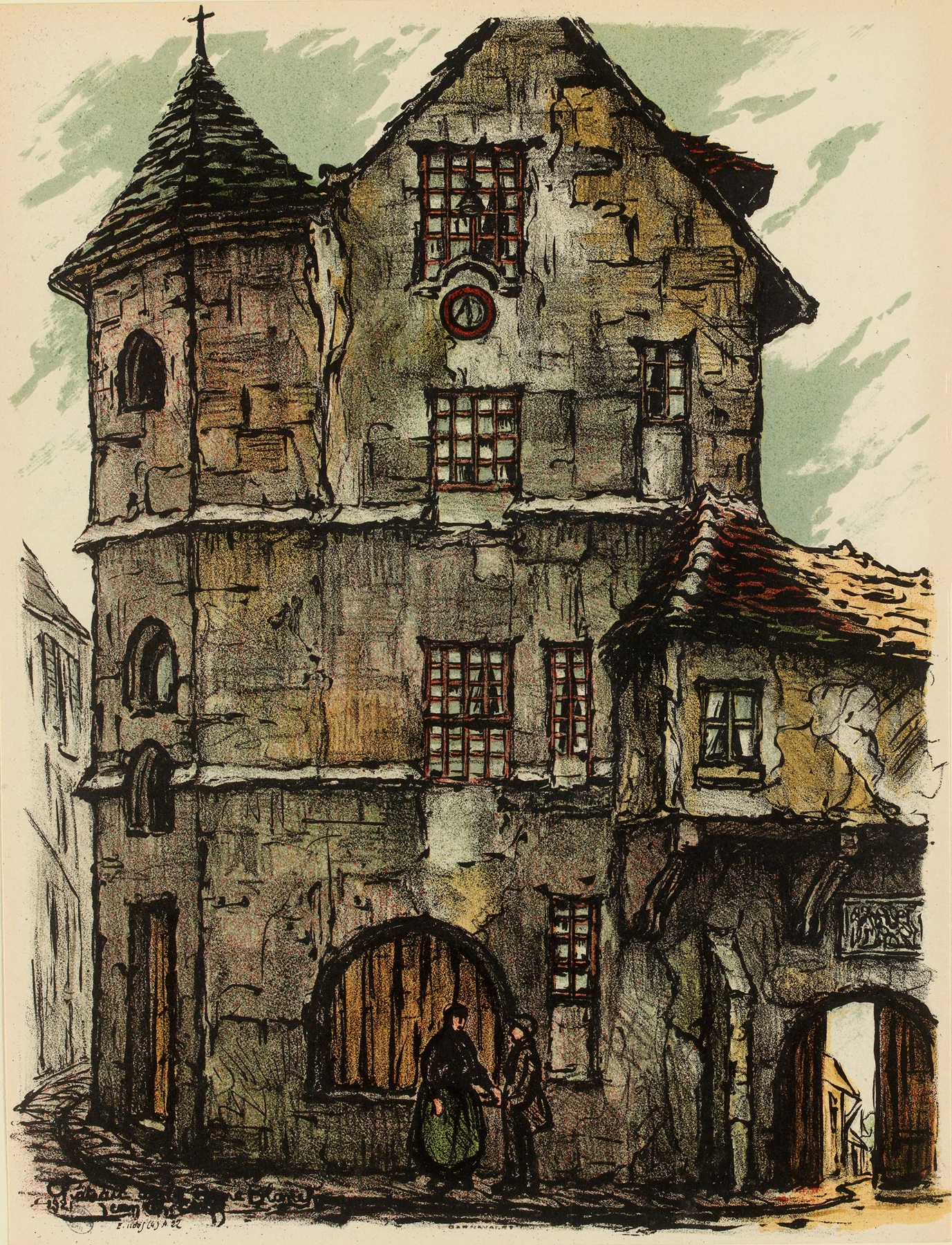
“Between color and silence, truth hides.” In the heart of chaos, the vibrant pulse of life wrestles with the shadows of stillness, urging us to explore the depths of our own existence. Look to the left, where a swirl of colors breathes life into the canvas. Bold strokes of crimson and azure dance alongside muted earth tones, creating a chaos that is both unsettling and beautiful. This dynamic composition invites the viewer to navigate through the tumultuous energy, while the light appears to cascade down from the upper corner, illuminating the tumult below with an almost ethereal glow.
Amidst the cacophony, subtle details emerge that reveal deeper truths. The fragmented forms and overlapping shapes suggest a world in flux, reflecting the inner turmoil of individuals caught in the web of modernity. Each brushstroke captures a fleeting moment of emotion, evoking feelings of anticipation and unease—a tension between the desire for connection and the chaotic reality of isolation.
In 1921, Contel found himself in a Paris that was grappling with the aftermath of World War I. Amidst the rise of new artistic movements and a yearning for innovation, he painted Rue des Chantres during a time of personal and societal upheaval. The painting reflects both his own struggles and the larger existential questions of a generation striving to find meaning amid the remnants of chaos.