Le charnier Saint-Gervais — History & Analysis
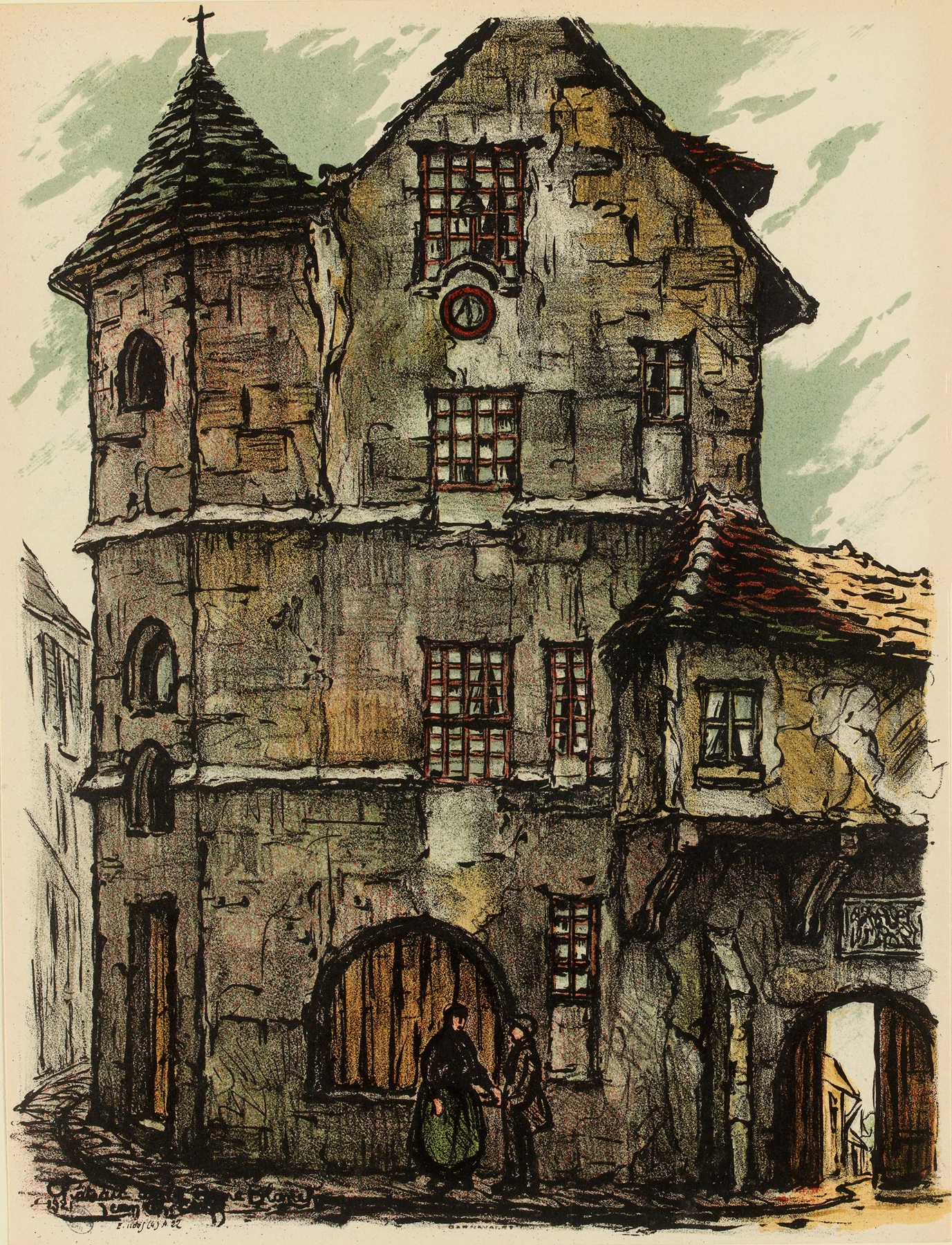
Who listens when art speaks of silence? In the haunting stillness of Le charnier Saint-Gervais, a yearning echoes through the muted tones and somber forms, inviting reflection on loss and remembrance. Look to the foreground where the skeletal shapes, rendered in shades of gray and brown, command attention. The delicate interplay of light and shadow reveals the stark outlines of forgotten lives, their presence felt even in absence.
Notice how the brushwork conveys a rough texture, enhancing the sense of decay, while the subtle hues provoke a somber introspection, drawing the eye deeper into the heart of the composition. Within this desolate scene lies an emotional duality: the remnants of life amid the inevitability of death. The juxtaposition of the earth's dark palette against gentle streaks of light suggests fleeting moments of hope within despair. Each bone and shadow resonates with untold stories, invoking a collective memory that transcends time, urging viewers to confront their own reflections on mortality and existence.
In 1921, Contel created this poignant work during a period when the scars of the First World War still lingered across Europe. The aftermath of conflict cast a long shadow over artistic expression, leading many artists, including him, to grapple with themes of loss and renewal. Amidst the turmoil of a world seeking healing, Le charnier Saint-Gervais emerged as a solemn tribute to the past, marking a moment of profound introspection within the broader narrative of modern art.