Rue Saint-Médard — History & Analysis
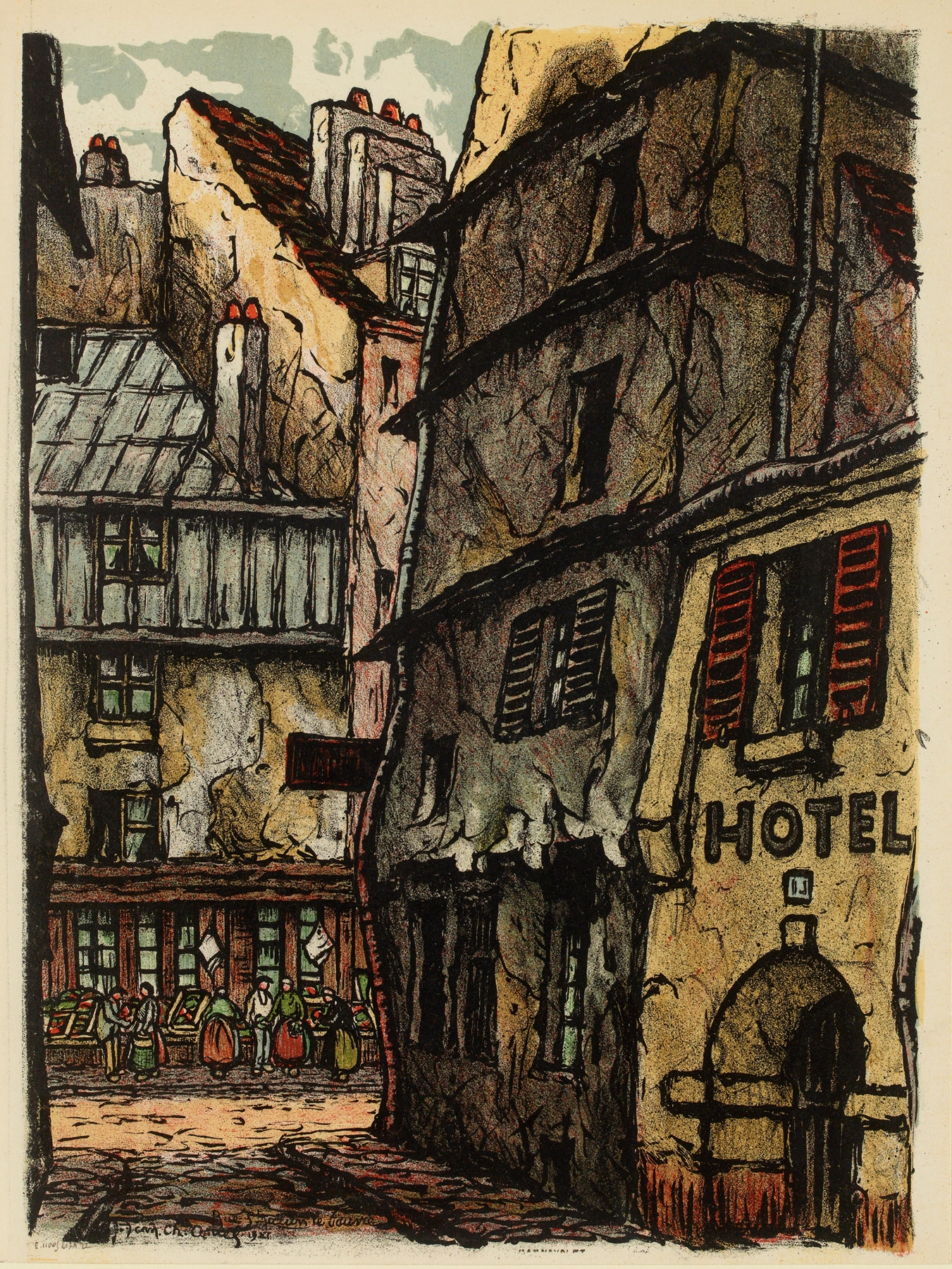
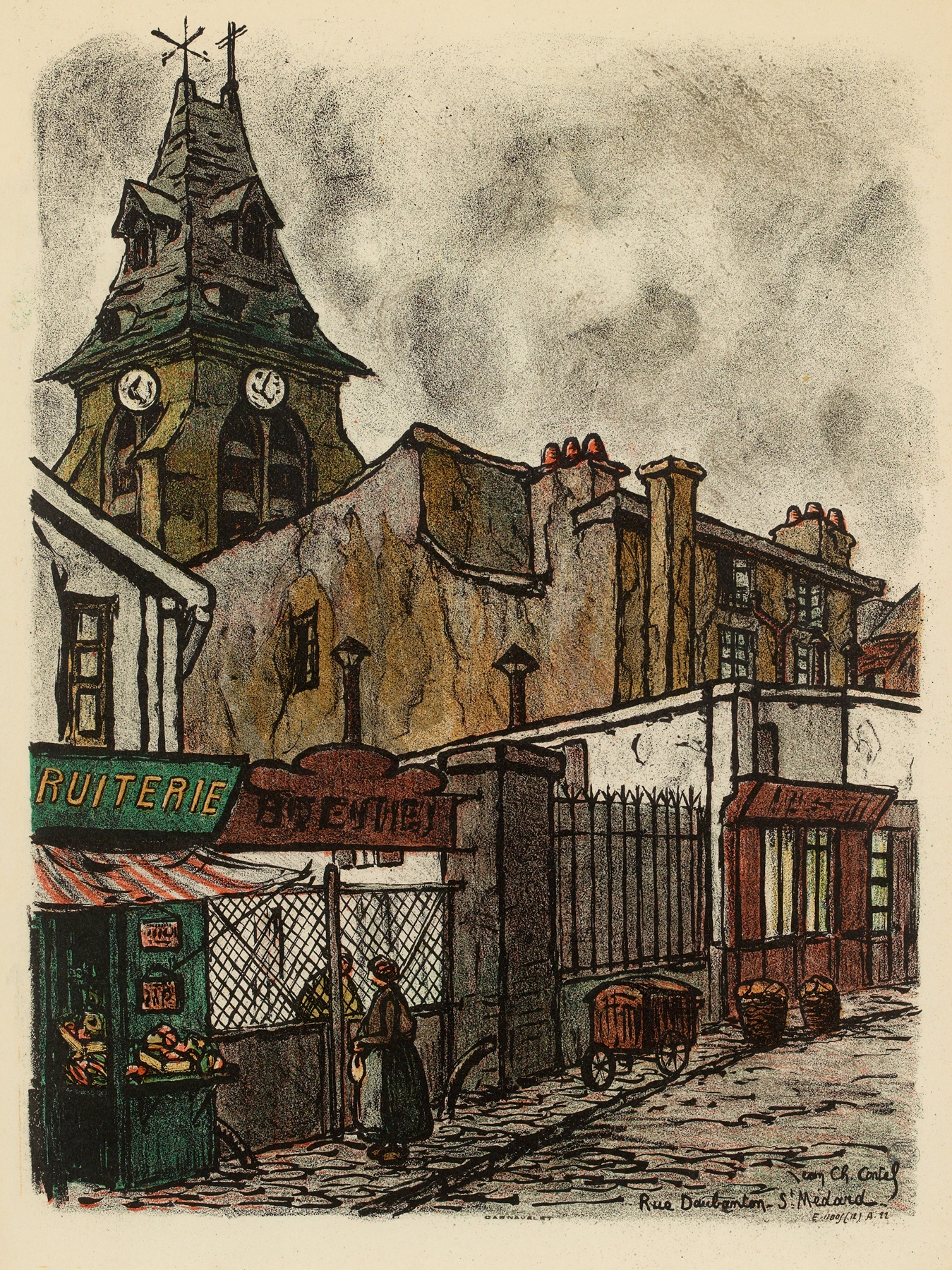
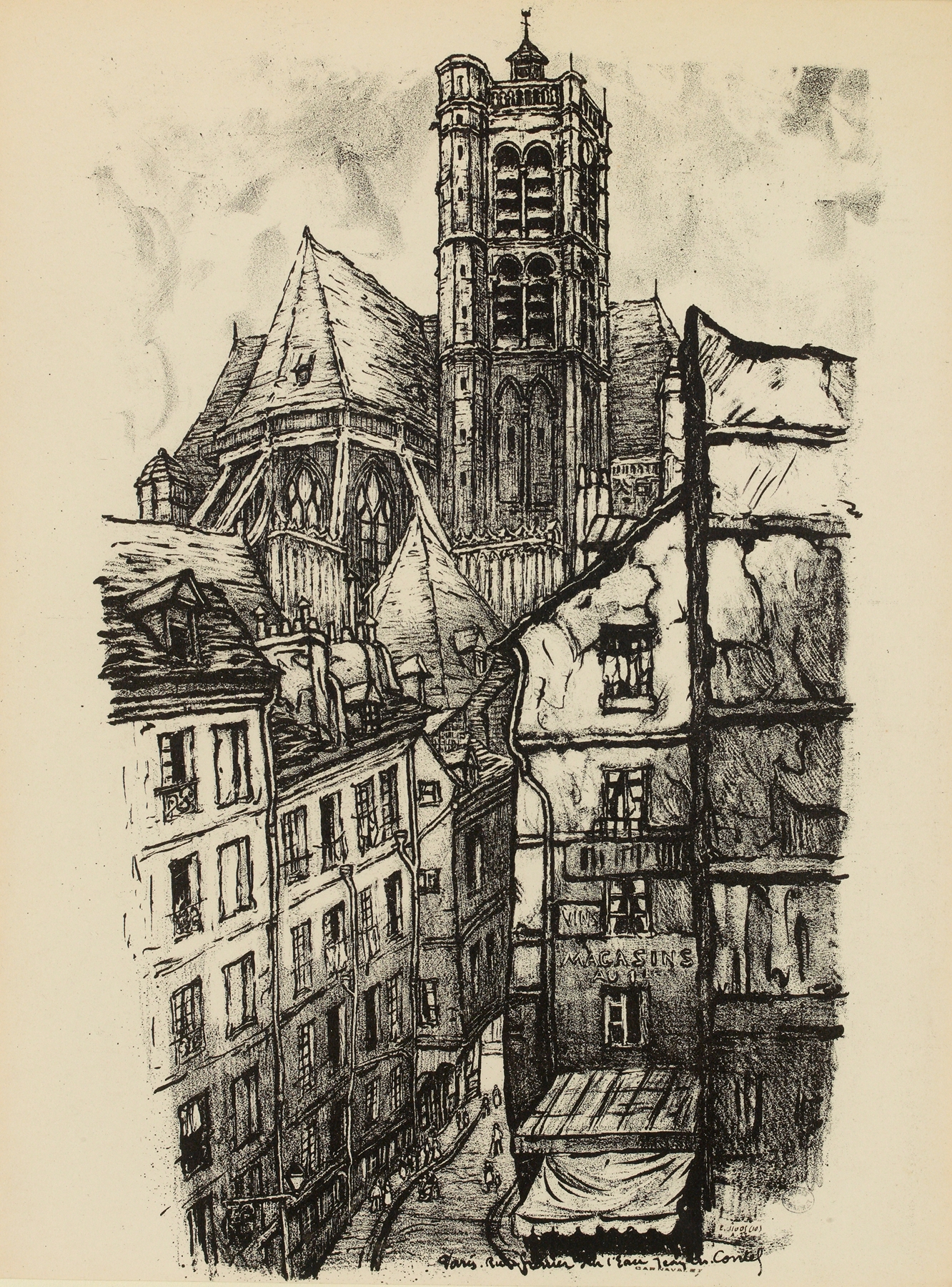
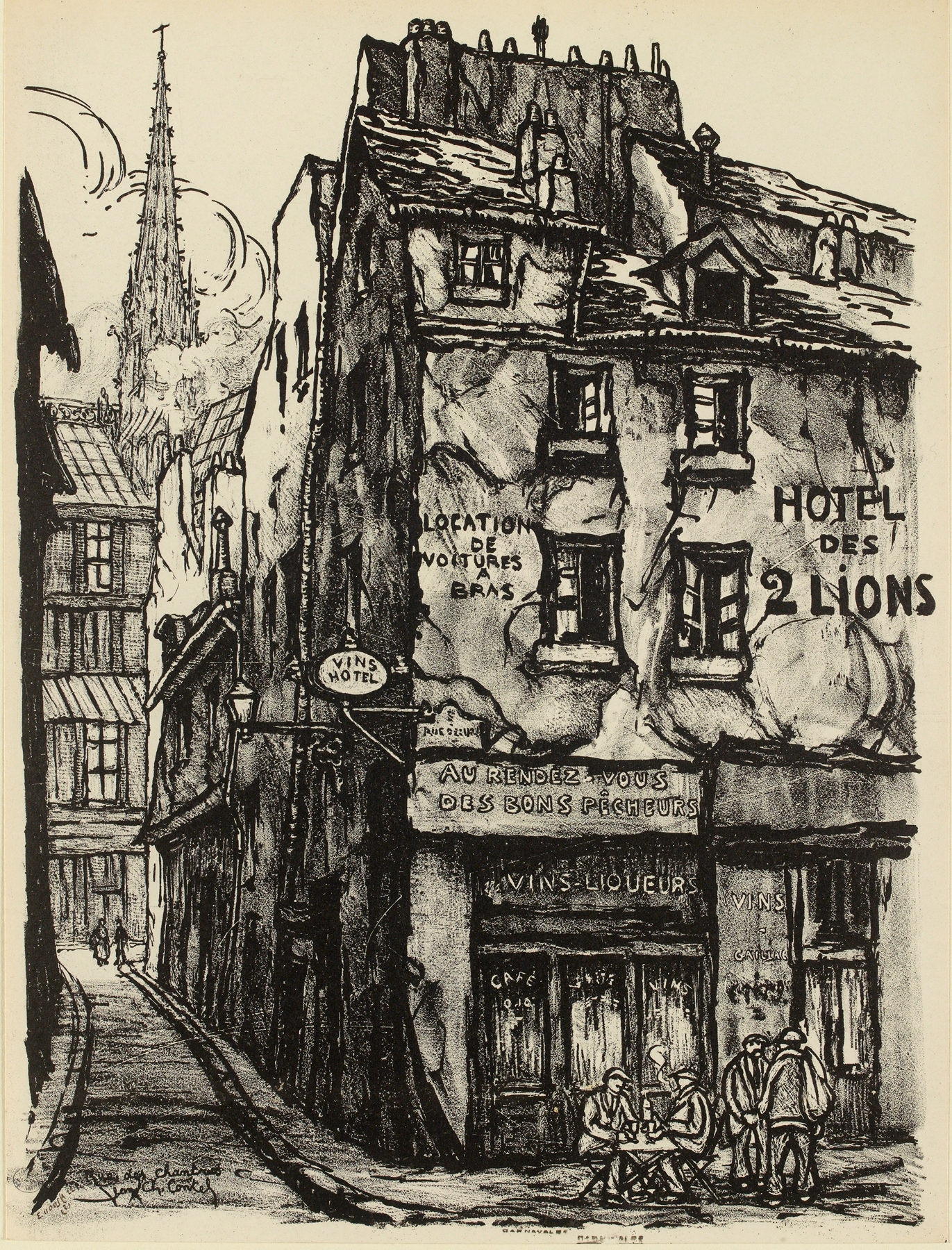
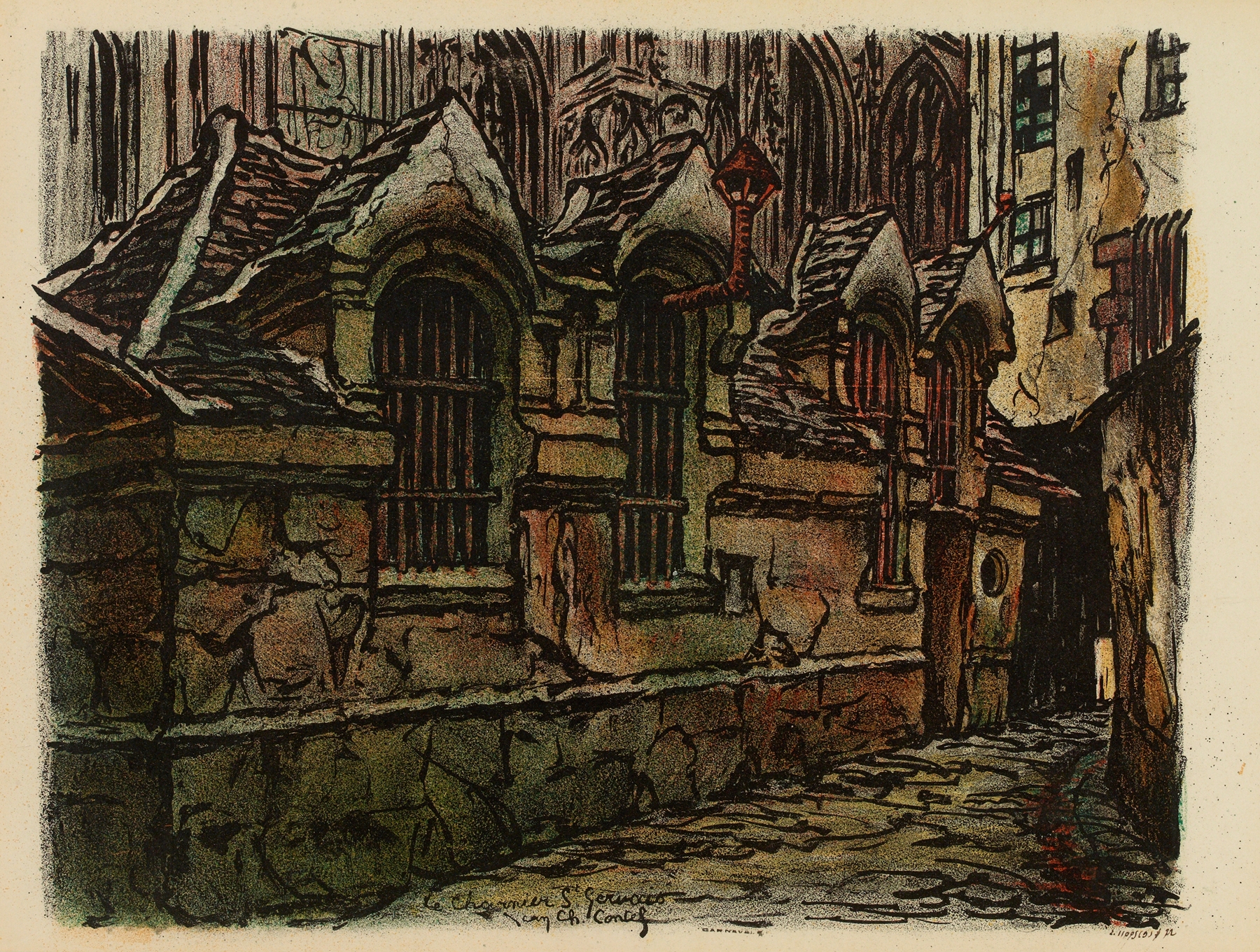
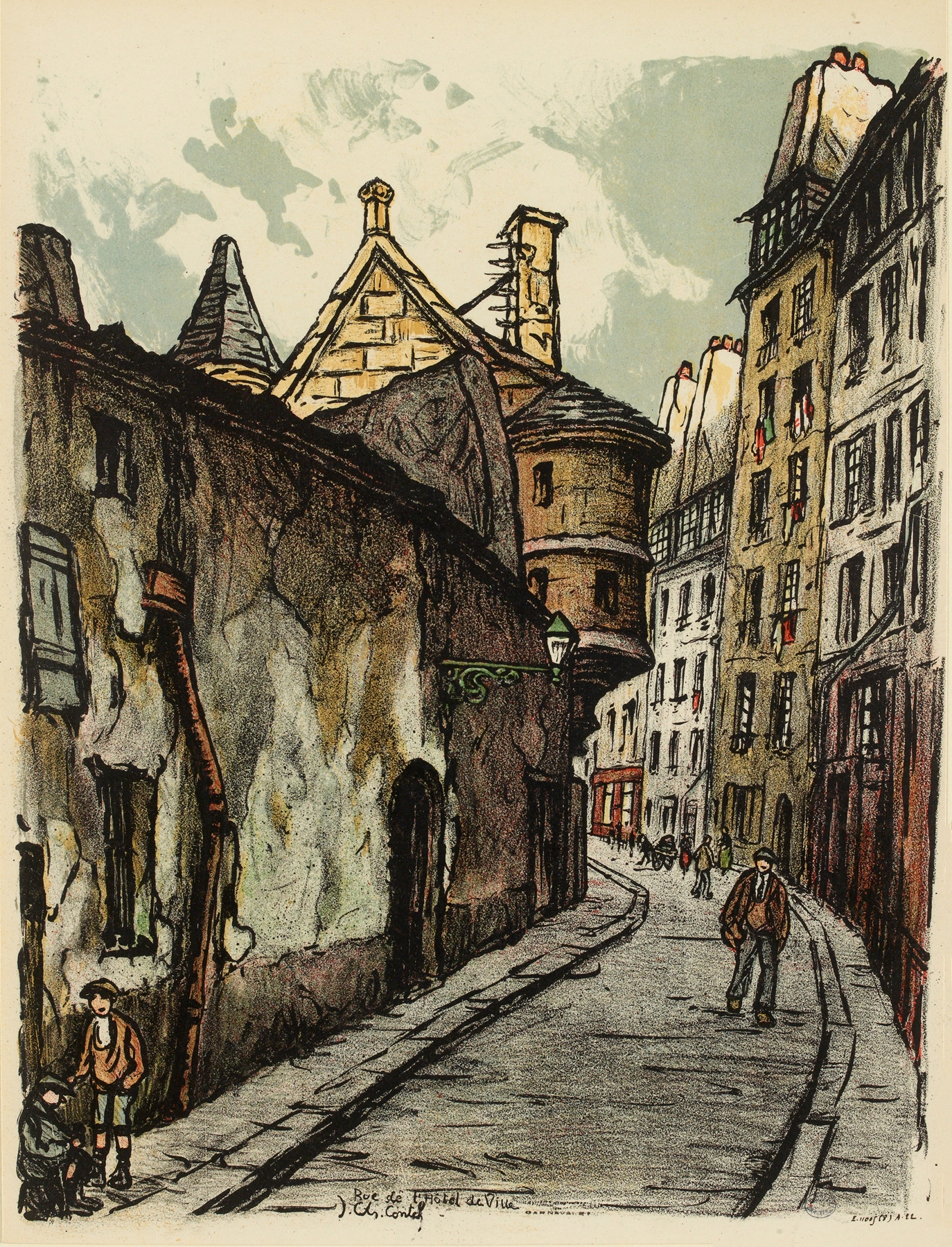
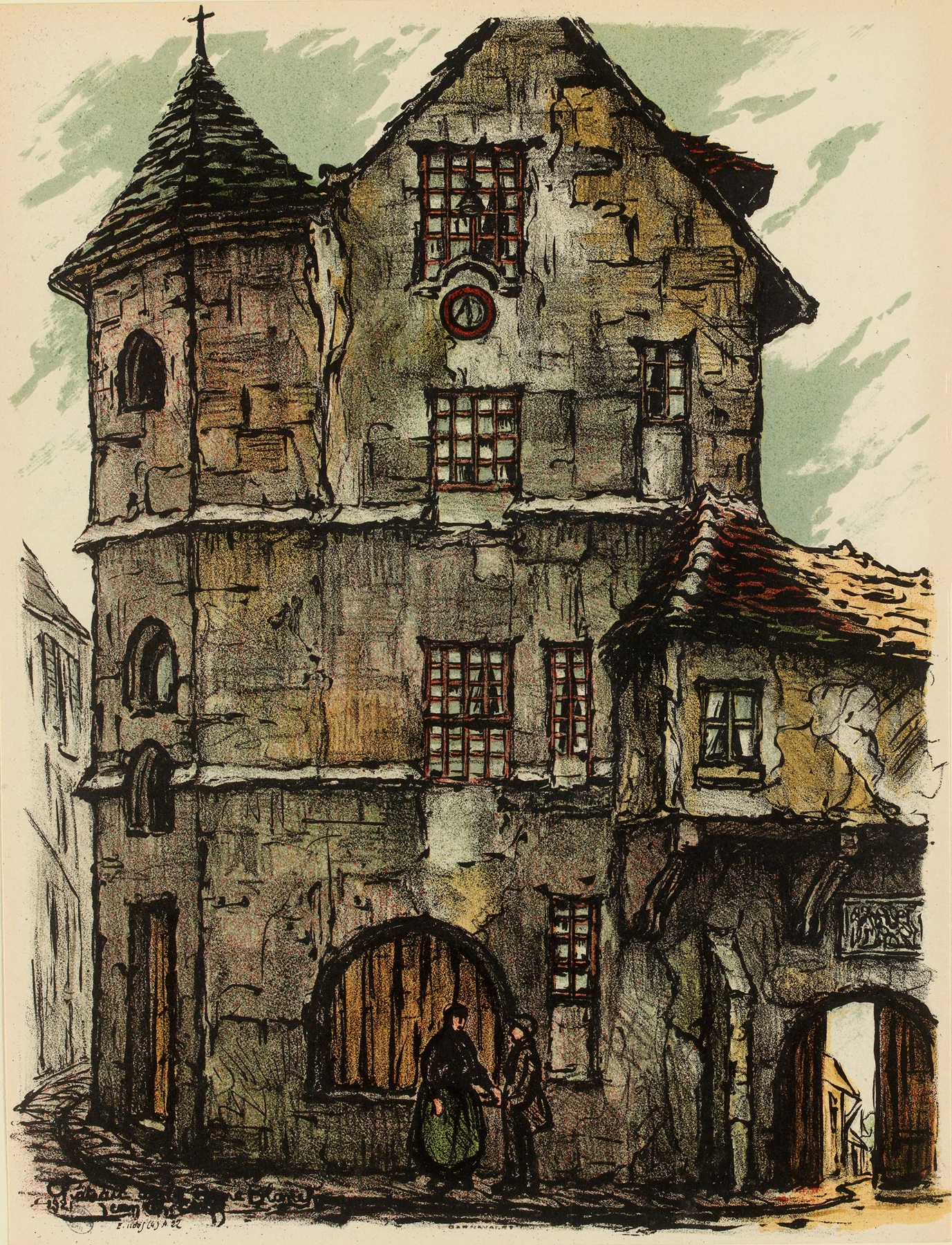
“Every brushstroke is a heartbeat remembered.” In the realm between reality and dreams, art whispers truths too delicate for words. Focus on the crisp details that populate the canvas. The cobblestone street unfurls like a ribbon, leading the eye toward the distant horizon. Look to the left where a charming café spills golden light onto the sidewalk, inviting passersby to pause and linger.
The palette is alive with soft pastels, creating a dreamlike haze that softens the edges of everyday life, blurring the lines between the mundane and the extraordinary. Yet, beneath the surface, a narrative of contrast emerges. Notice how shadows dance between the buildings, hinting at unseen stories and silent longings. The juxtaposition of light and dark suggests a fleeting moment in time — one filled with both comfort and solitude.
The pedestrians seem to float through their routines, embodying a sense of transience that resonates universally; we are all but travelers in a dream, seeking connection amid the hurry. In 1921, Contel created this piece during a post-war period marked by recovery and introspection. Living in Paris, he was surrounded by the burgeoning movements of modernism and impressionism, which paved the way for his exploration of light and shadow. This period of artistic evolution allowed him to capture not just the physical landscape, but the emotional undercurrents of a city awakening from the silence of conflict, reflecting both optimism and unease in the wake of change.