Impasse de la Brosse — History & Analysis
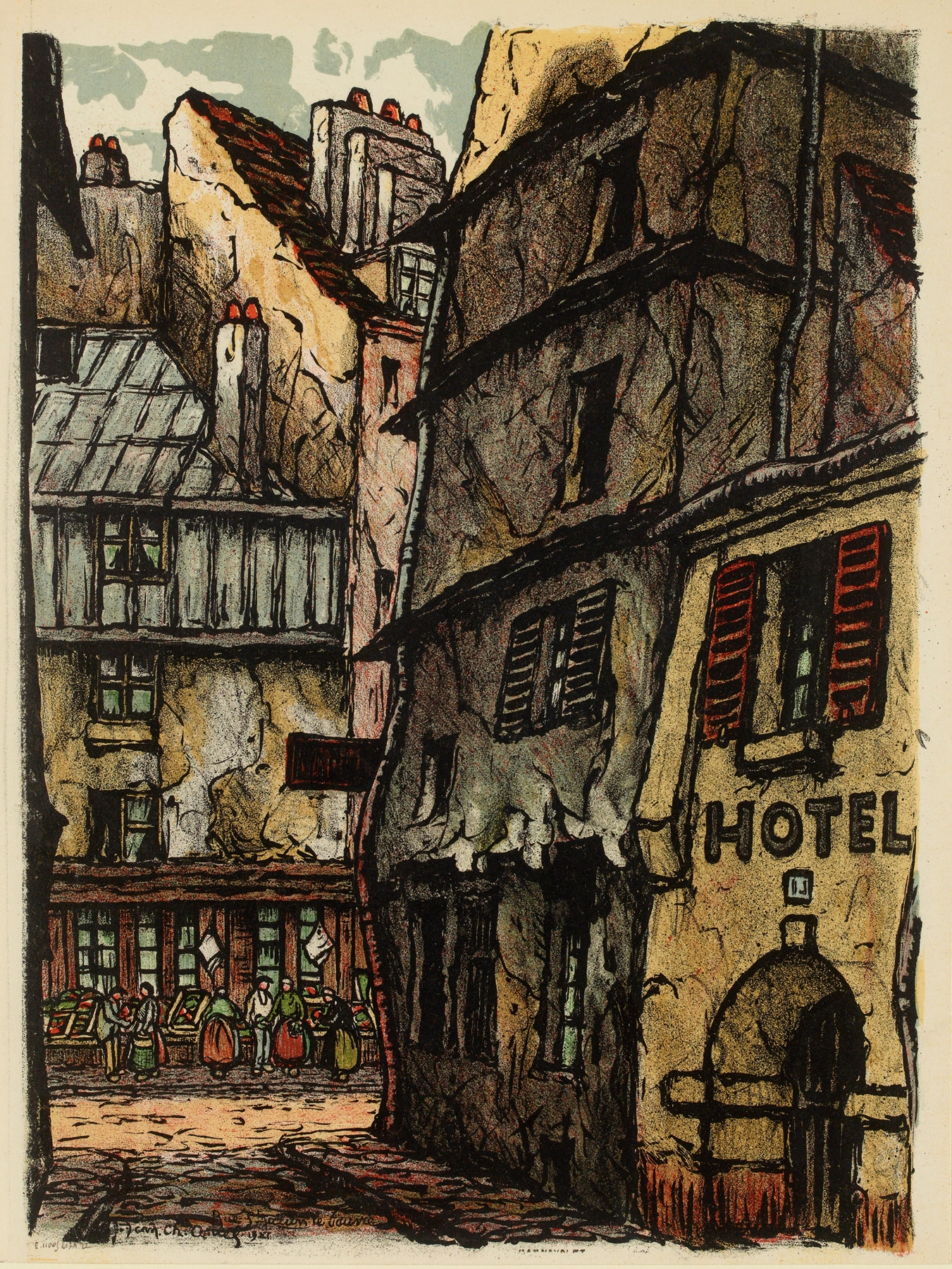
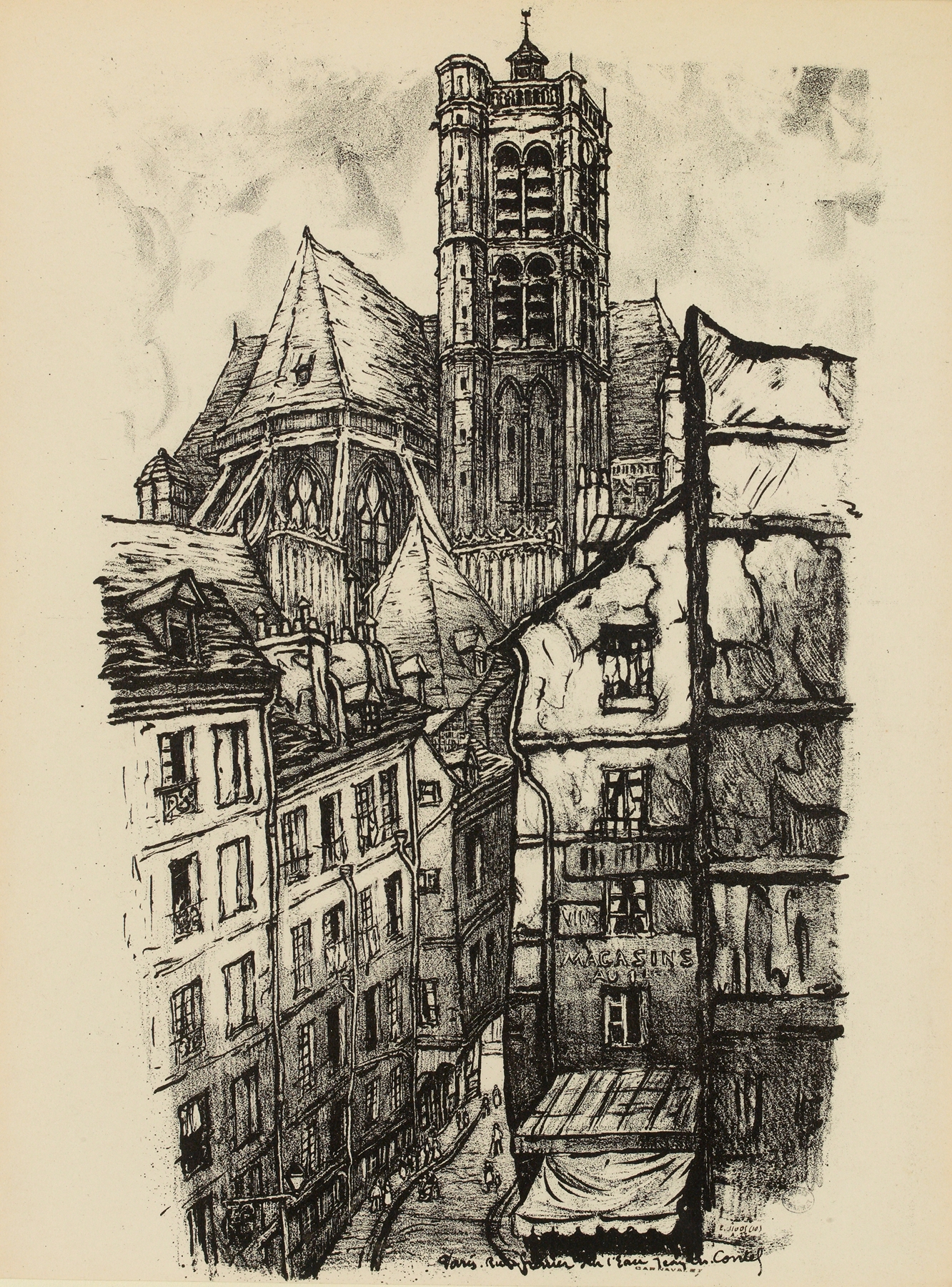
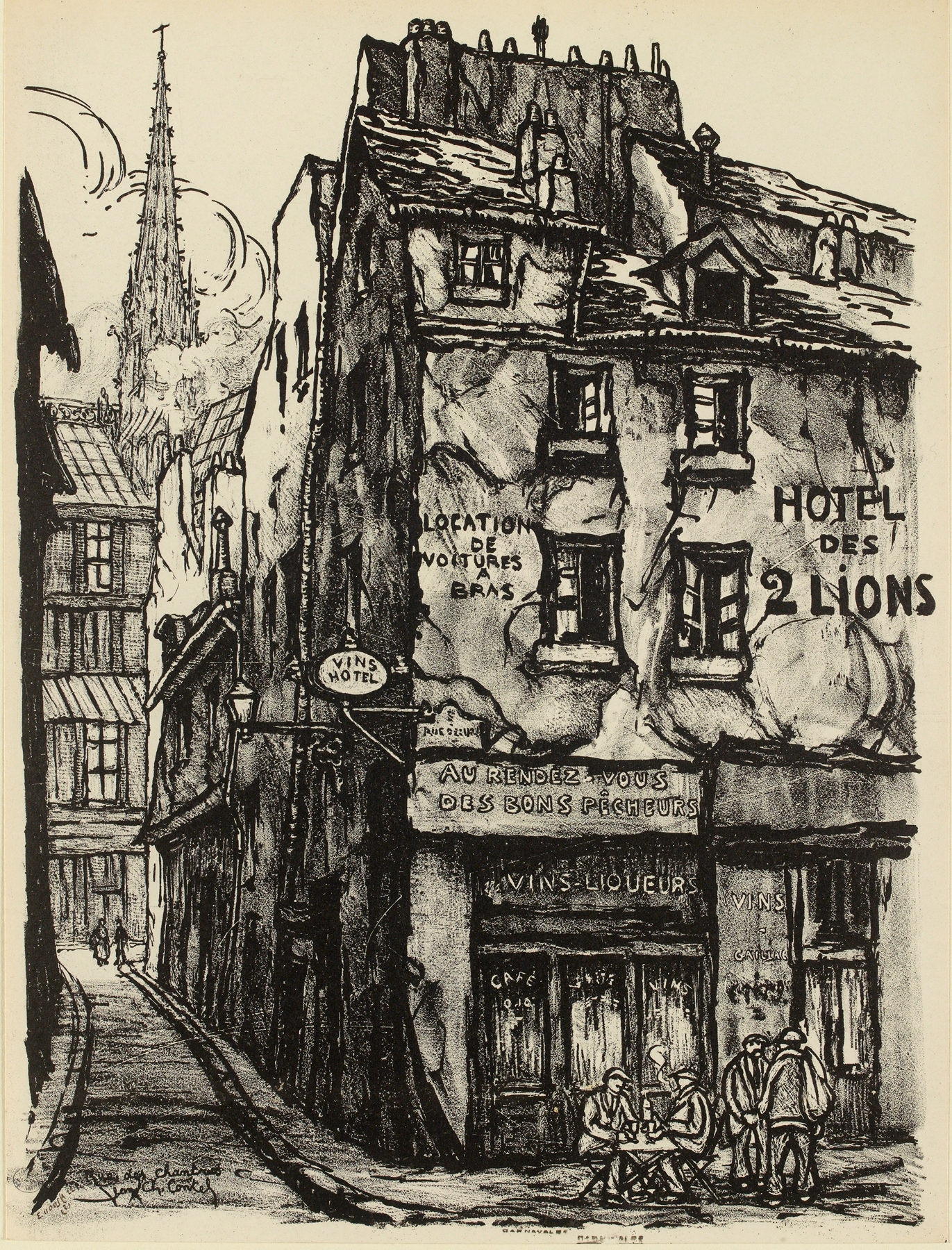
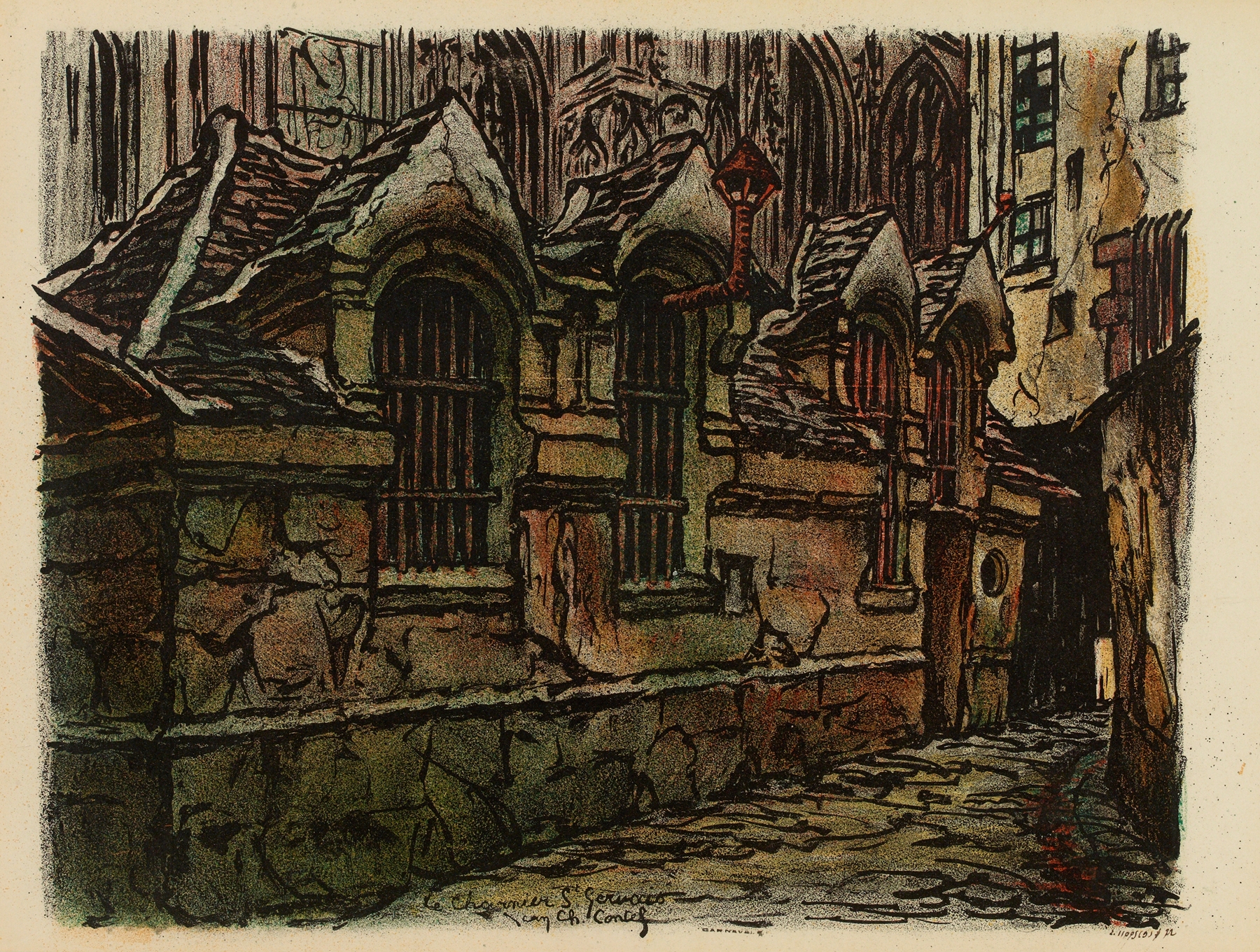
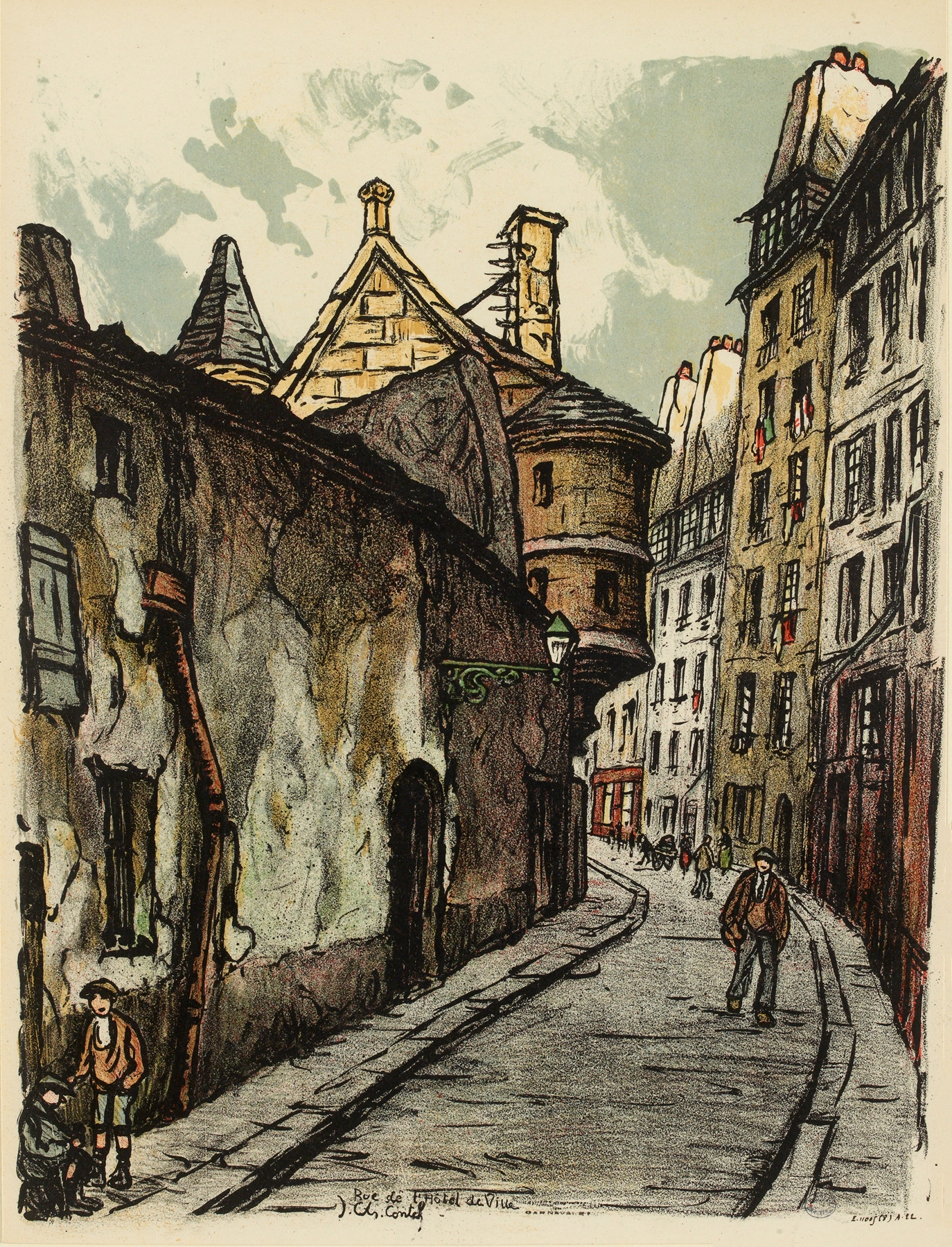
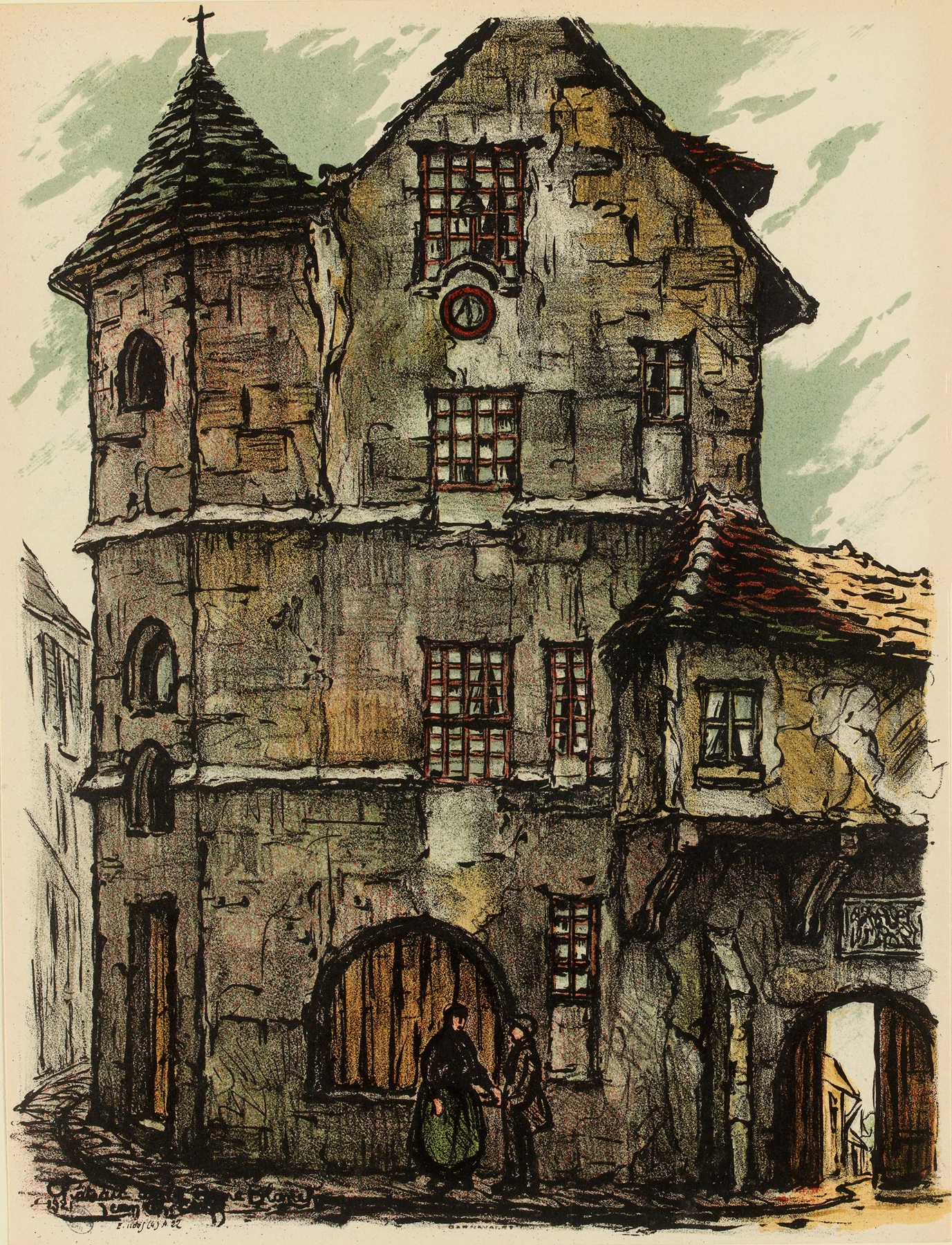
“To paint is to remember what time wants us to forget.” In a world where faith flickers like a fragile flame, how does the artist capture the essence of fleeting moments and enduring beliefs? Look closely at the center of the canvas, where a winding pathway draws the eye, bordered by trees that seem to whisper secrets of the past. The muted greens and browns dance with dappled light, offering a serene contrast to the slightly chaotic brushstrokes that suggest an unseen tension. Notice how the figures in the distance appear almost ghostly, their forms barely defined, yet they resonate with a sense of purpose and longing, as if journeying toward an unknown destination.
Hidden within this serene landscape lies a poignant dialogue between light and shadow, embodying the duality of hope and despair. The path represents life’s journey, fraught with uncertainties yet illuminated by the soft glow of faith, while the obscured figures symbolize the silent struggles we all face. This tension between clarity and obscurity invites viewers to reflect on their own journeys, evoking a sense of connection to the universal quest for meaning.
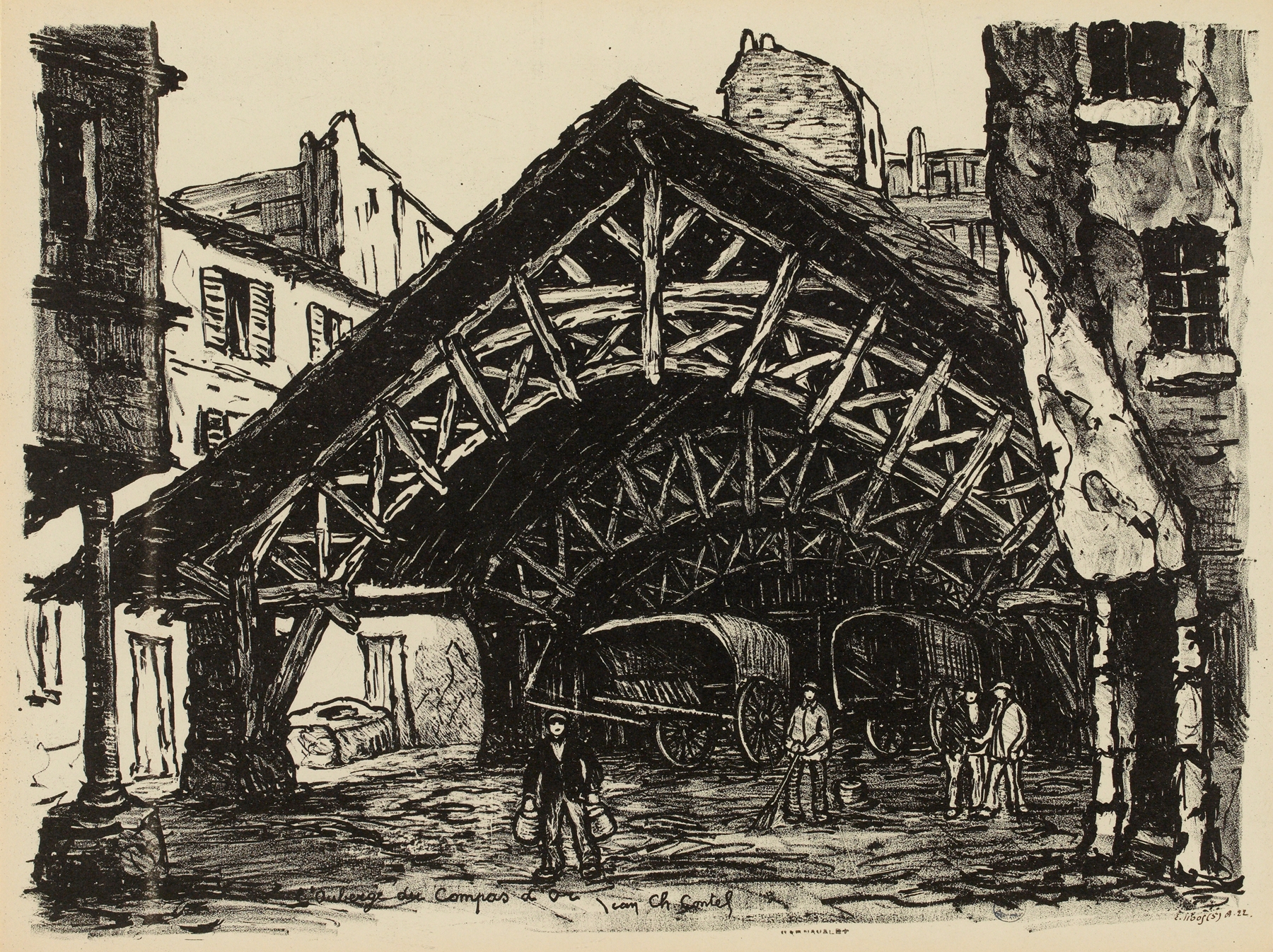
In 1921, Jean-Charles Contel painted this work at a time when Europe was grappling with the scars left by the Great War. Artists were exploring new forms of expression, seeking to convey deeper emotional truths amidst a rapidly changing world. Contel, influenced by the post-war avant-garde movement, utilized this period to distill his own reflections on faith and resilience, capturing a timeless essence in Impasse de la Brosse.