Rue Daubenton — History & Analysis
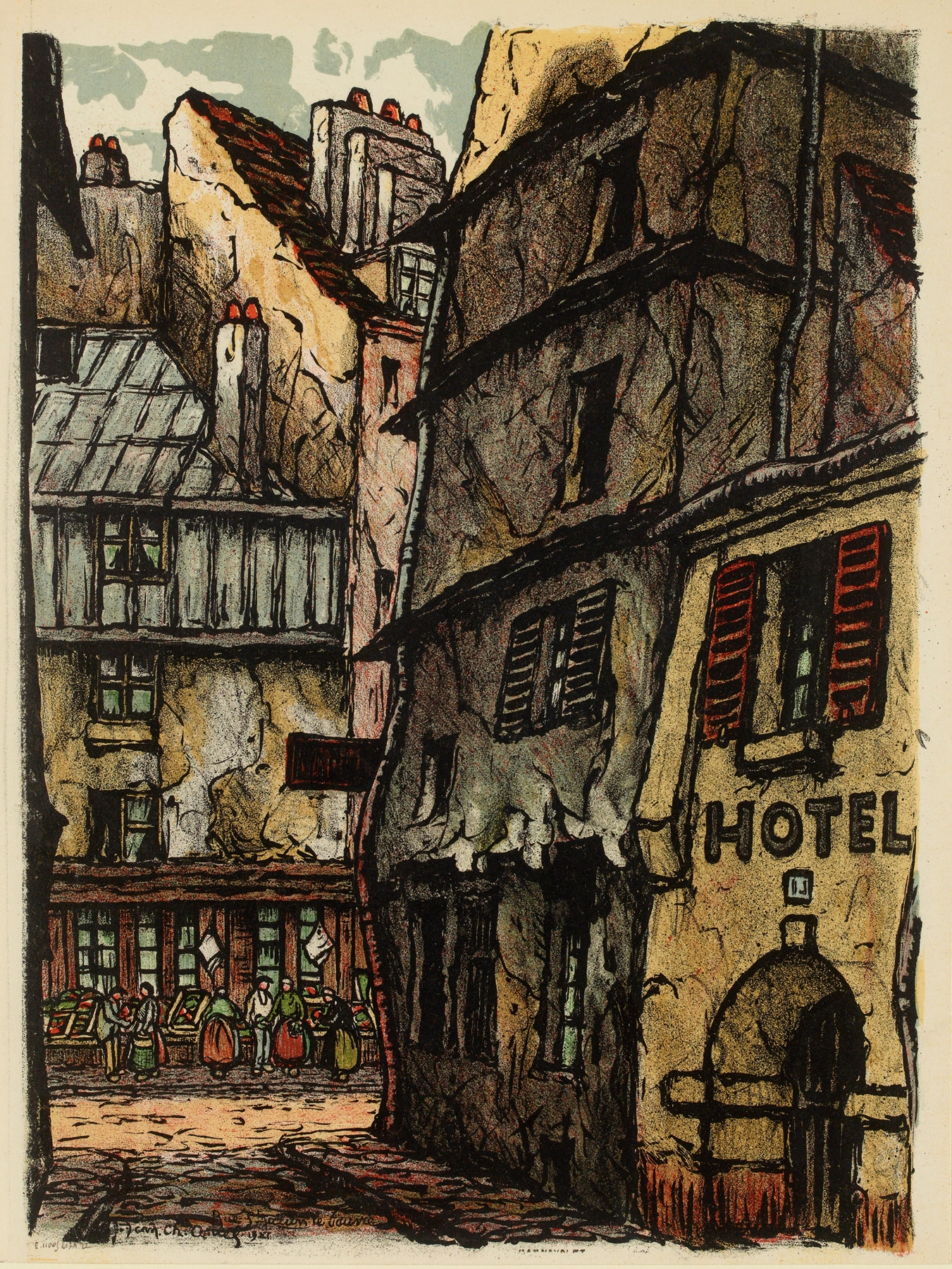
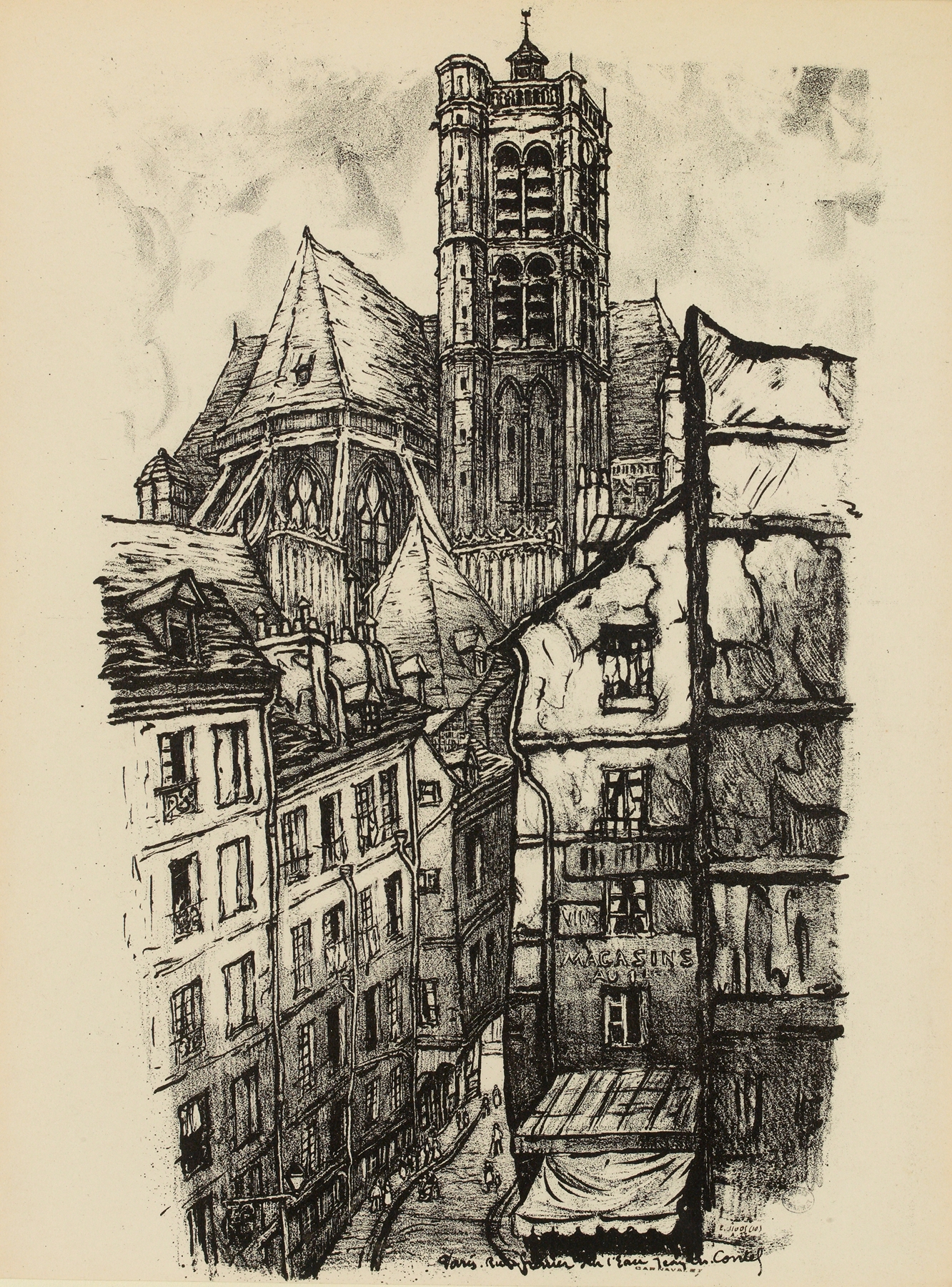
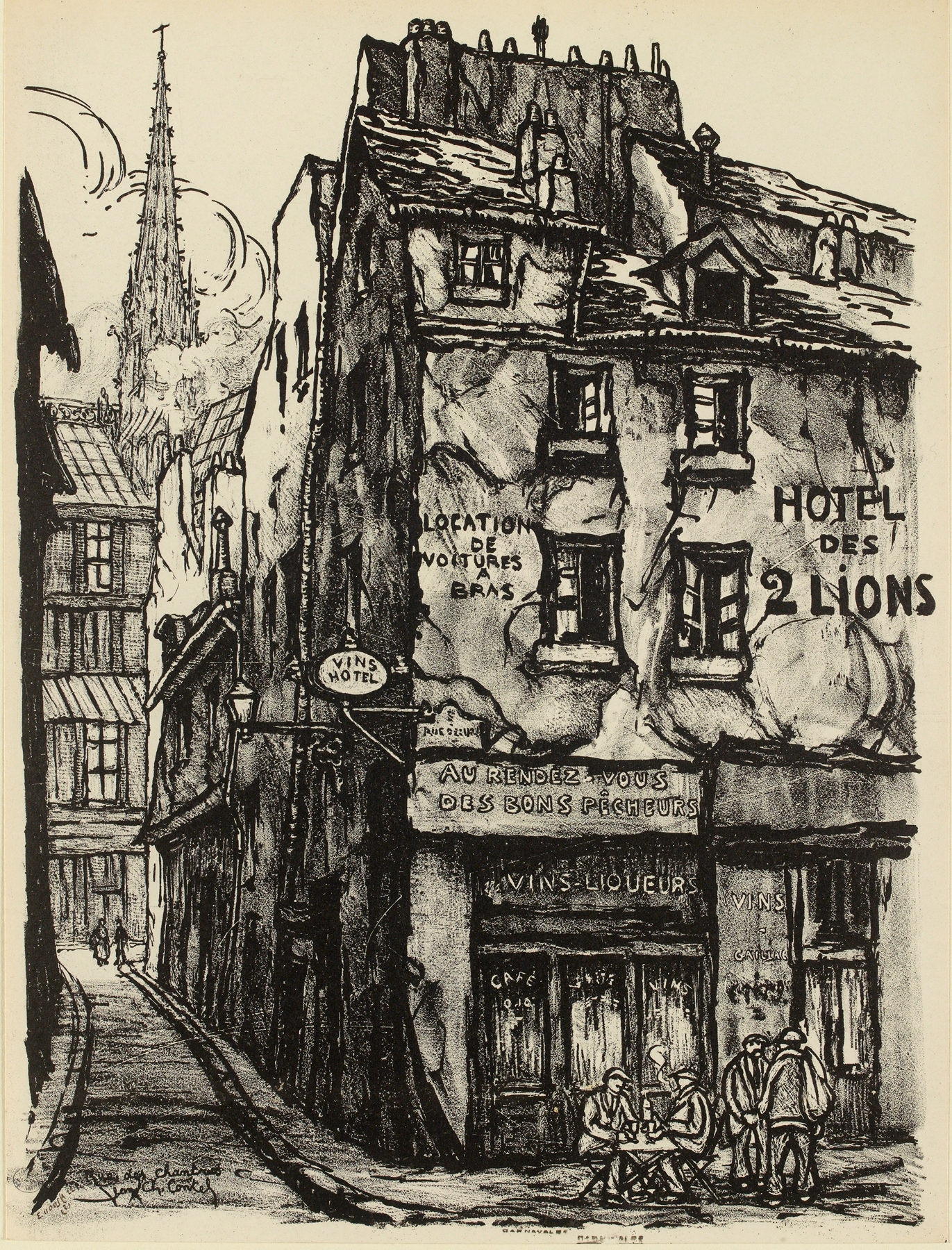
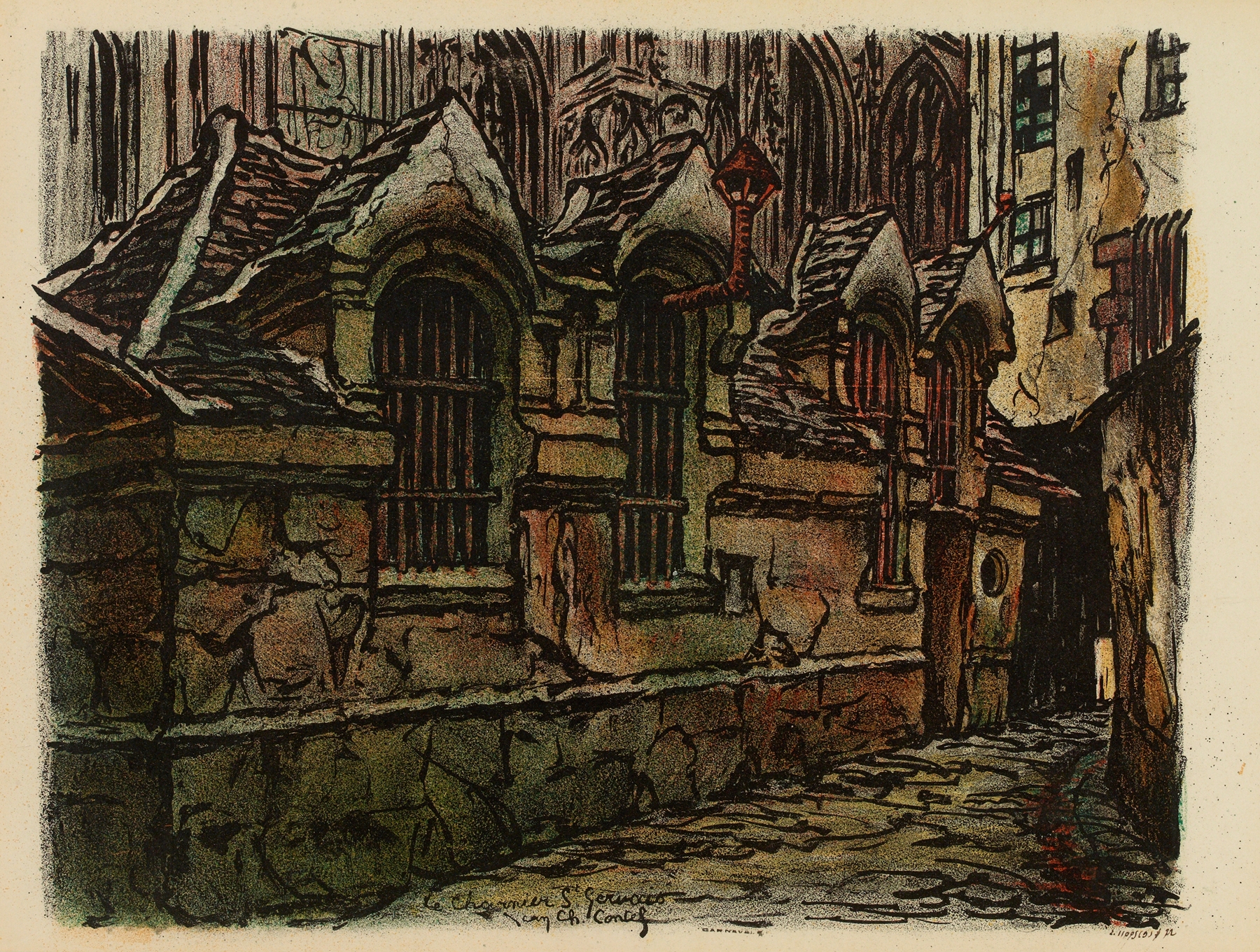
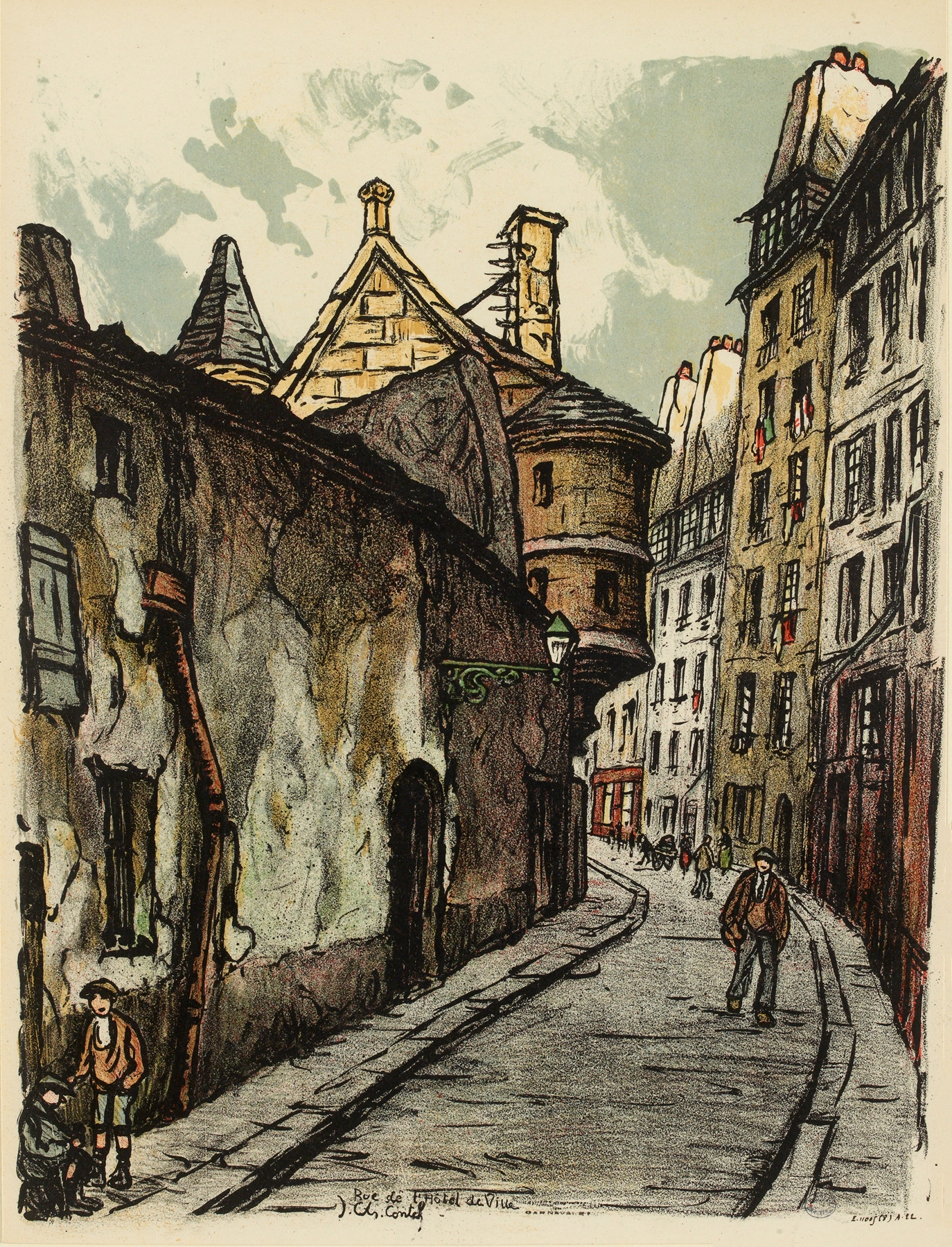
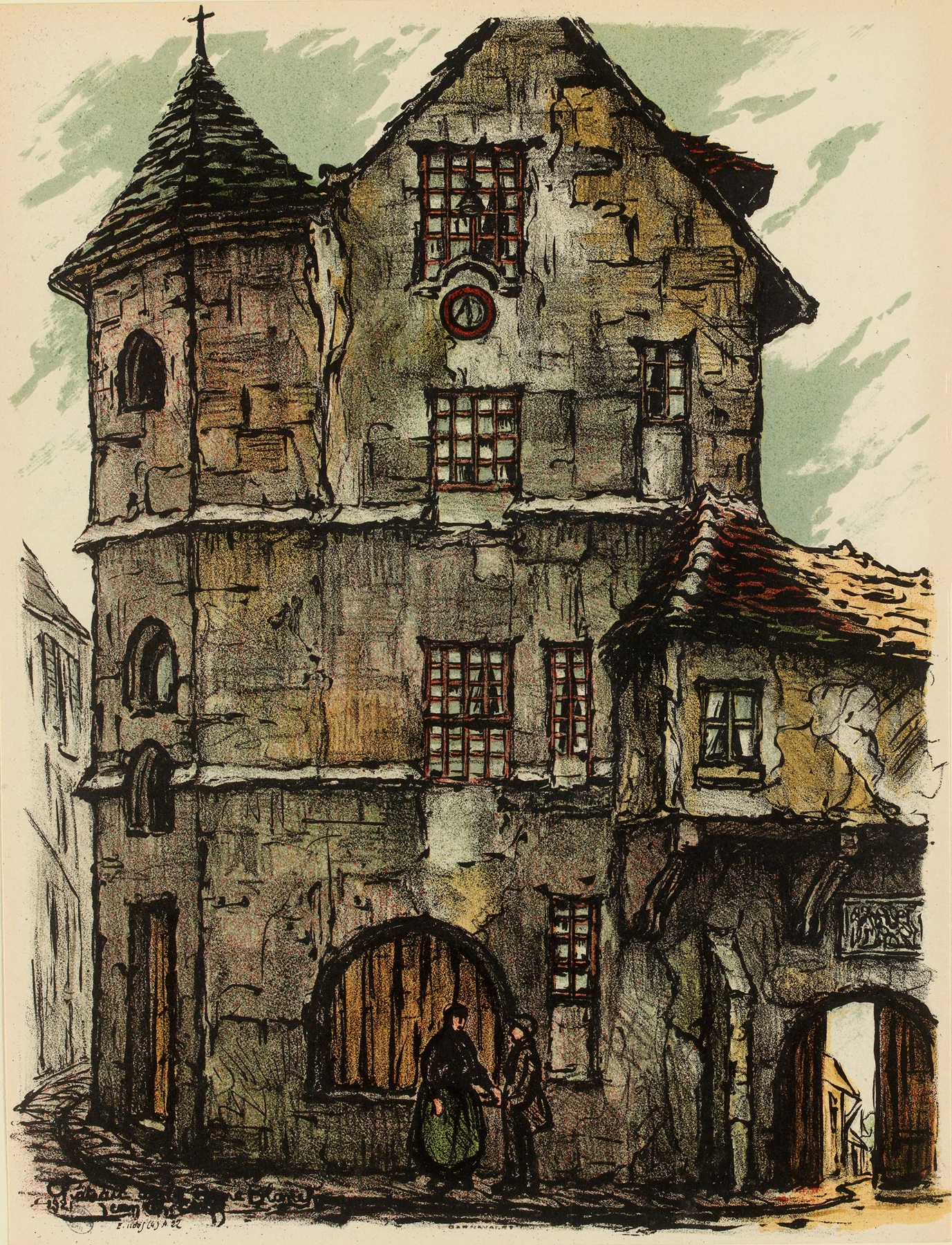
“Between color and silence, truth hides.” This delicate balance evokes the subtle revelations found in the quiet corners of Paris, where ordinary life whispers profound stories. In the midst of the vibrant city, the intangible moments can often reveal more than grand spectacles. Look to the center of the canvas, where a narrow street unfurls under the warm embrace of late afternoon light. The gentle curves of the buildings cradle the scene, their sun-kissed facades adorned with shades of ochre and soft blues.
Notice how the depth of perspective draws the viewer into a world both familiar and enigmatic, while dappled shadows flicker playfully along the cobblestones, hinting at unseen movement and life. In this composition, contrasts abound—the stillness of the street juxtaposed with the implied dynamism of unseen pedestrians. The warm tones of the architecture offer a sense of nostalgia, while the emptiness invites contemplation. Each brushstroke captures a fleeting moment, allowing viewers to immerse themselves in the idea of time suspended, where revelation lies just beneath the surface.
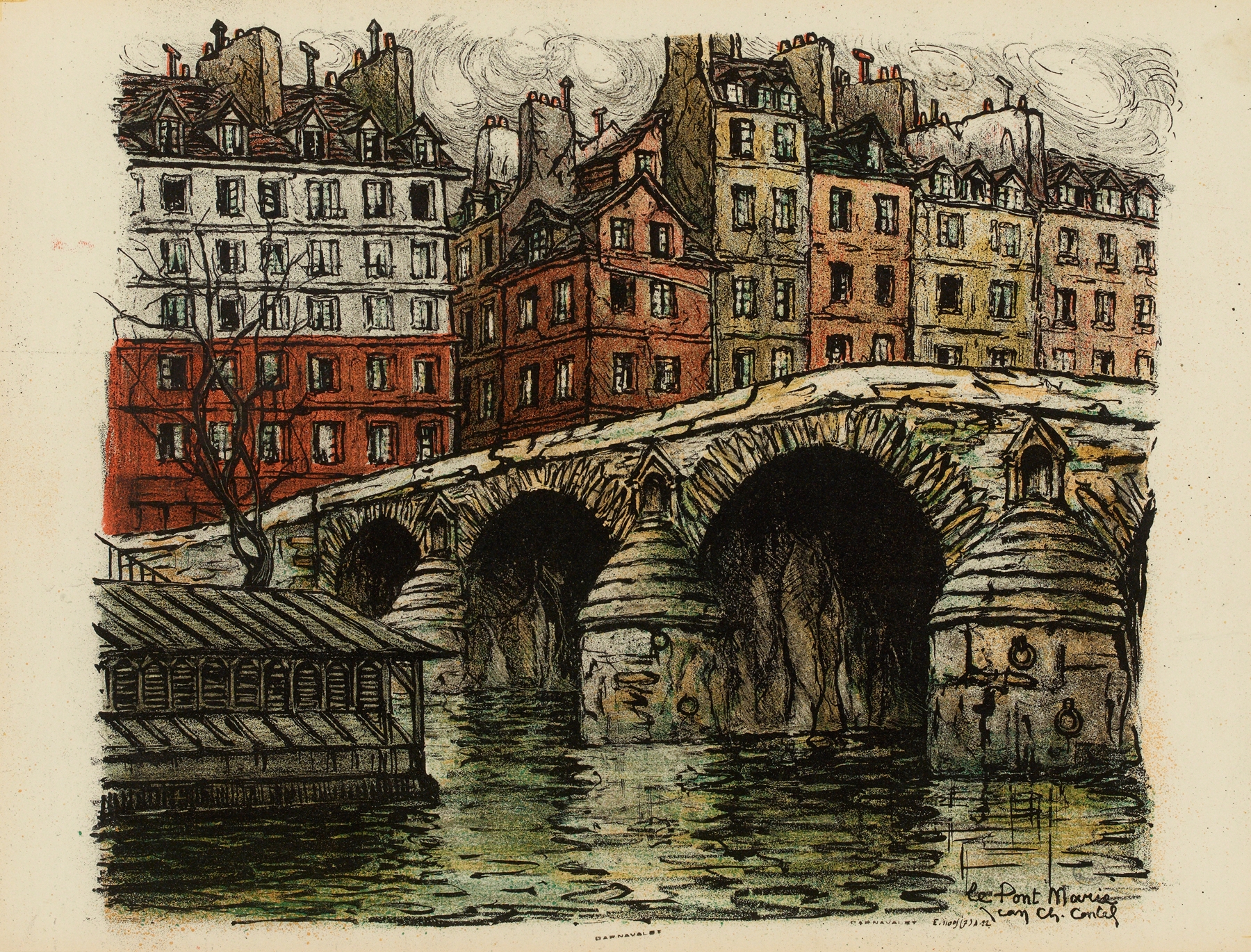
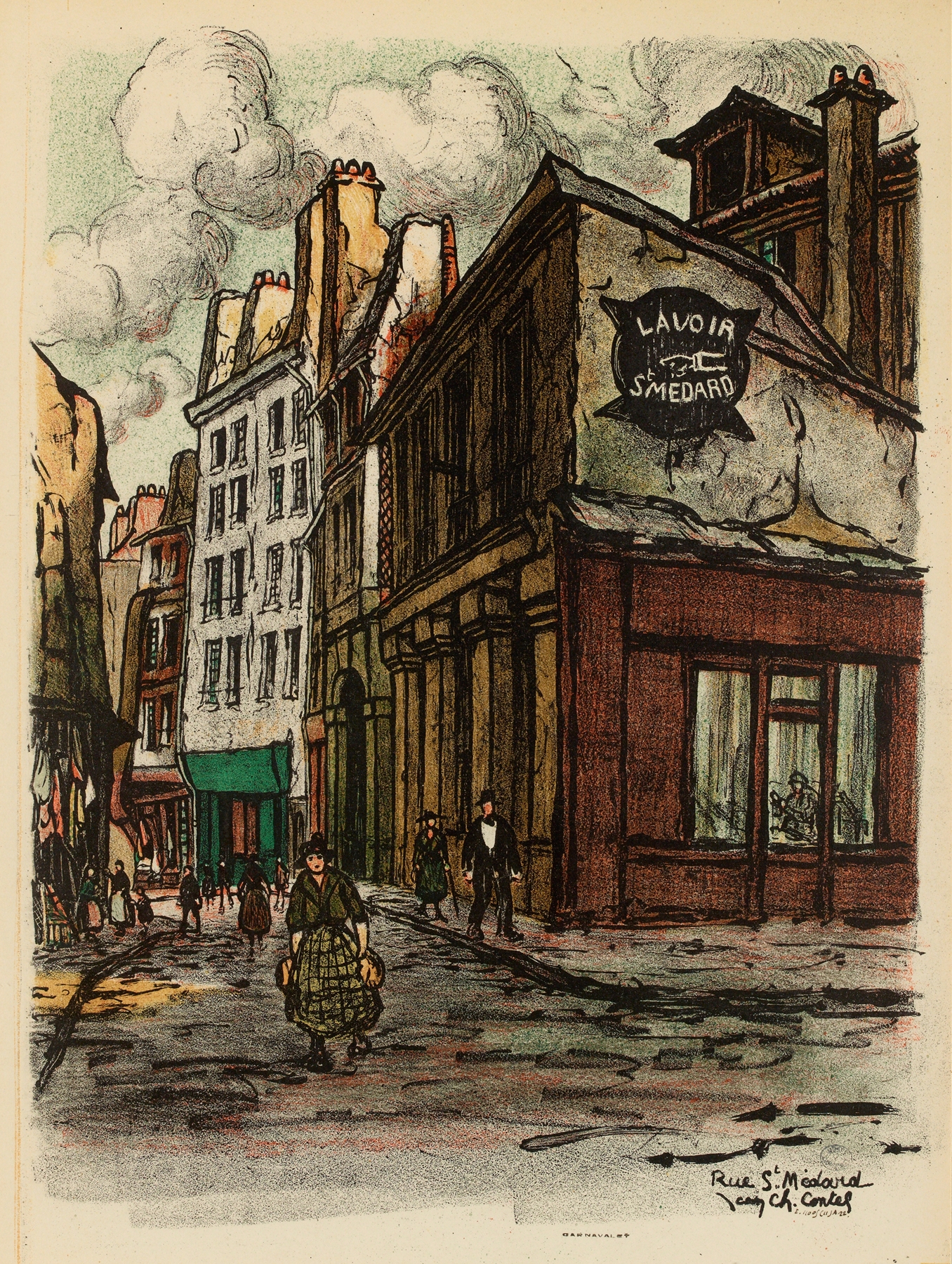
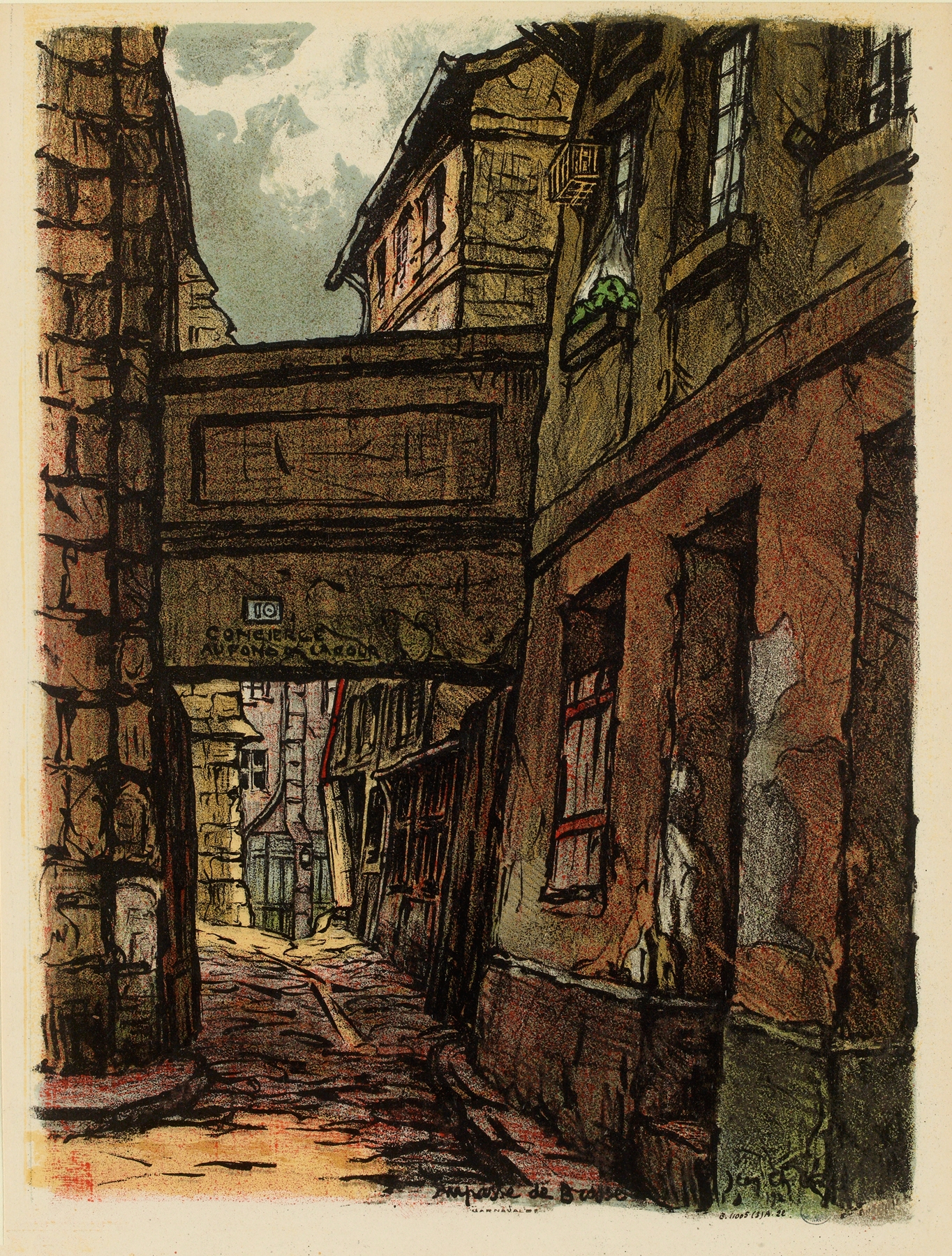
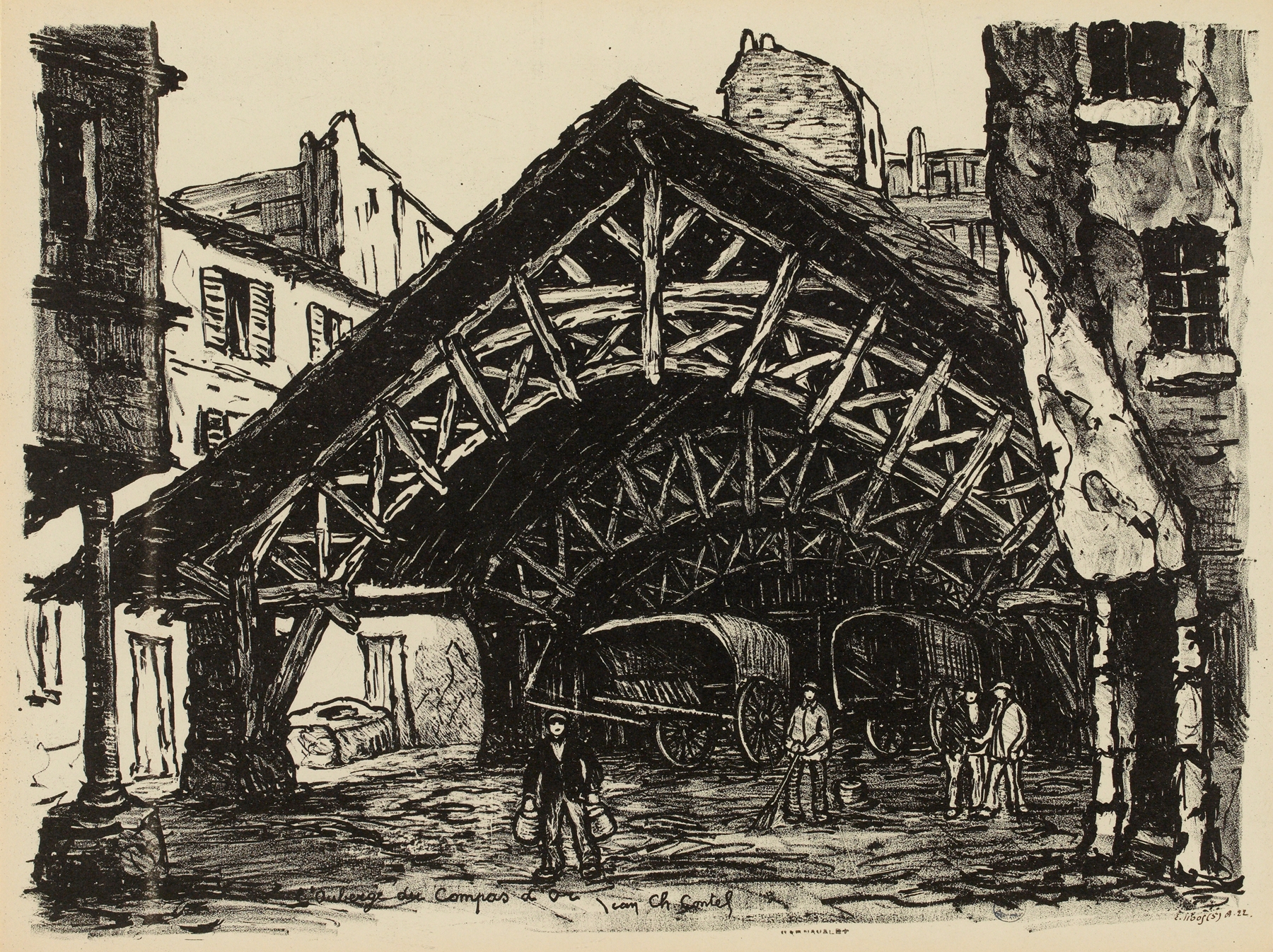
Jean-Charles Contel painted Rue Daubenton in 1921, during a period of post-war reflection in France. The interwar years saw the rise of modernism, and artists like Contel explored everyday life with an introspective lens, capturing the essence of urban existence. Amidst the shifting tides of art, he sought to encapsulate the beauty of the mundane, transforming the ordinary into a poignant narrative.