L’Auberge du Compas d’or — History & Analysis
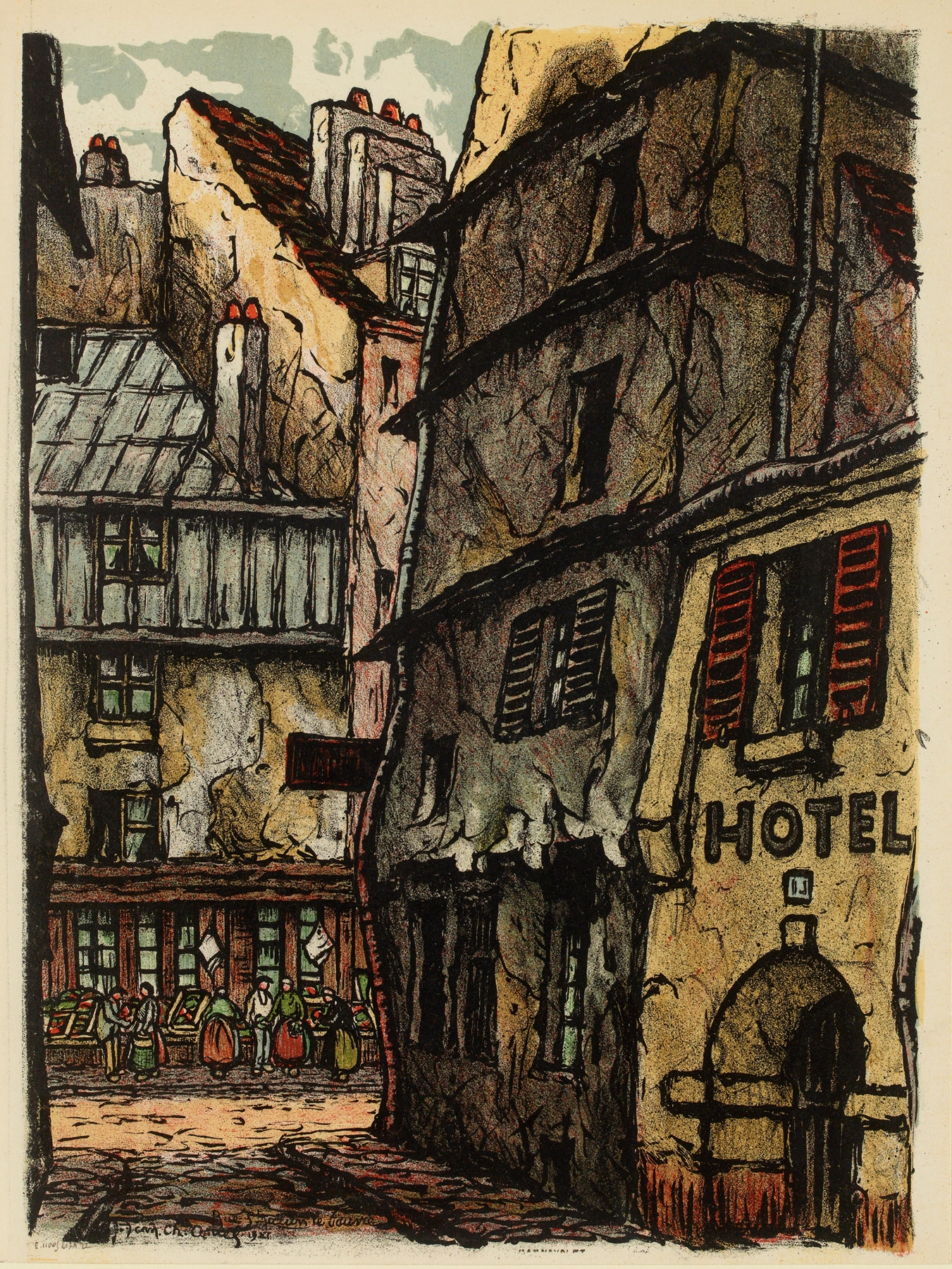
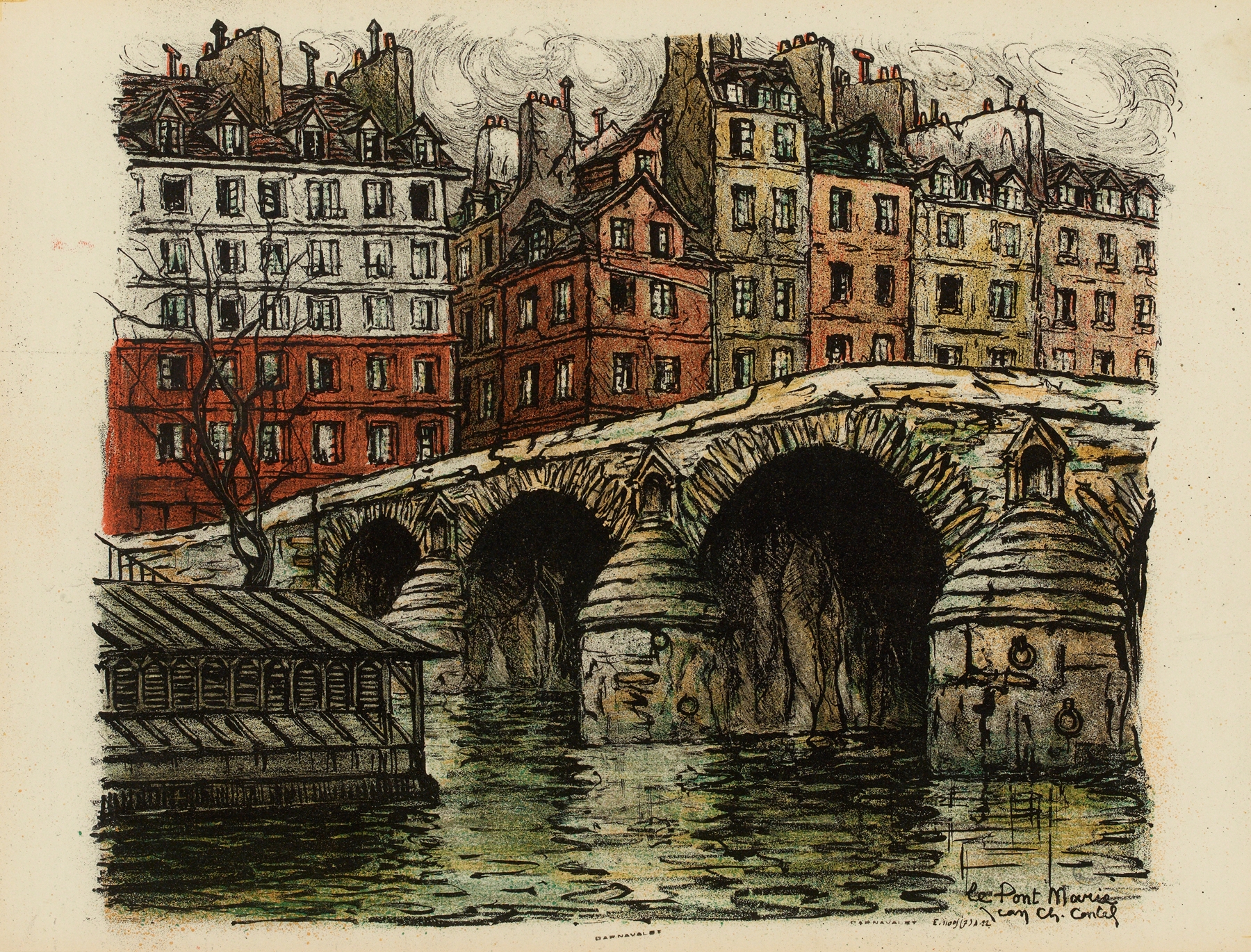
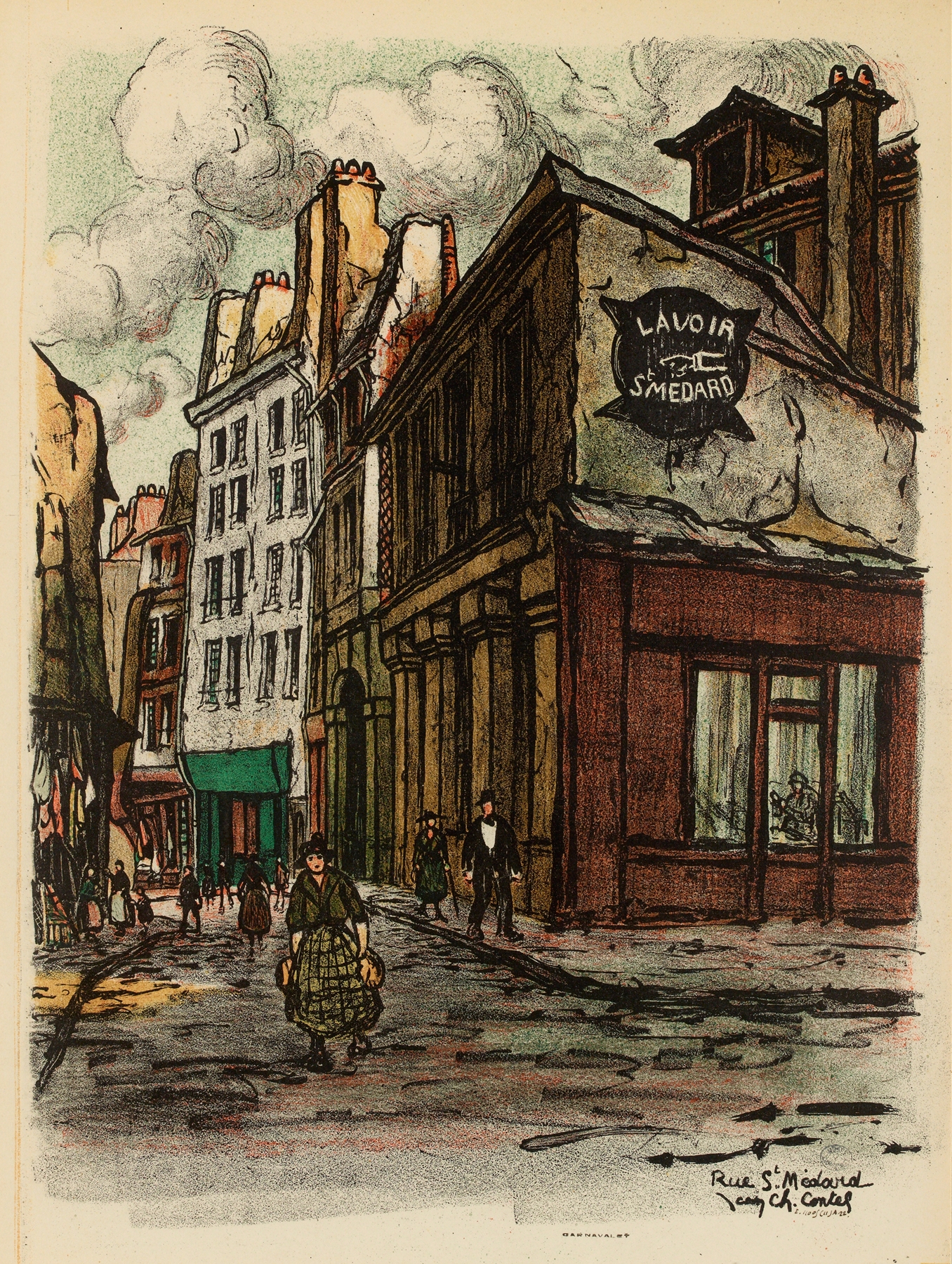
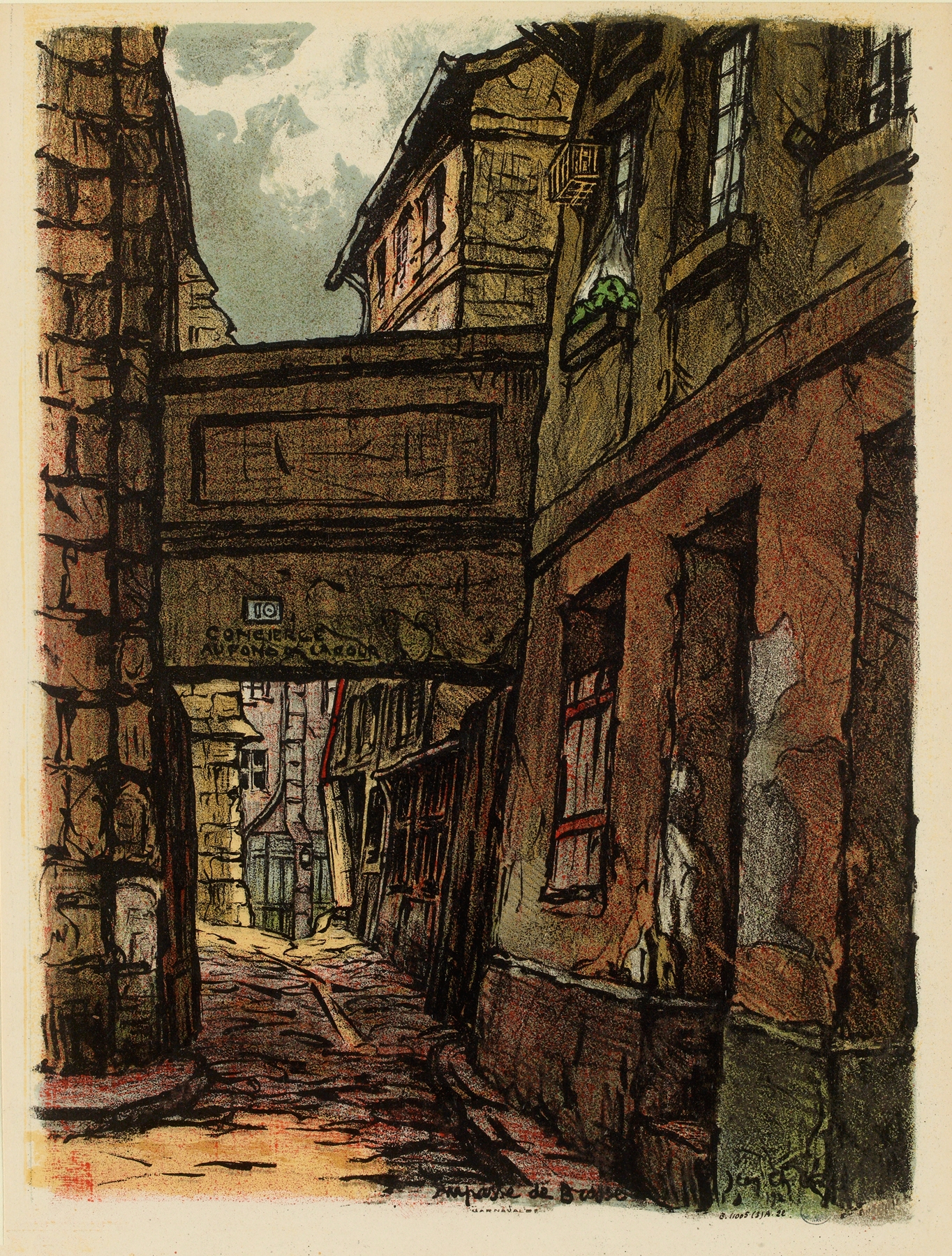
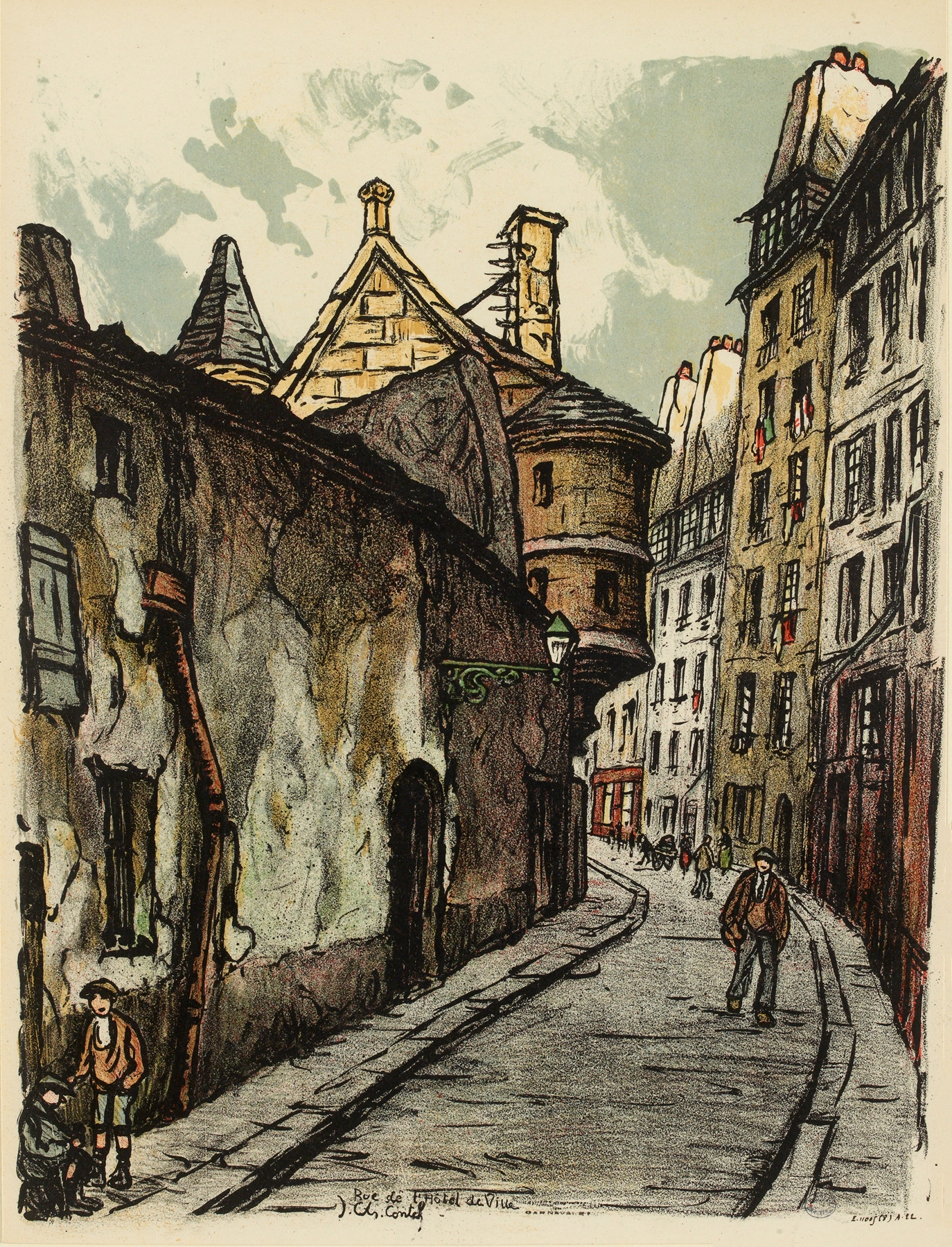
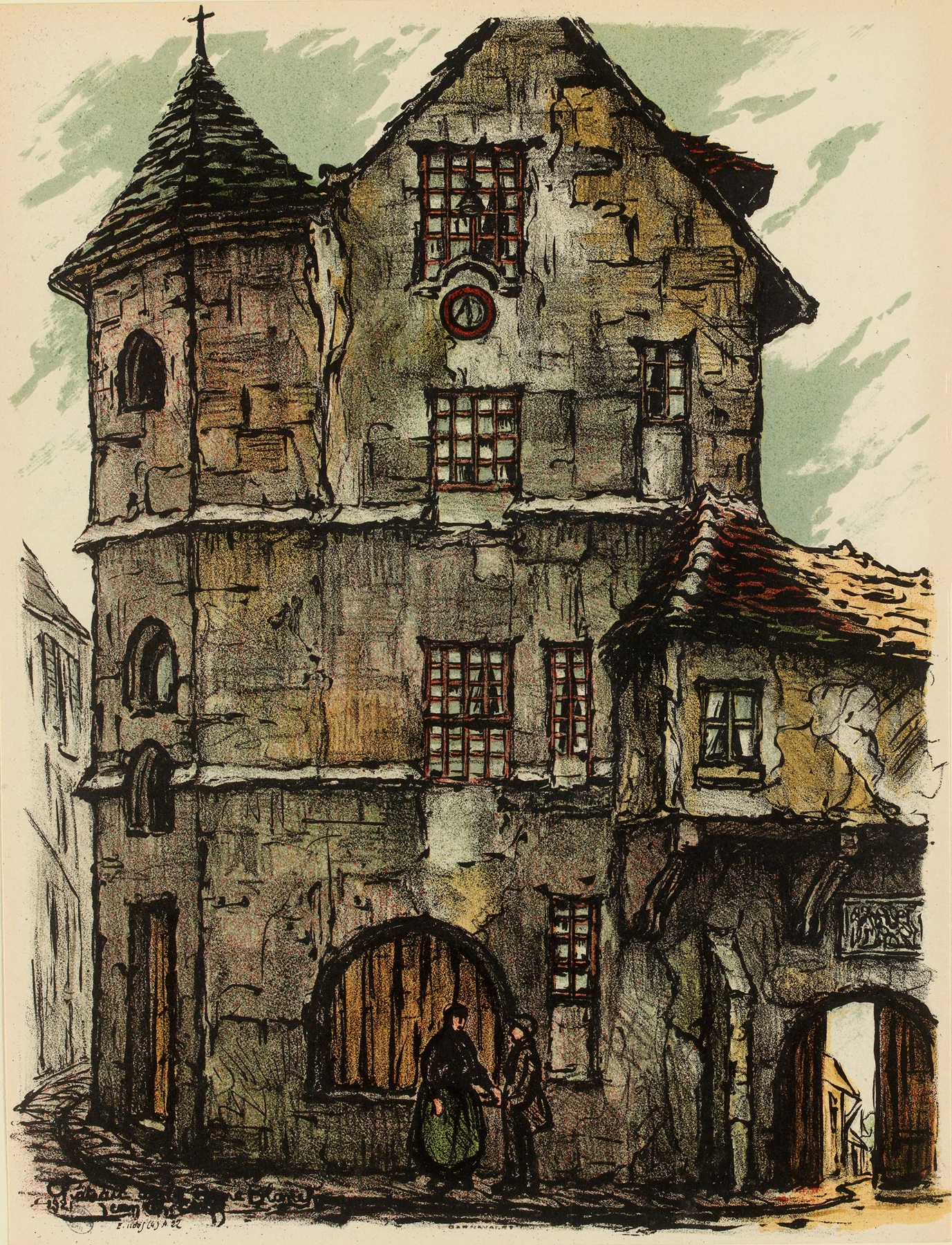
Could a single brushstroke hold eternity? In the quiet embrace of L’Auberge du Compas d’or, time seems to stand still, inviting exploration into a realm where the void meets vibrancy. The painting whispers of lives intertwined within its confines, hinting at stories of joy, sorrow, and the passage of moments that echo in the stillness. Look to the center where a warm glow bathes an inviting tavern, its rustic charm beckoning the viewer closer.
Notice how the interplay of light dances across the textured surfaces, highlighting the wooden beams and soft fabric of the patrons’ attire. The palette is rich yet subdued, with earthy tones grounding the scene, while splashes of gold evoke the warmth of companionship and laughter that likely filled the air during the lively gatherings of its visitors. Within this tranquil setting lies a poignant contrast between the bustling life once lived here and the eerie silence that now prevails. The empty chairs speak of absence, a void that lingers in the space once brimming with camaraderie.
Each detail—a flickering candle, a forgotten drink—serves as both a celebration and a lament, reflecting on the fleeting nature of human connection and the shadows it leaves behind. In 1921, amid the post-World War I landscape, the artist found himself navigating a world marked by loss and renewal. Working in France, Contel sought to capture the essence of everyday life, drawing inspiration from both his surroundings and the emotional currents of the era. His brush danced across the canvas, creating a vivid testament to the resilience of the human spirit even when confronted with the void.