Le pont-Marie — History & Analysis
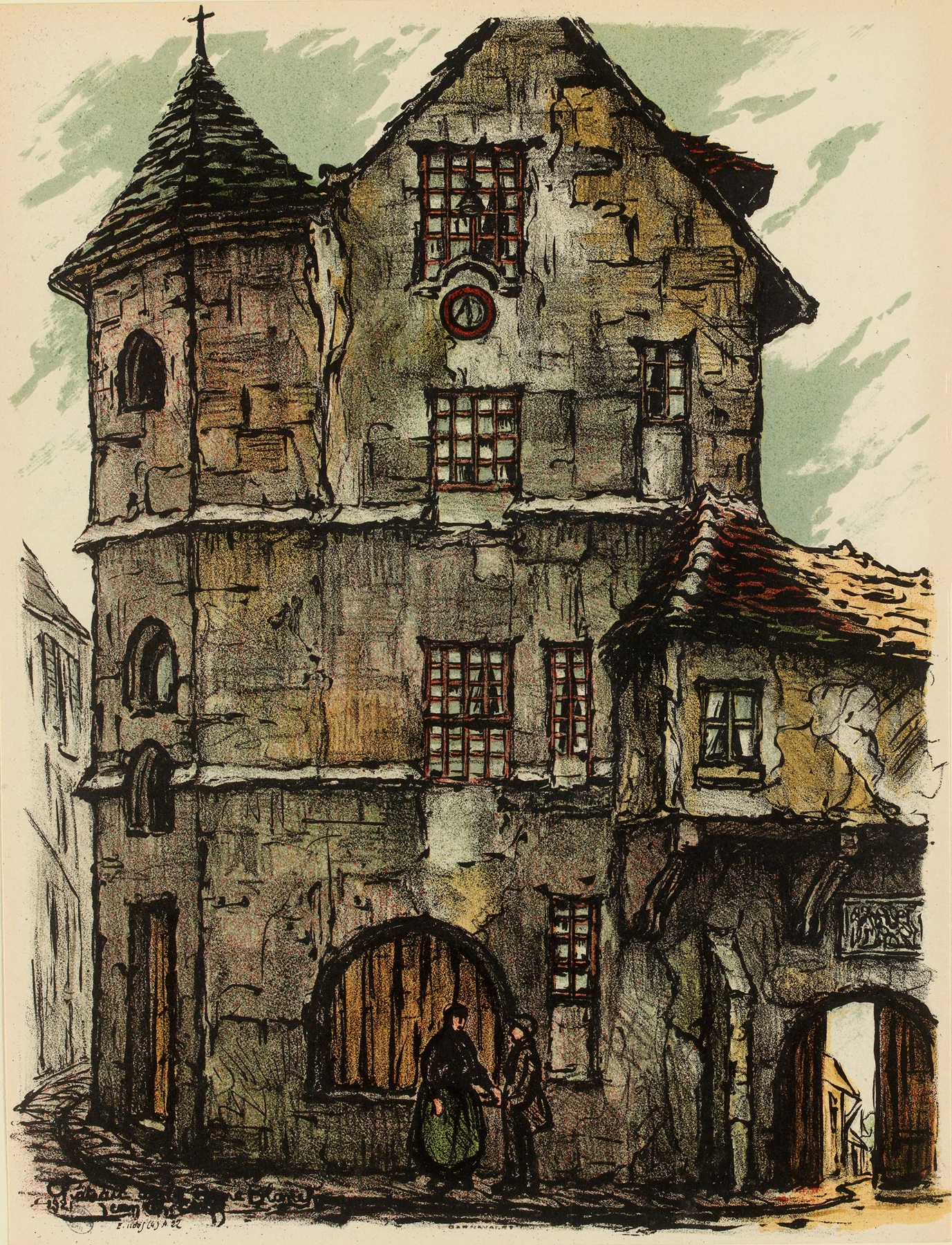
Where does light end, and longing begin? In the world of Le pont-Marie, this question hangs palpably in the air, inviting us to explore the delicate balance between destiny and desire. Focus on the luminous water reflecting the hues of the twilight sky, drawing your gaze towards the serene arch of the bridge. The soft blues and warm golds intermingle, creating a dreamlike palette that envelops the viewer.
Notice how the brushstrokes convey both fluidity and solidity, inviting you to traverse the scene yet anchoring you in its stillness. The figures positioned along the riverbank seem small against the vast backdrop, embodying a quiet connection to the expansive beauty of their surroundings. The juxtaposition of the bridge and the flowing water suggests a tension between permanence and transience. Each figure appears lost in contemplation, hinting at their individual stories, dreams, and destinies intertwined with the ever-shifting currents.
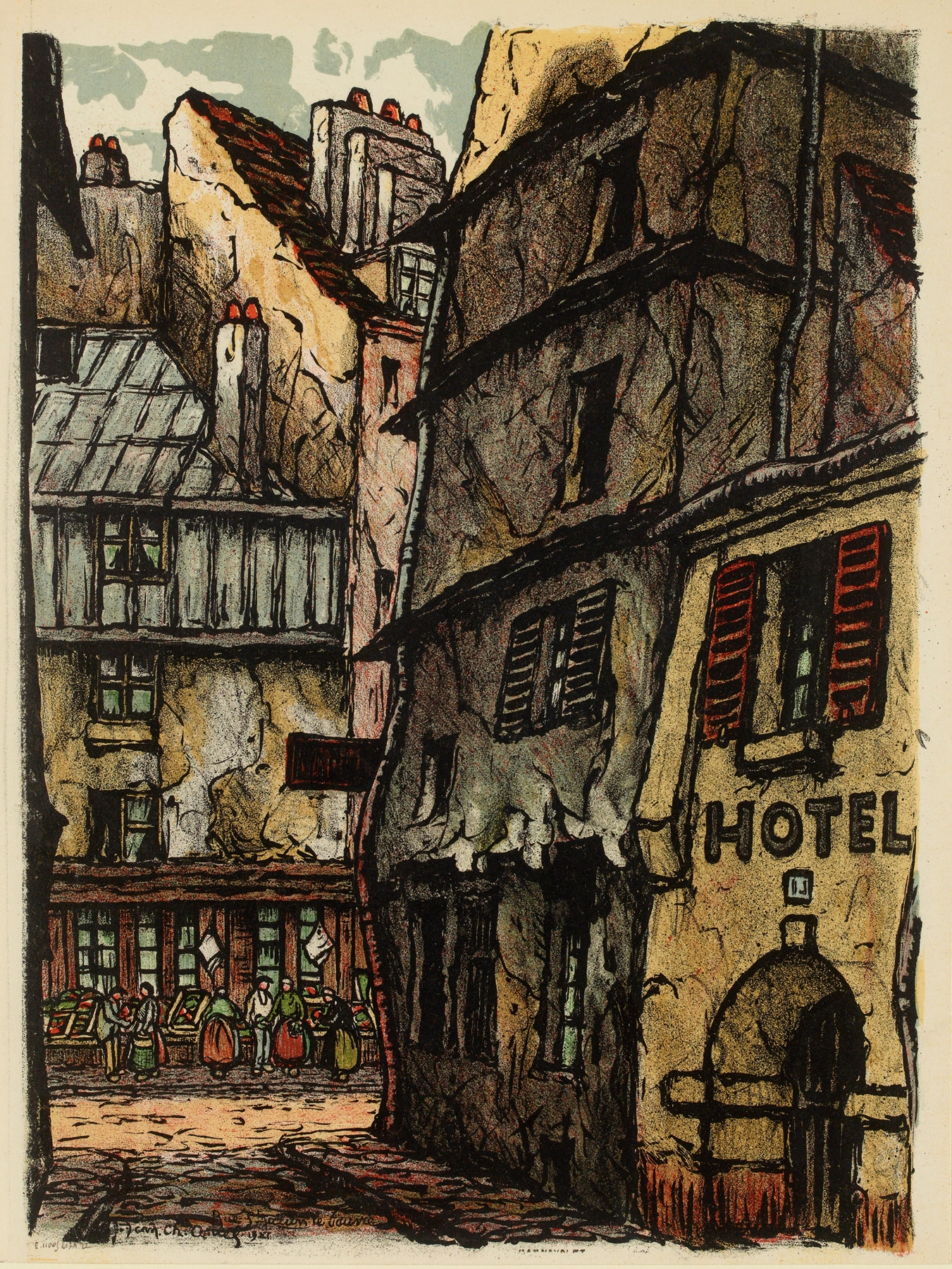
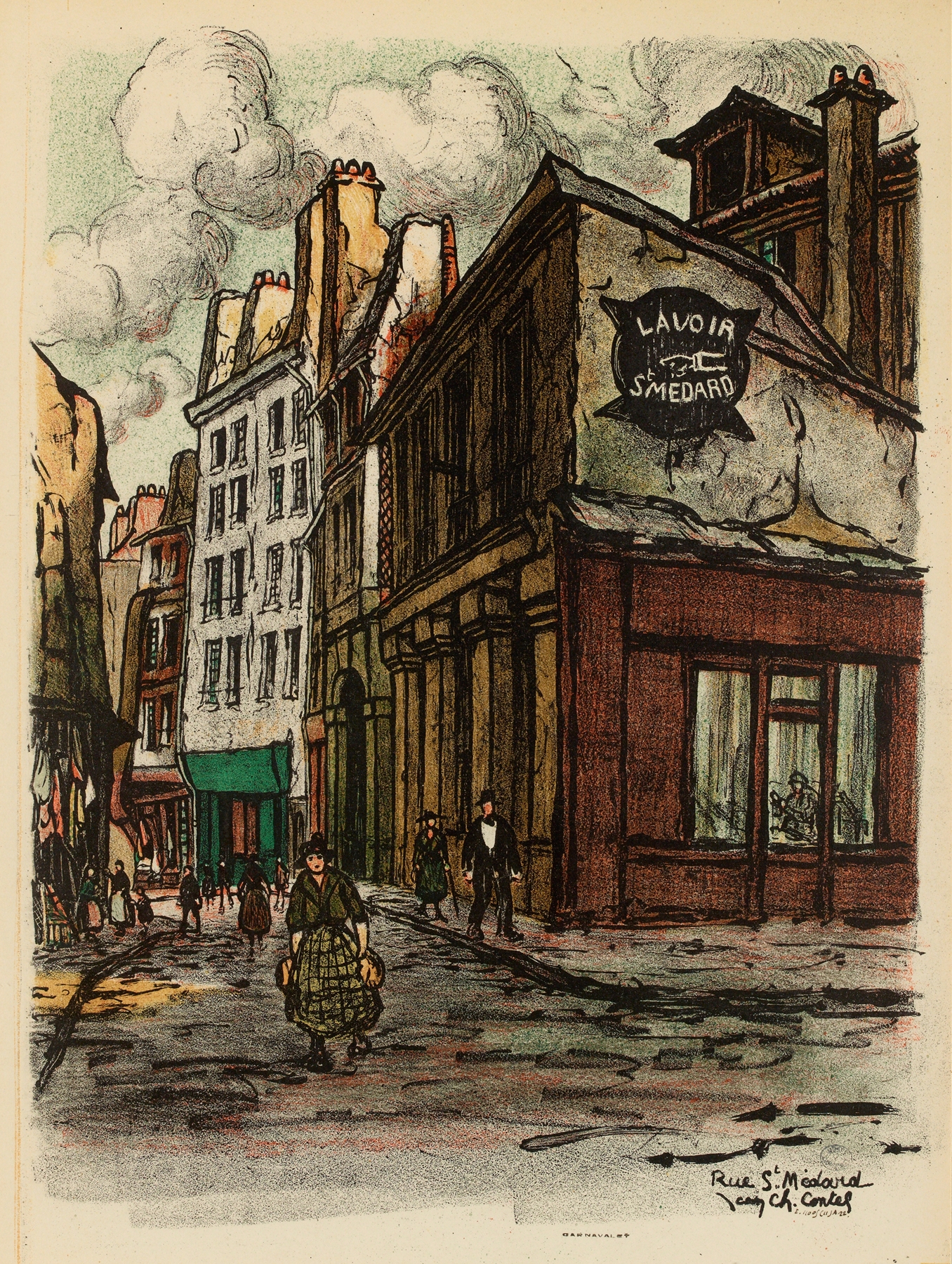
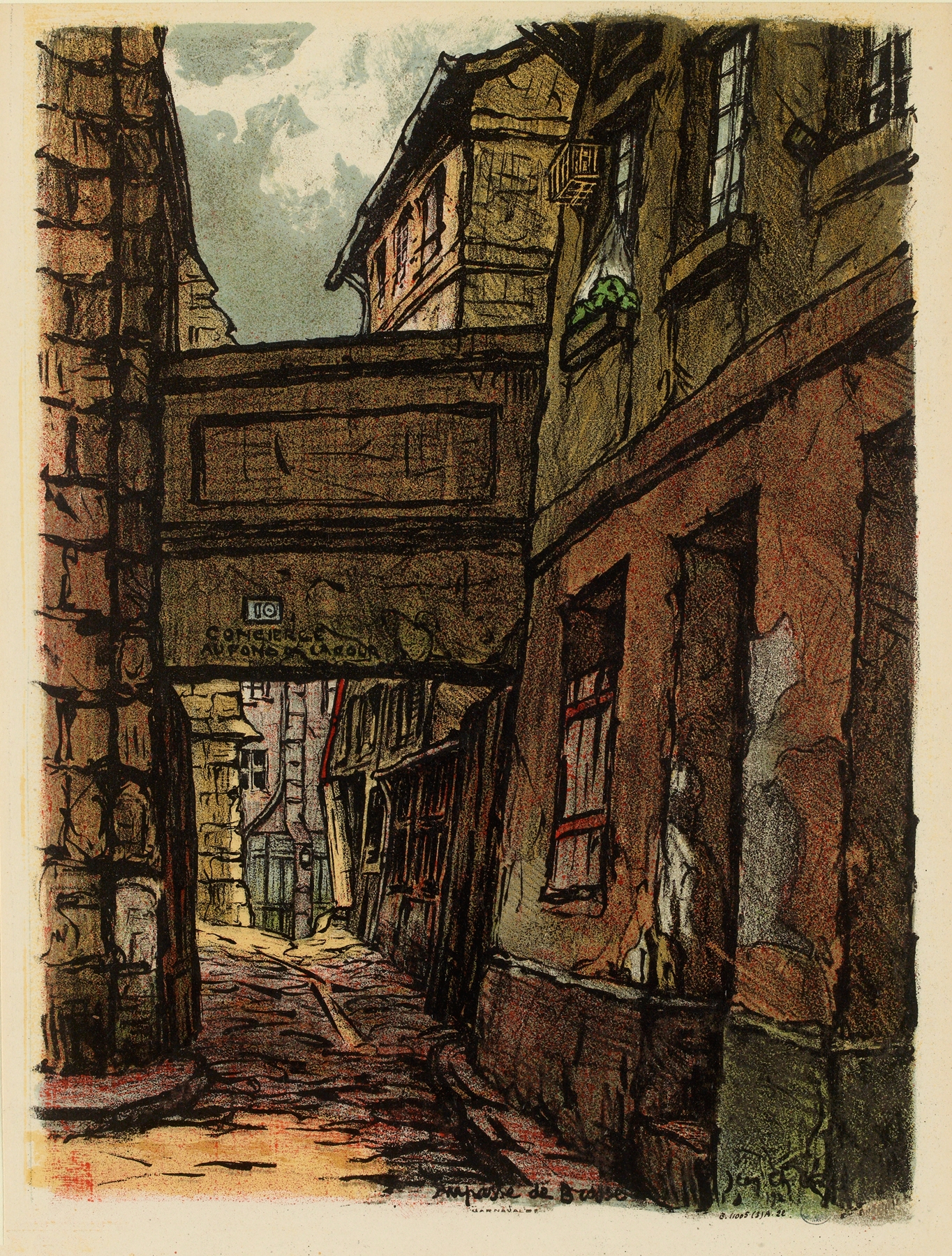
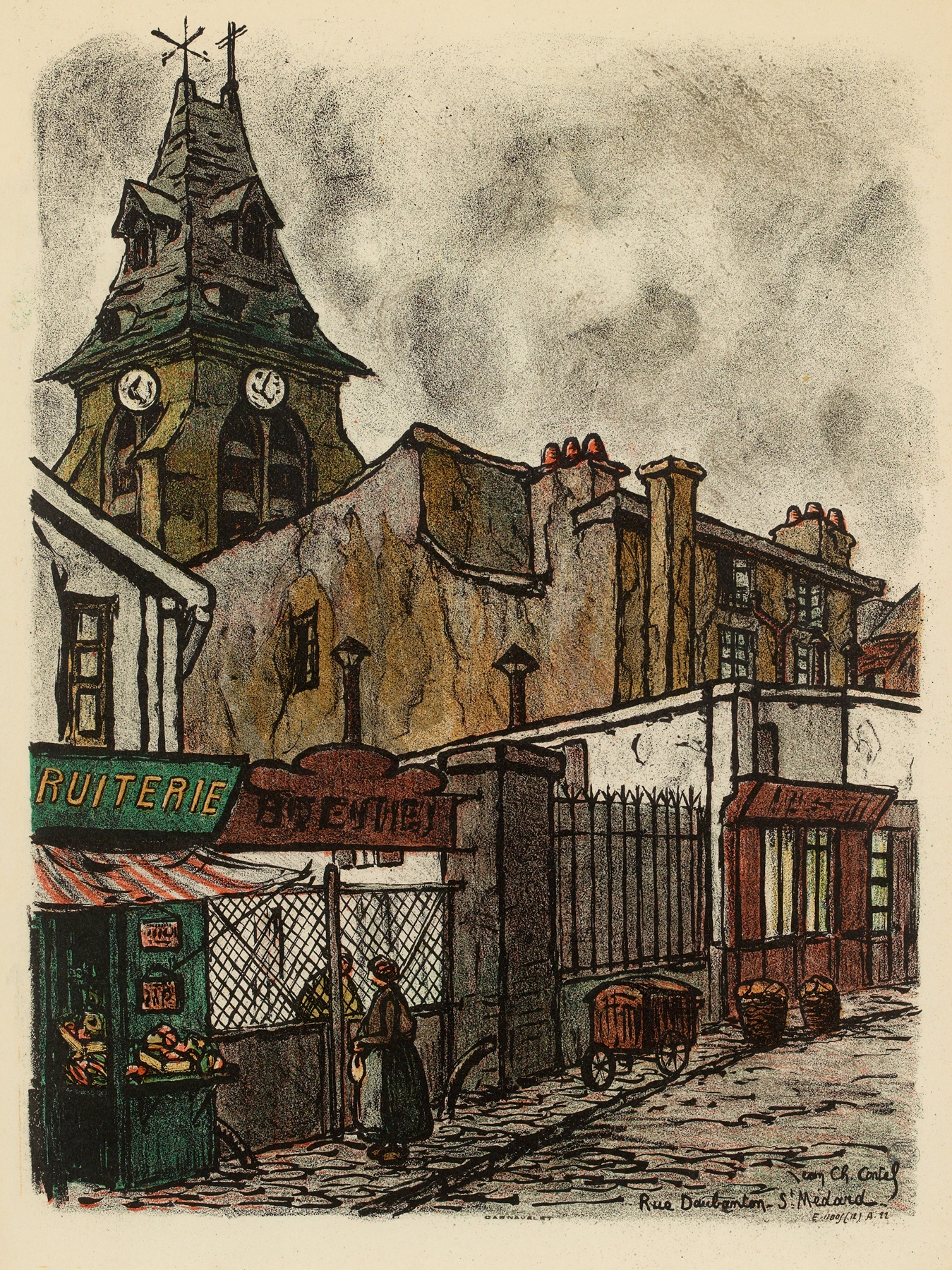
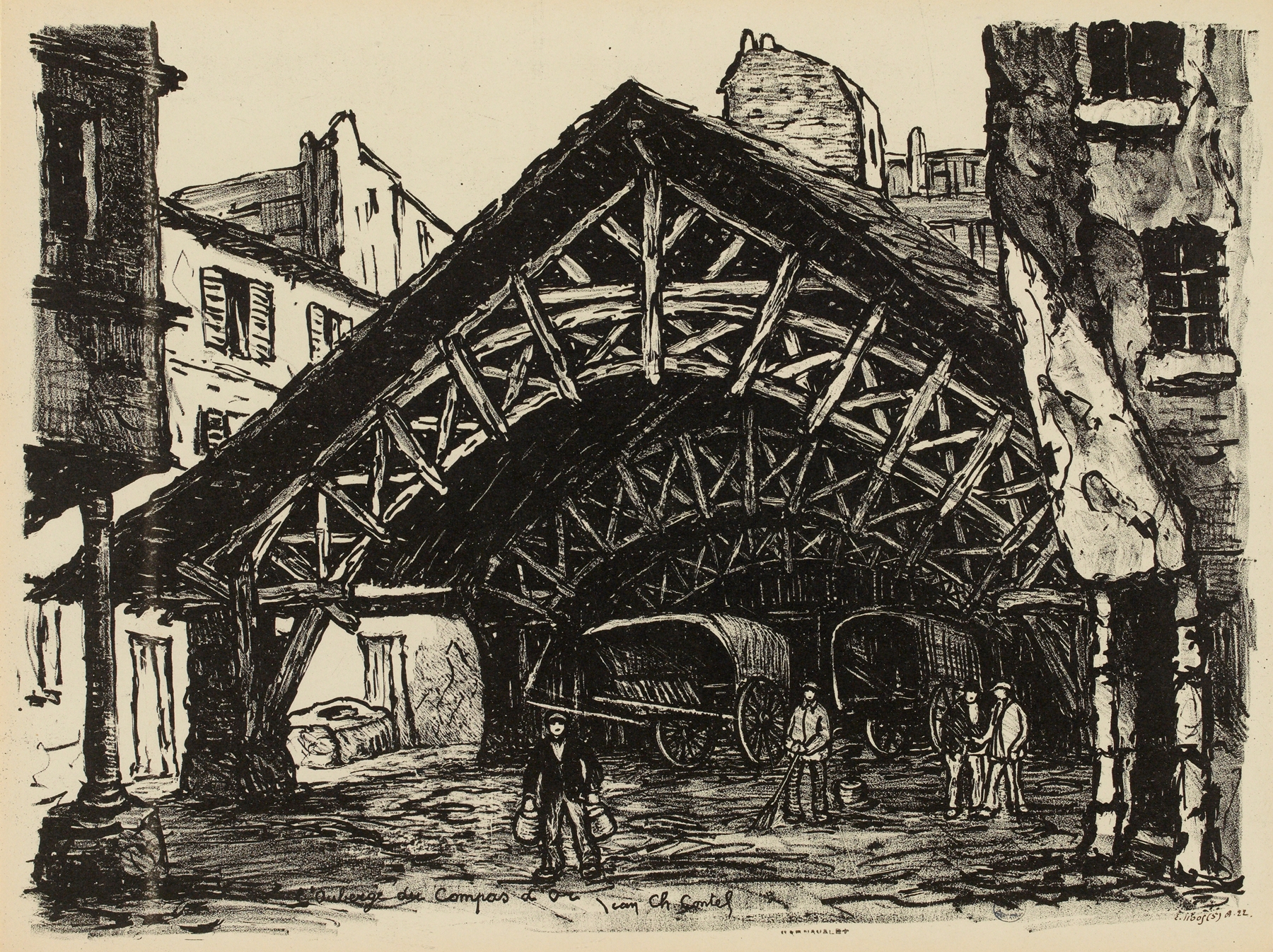
The interplay of light symbolizes hope, while shadows imbue a sense of introspection, reminding us of the duality of human experience — the yearning for connection amidst the passage of time. Created in 1921, Le pont-Marie reflects Jean-Charles Contel's exploration of urban landscapes during a period marked by post-war introspection and a search for identity in art. Living in Paris, Contel was influenced by the evolving artistic movements of his time, seeking to capture the essence of modern life within serene, yet emotionally charged scenes. This work encapsulates a moment of reflection amidst the bustling energy of the city, revealing a profound connection to place and self.