Château Noir — History & Analysis
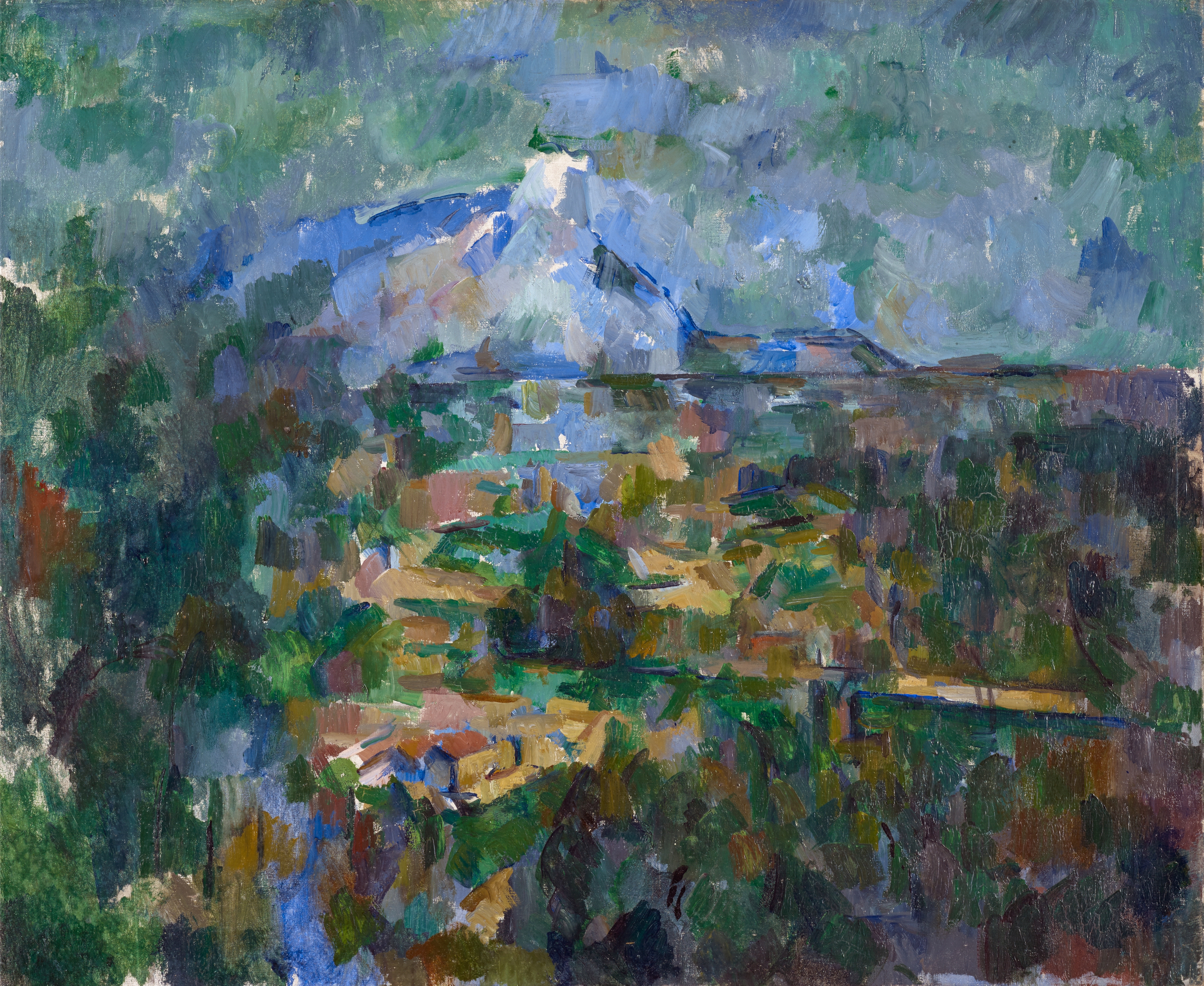
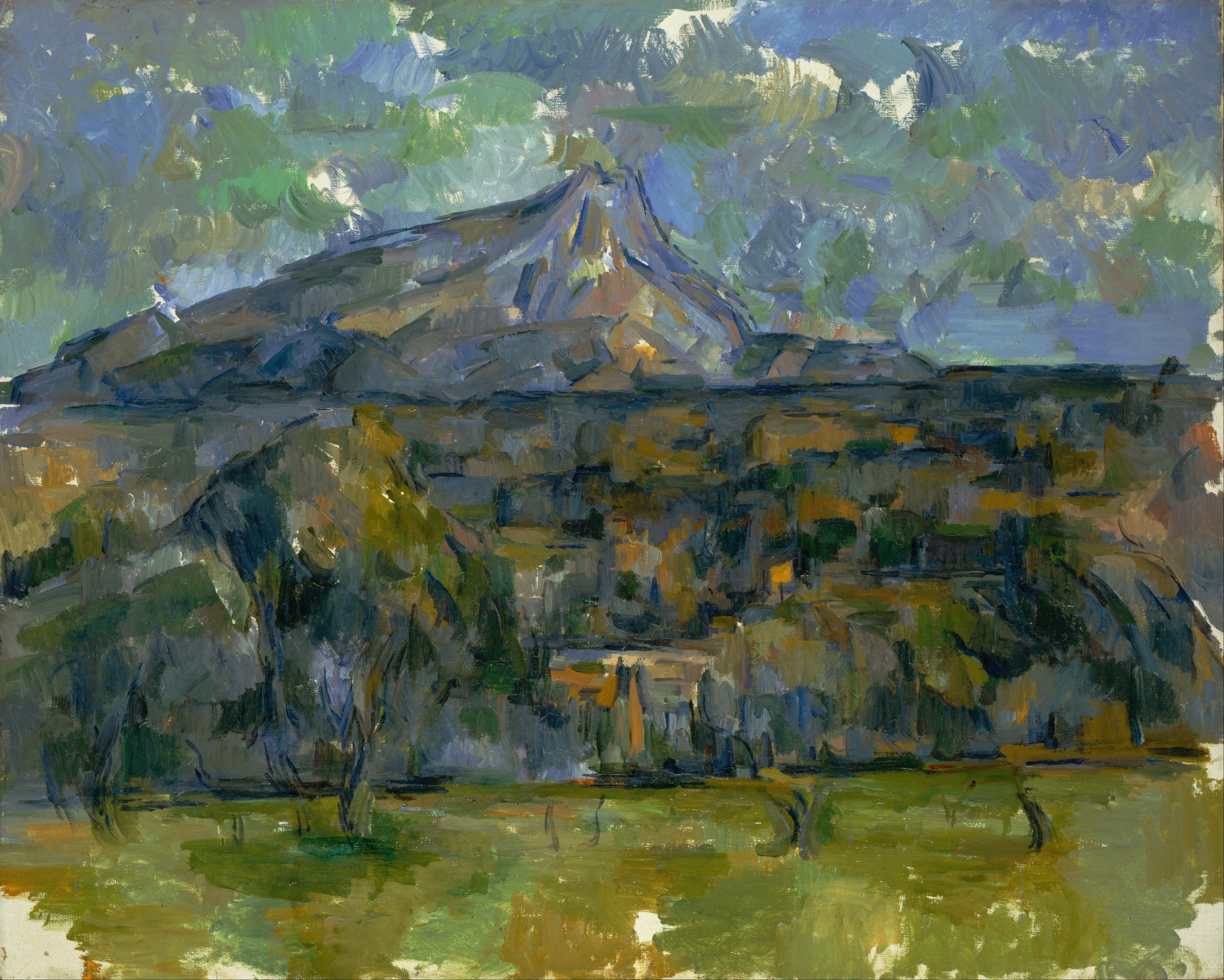
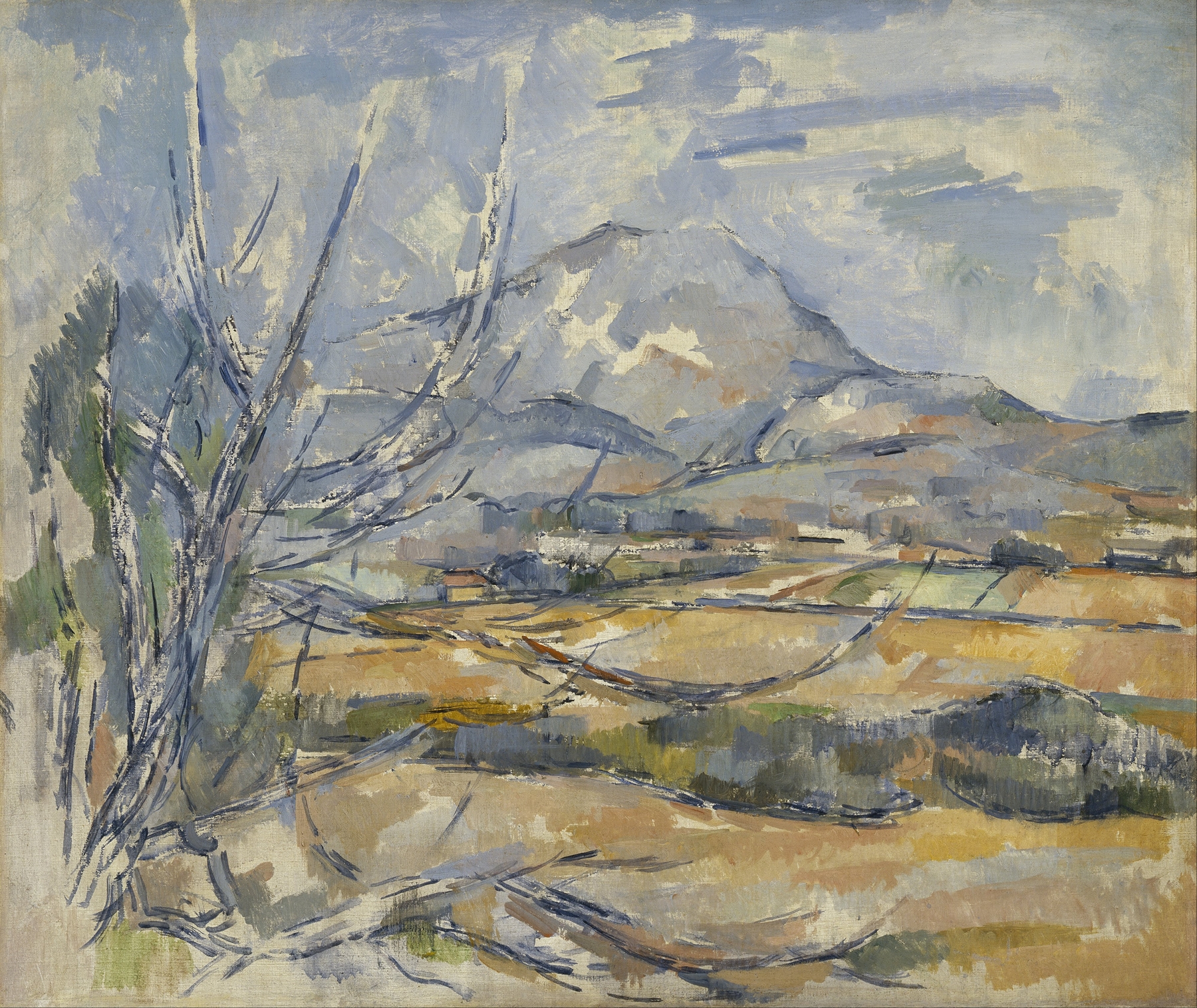
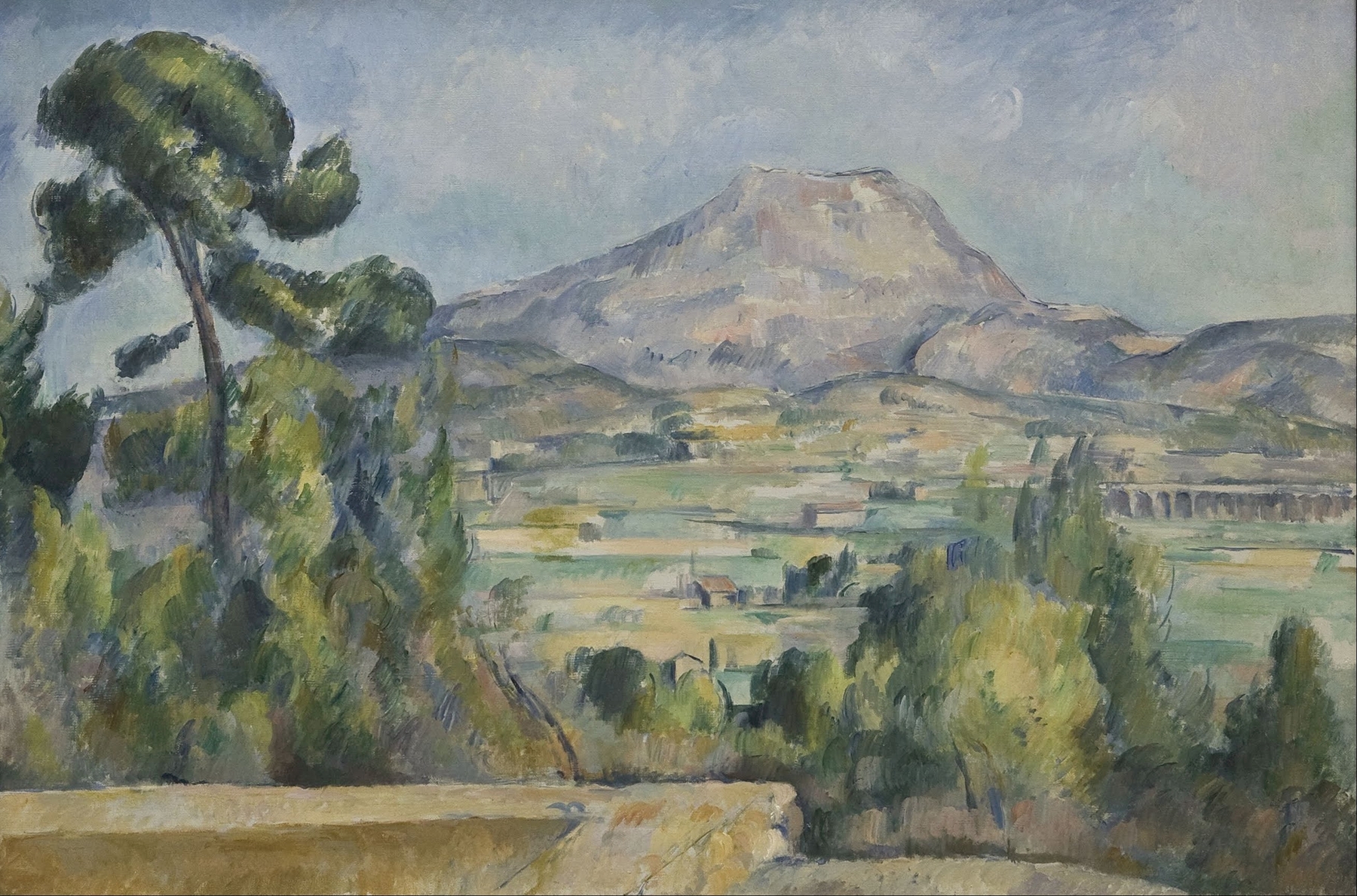
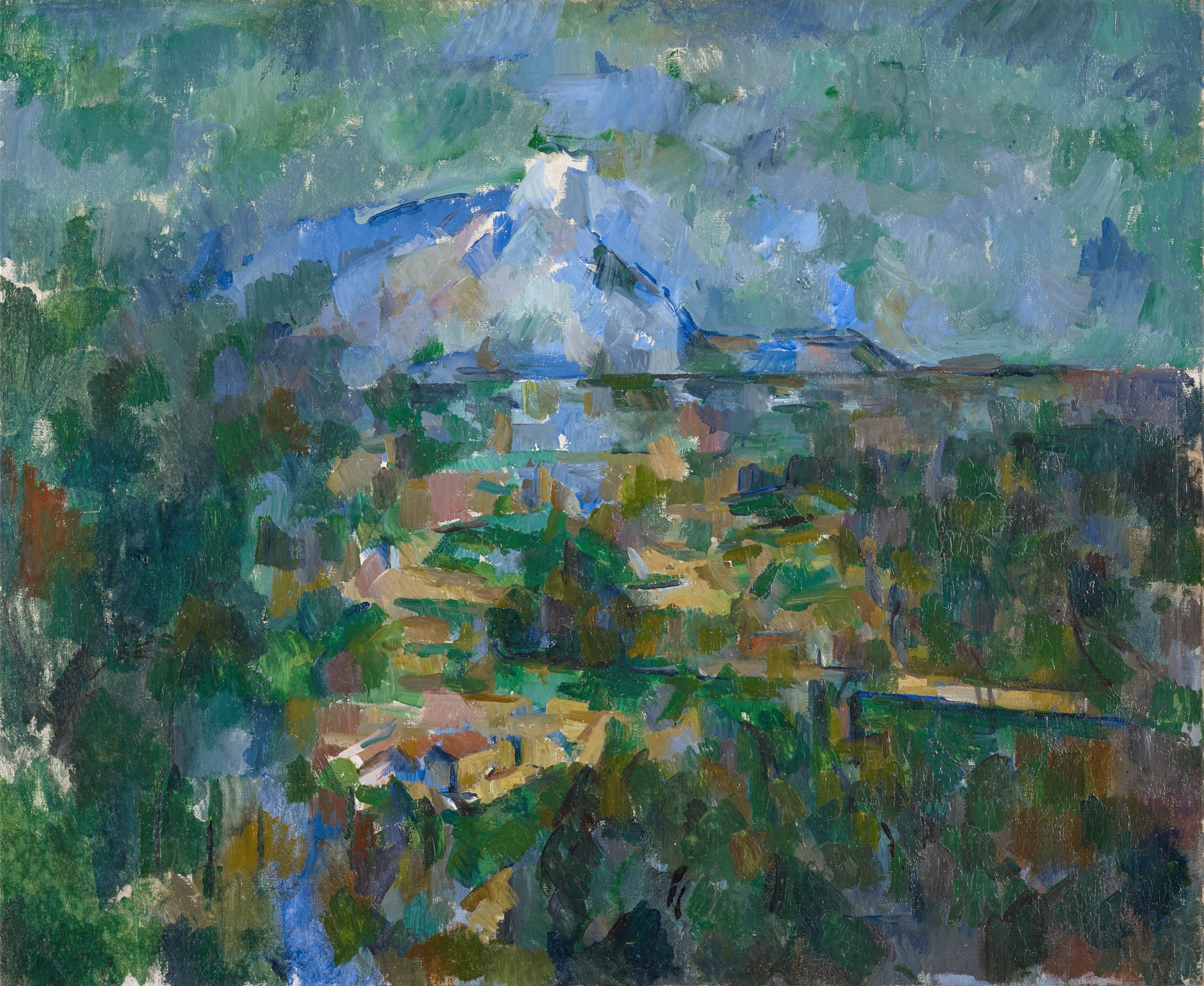
What secret hides in the quiet of the canvas? In Château Noir, the stillness invites us into a dreamlike realm, where reality bends and softens under the weight of emotion. Look to the left at the imposing silhouette of the chateau, its deep browns and muted greens contrasting poignantly against the lighter shades that define the surrounding landscape. The brushstrokes, thick yet delicate, create a sense of texture that draws the eye across the canvas, as if we are traversing the very hills and valleys Cézanne painted.
The interplay of light dances across the scene, illuminating the foreground while casting shadows that whisper of solitude and contemplation. This work evokes a rich tapestry of feelings, from isolation to yearning. The rigid structure of the chateau looms above the softer, more organic forms of the trees and hills, symbolizing the tension between manmade order and nature's chaos. The ethereal quality of the colors—blues, greens, and browns—merges the physical and the emotional, inviting the viewer to ponder the hidden stories of the landscape that unfolds quietly beneath the surface.
At the time Cézanne painted Château Noir, from 1903 to 1904, he was in Aix-en-Provence, immersed in his exploration of color and form. This period marked a turning point in his career, as he sought to break free from traditional representation, aiming instead to capture the essence of his subjects. As the art world shifted toward modernism, Cézanne's work laid the groundwork for future avant-garde movements, establishing him as a pivotal figure in the evolution of contemporary art.