City View with Moon — History & Analysis
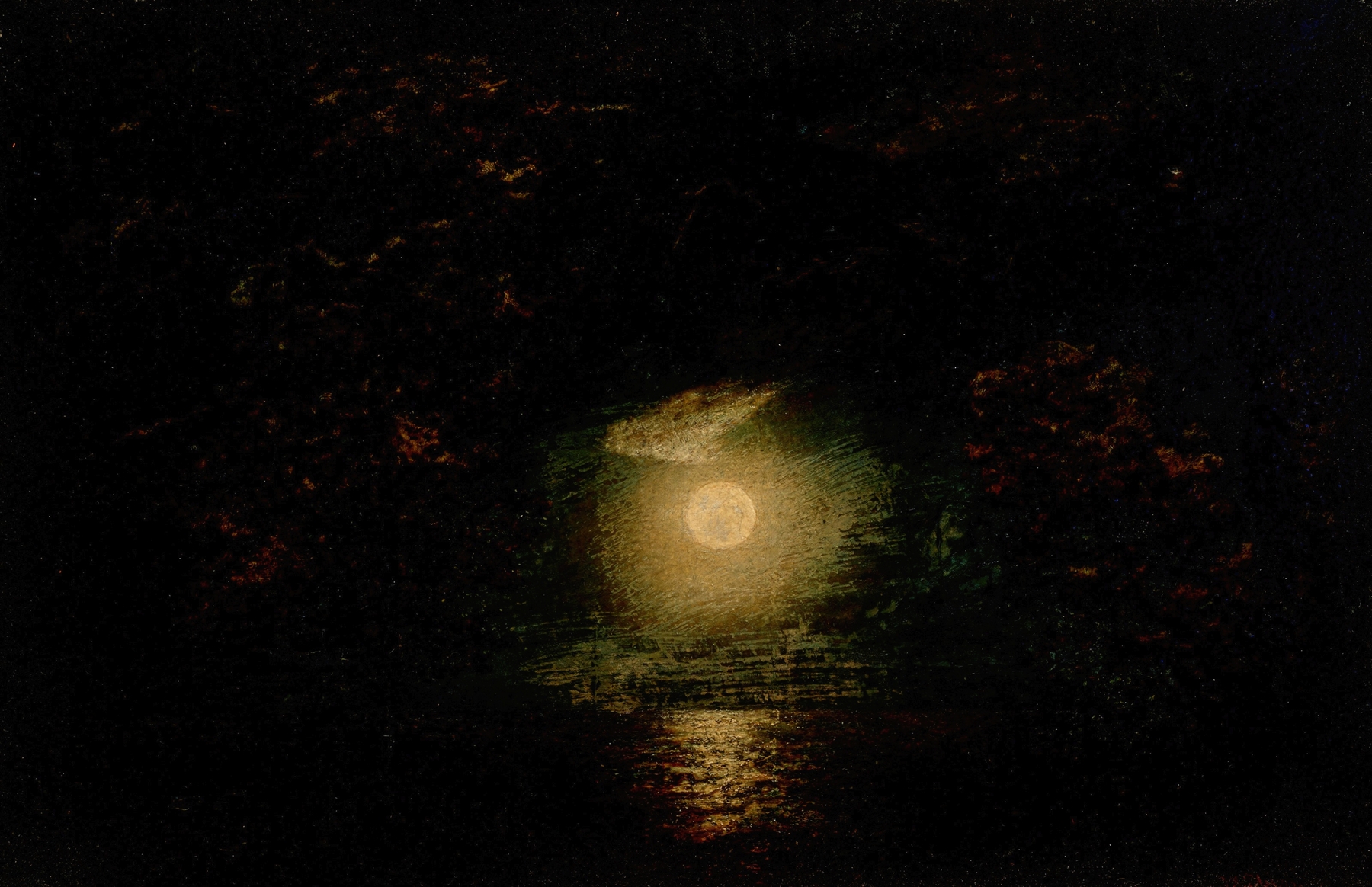
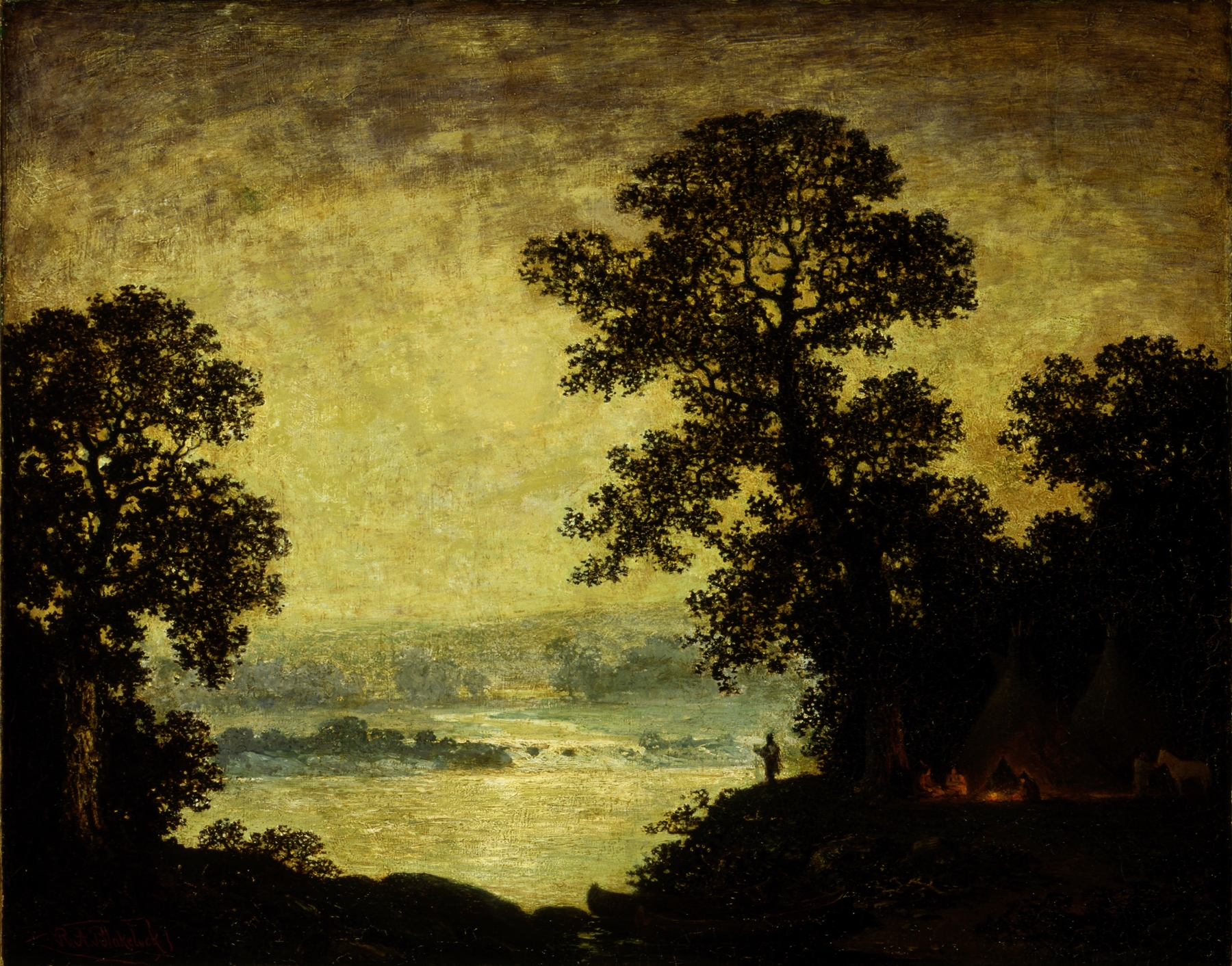
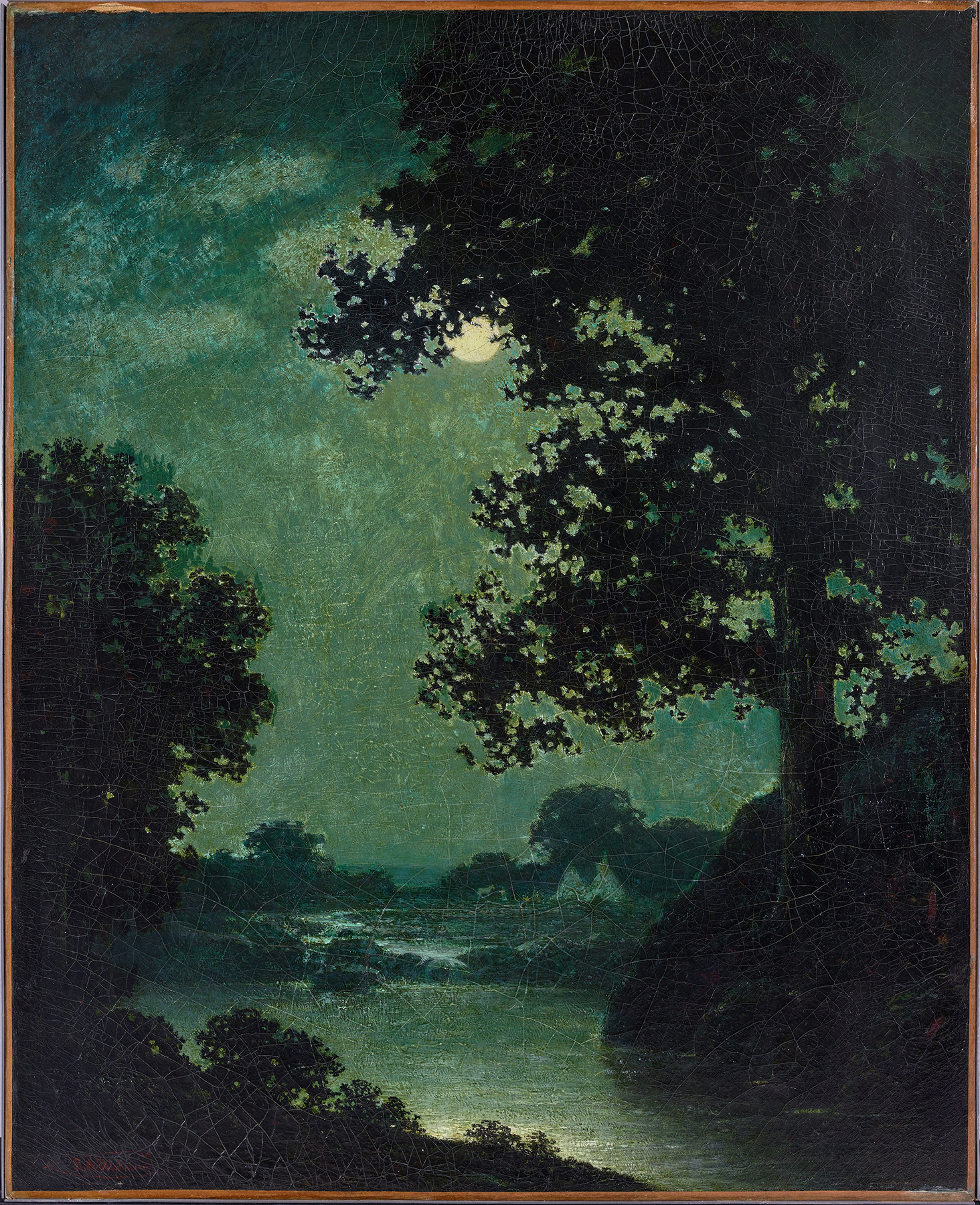
When did color learn to lie? In the shadows of evening, a city breathes, cloaked in a veil of longing, as the moon casts its watchful gaze over rooftops and alleyways. Here, amidst the silhouettes of buildings and trees, one senses a world caught between reality and dreams, where the heart yearns for a connection that seems just out of reach. Look to the left at the deep indigo sky, contrasting with the warm, golden hues that illuminate the cityscape below.
Notice how the moon, a luminous orb, bathes the scene in ethereal light, creating a shimmering reflection on the water. The delicate brushwork and blending of colors evoke a sense of twilight tranquility, inviting the viewer to linger in this moment of serene beauty. Delve deeper into the composition, where the interplay of light and shadow reveals layers of emotional complexity. The moon symbolizes unattainable desires, while the city stands as a metaphor for human aspiration and solitude.
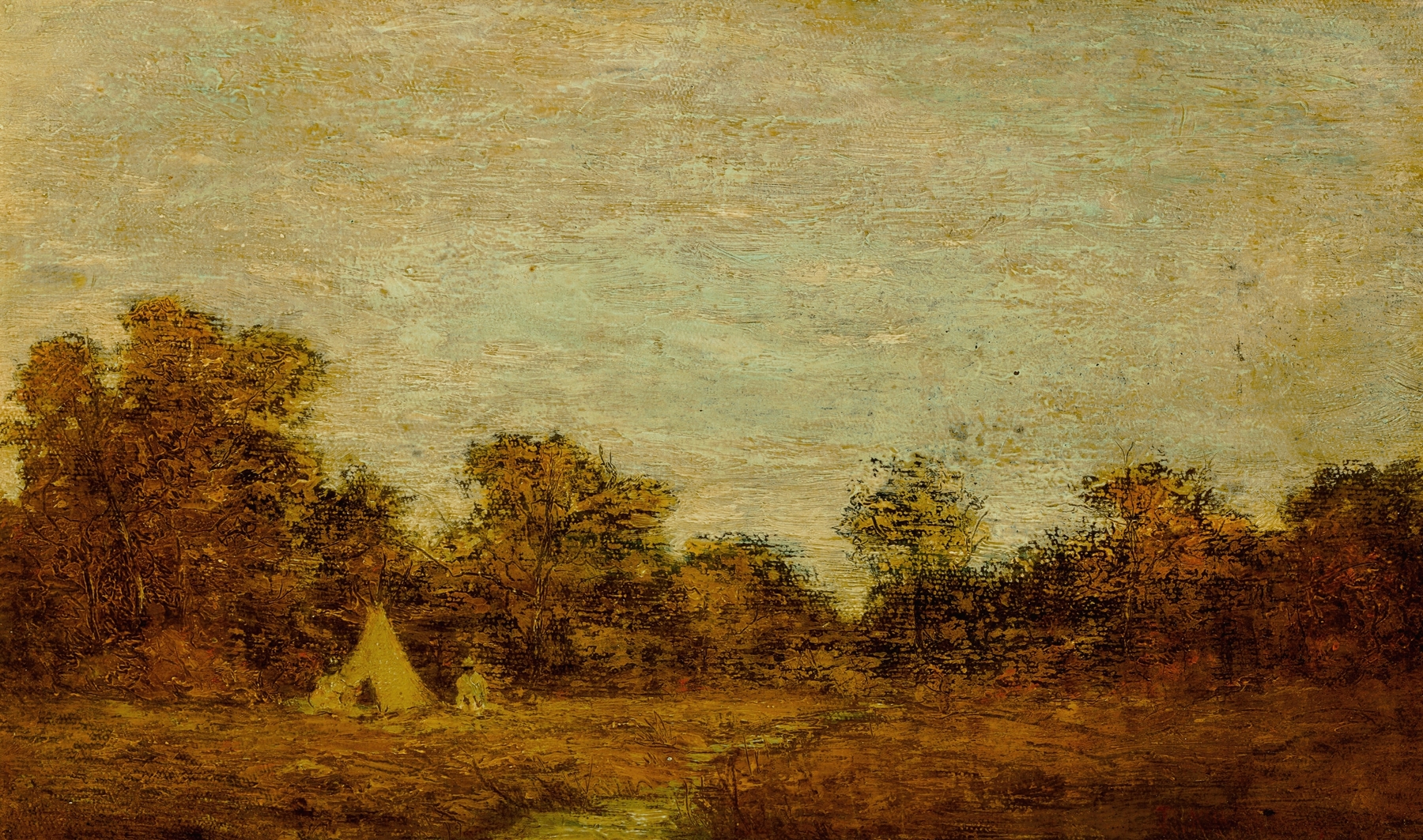
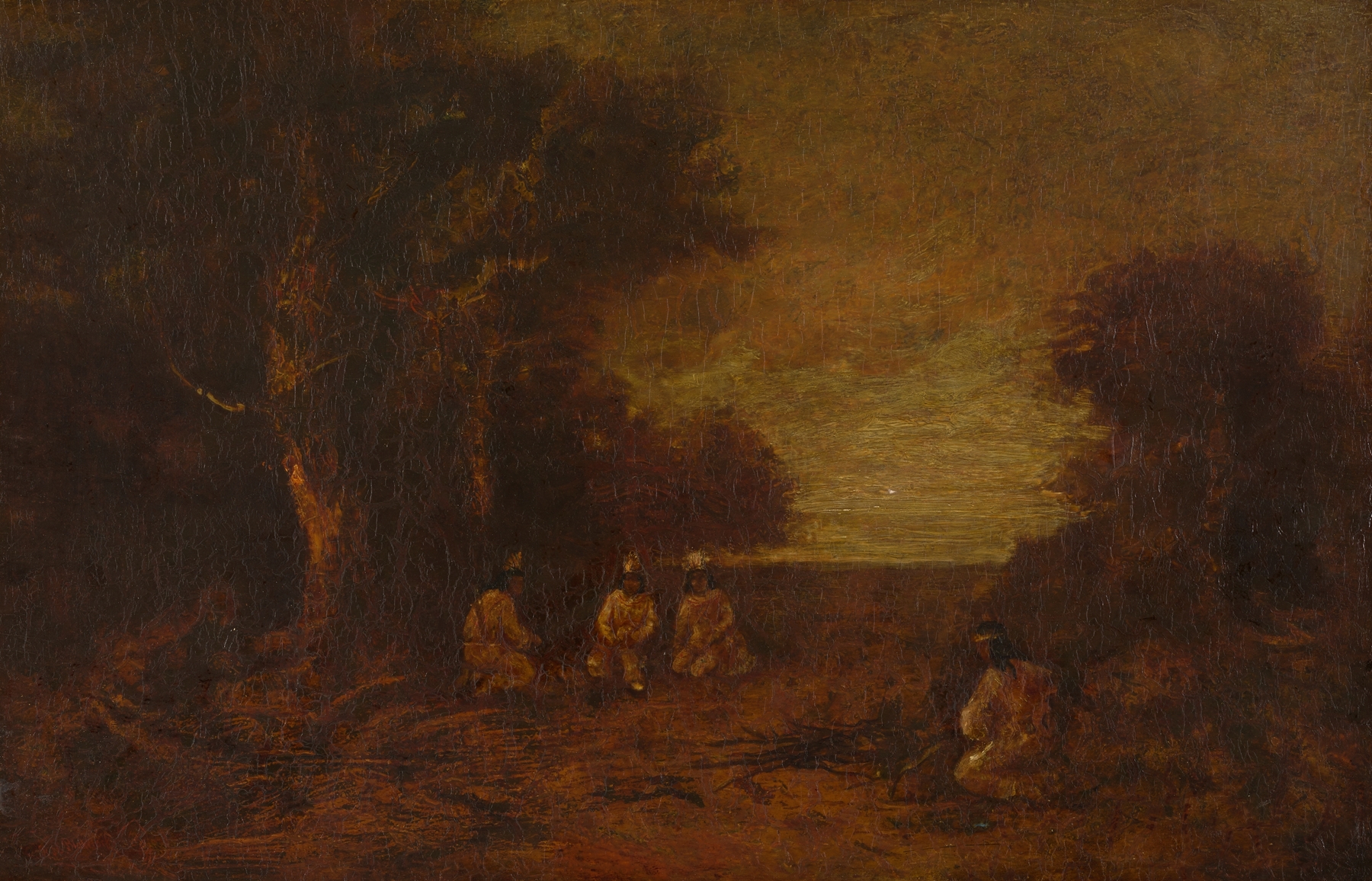
Each stroke carries the weight of unfulfilled dreams, and the longing for connection is palpable in this quiet nocturne, where each color tells a story of hope and despair. Created in the late 19th to early 20th century, the artist worked during a period of artistic exploration and experimentation. Ralph Albert Blakelock, known for his romantic and atmospheric landscapes, painted this piece amidst a backdrop of changing artistic movements. As impressionism and other modernist styles emerged, he carved his niche in evoking emotional resonance through his unique handling of light and color, ultimately leaving a lasting impact on American art.