Classical City in Landscape — History & Analysis
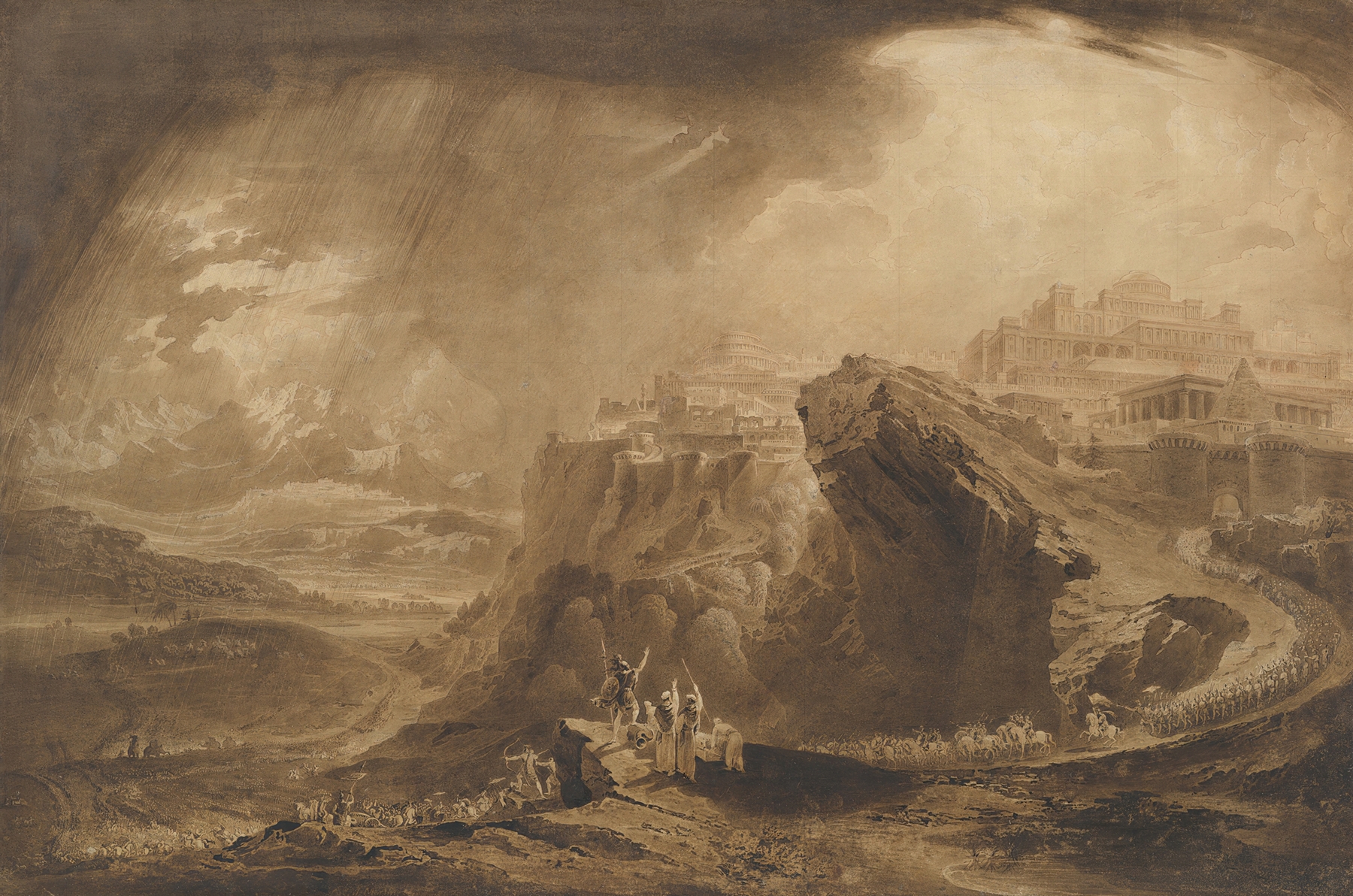
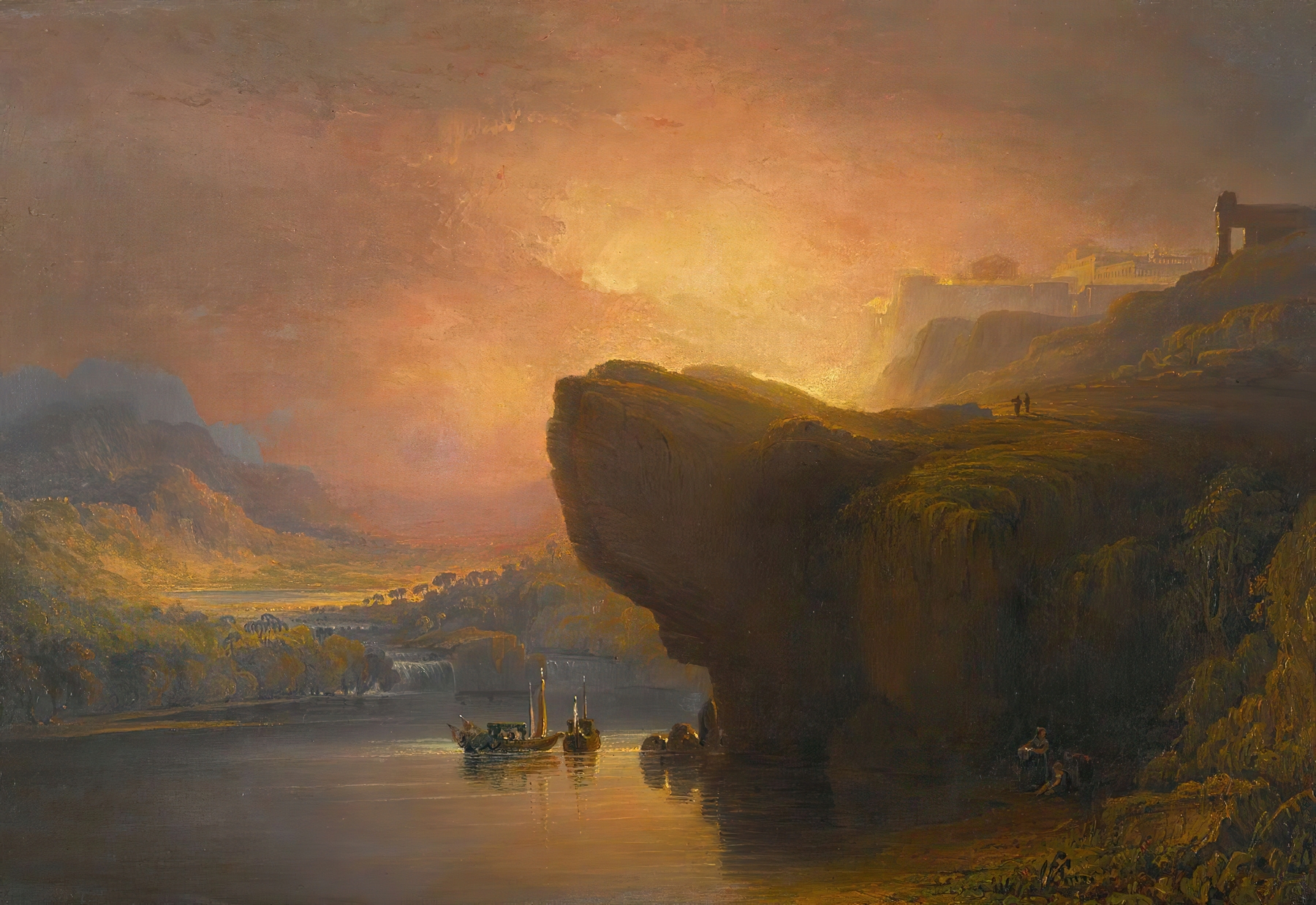
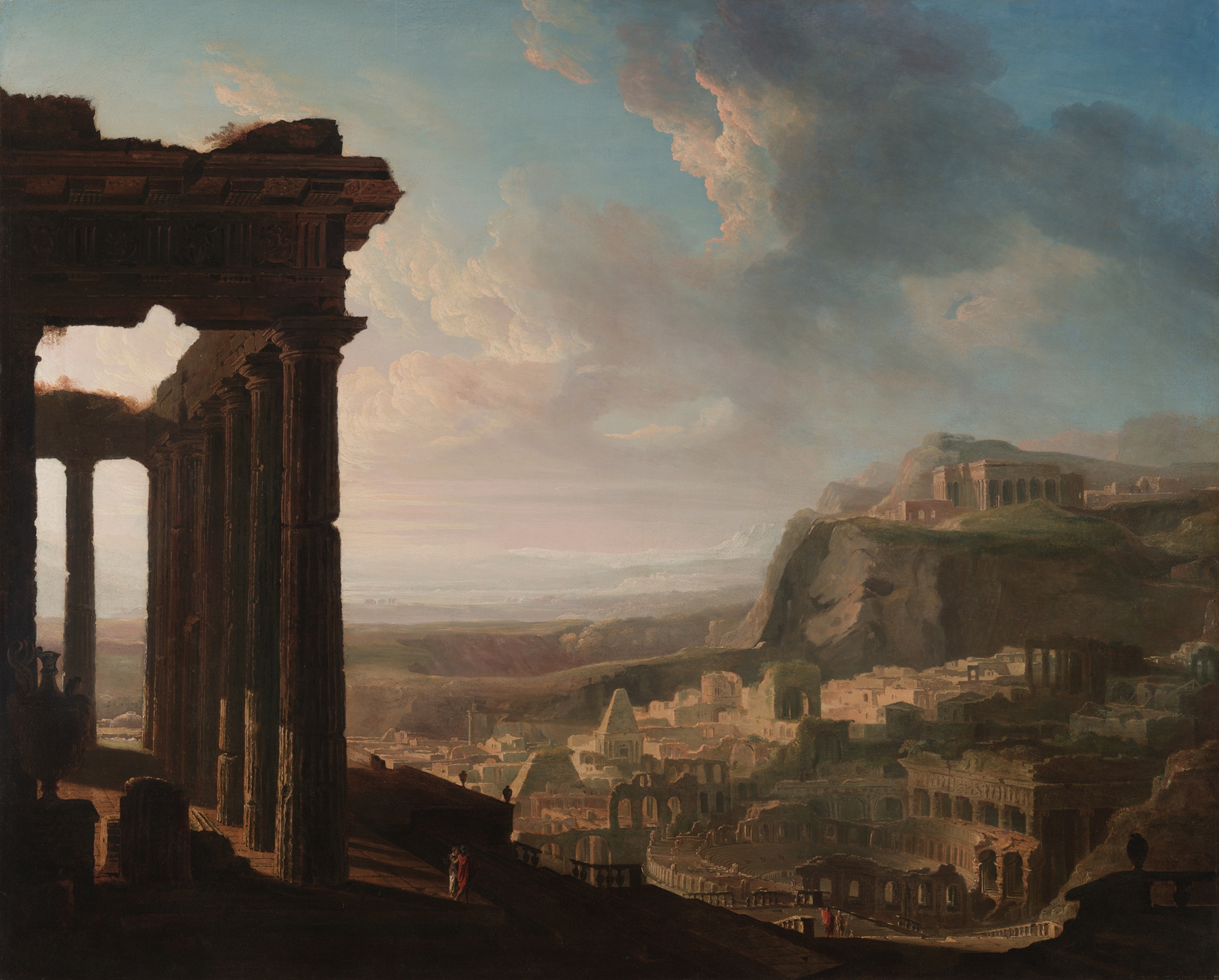
“Between color and silence, truth hides.” The quiet emptiness of Classical City in Landscape reveals the deep grief woven into its landscape, inviting reflection on loss and longing. Look to the left, where towering cliffs cradle a sprawling city bathed in the golden hues of twilight. The architectural grandeur suggests civilization at its peak, yet the surrounding desolation hints at abandonment. Martin’s meticulous brushwork and vibrant palette illuminate the edges of the buildings against the shadowy expanse, creating a poignant contrast between the lively colors of urban life and the somber tones of nature encroaching upon it.
In the depths of the painting, layers of emotional complexity unfold. The city, with its majestic structures, stands as a reminder of human achievement, yet the haunting absence of figures evokes a sense of melancholy. The interplay between light and shadow emphasizes a transient beauty, suggesting that even the mightiest civilizations are subject to decay. As viewers gaze upon the scene, they can’t help but contemplate the fragility of existence and the bittersweet nature of progress.
John Martin created Classical City in Landscape in 1816, a time when he was establishing his reputation as a visionary artist in England. The early 19th century was marked by rapid industrial change, which inspired both awe and anxiety in society. Amidst this backdrop of transformation, Martin's work reflects a longing for the classical past and a recognition of the impermanence of human endeavors.