Repentance of Nineveh — History & Analysis
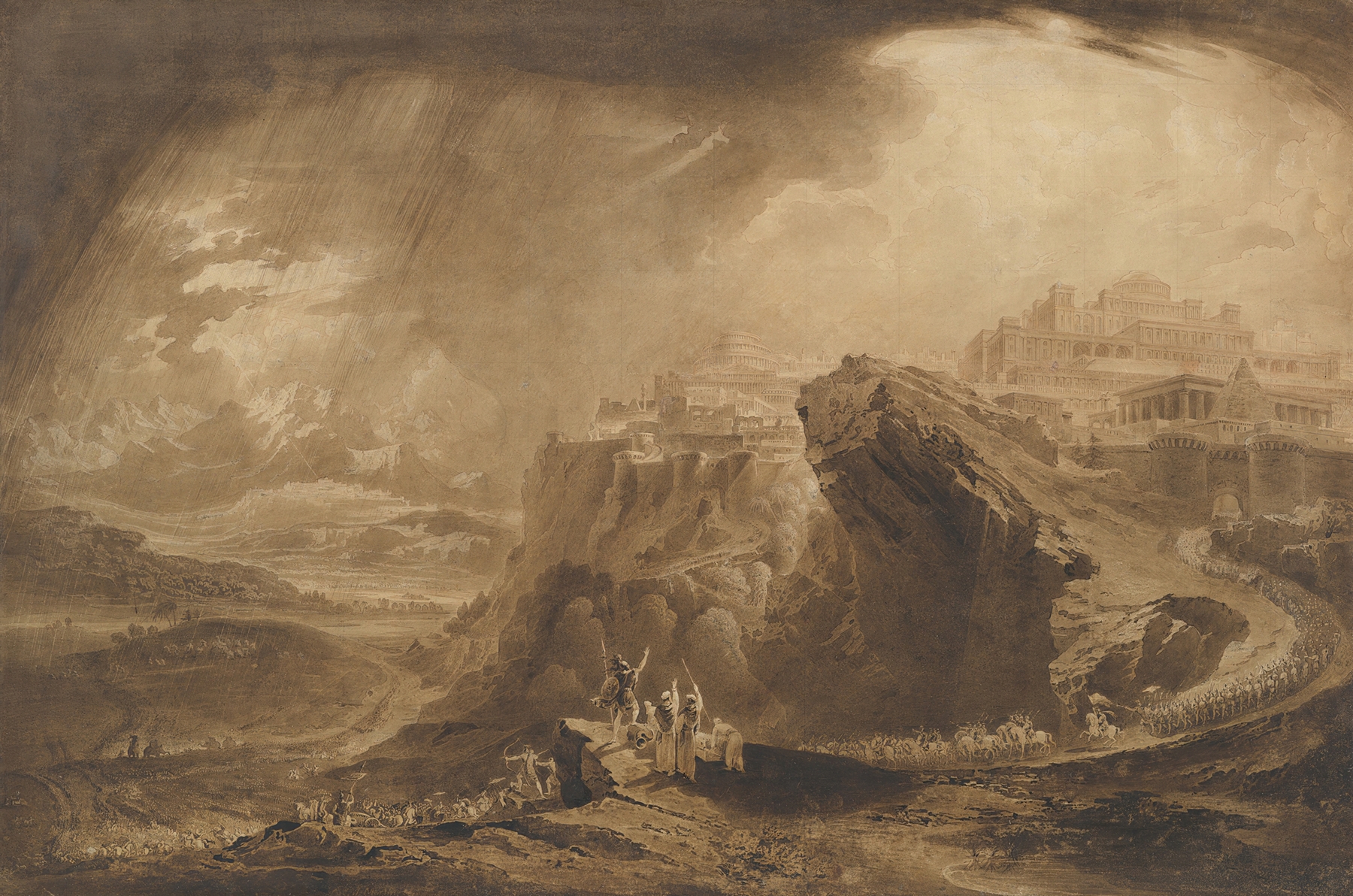
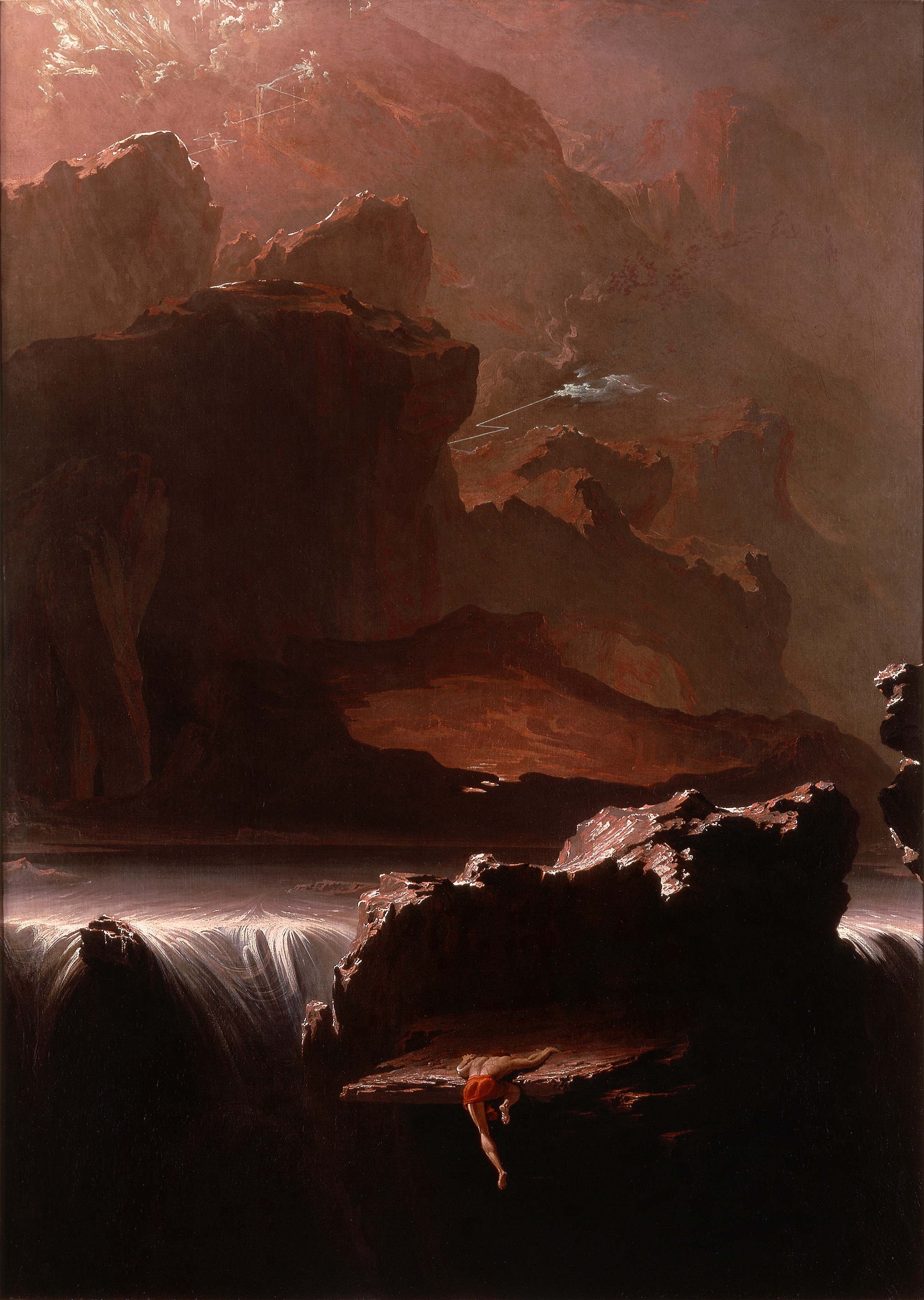
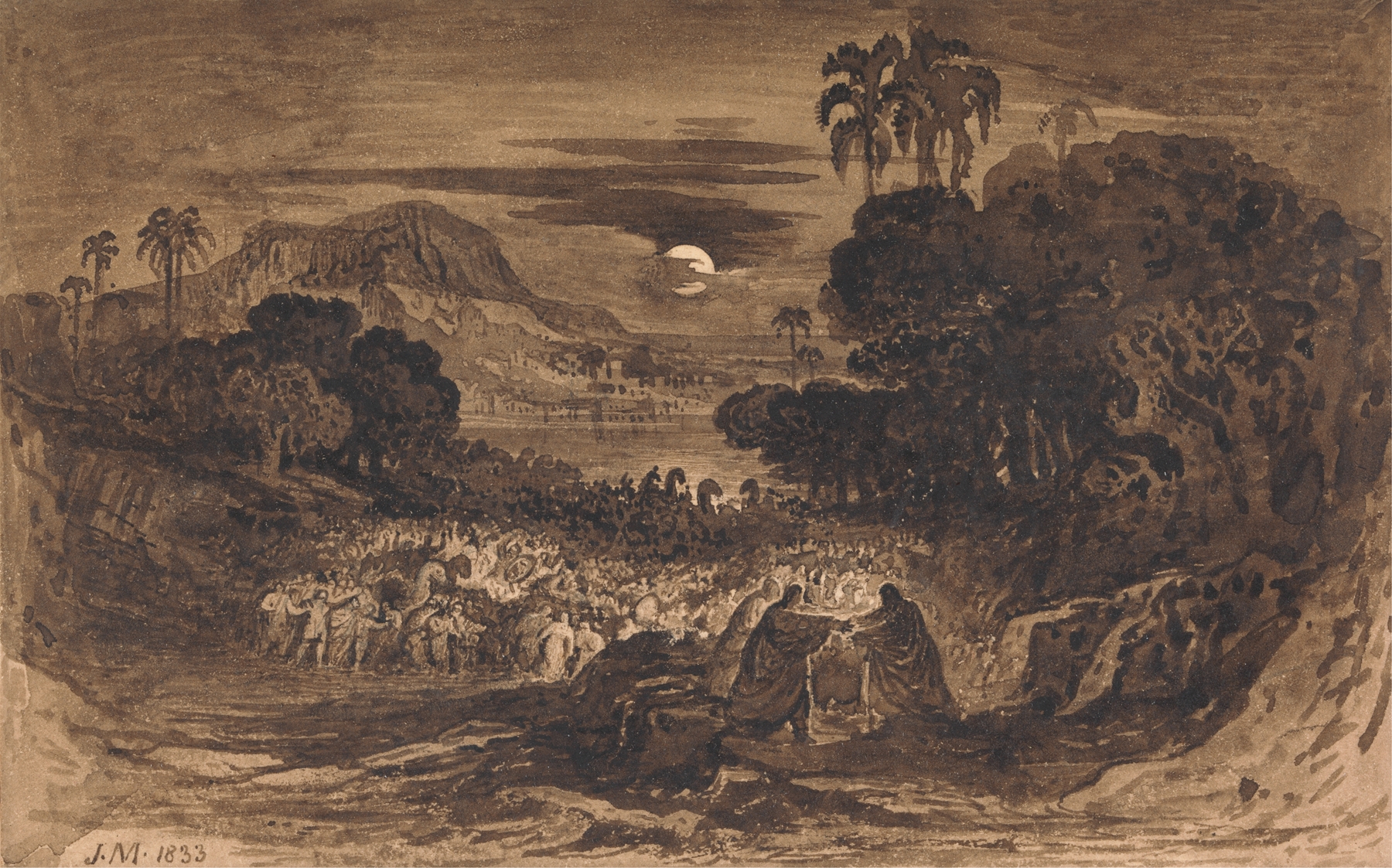
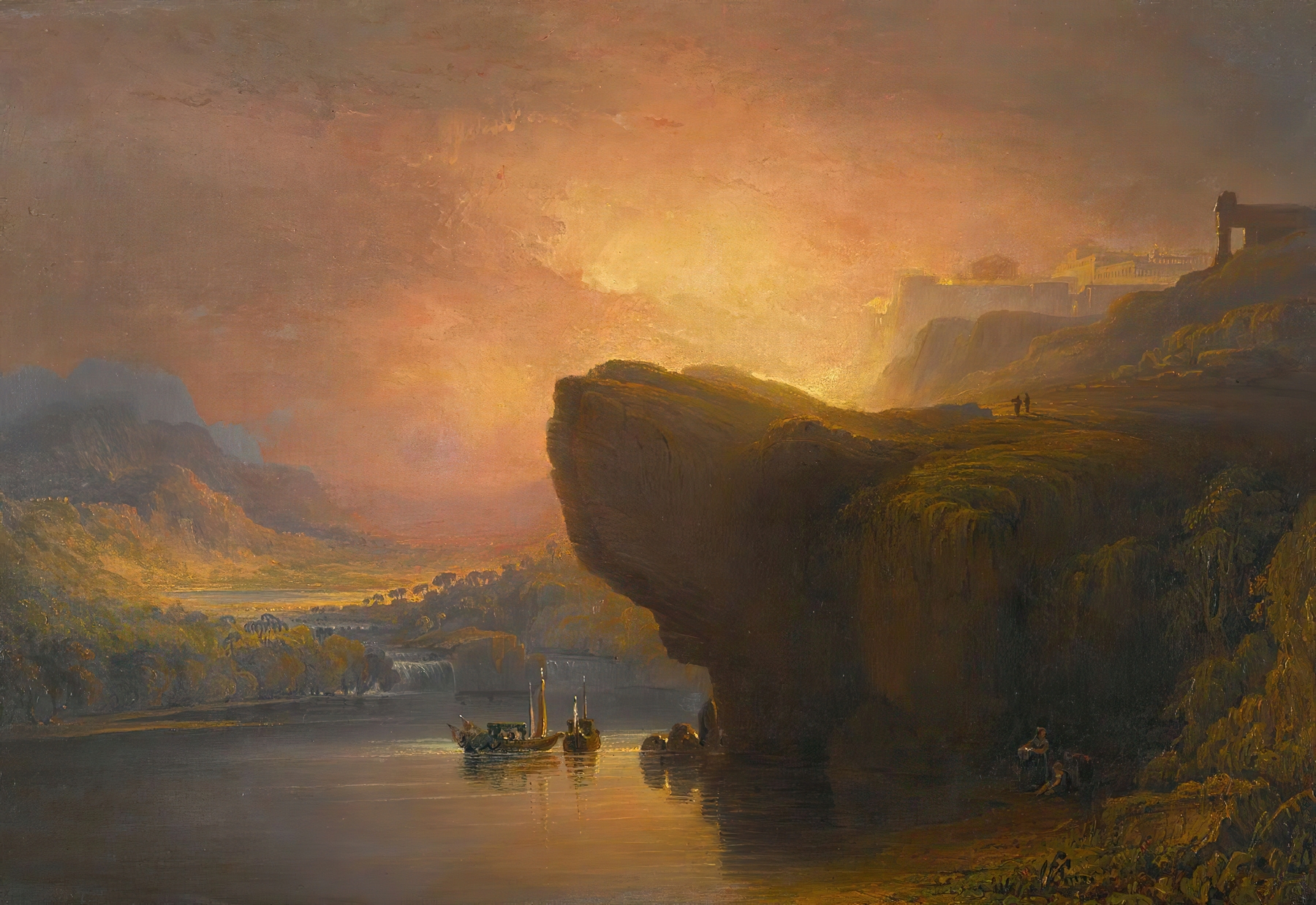
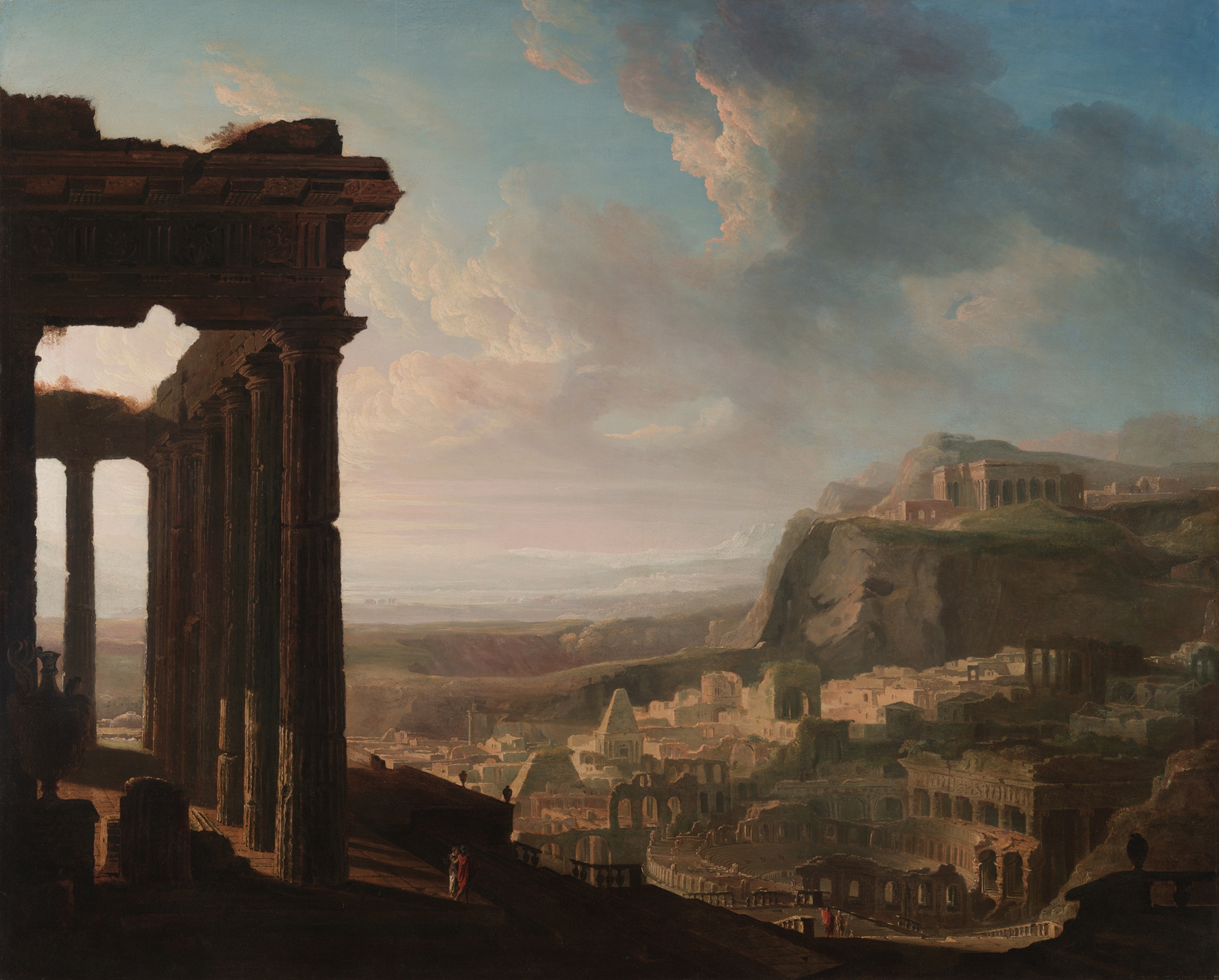
Who listens when art speaks of silence? In Repentance of Nineveh, echoes of remorse resonate through the vivid turmoil and divine intervention captured on canvas, inviting reflection on our own forgotten histories. Look to the center of the painting, where the towering, shadowy figure of a prophet stands among the throngs of anguished citizens. Their expressions blend despair with hope, illuminated by stark contrasts of light and dark—radiance emanating from the divine, yet swallowed by the chaos of human emotion.
Notice how the use of luminous colors enhances the ethereal quality of the scene; the warm golden light captures the moment of revelation, contrasting beautifully with the ominous, swirling storm clouds that threaten to engulf them. Within this powerful visual narrative lies a poignant commentary on redemption and the fragility of societal memory. The anguished faces, each uniquely carved by despair, suggest a collective reckoning. Yet, amidst the chaos, the calming figure of the prophet symbolizes a bridge between despair and salvation, urging viewers to confront their own sins.
The tension between the destructive and redemptive forces creates an emotional landscape that resonates with the viewer long after they step away from the canvas. In 1840, John Martin painted this profound work during a period marked by intense socio-political upheaval. Residing in London, he was part of the Romantic movement, which sought to explore the sublime and the emotional depths of human experience. As industrialization swept through England, his art emerged as both a critique of societal neglect and a reminder of the spiritual dimensions of existence, encapsulating a moment where humanity stood at the precipice of both destruction and rebirth.