Travelers on a Road above a River — History & Analysis
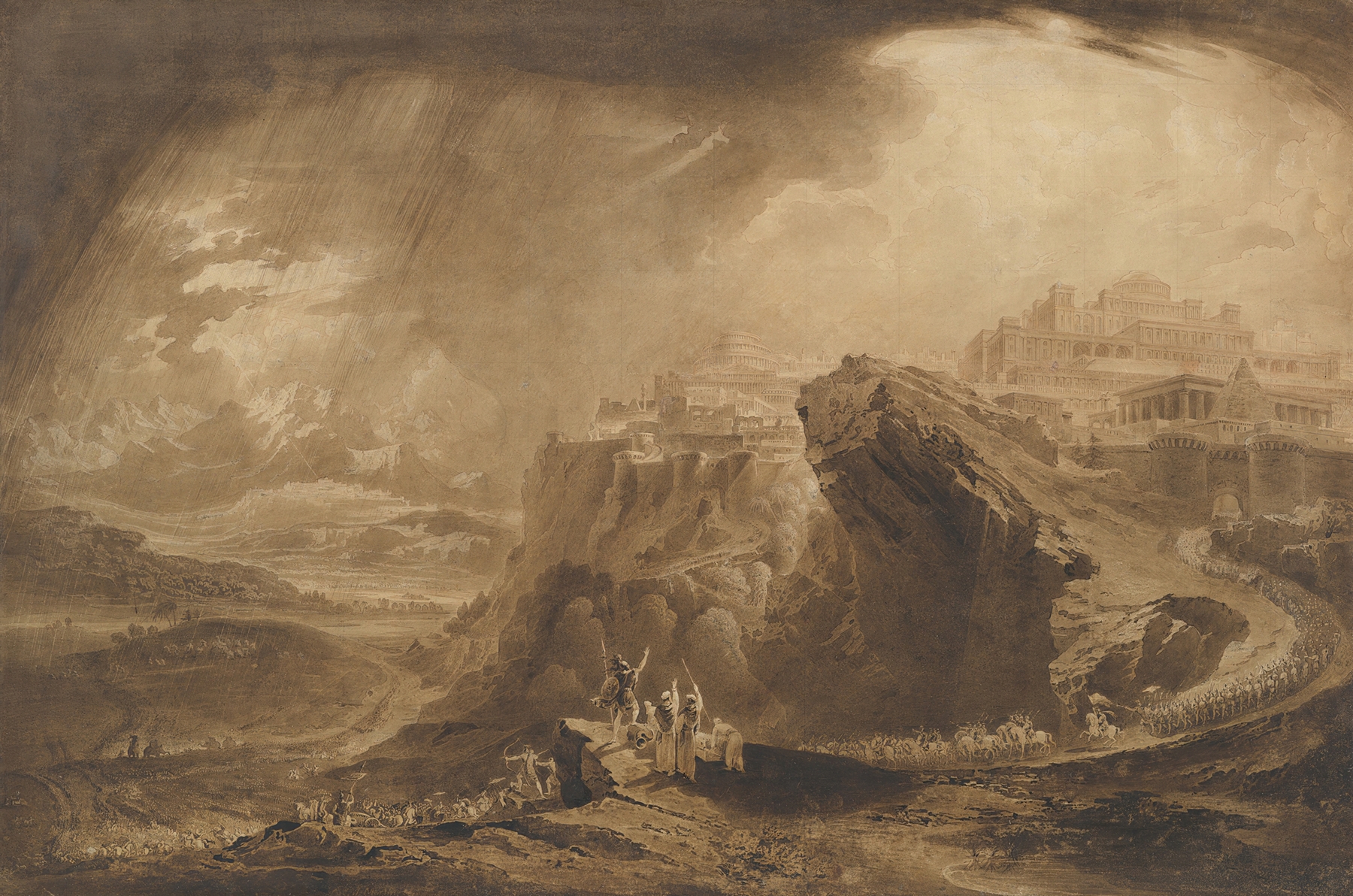
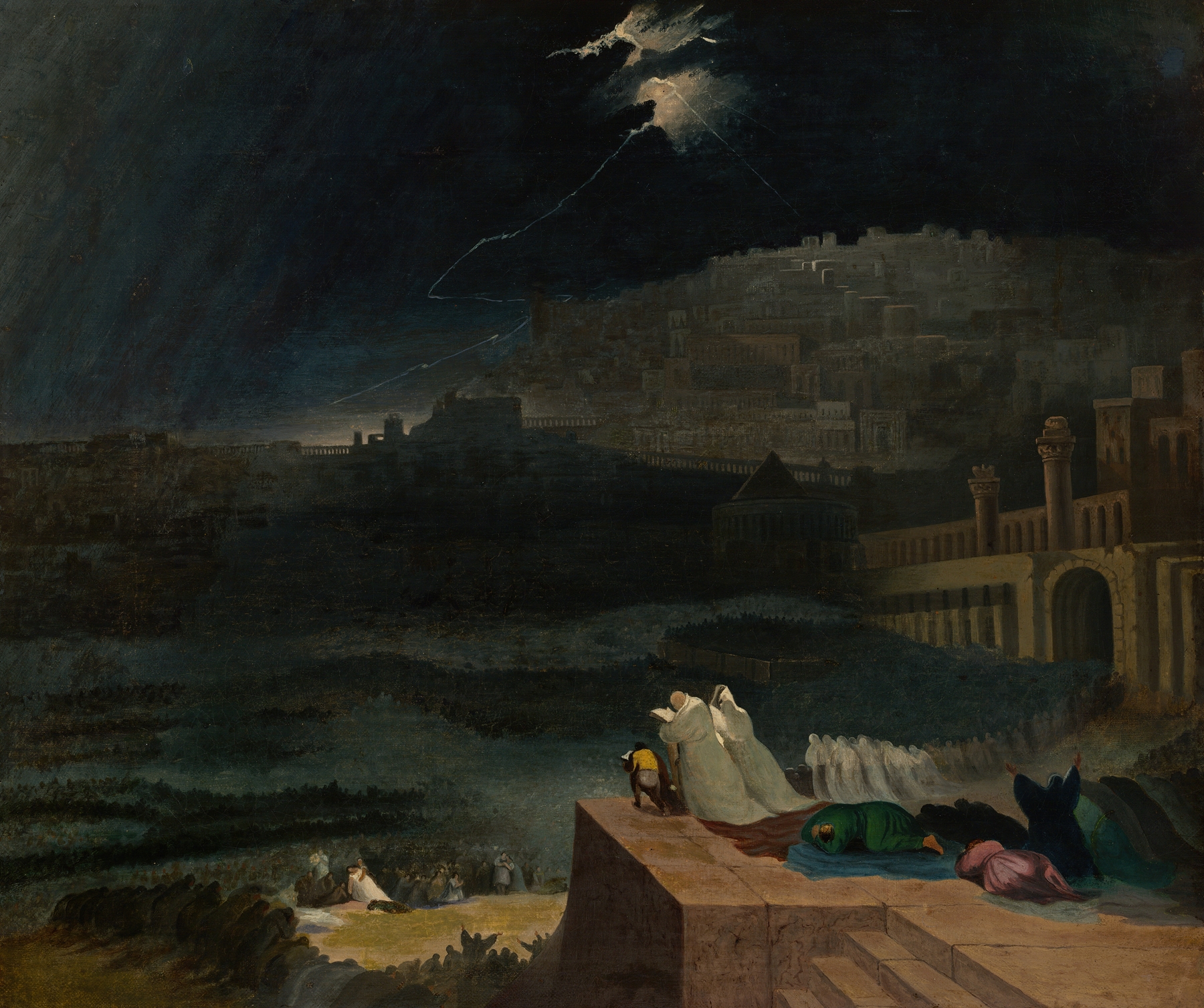
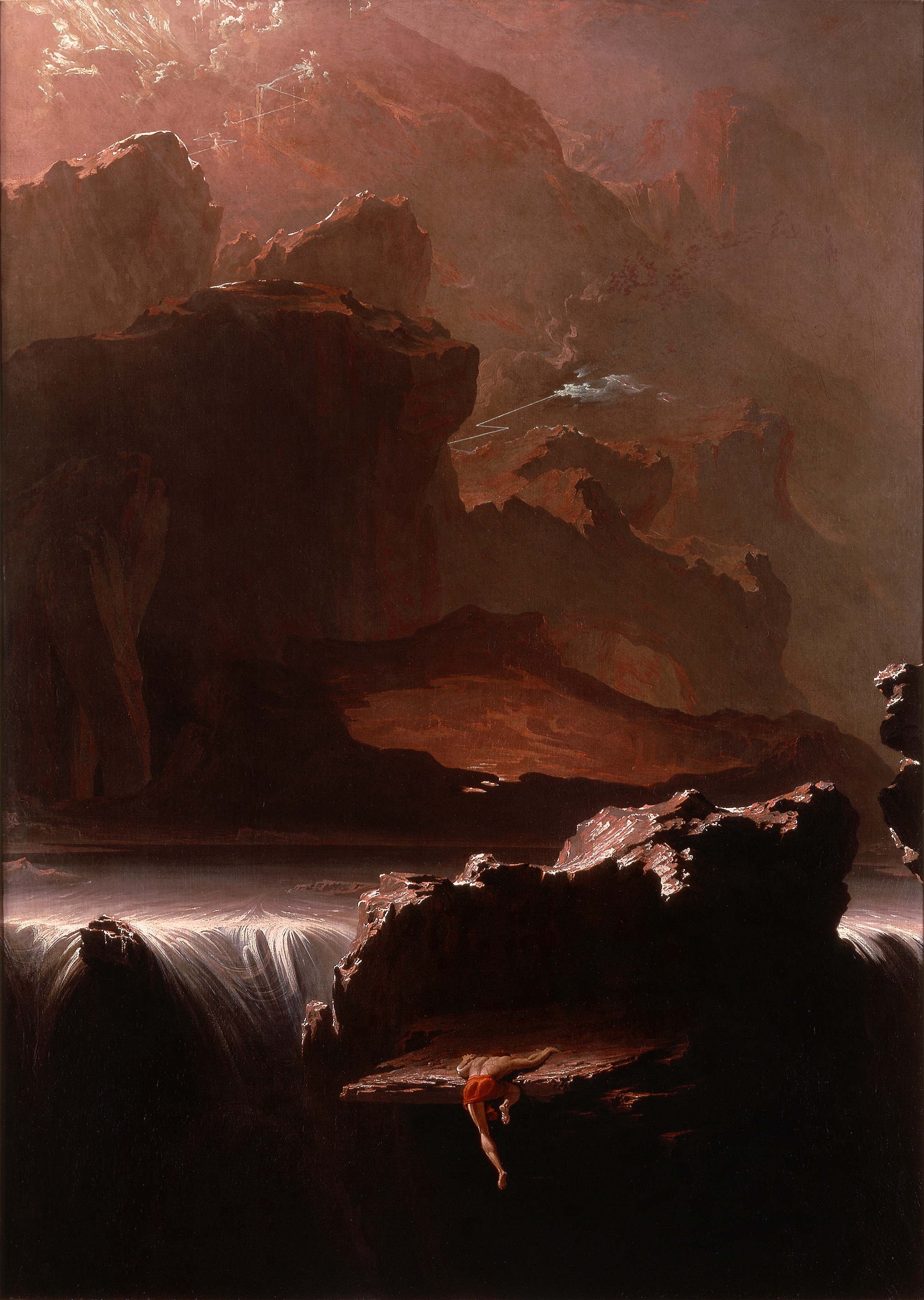
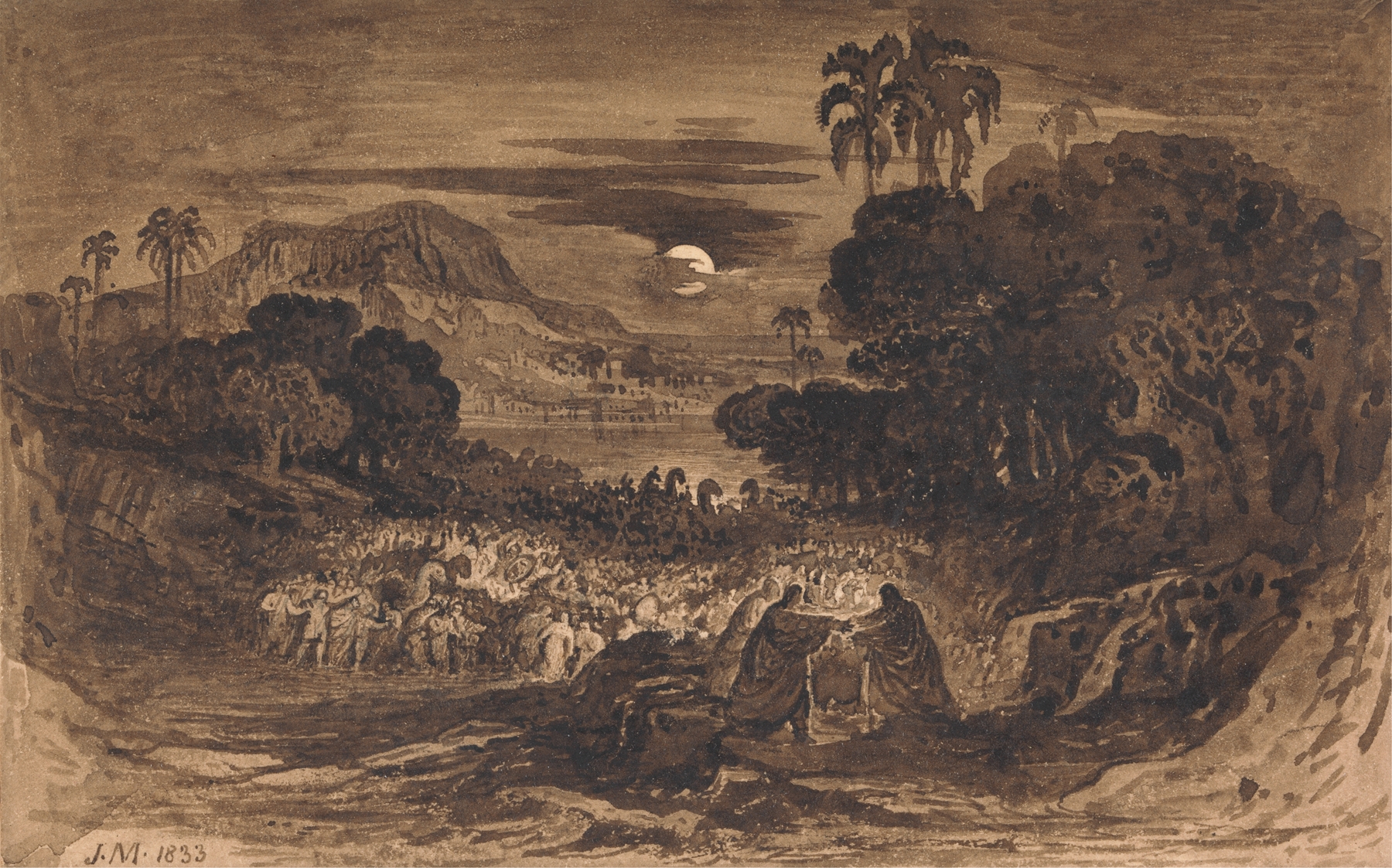
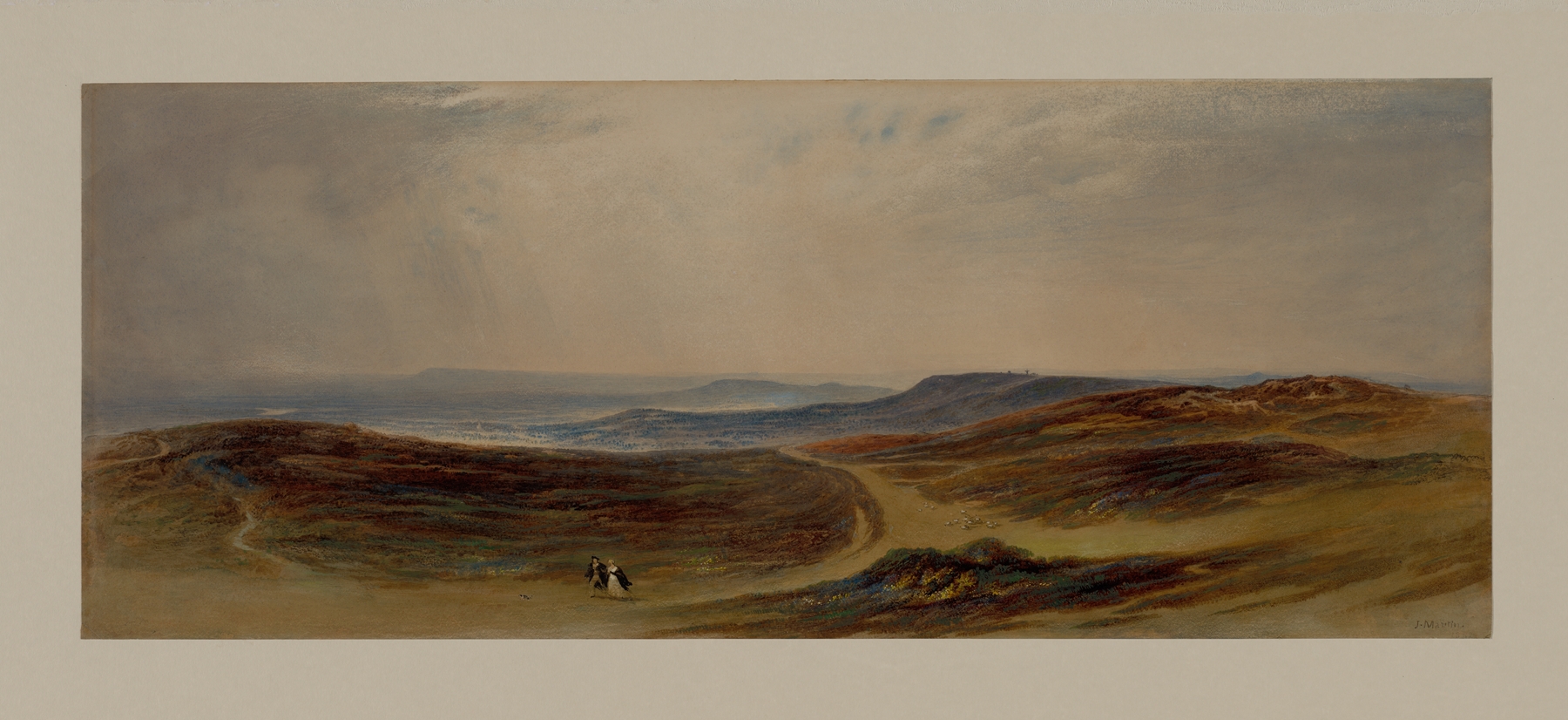
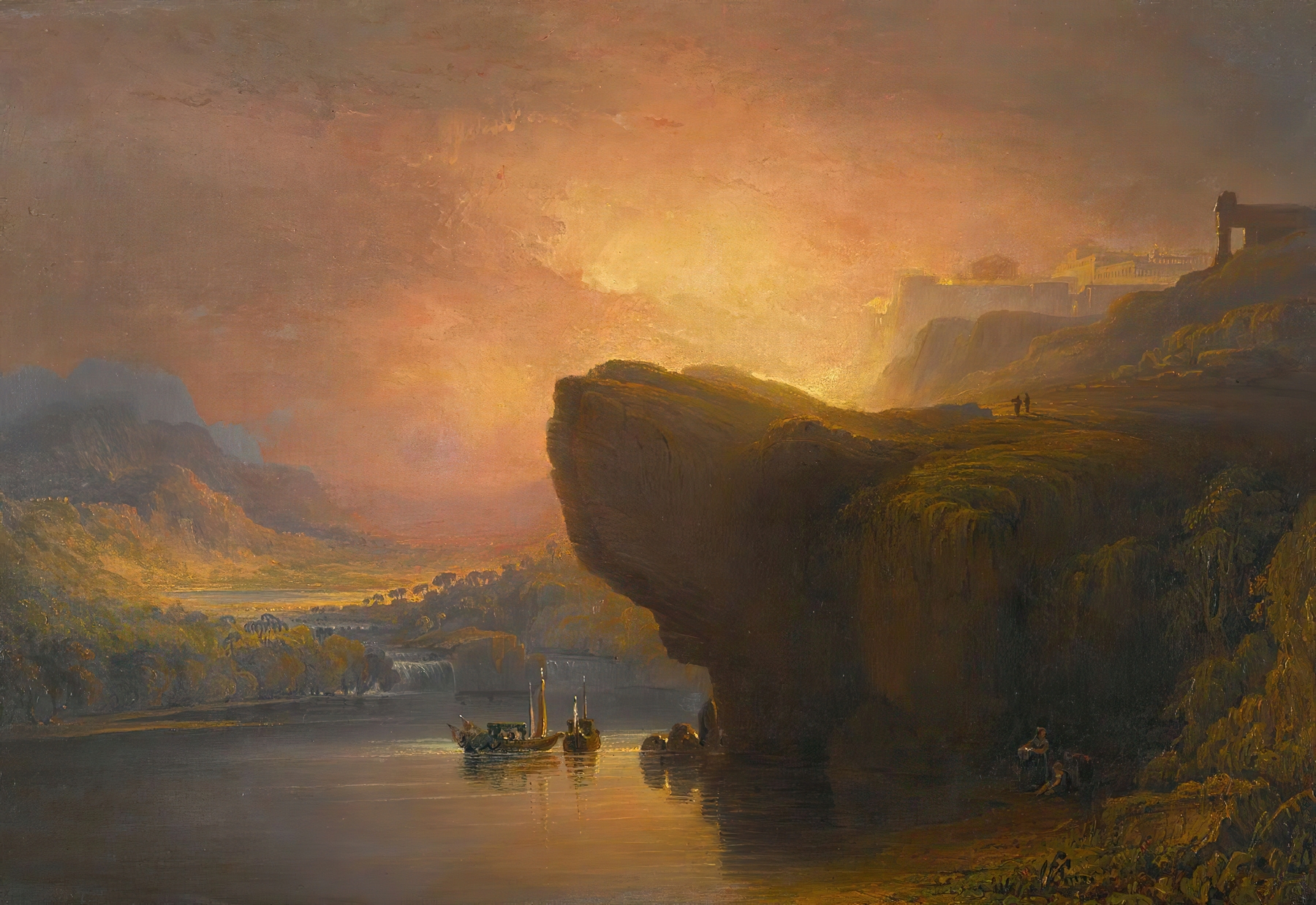
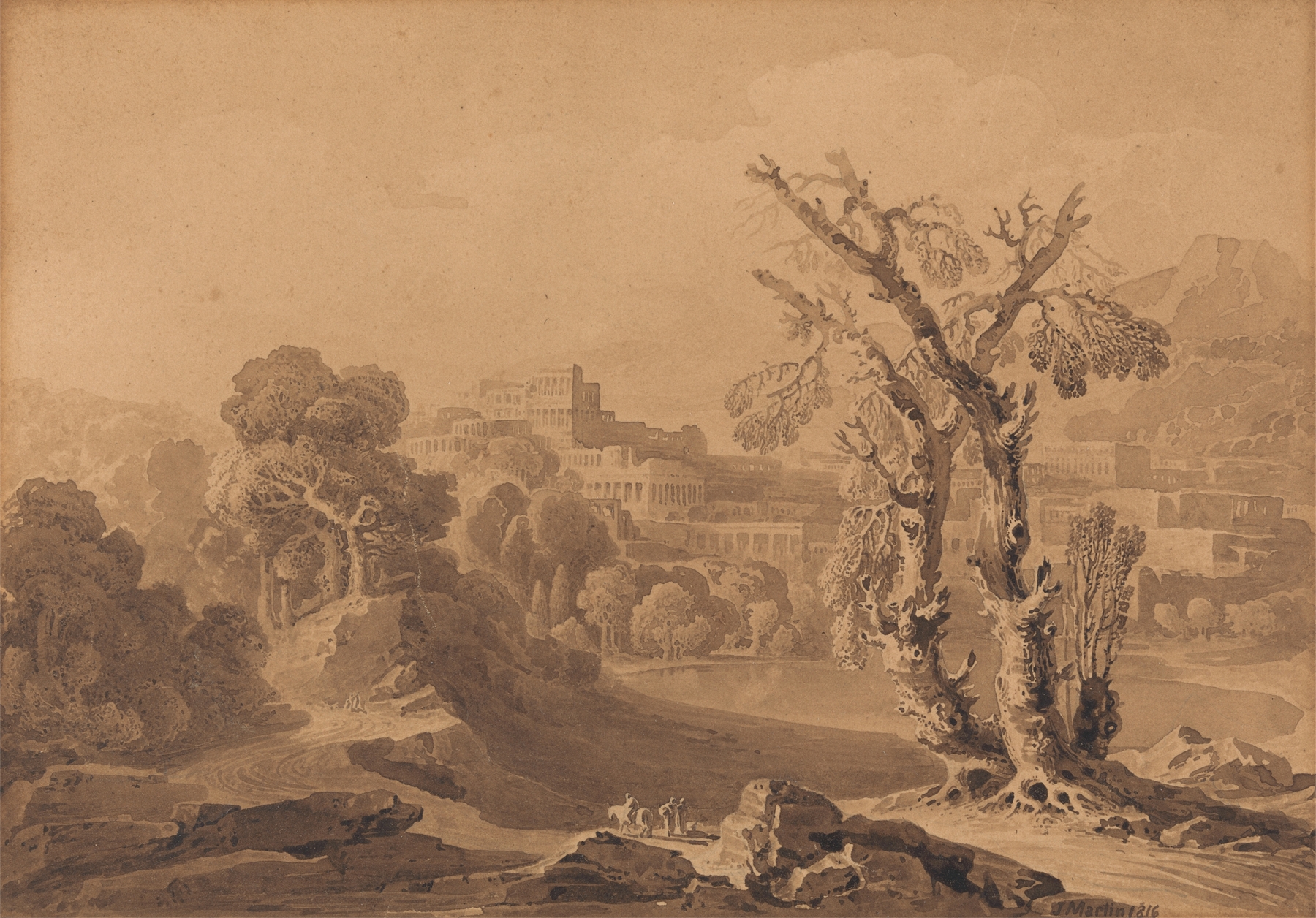
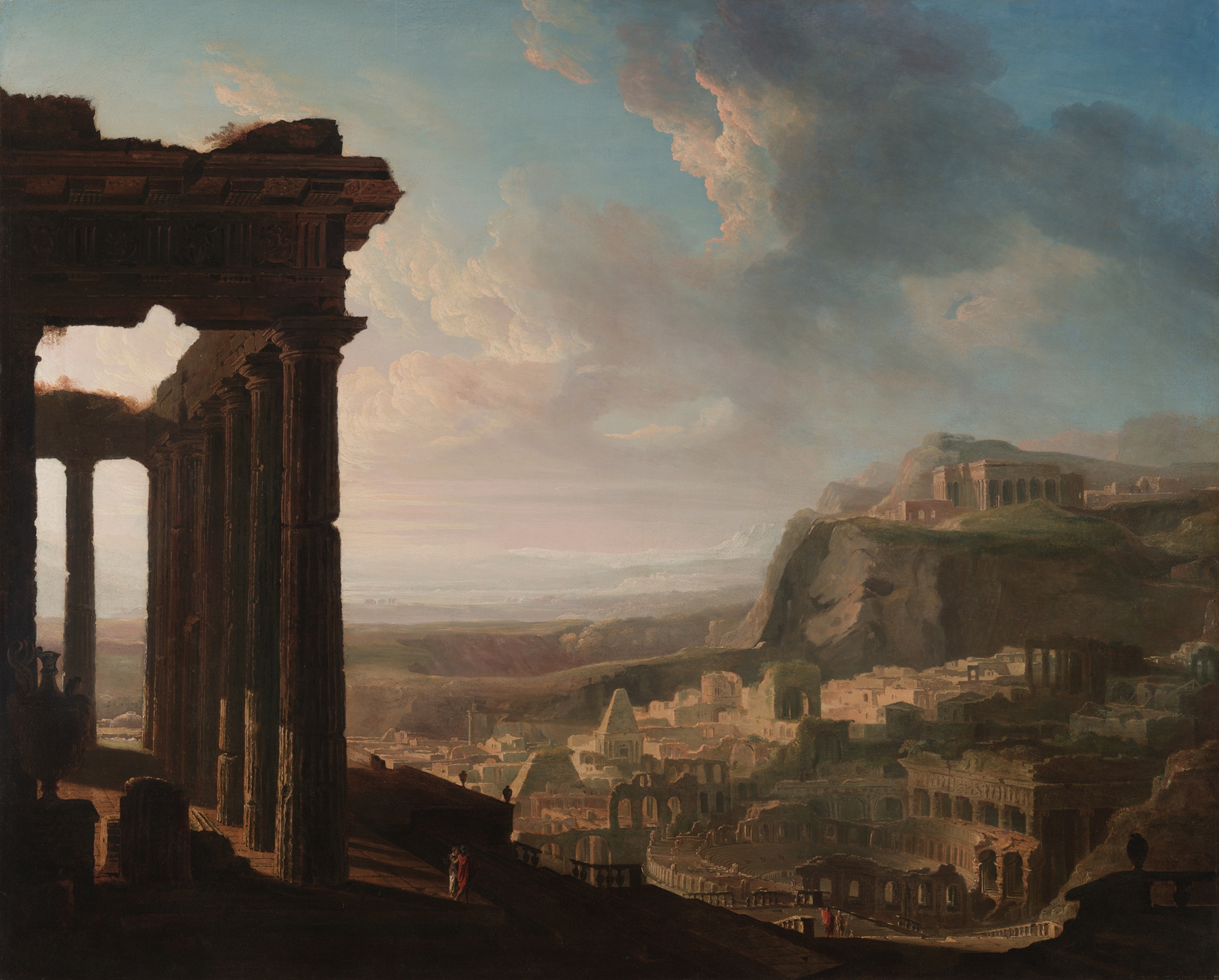
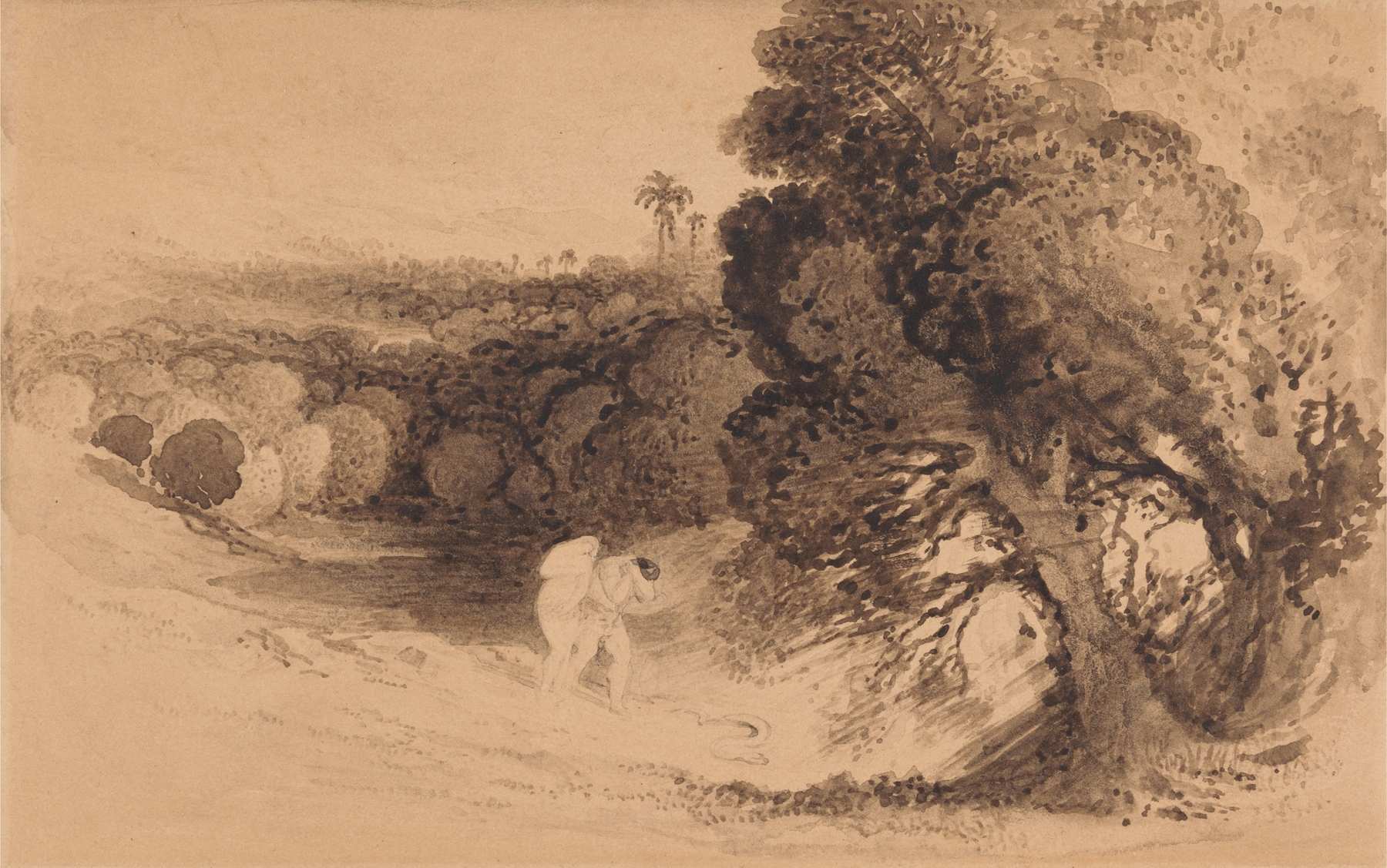
“Every brushstroke is a heartbeat remembered.” In the throes of madness, the essence of the sublime and the chaotic collide within the vastness of the landscape, a reminder of both beauty and peril. Look to the foreground, where the travelers, mere figures against the grandeur of nature, traverse a precarious path above a tumultuous river. The sweeping brushstrokes create an overwhelming sense of movement, guiding your eyes along the winding road etched upon the canvas.
Notice the surrounding cliffs, towering and ominous, their dark hues contrasting sharply with the vibrant blues and greens of the water below, evoking a visceral response to both awe and fear. Within this landscape lies a profound emotional tension; the travelers seem almost insignificant against the backdrop of nature’s fury. Their journey speaks to the human struggle against the uncontrollable forces of the world, a dance between folly and daring.
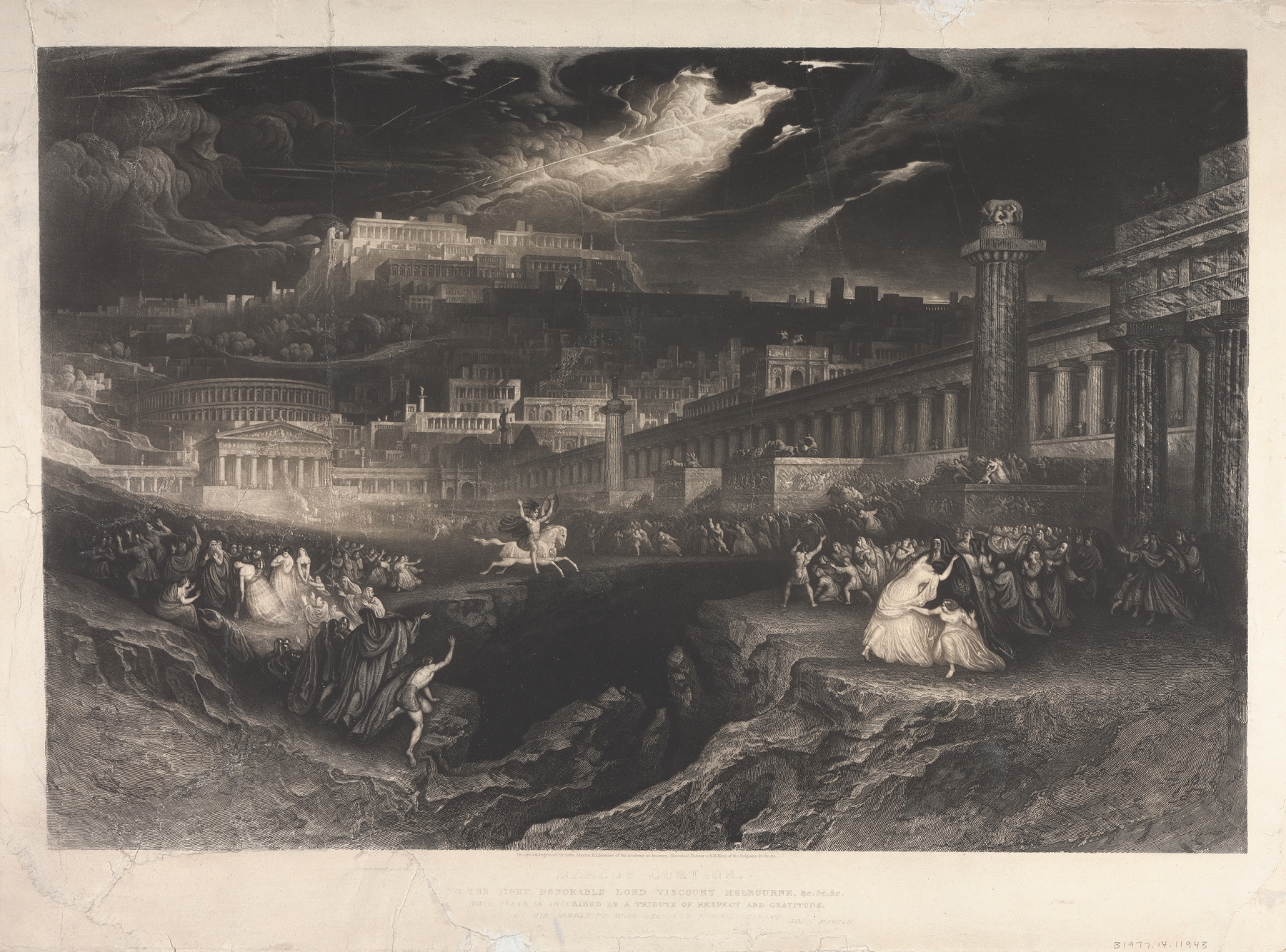
The turbulent river, swirling with hints of madness, mirrors the unpredictable path of existence itself, while the sky looms heavy with impending storm clouds, foreshadowing turmoil. In 1821, John Martin created this work during a pivotal moment in his career, gaining recognition for his dramatic landscapes that captured the imagination of the Romantic movement. Living in a period marked by industrial change and philosophical upheaval, Martin’s exploration of the sublime reflected both personal and societal anxieties, intertwining the human experience with the awe-inspiring power of nature.