The Valley of the Tyne, My Native Country near Henshaw — History & Analysis
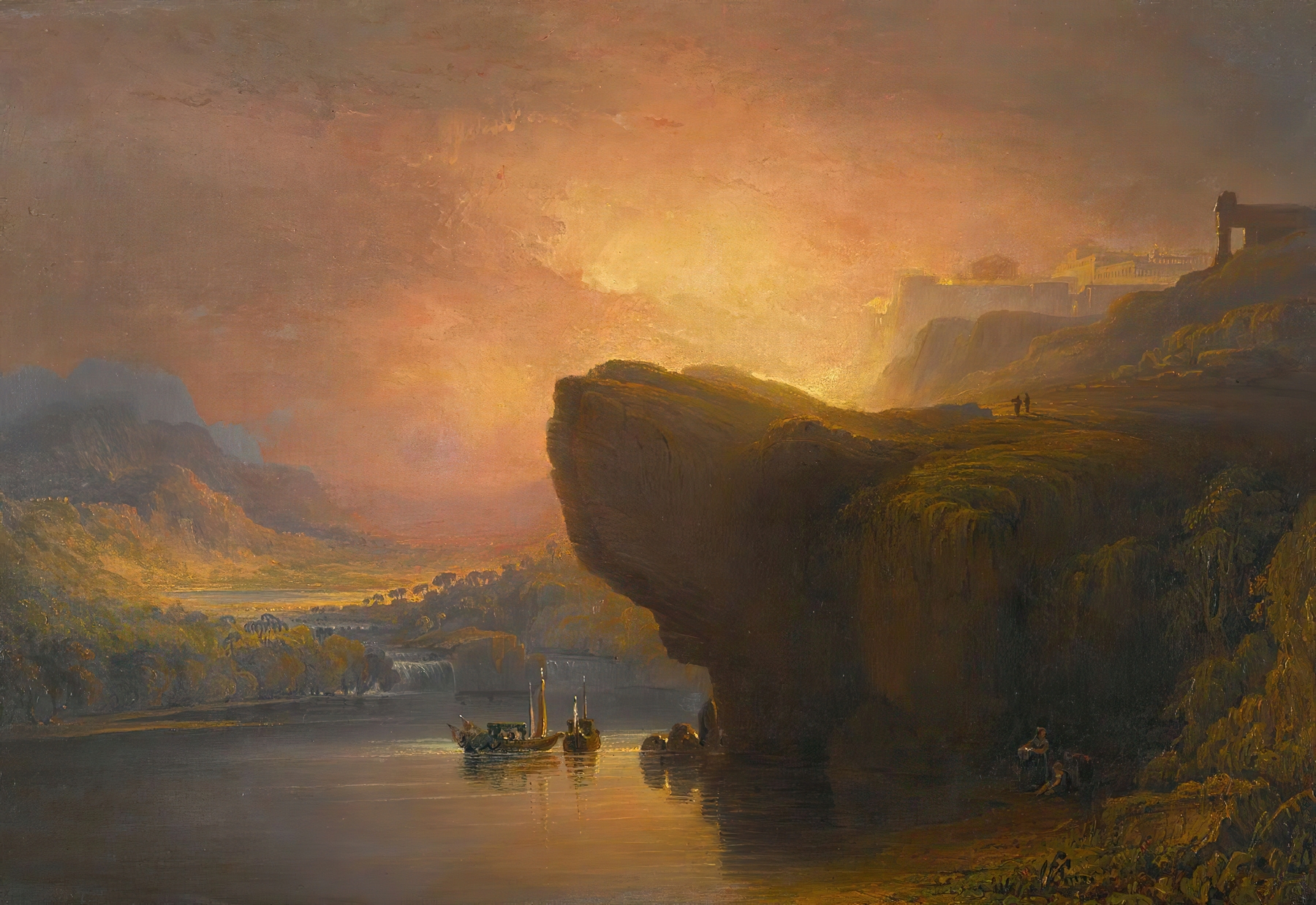
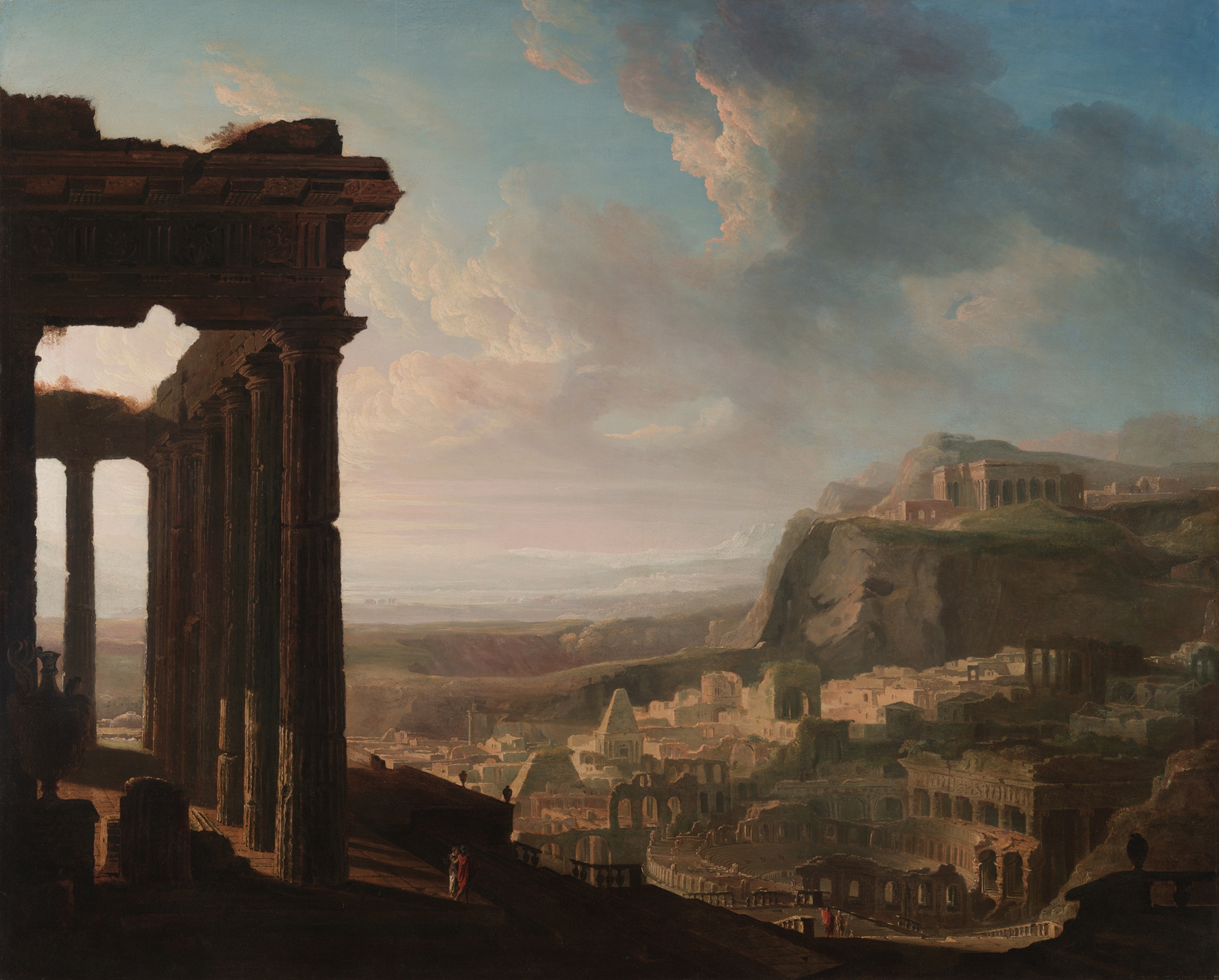
“Every silence here is a confession.” In the embrace of sweeping landscapes, the sublime power of nature draws us into its quiet majesty. The awe-inspiring valley embodies both beauty and melancholy, inviting reflection on our place within its grandeur. Look to the center of the canvas where the sprawling valley opens up, a vivid expanse of greens and browns. Notice how the light cascades down from the clouds, illuminating the winding river that snakes through the landscape, creating a shimmering path of silver.
The delicate brushwork and rich palette evoke not just the physical characteristics of the land but also its emotional resonance, forming a serene yet powerful connection between viewer and scene. The contrast of light and shadow speaks to the duality of existence—one cannot fully appreciate the light without recognizing the shadows it casts. The distant mountains loom with an air of solemnity, while the vibrant foreground teems with life, suggesting the tension between human ambition and nature’s relentless authority. Each element, from the deftly painted trees to the whisper of the wind over the water, holds significance, revealing a world that thrives on the edges of both beauty and despair.
Created in 1842 while residing in London, John Martin was emerging as a prominent Romantic painter, known for his dramatic landscapes and apocalyptic scenes. During this period, the industrial revolution was reshaping the world, prompting a response in art that celebrated the sublime—drawing attention to nature as a refuge amid societal turmoil. His work here captures a moment where the artist melded personal nostalgia with broader themes, reflecting on both his native land and the tumultuous changes of his time.