Ruins of an Ancient City — History & Analysis
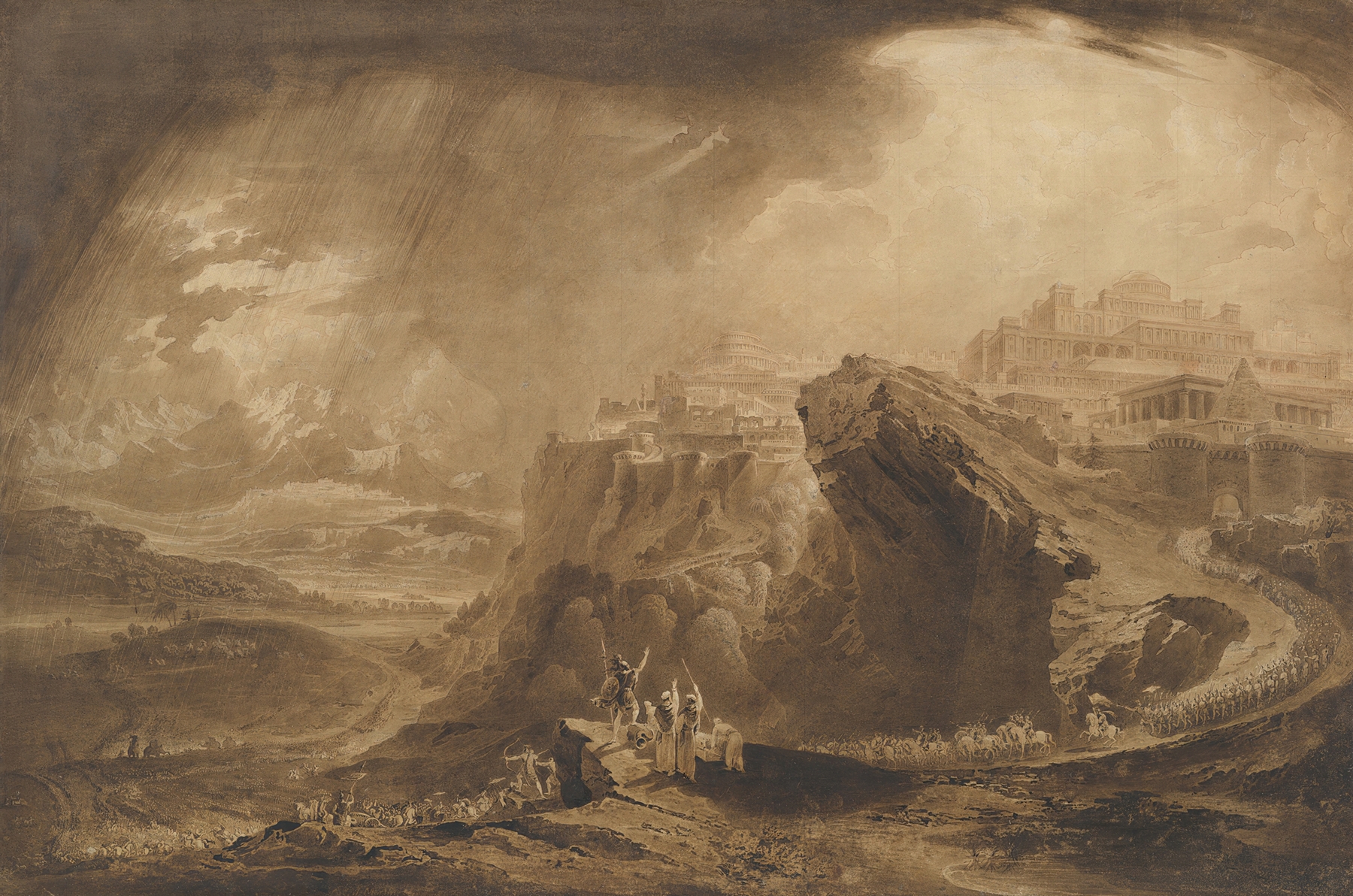
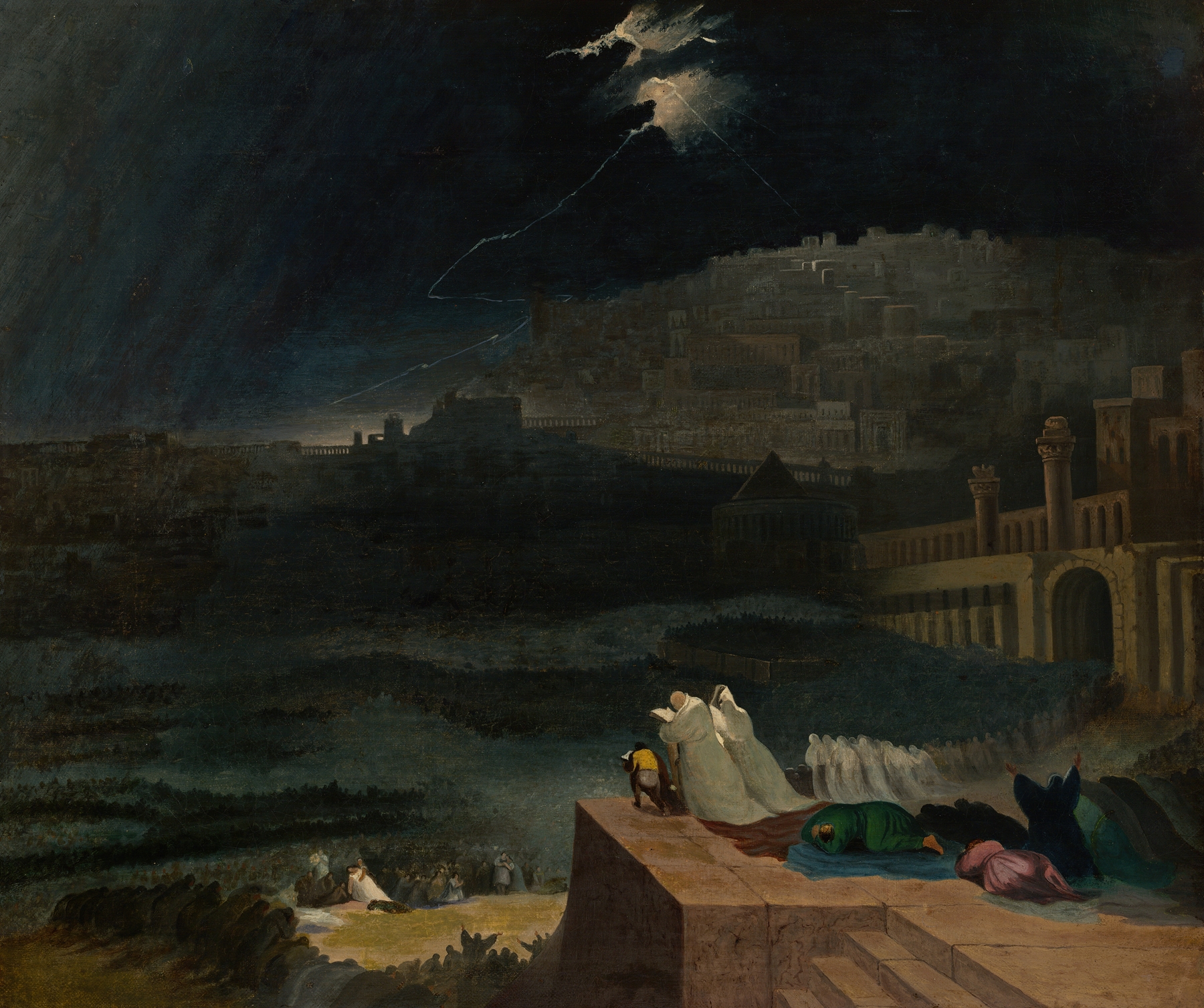
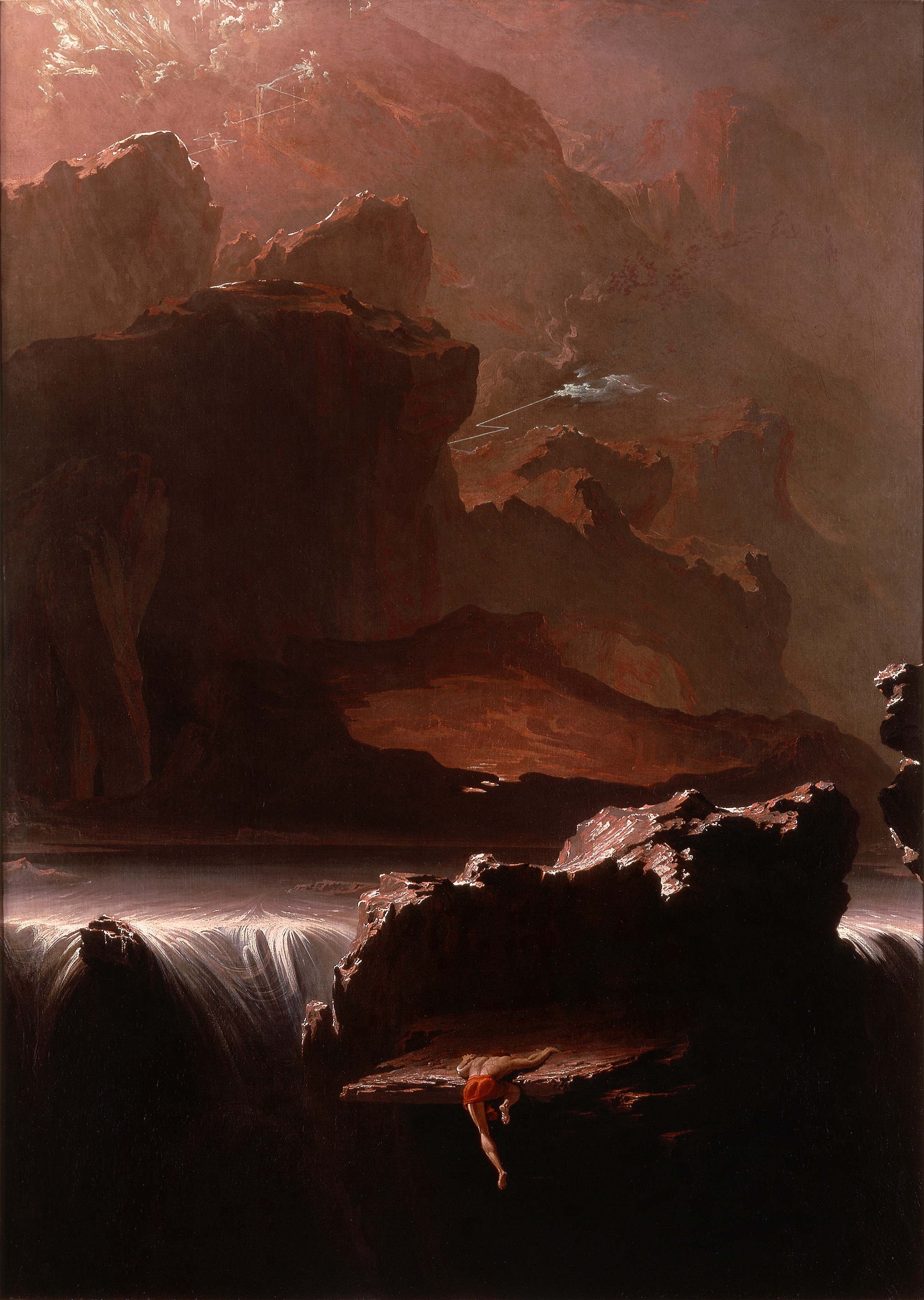
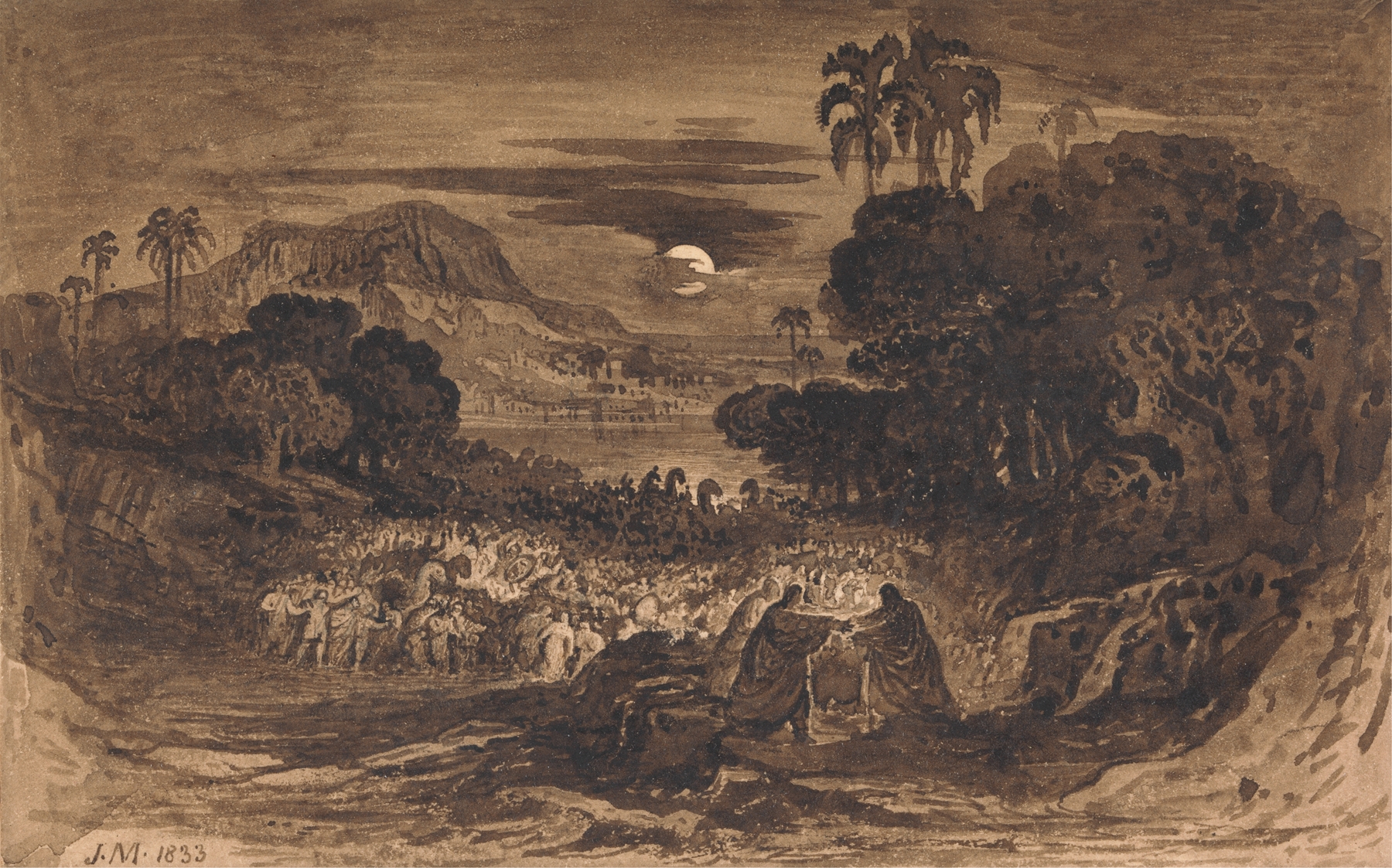
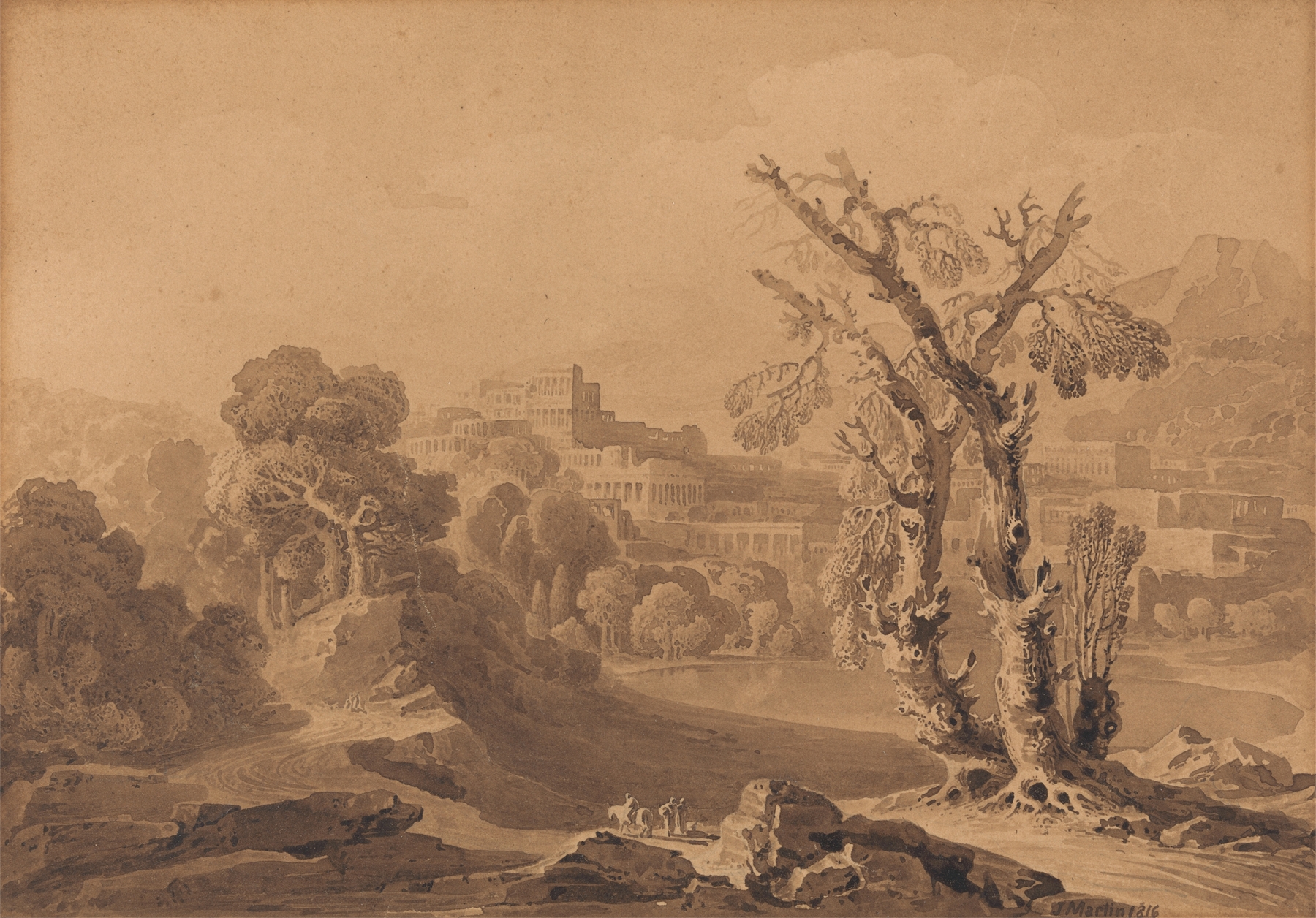
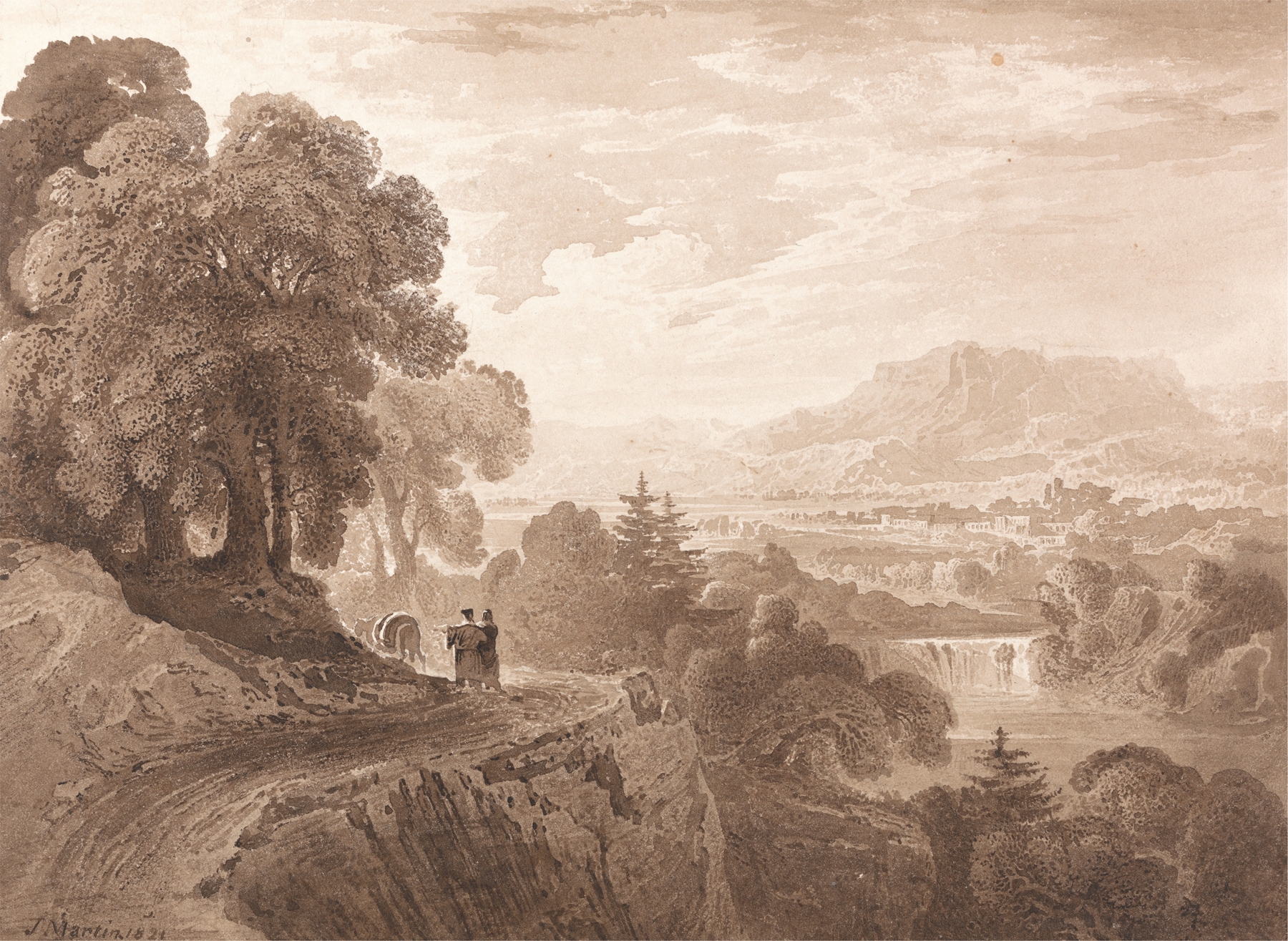
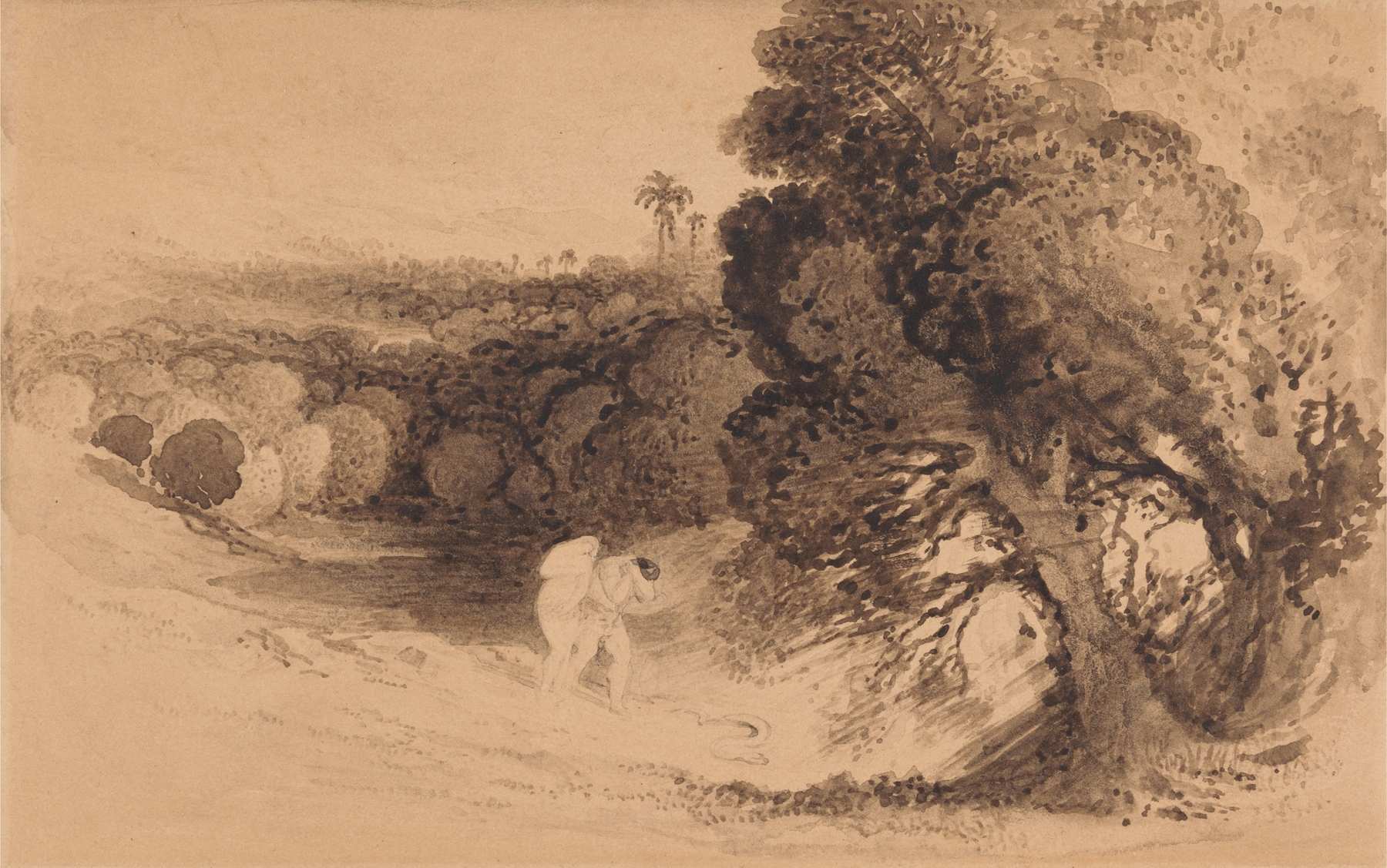
“The canvas doesn’t lie — it simply waits.” In the solitude of this ancient city’s ruins, echoes of a once-vibrant civilization linger, whispering tales of the past. There’s a profound loneliness that permeates the air, as if time itself has abandoned this place, leaving only shadows of what was. Look to the left at the towering remnants of stone columns, their grandeur softened by age and nature’s embrace. Notice how the warm, golden light spills through the broken structures, casting long shadows that stretch like memories across the ground. The palette of muted earth tones, punctuated by pale blues of a distant sky, creates a somber atmosphere, inviting contemplation and reflection.
Each brushstroke seems to echo the sigh of history, reminding us of the fragility of human endeavors. Within this scene rests a duality of beauty and decay, a testament to the passage of time. The delicate interplay between light and shadow evokes a sense of melancholy, as if the city mourns its own demise. Tiny details, such as the creeping vines and scattered stones, symbolize nature’s reclamation, while the vastness of the empty space amplifies the loneliness, emphasizing the absence of life.
The viewer is drawn into the haunting silence, compelled to confront the transience of existence itself. During the early 1810s, Martin was immersed in the Romantic movement, embracing themes of grandeur and the sublime. He painted Ruins of an Ancient City at a time when Europe was grappling with the aftermath of the Napoleonic Wars, reflecting on both the glory and the inevitable decay of civilizations. This period marked a flourishing of interest in dramatic landscapes, and Martin’s work captured the imagination of an audience yearning for both escapism and introspection.