The Rescue of Lot — History & Analysis
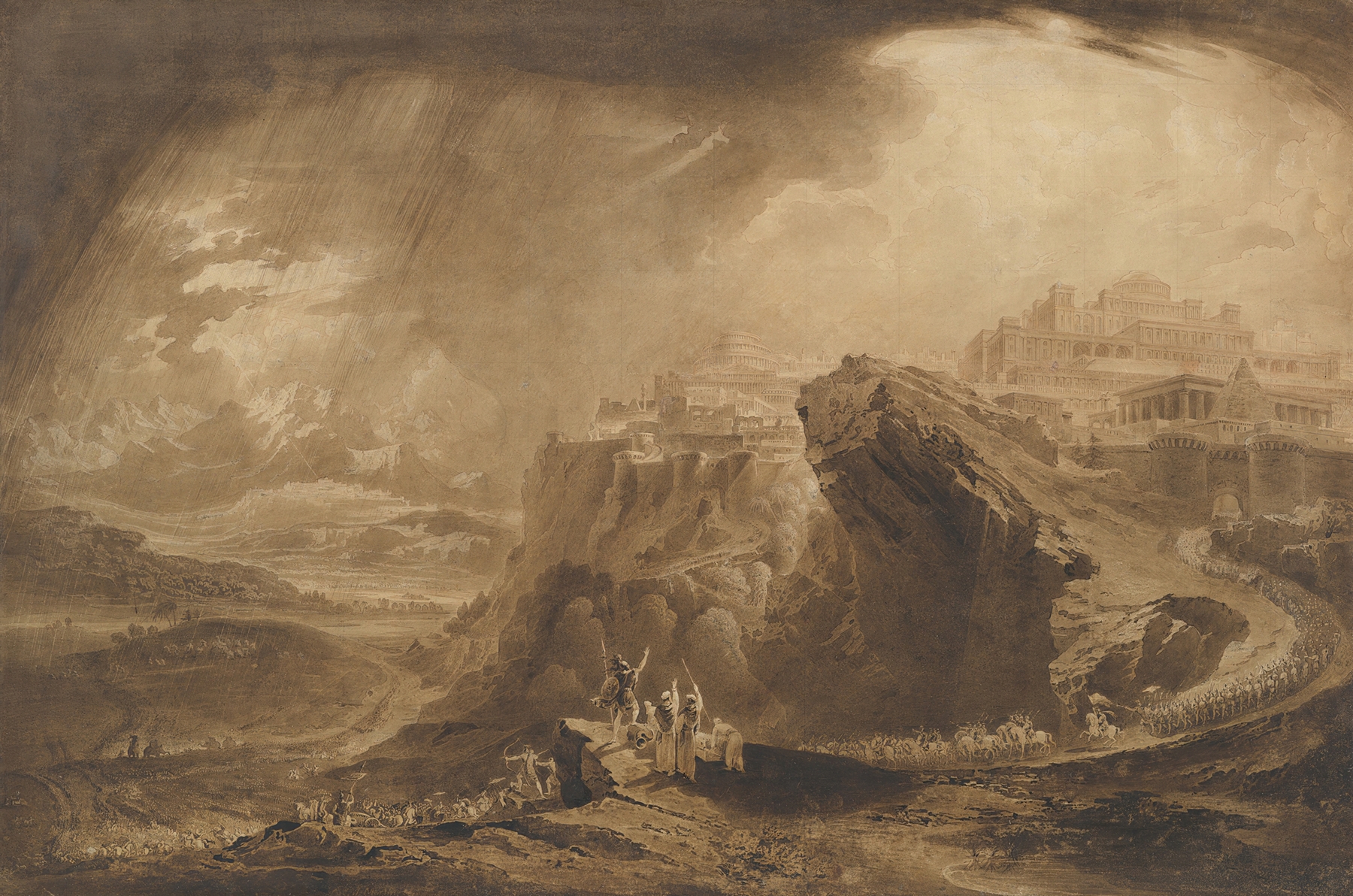
When did color learn to lie? Beneath the surface of earthly hues, there lies a divine truth waiting to be uncovered. Look closely at the dramatic interplay between light and shadow in The Rescue of Lot. The foreground bursts with vibrant reds and yellows, illuminating the figures with an almost celestial glow. Notice how the swirling clouds above invoke chaos, their deep blues and grays juxtaposed against the vivid palette below — a battle between divine intervention and mortal peril.
The composition draws the viewer’s eye towards the heroic rescue, with Lot and his family at the center, as angels hover protectively, their wings crafted with a meticulousness that captures both grace and urgency. The painting speaks to the tension between salvation and destruction. The flames engulfing the city in the distance symbolize not just a physical fire but a moral reckoning, suggesting the consequences of human failings. The angels’ presence contrasts the chaos, representing hope and guidance.
Each brushstroke tells a story of choice and consequence, forcing us to reflect on the divine influence in our everyday struggles. In 1833, the artist was deeply engaged with themes of divine drama and apocalyptic visions, influenced by Romantic ideals. Working in England during a period of industrial and societal change, he sought to portray the grandeur of biblical narratives, elevating them through his distinctive use of light and color. This painting, among others, secured his position as a leading figure in the genre of historical and biblical painting, capturing the imagination of a society grappling with the clash of faith and modernity.