Classical Figures Seated By Ruins In An Italianate Landscape — History & Analysis
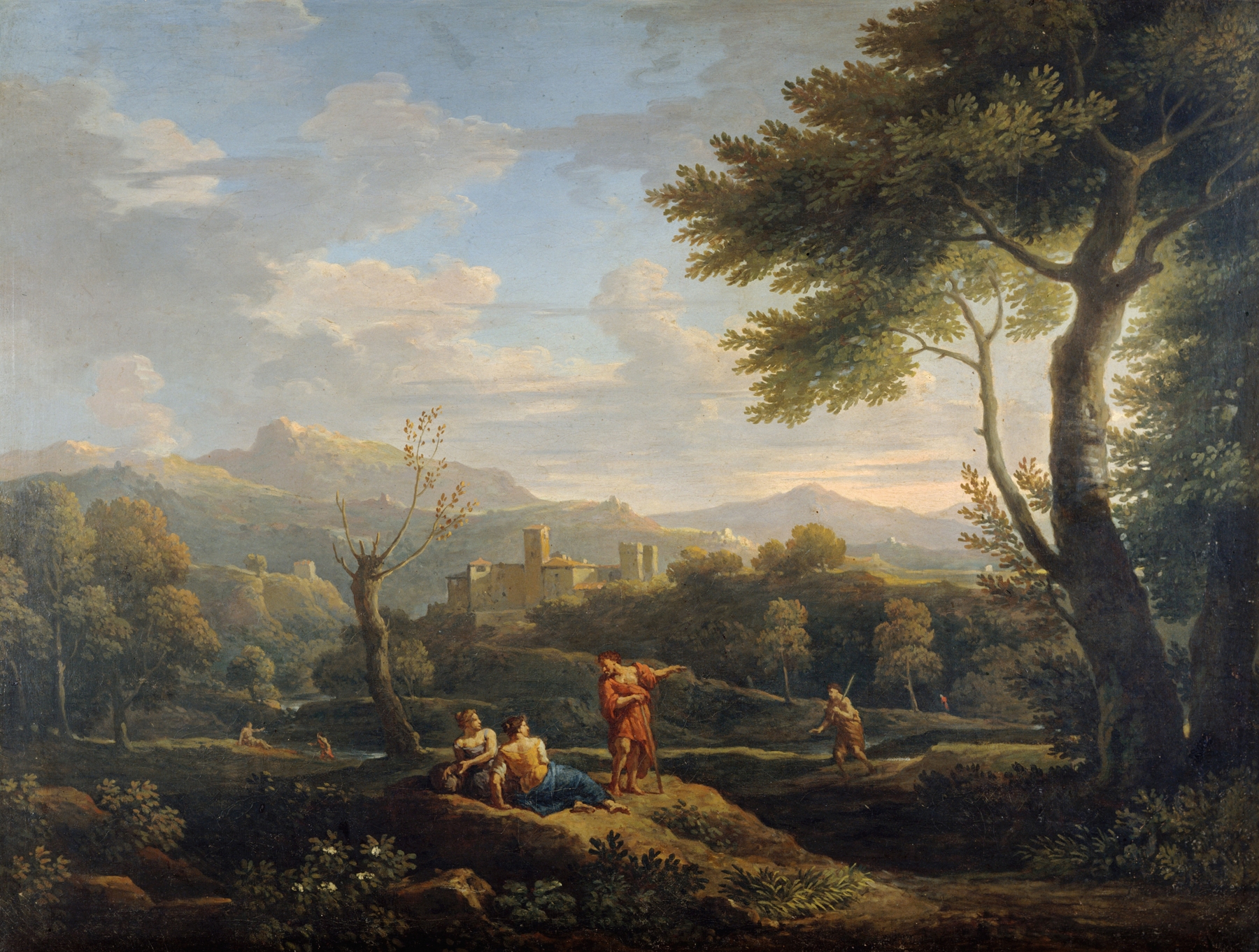
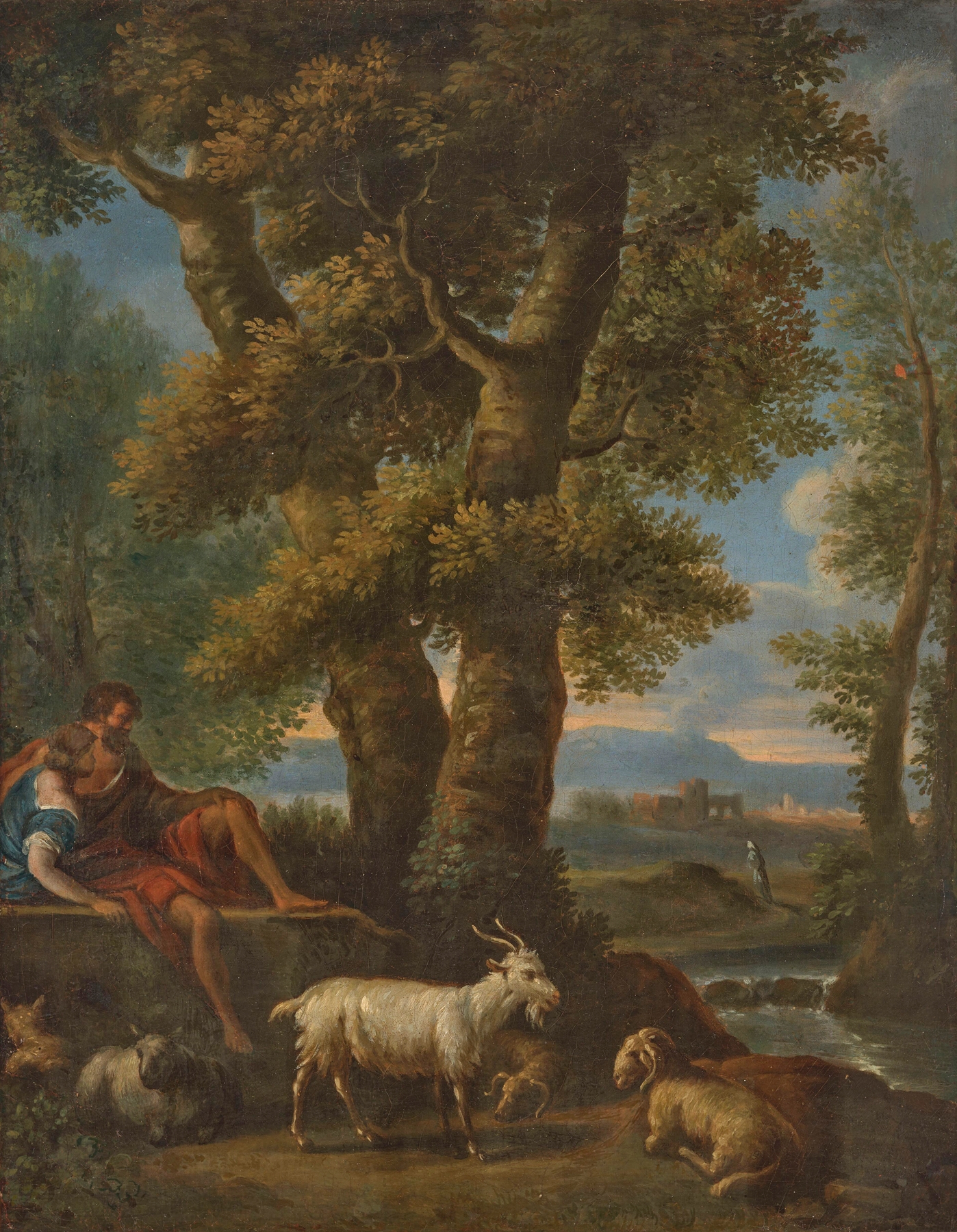
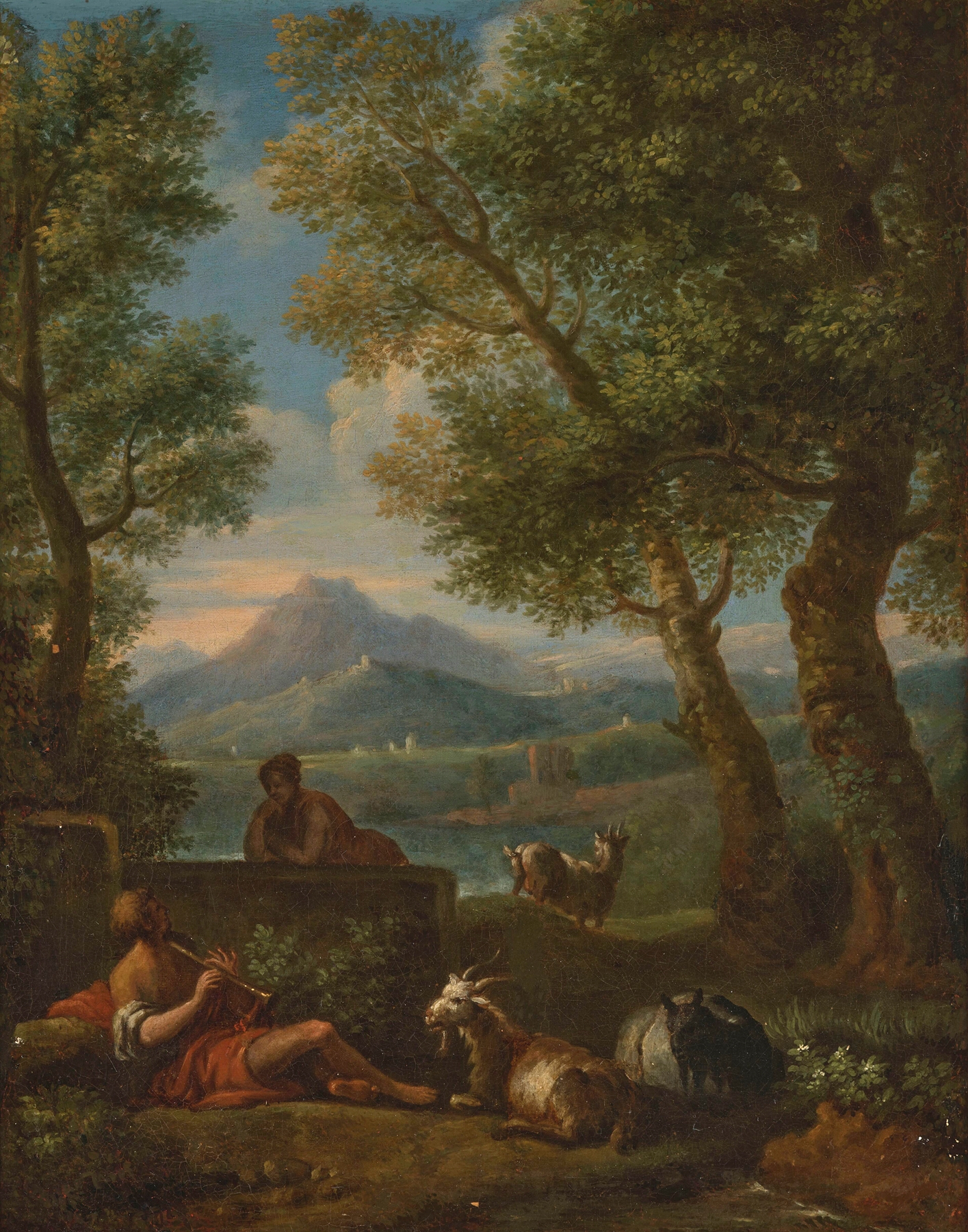
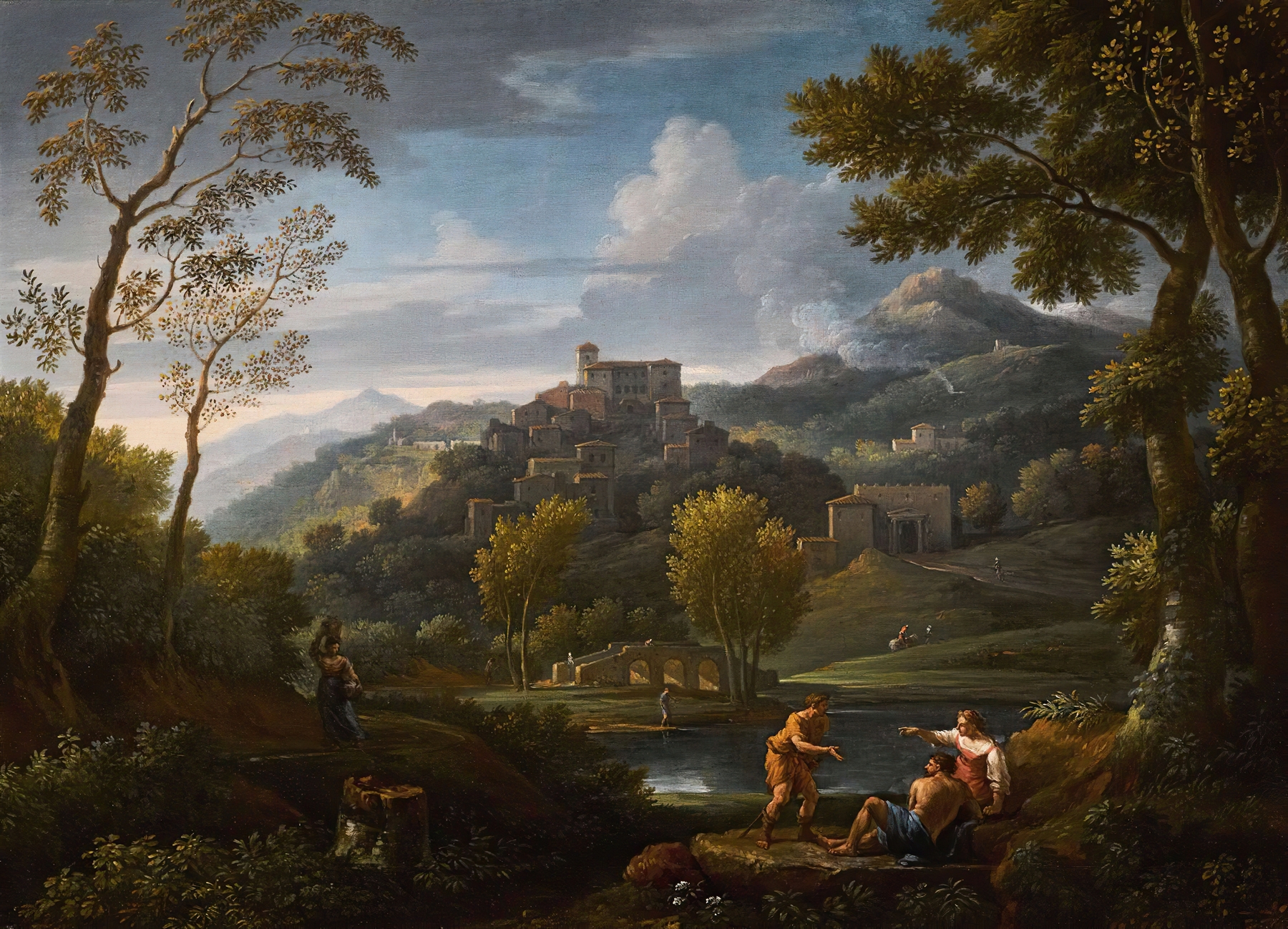
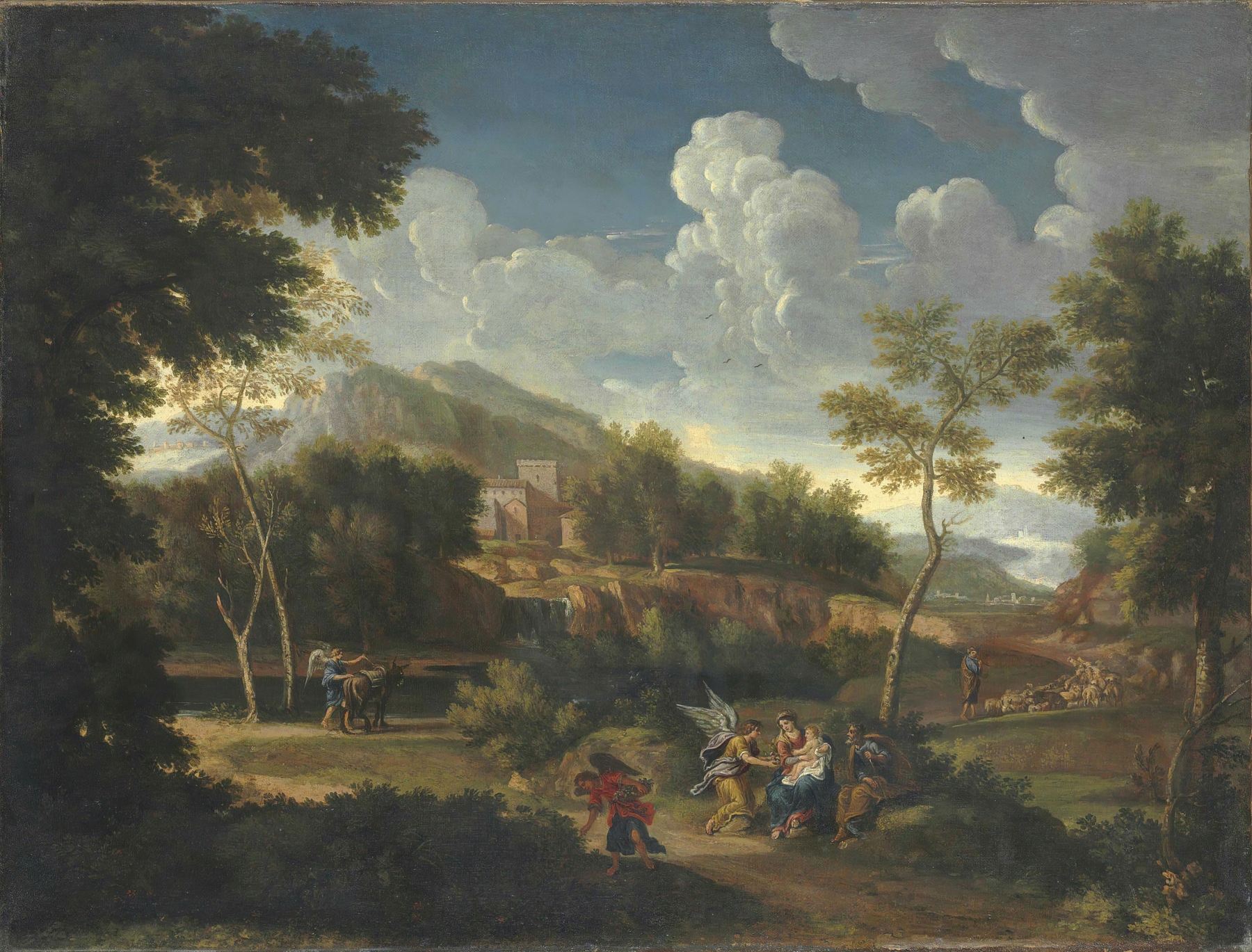
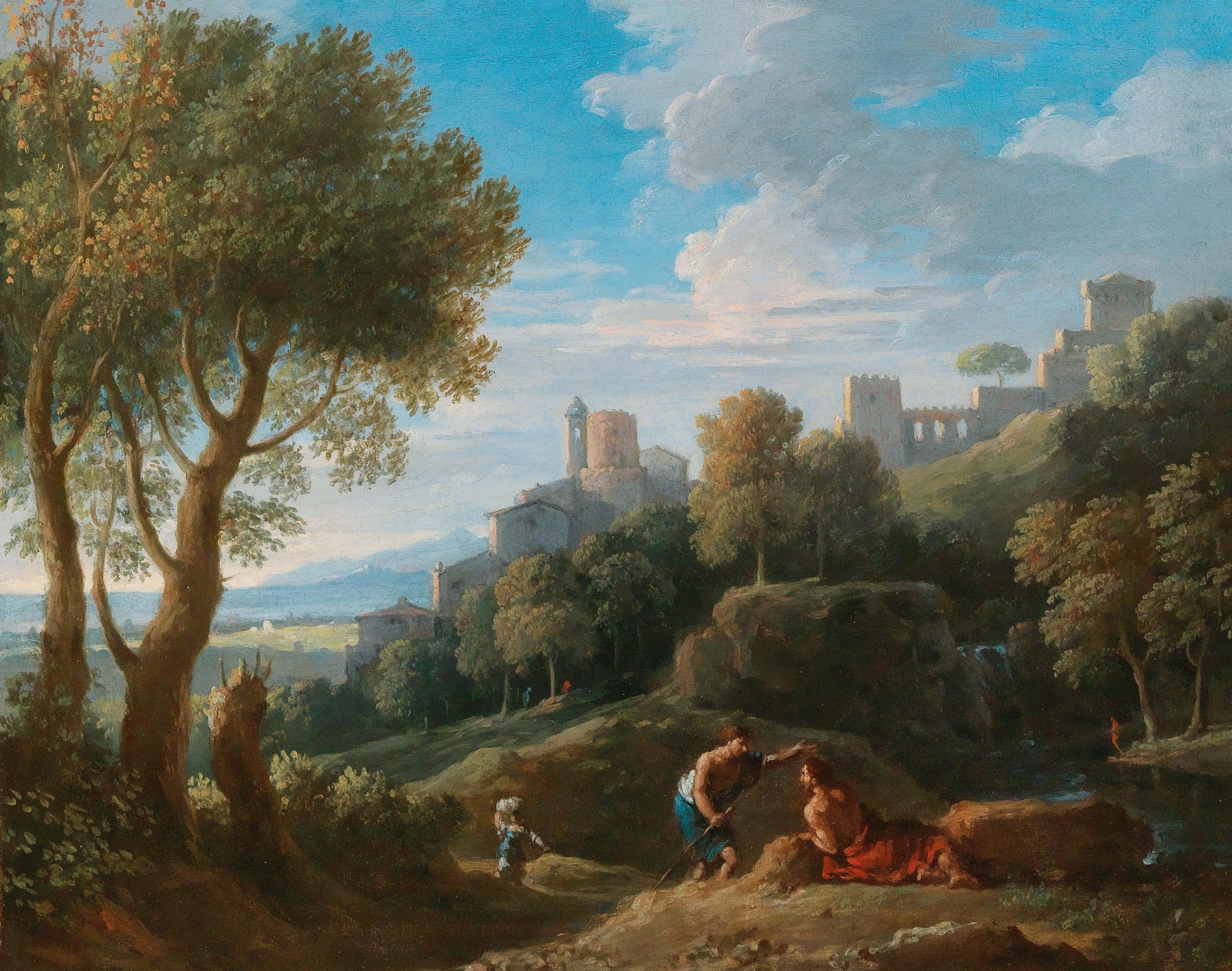
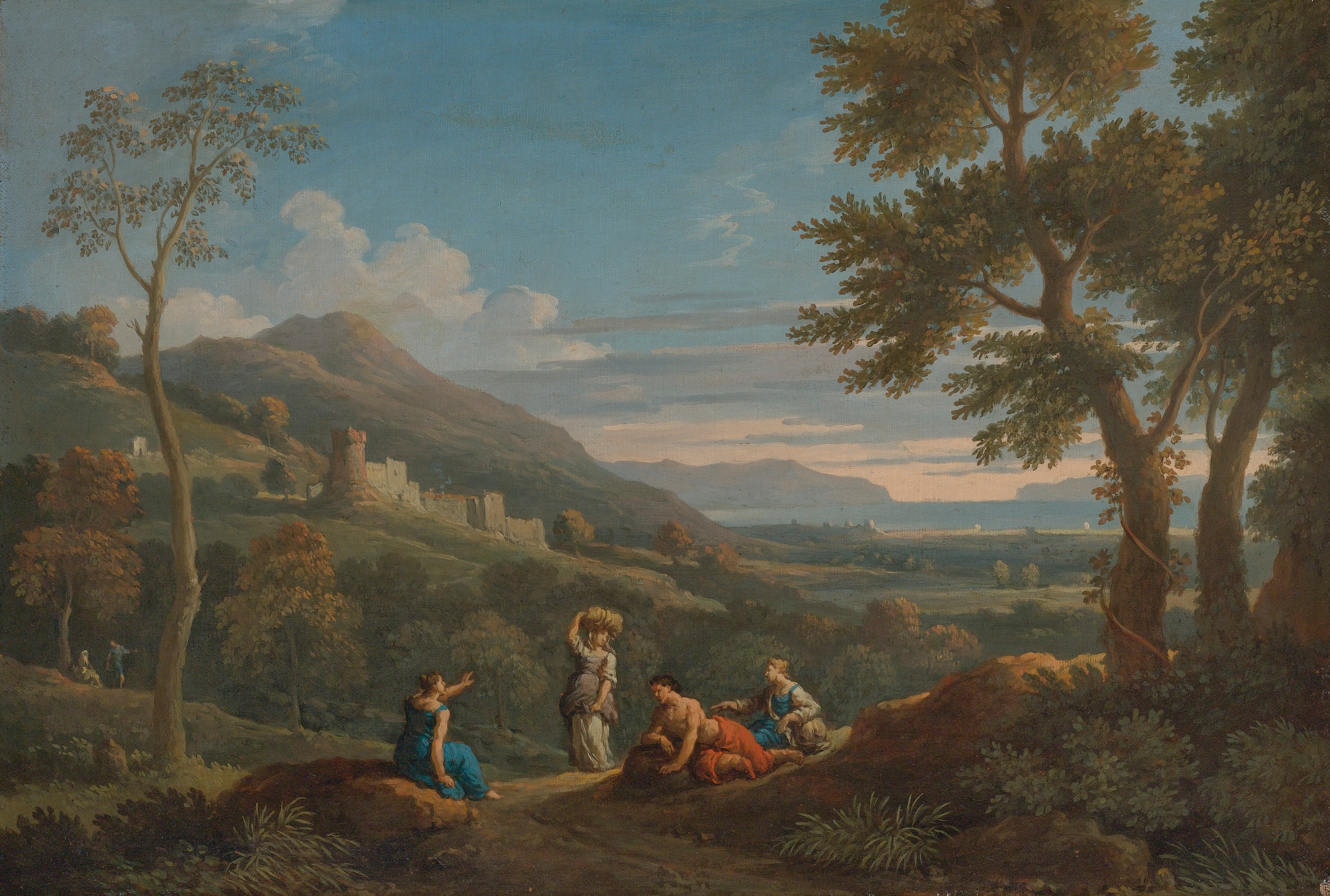
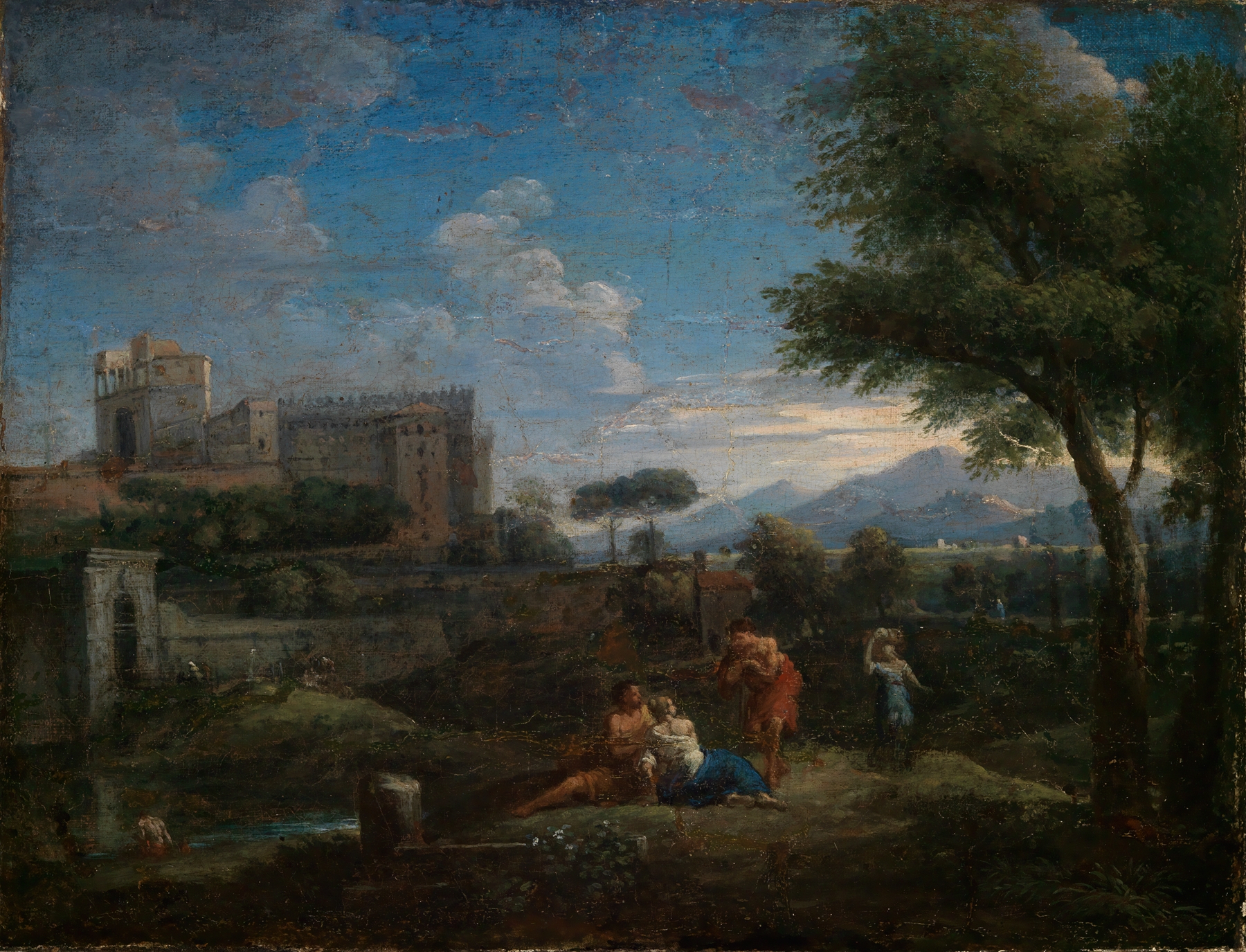
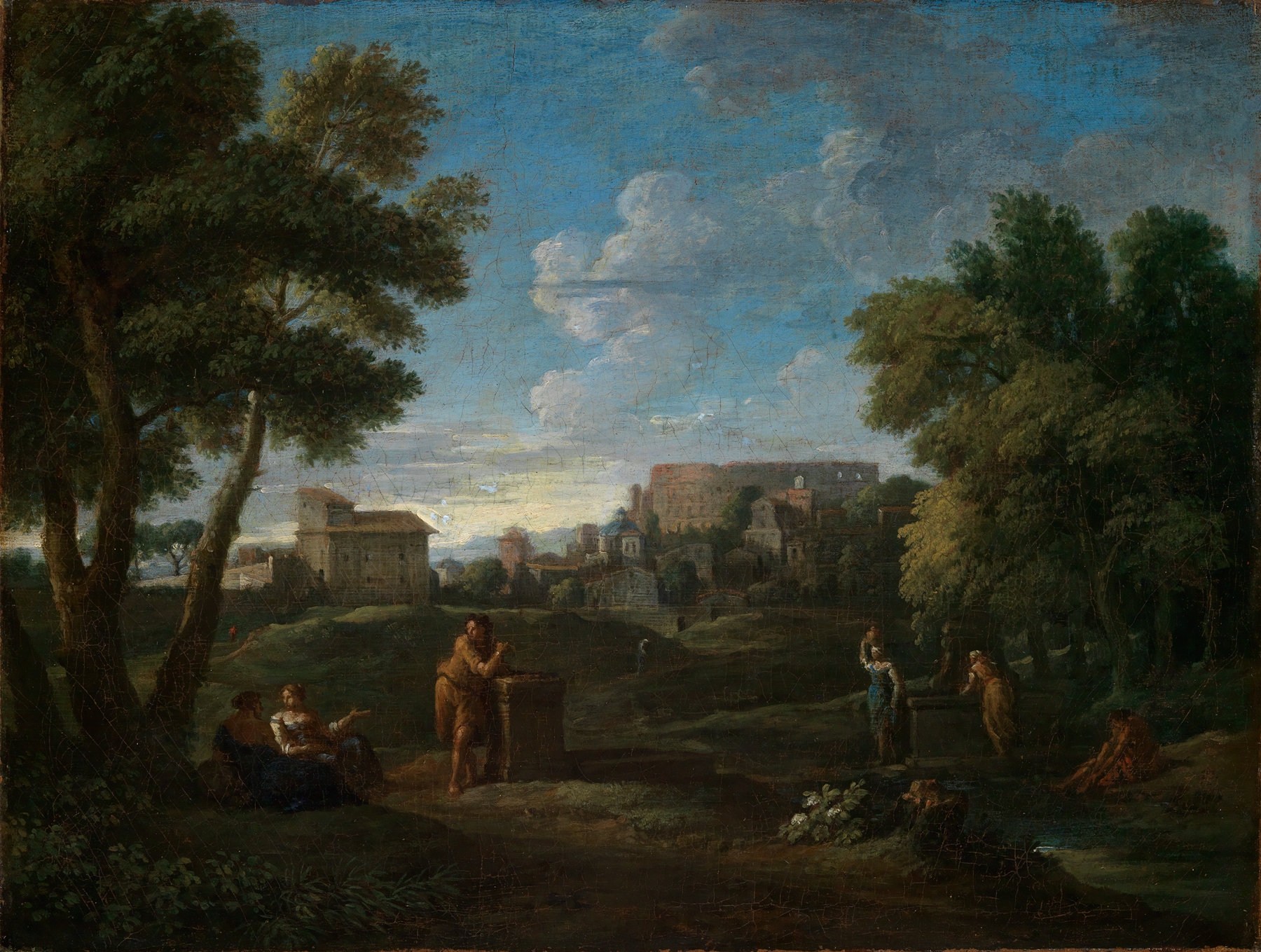
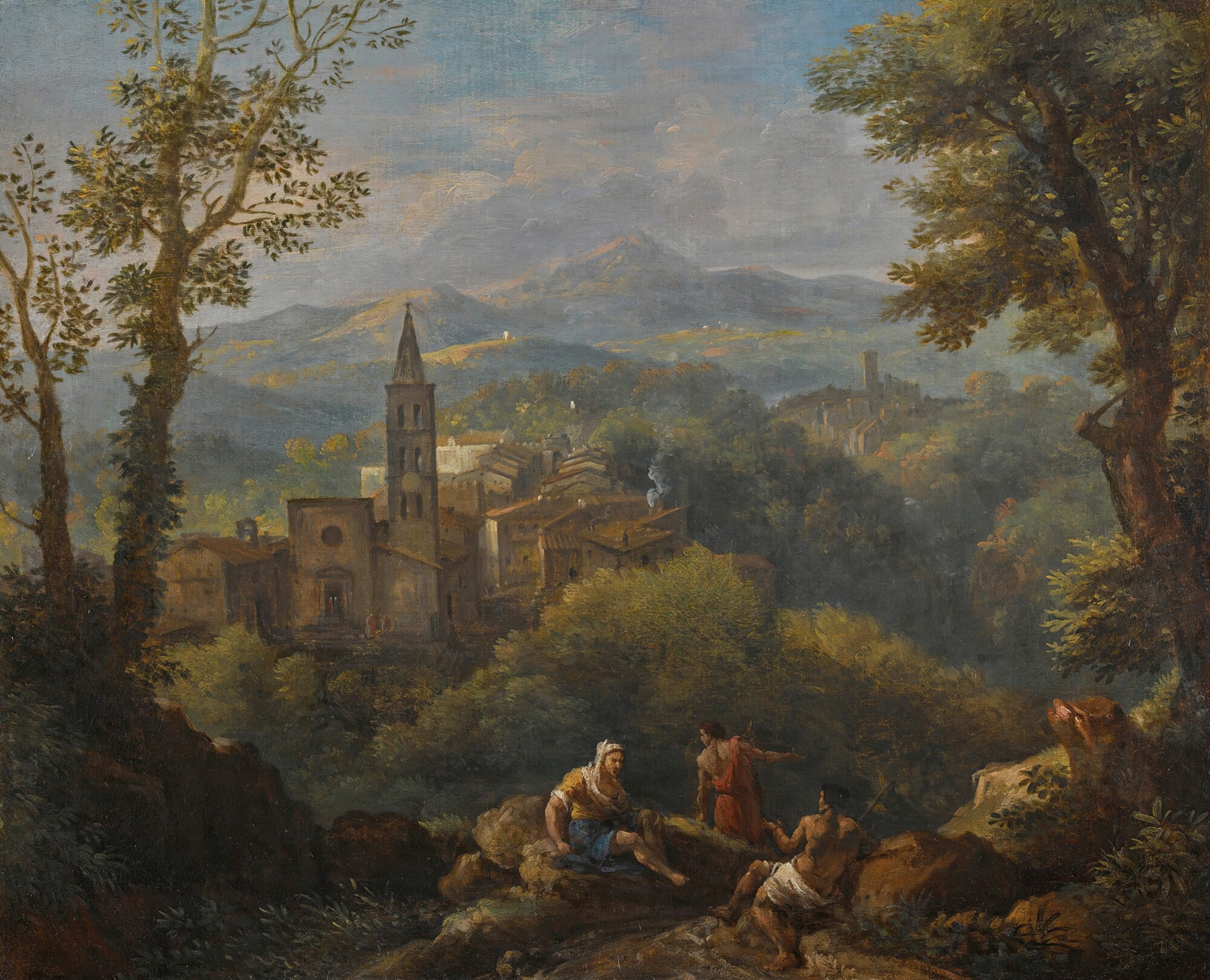
“The canvas doesn’t lie — it simply waits.” In this silent tableau, desire lingers like wisps of smoke, caught in the still air of an ancient world. The yearning for beauty, for connection, almost hums beneath the surface, inviting the viewer to delve into the depths of emotion depicted in the art. Look to the left, where a group of elegantly dressed figures reclines against the crumbling columns of a once-grand structure. Notice how the rich ochres and earthy greens of the landscape embrace them, contrasting with the soft pastel tones of their garments. The artist’s brushstrokes breathe life into the scene; textured layers evoke the sensation of sun-drenched stones intermingling with verdant foliage.
The juxtaposition of the ruins and the luxurious attire embodies the transient nature of beauty and time. Hidden within this serene landscape are elements of longing and nostalgia. The figures, despite their apparent leisure, exude a palpable tension, as if caught between the world of their personal desires and the haunting reminders of past grandeur. Each expression and gesture reveals a longing for a lost era, suggesting that even amidst beauty, there remains an undercurrent of sorrow.
The attentive viewer might feel as if these figures are not merely resting; they might be mourning what was and dreaming of what could be. Jan Frans Van Bloemen painted this work during the late 17th to early 18th century, a period marked by a burgeoning interest in Italianate landscapes among Northern European artists. Living in Rome, he became deeply influenced by classical themes and the romanticism of ruins. His exploration of light and composition during this time reflects not only his artistic development but also the cultural shift towards valuing nature and nostalgia in art.