Klassische Landschaft bei Rom mit Blick vom Palatin auf das Kolosseum — History & Analysis
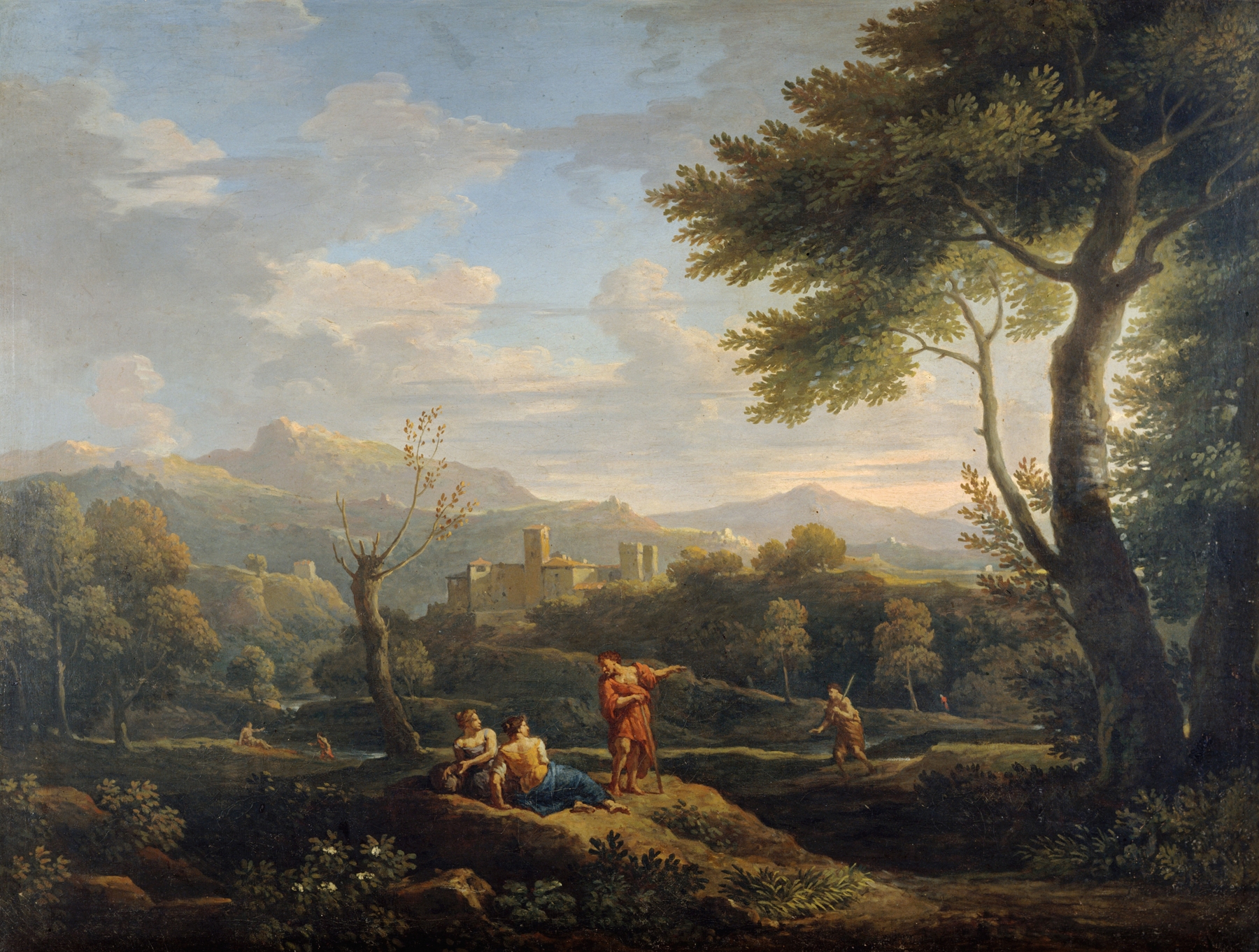
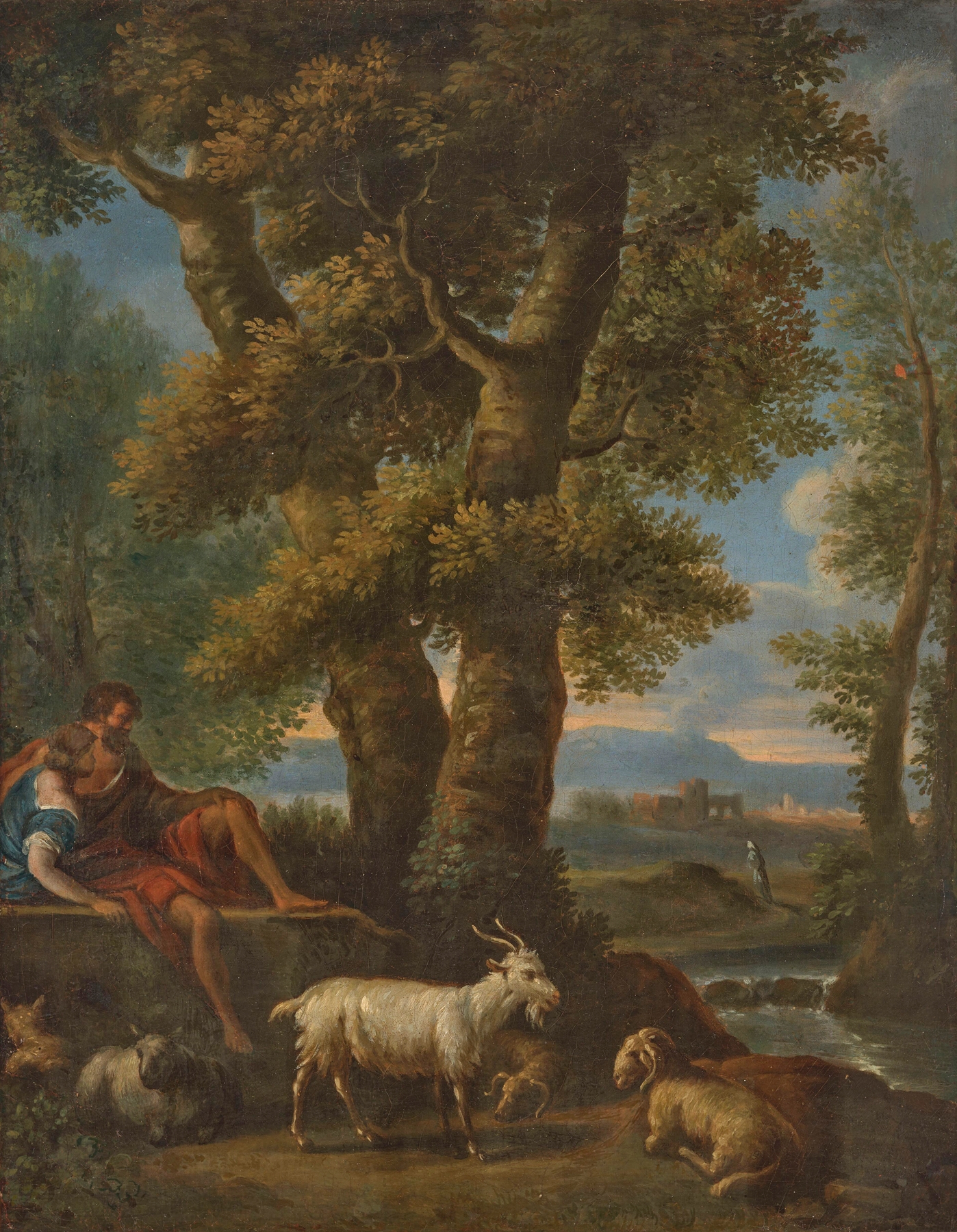
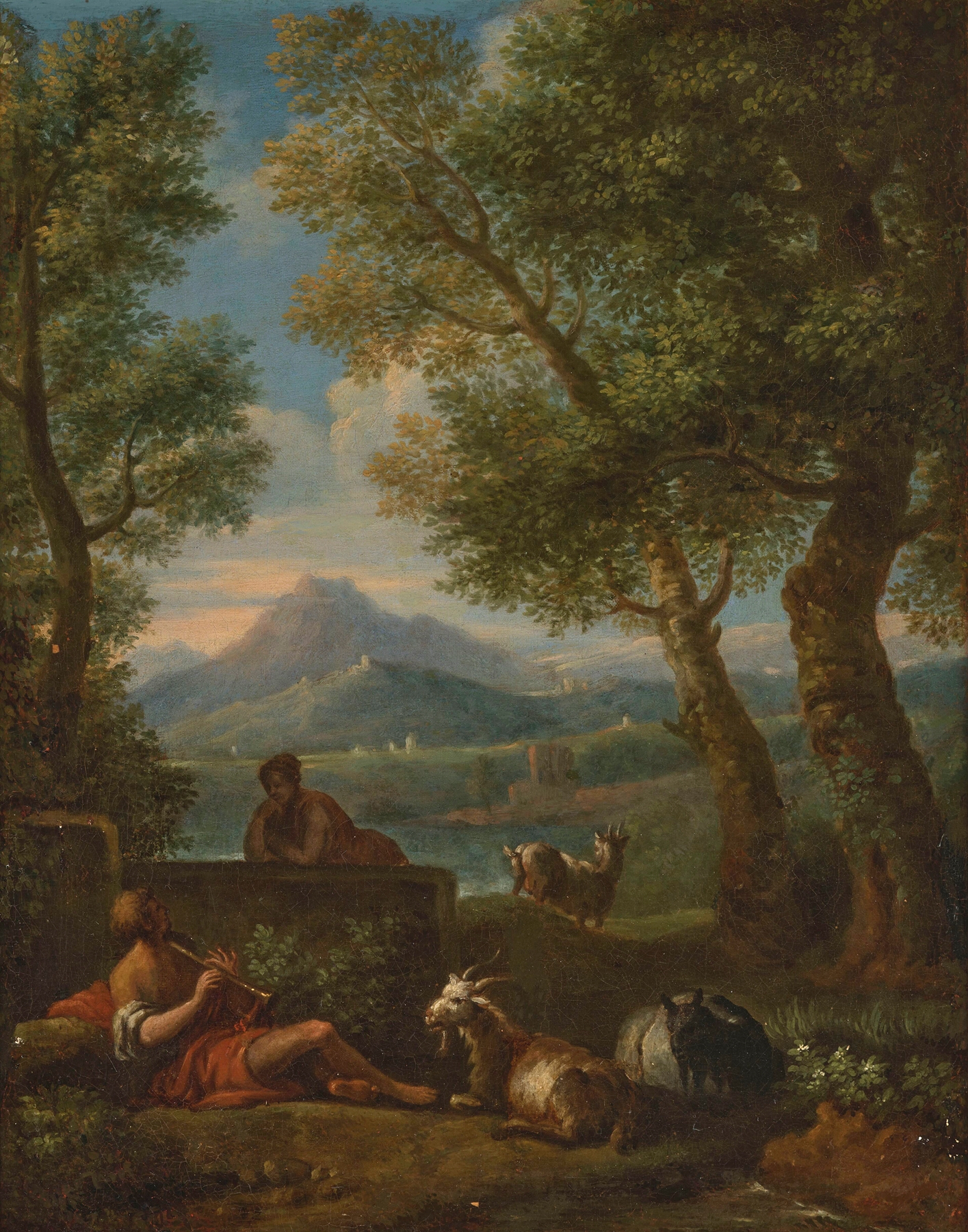
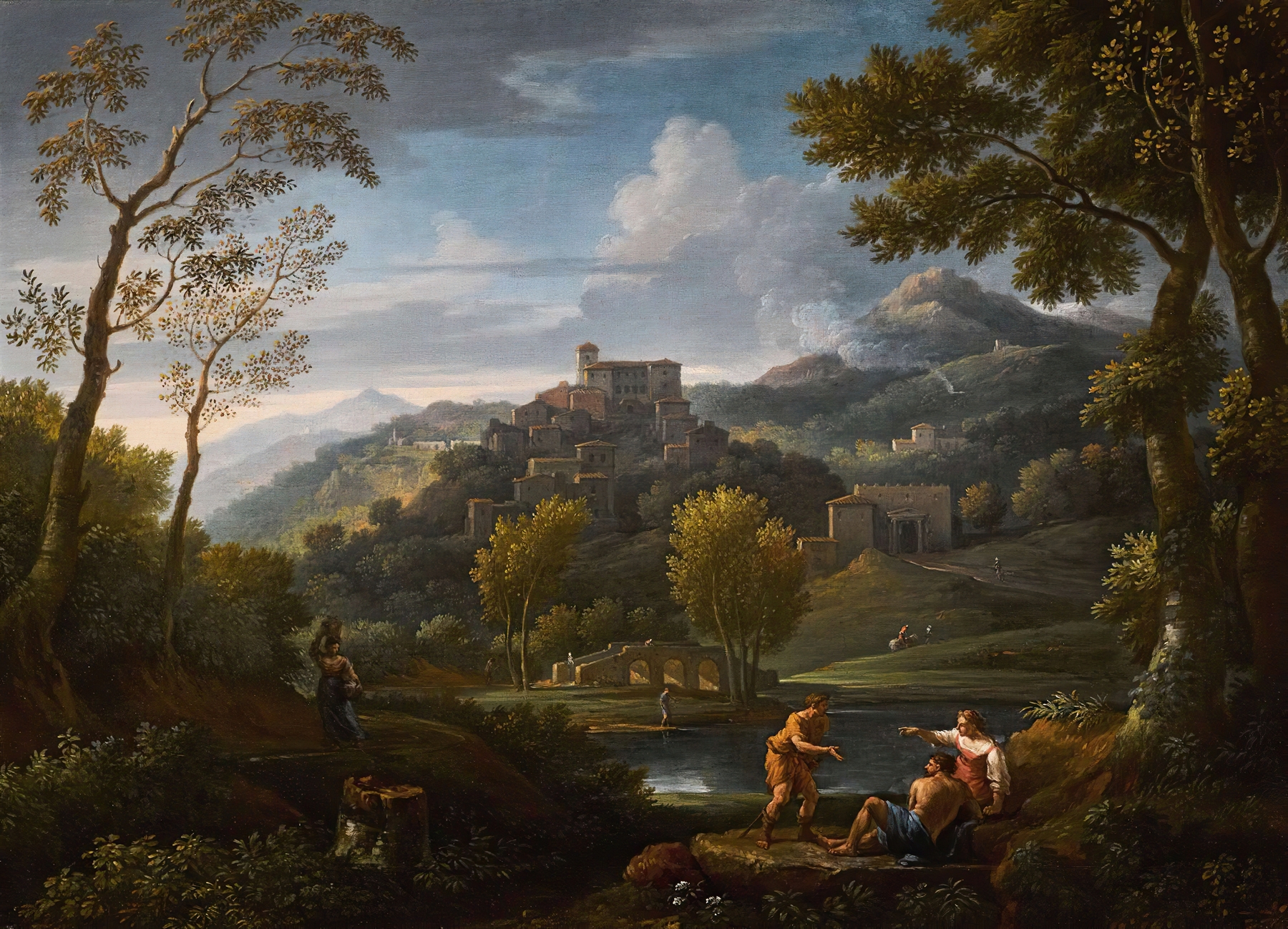
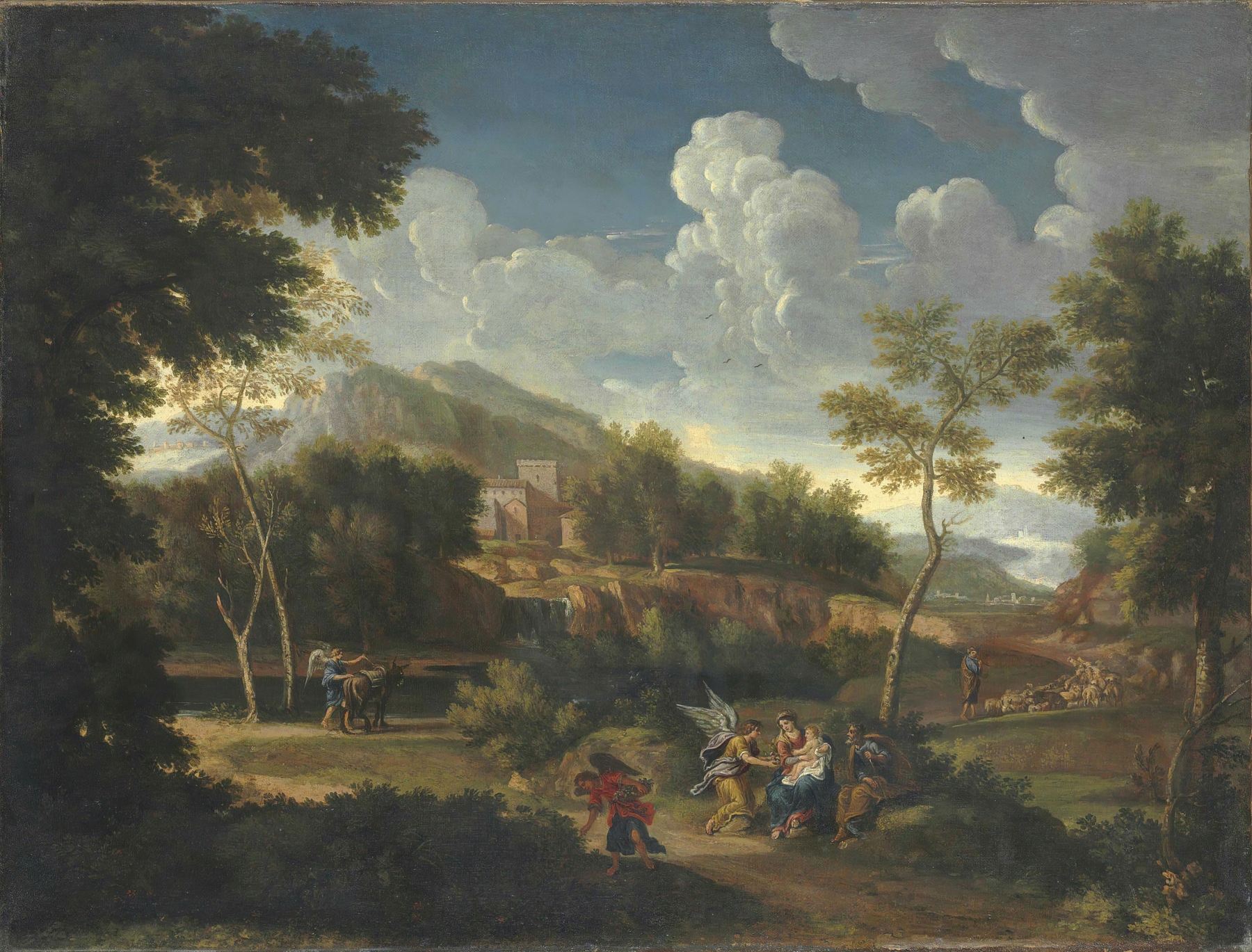
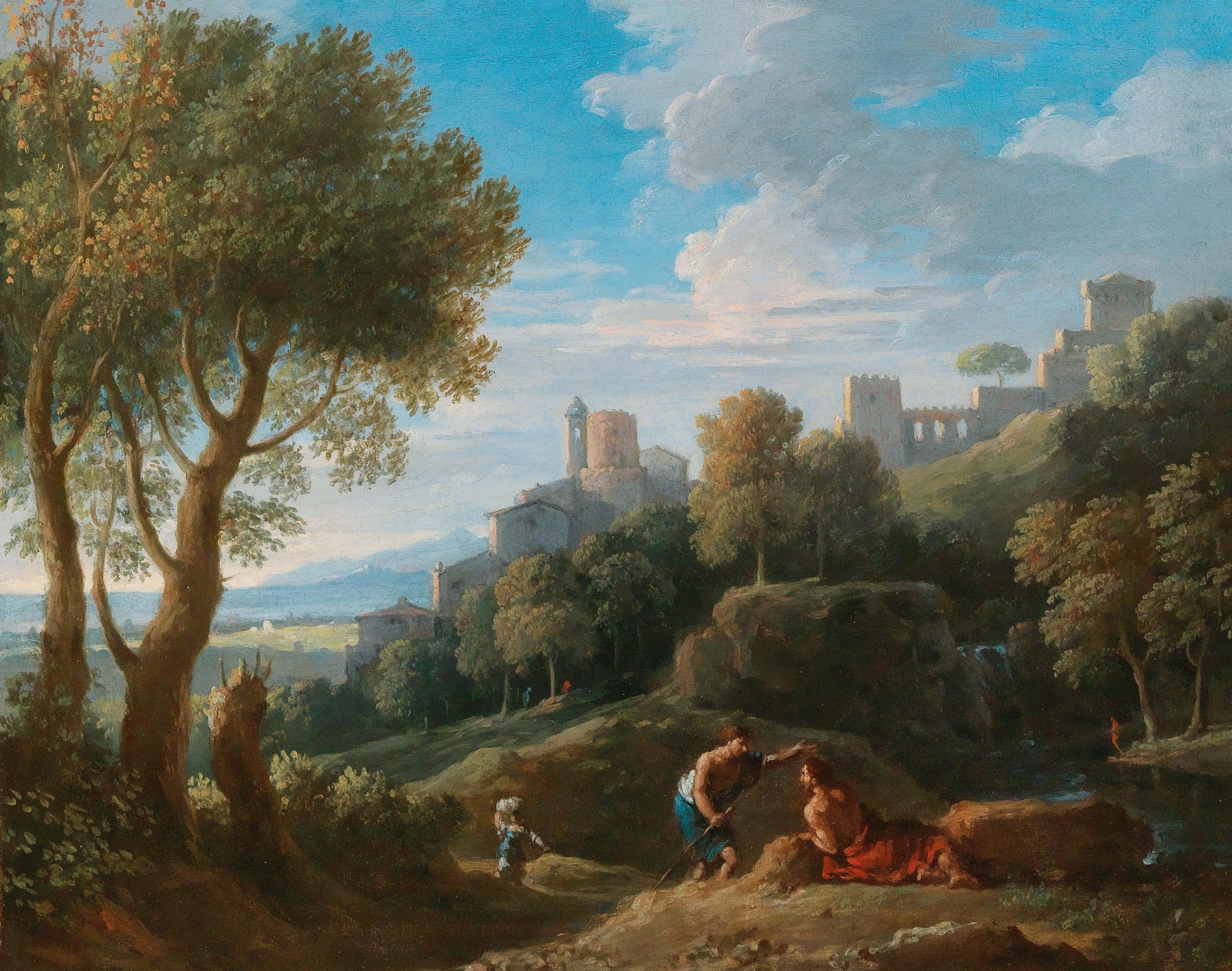
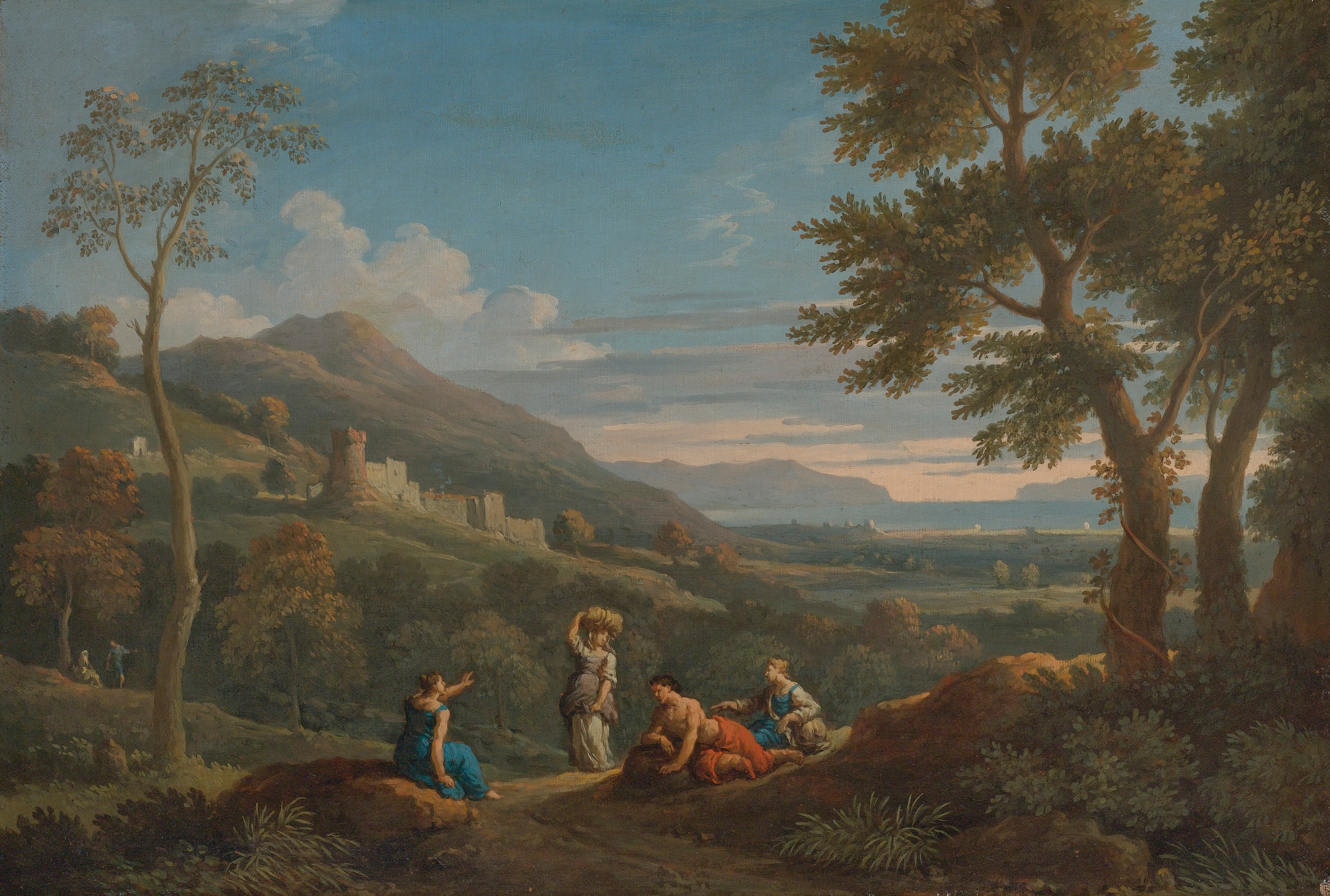
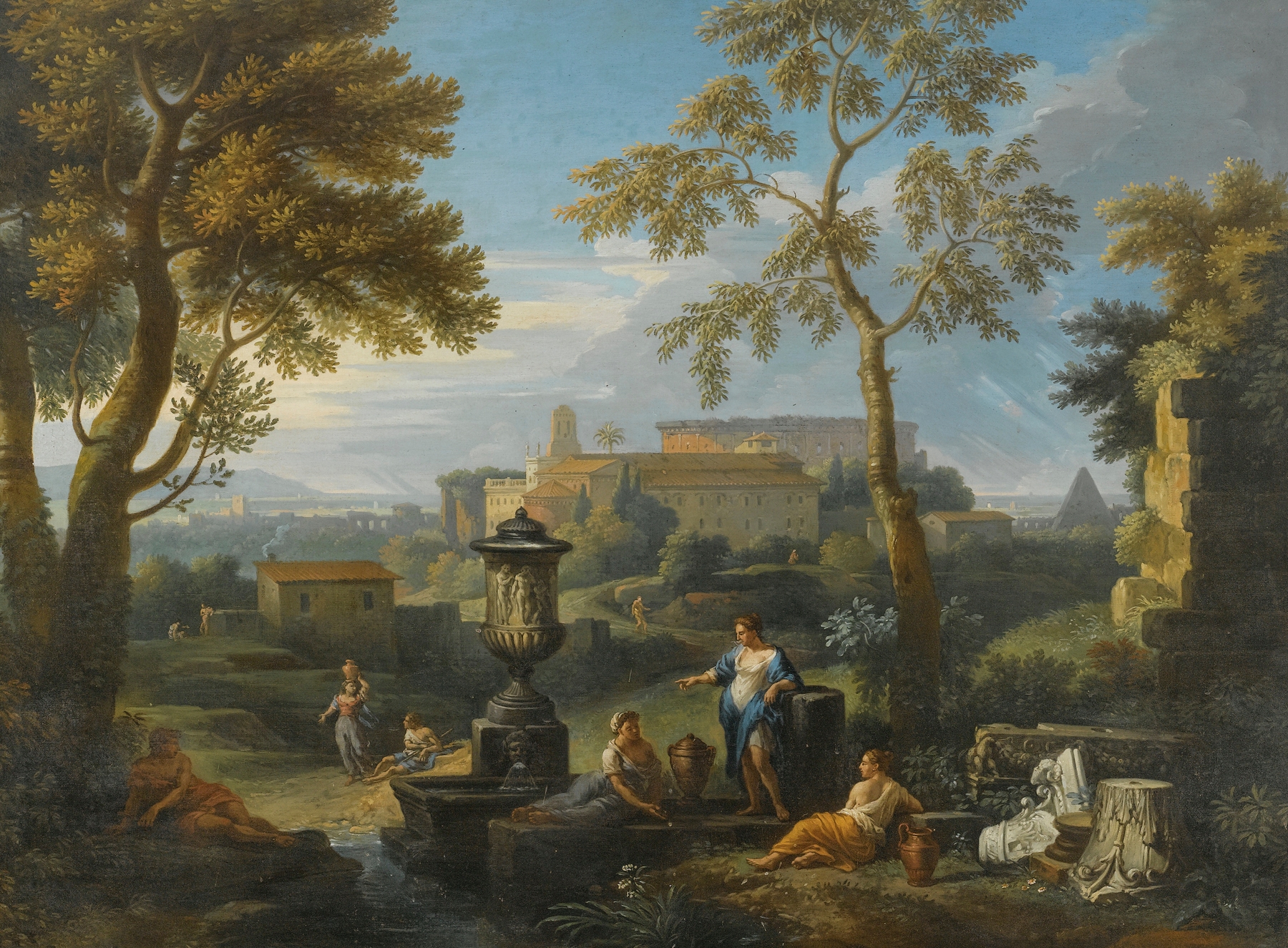
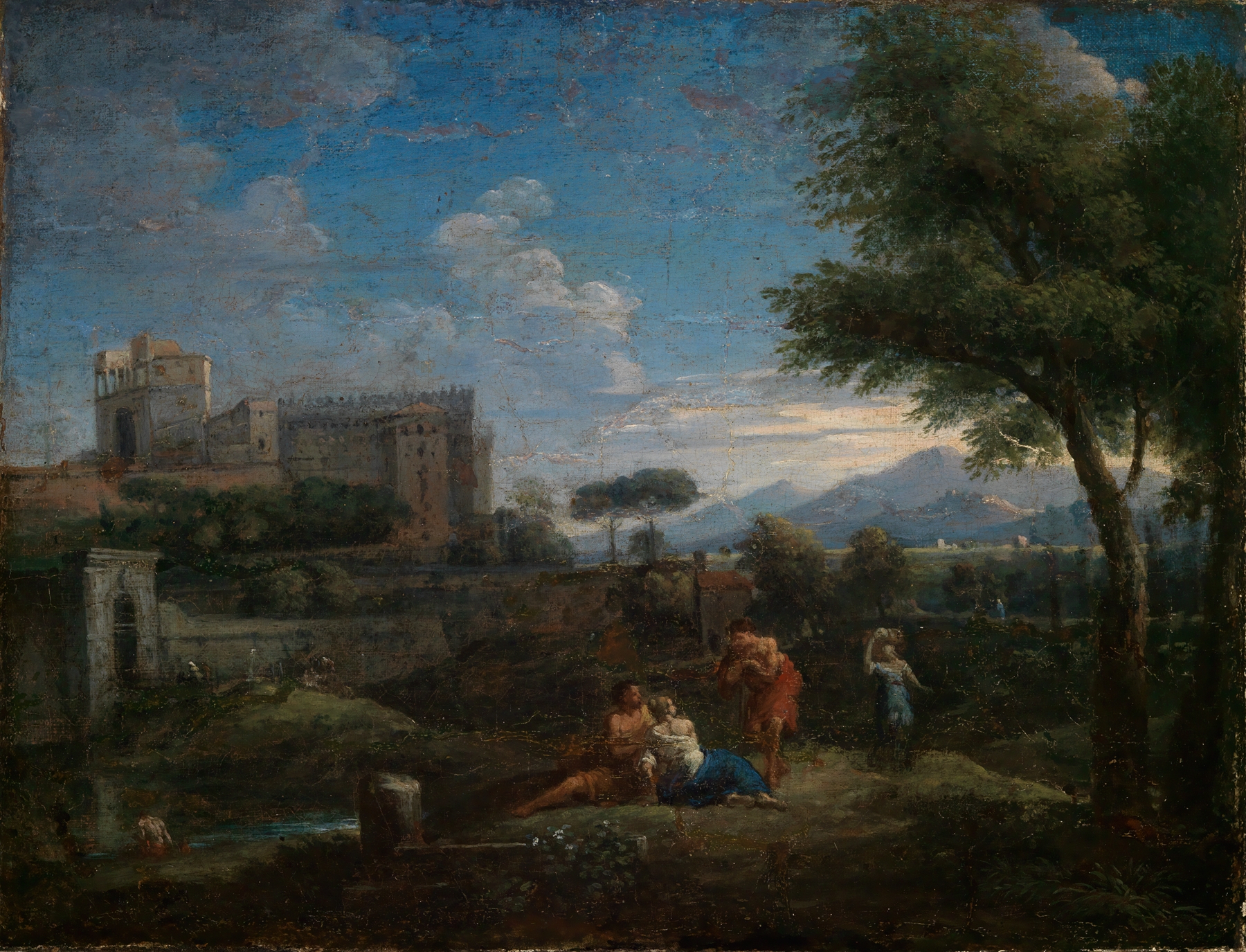
When did color learn to lie? In the quiet stillness of this classical landscape, the hues whisper secrets of a time long past, where silence reigns over the canvas. Look to the foreground, where lush greenery unfurls like a velvet carpet, leading the eye gently to the grandeur of the Colosseum in the distance. Notice how the light diffuses softly, illuminating the ochres and greens with a golden embrace that hints at the setting sun.
The composition draws you in, inviting a sense of peace amidst the historical weight of the structures, creating a mesmerizing dialogue between nature and architecture. Yet, beneath this serene exterior lies an intricate tension. The tranquil landscape stands in stark contrast to the tumultuous history of the Colosseum, a structure that once echoed with the roars of the crowd and the cries of gladiators. The soft brushwork evokes a sense of memory, suggesting that the beauty of the scene coexists with forgotten tales of struggle and glory.
Each detail, from the weathered stones to the gentle ripple of the trees, speaks to the impermanence of both art and life. Jan Frans Van Bloemen painted this work during a time when he was deeply influenced by the Roman landscape, likely in the late 17th century. Living in Italy, he captured not only the aesthetic beauty of the region but also its historical significance. His exploration of the natural and built environment reflected a broader trend in art, emphasizing the harmonious relationship between man and nature amidst the backdrop of a changing world.