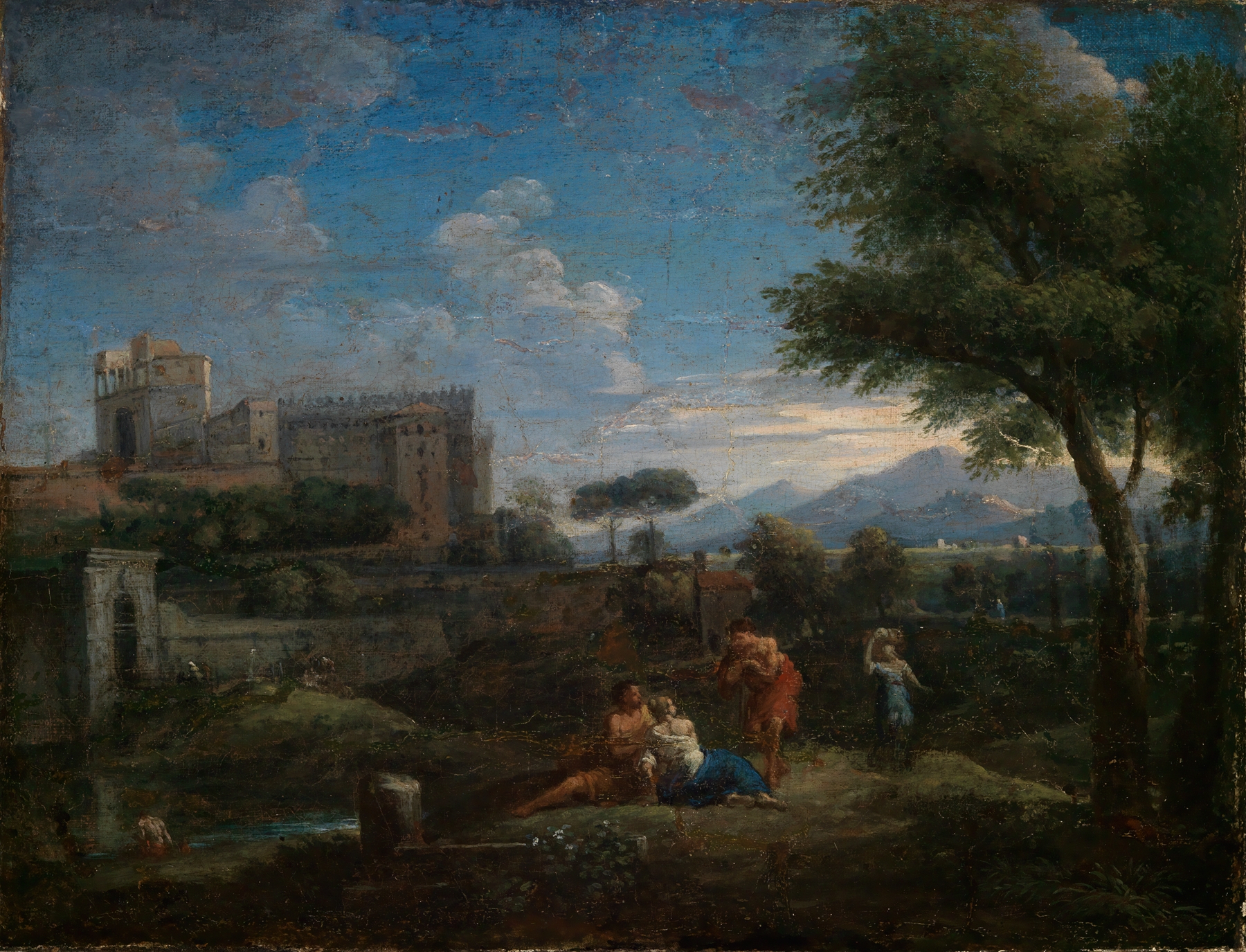
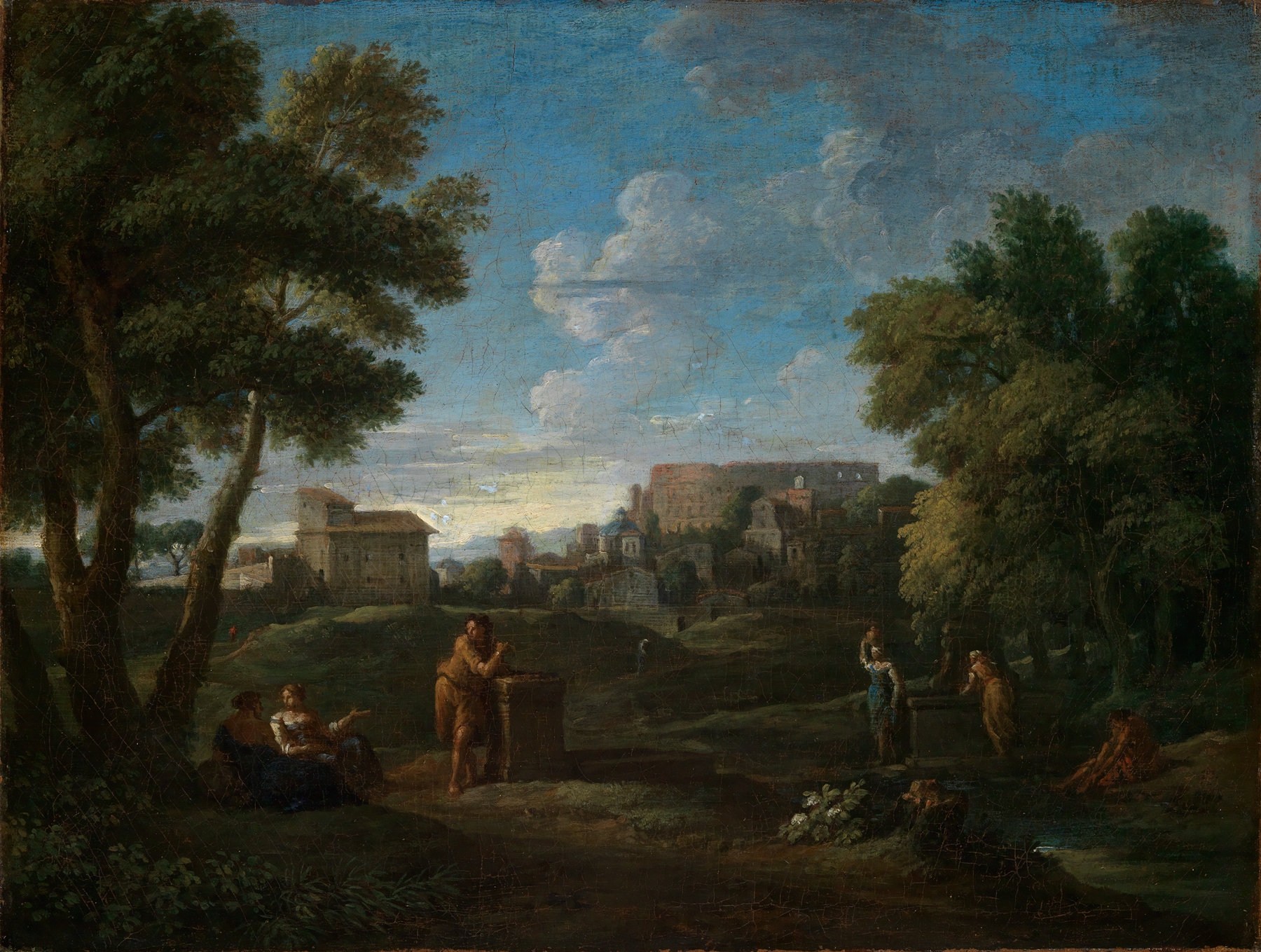
Italianate landscape with three figures in the foreground, hilltop villages and a church beyond — History & Analysis
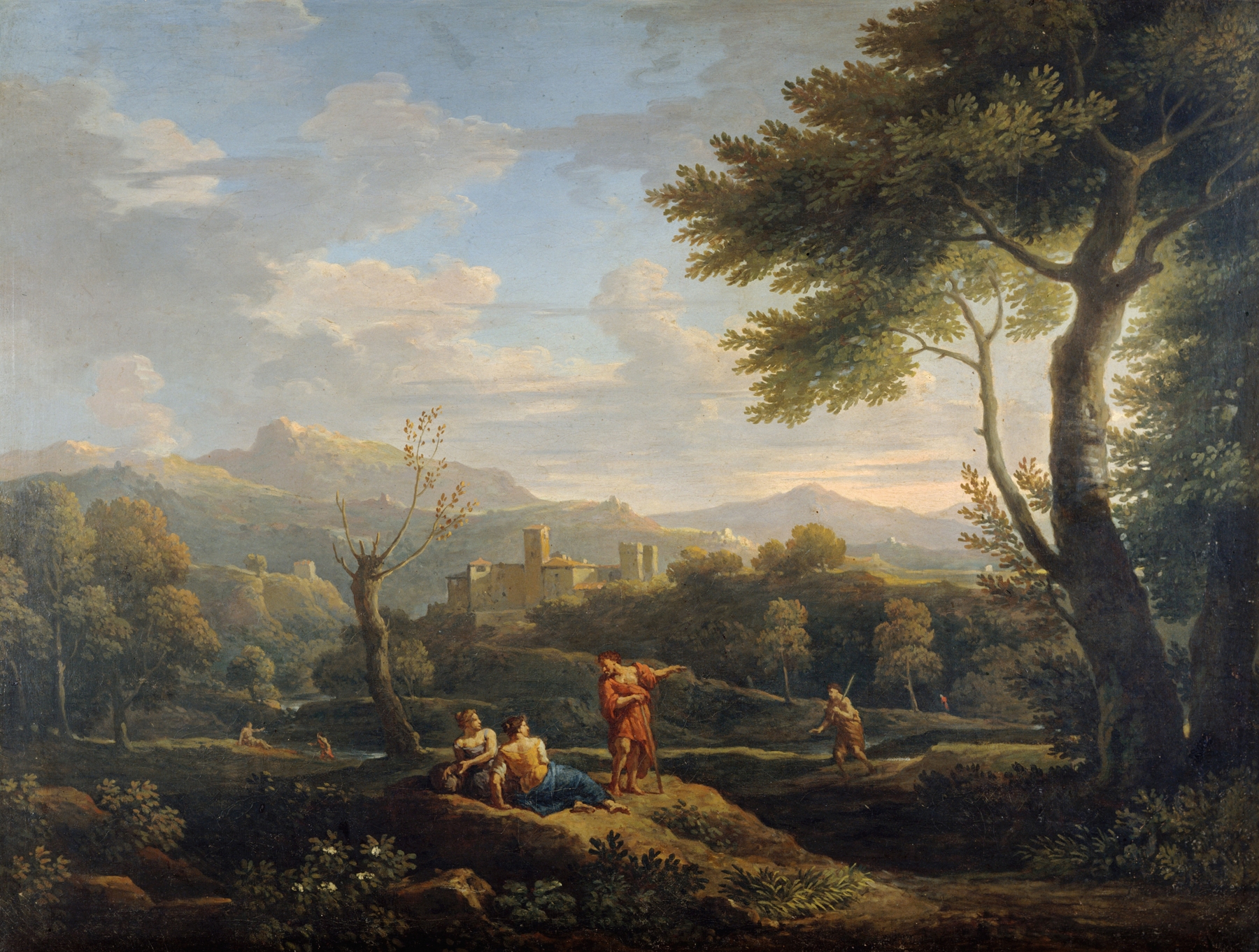
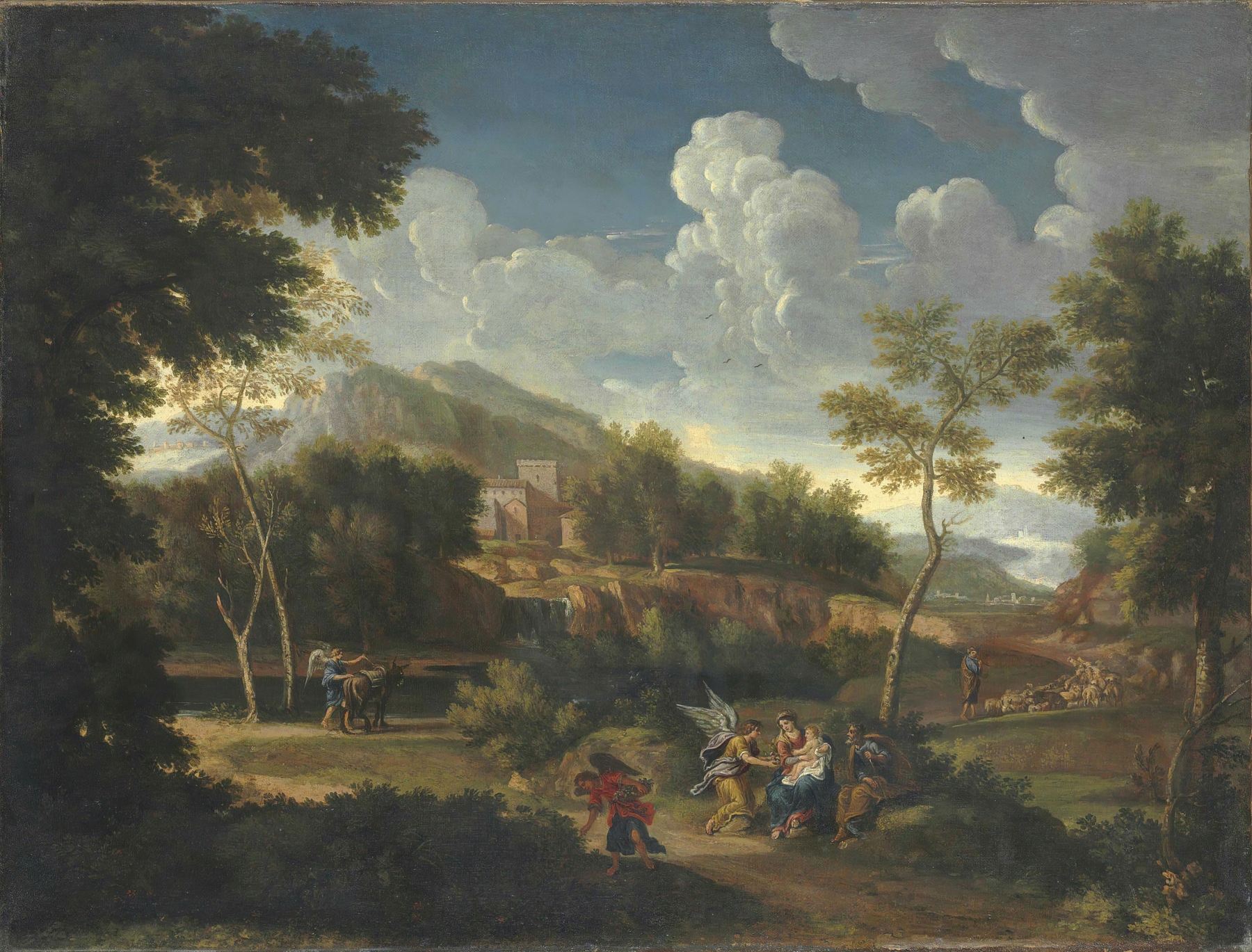
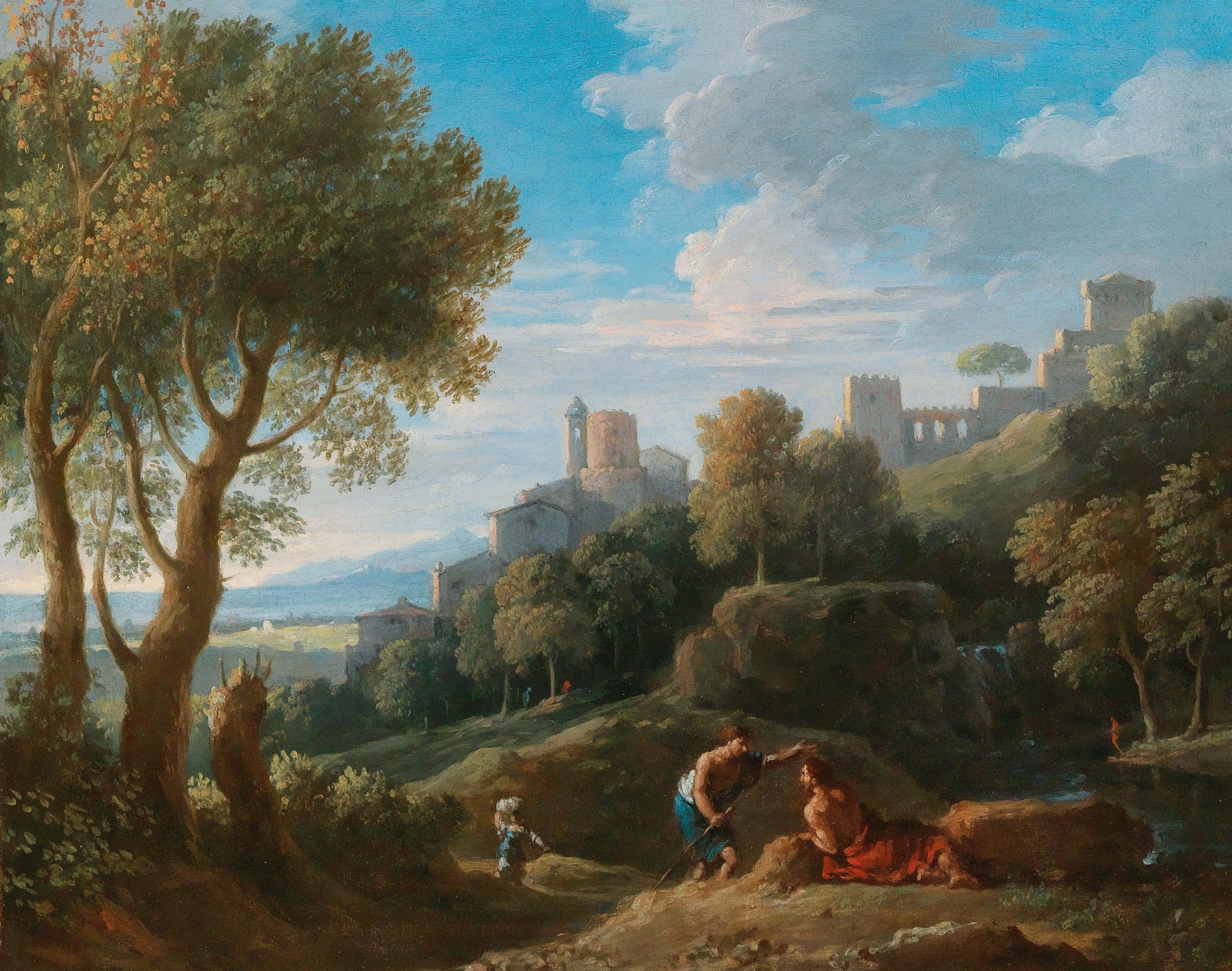
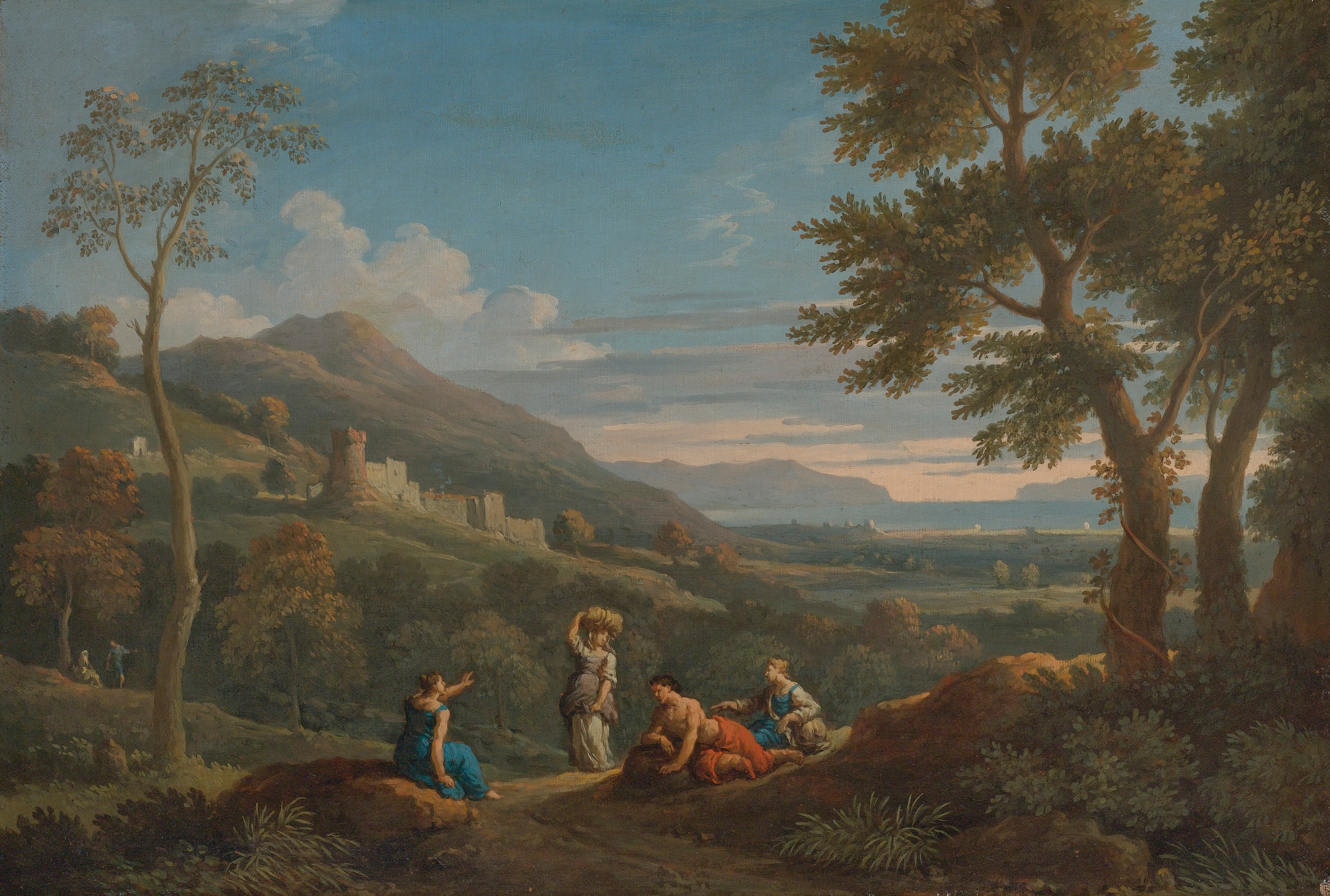
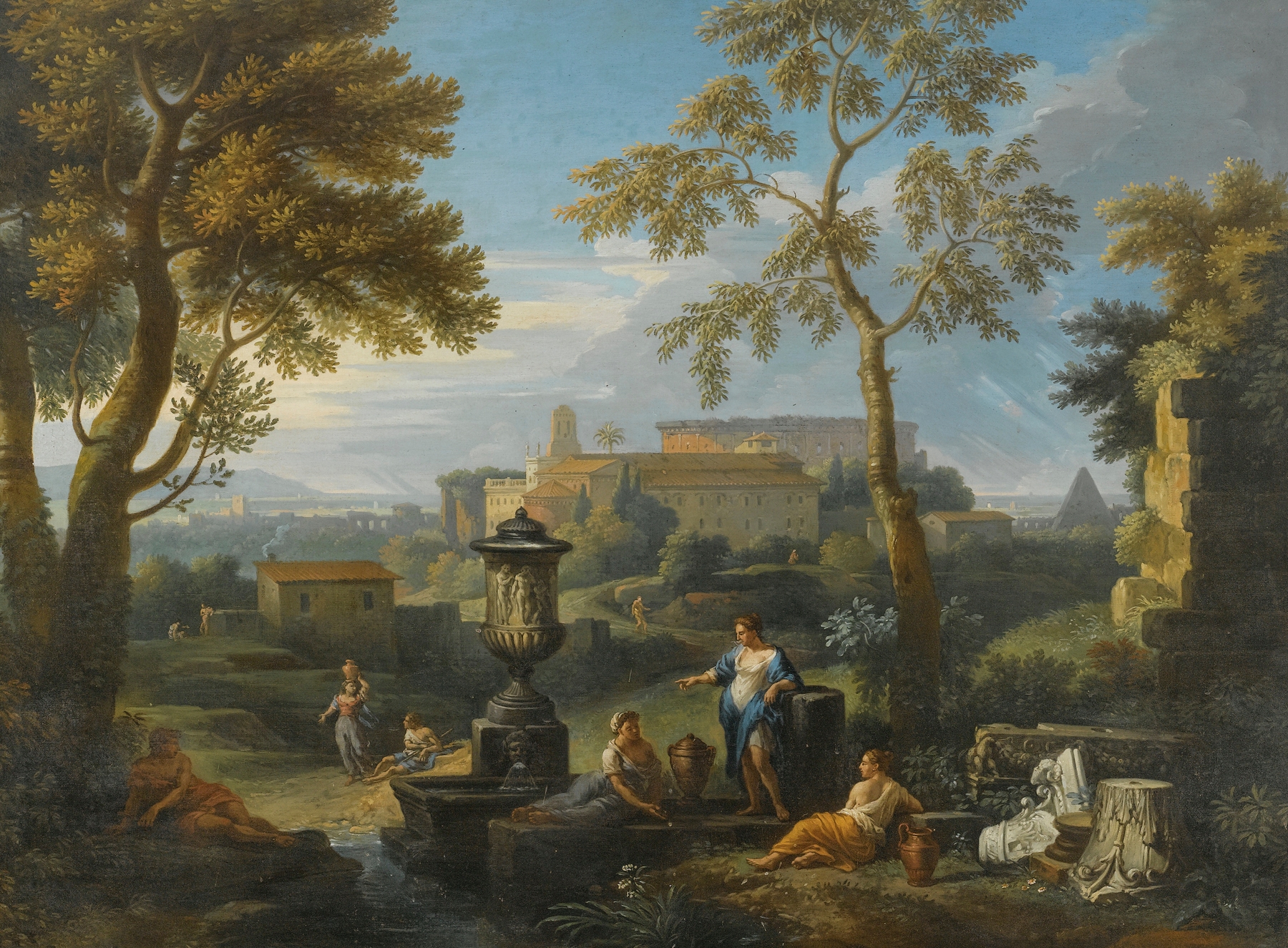
Is this a mirror — or a memory? The landscape unfurls before us, a gently undulating tableau that beckons both the heart and the mind, evoking a profound sense of nostalgia laced with an undercurrent of unease. Look to the left at the trio of figures, their postures a blend of leisure and tension, their expressions caught in a moment of contemplation. The warm ochres and muted greens breathe life into the scene, while the bluish haze of the distant hills invites the eye to wander beyond the immediate.
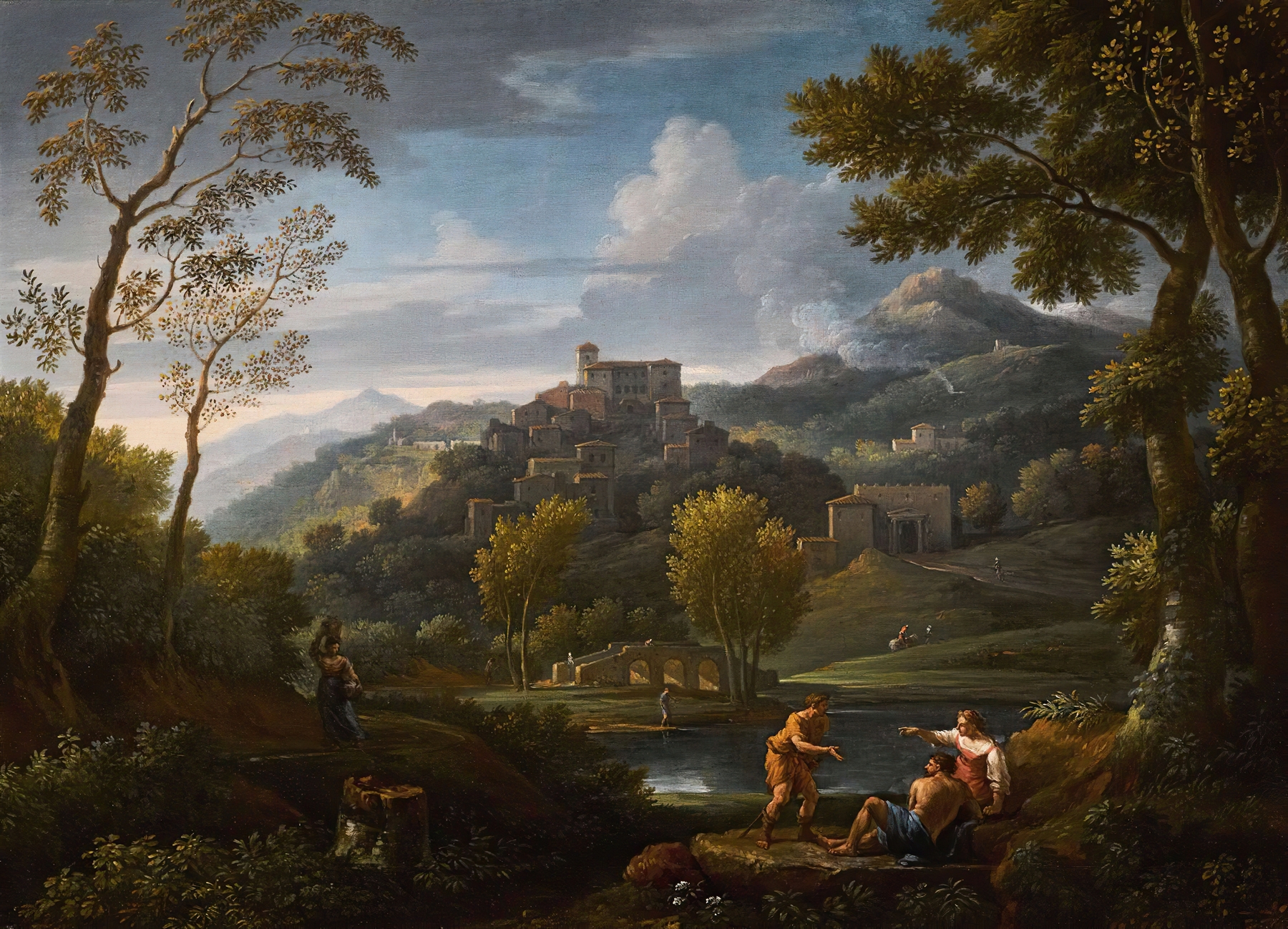
Notice how the sunlight spills over the rooftops of the hilltop villages, illuminating the details with a soft glow that contrasts sharply with the darker shadows lurking beneath the trees in the foreground, hinting at secrets yet to be unveiled. Here, the interplay of light and shadow serves to amplify the emotional landscape, blurring the lines between memory and reality. The figures, seemingly tranquil, are paradoxically enveloped in a fear of the unknown, trapped between the familiar warmth of their surroundings and the cold expanse of the distant horizon. Each brushstroke conveys a delicate balance of joy and apprehension, as if the artist himself wrestled with the ghosts of the past while capturing this idyllic yet unsettling scene.
During the time this piece was created, Jan Frans Van Bloemen was settled in Rome, influenced by the Italian landscape and the burgeoning Baroque style. The late 17th to early 18th century was marked by shifts in artistic expression, and Van Bloemen was at the forefront of blending Dutch precision with Italian luminosity. This painting reflects both a personal journey and a significant period in art history, as the artist navigated the complexities of identity in an ever-changing world.