Klassische Landschaft bei Rom mit Blick auf das Belvedere des Vatikans — History & Analysis
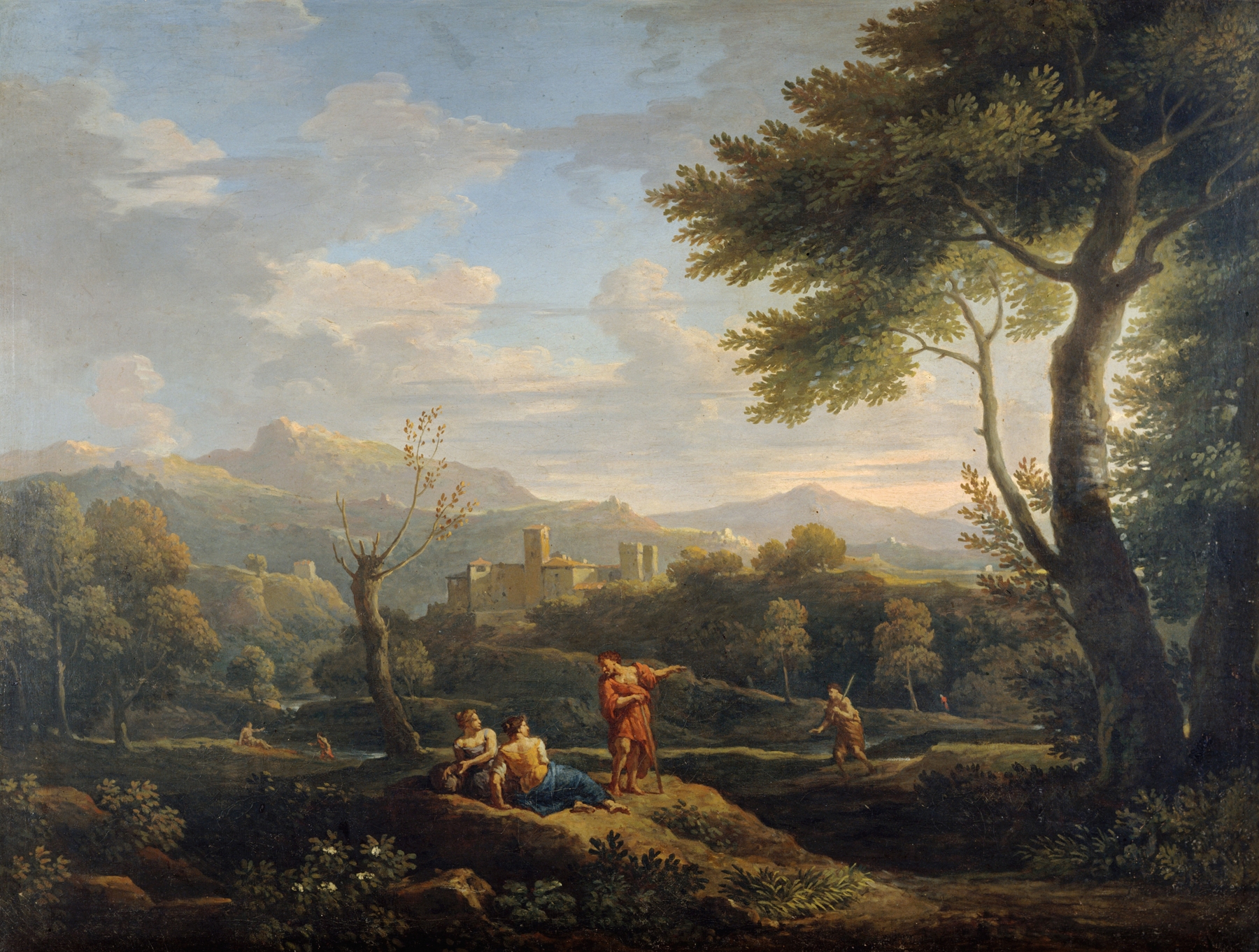
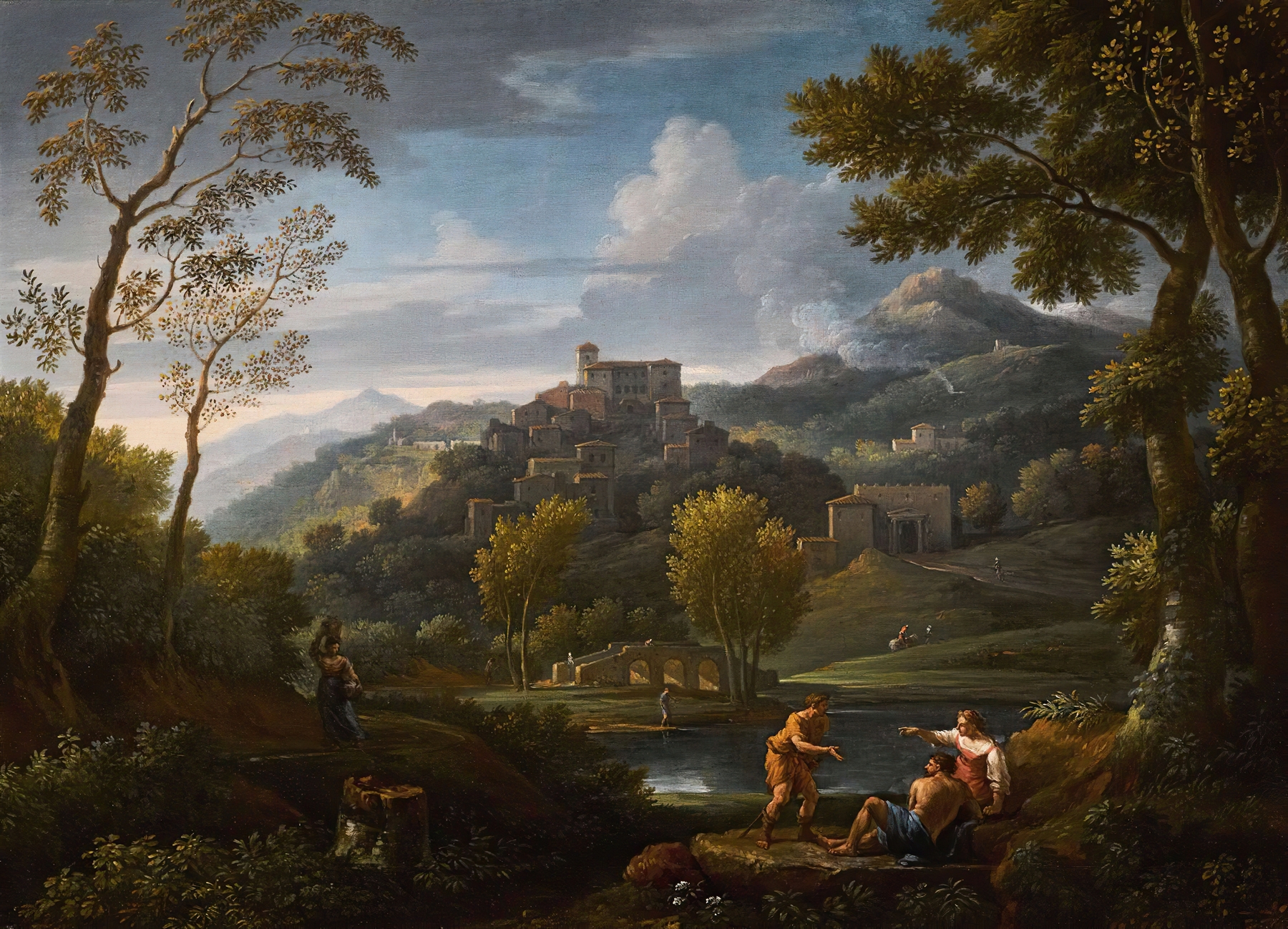
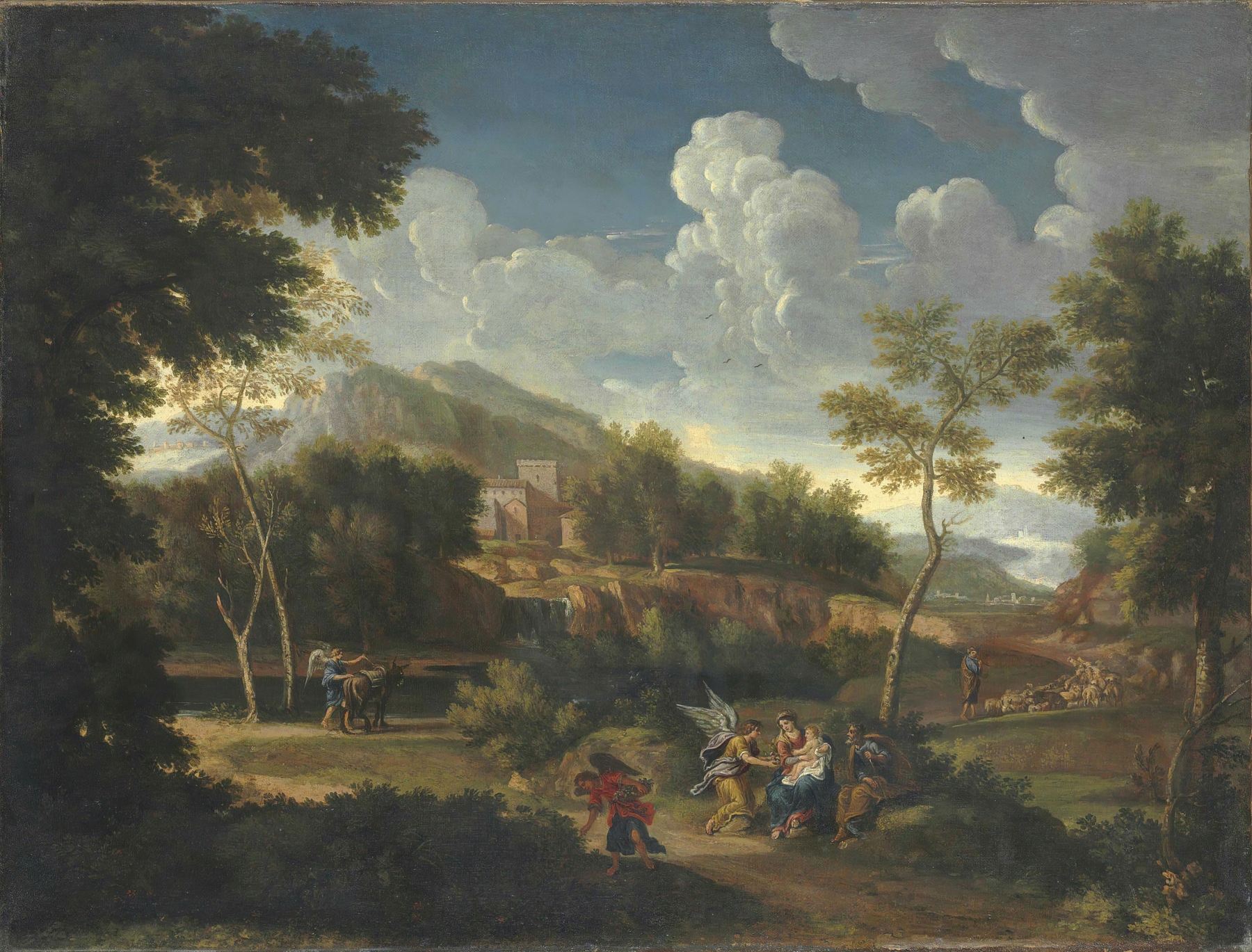
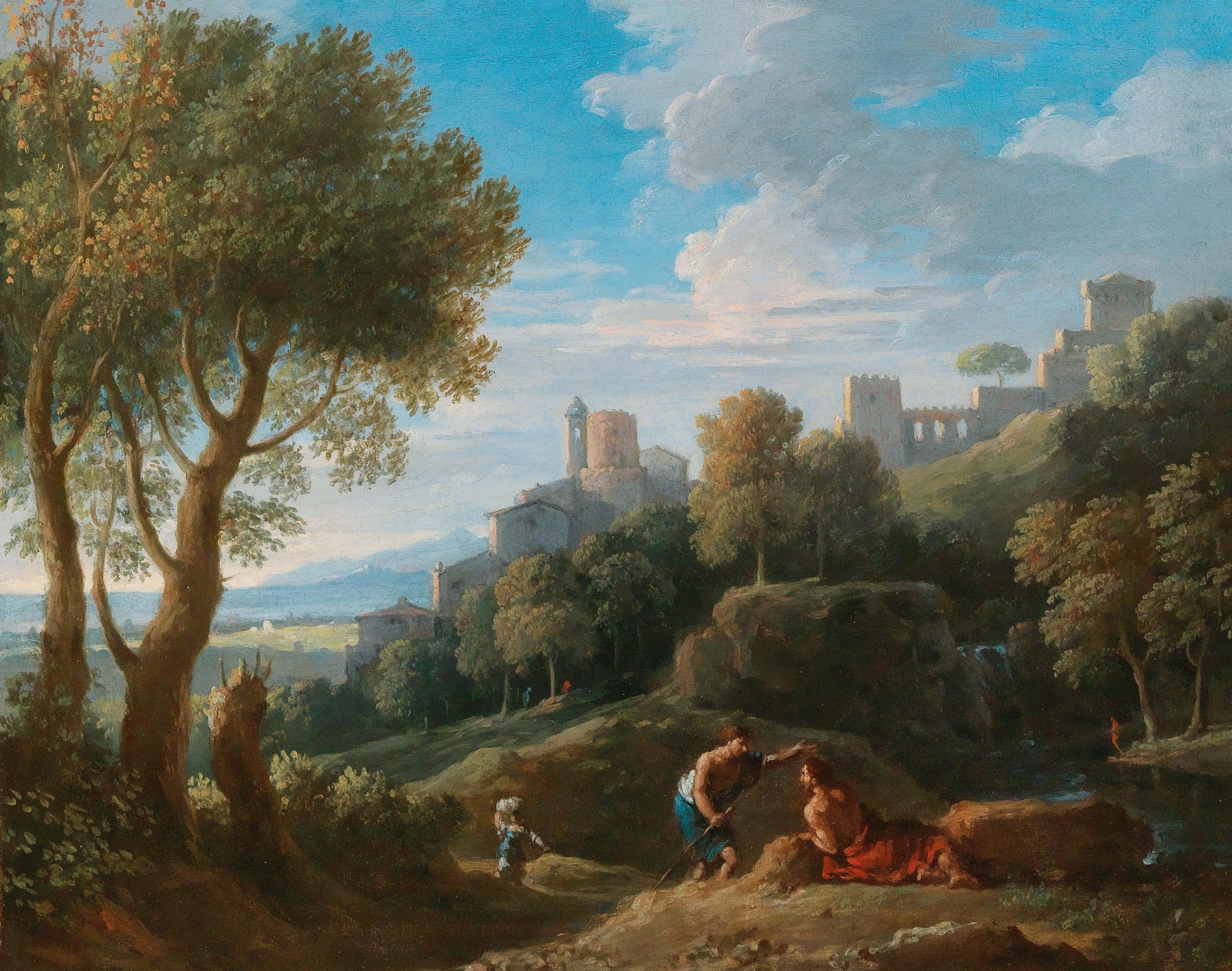
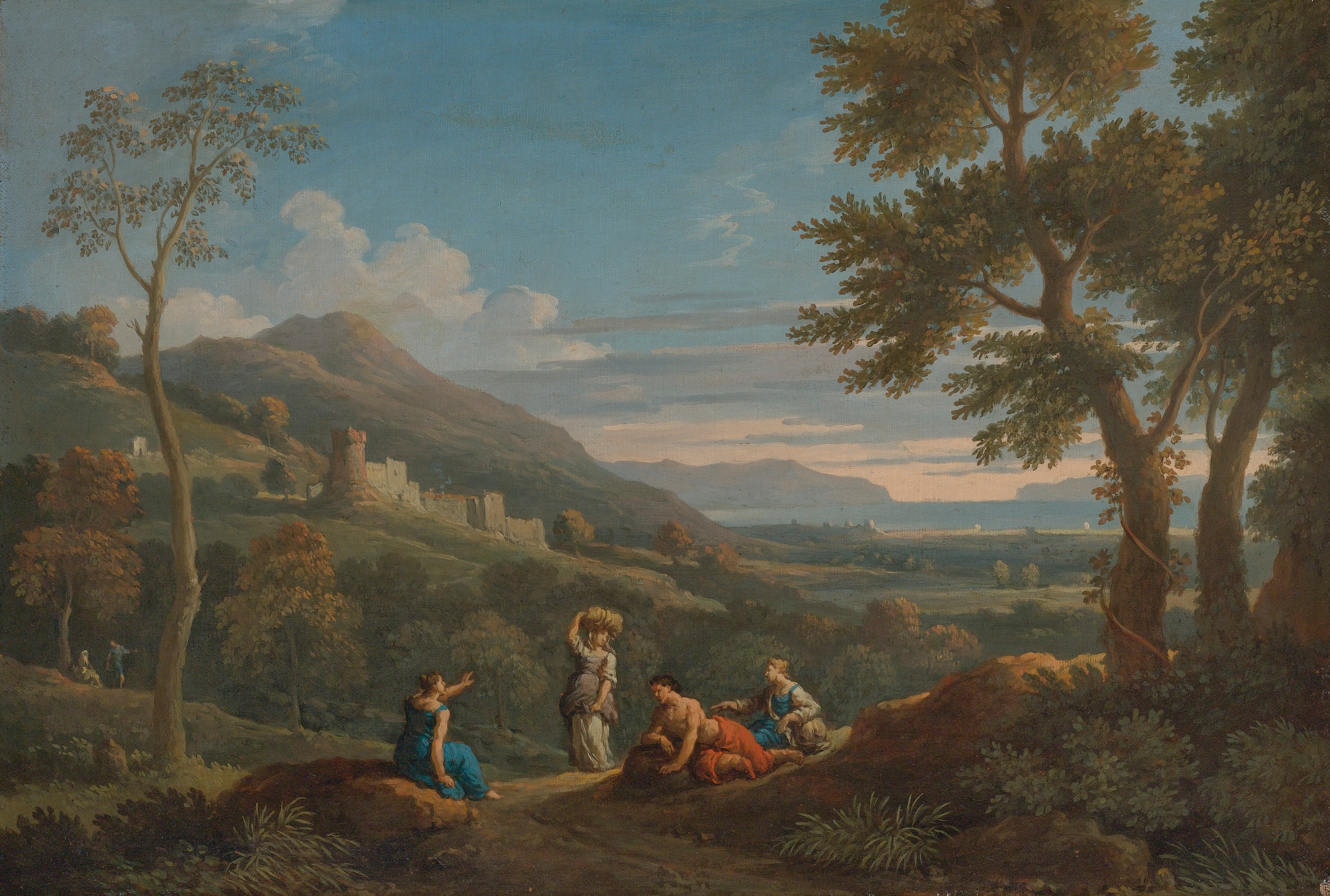
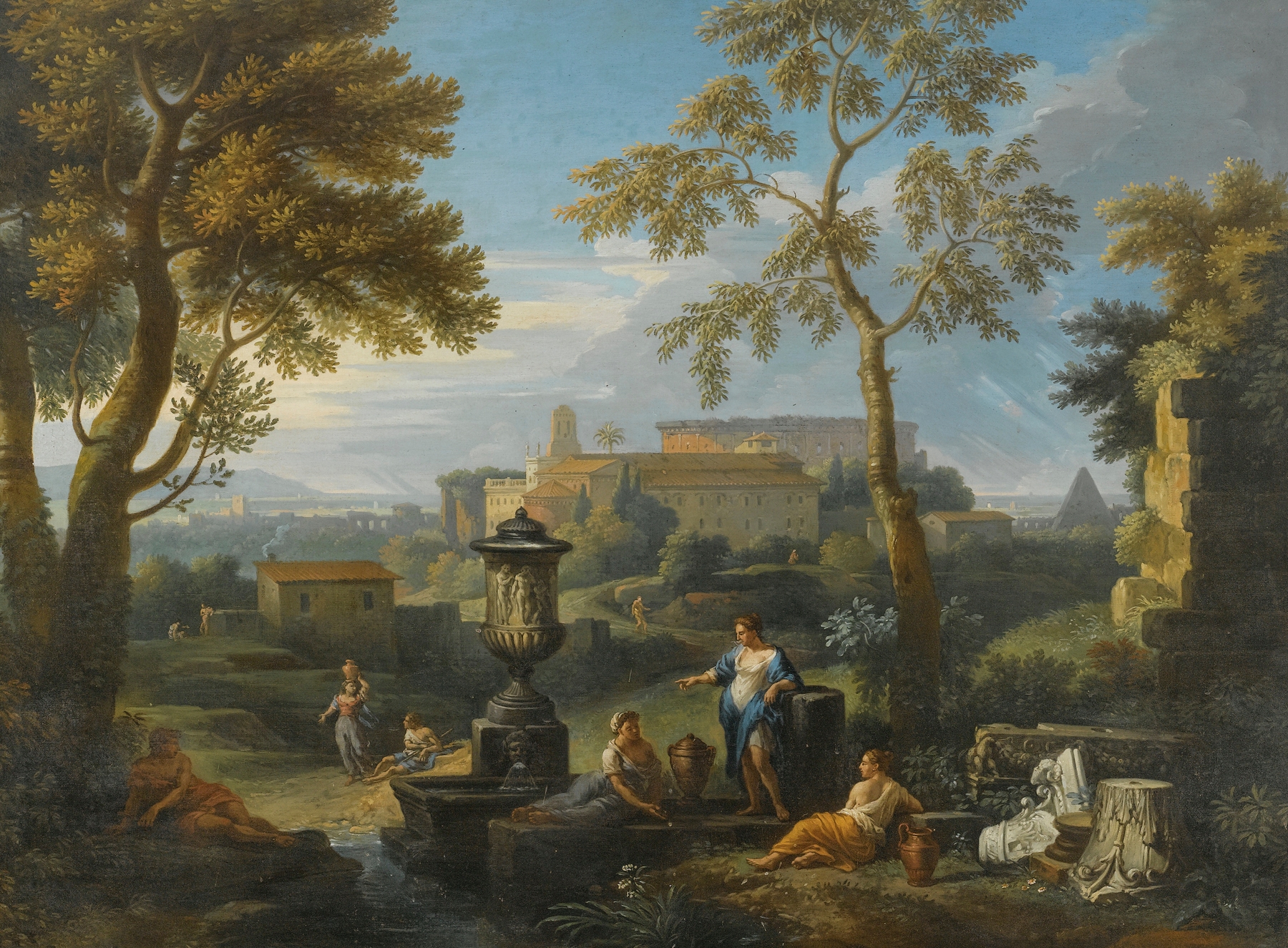
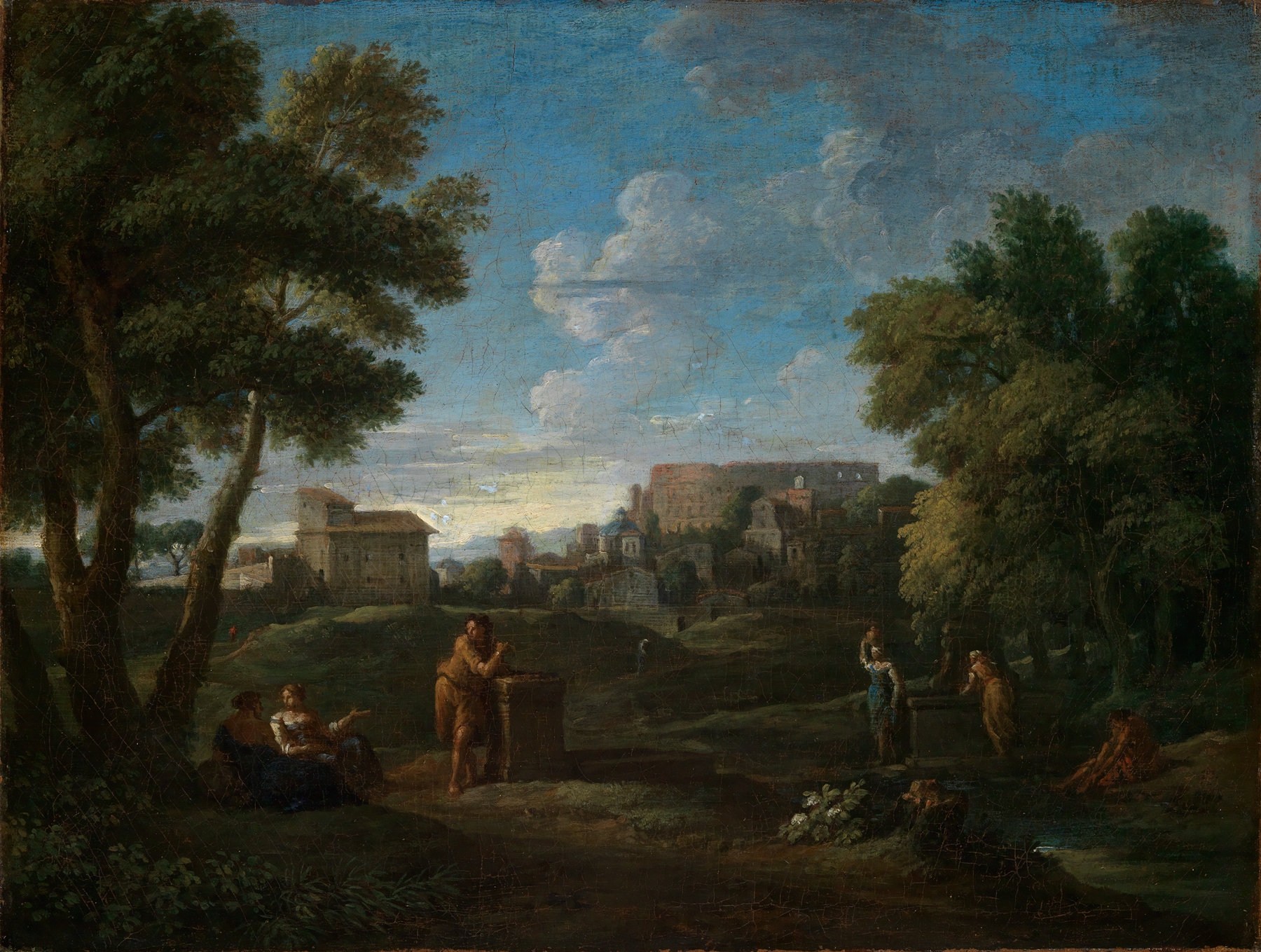
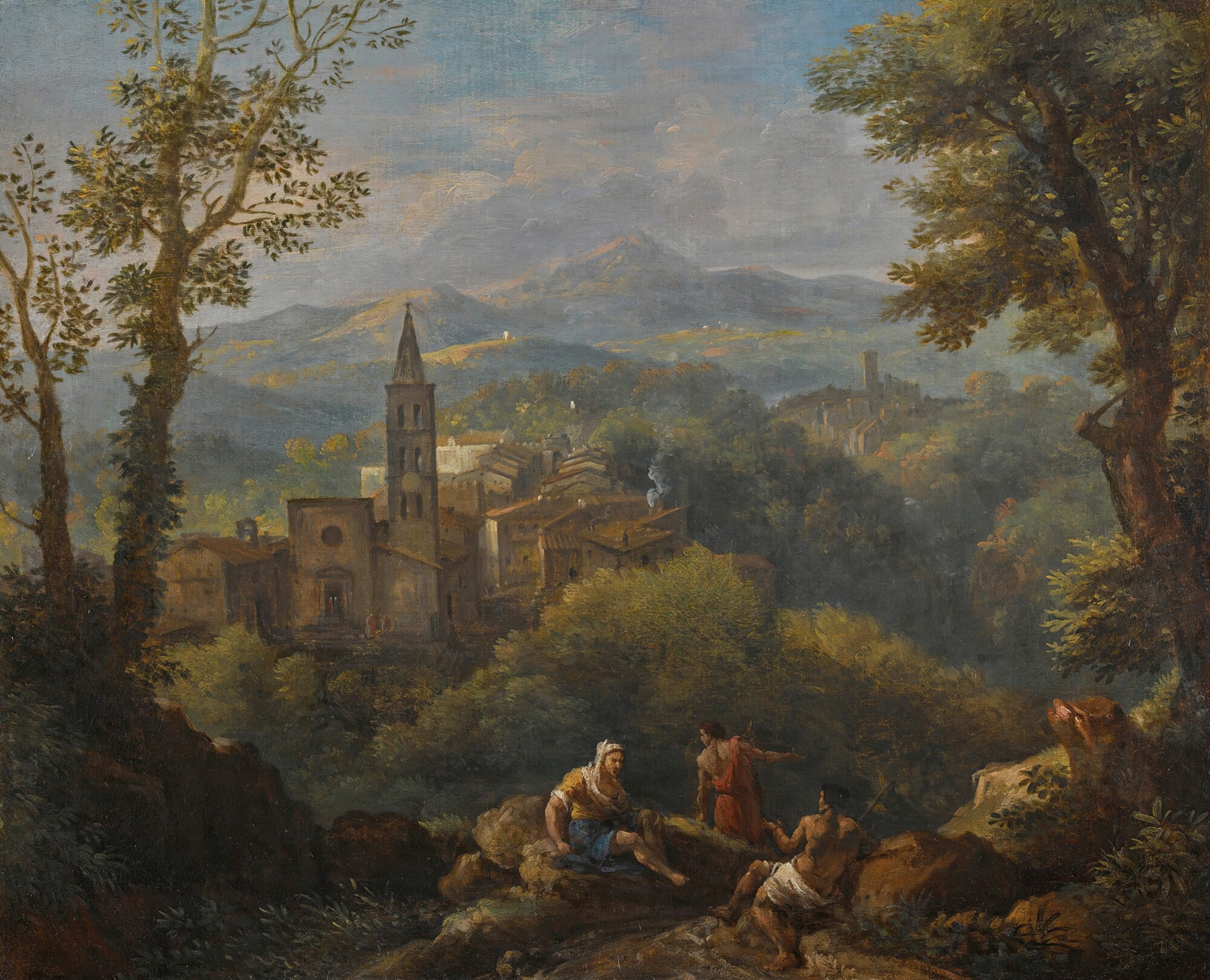
Could a single brushstroke hold eternity? In the delicate interplay of nature and architecture, an unquenchable desire for beauty and harmony emerges, drawing the viewer into a timeless narrative. Look to the left at the sweeping hills that cradle the horizon, verdant green hillsides contrasting with the cool blue of the sky. Van Bloemen's expert use of light creates a soft glow that envelops the scene, inviting the eye to wander.
Notice how the sunlight dapples the landscape, illuminating the elegant lines of the Vatican's Belvedere, which stands as a testament to man's artistry amid nature's splendor. The lush foliage frames this architectural marvel, guiding the gaze inward, capturing the dialogue between the earthly and the divine. Amidst this equilibrium, a tension arises—nature’s wild, untamed beauty juxtaposes the structured elegance of human creation. The absence of figures amplifies a sense of solitude, allowing the viewer to reflect on their own connection to the scene.
Each brushstroke whispers of a longing: for tranquility, for the sublime, and ultimately, for a unity that transcends the physical realm. Jan Frans Van Bloemen painted this landscape during the late 17th to early 18th century, a period marked by artistic exploration and the rise of the Italian Baroque. Living in Rome, he was inspired by the vitality of the surrounding landscapes and the grandeur of classical architecture. His work reflects a time when artists sought to harmonize the natural world with the remains of ancient grandeur, crafting a legacy that continues to resonate with viewers.