A Campagna landscape — History & Analysis
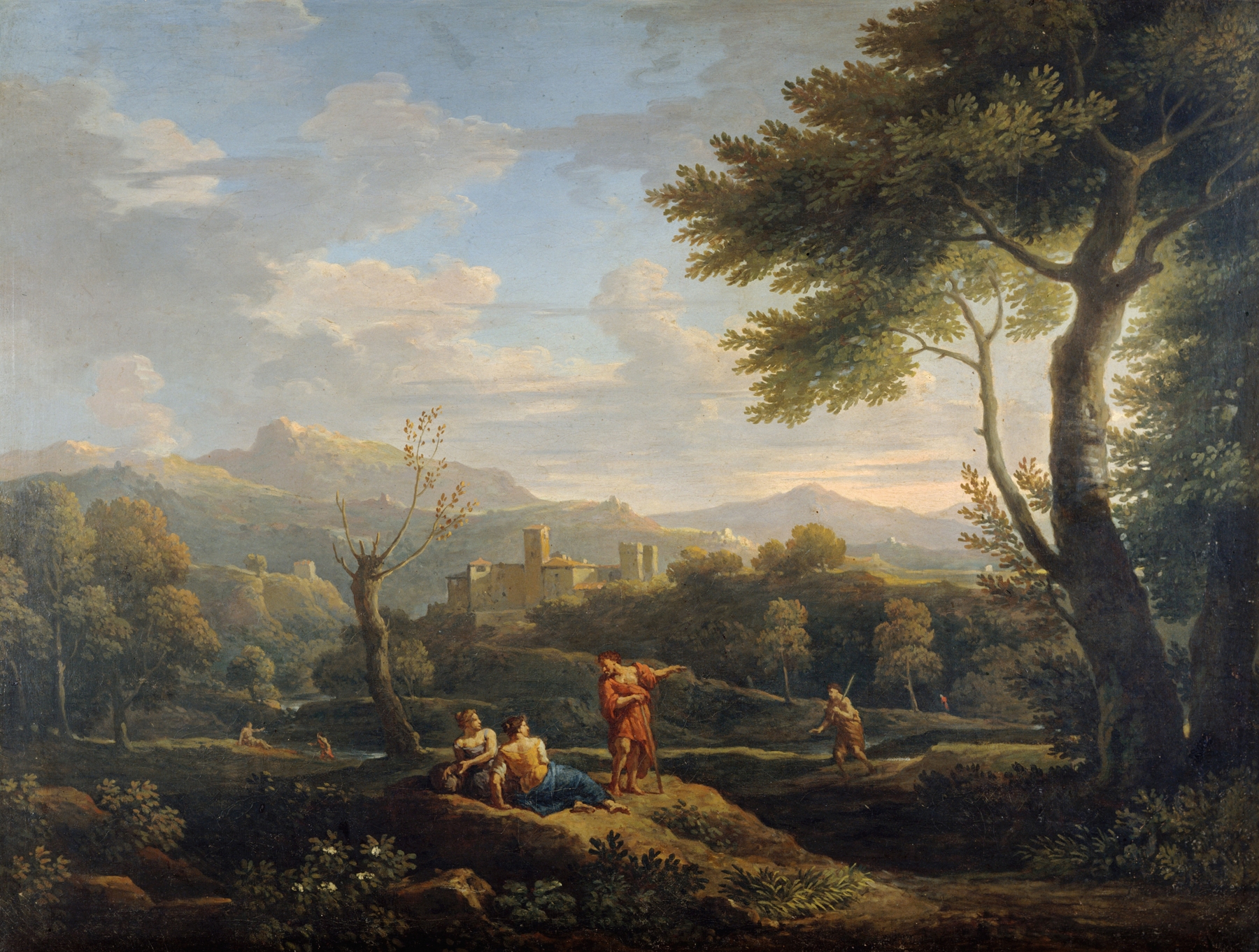
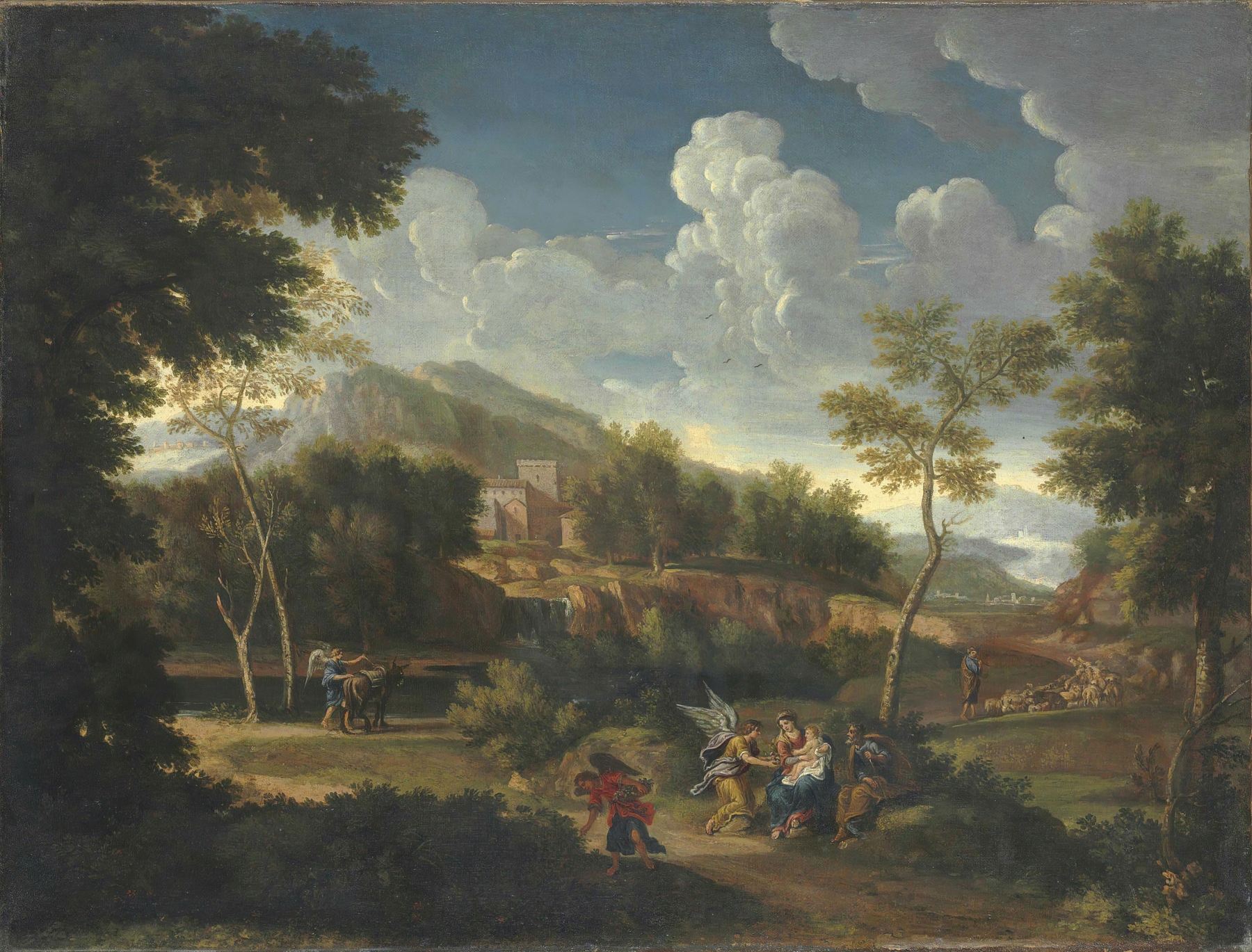
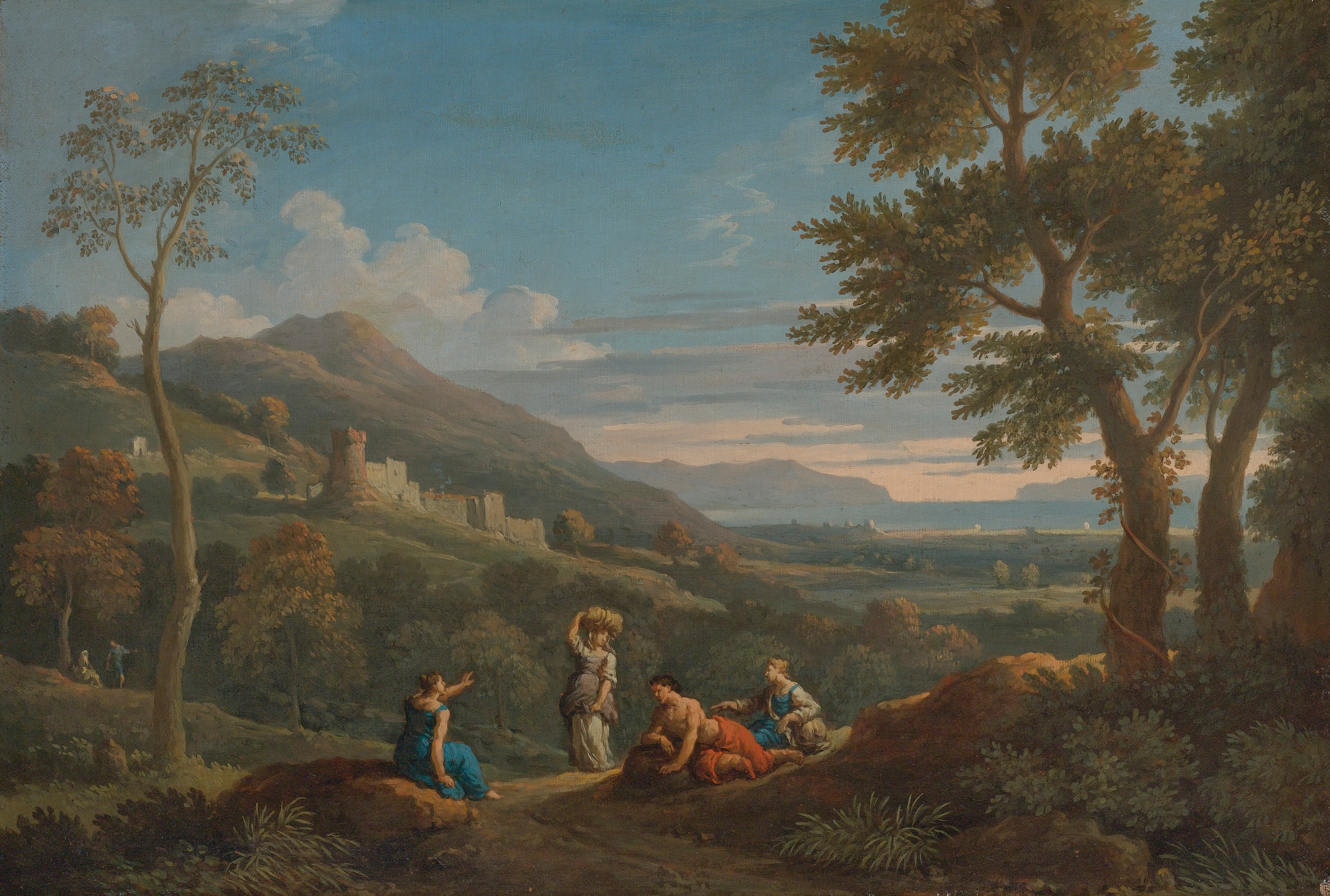
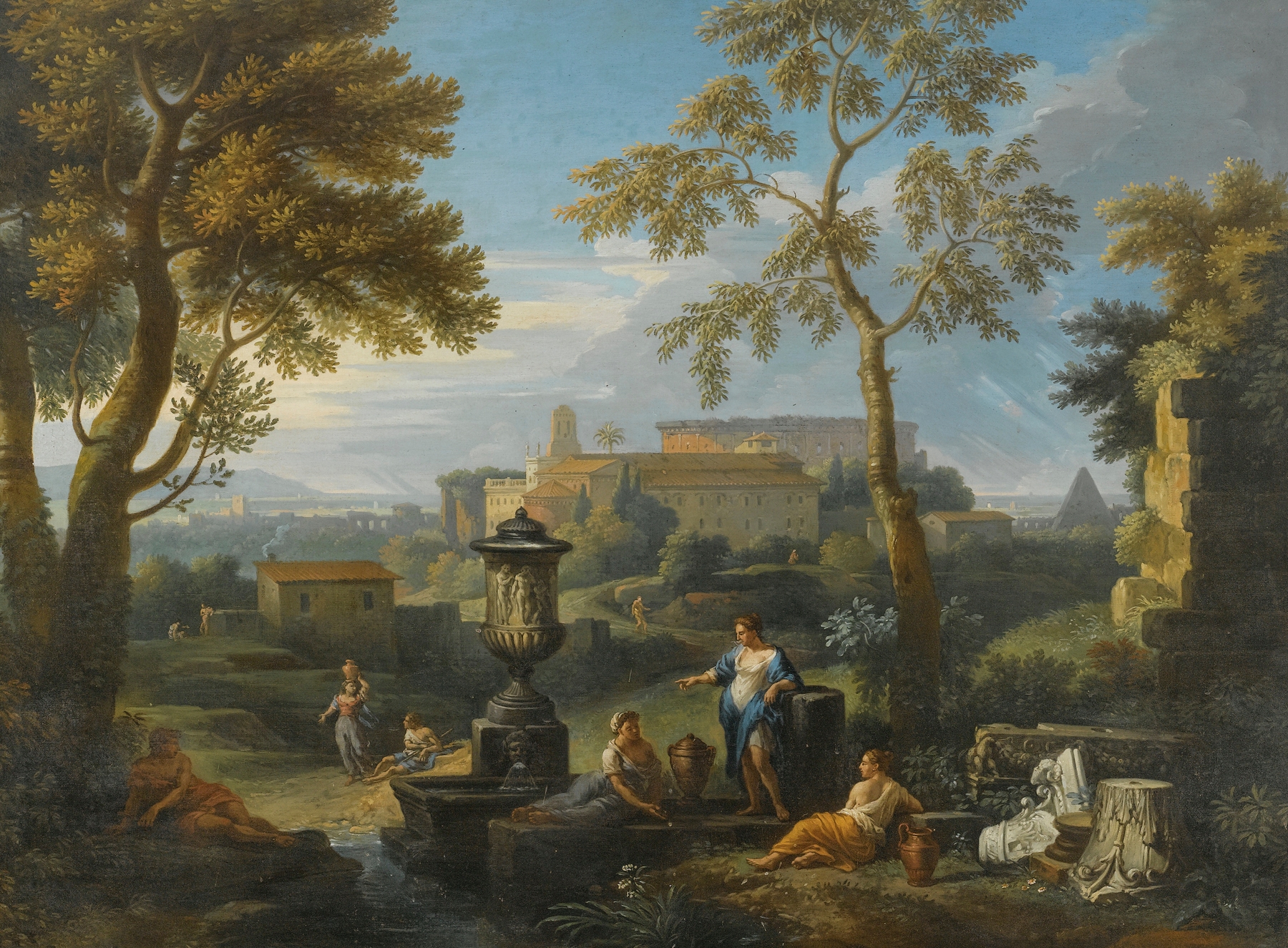
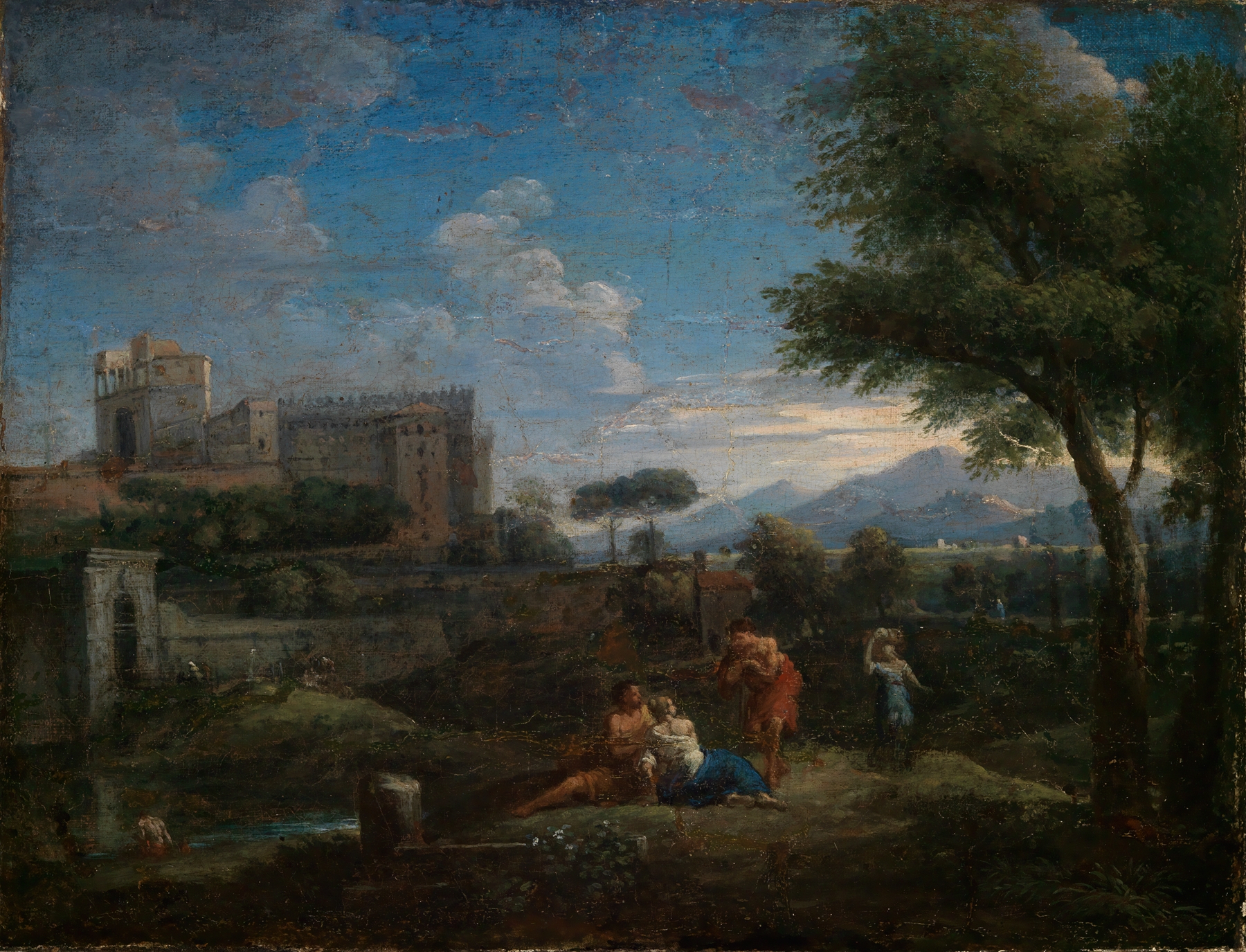
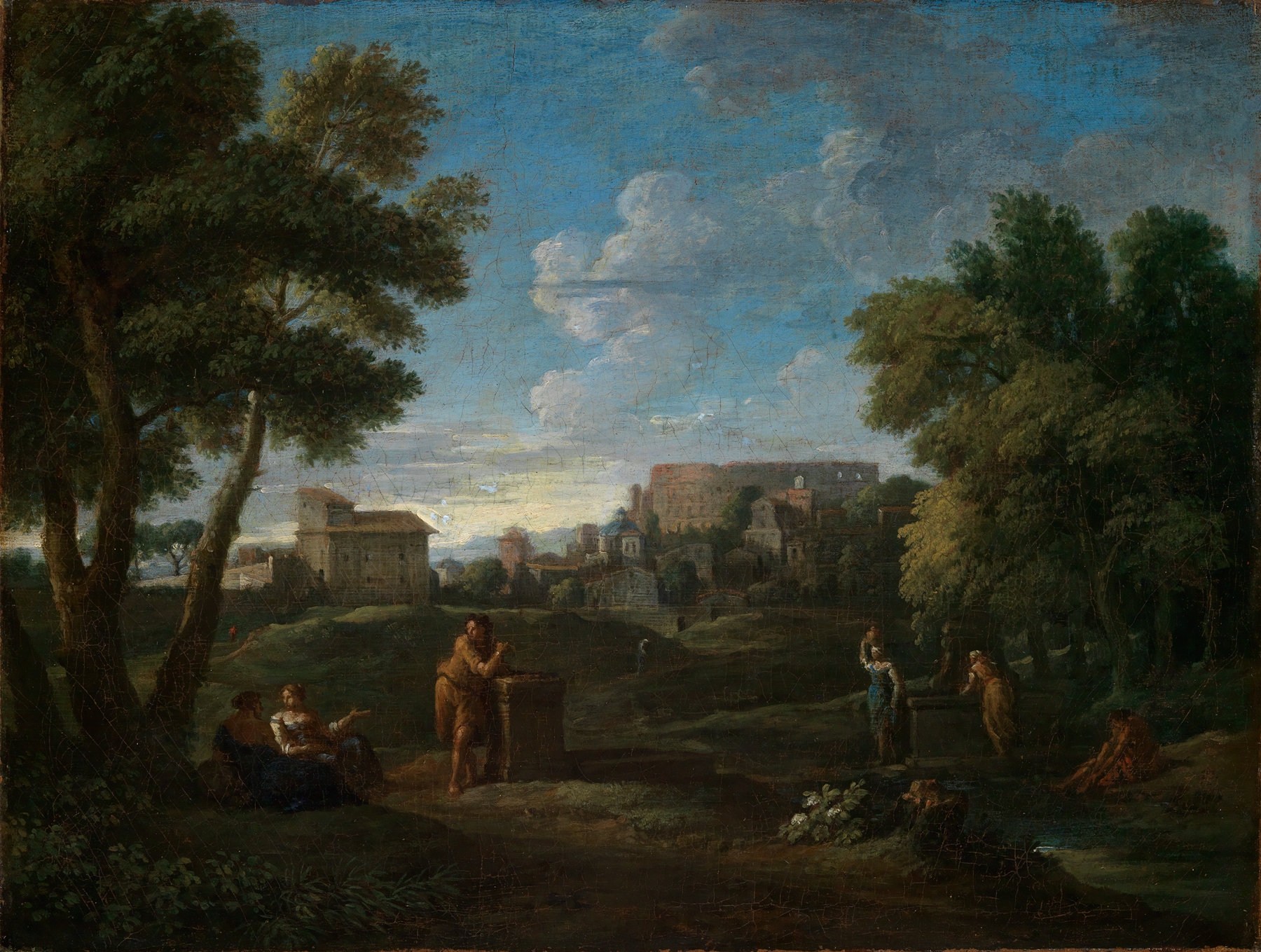
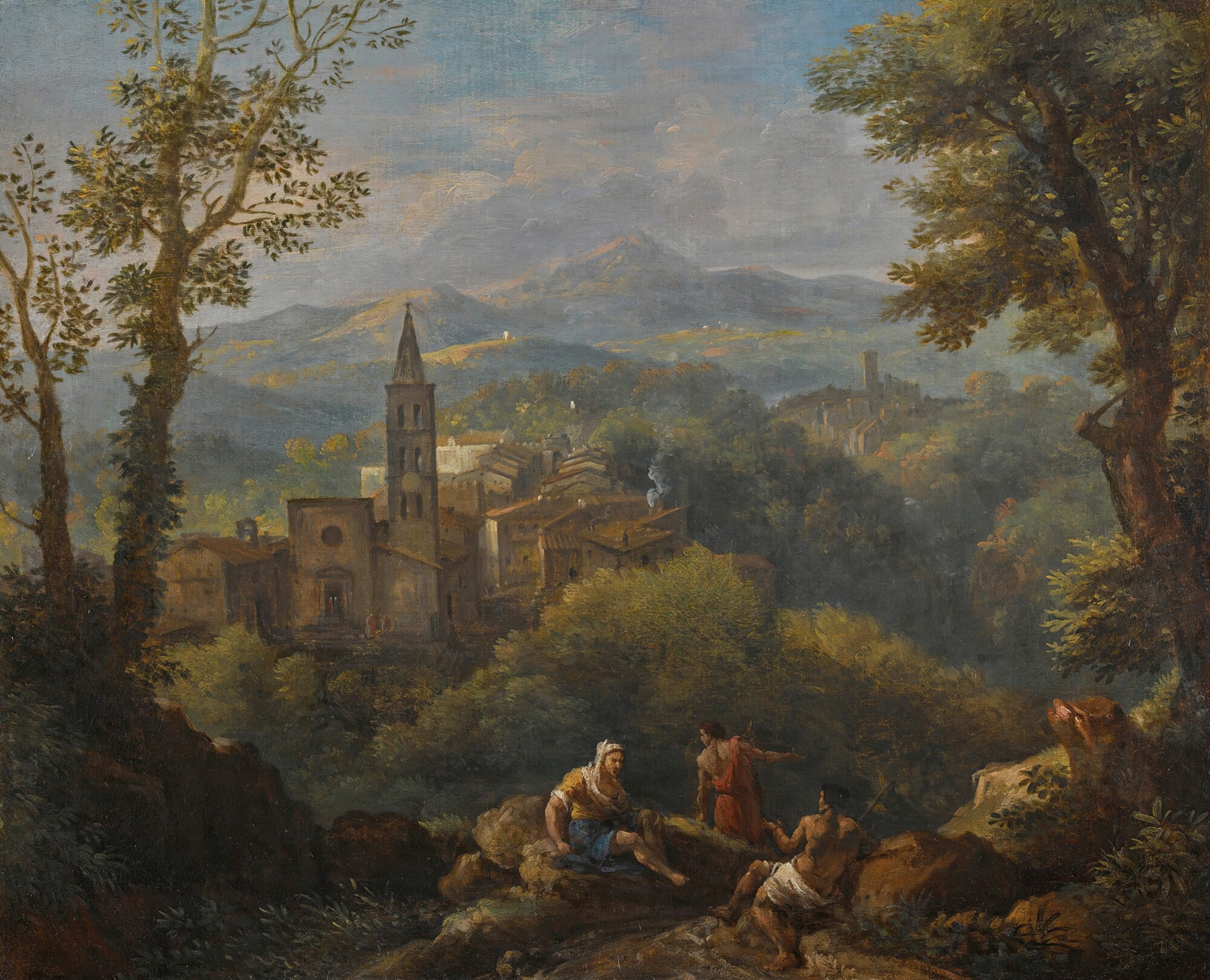
“Between color and silence, truth hides.” In the quiet embrace of a landscape, nature's pulse seems to carry the weight of unspoken sorrow. Here, the hues of the earth whisper stories of loss, each brushstroke a gentle lament that transcends mere beauty. Look to the left at the soft rolling hills, where verdant greens meet delicate ochres in a harmonious blend. The sky, an expansive canvas painted in muted blues and grays, casts a serene light upon the scene. Notice how the sun's fading rays illuminate the distant trees, their silhouettes standing tall yet seemingly heavy with the burden of memory.
The composition invites you to wander deeper, your gaze following the winding path that draws you into this tranquil yet evocative setting. Yet amidst this stillness, an undercurrent of grief weaves through the landscape. The solitary figure, barely discernible among the foliage, evokes a sense of isolation, perhaps a reflection of loss or longing. The subtle interplay between light and shadow suggests the passage of time, urging us to consider what remains unspoken in the quiet corners of our lives.
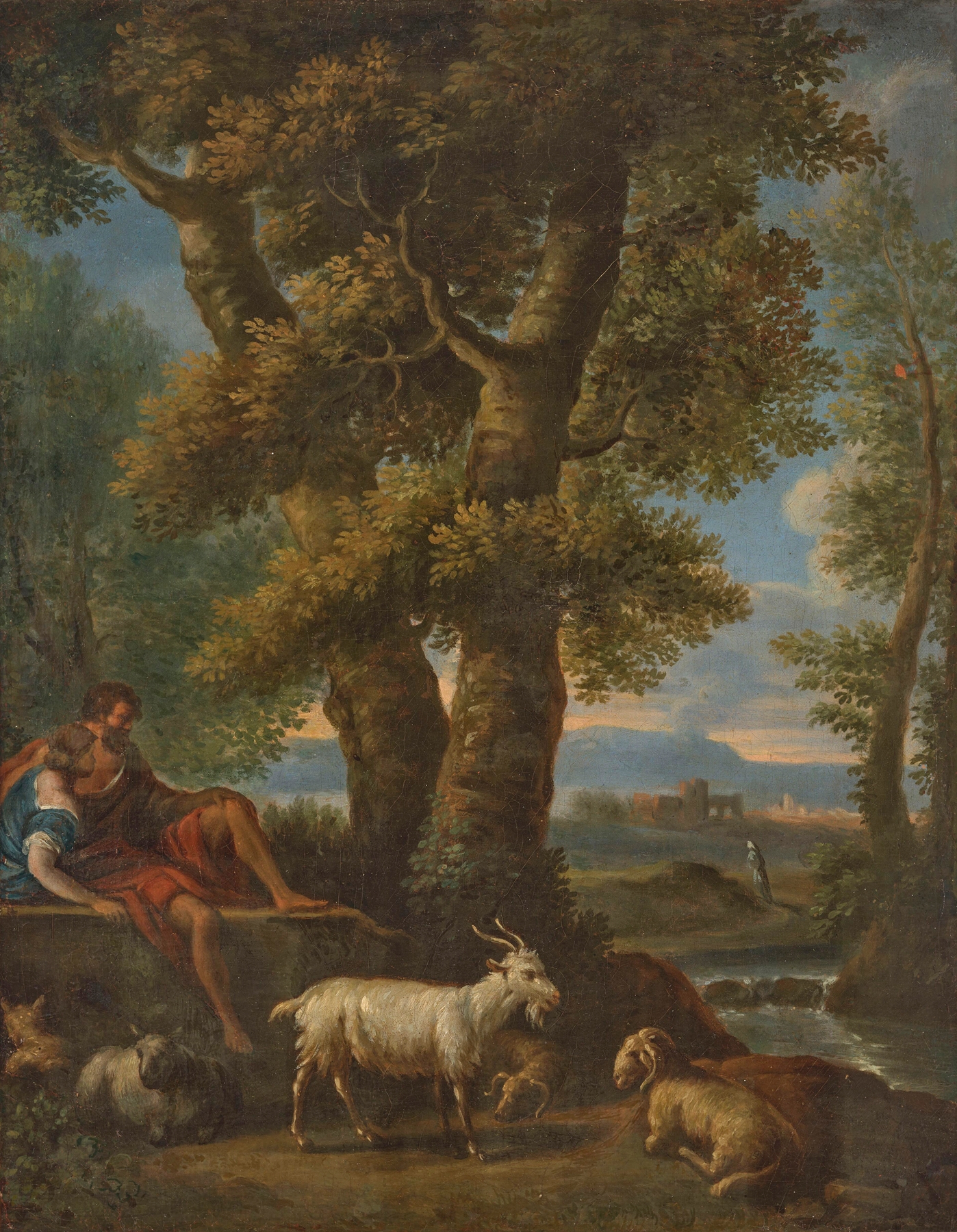
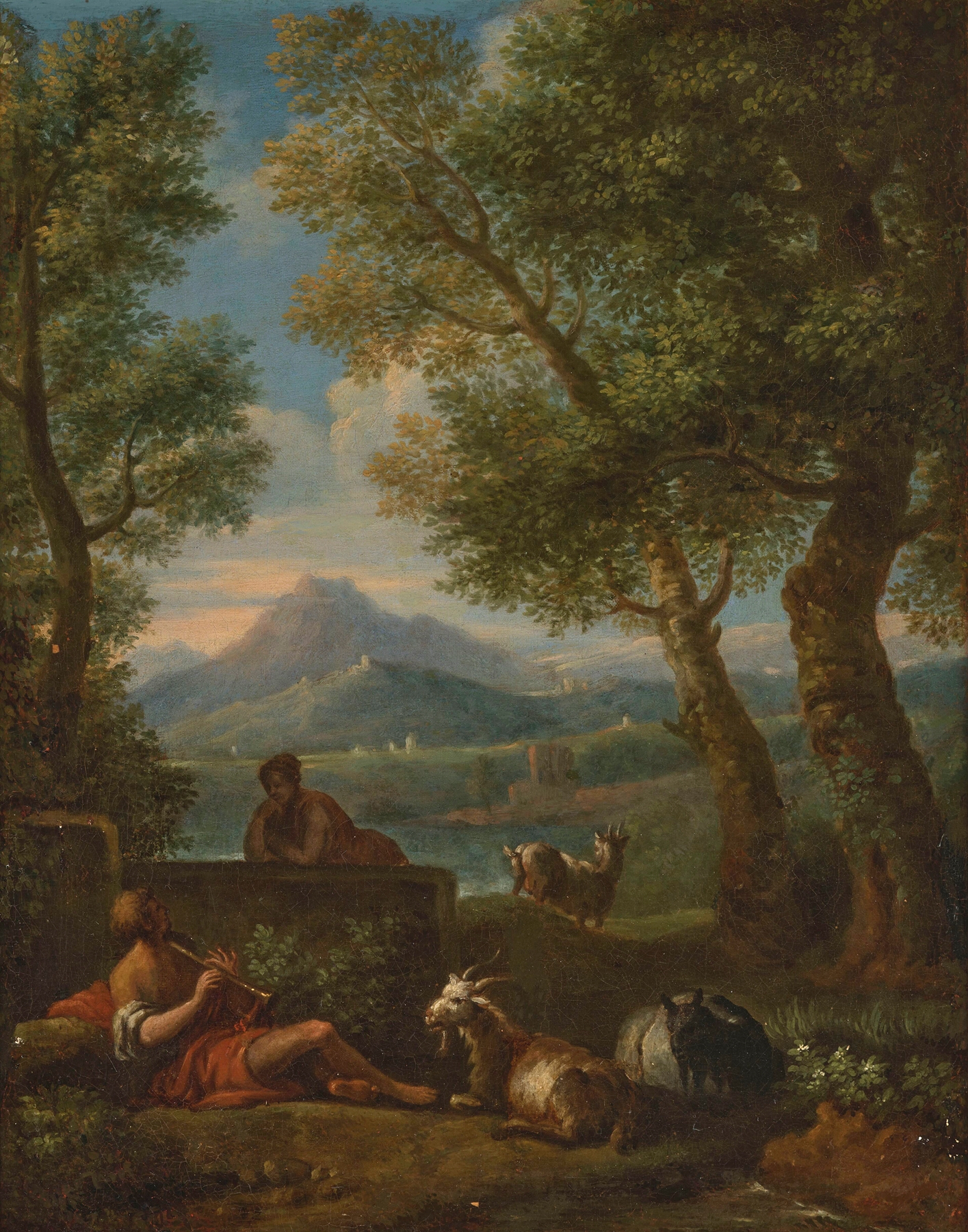
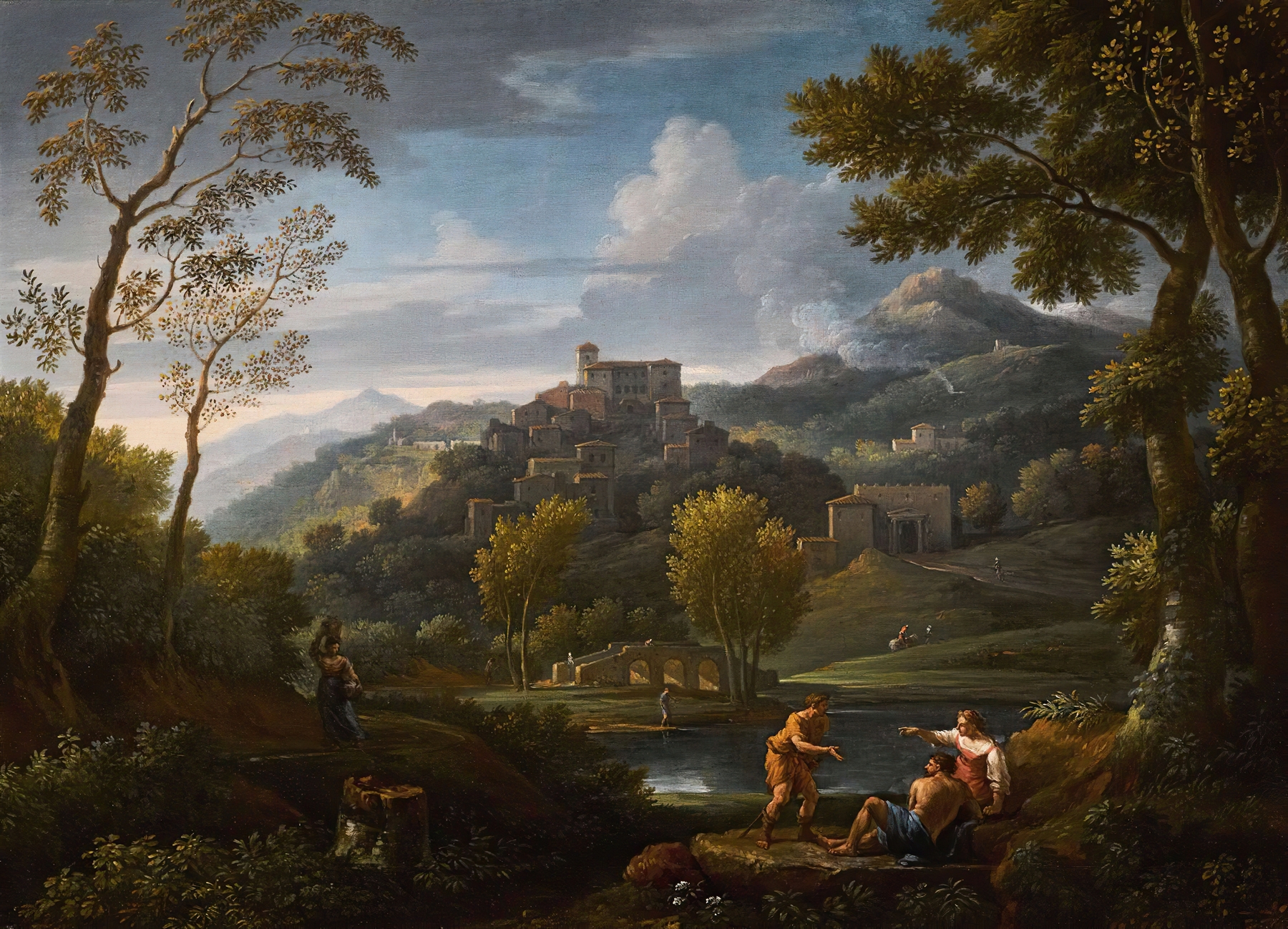
Each element, from the gentle sway of the grass to the distant mountains, resonates with the melancholic beauty of existence itself. Jan Frans Van Bloemen painted this work during a time when European art was embracing pastoral themes, celebrating the harmony between humanity and nature. Little is known about the specific circumstances surrounding this piece, but it reflects the artist’s deep connection to the landscapes of his native Italy during the late 17th to early 18th century. Amidst the echoes of Baroque artistry, his landscapes reveal a nuanced emotional landscape, inviting contemplation on the human experience intertwined with the natural world.