Pastoral Landscape — History & Analysis
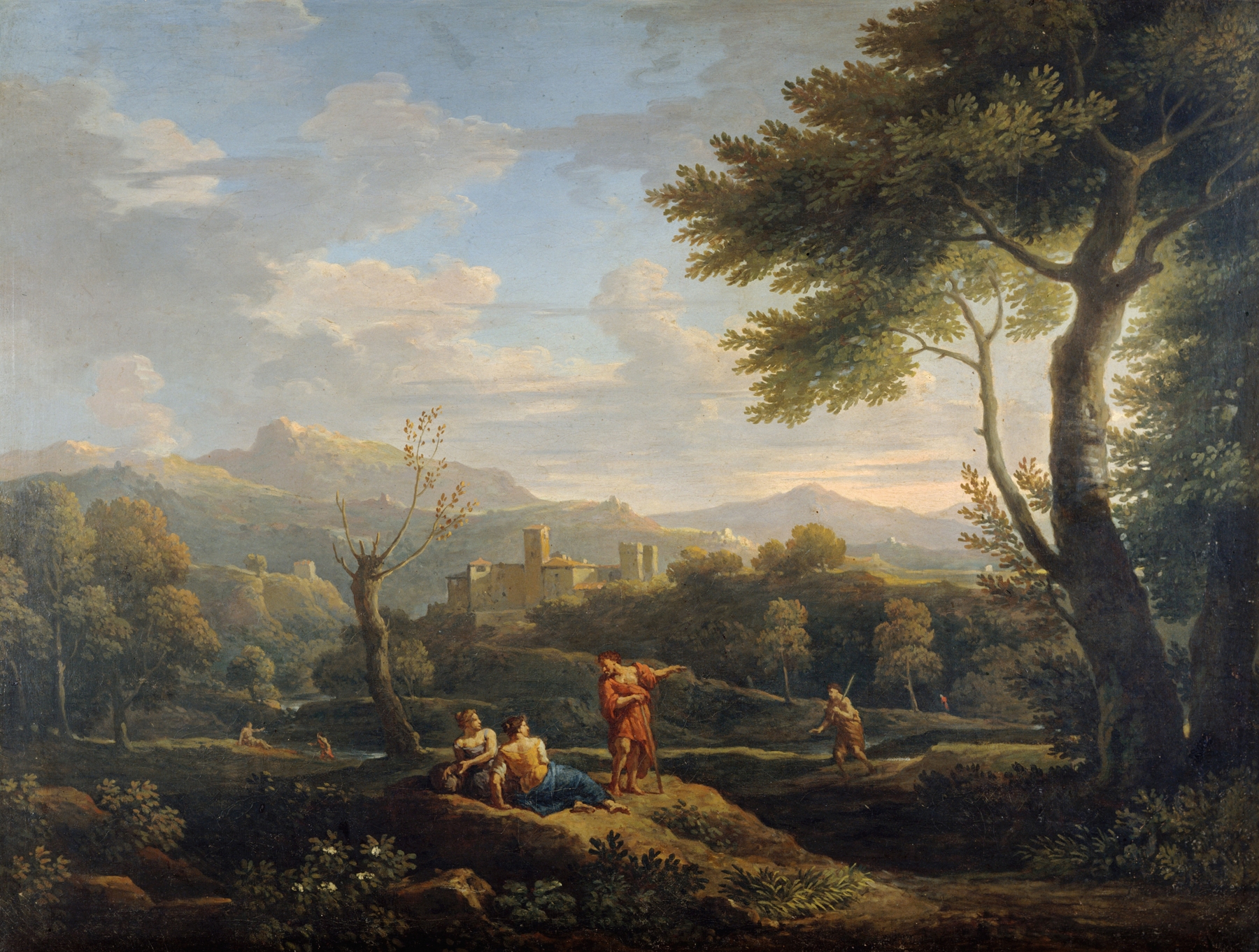
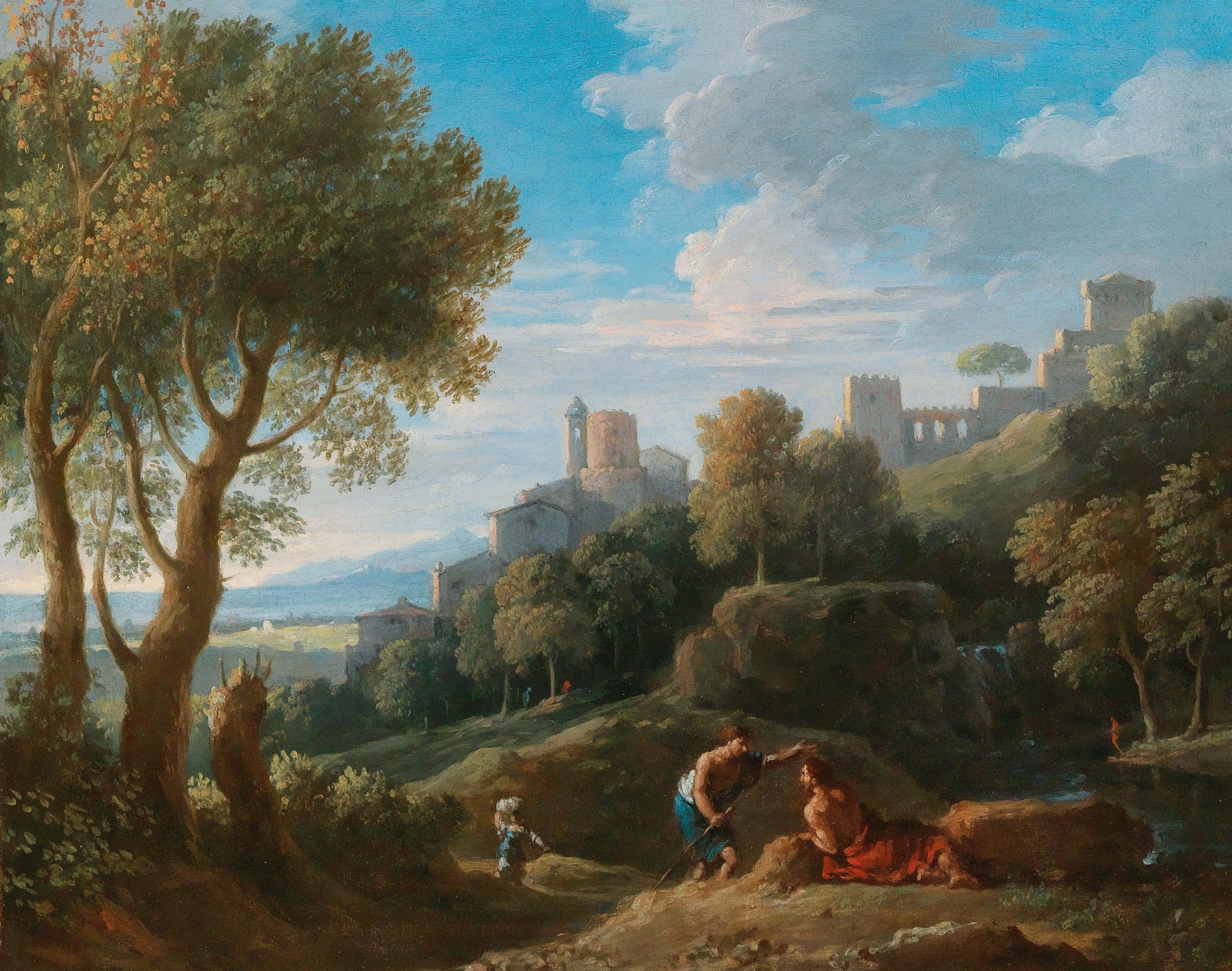
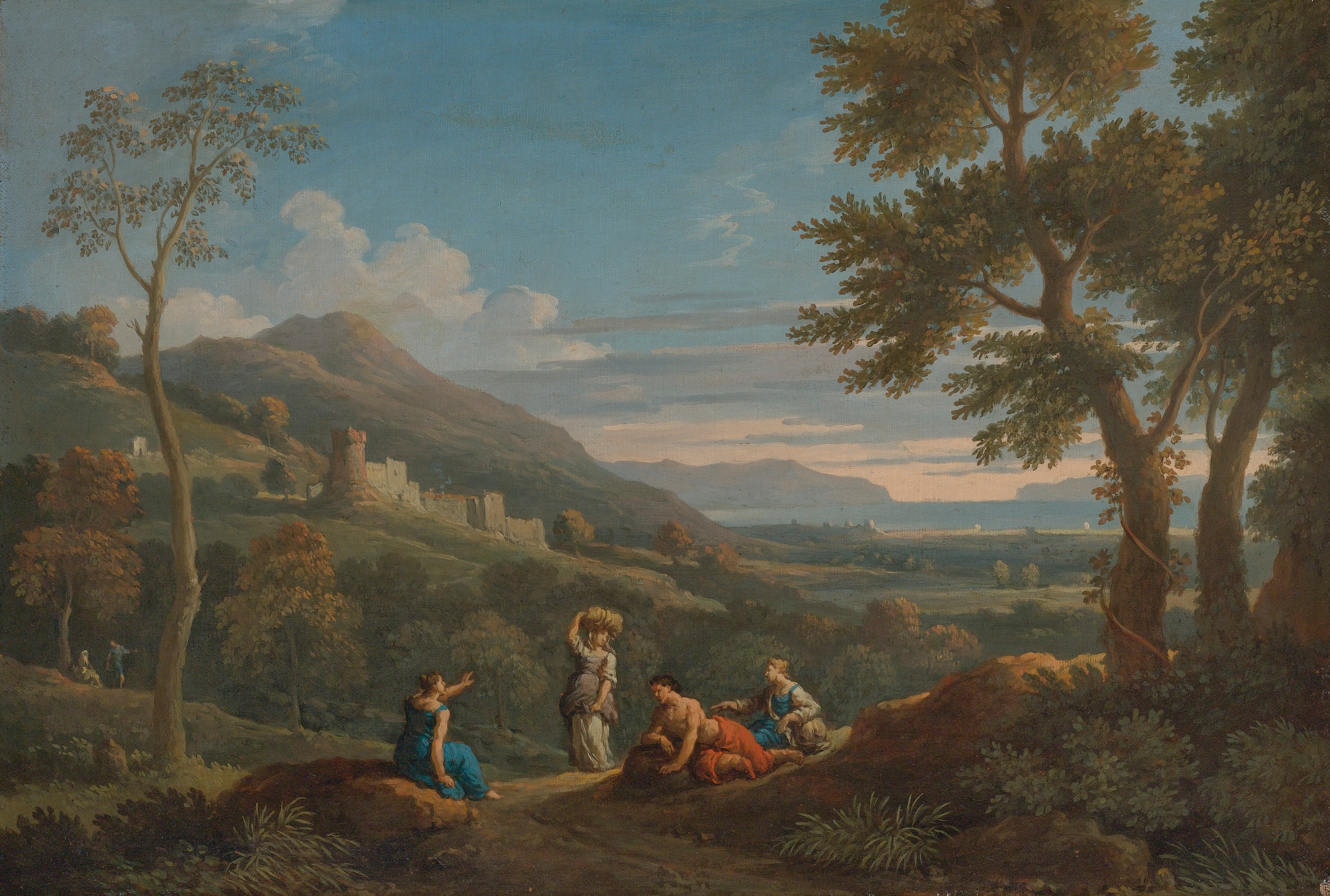
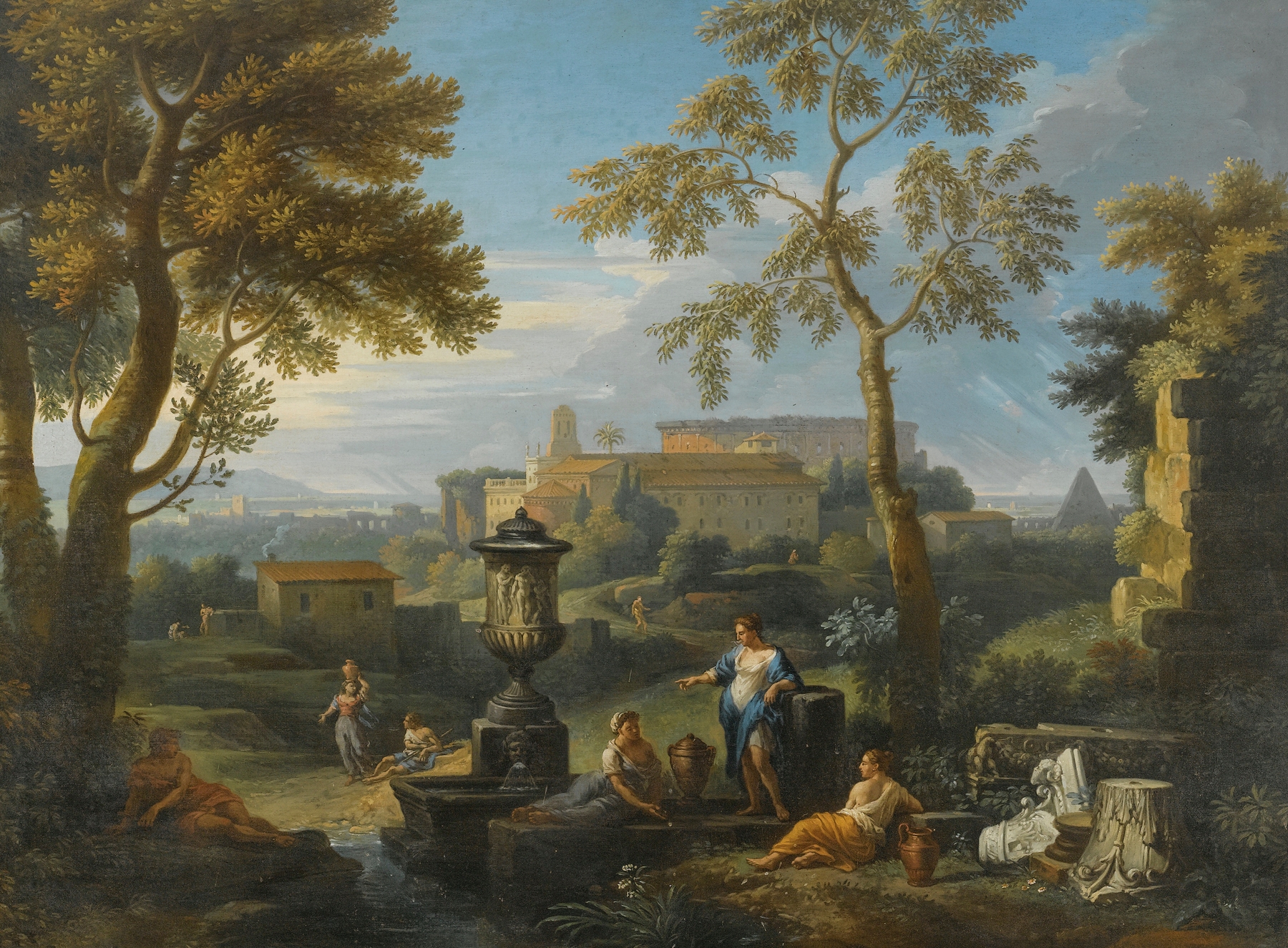
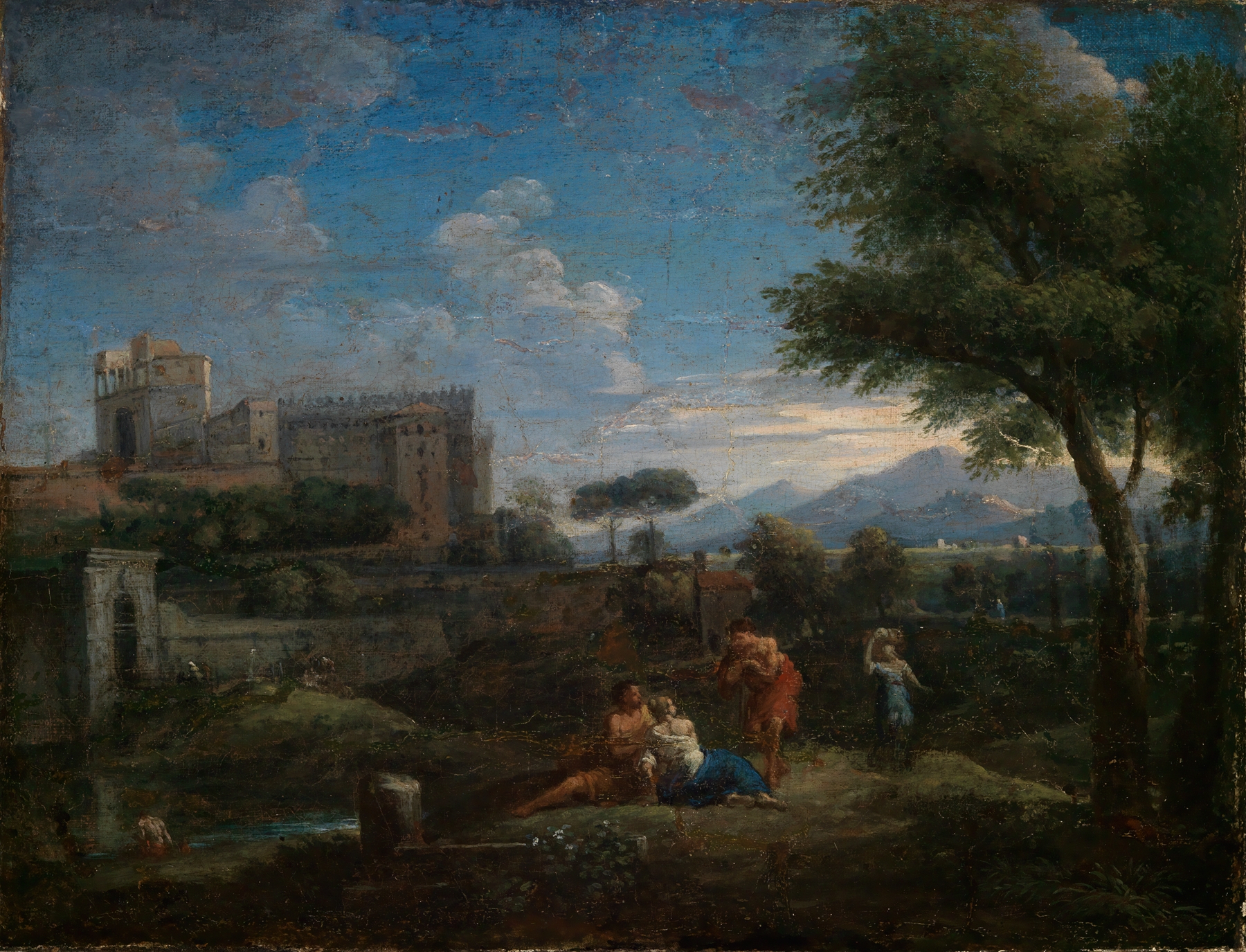
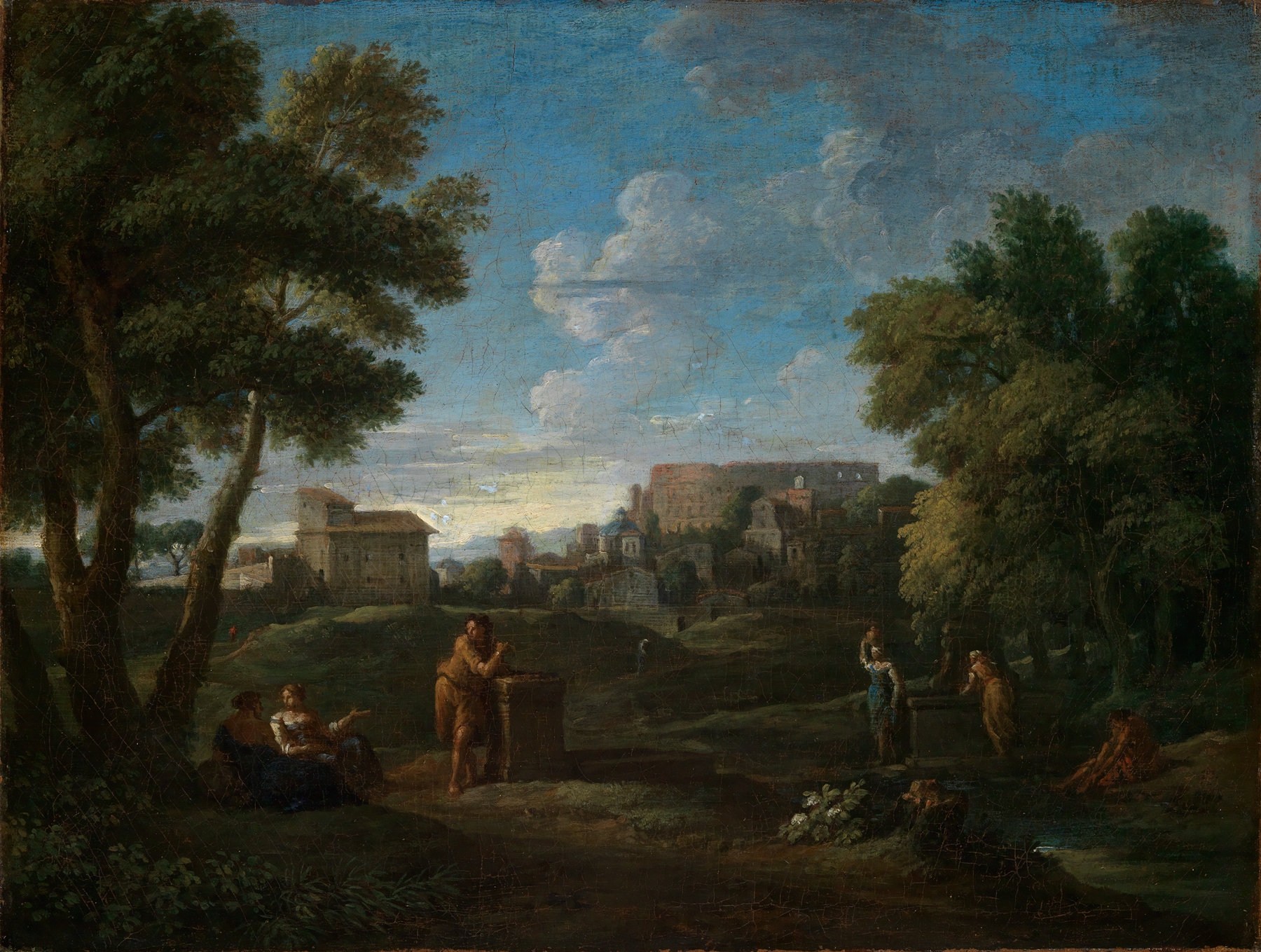
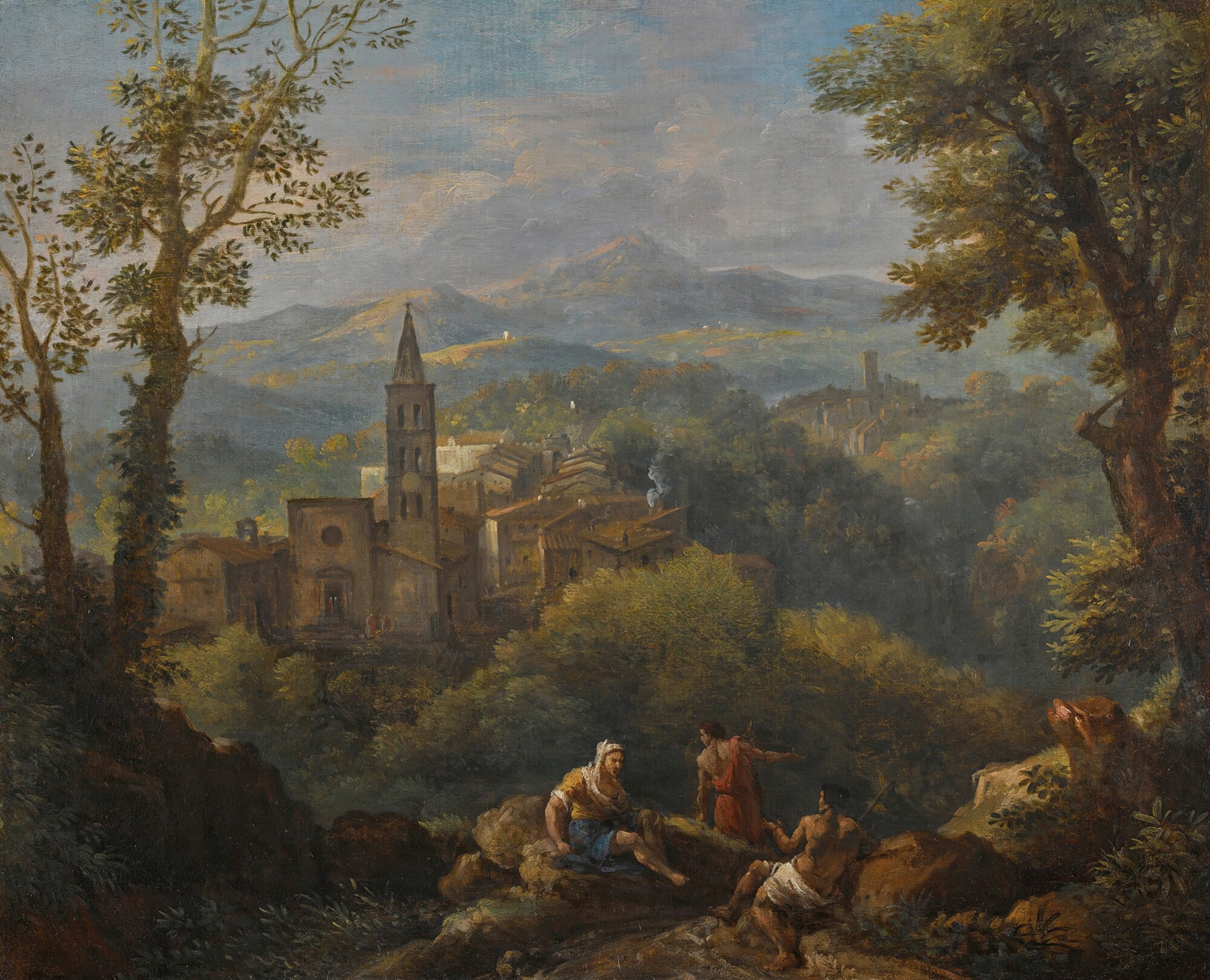
“To paint is to remember what time wants us to forget.” In a world where fleeting moments dissolve into oblivion, a landscape can tether us to a memory, evoking a profound sense of longing. Focus first on the gently rolling hills that cradle the horizon, their soft greens and yellows harmonizing in a soothing embrace. The composition leads your eye, drawing you from the lush foreground dotted with wildflowers to the tranquil expanse of sky above, where cerulean blue meets wispy clouds. Notice how the light dances across the surface of a nearby stream, shimmering like shattered glass, illuminating the scene with a warmth that feels both nostalgic and inviting.
The small figures in the distance, engaged in simple pastoral activities, evoke a quiet sense of community and contentment, yet their diminutive size hints at a greater solitude. Alongside the vibrant life of nature, a subtle tension emerges between the beauty of this idyllic moment and the inevitable passage of time. The contrast between the lush vitality of the landscape and the muted tones of the distant figures infuses the work with a sense of yearning, as if nature itself is a reminder of what we strive to hold onto.
Painted during a time when landscape art was gaining prominence in the early 18th century, the artist was deeply immersed in the serene beauty of the Italian countryside. His work reflects not only personal aesthetic choices but also the broader shift in art towards capturing the sublime essence of nature. This piece exemplifies the period's desire for tranquility and connection to the earth, standing as a testament to the artist’s longing for harmony in a rapidly changing world.