A Classical Landscape With Peasants In The Foreground — History & Analysis
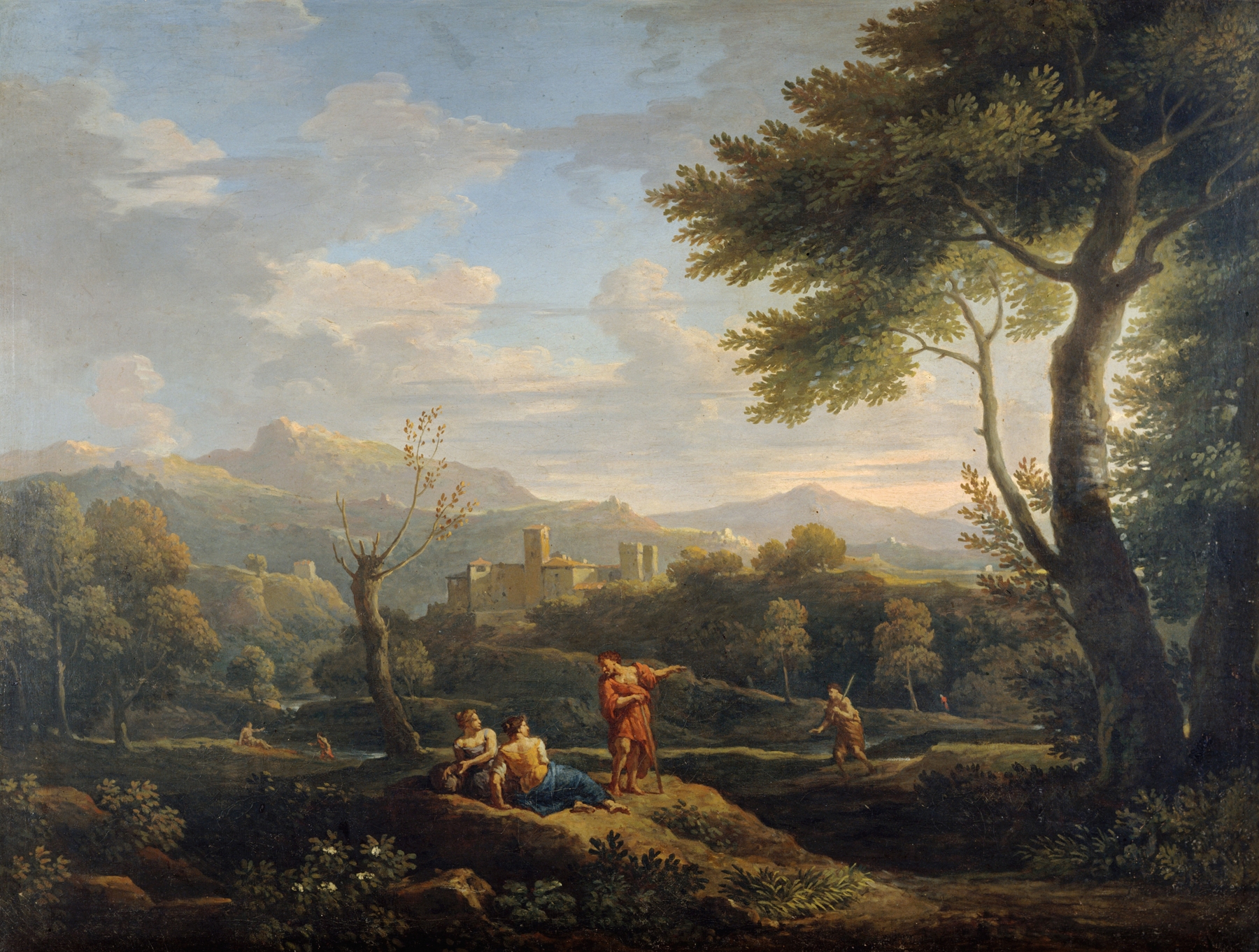
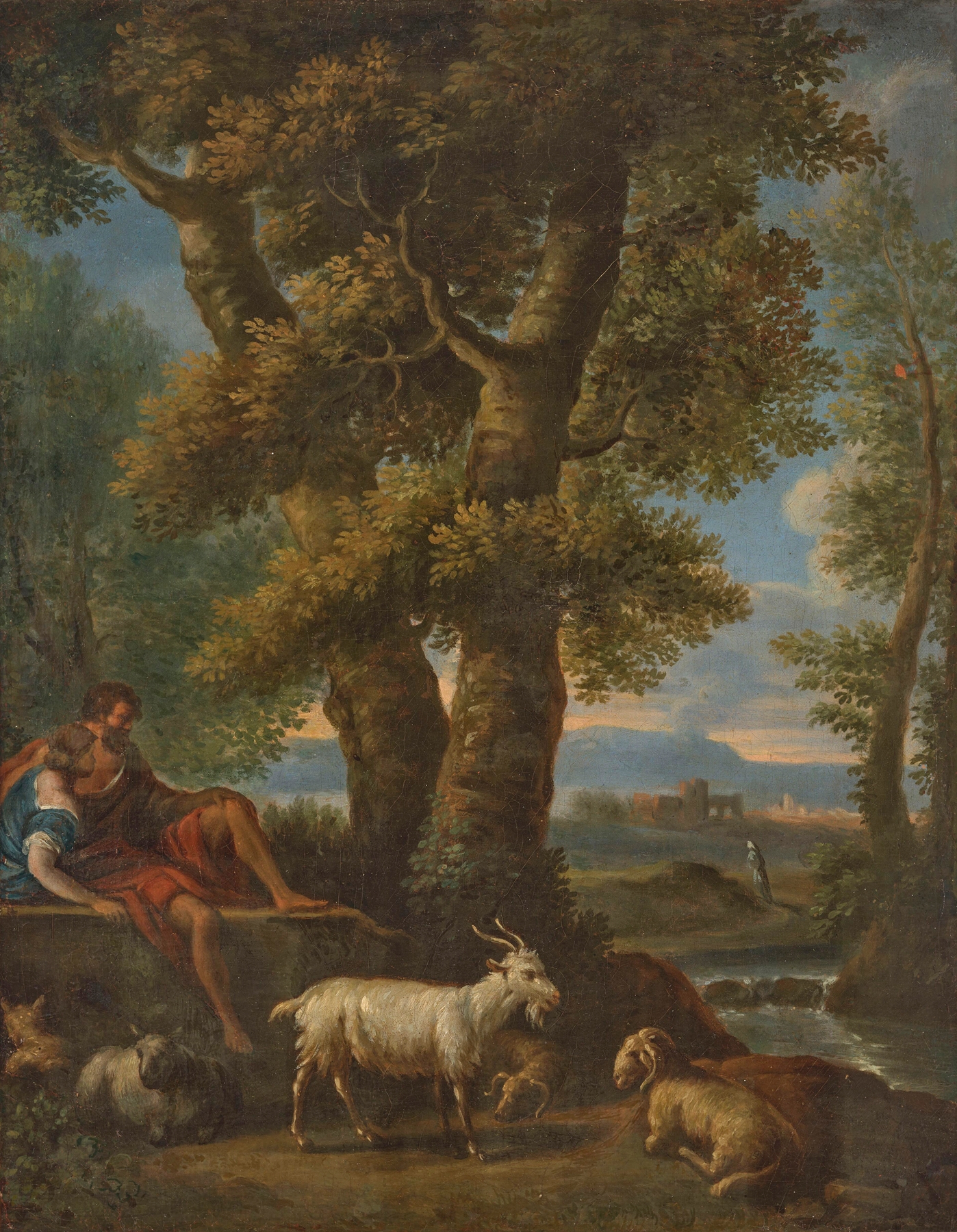
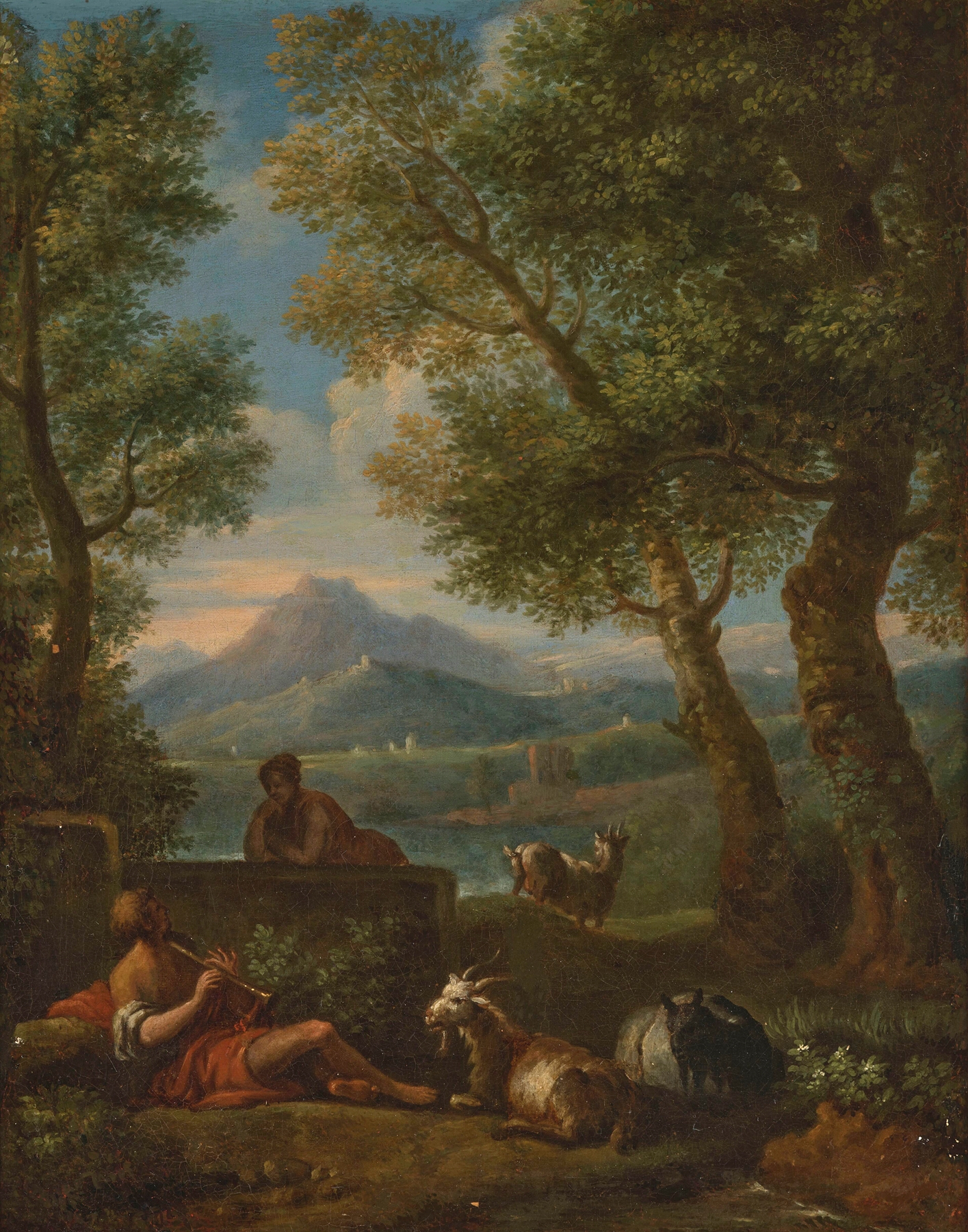
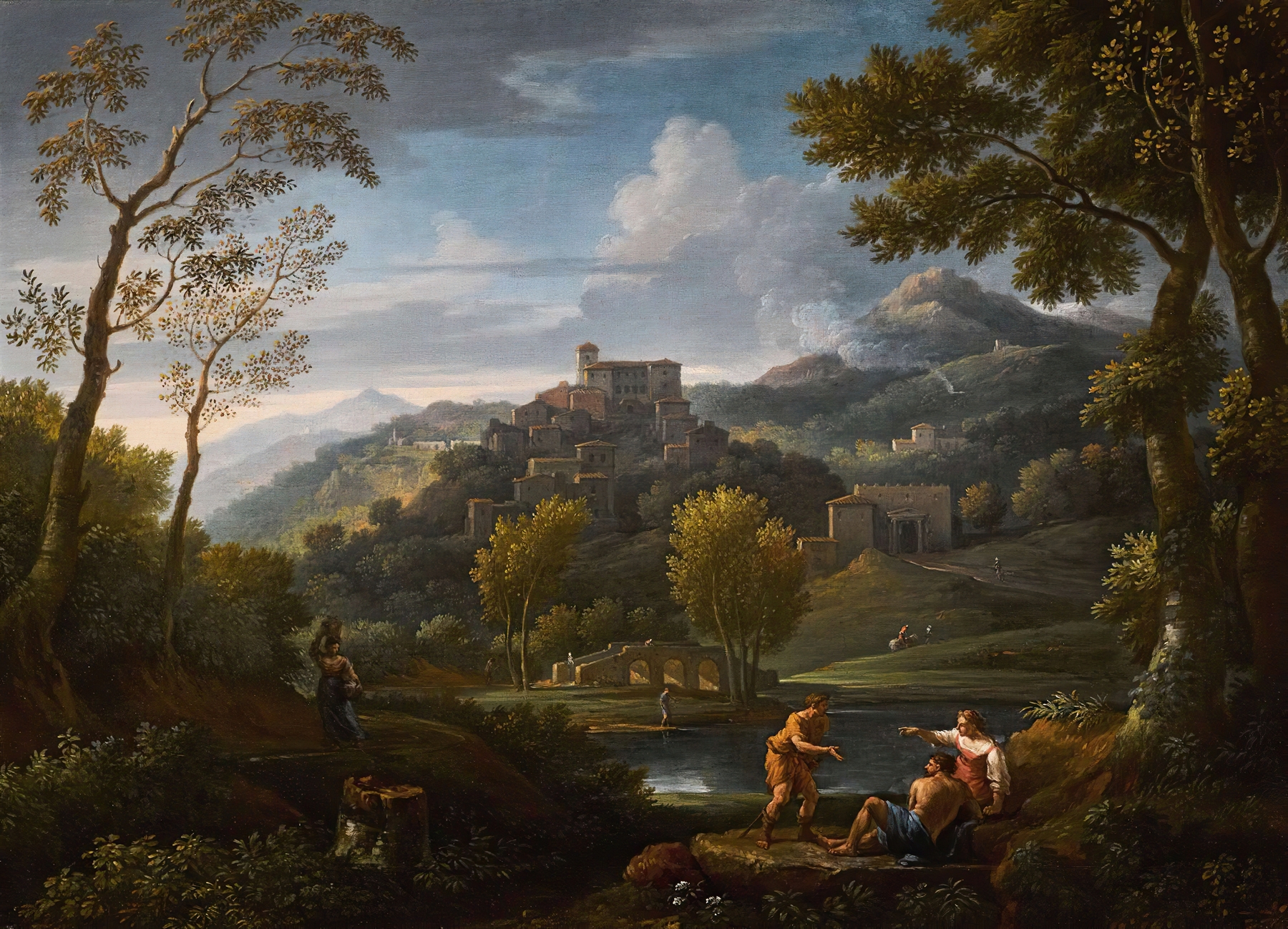
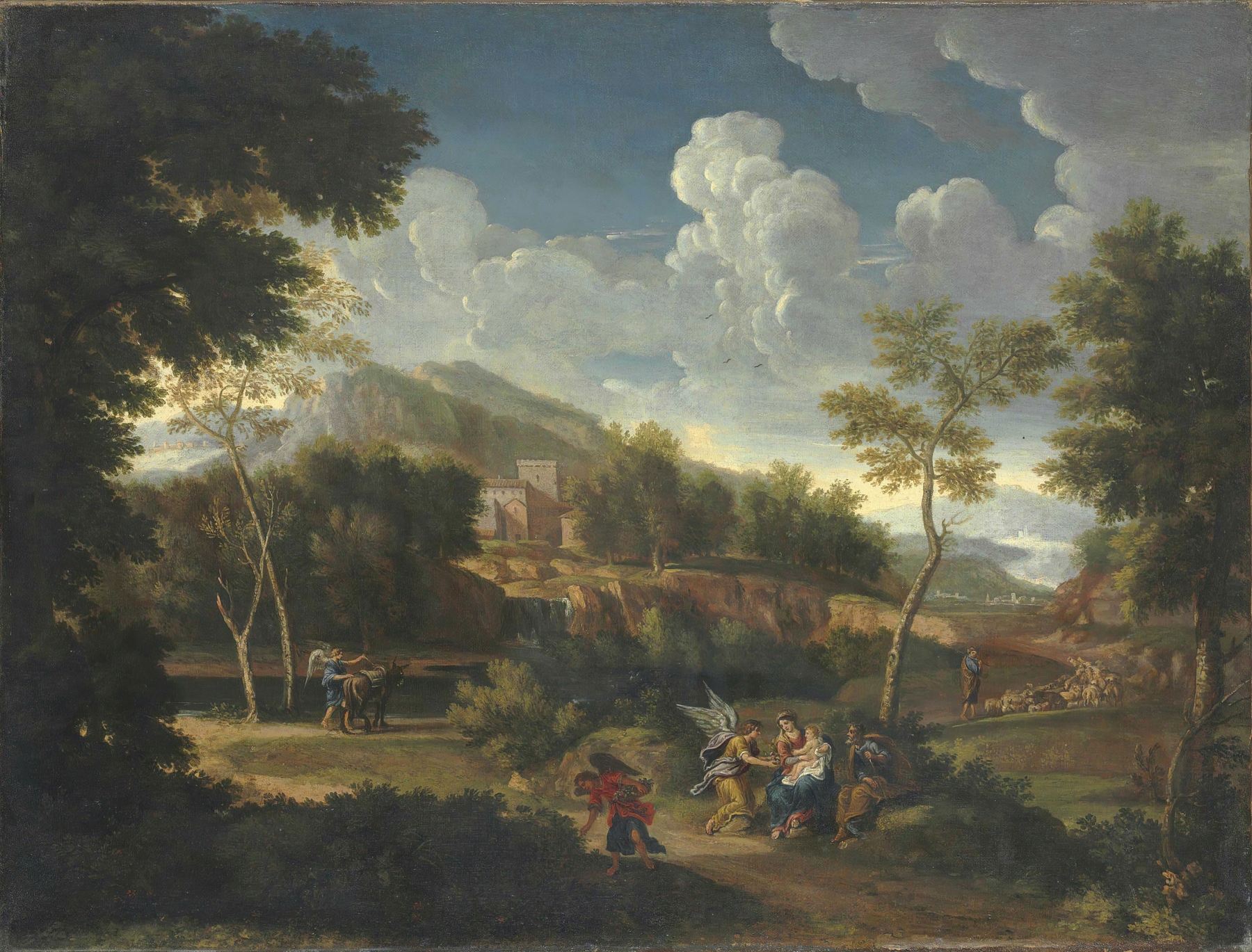
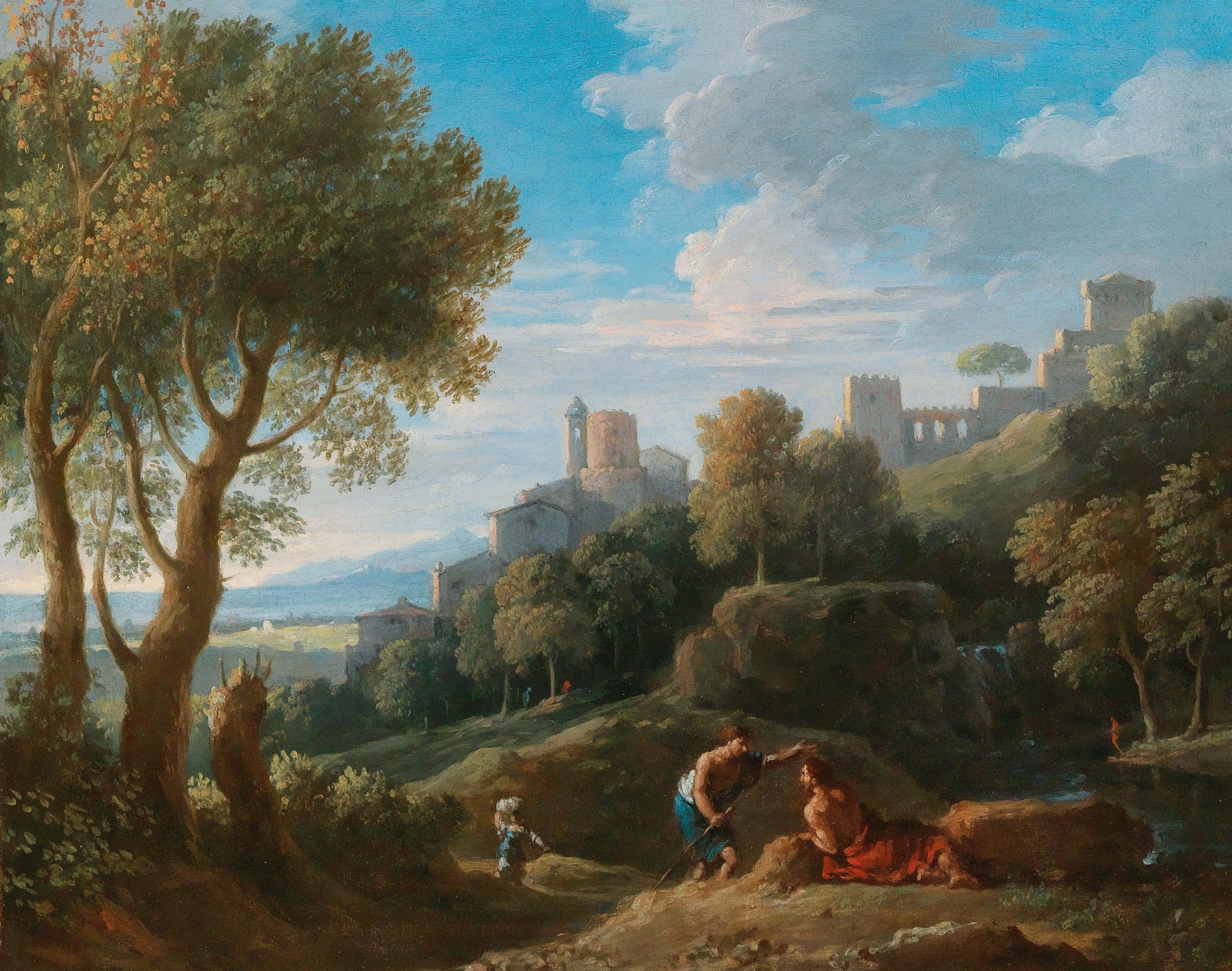
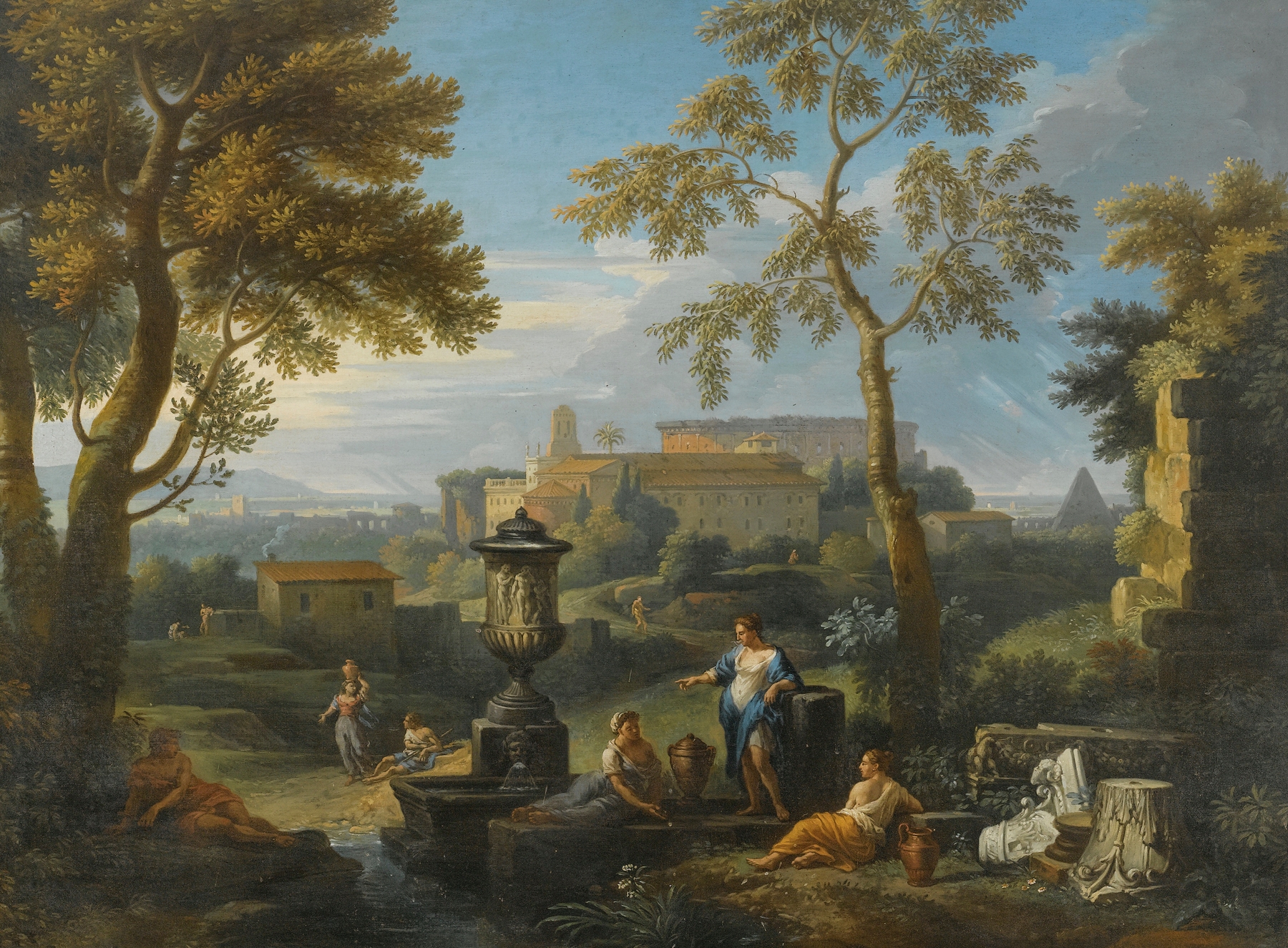
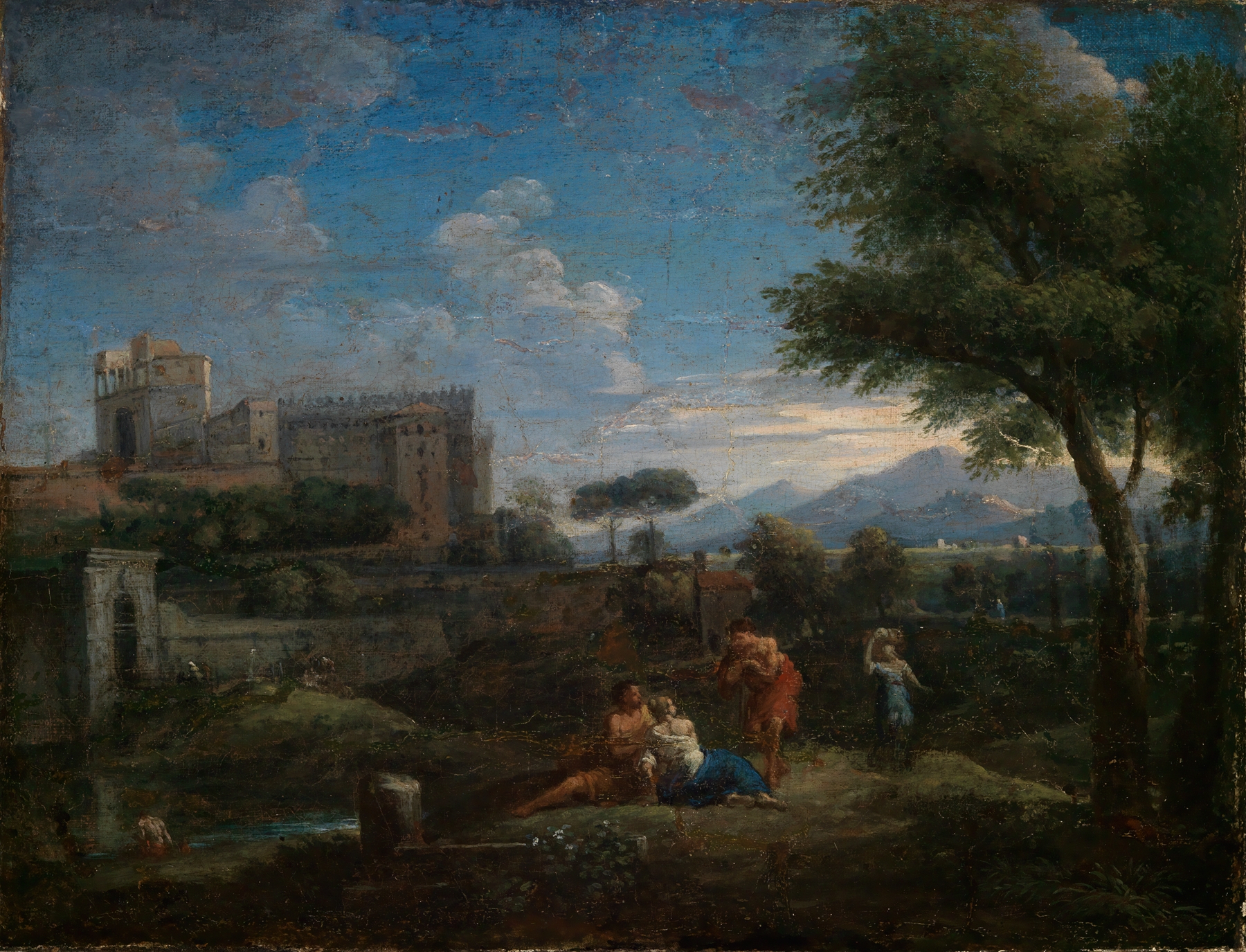
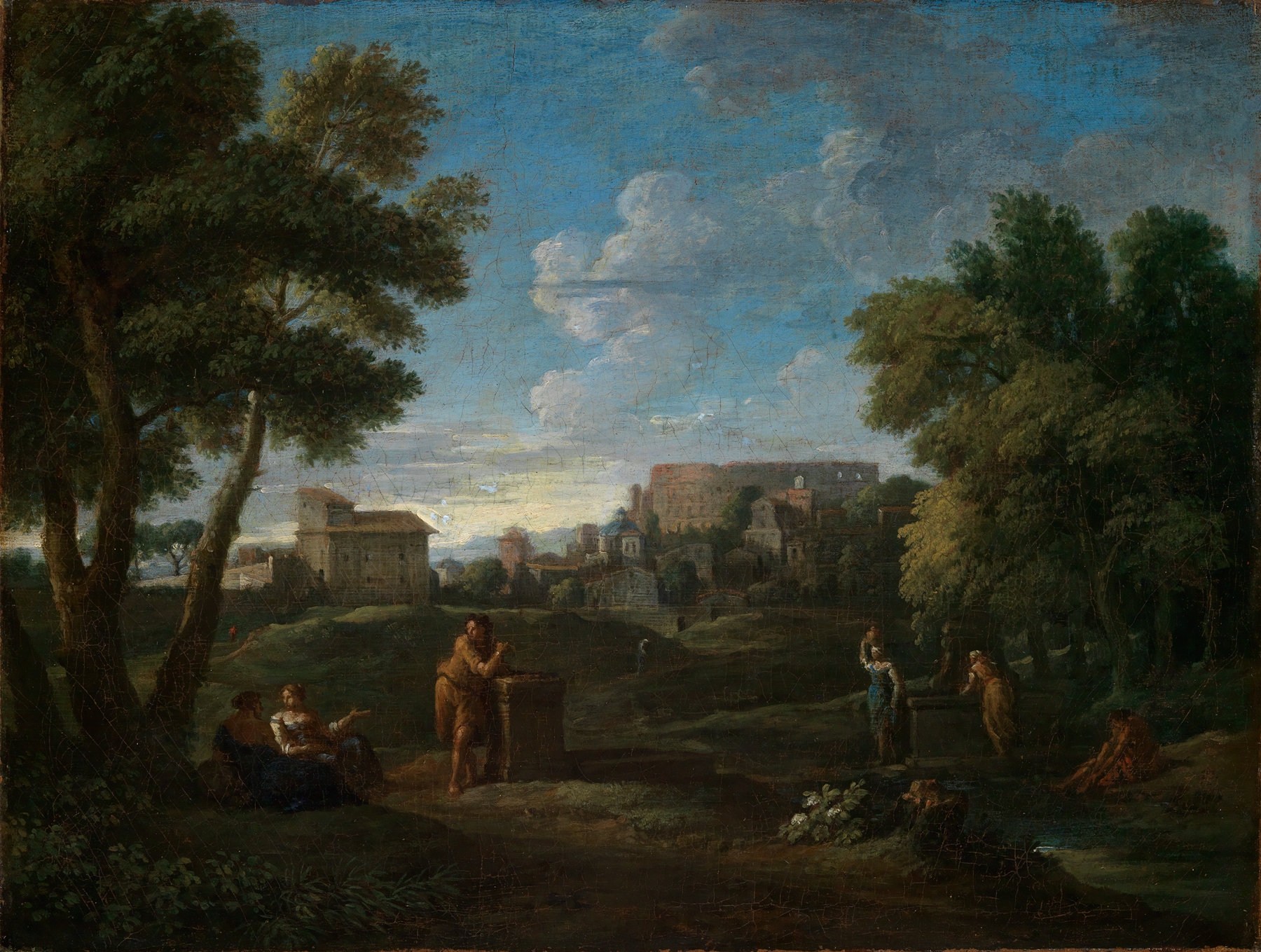
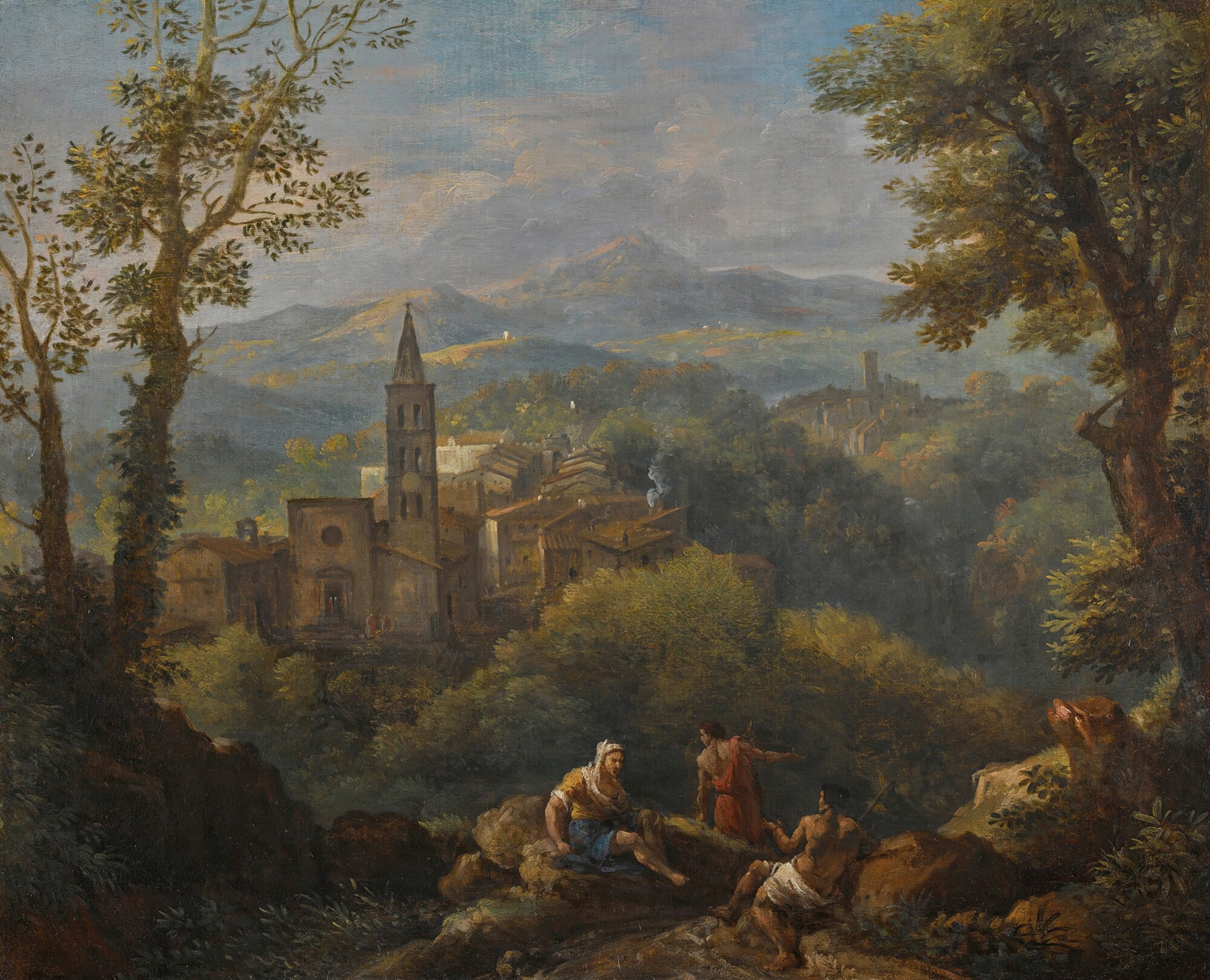
“The canvas doesn’t lie — it simply waits.” In the quiet embrace of a pastoral world, shadows stretch and dance, whispering tales of life unseen. They cradle the figures of humble peasants, echoing the weight of their toil and the simplicity of their joys. Nature cradles them, both a refuge and a relentless taskmaster. Look to the lower left where the peasants stand, their forms robust against the verdant backdrop. Notice the soft, muted greens and browns that enfold them, a palette that breathes warmth yet hints at the hard life they lead.
The artist’s brush strokes weave a textured canvas, blending light and shadow to create depth. The sun filters through the trees, casting elongated shadows that play across the ground, inviting the viewer to step into this serene yet demanding world. Yet, beneath this idyllic surface lies a tension between the vibrant life of nature and the burdens of agrarian existence. The lively hues of the landscape contrast with the subdued, earthy tones of the figures, suggesting a disconnect between human effort and the beauty surrounding them. In the distance, a gentle horizon beckons, symbolizing both hope and the relentless cycle of labor.
This dichotomy resonates, prompting a contemplation of life’s eternal struggles against the backdrop of nature’s beauty. Jan Frans Van Bloemen painted this work during a time when the Baroque movement was reaching its zenith in Europe, likely in the late 17th to early 18th century. Living primarily in Italy, he found inspiration in the luminous landscapes and the pastoral traditions of his time. His art reflects a moment when burgeoning interest in naturalism merged with the grand narrative of human experience, capturing the dual essence of beauty and toil that defines life.