Paysage d’Italie — History & Analysis
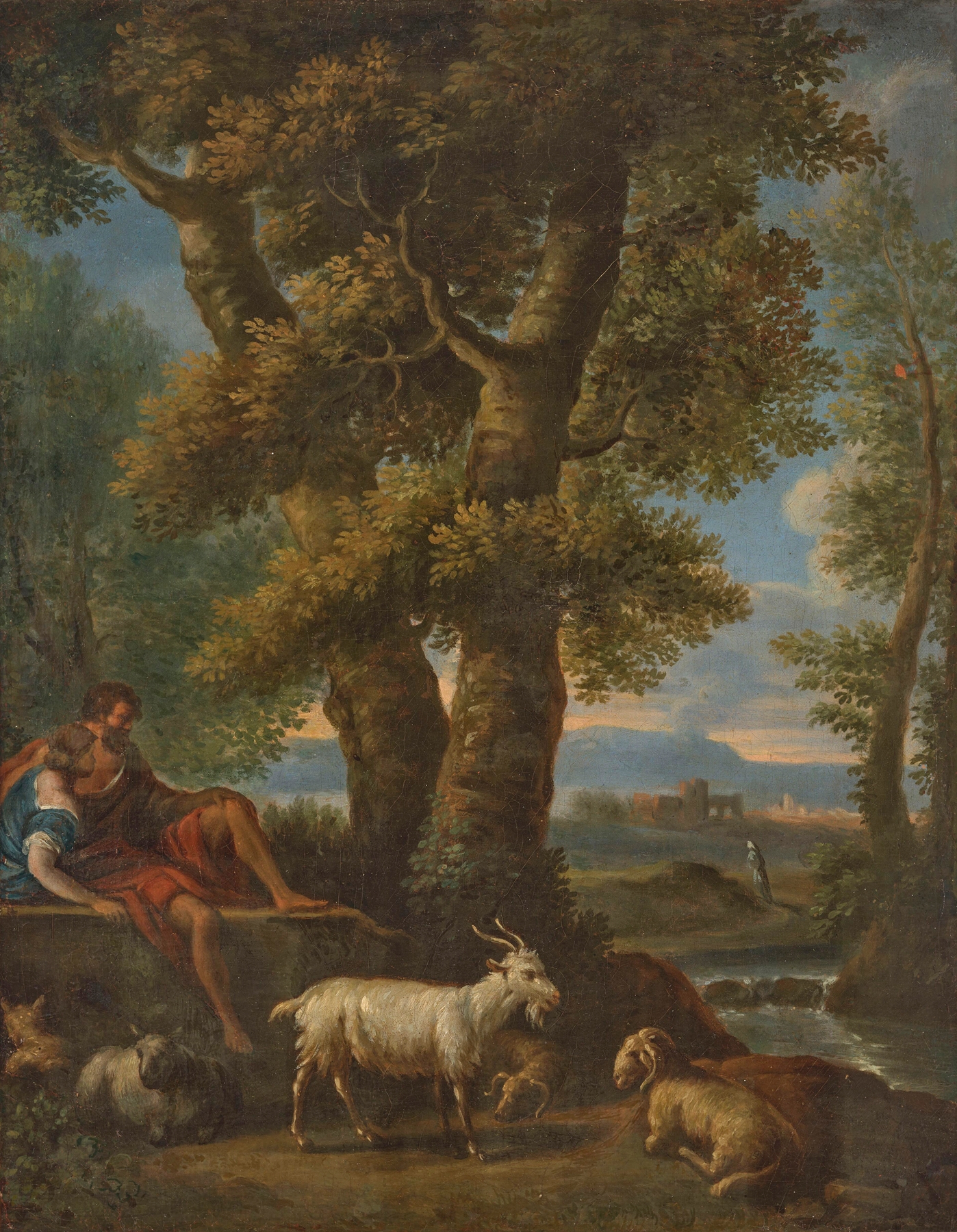
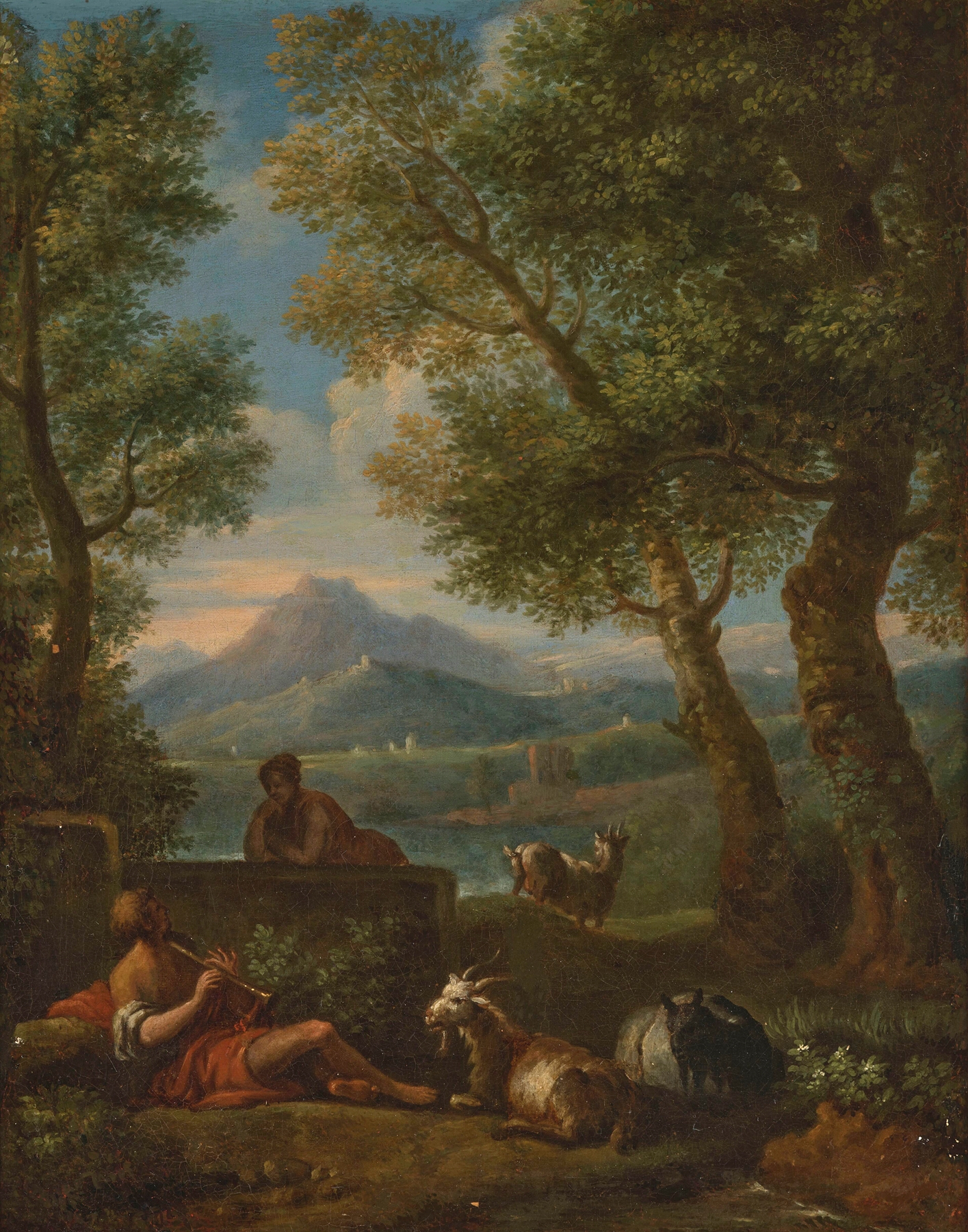
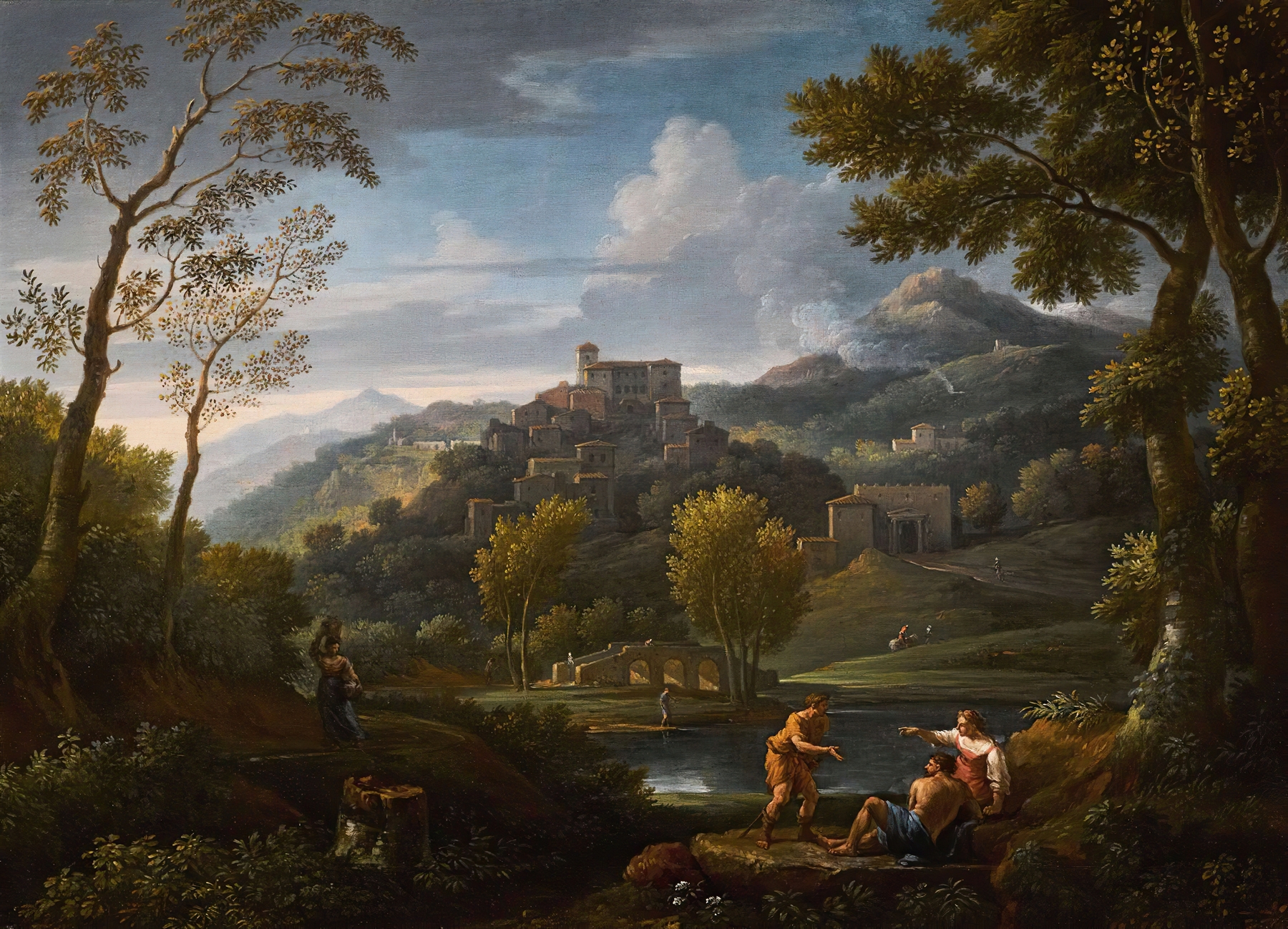
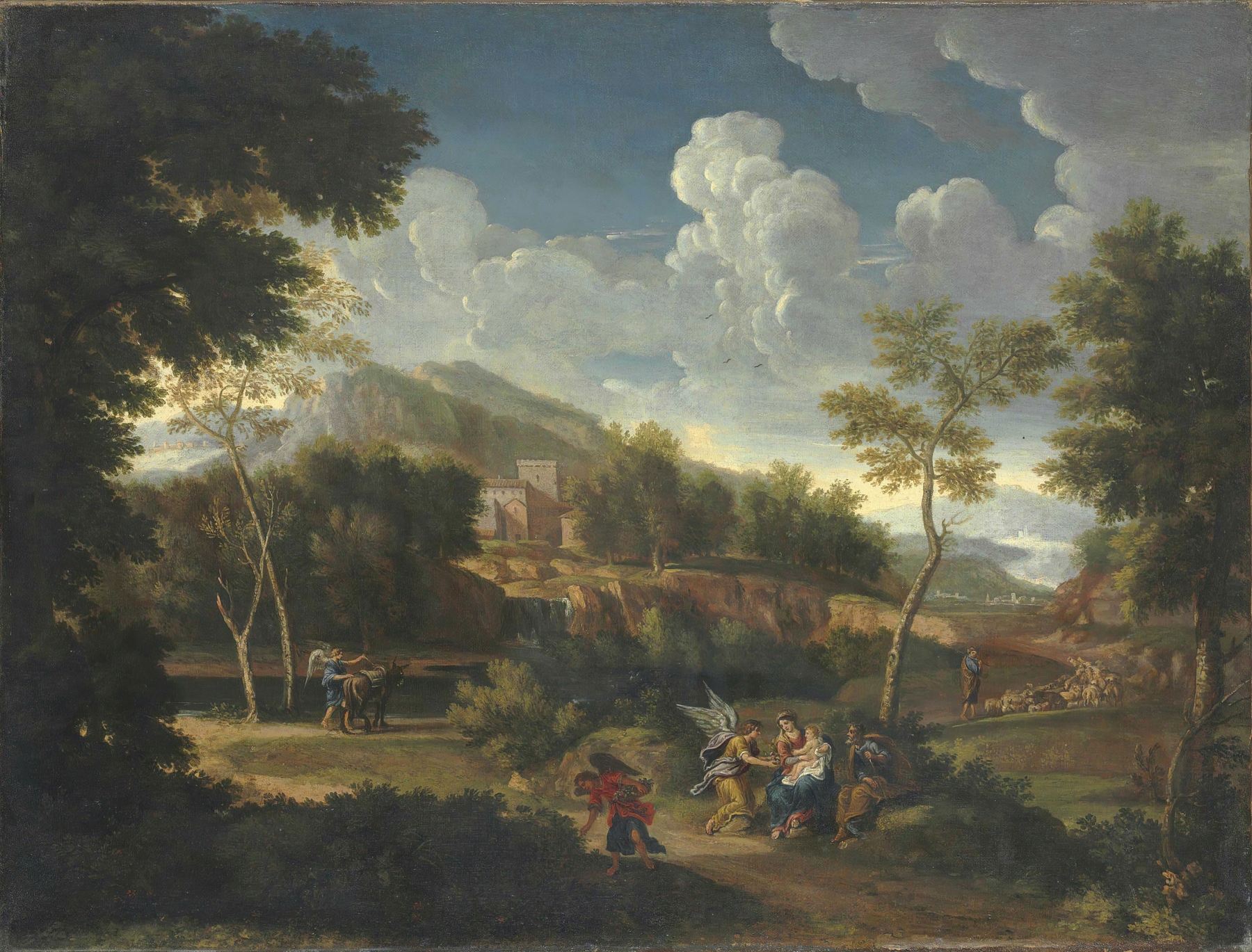
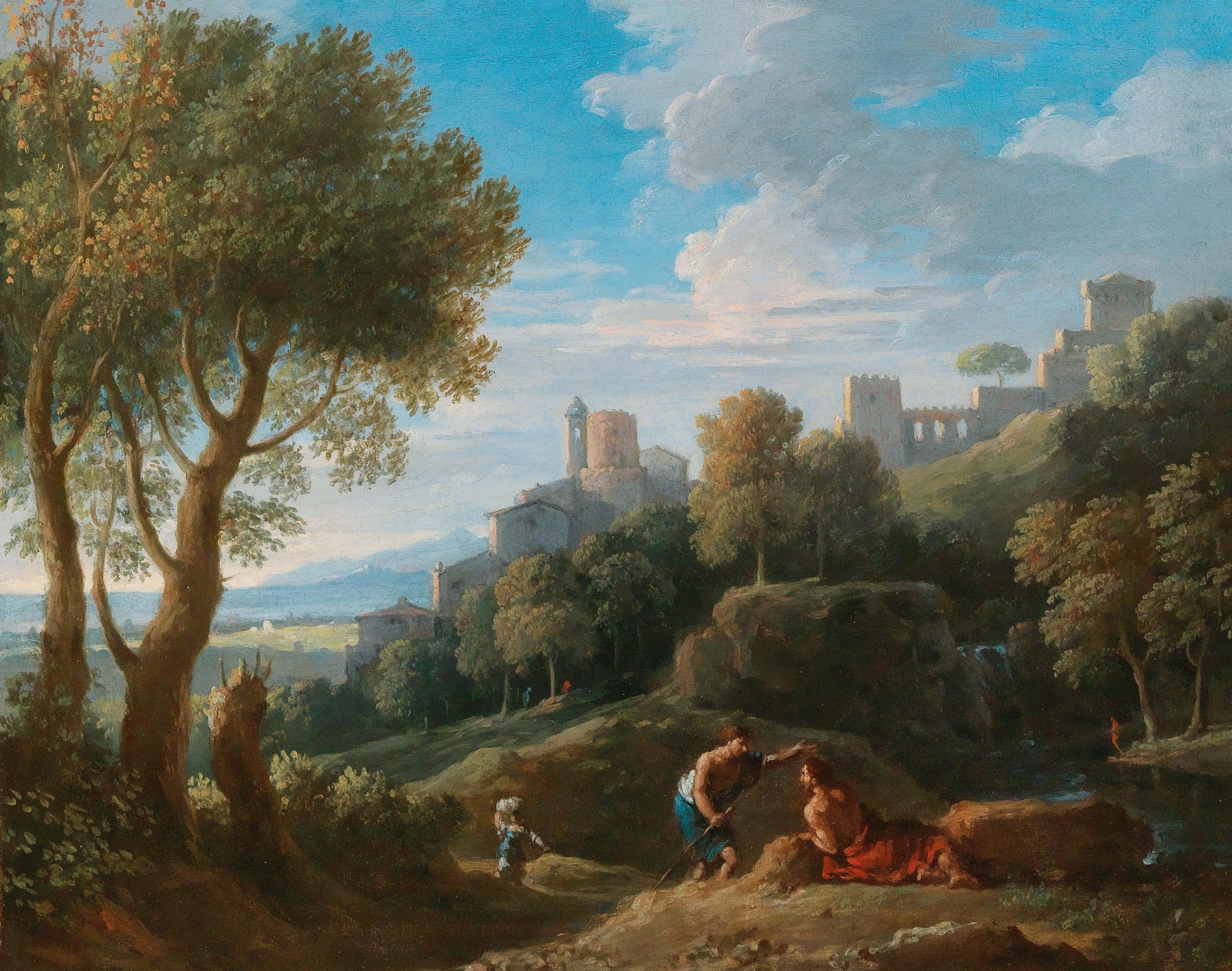
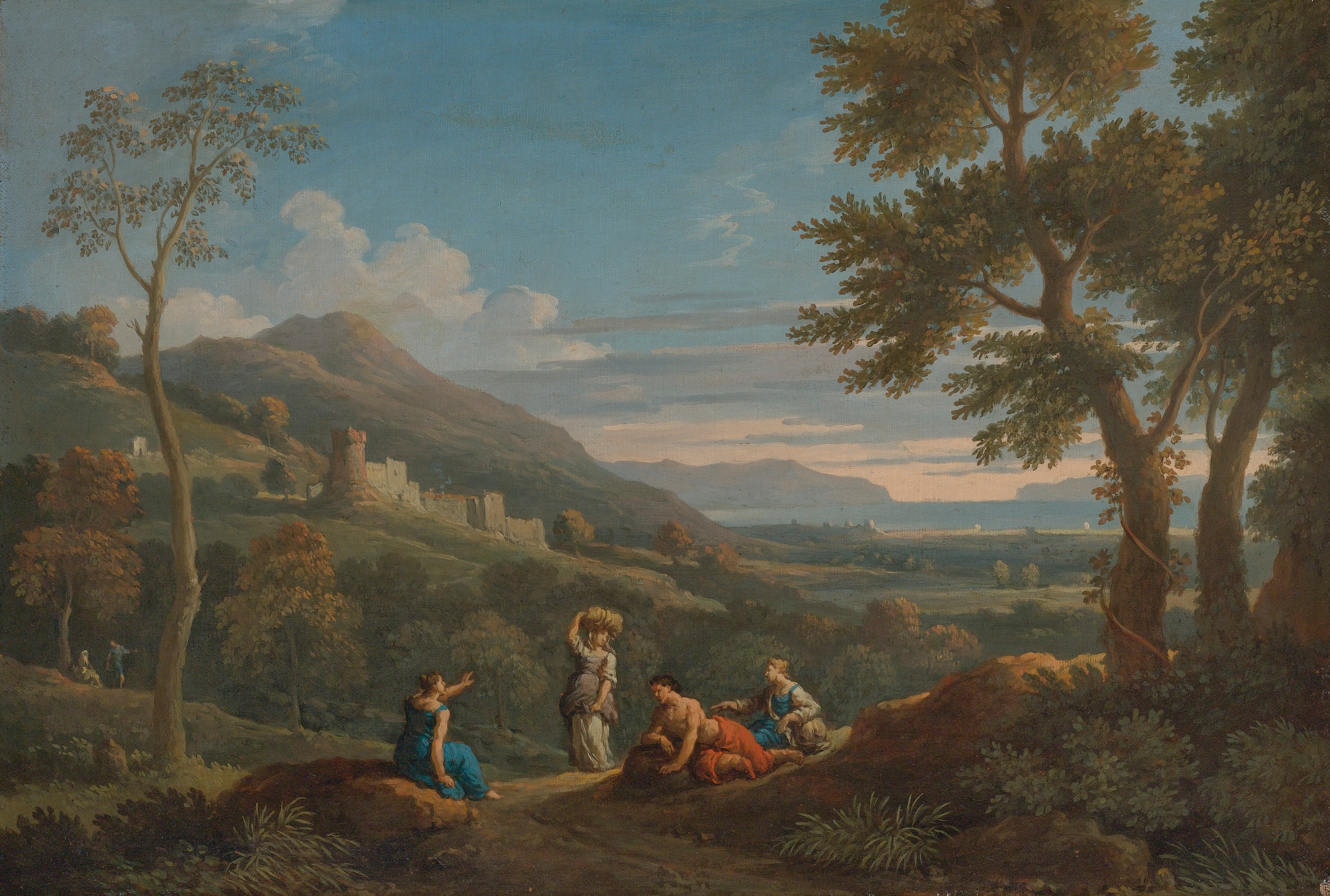
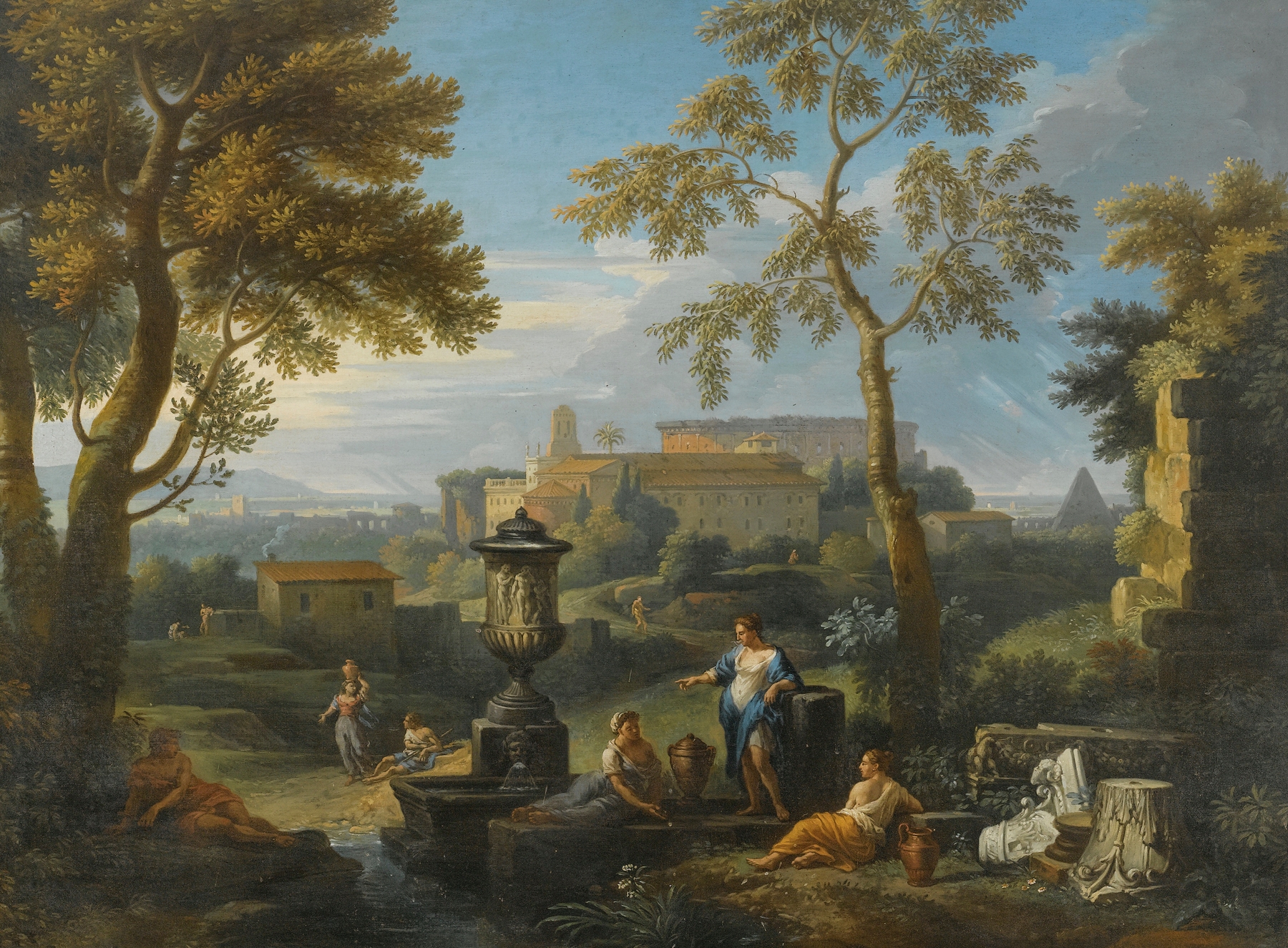
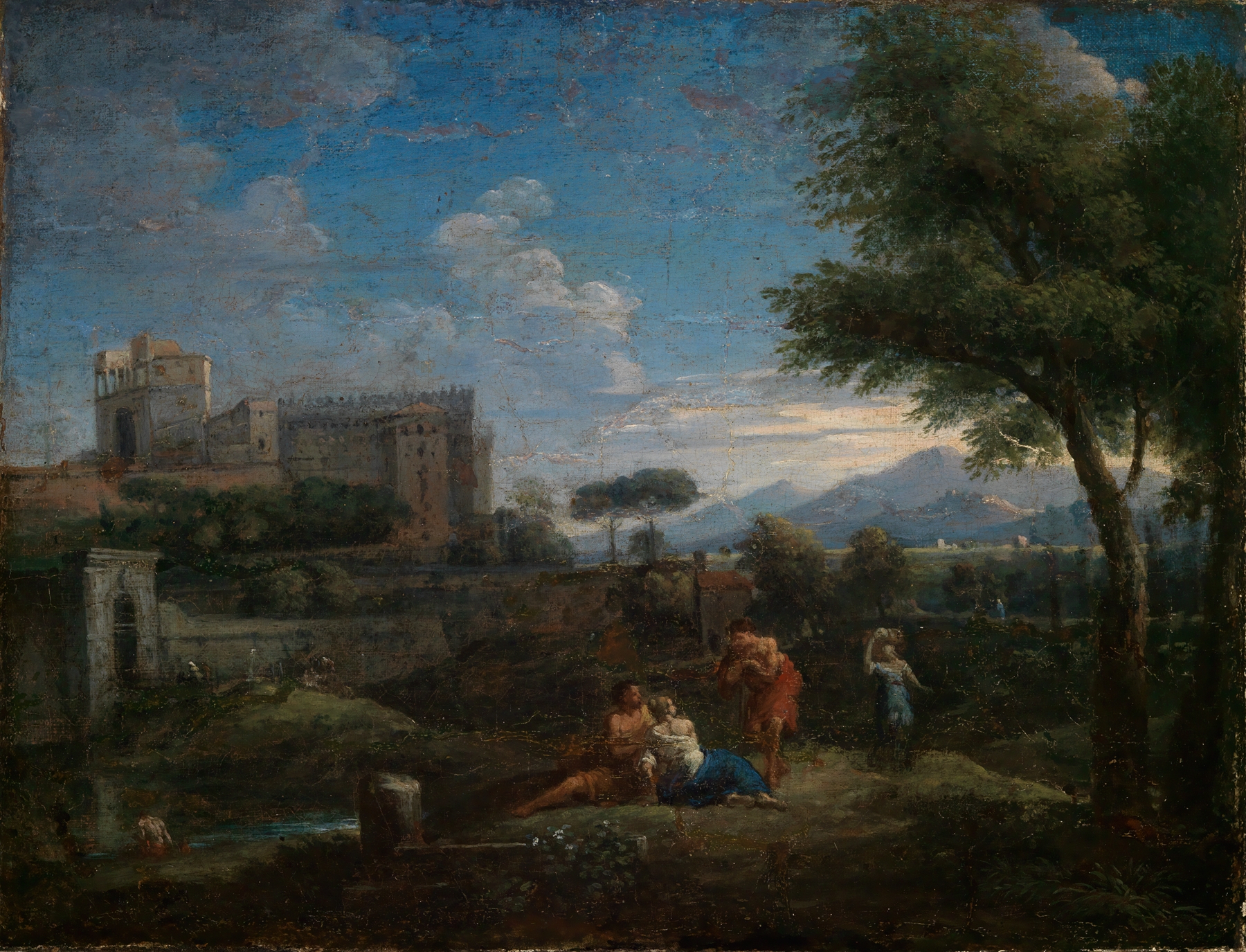
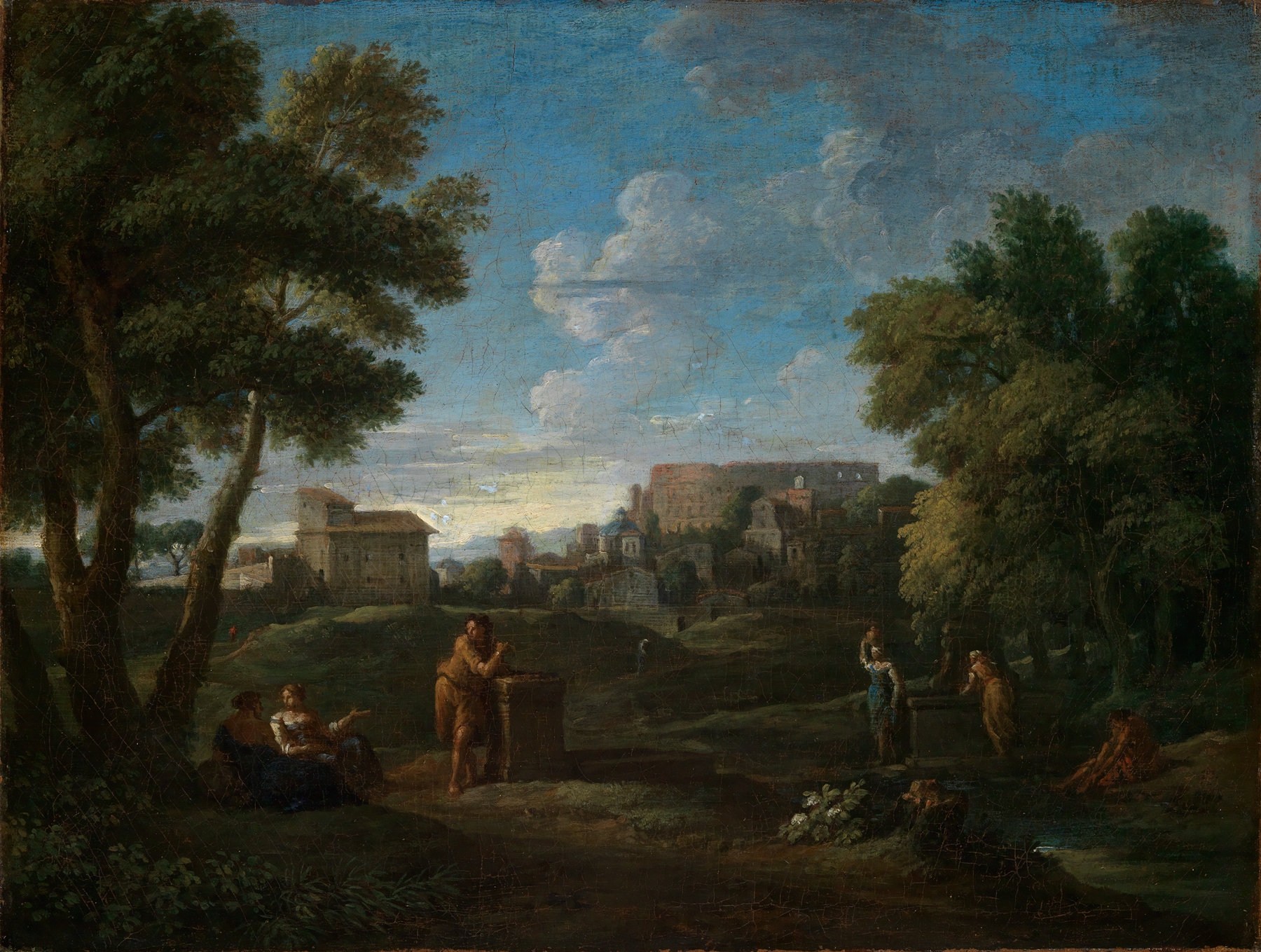
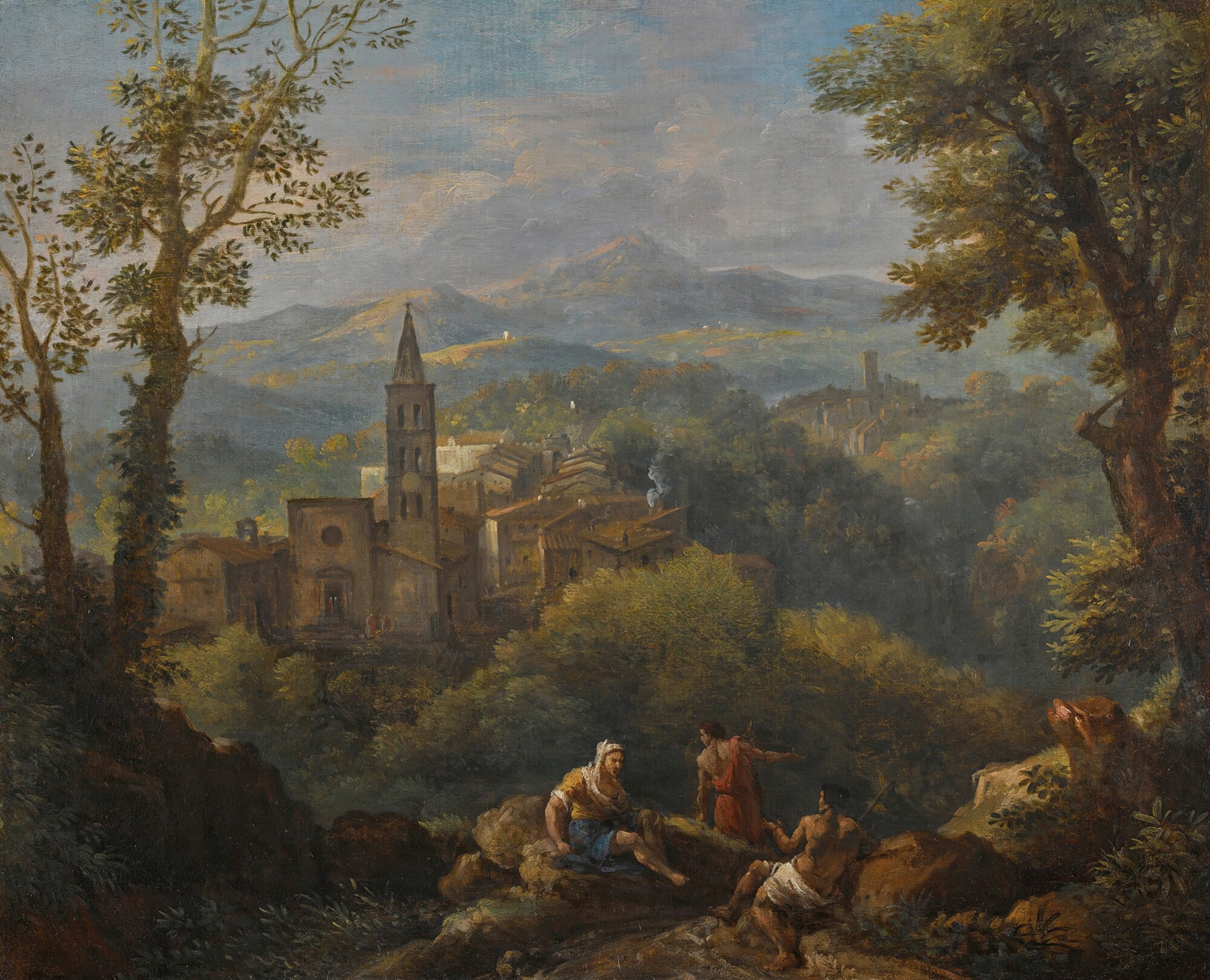
Can paint confess what words never could? In Paysage d’Italie, the timeless allure of the Italian landscape whispers secrets of mortality, capturing the essence of life’s fleeting moments. Look to the horizon, where a gentle interplay of warm ochres and vivid greens beckons the eye. The rolling hills rise and fall like the rhythm of breath, while a soft azure sky embraces the canvas, pierced by wisps of clouds.
The meticulous brushwork reveals hidden details — a solitary figure in the foreground engages with nature, perhaps a farmer or traveler, grounding the scene in humanity. Notice how light dances across the foliage, highlighting both vitality and the inevitable shadow of death that creeps closer with each passing day. Delve deeper, and a contrast emerges: the vibrancy of life stands in stark relief against the whisper of decay. The lush vegetation, brimming with color and texture, implies a richness of experience, yet each leaf ultimately fades, echoing our own transient existence.
This landscape, while idyllic, carries an undercurrent of nostalgia, urging the viewer to reflect on the ephemerality of beauty and life itself. Jan Frans Van Bloemen created Paysage d’Italie during a period marked by the Baroque movement’s fascination with nature and the sublime. Painted in the early 18th century, while he resided in Rome, he found inspiration in the captivating Italian countryside, a world alive with artistic fervor. It was a time when many artists were turning their gaze toward the natural world, seeking to distill its essence into their work, balancing flourishing creativity with the anvil of mortality that shapes human experience.