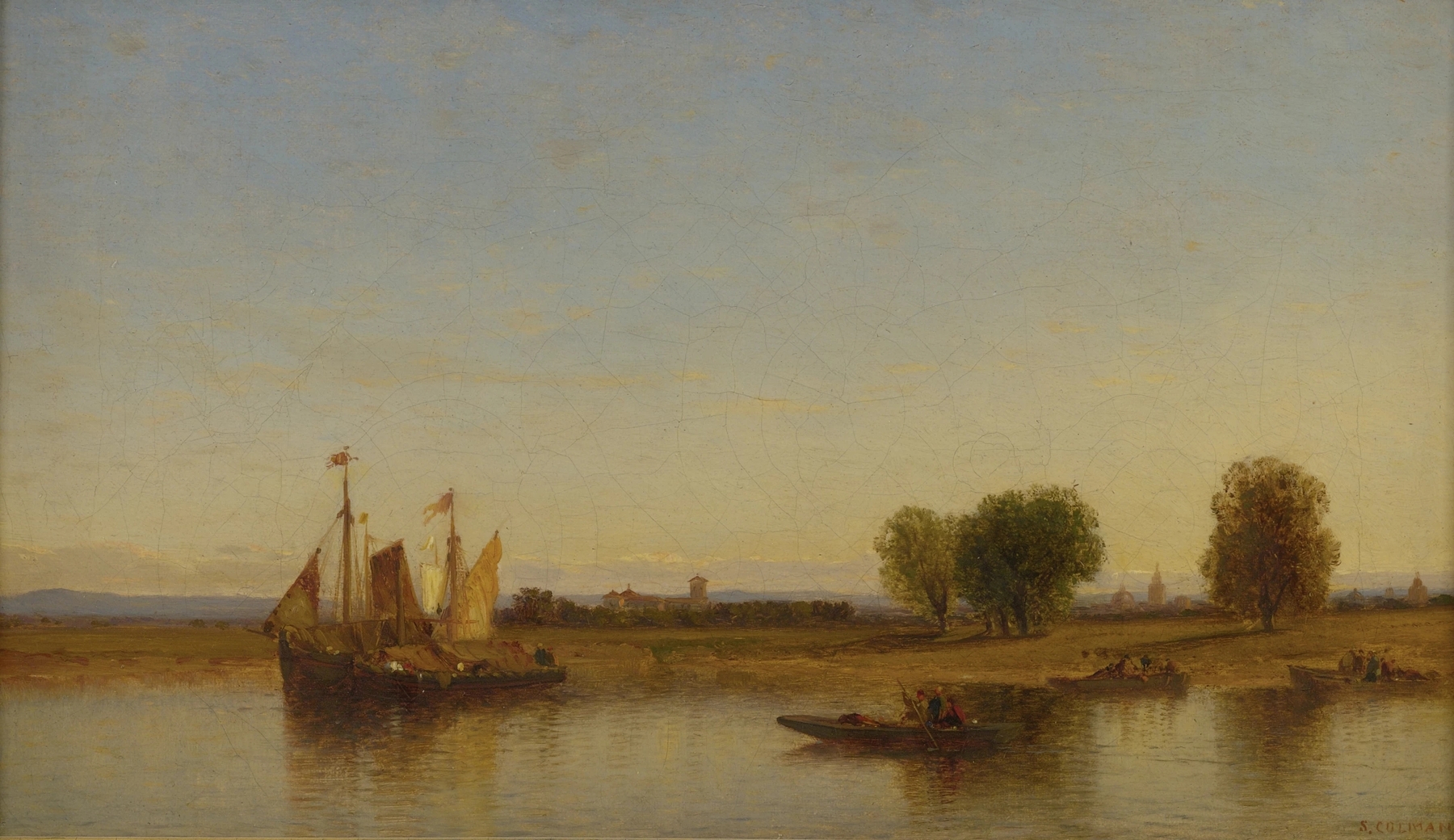
Clearing Storm at Gibraltar — History & Analysis
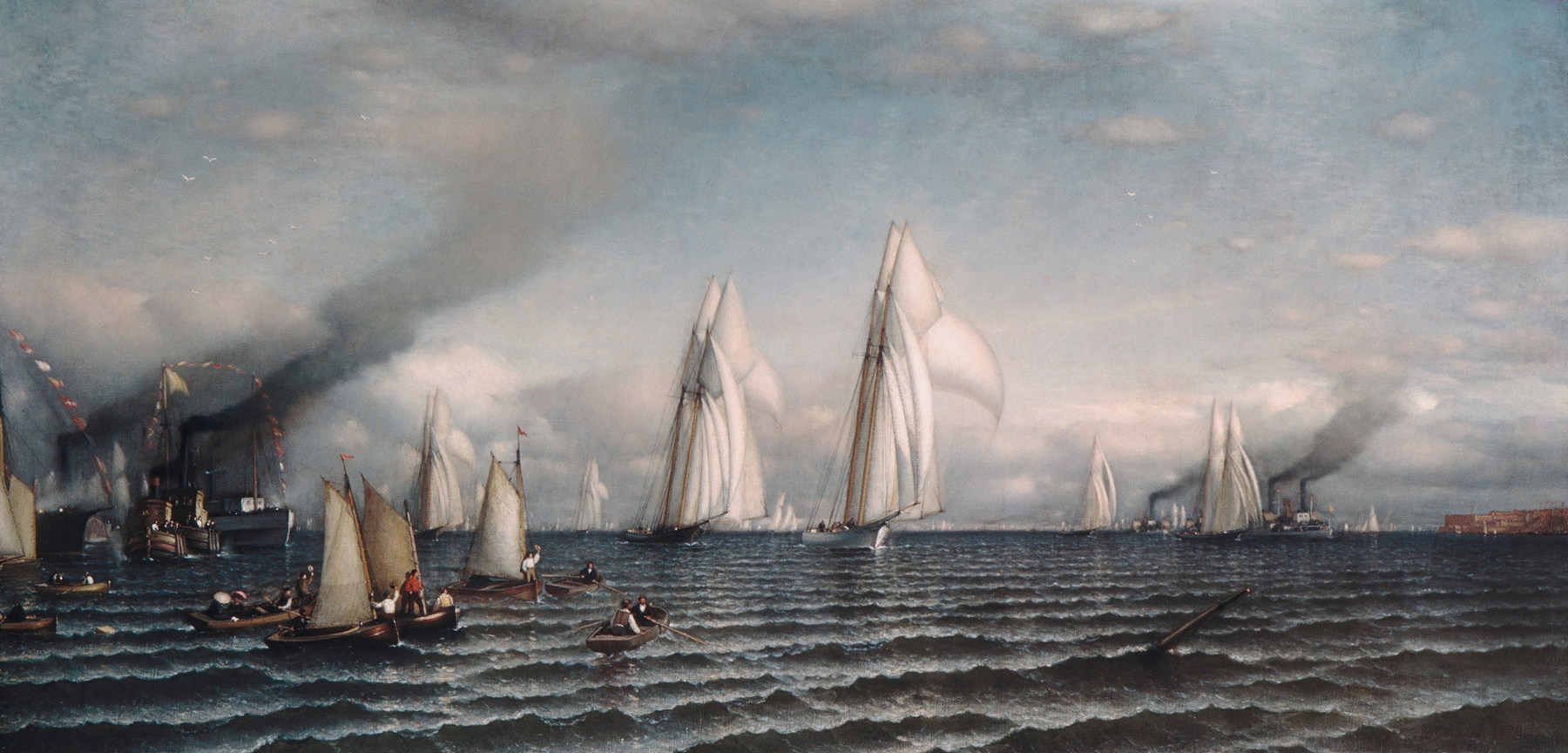
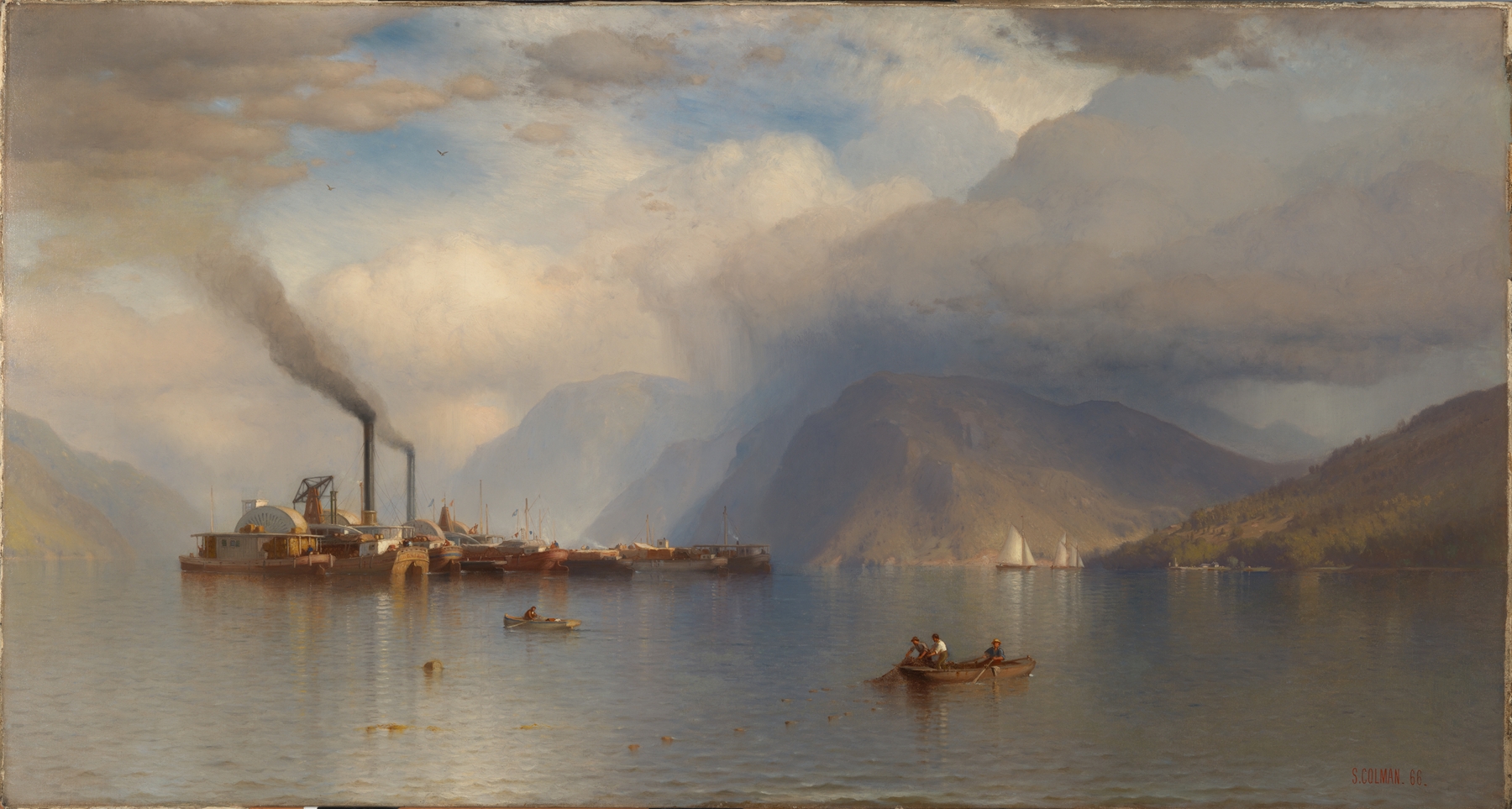
Could a single brushstroke hold eternity? In Clearing Storm at Gibraltar, the vastness of the sea and sky evokes a profound sense of solitude, where the expanse seems to reflect the inner turmoil of the human spirit. Look to the bottom left corner, where the tumultuous waves crash against the rocky shoreline, their deep blues and greens contrasted by the soft, golden light breaking through the storm clouds. The horizon stretches wide, drawing the eye toward the distant silhouette of Gibraltar, a steadfast presence against nature's wrath.
Notice how the light filters through the clouds, illuminating sections of the water, creating an interplay of shadow and brilliance that encapsulates both drama and tranquility. Beneath the surface of this seemingly calm landscape lies a whisper of isolation. The towering cliffs, while majestic, loom over the scene, evoking feelings of insignificance amid nature's grandeur. The transition from dark, swirling storm clouds to the clearing sky symbolizes hope yet also speaks to the emotional turbulence that lingers, reminding us of how fleeting moments of peace can be.
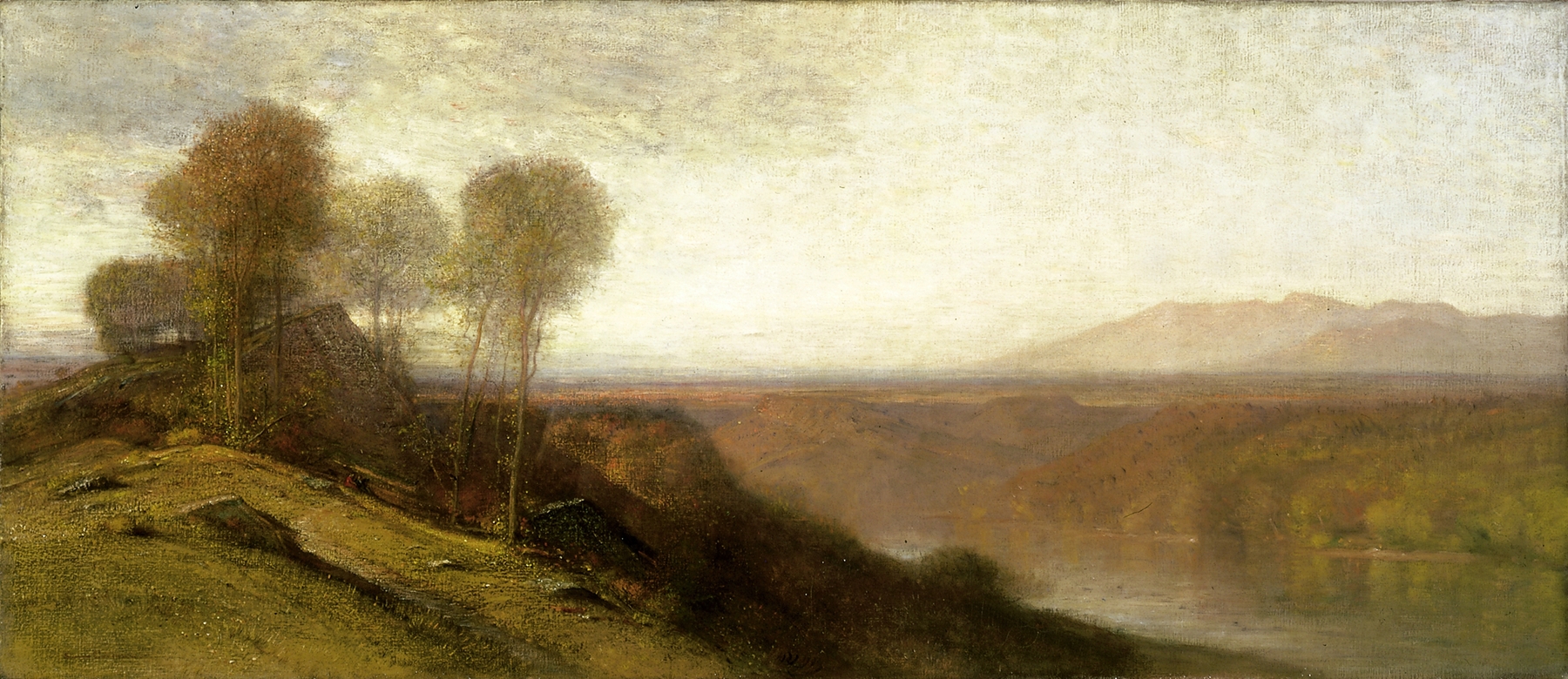
The absence of human presence amplifies the solitude, inviting the viewer to reflect on their own place within this vast world. Created in 1860, during a period of artistic transition in America, the artist was immersed in the Hudson River School movement, focusing on the beauty of landscapes while also exploring the emotional resonance of nature. Colman was inspired by his travels and the romance of the sublime, seeking to capture both the physical and emotional essence of the places he painted, a pursuit that would define his legacy in American art.