
Clothes On A Line In Åsgårdstrand — History & Facts
What if beauty was never meant to be finished? In Clothes On A Line In Åsgårdstrand, a delicate interplay of fabric and wind whispers of life's transient nature, inviting us to pause and reflect on the essence of faith in the ordinary. Look to the left and spot the vibrant reds and blues of the garments fluttering on the line, each hue contrasting against the tranquil backdrop of the sea and sky. Notice how the light dances upon the clothes, breathing life into them as they sway gently in the breeze. This vibrant palette, coupled with Munch's fluid brushstroke, evokes an atmosphere of longing and serenity, pulling you deeper into the scene. As you explore the canvas further, consider the relationship between the flowing garments and the stillness of the landscape.
The clothes symbolize both the mundane and the spiritual, perhaps offering a glimpse into the lives of those who inhabit this quiet coastal setting. The act of hanging laundry becomes a ritual, an assertion of existence amid nature’s vastness, prompting reflections on connection and the beauty found in daily routines. In 1902, Munch created this piece in Åsgårdstrand, a small Norwegian town that resonated deeply with him. During this period, he was grappling with his own artistic identity, exploring themes of love, anxiety, and existentialism.
This artwork reflects not only his personal journey but also a broader shift in the art world towards capturing the emotional truths of everyday life, revealing the profound beauty hidden within simplicity.
More Artworks by Edvard Munch

The Scream
Edvard Munch

The Scream (1910 version)
Edvard Munch

Despair
Edvard Munch

The Day After
Edvard Munch
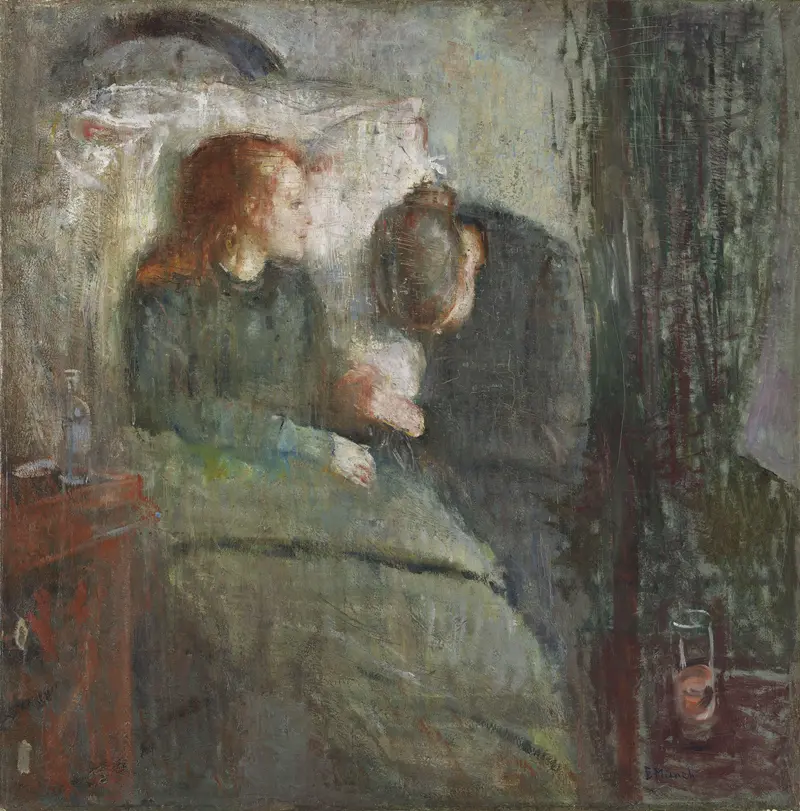
The Sick Child
Edvard Munch
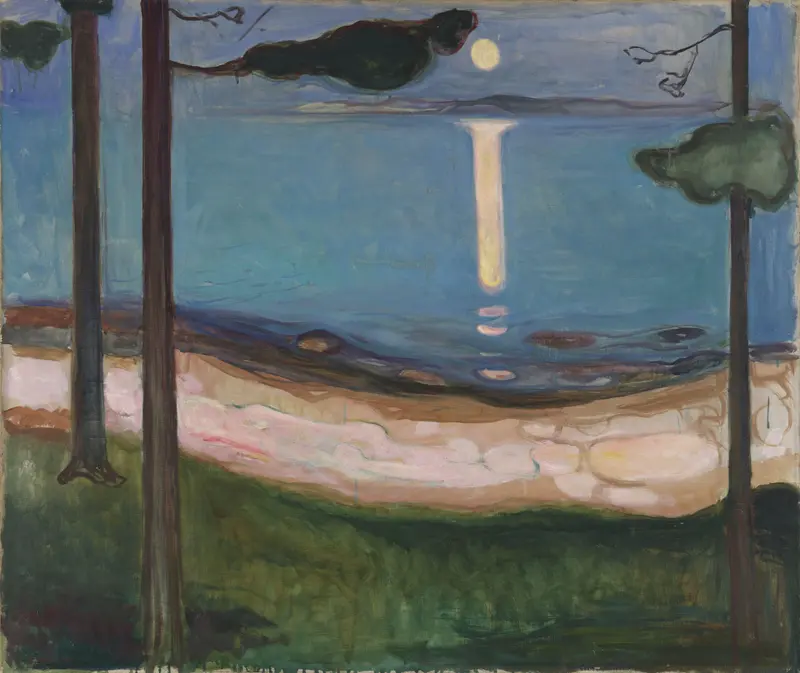
Moonlight
Edvard Munch
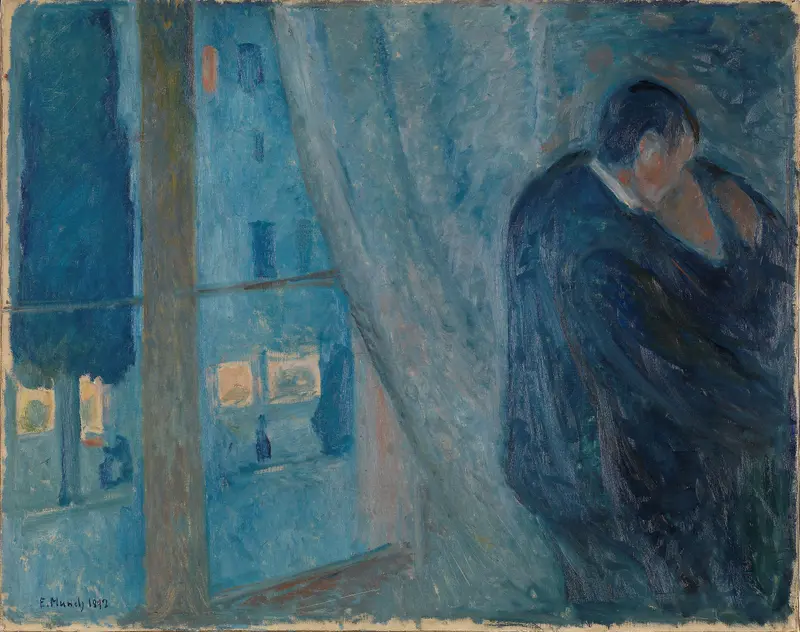
The Kiss
Edvard Munch
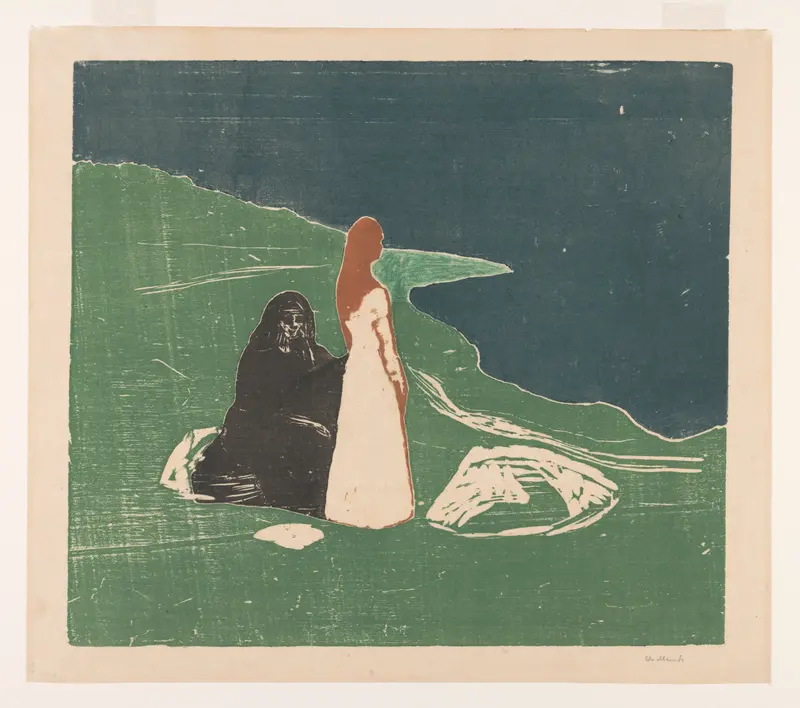
Two Women on the Shore
Edvard Munch
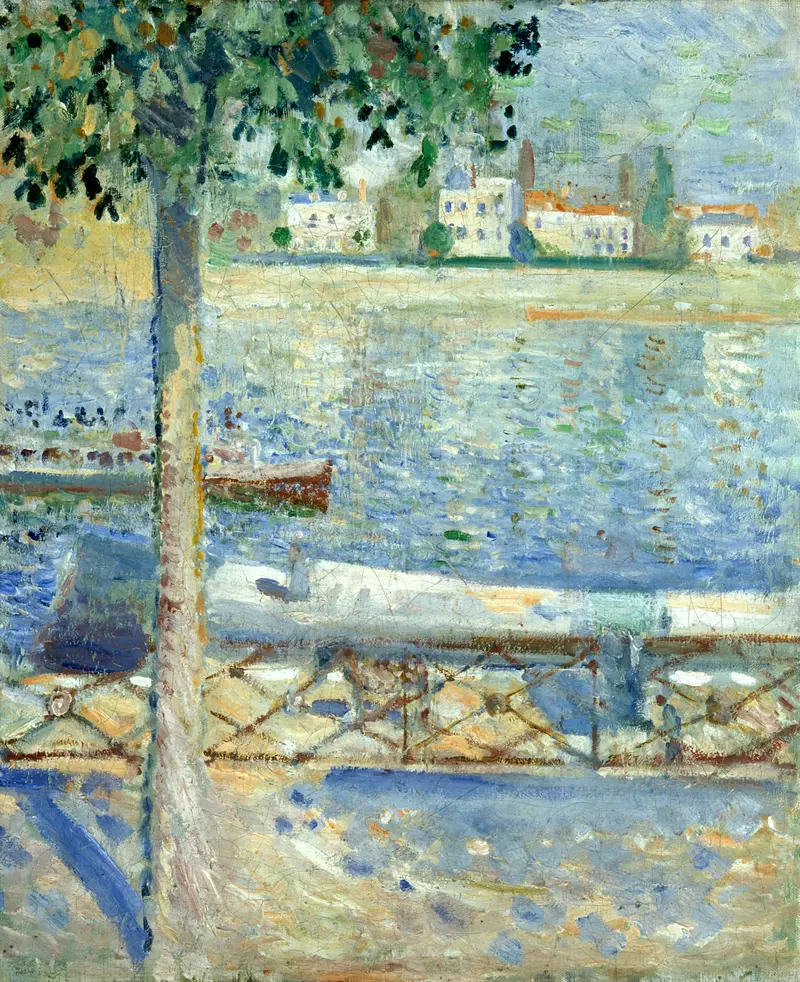
The Seine At Saint-Cloud
Edvard Munch
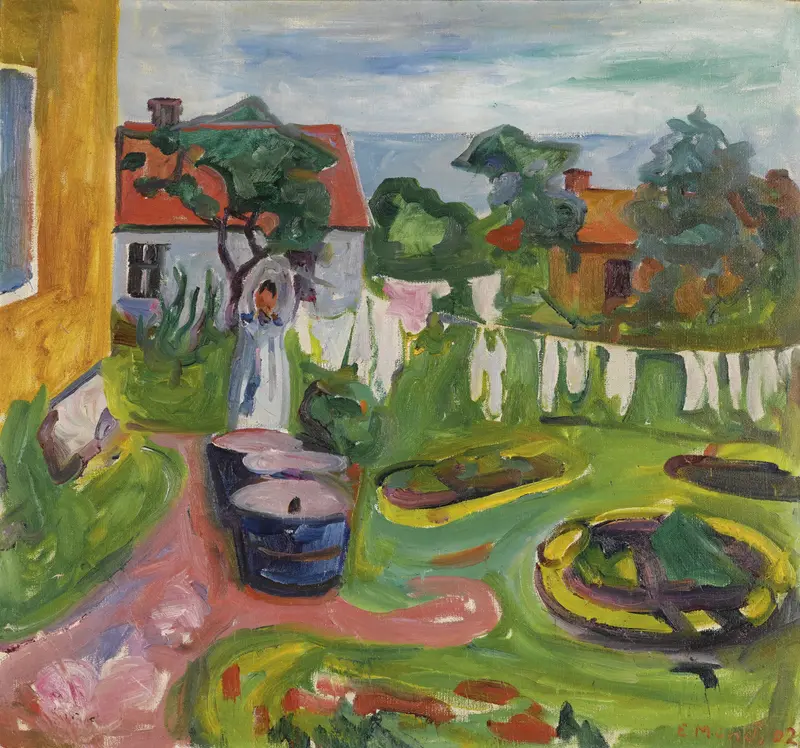
Klestørk I Åsgårdstrand (Clothes On A Line In Åsgårdstrand)
Edvard Munch
More Landscape Art

Starry Night
Vincent van Gogh

View of Delft
Johannes Vermeer

Water Lilies
Claude Monet

The Grand Canal, Venice, looking north-west from the Ca' Corner to the Ca' Contarini degli Scrigni, with the campanile of Santa Maria della Carità
Canaletto

Windsor Castle
Canaletto

The Grand Canal looking North-East from the Palazzo Dolfin-Manin to the Rialto Bridge
Canaletto