Combe Bottom — History & Analysis
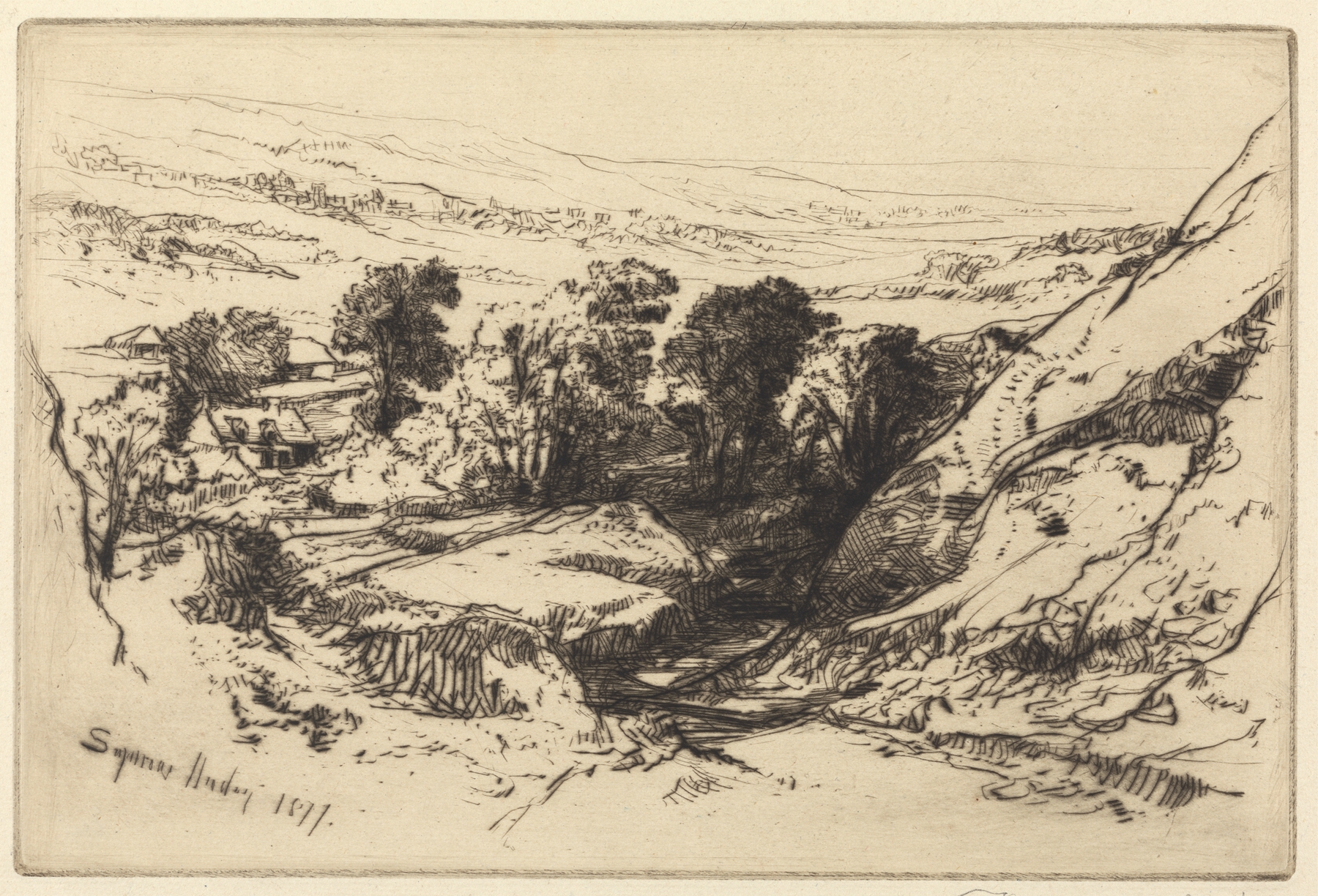
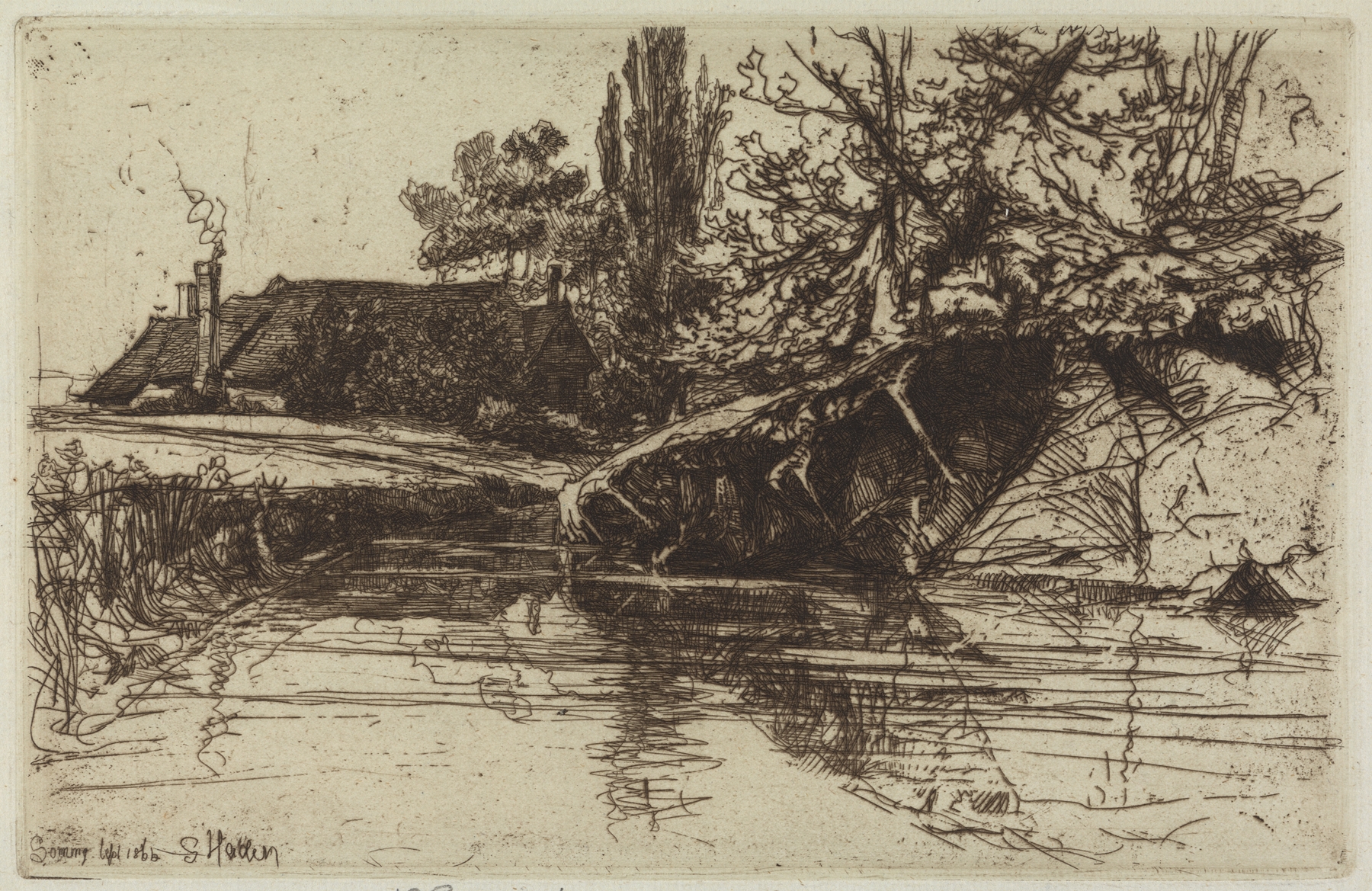
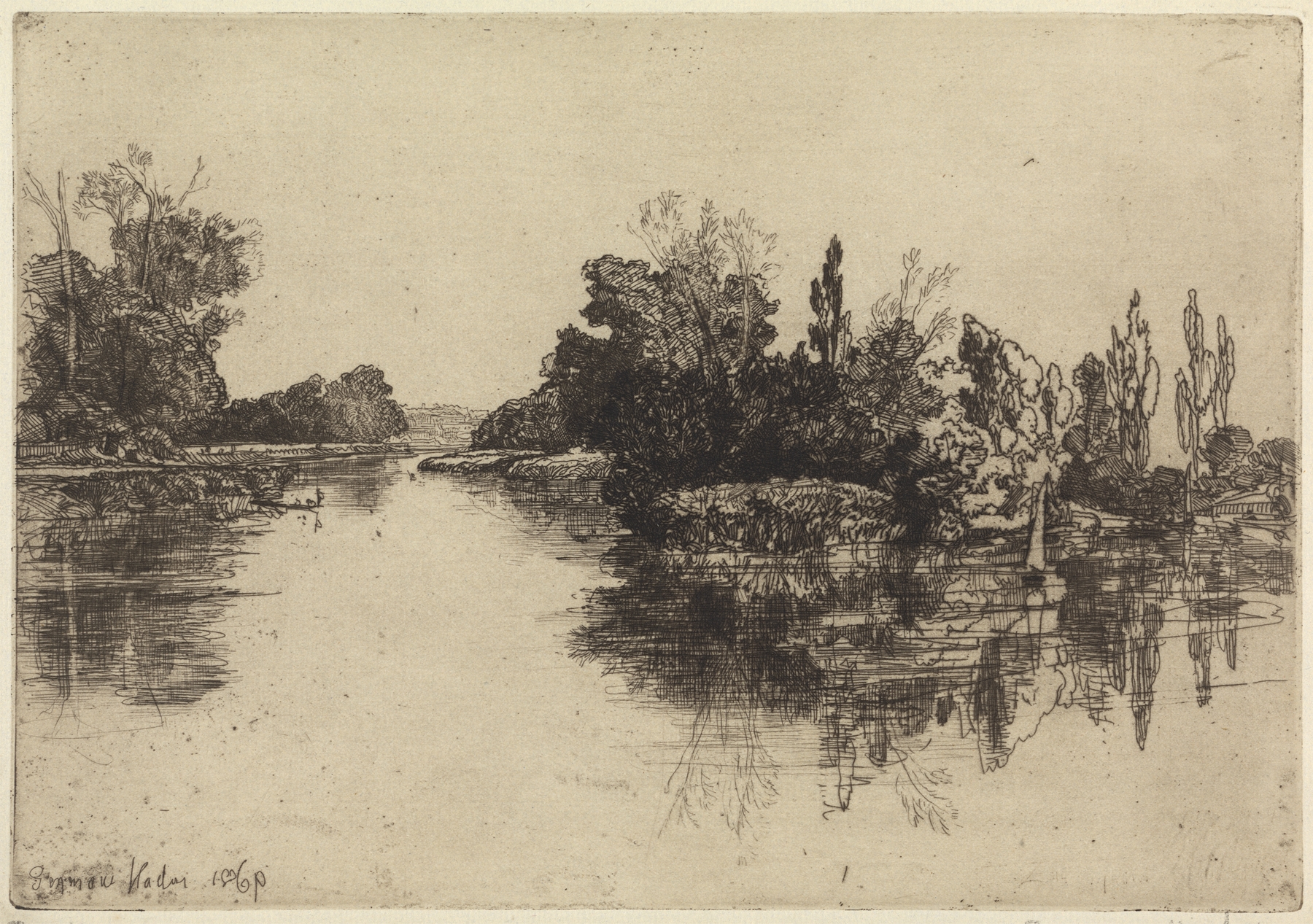
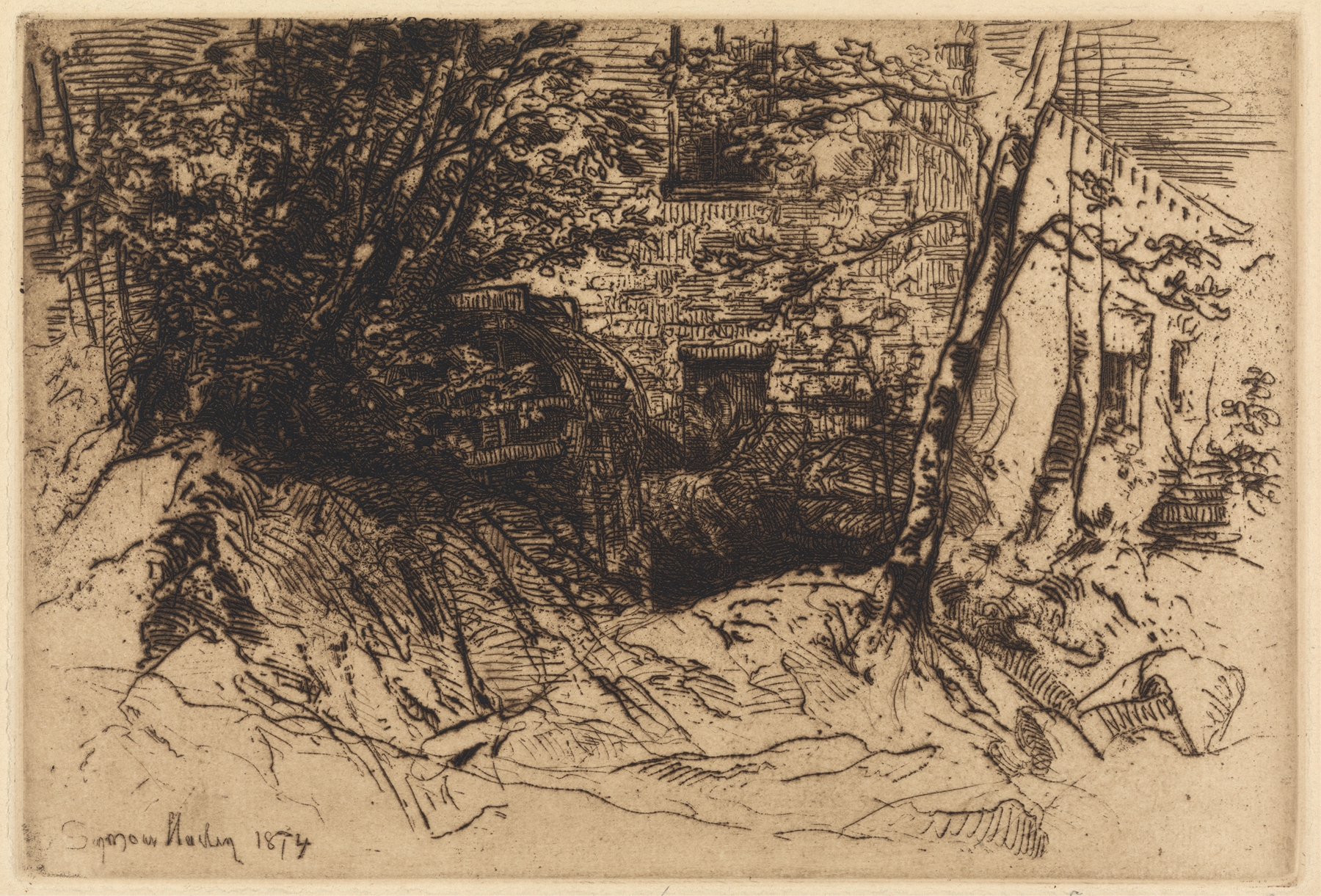
“Between color and silence, truth hides.” In the serene depths of nature, balance is not merely an ideal; it is a delicate dance that resonates throughout time and space. Look to the left at the gentle curves of the hillside, where the soft greens and ochres blend seamlessly into one another, each brush stroke whispering a harmony of colors. The foreground cradles a tranquil stream, its surface mirroring the gentle hues of the foliage. Notice how the light filters through the trees, illuminating patches of the terrain with a warm glow, while other areas remain cloaked in quiet shadow, creating a stunning contrast that invites the eye to wander.
Here, the interplay between light and shadow reflects a deeper emotional tension — the struggle between chaos and calm. The winding path suggests a journey, perhaps meandering through life’s uncertainties, while the serene water embodies stillness and reflection. The artist’s choice of a muted palette imparts an air of tranquility, yet the contrasting elements keep the viewer poised between action and stillness, urging one to find balance amidst the complexities of existence.
In 1860, Francis Seymour Haden created this artwork during a period of introspection and exploration. Living in London, he was immersed in the artistic currents of the time, influenced by the burgeoning Impressionist movement. His work often focused on landscapes, reflecting his deep appreciation for nature, yet it also marked his desire to convey emotional depth through simplicity and beauty, as he sought to capture the fleeting moments of life and light.