Country House — History & Analysis
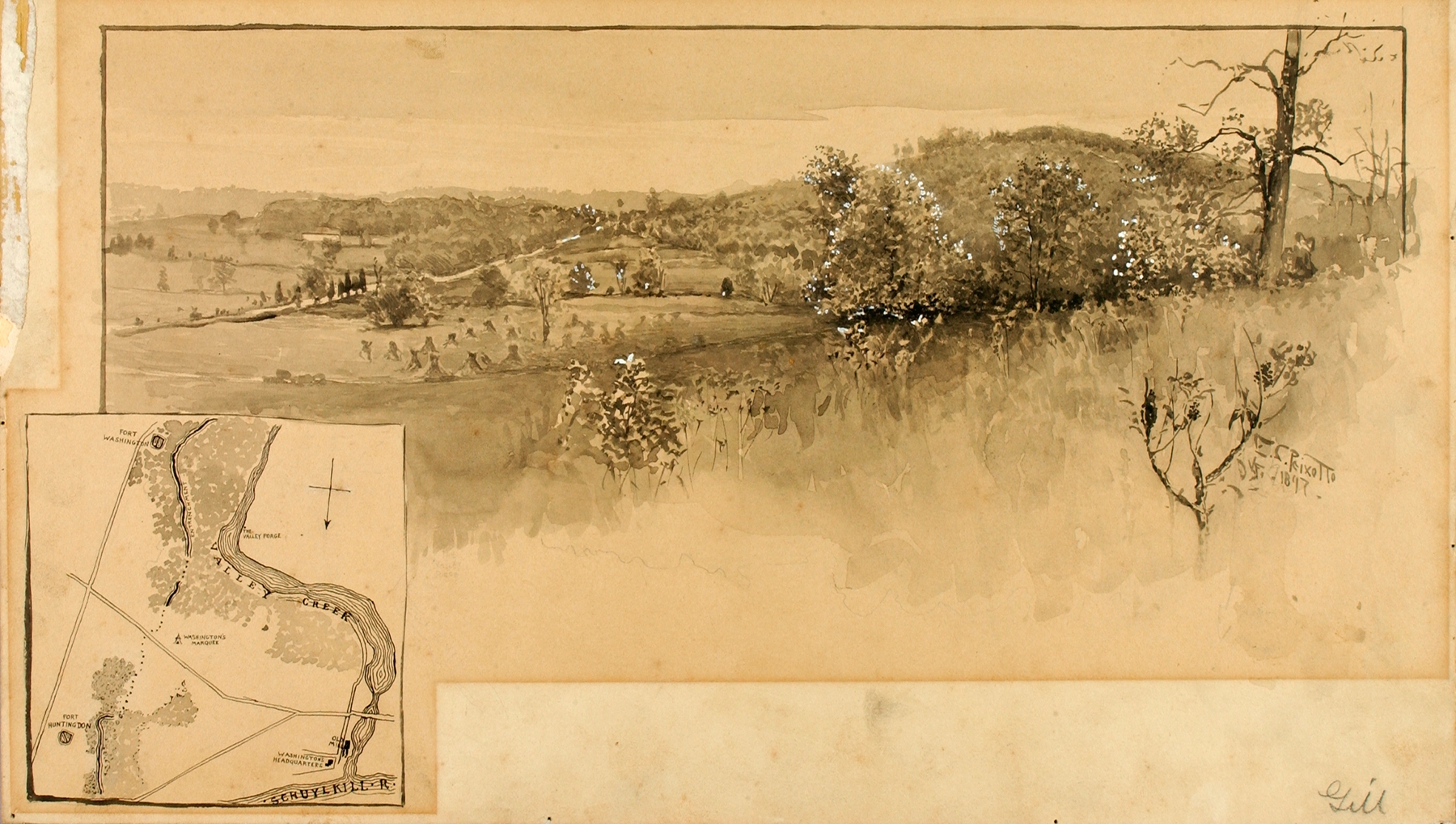
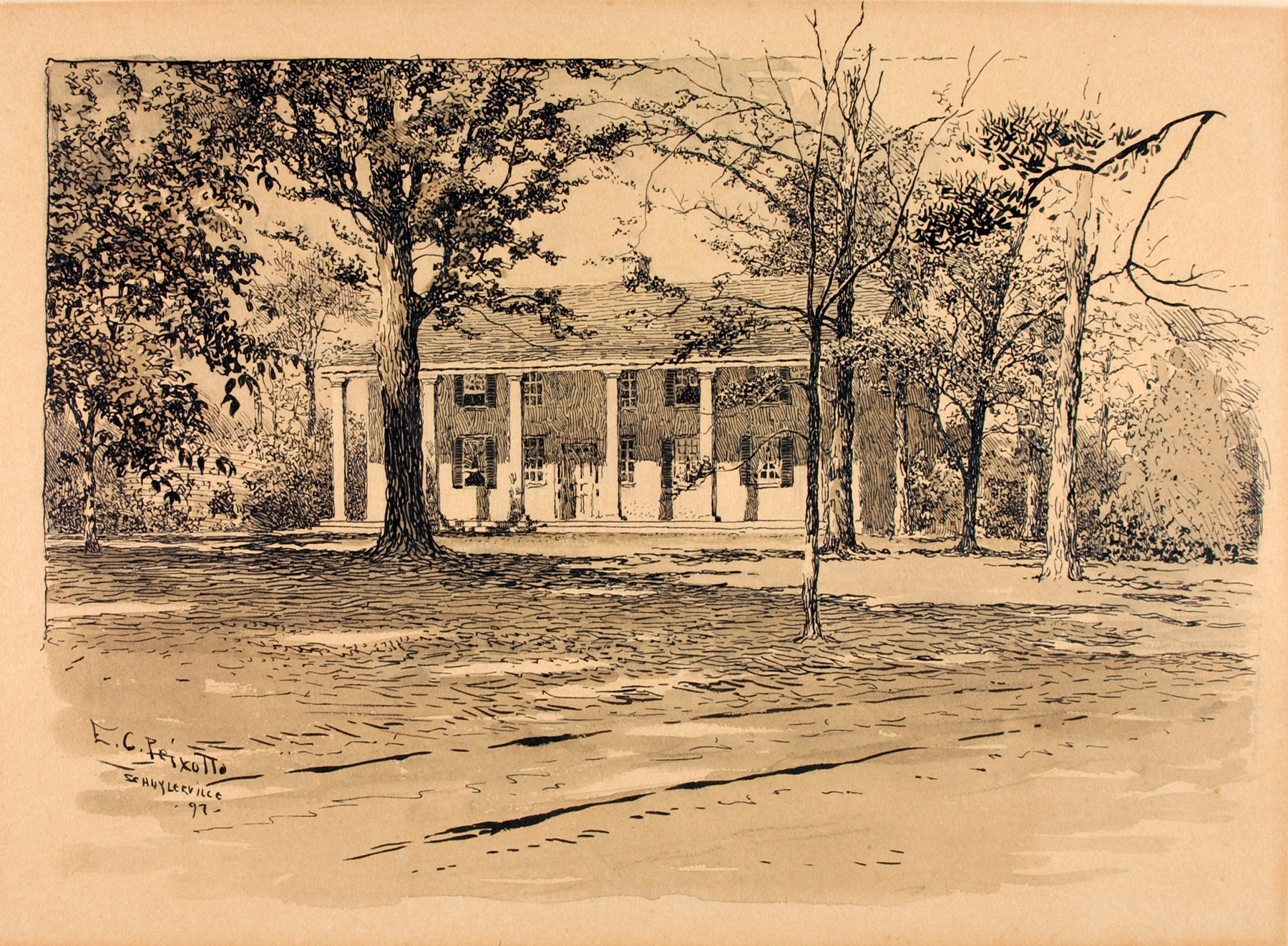
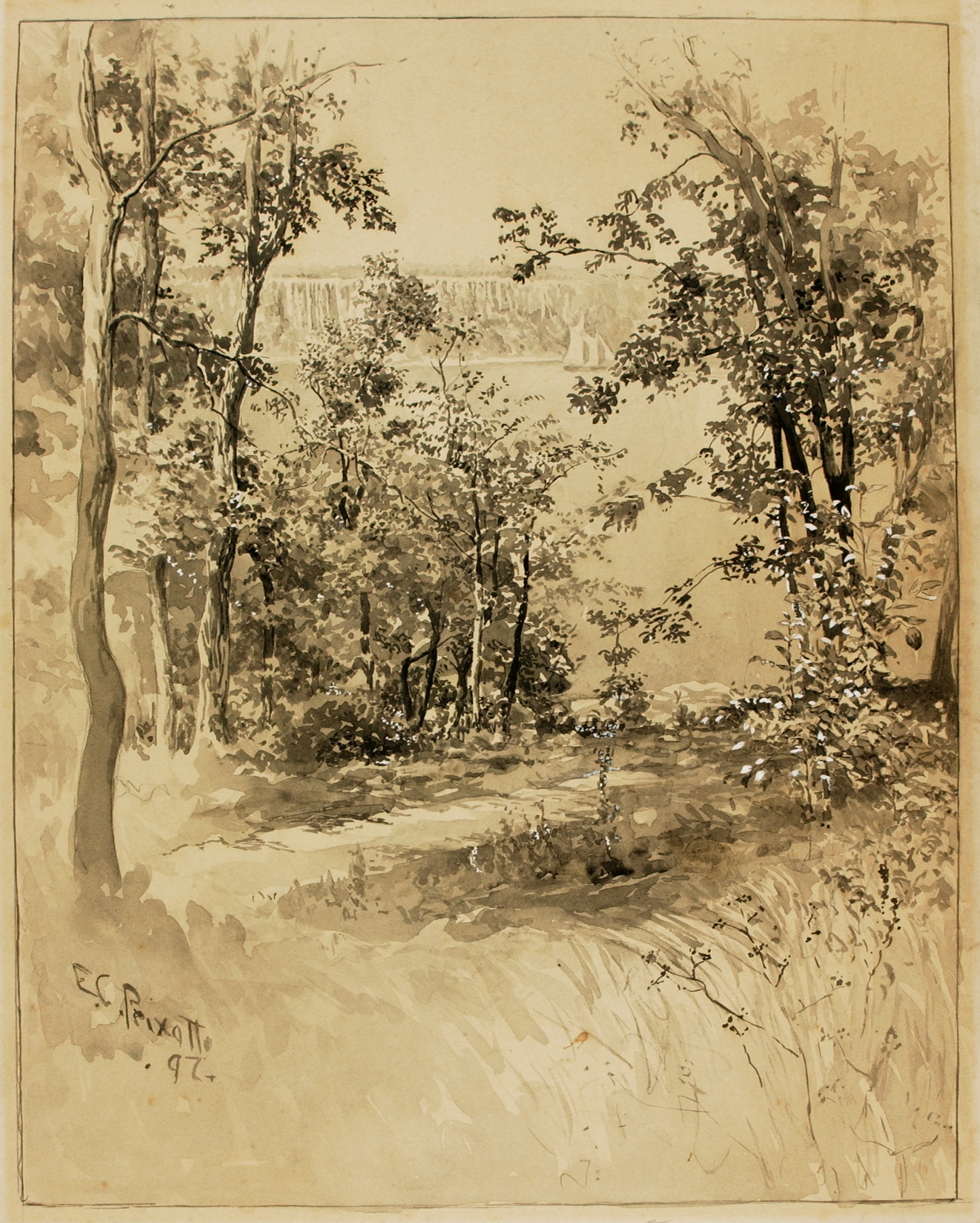
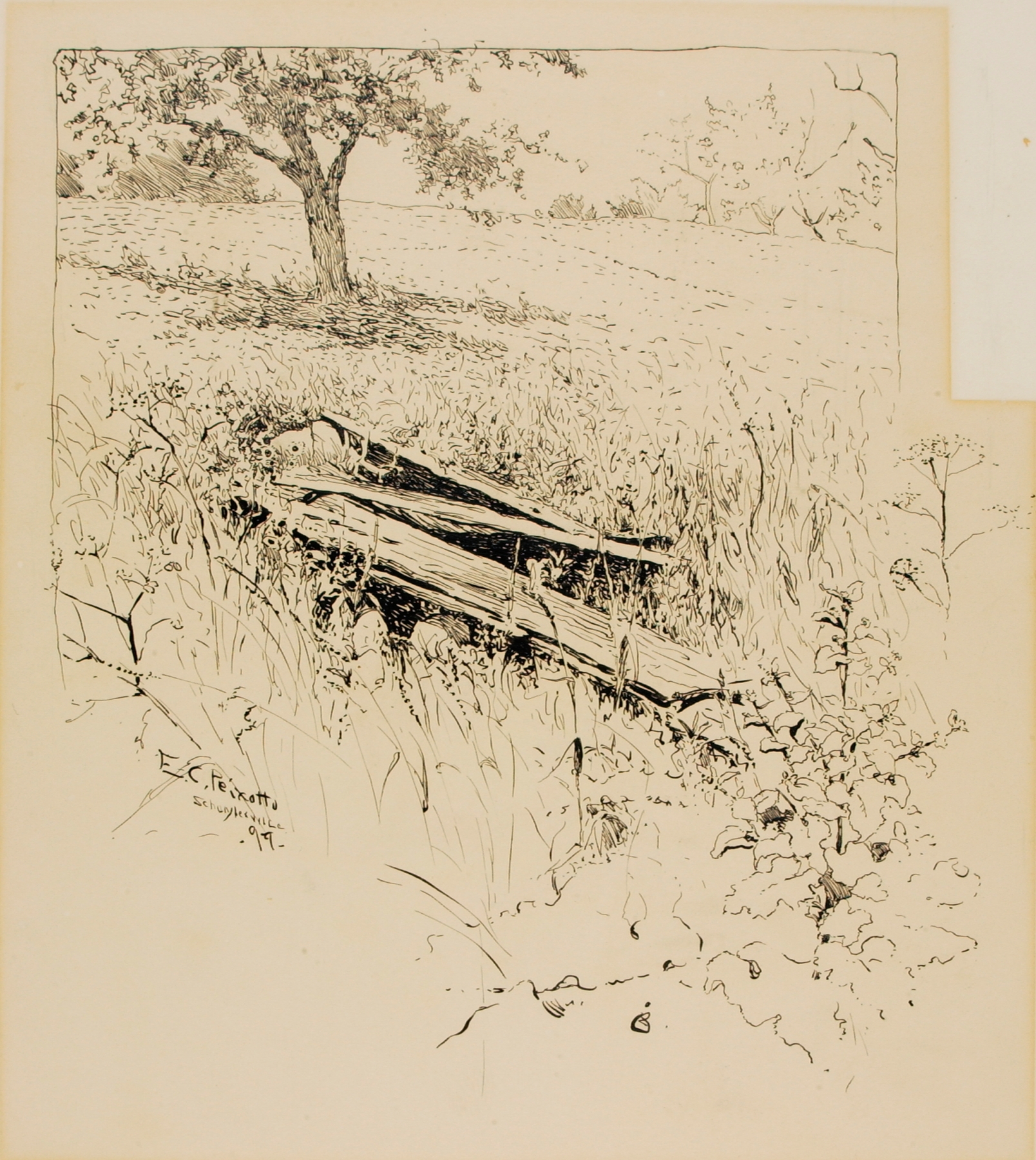
Is this a mirror — or a memory? In Country House, a palpable sense of emptiness filters through the serene landscape, inviting the viewer to ponder the passage of time and the lives once lived within its walls. The lush greenery stands in stark contrast to the haunting stillness, evoking a wistful nostalgia that resonates quietly yet profoundly. Focus first on the house itself, centered within the canvas, its facade both inviting and forlorn. Notice how the subtle brushwork captures the play of light across the weathered surface, casting shadows that hint at secrets long buried.
The surrounding foliage frames the scene, an exuberance of life that envelops the structure, and yet, it feels like a protective shroud, as if guarding a memory rather than accommodating inhabitants. Delve deeper to uncover emotional layers woven through the composition. The juxtaposition of vibrancy and desolation reveals a tension between nature's persistence and human absence. The meticulous detail of the leaves, teeming with life, starkly contrasts the stillness of the house, suggesting not just neglect but a profound longing for connection.
Each stroke whispers stories of laughter and love now faded, allowing the viewer to reflect on their own experiences of loss and longing. In 1897, Peixotto captured Country House amidst a flourishing period for American arts, when the Impressionist influences began to permeate the canvas of American realism. Living in California at the time, he engaged with the rich landscapes around him while also grappling with the societal shifts of the era. This painting emerges from a moment of both personal exploration and broader artistic evolution, reflecting the complex relationships between place, memory, and the passage of time.