De terugkeer van de verloren zoon — History & Analysis
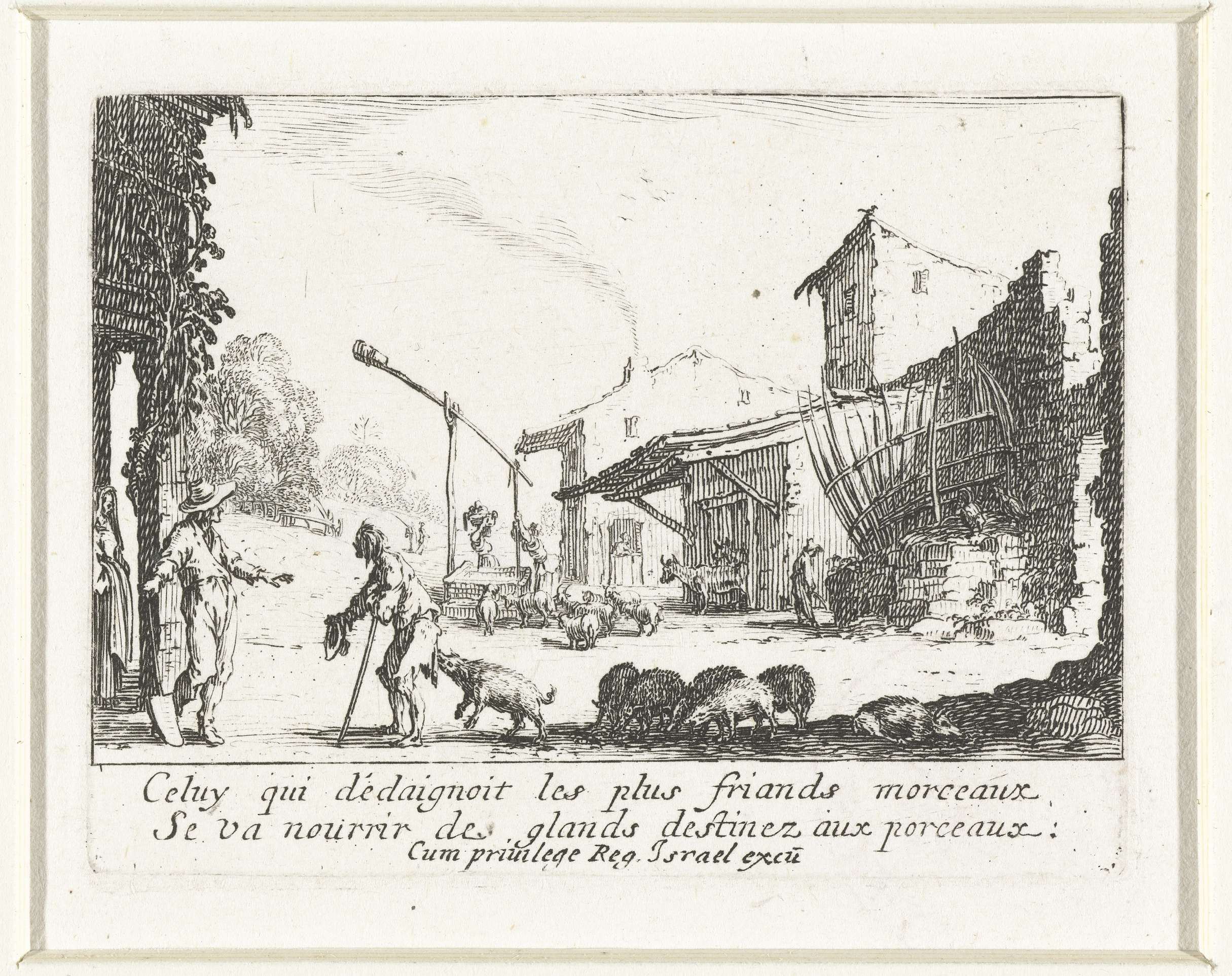
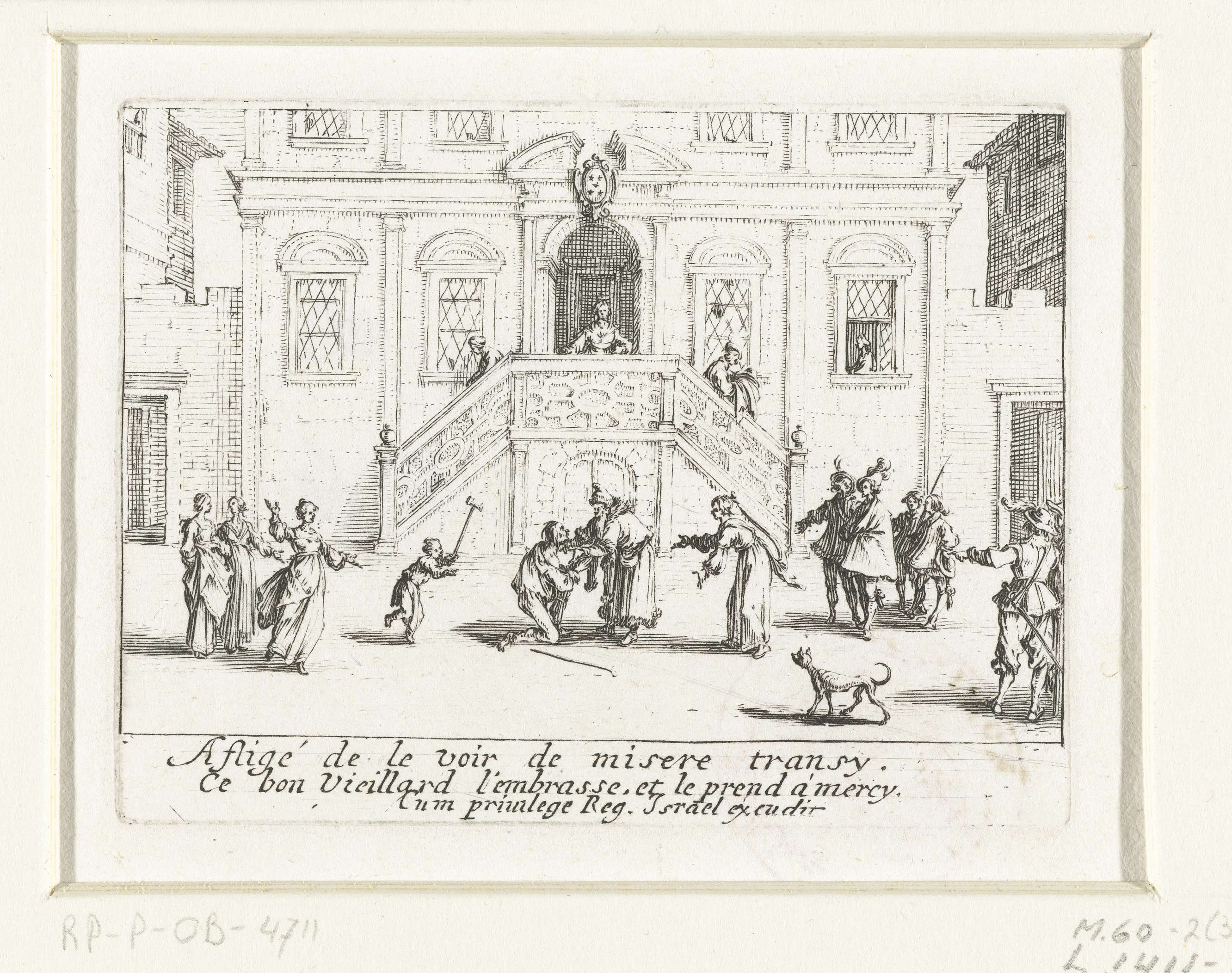
Where does light end, and longing begin? In the delicate strokes of this artwork, movement intertwines with emotion, weaving a narrative of redemption and familial bonds. Look to the left at the figure of the returning son, his weary posture and outstretched arms radiating a palpable sense of vulnerability. Notice how the light bathes his face, casting a glow that speaks to both regret and hope, contrasting sharply with the darker tones enveloping the others in the frame.
The intricate details in the surrounding figures, from the father's astonished expression to the figures in the background, create a symphony of reactions, each gesture illuminating their roles in this profound moment of reconciliation. Within the canvas lies a rich tapestry of emotional tension. The son's torn garments symbolize his lost journey, while the father’s embrace embodies unconditional love against a backdrop of past hardships. The juxtaposition of light and shadow serves not only to define the figures but also to accentuate the inner turmoil of longing and forgiveness, revealing the complexity of human relationships that pulse beneath the surface.
In 1635, Jacques Callot painted this masterpiece during a time when the Baroque movement was evolving, emphasizing emotional depth and dramatic realism. Living in Nancy, France, he was influenced by the societal shifts and religious conflicts of the era, which informed his exploration of themes such as loss and redemption. This work stands as a testament to his skill and sensitivity, capturing the essence of human experience amid the tumult of the world around him.