Deserted Village — History & Analysis
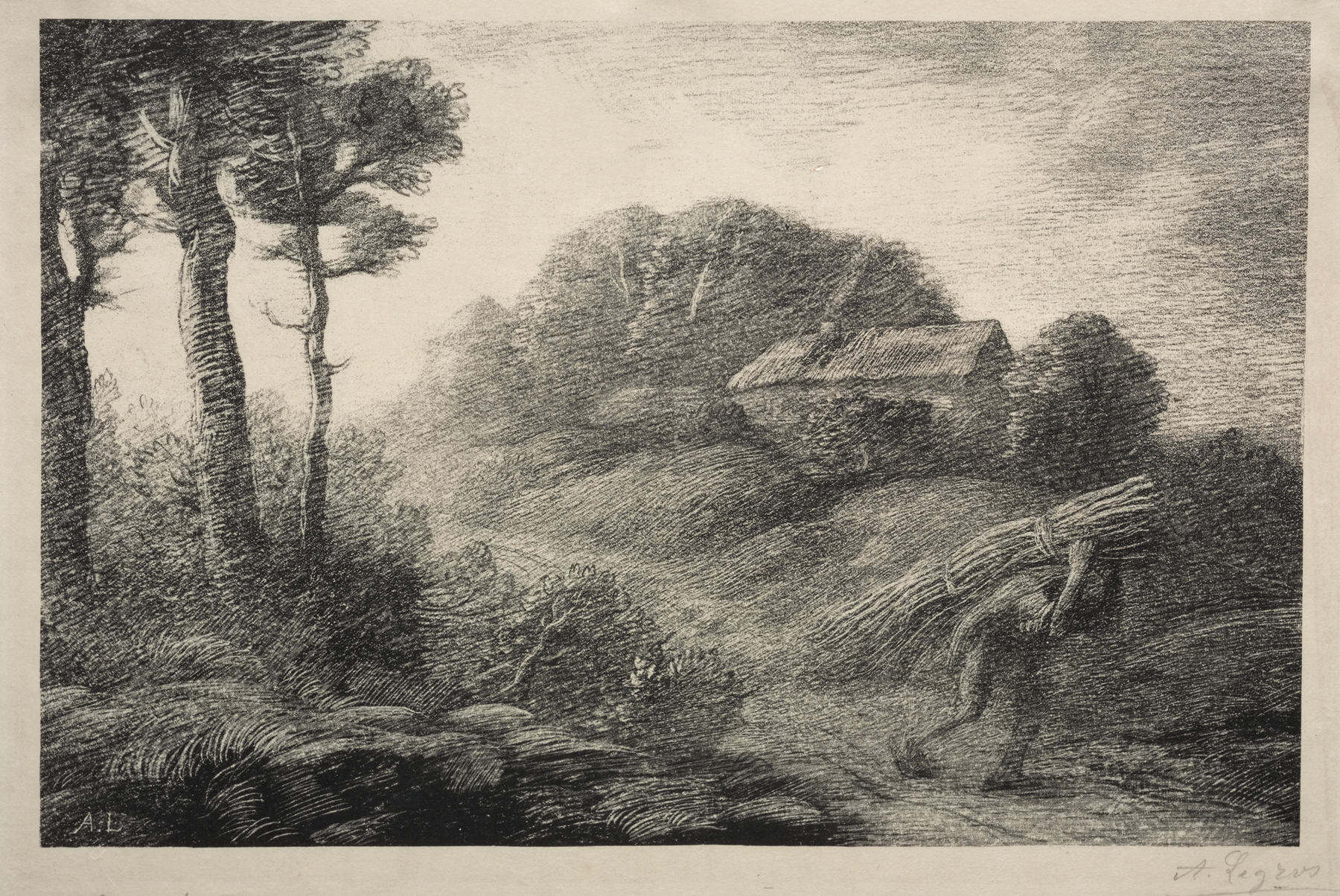
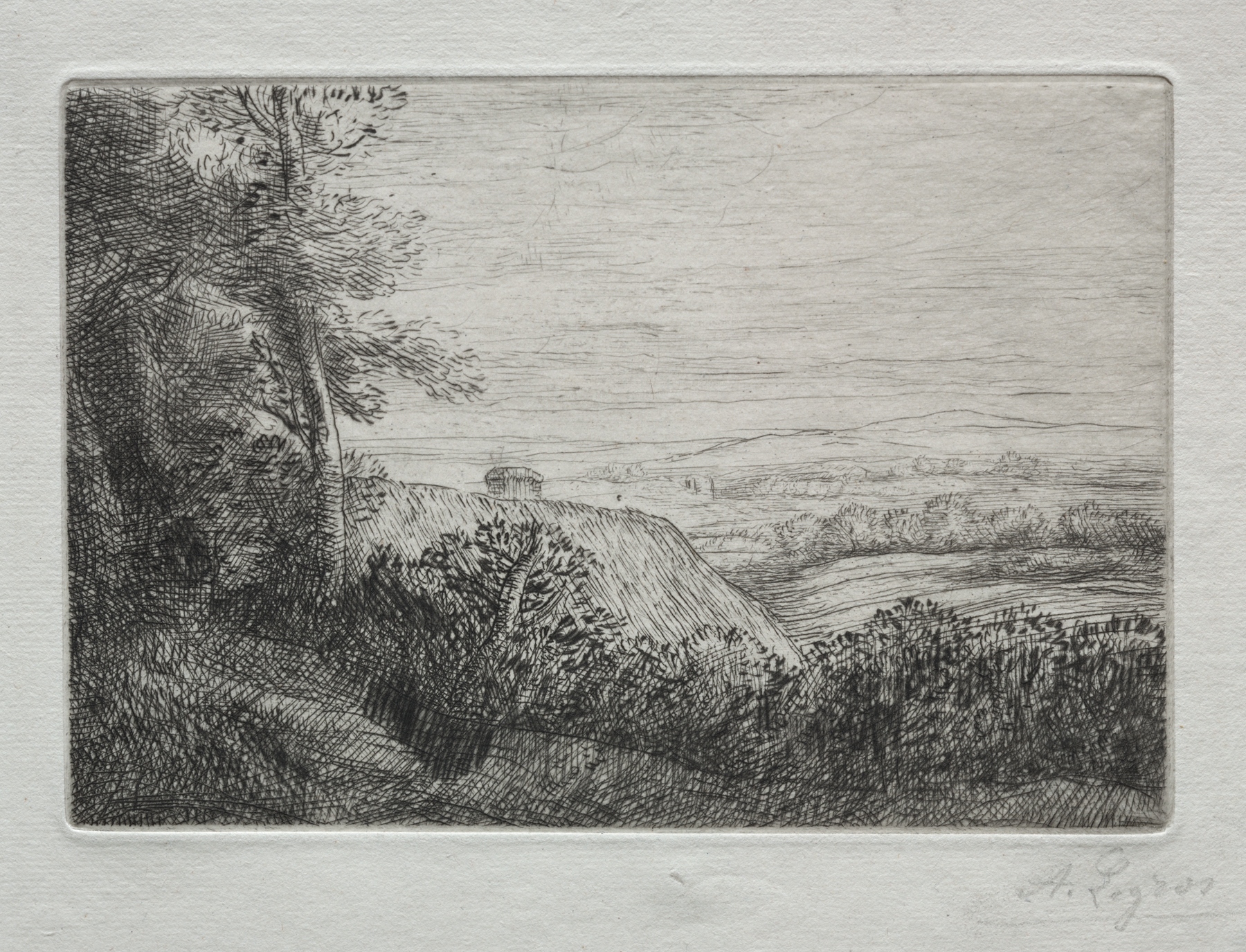
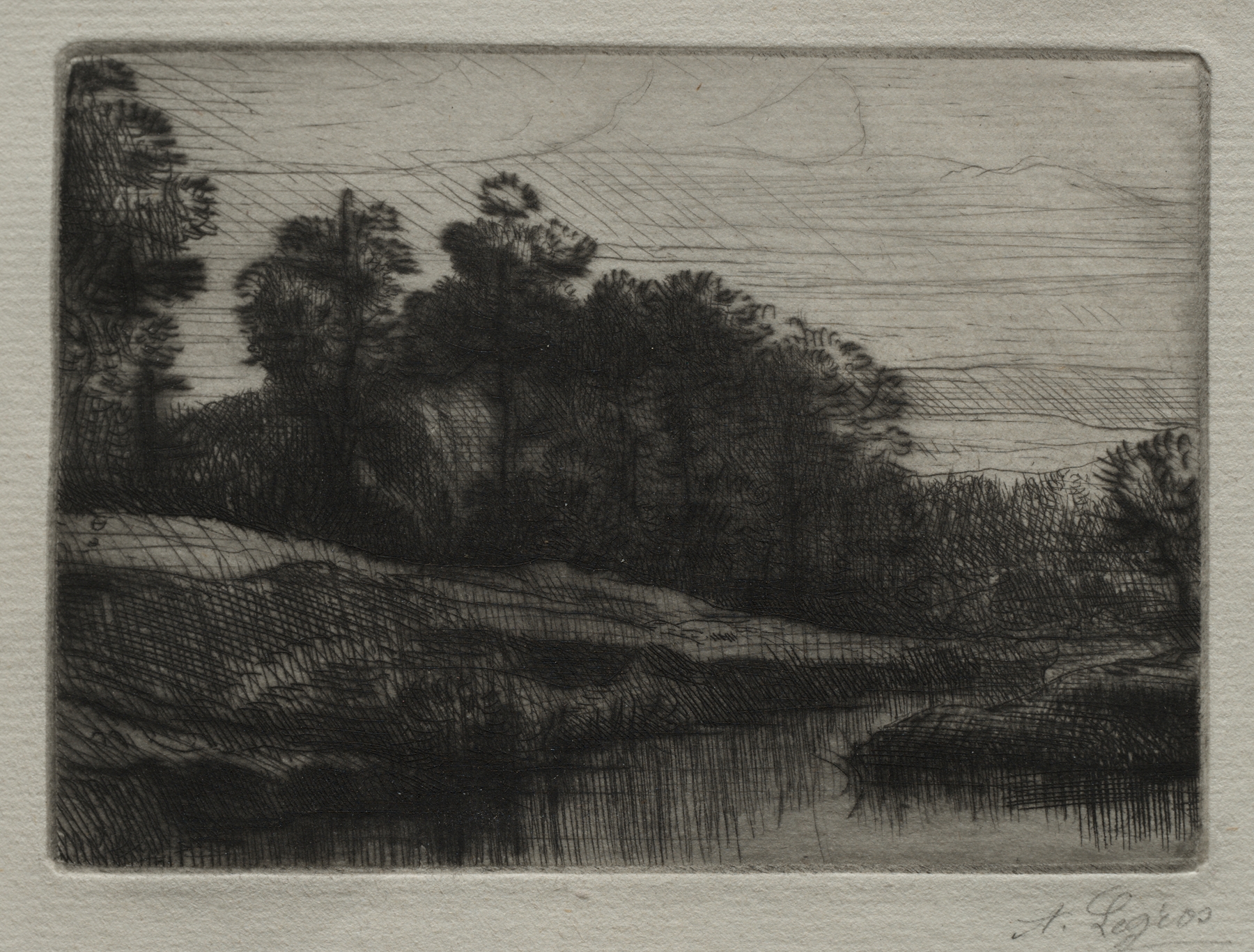
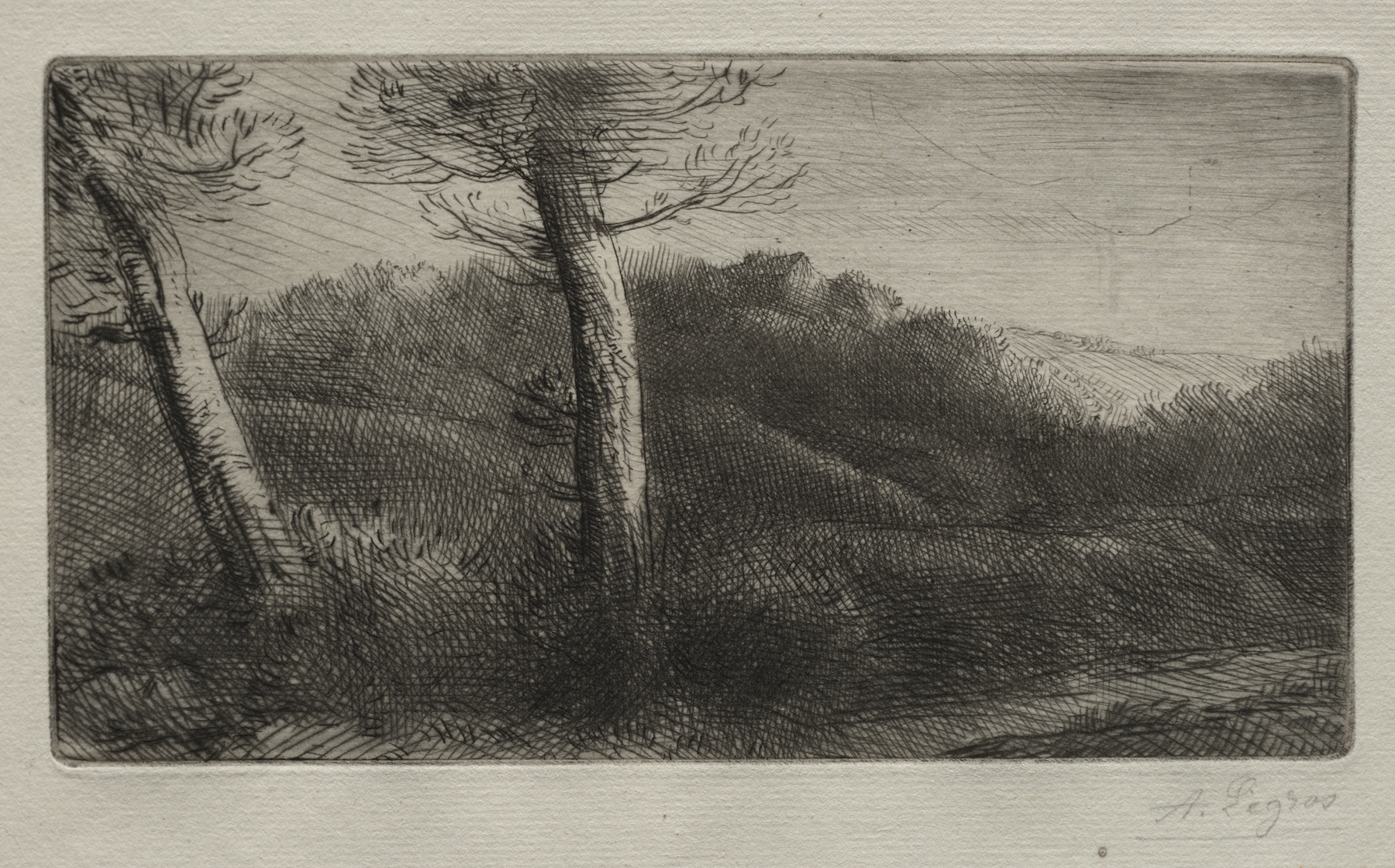
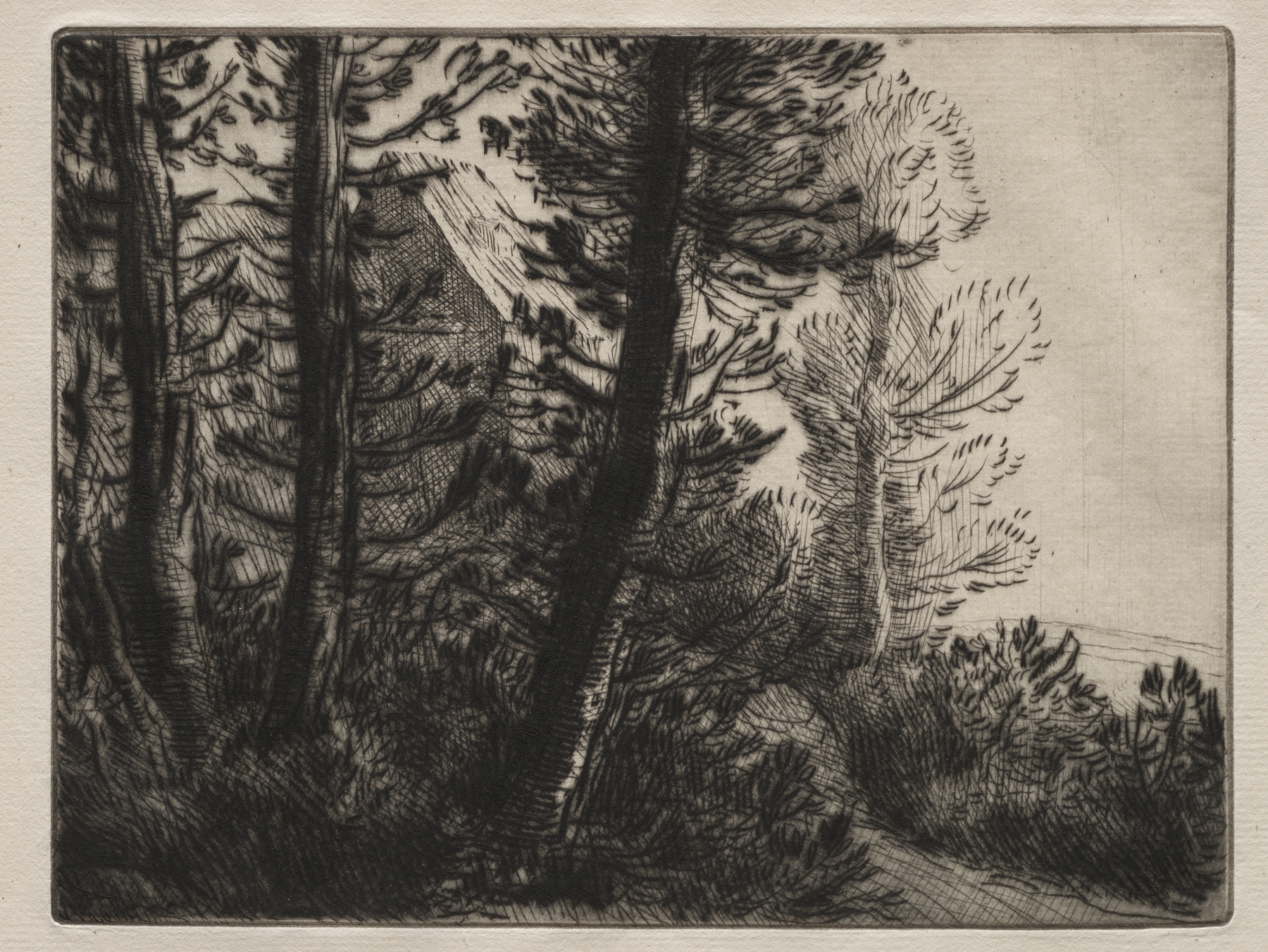
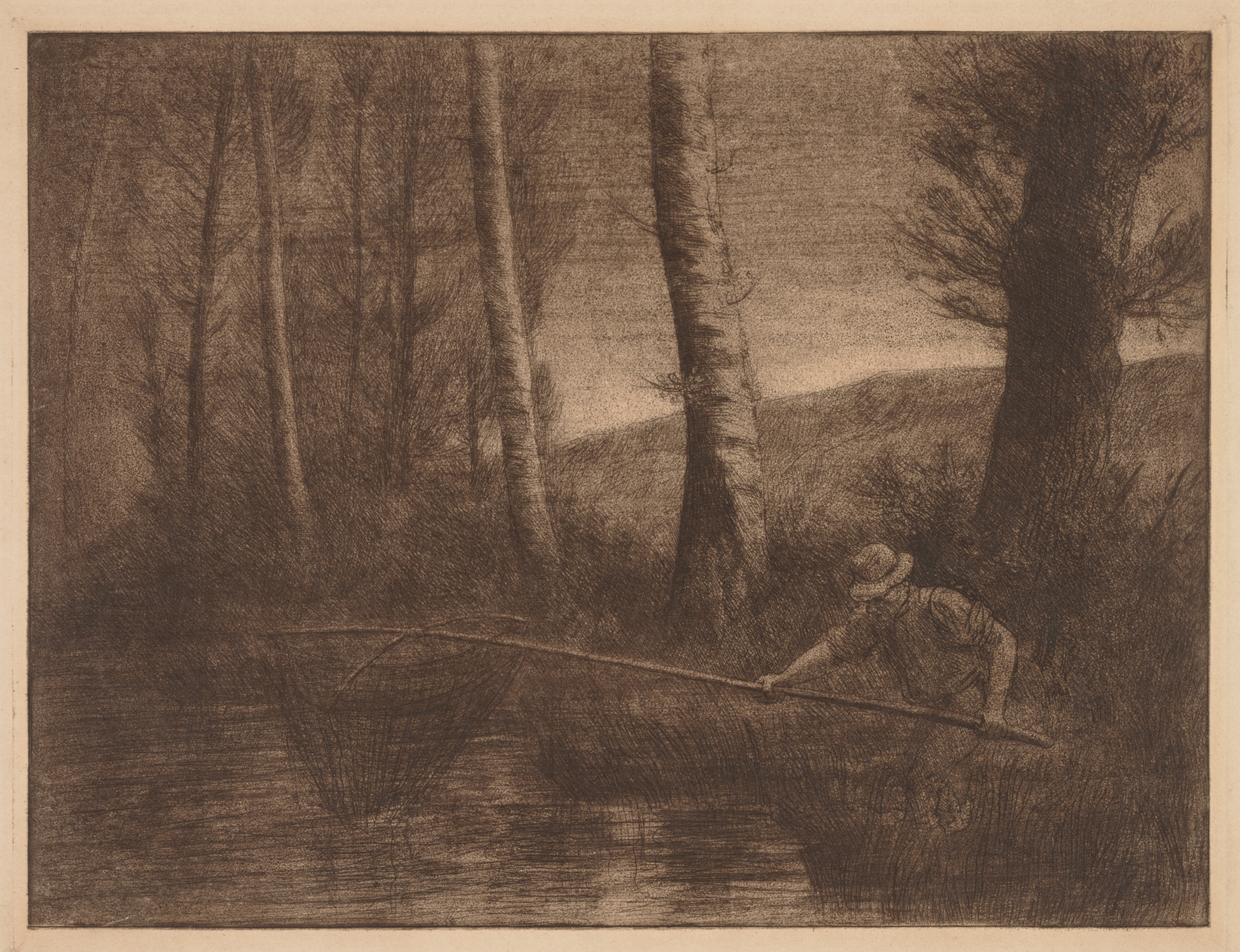
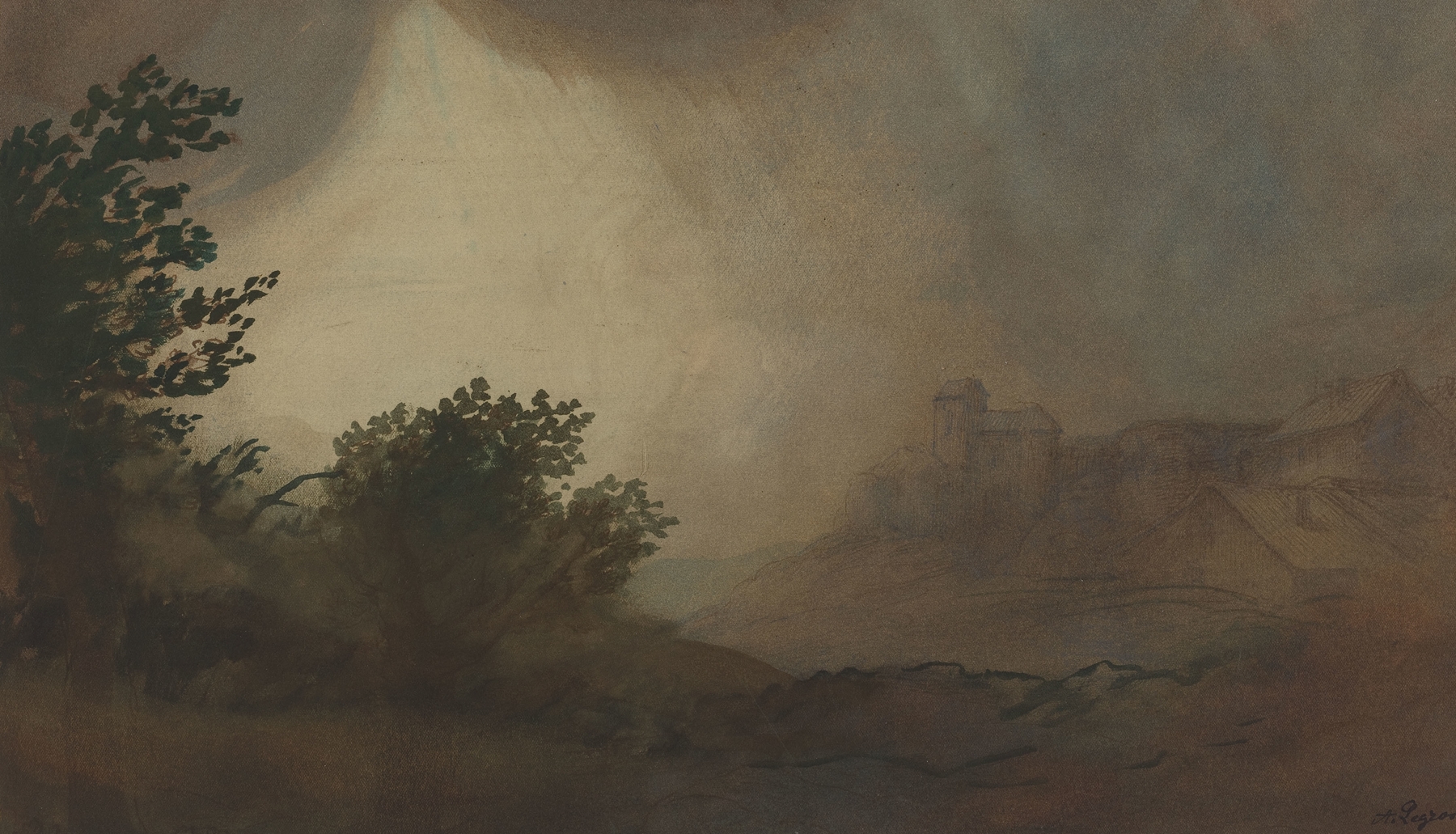
Where does light end, and longing begin? In the vacant stretches of Deserted Village, a haunting silence lingers heavily, a testament to absence that resonates deeply within the viewer’s soul. Focus first on the ethereal glow that bathes the crumbling structures, illuminating the remnants of lives once lived. The soft interplay of light and shadow crafts an atmosphere that is both melancholic and serene, inviting you to explore the contours of decay.
Notice the muted palette of ochres and grays, evoking the passage of time, while the vertical lines of the dilapidated buildings draw your gaze upward, suggesting aspirations once nurtured now left unfulfilled. The juxtaposition of light and shadow reveals an emotional tension—one that speaks of nostalgia and loss. Each deserted window and cracked wall seems to echo whispers of the past, silently inviting reflection on the stories that unfolded within these walls. The sparse landscape surrounding the village serves as a stark reminder of isolation, enhancing the sense of longing that permeates the scene; it compels you to ponder what has been sacrificed to the relentless march of time.
Alphonse Legros painted Deserted Village during a period marked by a growing interest in themes of desolation and introspection in the art world, roughly between 1857 and 1911. Living in England after his immigration from France, he was influenced by the Romantic movement and the desire to capture the raw essence of human existence. This work reflects his exploration of the sublime in nature and the deep emotional resonance within the remnants of human civilization.