Der Morgen, Der Auszug des Wanderers nach Jericho — History & Analysis
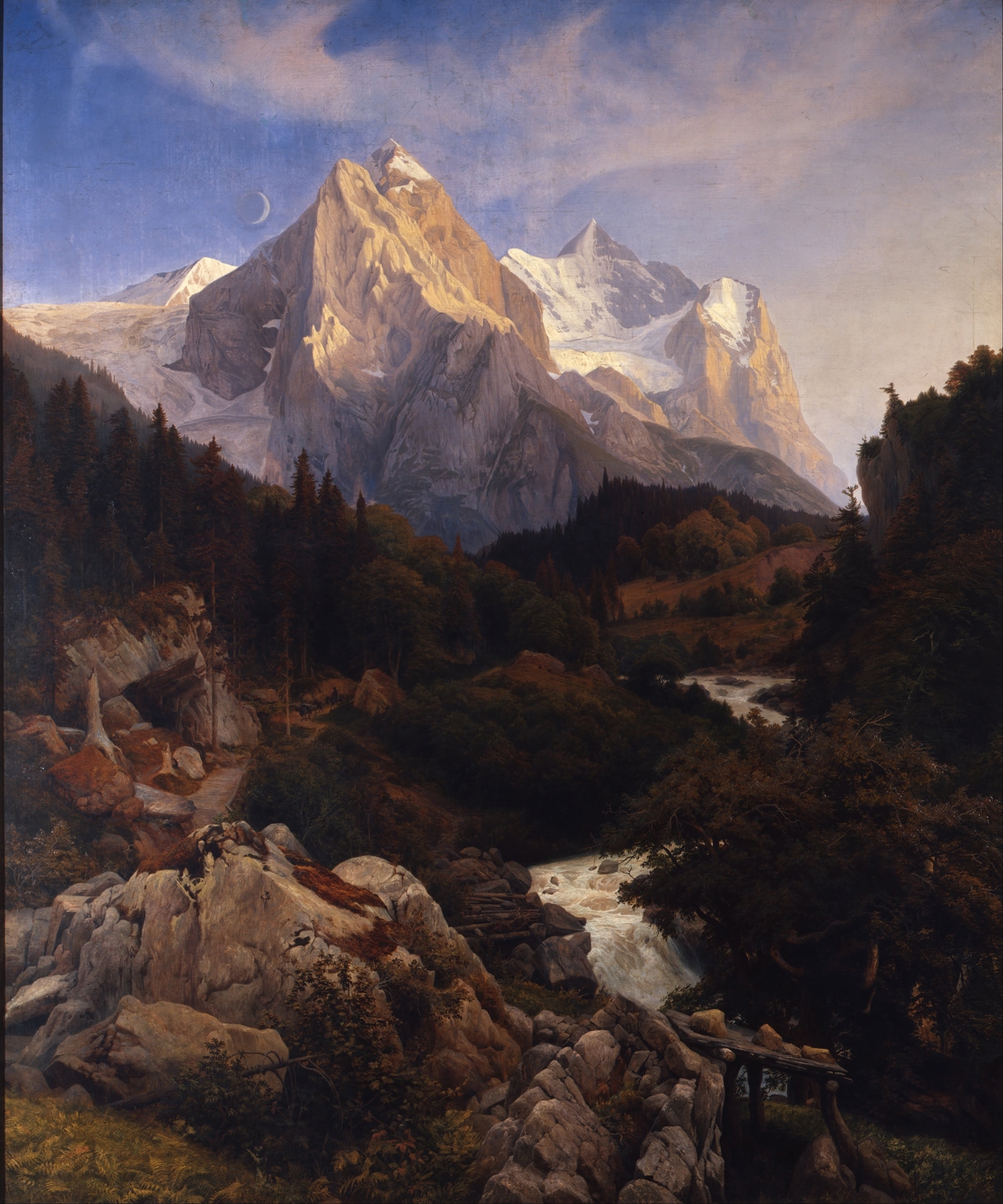
The canvas doesn’t lie — it simply waits. In the stillness of dawn, light unfurls like a secret, illuminating the journey that lies ahead and the infinite possibilities it holds. Look to the left at the figure of the wanderer, cloaked in subdued colors, standing poised on the precipice of a vast, sun-kissed landscape. The golden light spills across rolling hills, casting long shadows that stretch like fingers toward the distance.
Notice how the gentle transition between cool blues and warm ambers emphasizes the contrast of solitude against the expanse of the world, inviting the viewer to feel the weight of the wanderer's decision. The image captures both the promise of a new dawn and the weight of the unknown. The distant path winding through the hills suggests a journey steeped in uncertainty, where hope and anxiety coexist. The figure's stance, both resolute and contemplative, embodies a moment of pause — a fragile balance between departure and introspection.
The interplay of light and shadow across the landscape serves as a metaphor for the duality of life's journey, where shadows often accompany the bright solace of dawn. In 1857, Schirmer created this work during a period marked by artistic exploration in Germany, where Romanticism was giving way to new forms. He was influenced by the natural world and its representation, crafting a vision that reflects both personal introspection and the broader changes in society. As artists sought to capture the sublime beauty of nature, this piece emerged as a testament to the emotional and spiritual depth that could be achieved through the careful manipulation of light in landscape painting.